48H

Basic Information

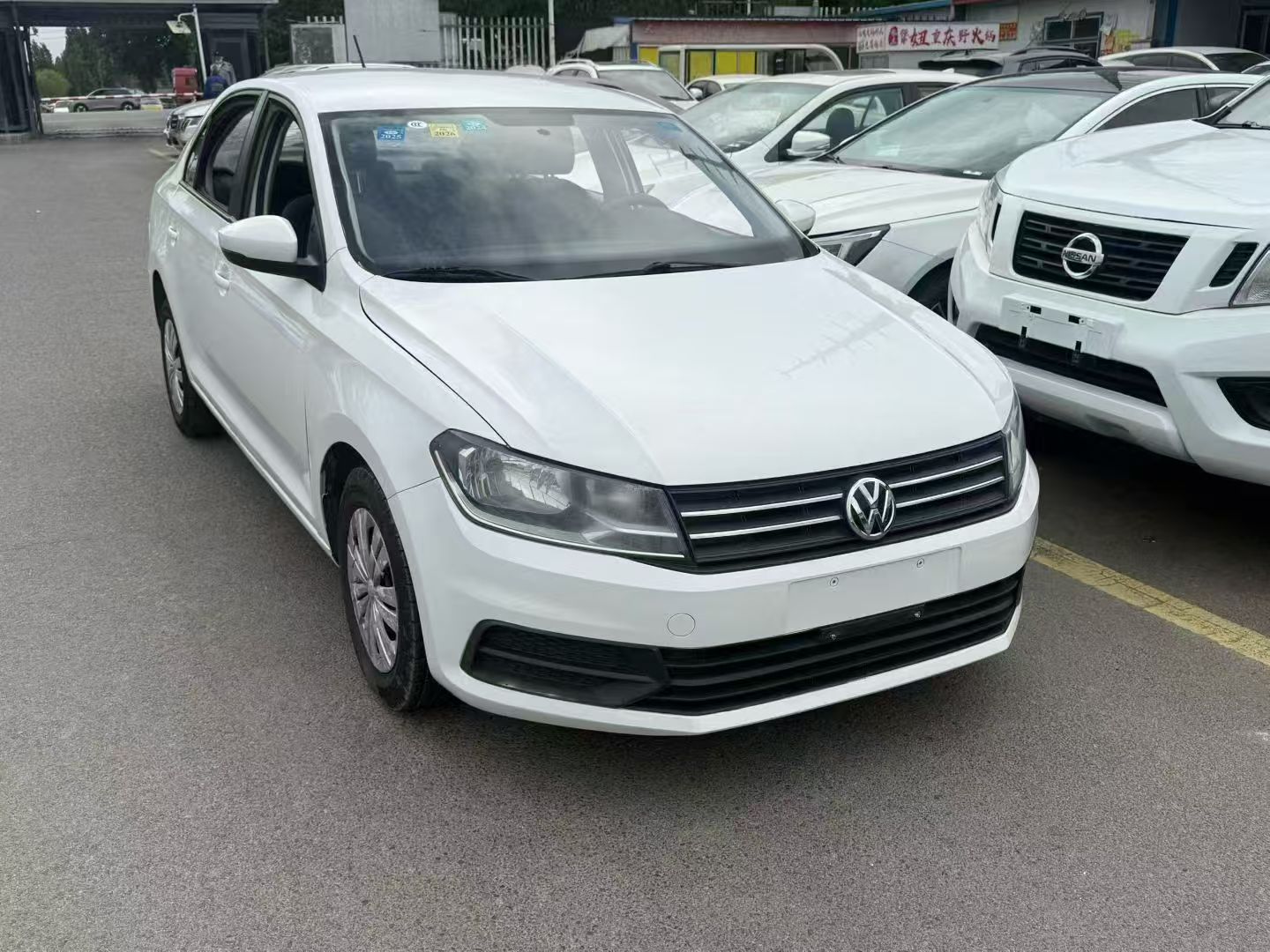
BrandVolkswagen
SeriesSantana
Year2014
First Registration2014/04
Mileage100,000km
Transfer Count0times
FuelGasoline
TransmissionAutomatic
Engine1.6L 110 L4
Color
Seats5seats

Condition Description

官方质检 · 60天全车质保· 7天无理由有偿退车

Configuration Highlights

✓上牌时间: 2014-04
✓表显里程: 10万公里
✓车源地: 廊坊
✓排放标准: 国四
✓百公里加速: 11.8s
✓发动机: 1.6L
✓轴距: 2603mm
✓变速箱: 自动

Q&A

More

What are the differences in power loss performance of used lithium iron phosphate (LFP) and ternary lithium (NMC) batteries in cold countries?

If your market is in extremely cold regions (like Russia or Northern Europe), we strongly recommend purchasing ternary lithium (NMC) models equipped with heat pump air conditioning. The range achievement rate of used LFP batteries typically plummets at minus 15 degrees, and we will alert you accordingly.


If the total price of the vehicles I purchase at once exceeds $1 million, can I request a performance bond from you?

Yes. For large B2B government or major fleet procurement projects, to ensure the safety of your deposit, we can issue an advance payment guarantee from one of China's four major state-owned banks, but the buyer must bear the issuance fee.

What engine checks beyond a cold start should a pre-purchase inspection of a used Chinese car include?

A cold start tells you a lot, but it isn't enough. Ask your inspector for these additional checks: Compression test: measures cylinder pressure in each cylinder. Consistent readings across cylinders mean healthy piston rings and valves; one low cylinder suggests internal wear. Timing system: listen at idle and at 2000 rpm for chain rattle or belt squeal. On turbo engines, check for play in the turbo shaft and oil in the intake piping. Exhaust analysis: blue smoke means oil burning (worn rings or valve seals); white sweet-smelling smoke can mean head gasket issues; black smoke points to running too rich. Fluid condition: engine oil on the dipstick should not smell burnt or look milky; coolant should be clean without oil traces. Fault codes: a full OBD scan beyond pending codes — look at misfire counters, fuel trim values, and any history codes that were recently cleared. Ask for photos of the dipstick, exhaust at idle and revving, and the live OBD data. These give you an objective engine health record.