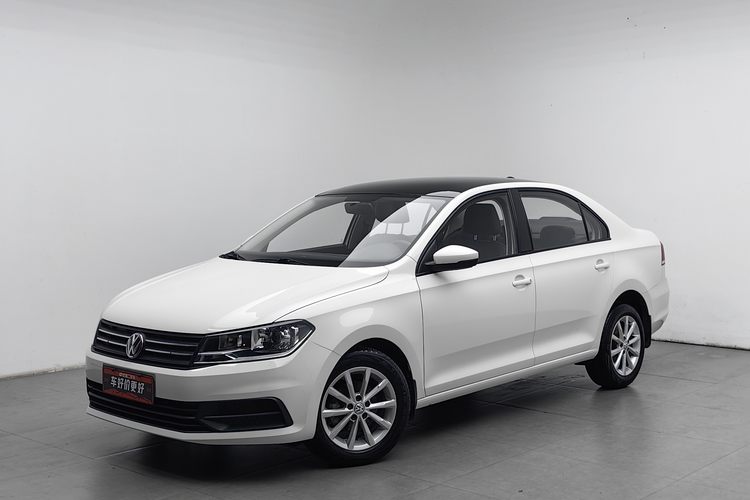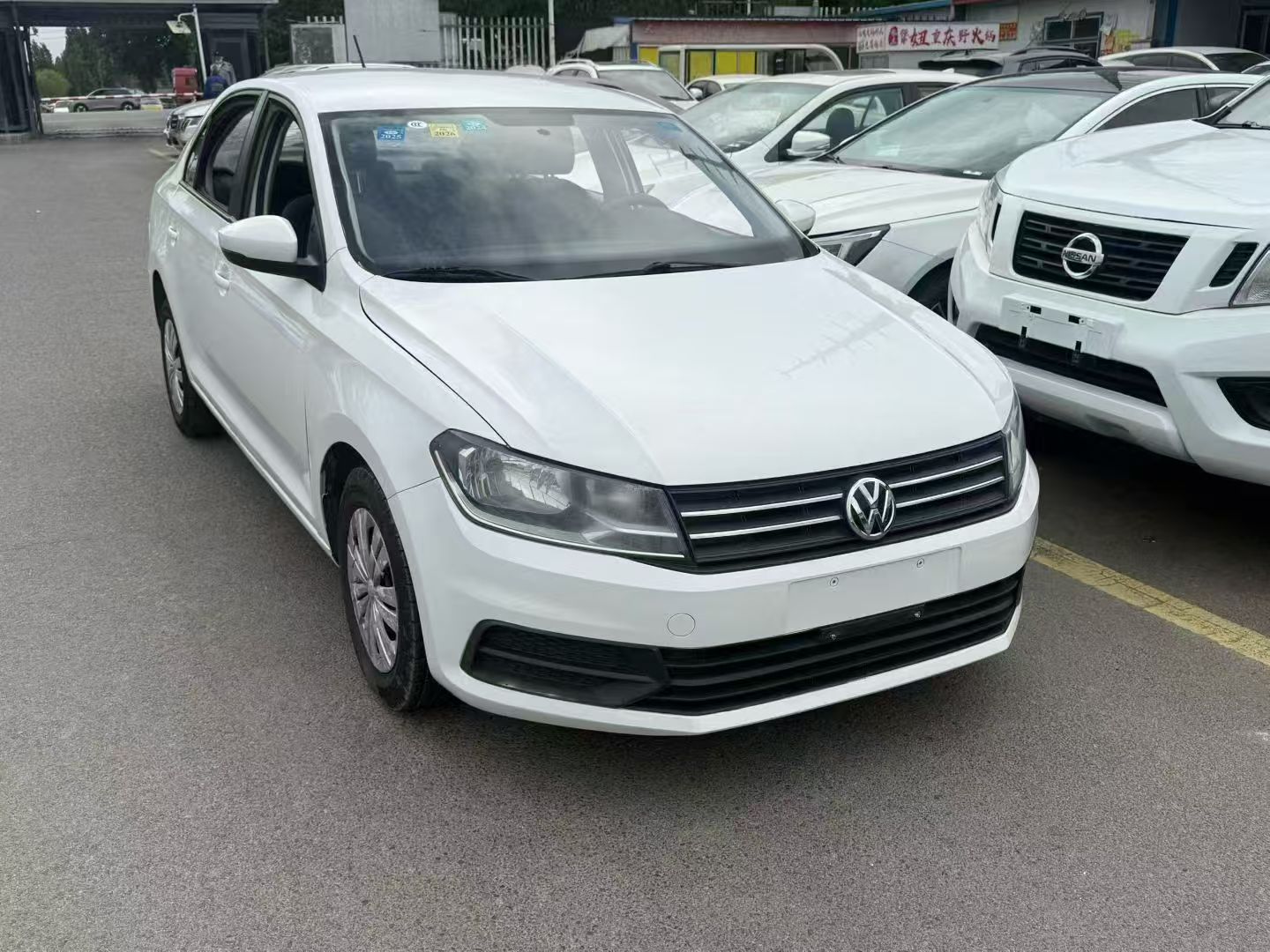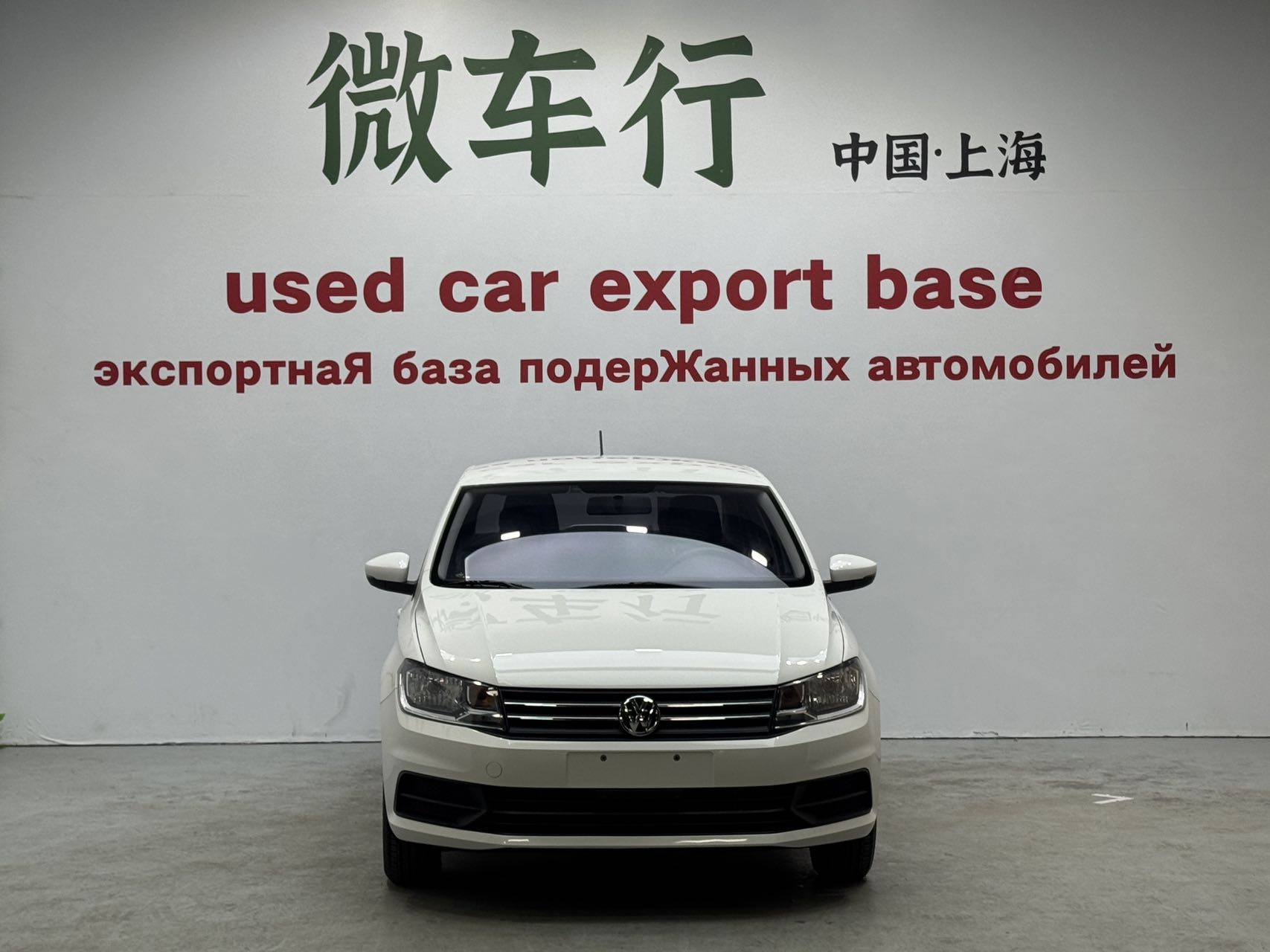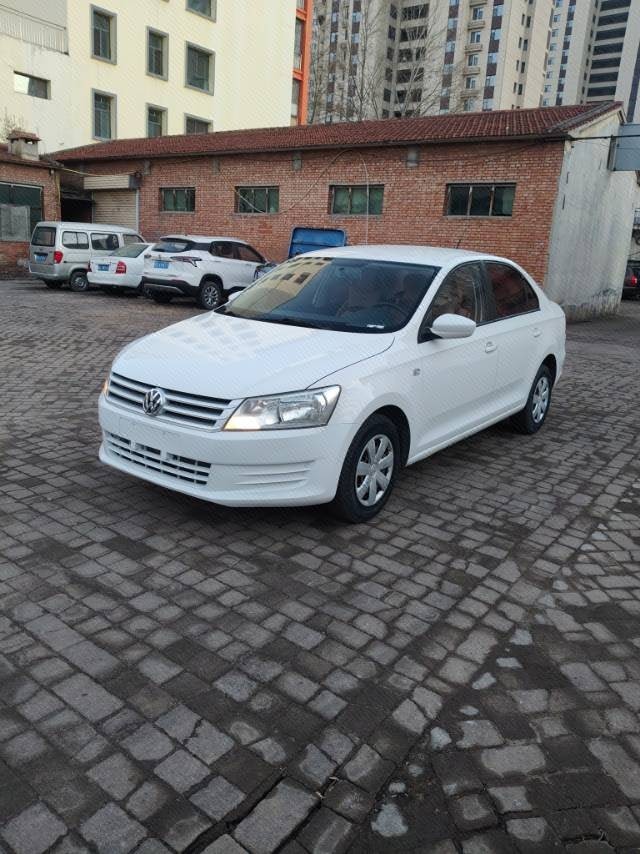



Basic Information

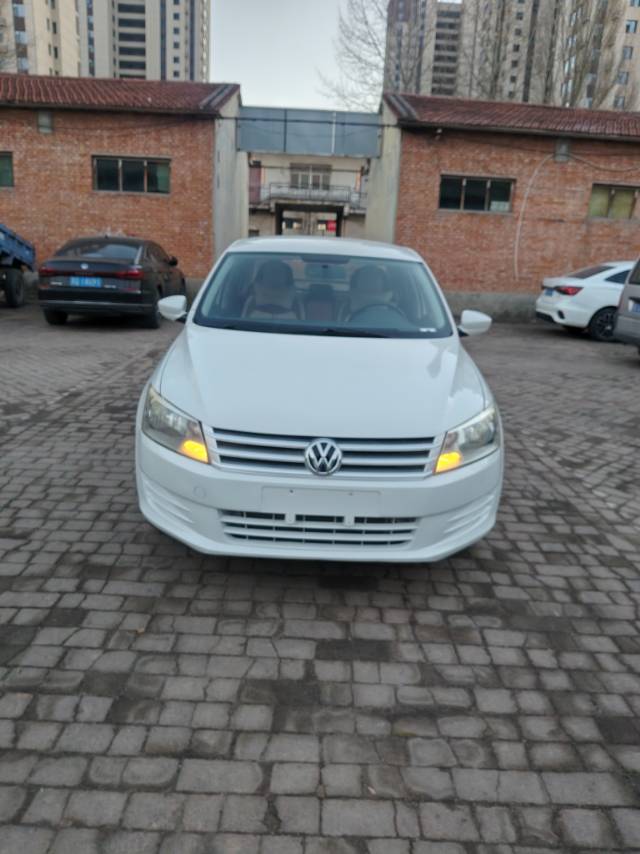
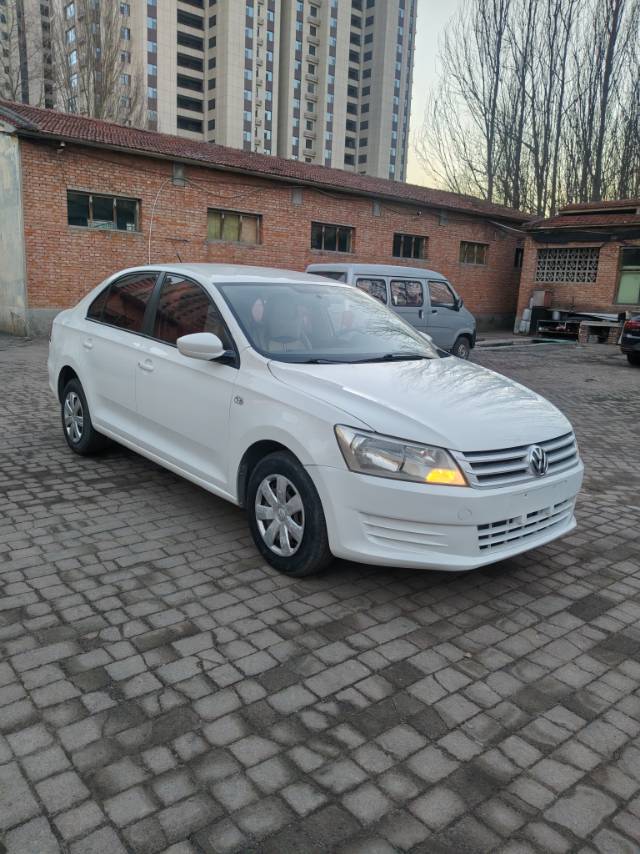
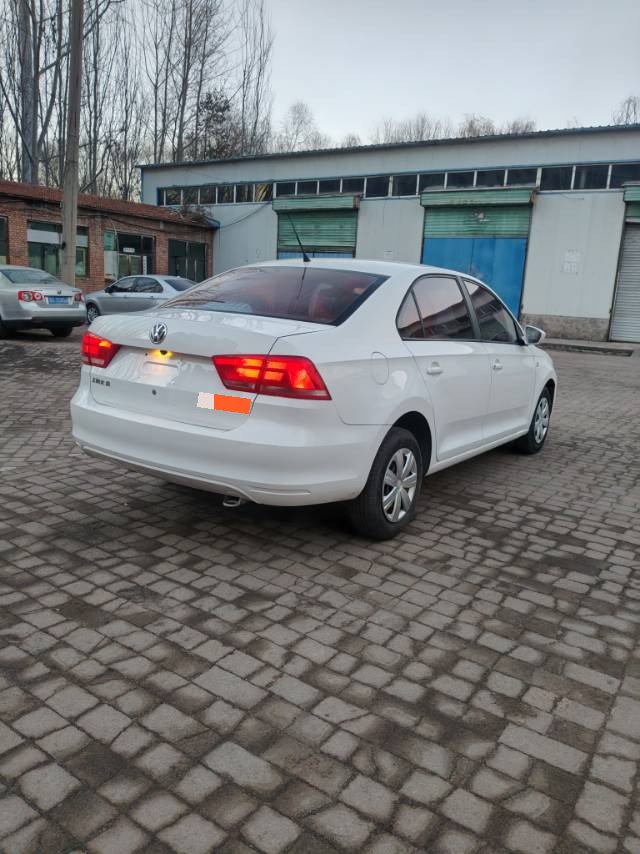
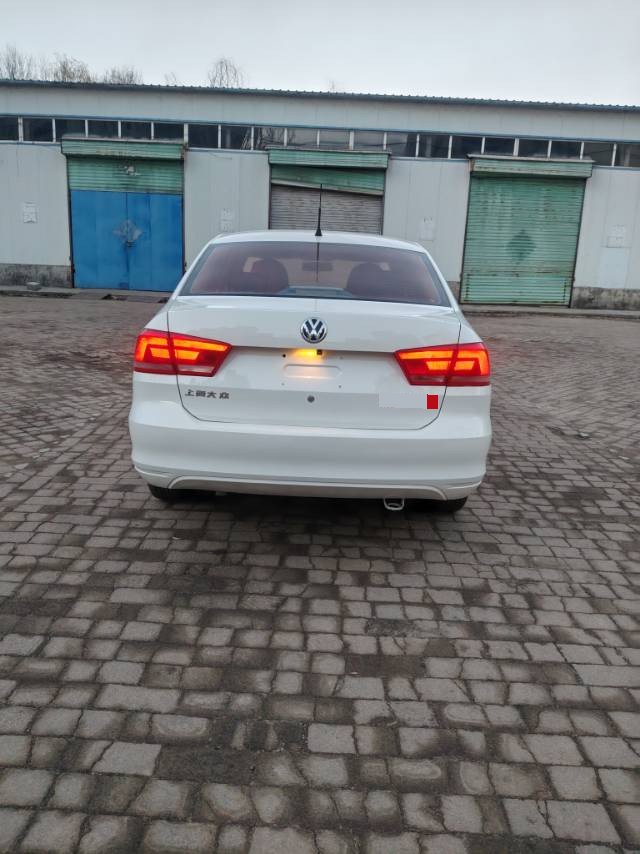
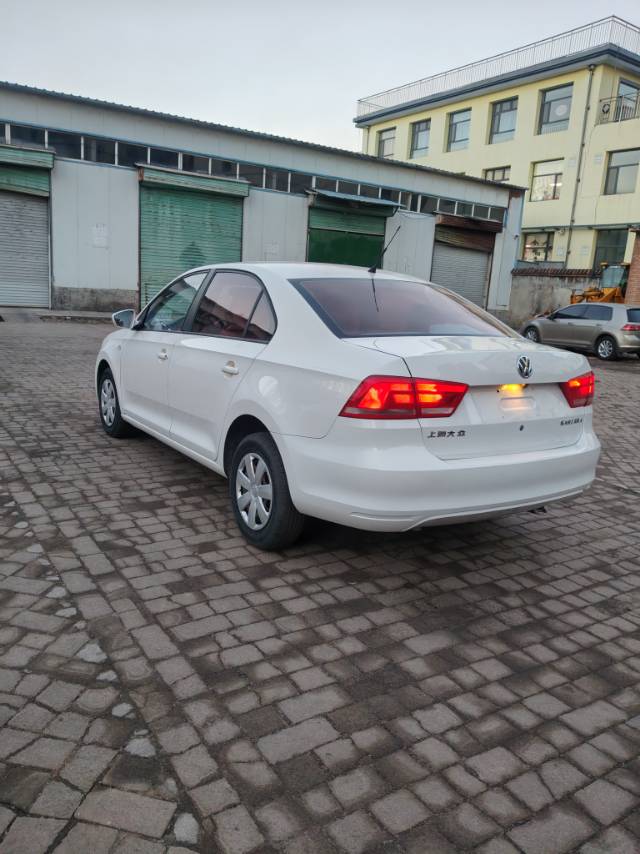
BrandVolkswagen
SeriesSantana
Year2014
First Registration2014/04
Mileage80,000km
Transfer Count0times
FuelGasoline
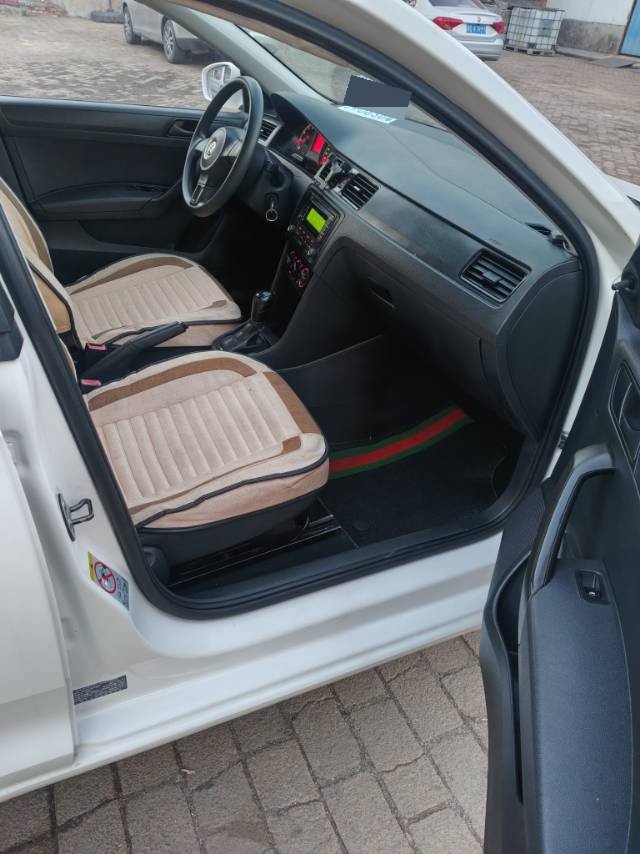
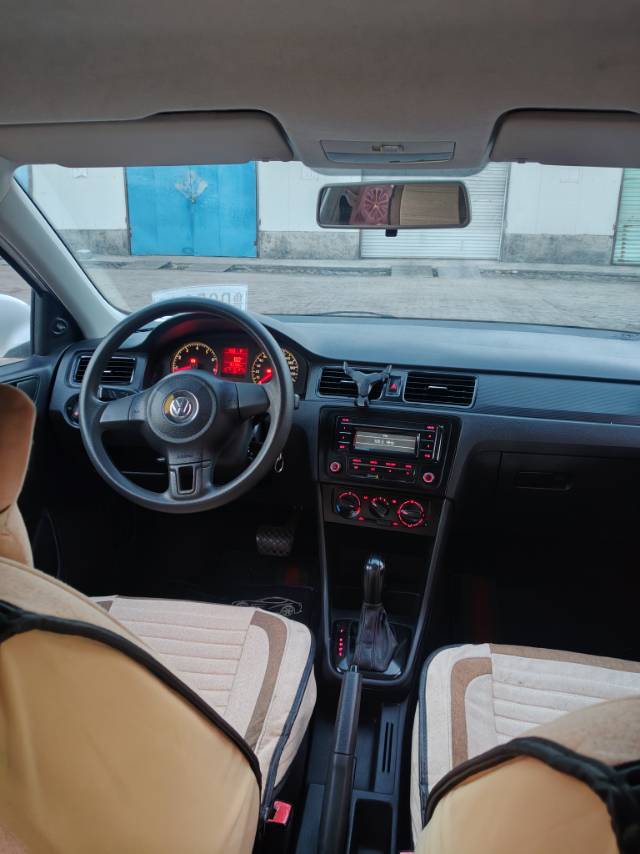
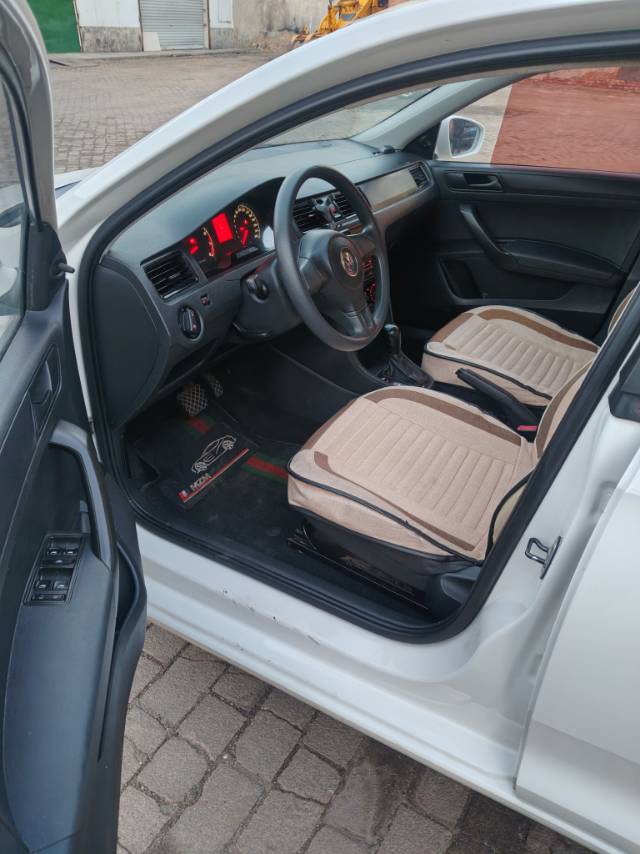
TransmissionAutomatic
Engine1.6L 110 L4
ColorWhite
Seats5seats

Condition Description

8万公里,全车原版原漆。

Document Information

Inspection Expiry Date-
Warranty Expiry Date-
Insurance Expiry Date2027/04

Q&A

More

What is a safe payment structure for buying a used car from China remotely—how much deposit, when is the balance paid, and should I use escrow?

The industry-standard structure protects both sides. Pay 20-30% deposit after signing the contract and verifying the exporter's license—never more. The balance is paid only after your independent inspection report confirms the car matches the contract, ideally against a copy of the bill of lading so the exporter can't ship a different vehicle. For extra protection, tie payments to milestones: deposit on contract, second tranche after inspection passes, final payment when shipping documents are released. Some buyers use escrow services or trade assurance platforms for the first transaction with a new supplier; fees run 1-3% but are worth it for large amounts. Always pay to a corporate bank account matching the exporter's registered name. Keep every agreement in the written contract—verbal promises like 'we'll fix that before shipping' are unenforceable. If an exporter demands 50%+ upfront or full payment before inspection, walk away; that structure leaves you with no leverage.


Is China's "National VI B" emission standard equivalent to Europe's Euro VI standard?

From a technical perspective, China's "National VI B (China VI-b)" is one of the strictest emission standards globally, with limits on carbon monoxide, nitrogen oxides, and particulate matter that are even stricter than some of Europe's Euro VI standards. However, the two are not legally recognized by each other, depending on your country's import regulations.

How do you assess the appearance condition of a vehicle? What specific standards are there for scratches and dents?

We use quantitative standards. Minor scratches less than 3 cm that do not reach the base coat (which can be polished) are considered normal wear; scratches over 3 cm deep to the base coat or dents larger than 2 cm in diameter will be highlighted in the inspection report's "Appearance Defect Distribution Map" with close-up photos.