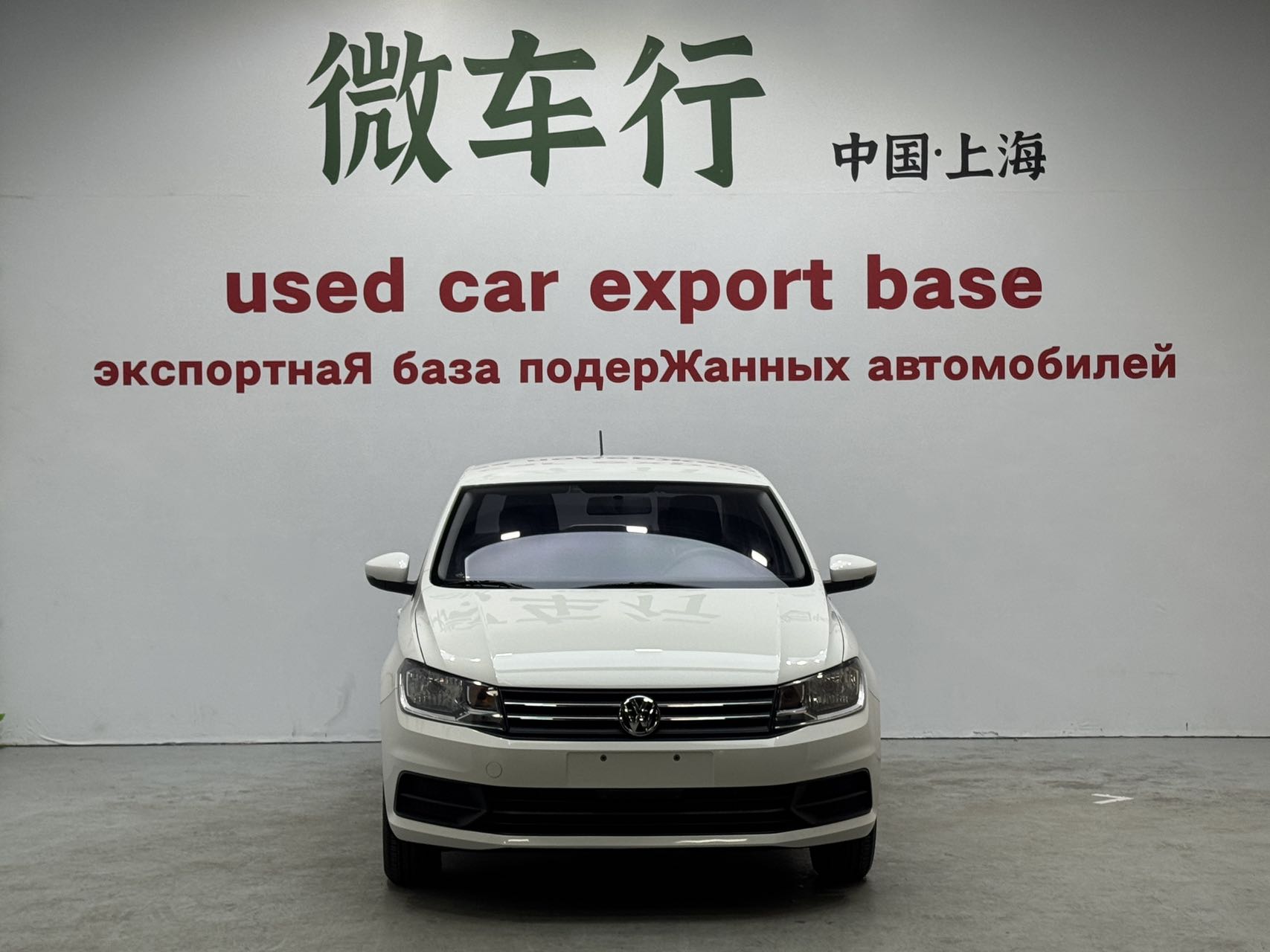
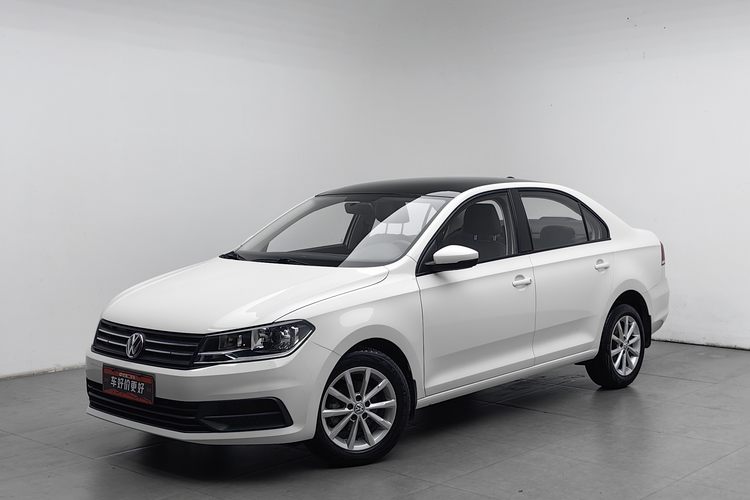
Basic Information

BrandVolkswagen
SeriesSantana
Year2015
First Registration2015/07
Mileage174,000km
Transfer Count1times
FuelGasoline
TransmissionManual
Engine1.4L 90 L4
ColorBlack
Seats5seats

Condition Description

Body components (structural/reinforcing/panels) have accident-type damage; passive safety devices defective; vehicle performance (including three-electric system) degraded or performance-limited after repair.

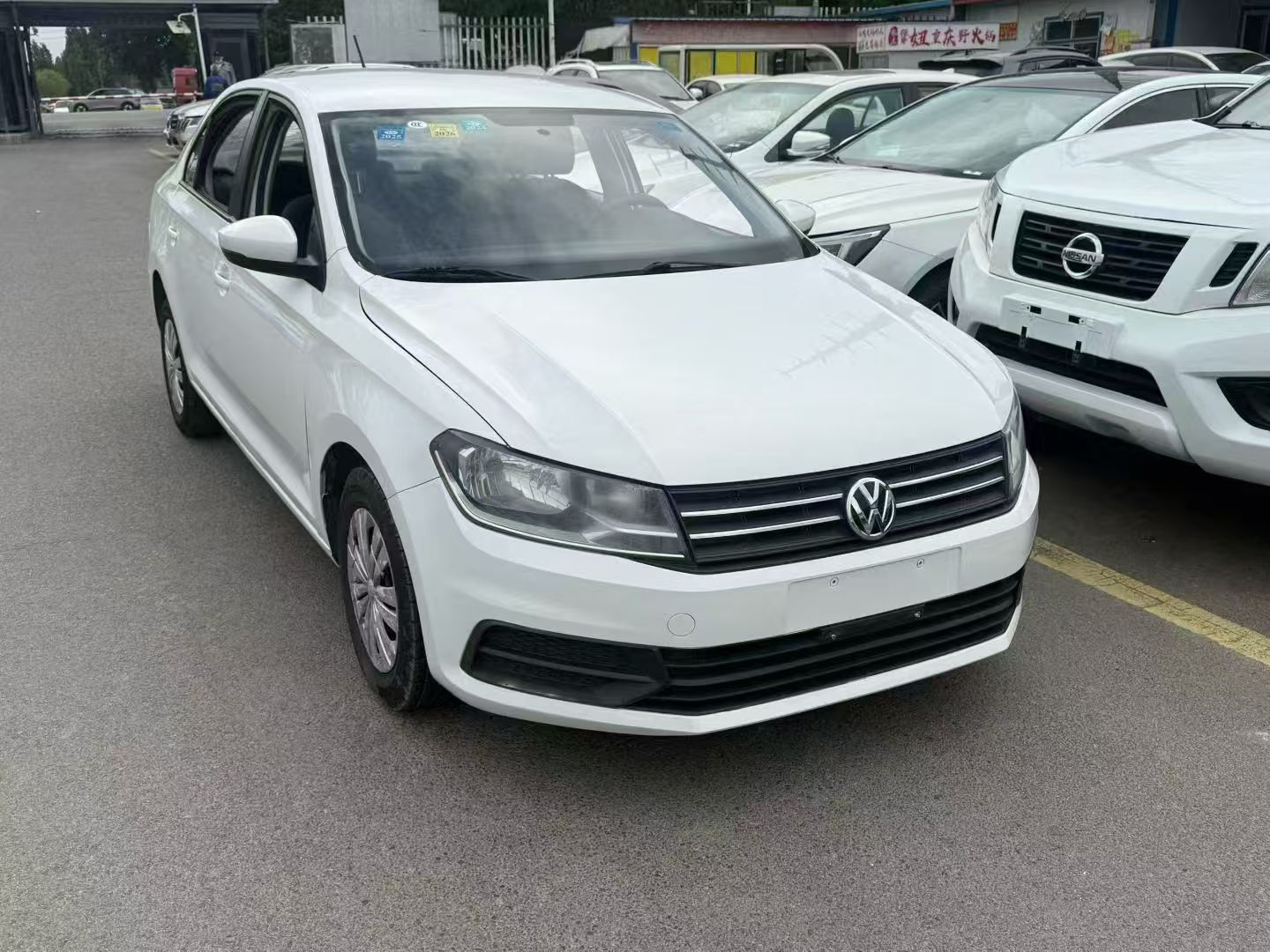
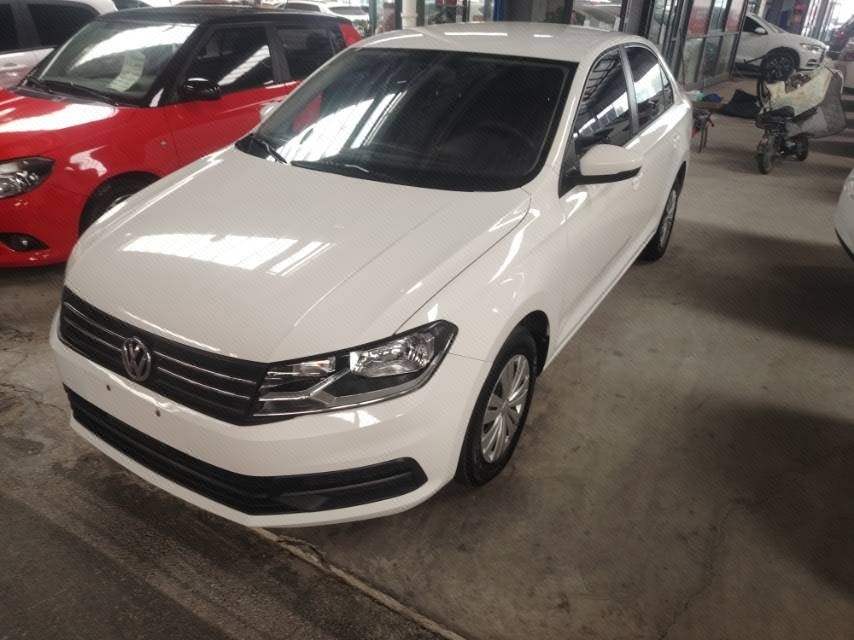
Accident inspection: main structure damaged, reinforcing parts undamaged, panels damaged, hinges abnormal; engine bay: key mechanical components normal; exterior: 7 sheet metal repairs, 4 paint repairs; interior: most features normal, airbag normal, seatbelt normal, dashboard normal, instrument check normal, lighting system normal; start-up check: main components normal; tool kit: absent.

电话直连
可讲价
平台物流
可转售
新检测标准升级>
非泡水

Document Information

Inspection Expiry Date2027/07
Warranty Expiry Date-
Insurance Expiry Date2027/07

Q&A

More

What are the core advantages of buying used luxury cars (like Porsche, BBA) in China compared to purchasing them directly overseas?

China has a large number of luxury cars and a fast turnover rate. For luxury cars of the same year and mileage, the FOB offshore price in the Chinese market usually still has a 10%-15% arbitrage opportunity after deducting shipping costs, especially for models with high depreciation rates.
How long does it usually take from when I pay the full amount to when the vehicle is loaded at the port in China?

Under normal circumstances, it takes 15 to 25 working days. This includes: domestic transfer of ownership (3-5 days), applying for an export license (3-5 days), inland trucking to the port (2-5 days), customs inspection and waiting for loading schedule (5-10 days). Do not trust false promises from other channels claiming 'loading within a week.'

How do you detect carbon buildup and wear inside the engine using technology without deep disassembly?

We use two steps: 1. Insert a medical-grade endoscope through the spark plug hole to visually inspect cylinder wall scratches and carbon buildup on the piston top; 2. Extract an engine oil sample to check for large metal debris or emulsification (caused by coolant leakage).