


48H

Basic Information

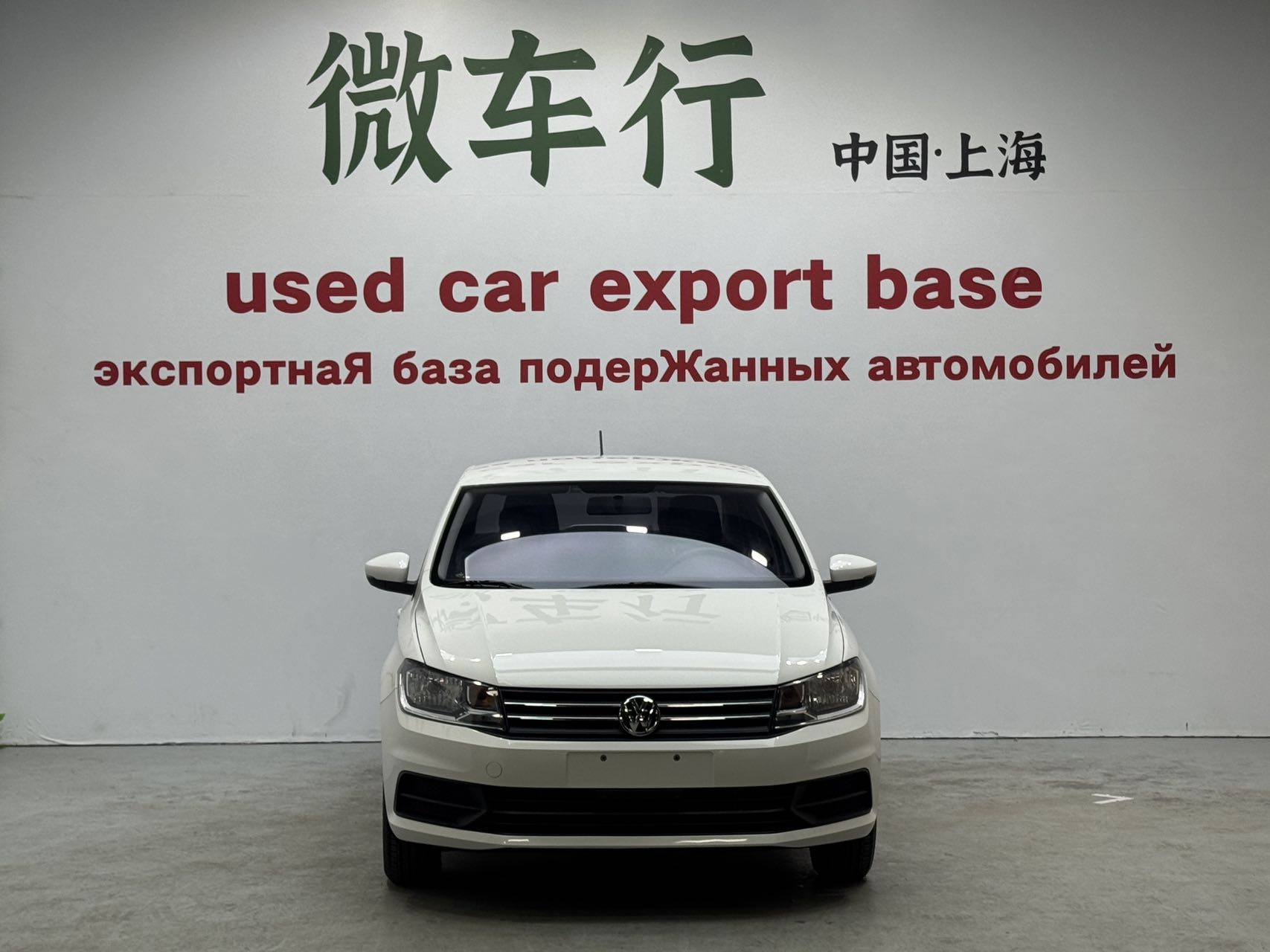
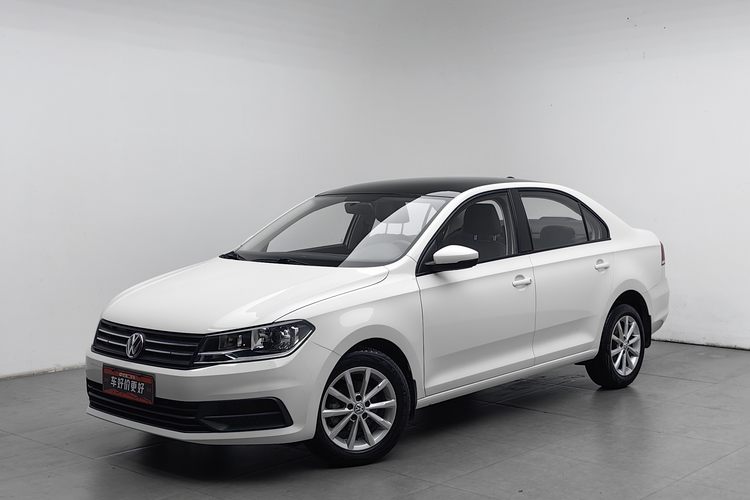
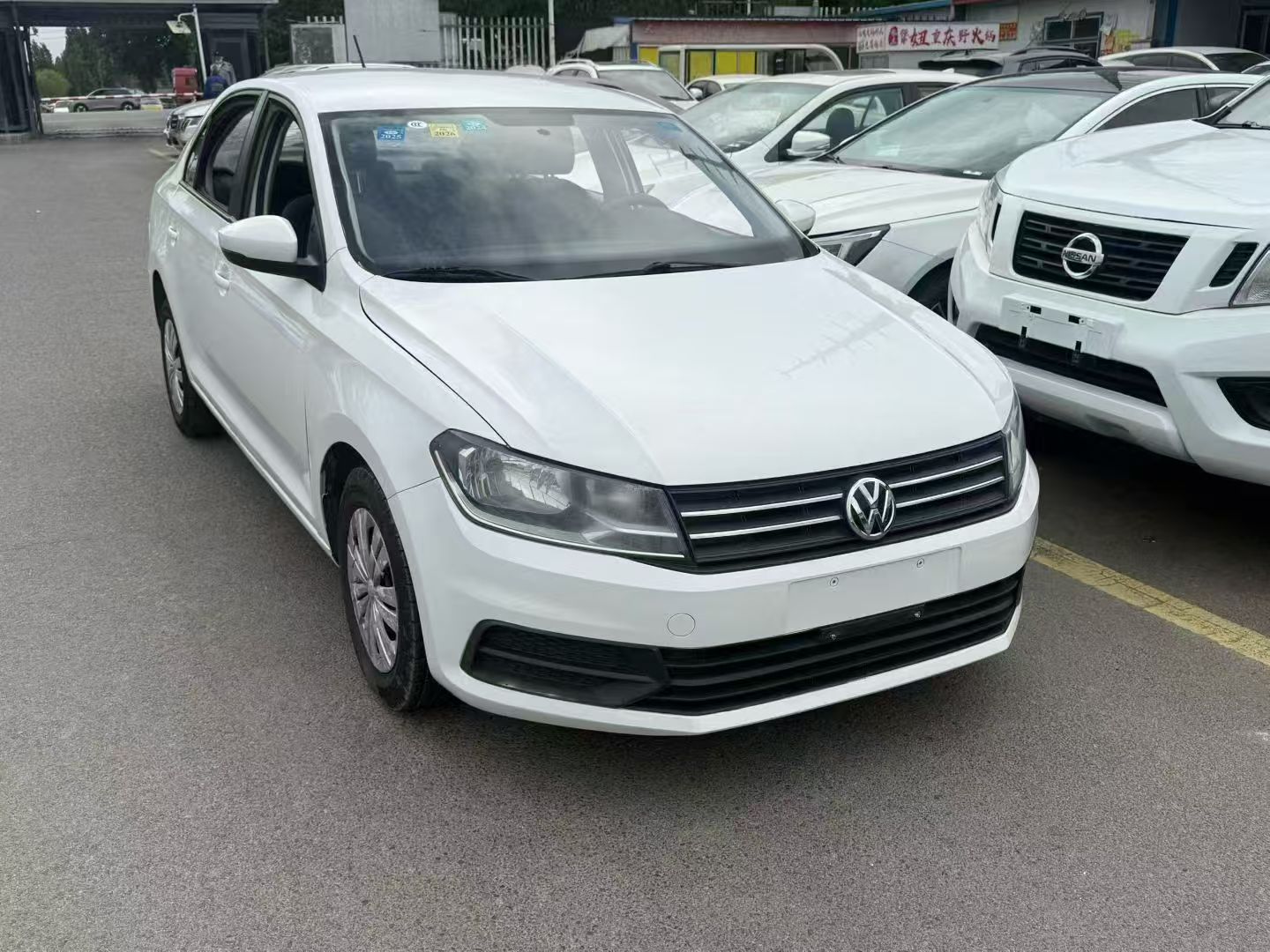
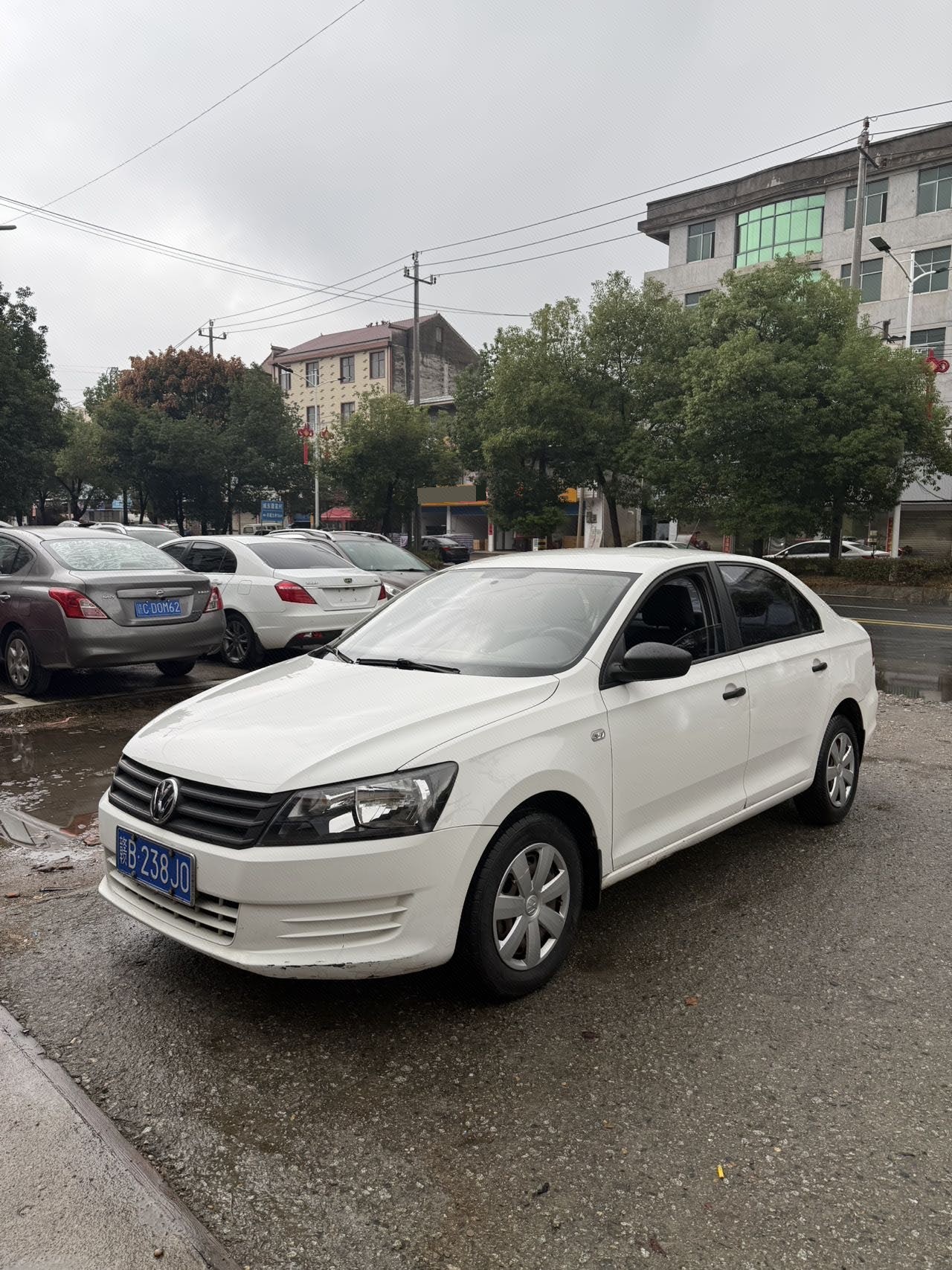
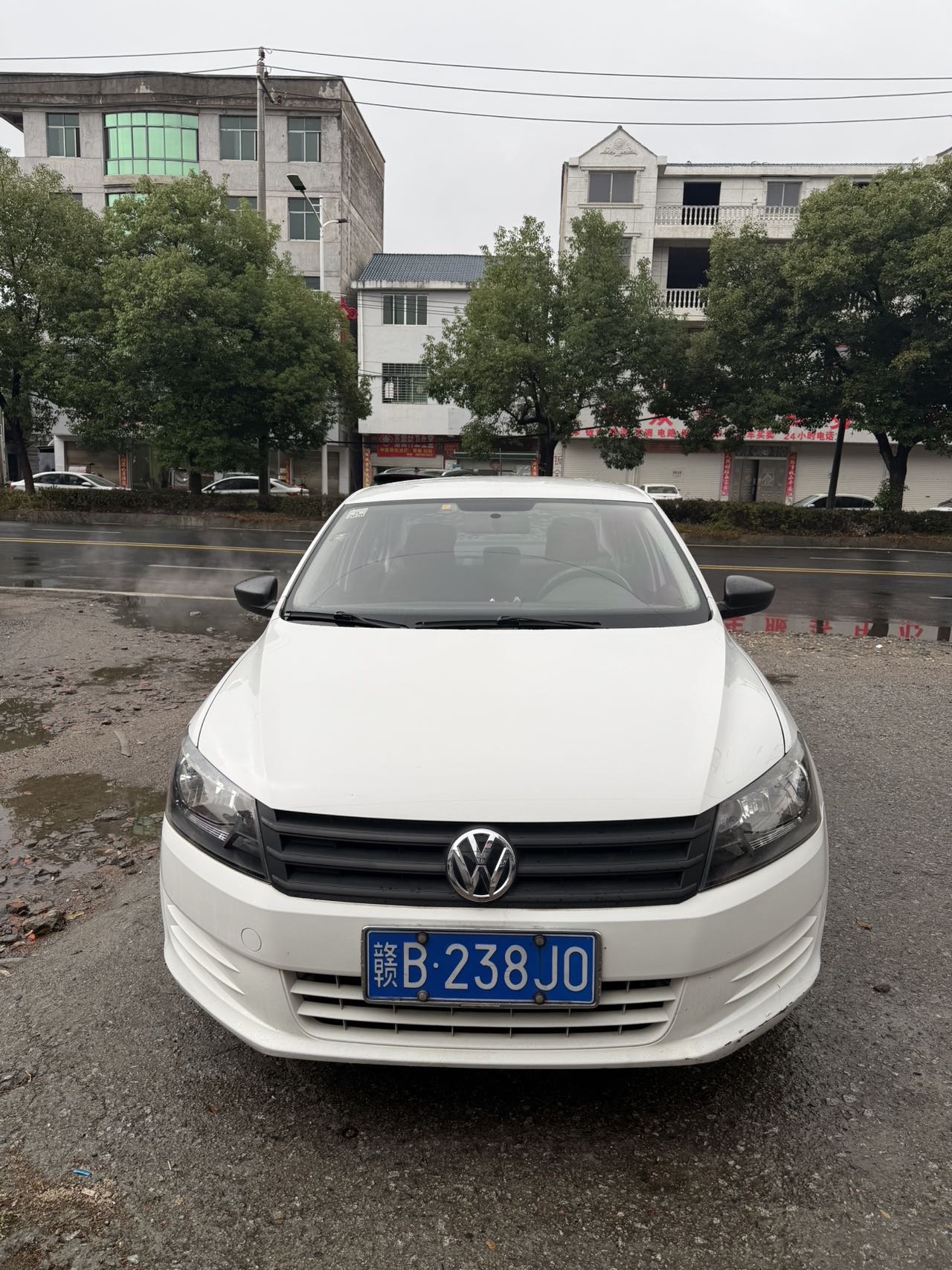
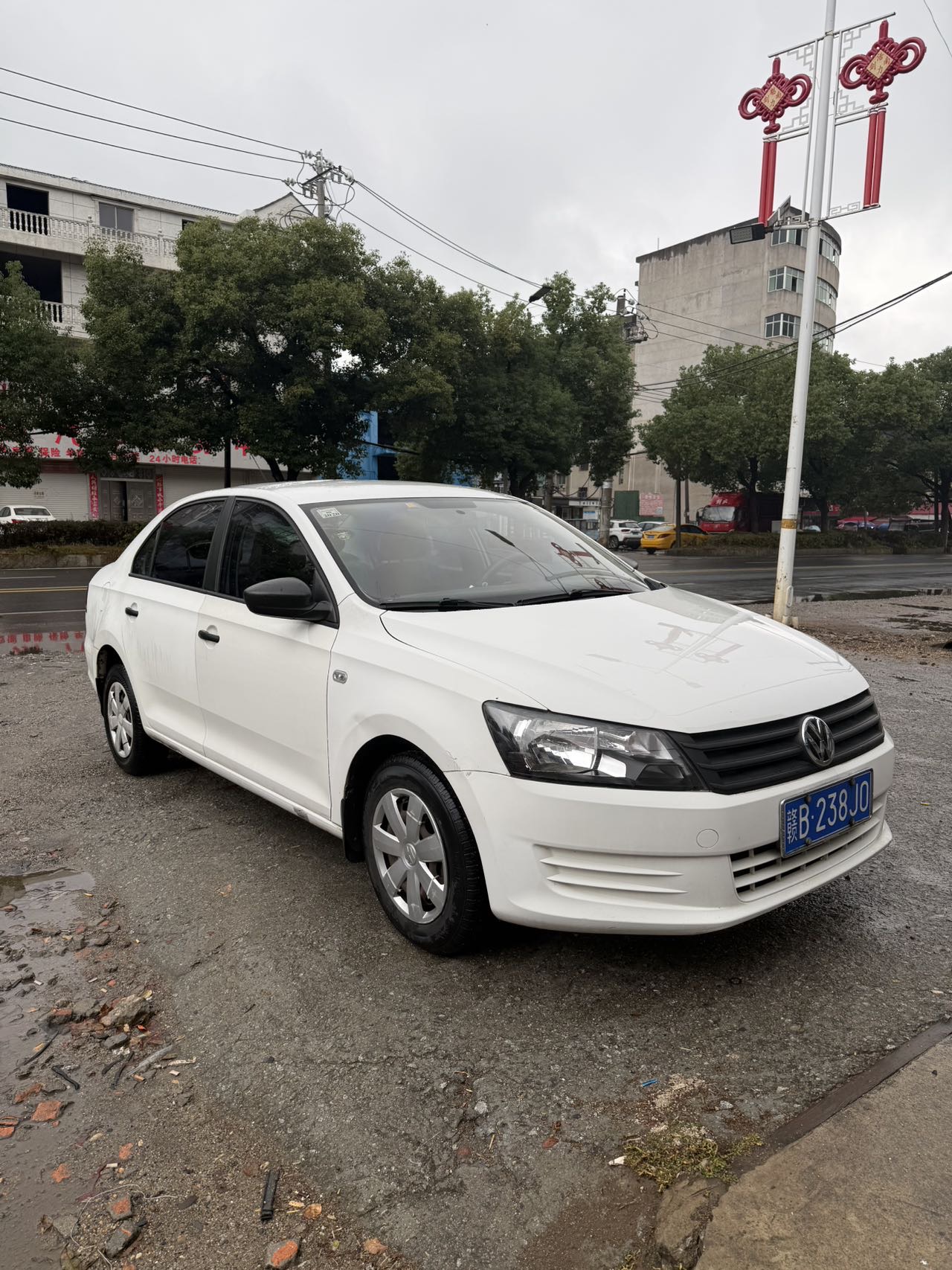
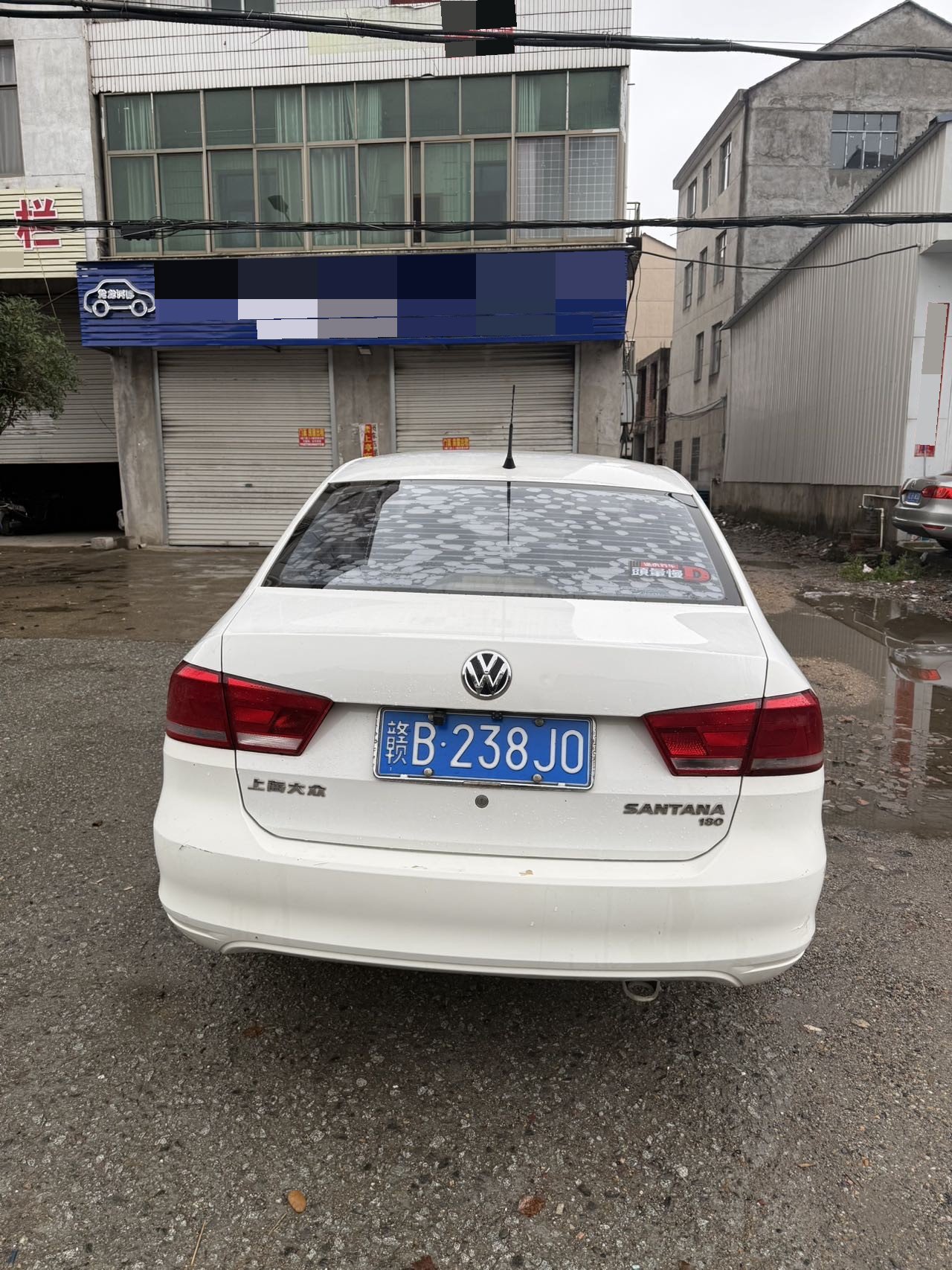
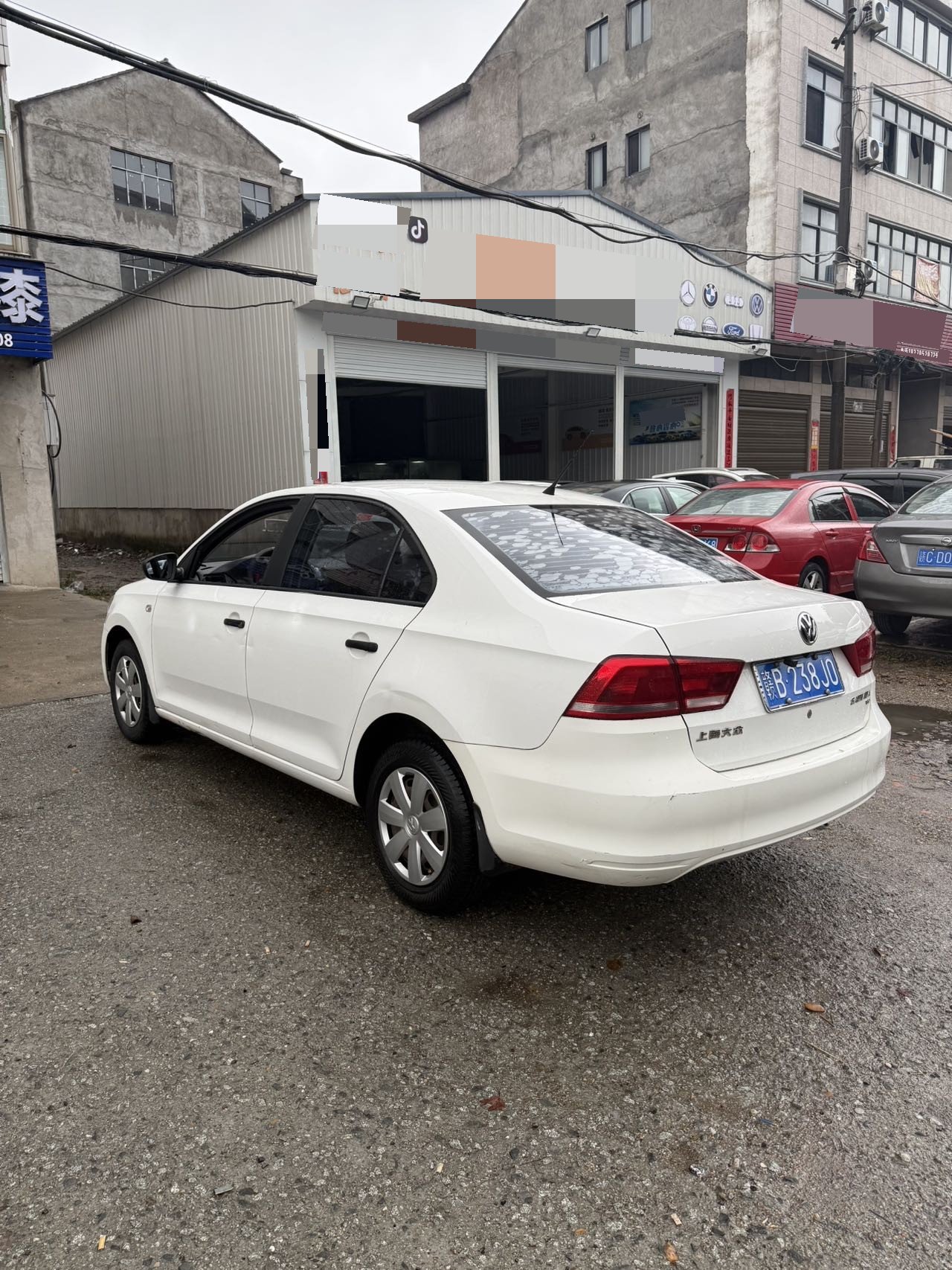
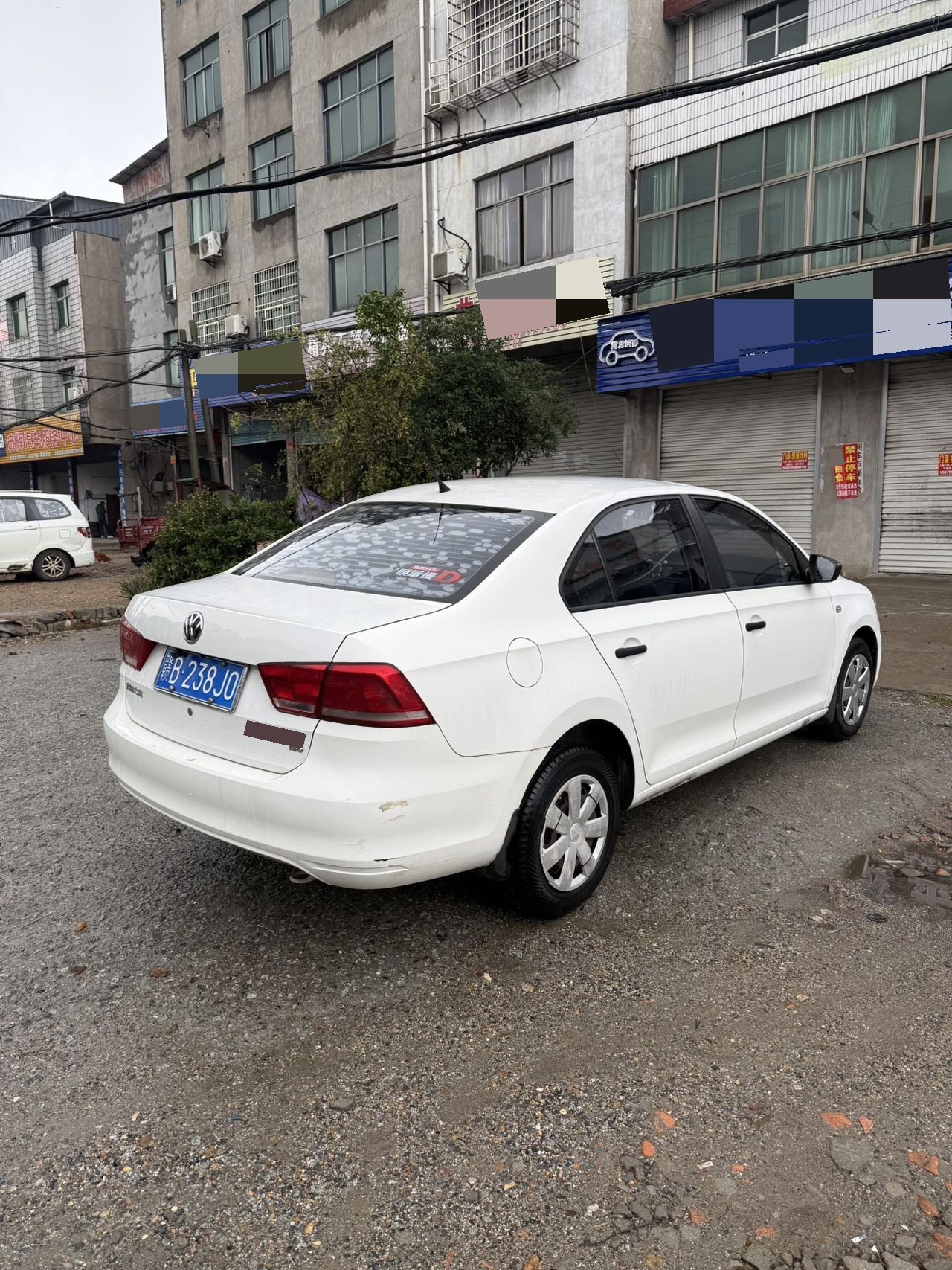
BrandVolkswagen
SeriesSantana
Year2016
First Registration2016/11
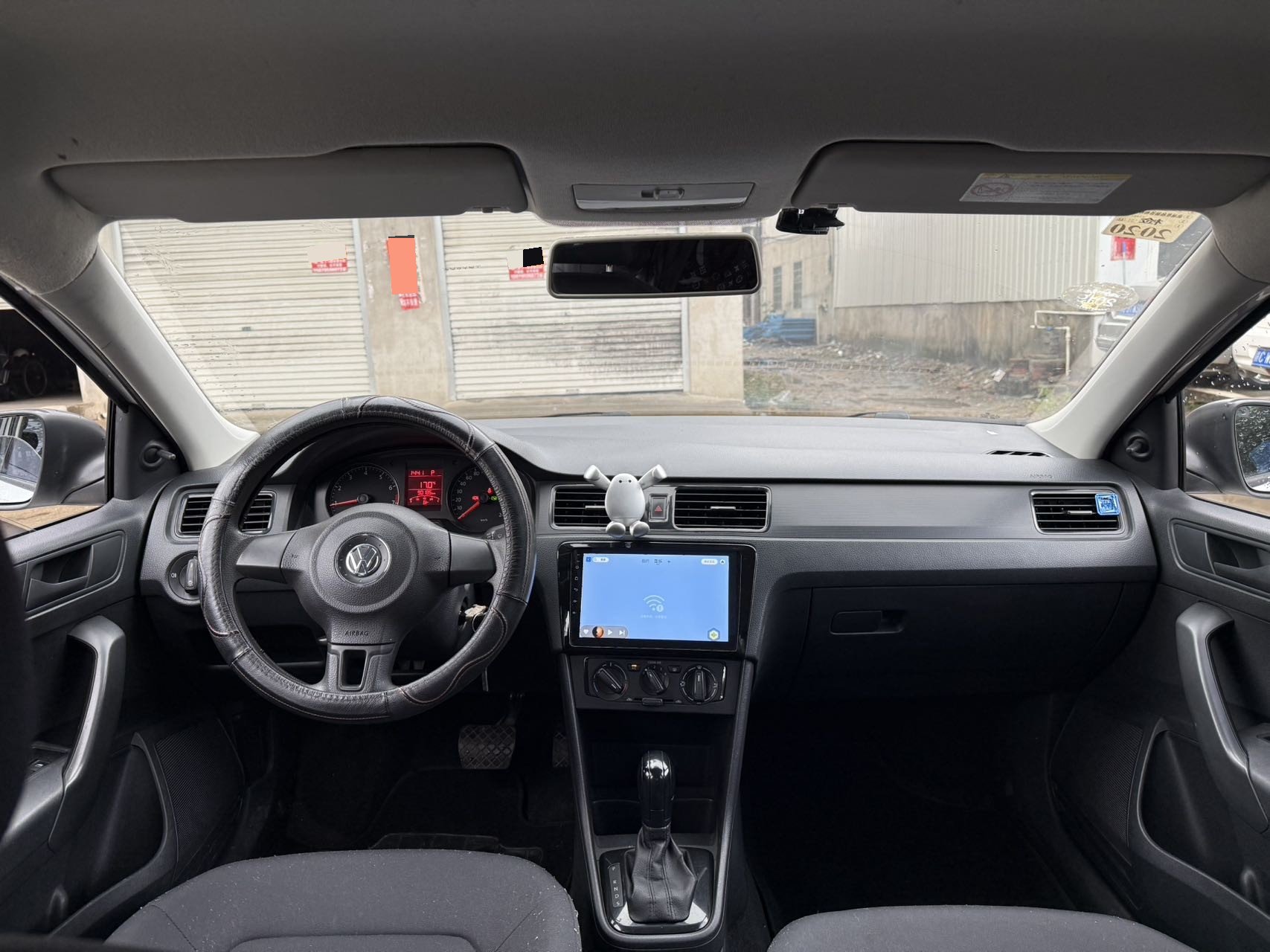
Mileage90,000km
Transfer Count0times
FuelGasoline
TransmissionAutomatic
Engine1.6L 110 L4
ColorWhite
Seats-

Condition Description

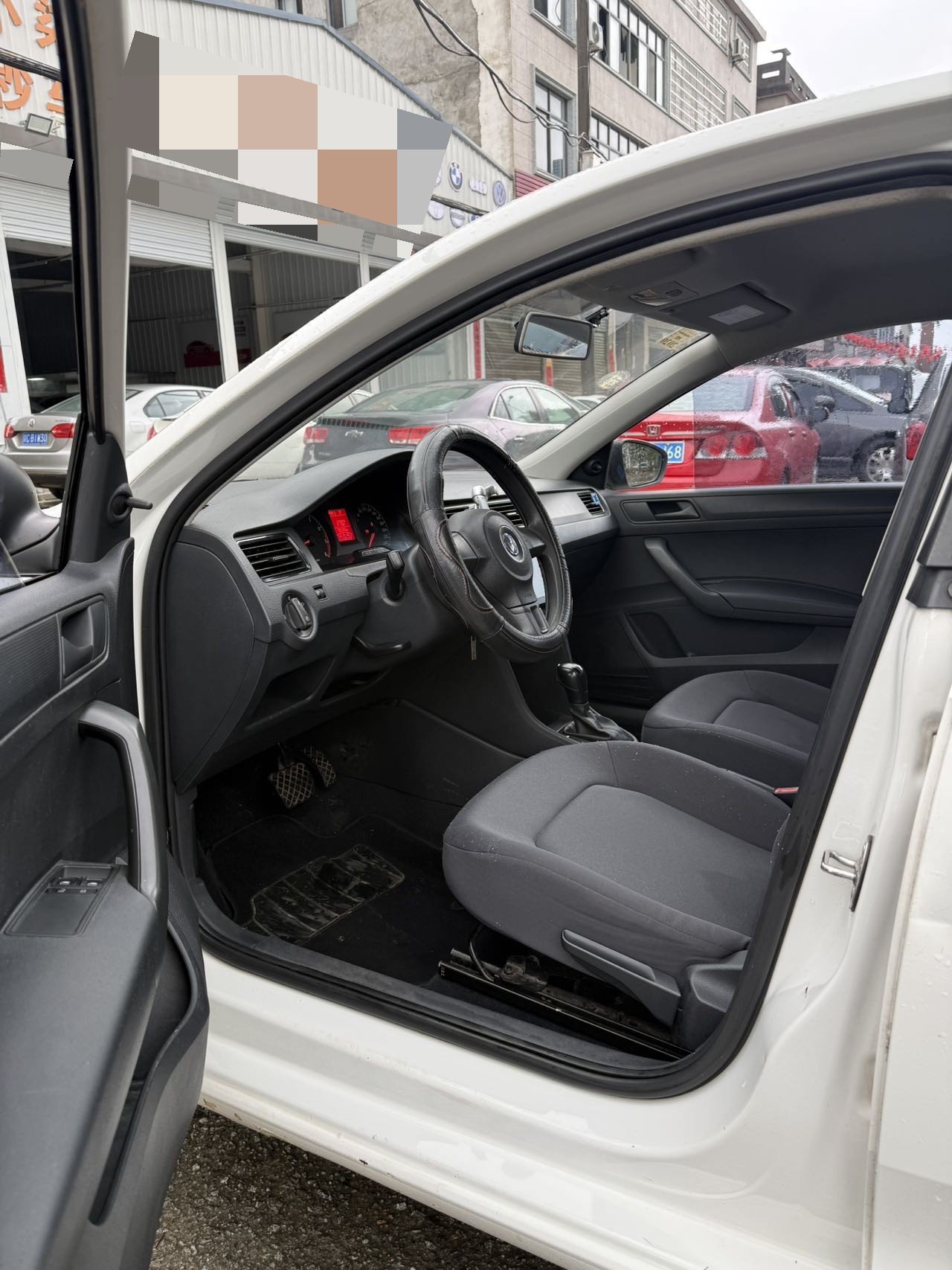
Original condition, has repaint, one owner.

Document Information

Inspection Expiry Date-
Warranty Expiry Date-
Insurance Expiry Date2027/11

Q&A

More

When B2B buyers make bulk purchases, can they request to combine the accessory costs and vehicle price on the same commercial invoice to reduce overall tariffs?

No, this is a serious customs violation. Complete vehicles (HS Code 8703) and auto parts (HS Code 8708, etc.) are subject to completely different import tax rates. Combining them on one invoice could lead to the invoice being returned by customs and may expose you to tax fraud accusations at the destination port.


How do I vet a Chinese used-car exporter before sending any money?

Vetting takes a day and can save you thousands. Work through this checklist. Verify the business: ask for the company registration number and check it on China's National Enterprise Credit Information system or a commercial registry tool. Confirm the registered address matches where they claim to operate, and that their business scope includes vehicle export. Check export credentials: they must hold a used-vehicle export license issued by Chinese commerce authorities. Ask for the license and a recent export declaration showing they actually ship cars. Test their knowledge: a real exporter answers detailed questions about your destination country's import rules (age limits, left/right-hand drive, emission standards) without hesitation. Vague answers about your own country's requirements are a red flag. Structure payments safely: small deposit (10-20%), balance only against inspection reports and shipping documents, ideally through a payment method with recourse. Refuse full prepayment by irreversible transfer—no legitimate exporter requires it.

How do I evaluate interior wear on a used car from China to estimate real mileage and usage intensity?

Interior wear is harder to fake than an odometer and often reveals true usage better than any document. Focus on high-contact points the seller rarely restores. The driver's seat bolster shows creasing and cracking by 80,000-100,000 km even with covers. Steering wheel leather polishes smooth and darkens with hand oils; a shiny wheel with low claimed mileage is a red flag. Pedal rubbers wear through at similar rates — check accelerator, brake, and clutch depth. Second-row wear patterns tell you how the car was used: heavy child-seat indentations suggest family use (usually gentler), while uniform rear wear with clean front suggests commercial or ride-hailing duty. Check seat rails for rust (indicates water ingress) and look under floor mats for moisture staining or musty smell — flood cars often hide it there. Also examine the infotainment and instrument cluster: Chinese EVs log usage data internally, and a dealer diagnostic readout can cross-check driving hours against mileage. Request close-up, well-lit photos of these specific points during your live video inspection rather than relying on the seller's gallery.