Basic Information

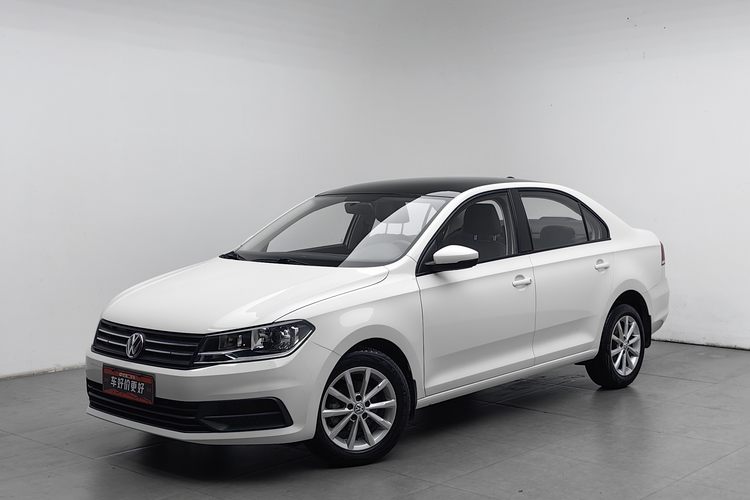
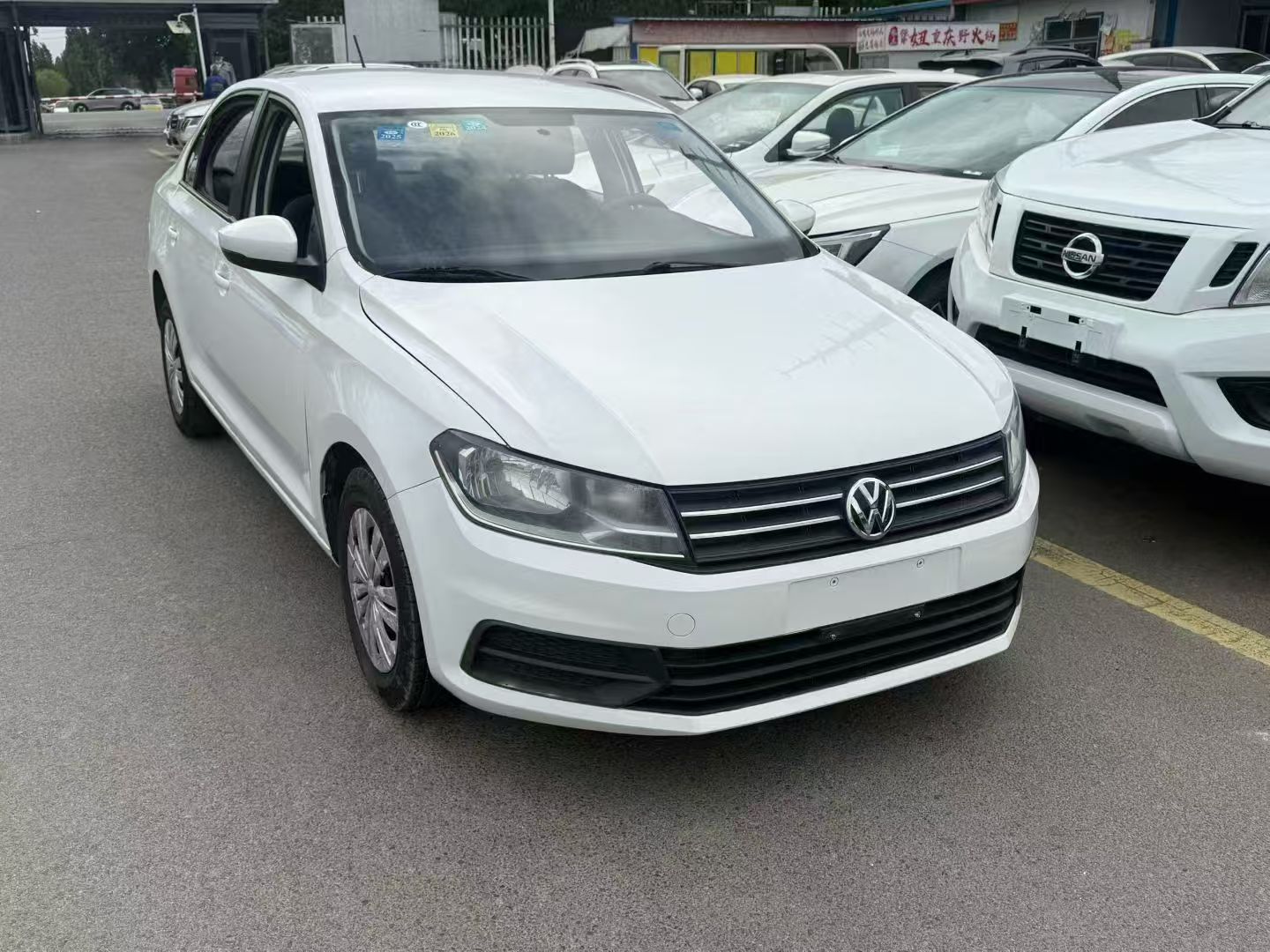
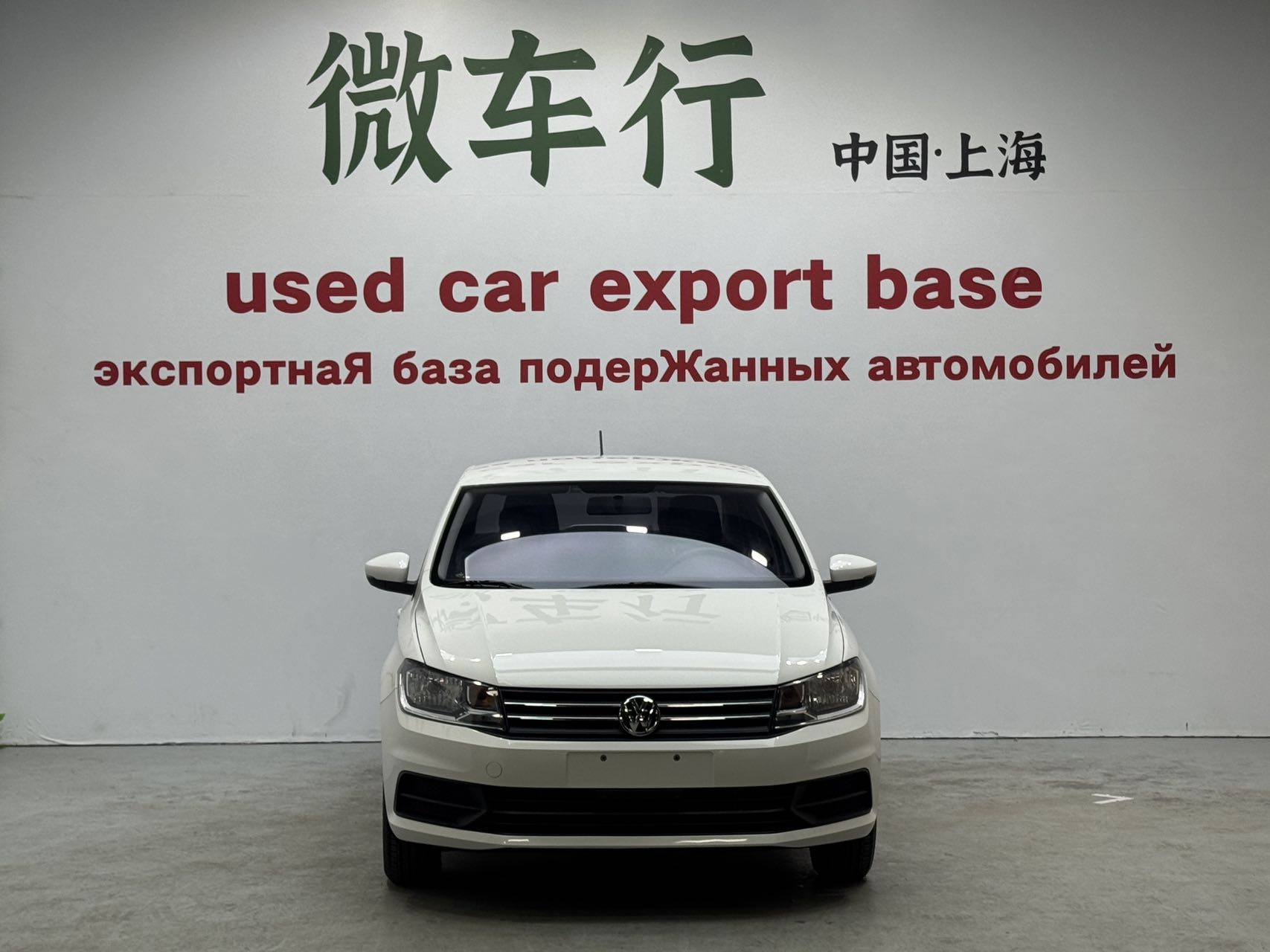
BrandVolkswagen
SeriesSantana
Year2017
First Registration2017/09
Mileage196,000km
Transfer Count-
FuelGasoline
TransmissionManual
Engine1.6L 110 L4
ColorBlack
Seats-

Condition Description

Localized body damage or repair marks present; no accident damage or repairs to structural and reinforcement components. Vehicle performance (including three-electric system) has degraded or is limited.

Accident inspection: main structure undamaged, reinforcement parts undamaged, cover panels damaged, hinges normal. Engine bay: key mechanical components normal. Exterior: none. Interior: most features normal, airbag system normal, seatbelts normal, dashboard normal, instrument cluster normal, lighting system normal. Startup check: major components normal. Onboard tools: none.

可讲价
平台物流
可转售
VIP车源
车主降价
零过户
新检测标准升级>
必卖车源
非泡水

Document Information

Inspection Expiry Date2027/09
Warranty Expiry Date-
Insurance Expiry Date2027/09

Q&A

More

How can I confirm the real mileage of a used Chinese car when I'm buying from overseas?

Odometer rollback happens everywhere, so never trust the dashboard number alone. Cross-check at least three sources: 1. Maintenance records: Chinese 4S dealerships keep service logs tied to the VIN. Ask the exporter for screenshots showing recorded mileage at each visit — the numbers should rise consistently. 2. Inspection reports: China requires periodic emissions/safety inspections, and the mileage is logged at each one. The exporter can pull the car's inspection history. 3. Tire and wear clues: Compare the claimed mileage with brake pedal rubber, steering wheel shine, seat bolster wear, and the tire production dates. A car showing 30,000 km with a polished steering wheel and second set of tires is suspicious. Also check the dashboard for uneven digits or scratches around the odometer area in photos. If maintenance and inspection records roughly agree, the reading is usually trustworthy; if the seller refuses to share records, treat the mileage as unknown and negotiate accordingly.


What should I check about the 12V auxiliary battery in a used Chinese EV before shipping?

The 12V battery is small but critical: when it dies, the car cannot start, unlock, or charge. Used EVs often have weak 12V batteries because they sit on lots for months. Before shipping, ask the exporter to: 1. Measure the battery voltage after the car has rested overnight. It should read around 12.4-12.8V; anything under 12.2V means the battery is degraded. 2. Start the car and check that the charging system holds 13.8-14.4V, confirming the DC-DC converter works. 3. Scan for stored fault codes related to low voltage, which indicate the battery has been deeply discharged repeatedly. During ocean freight, the battery slowly self-discharges. Ask that it be disconnected or kept on a maintainer before loading, and budget for a replacement after arrival if the battery is over 3 years old. A new 12V battery costs little compared to being stranded at the port.

Can the voice assistant in the smart cockpit control the air conditioning and windows while offline?

Most leading Chinese brands' car systems support "offline voice commands" (like adjusting temperature and opening windows). However, if recognition fails due to accent or language limitations (only standard Chinese is supported), you can always control it via the physical screen.