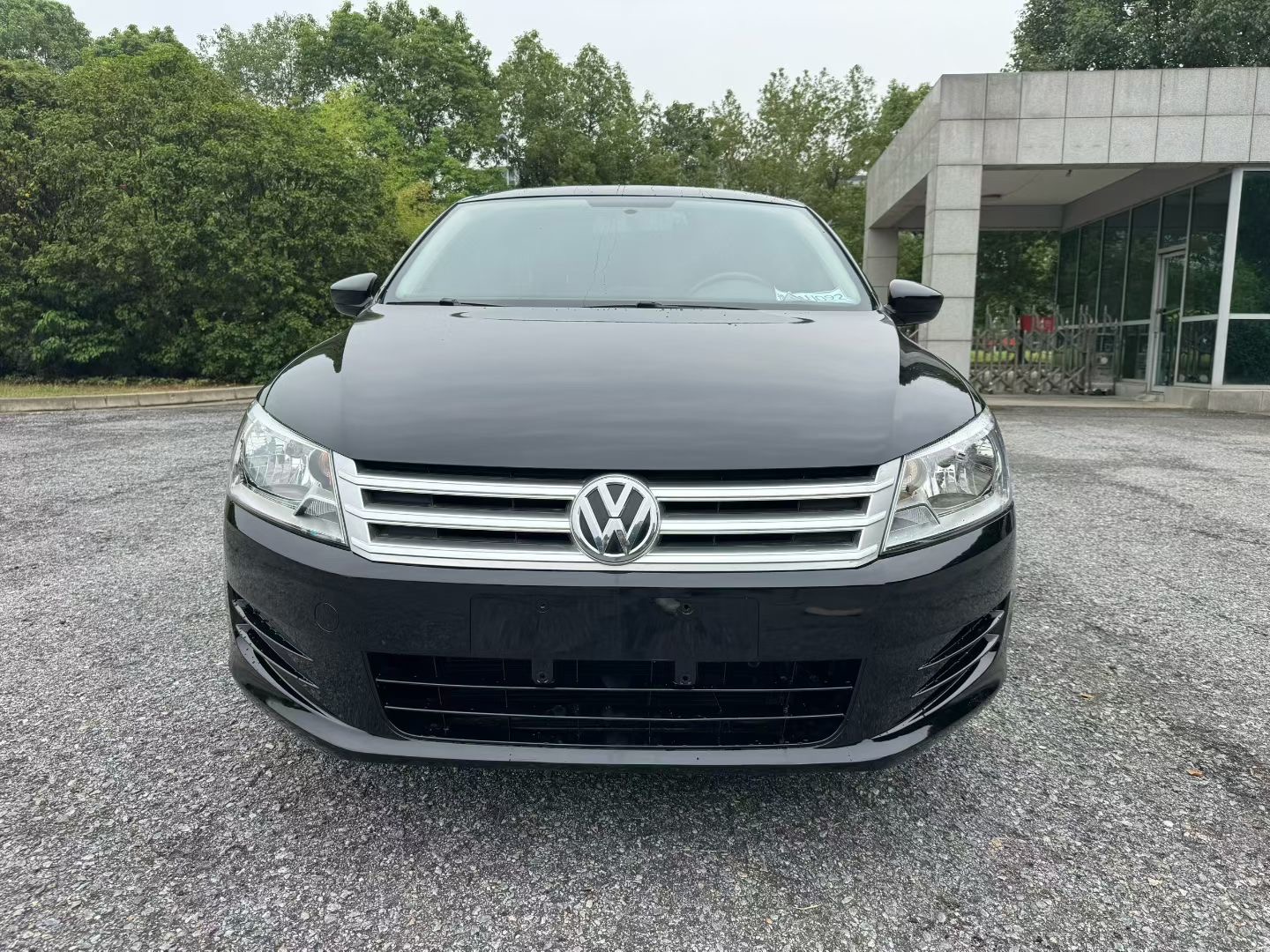
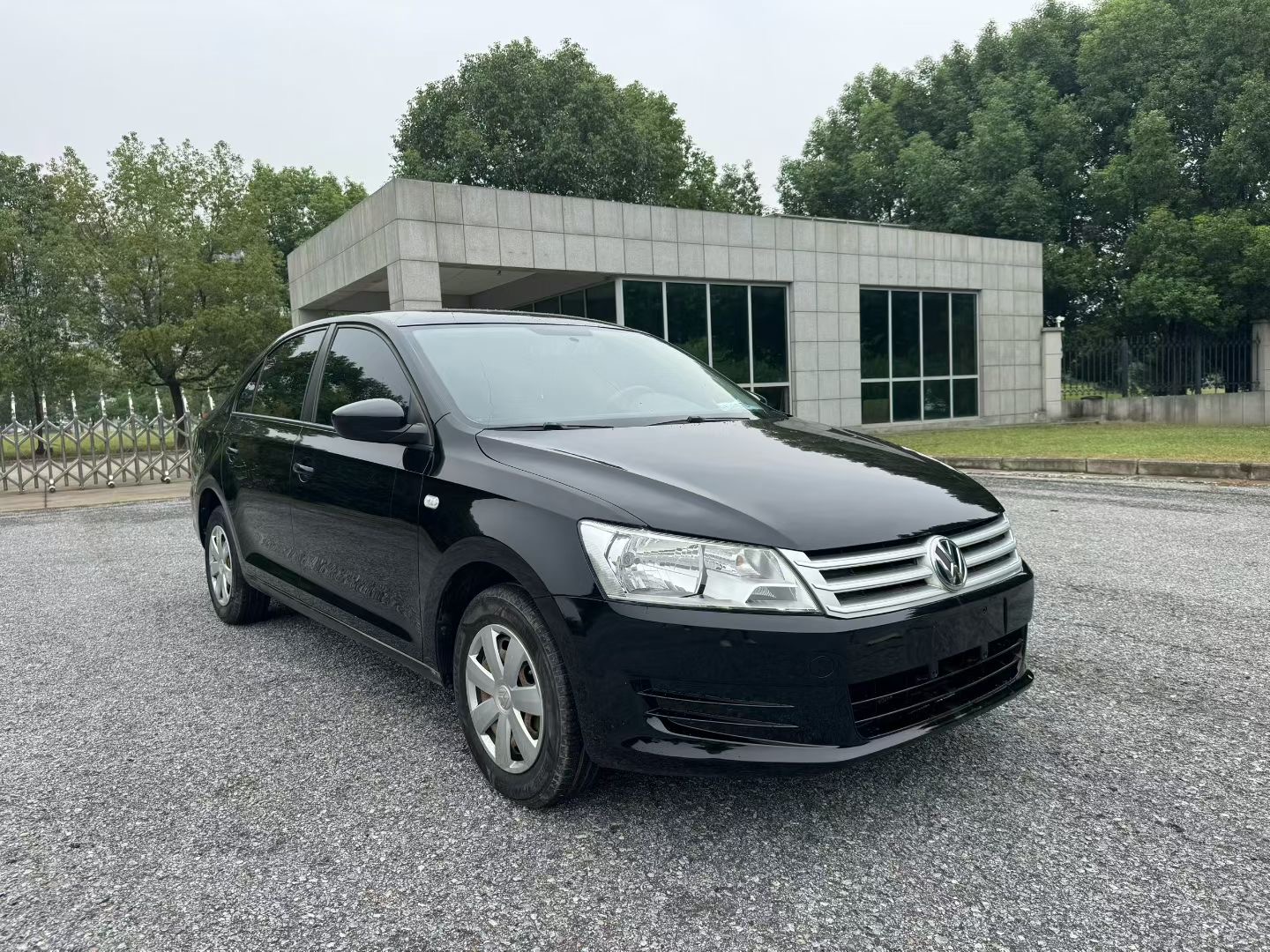
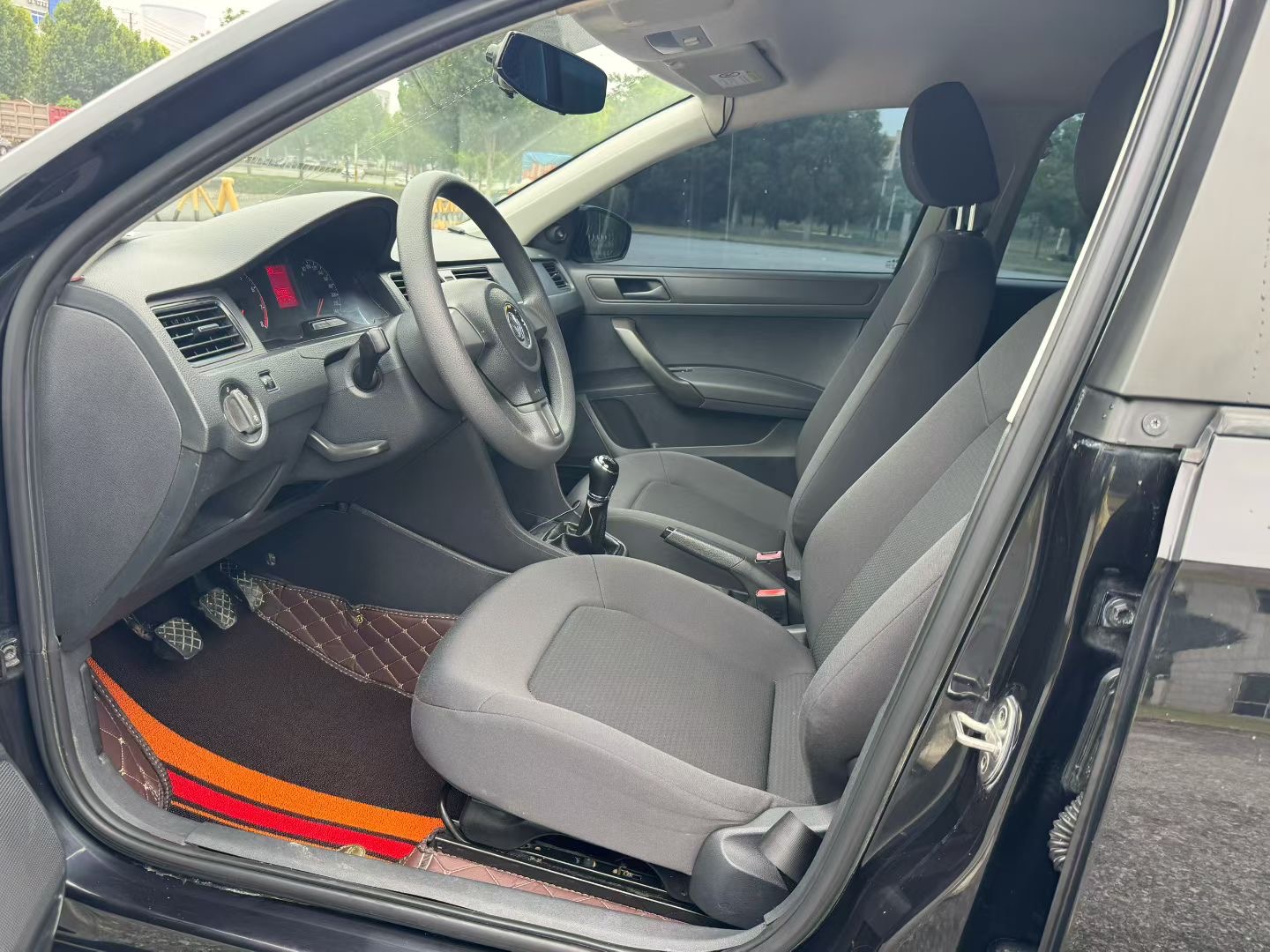
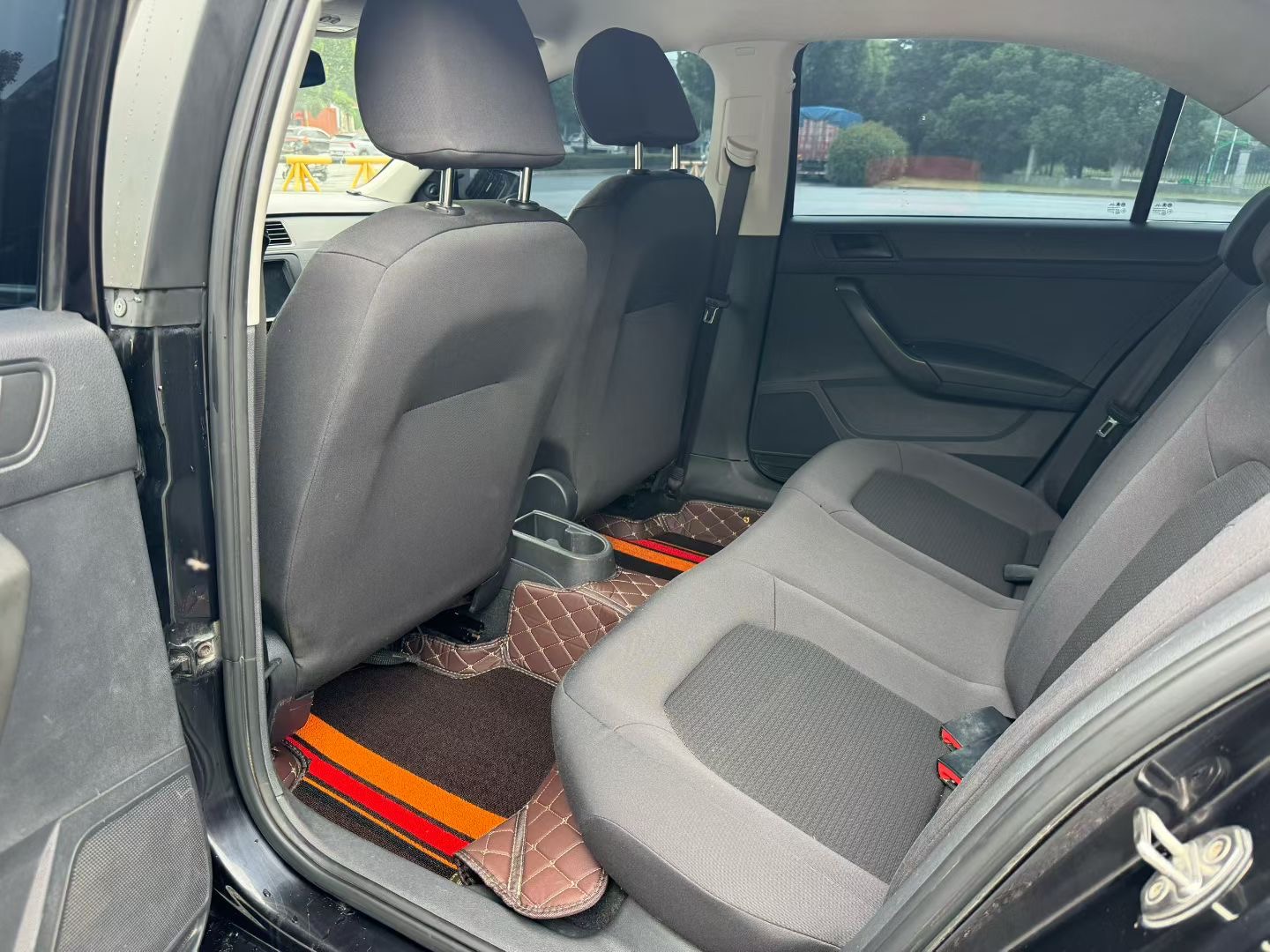
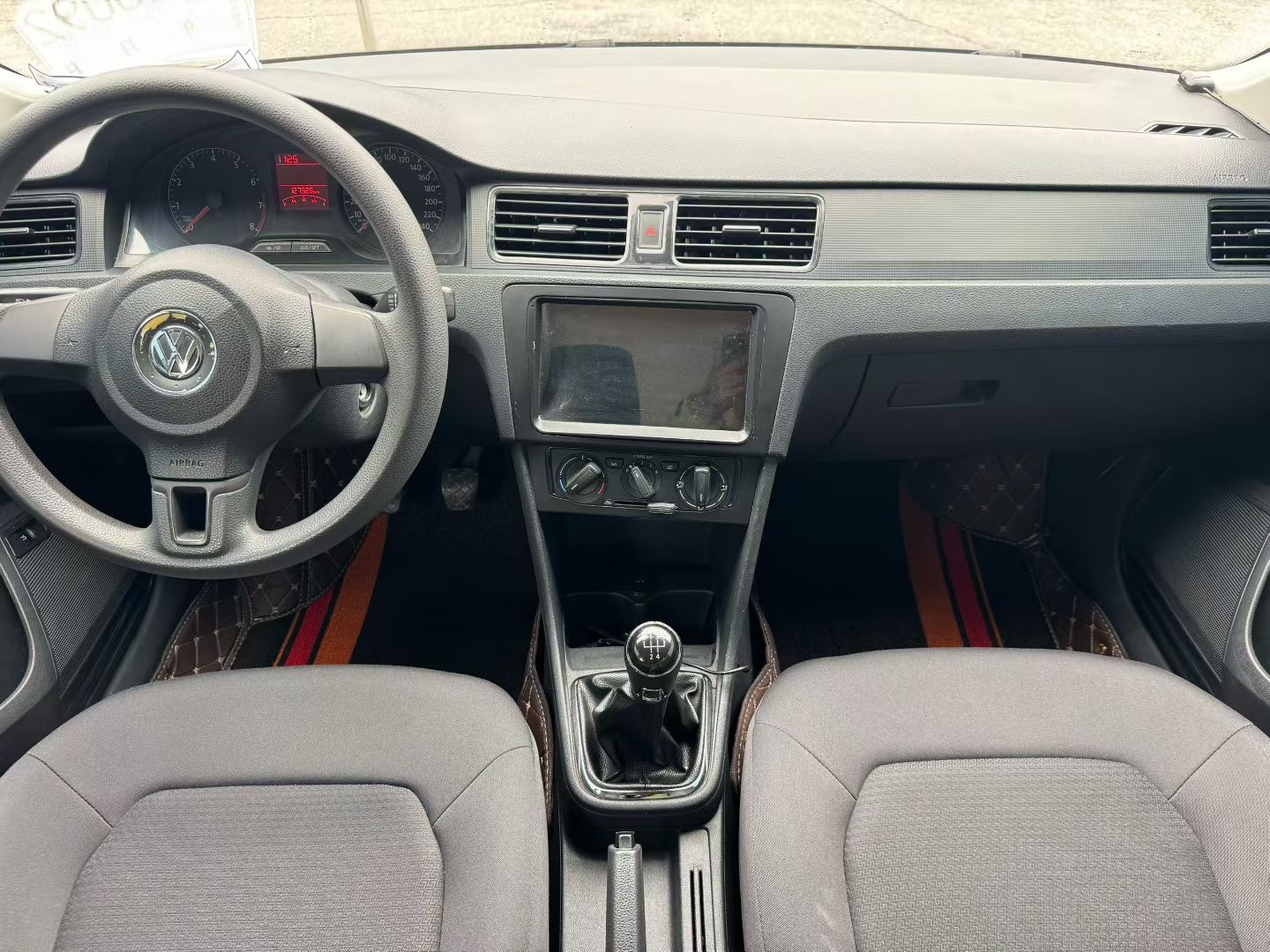
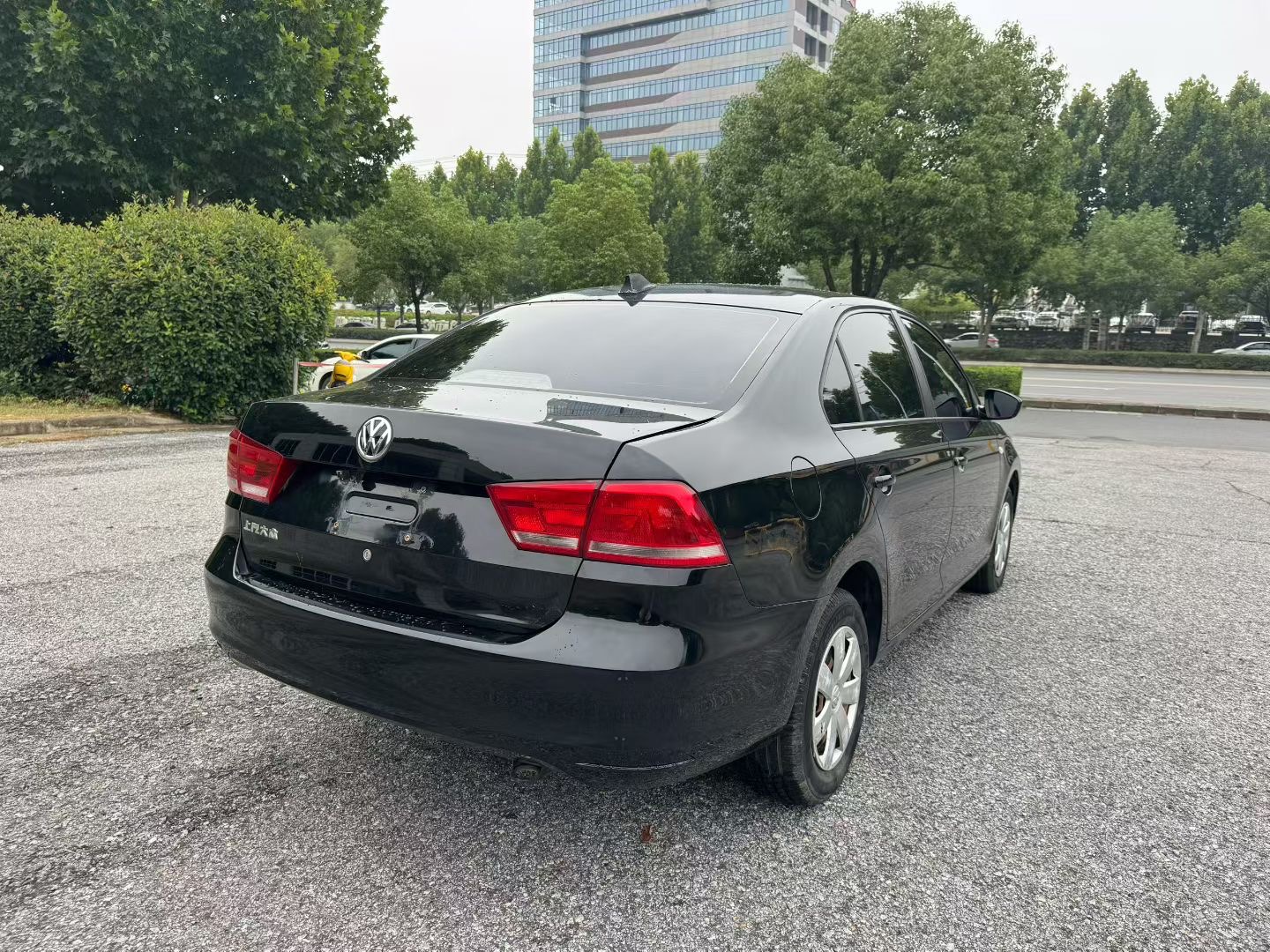
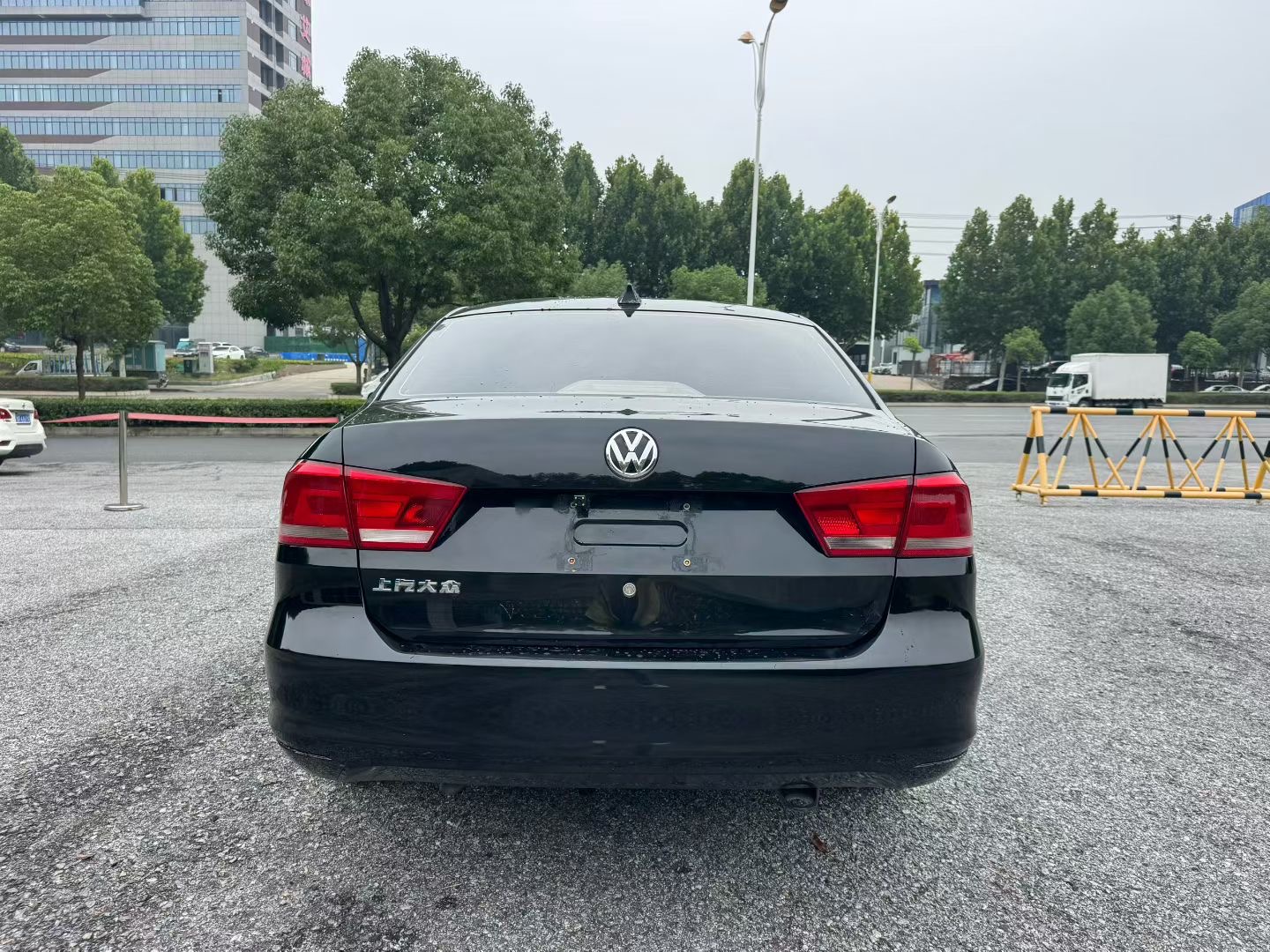
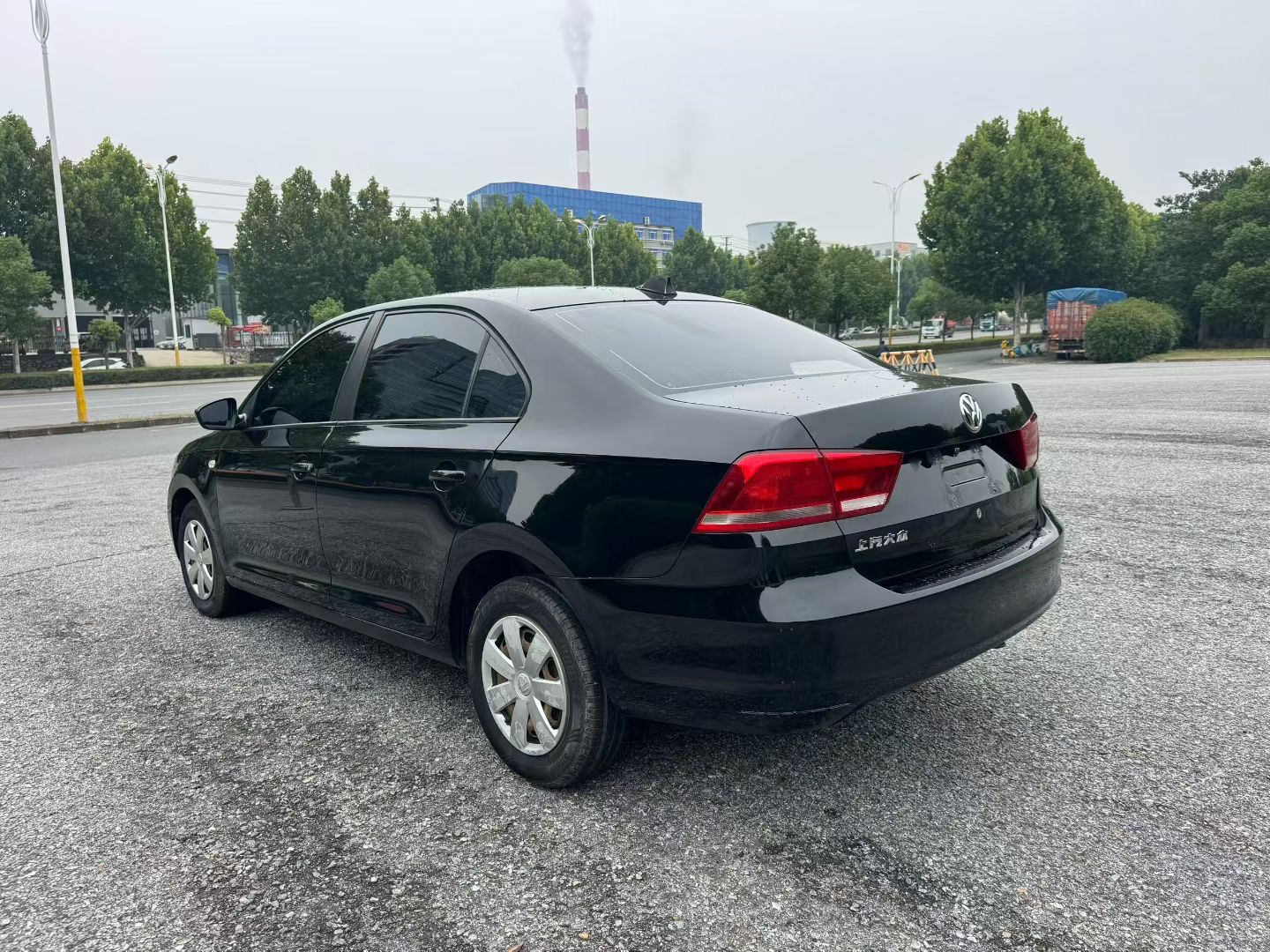



Basic Information

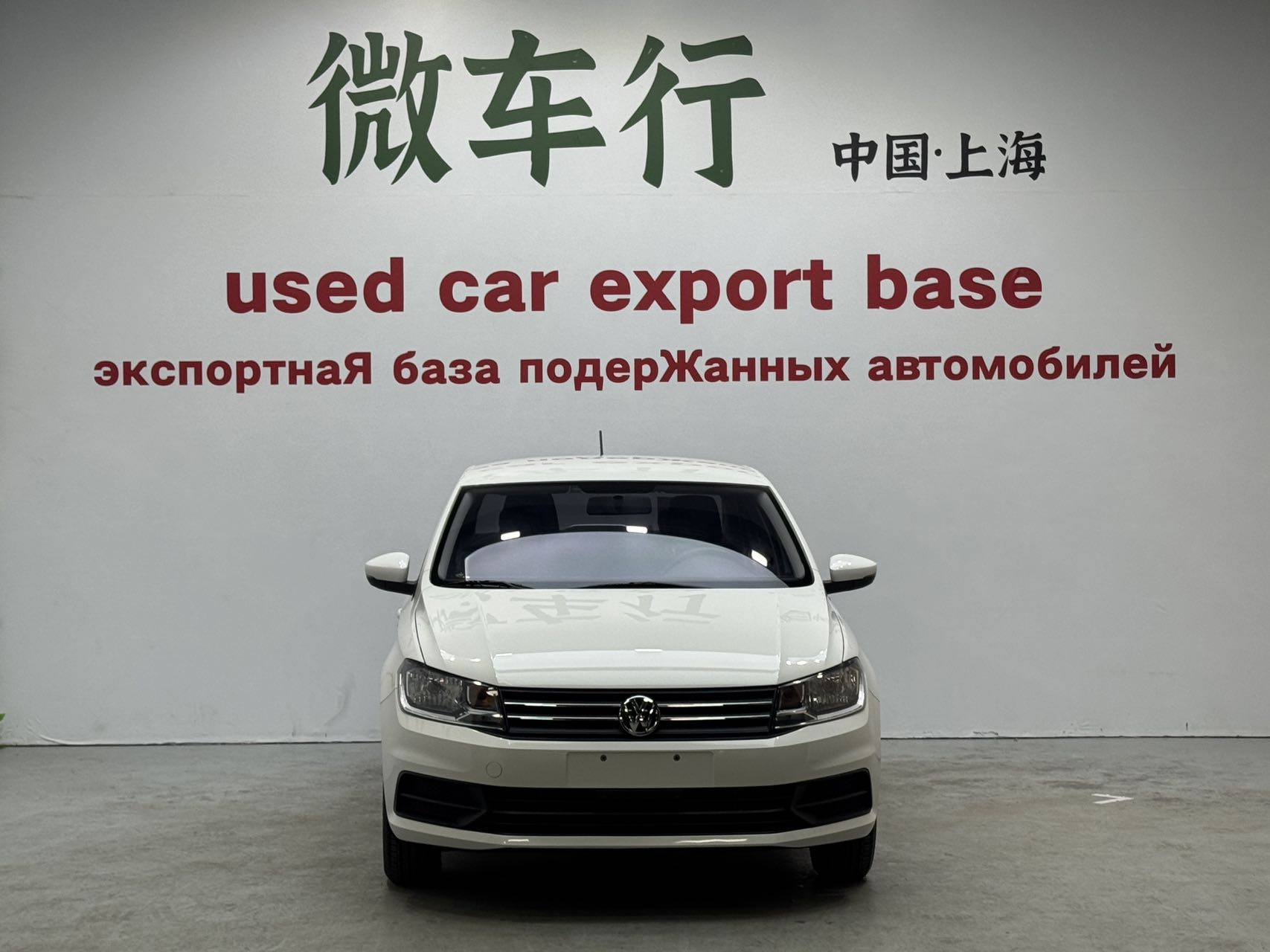
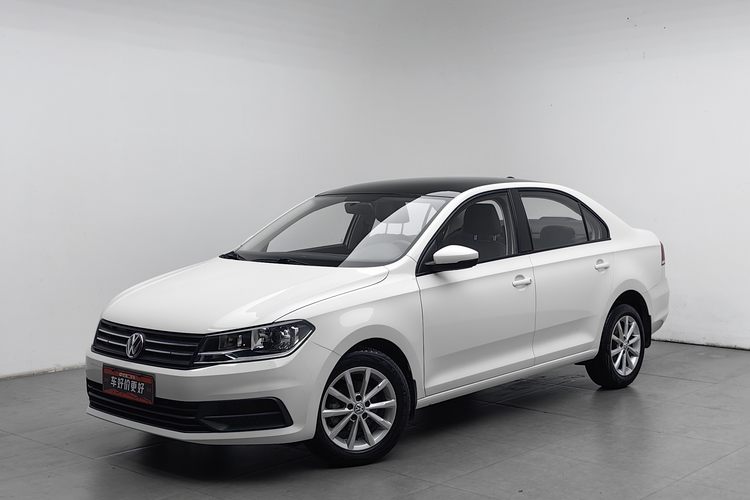
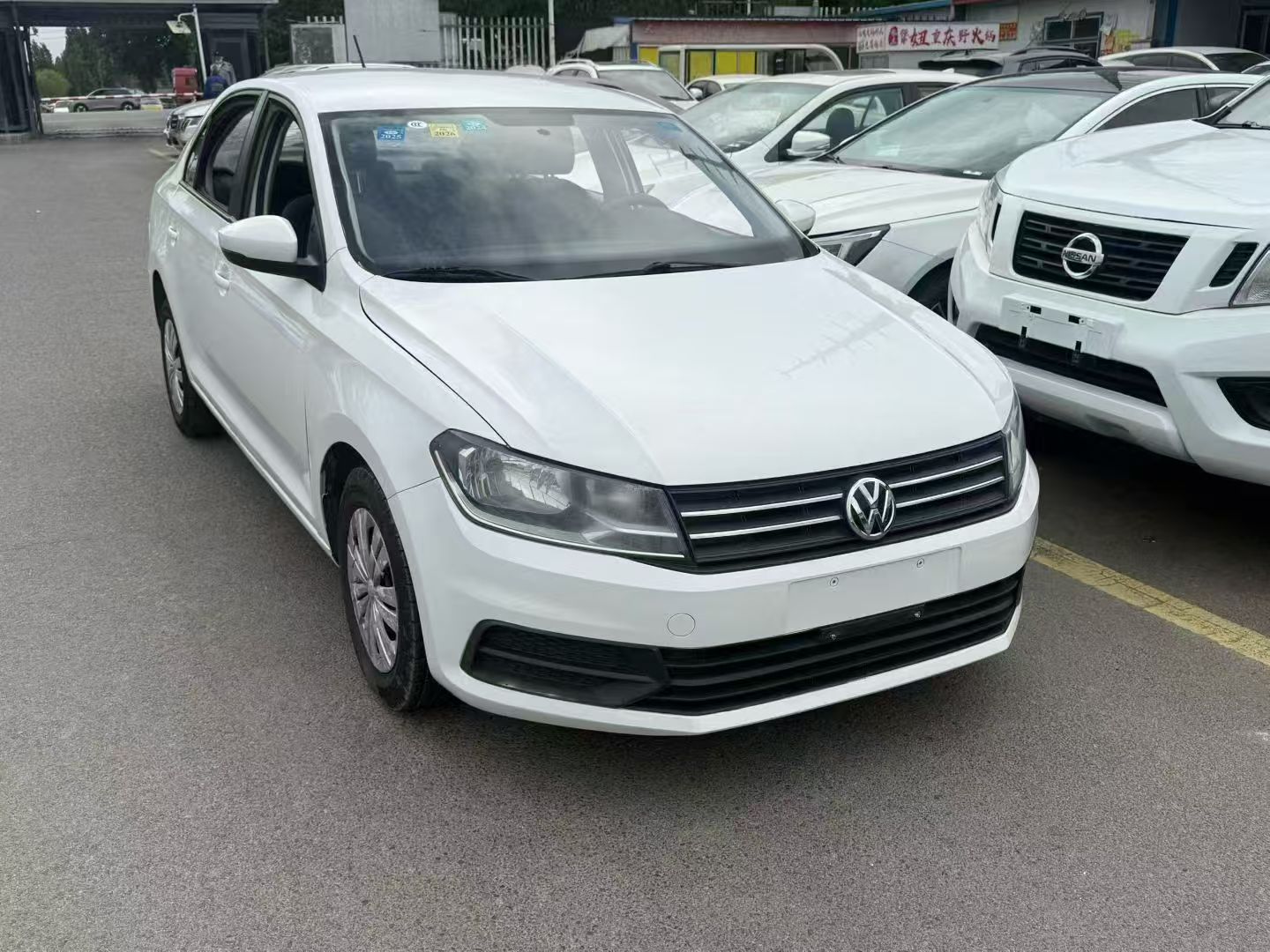
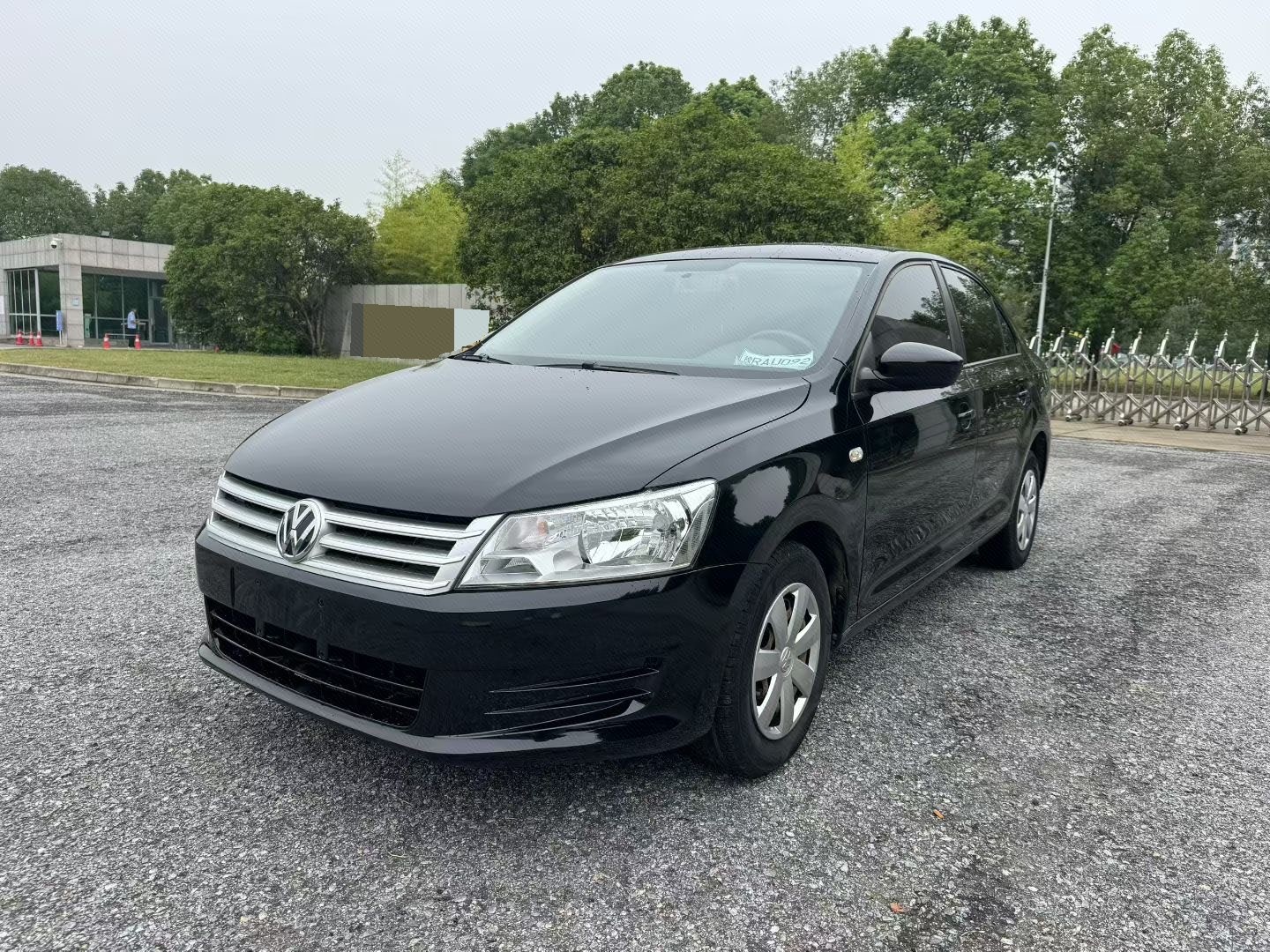
BrandVolkswagen
SeriesSantana
Year2017
First Registration2017/02
Mileage100,000km
Transfer Count0times
FuelGasoline
TransmissionManual
Engine1.6L 110 L4
ColorBlack
Seats-

Condition Description

Original condition, has been repainted, first owner, can pass third-party inspection.

Document Information

Inspection Expiry Date-
Warranty Expiry Date-
Insurance Expiry Date2027/02

Q&A

More

How does customs clearance work at destination when importing a used car from China, and who handles it?

Customs clearance at destination is usually handled by a licensed customs broker, not the exporter. You can hire one yourself or use a broker recommended by your shipping agent. The typical flow: your broker files the import declaration using the documents the exporter must provide — the commercial invoice, packing list, bill of lading, and the certificate of origin. Depending on your country's rules, you will also need to pay import duty, VAT or sales tax, and any excise or environmental levies before the car is released. Things that commonly delay clearance: mismatched VIN numbers between documents, missing pre-shipment inspection certificates (required in some African and Middle Eastern countries), or non-compliance with your country's used-car import age limits. Budget 3–10 working days for clearance after the vessel arrives, plus storage fees if documents are incomplete. Tip: send all documents to your broker for review before the ship departs China — fixing errors at origin is much cheaper than demurrage at destination.


If a problem arises after the car arrives, how are disputes and claims typically handled with a Chinese exporter?

Handling claims with an overseas exporter works best when expectations are set before payment. Prevention: put the inspection standard, photo/video evidence requirements, and a dispute clause into the sales contract. Keep all chat records and payment receipts. Typical process if issues arise: 1) Notify the exporter within 48-72 hours of delivery with photos/videos as evidence. 2) Most disputes fall into two buckets: shipping damage (handled via marine insurance — this is why insurance matters) or undisclosed mechanical defects (handled per contract, often via partial refund, spare parts, or repair cost sharing). Realistic expectations: exporters rarely accept returns, so negotiate compensation instead. A reputable company will usually cover reasonable repair costs for defects confirmed to pre-exist shipment. Tip: for higher-value cars, hire a local third-party inspection at destination as final evidence — it strengthens any claim significantly.

Do digital keys, NFC key cards, and phone-as-key features on used Chinese EVs still work after export?

Most Chinese EVs support three access methods: a traditional key fob, an NFC card, and phone-based digital keys via the brand's app. After export, the fob and NFC card keep working locally — they use short-range radio, so no internet connection is required. That makes the NFC card your most reliable backup; make sure the seller physically includes it, and verify it locks and unlocks the car before payment. Phone-as-key is different: it usually depends on the manufacturer's cloud server recognizing your account. If the app is not available or supported in your country, this feature may stop working. Have the seller demonstrate a full key handover: delete their phone from the vehicle, reset all paired devices, and transfer the main account to your email. Some brands also allow the key fob to be reprogrammed at any authorized dealer. Test every entry method during the pre-shipment video call, and put all keys and cards included into your contract — replacing a lost NFC card overseas can take weeks.