Basic Information

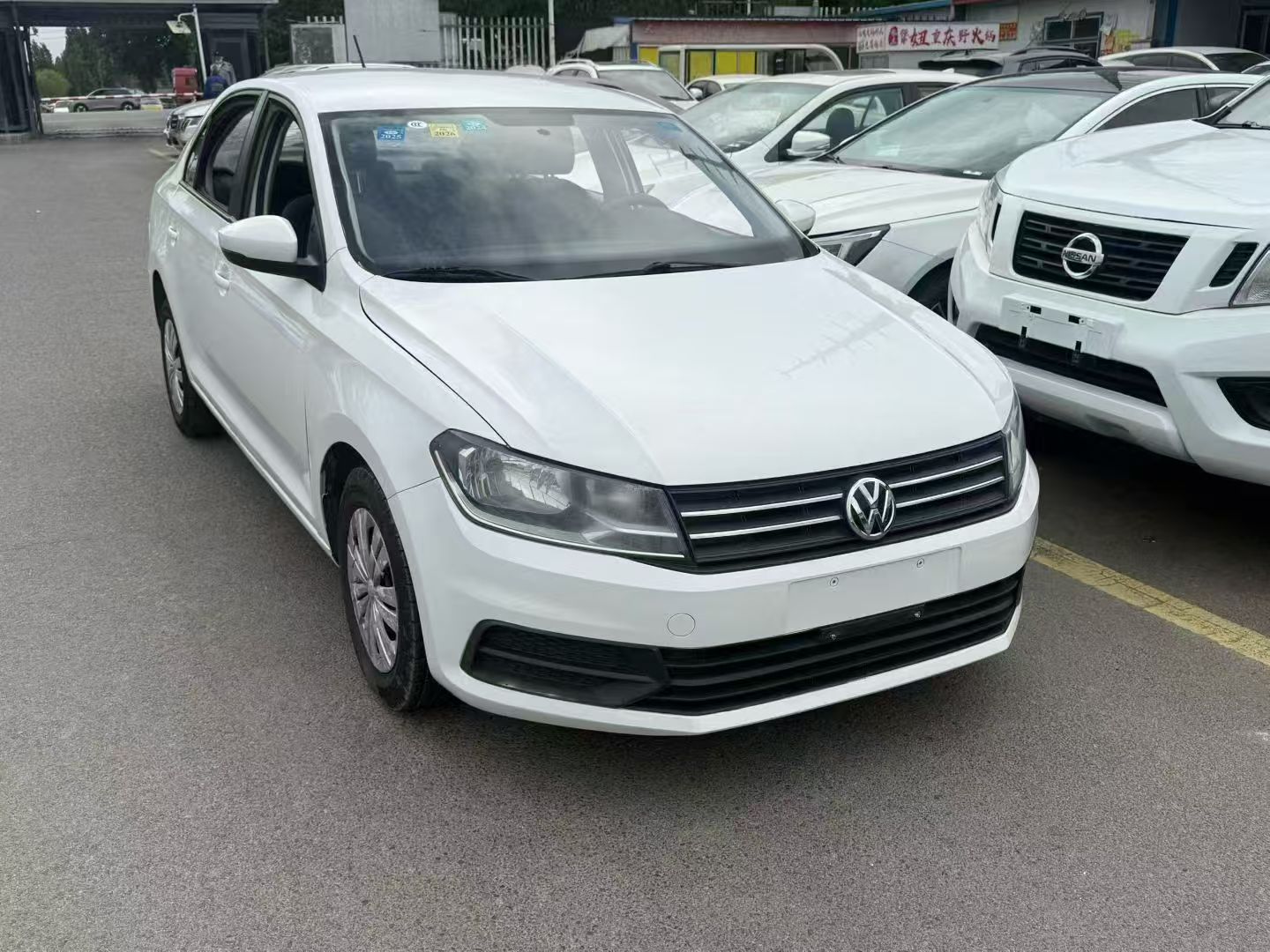
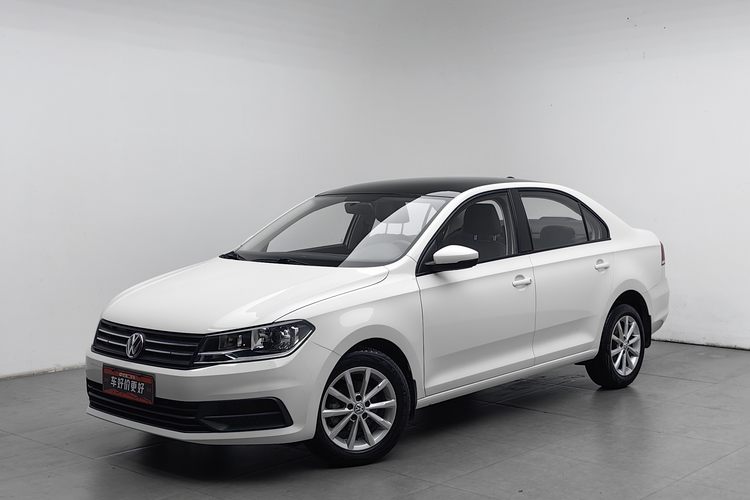
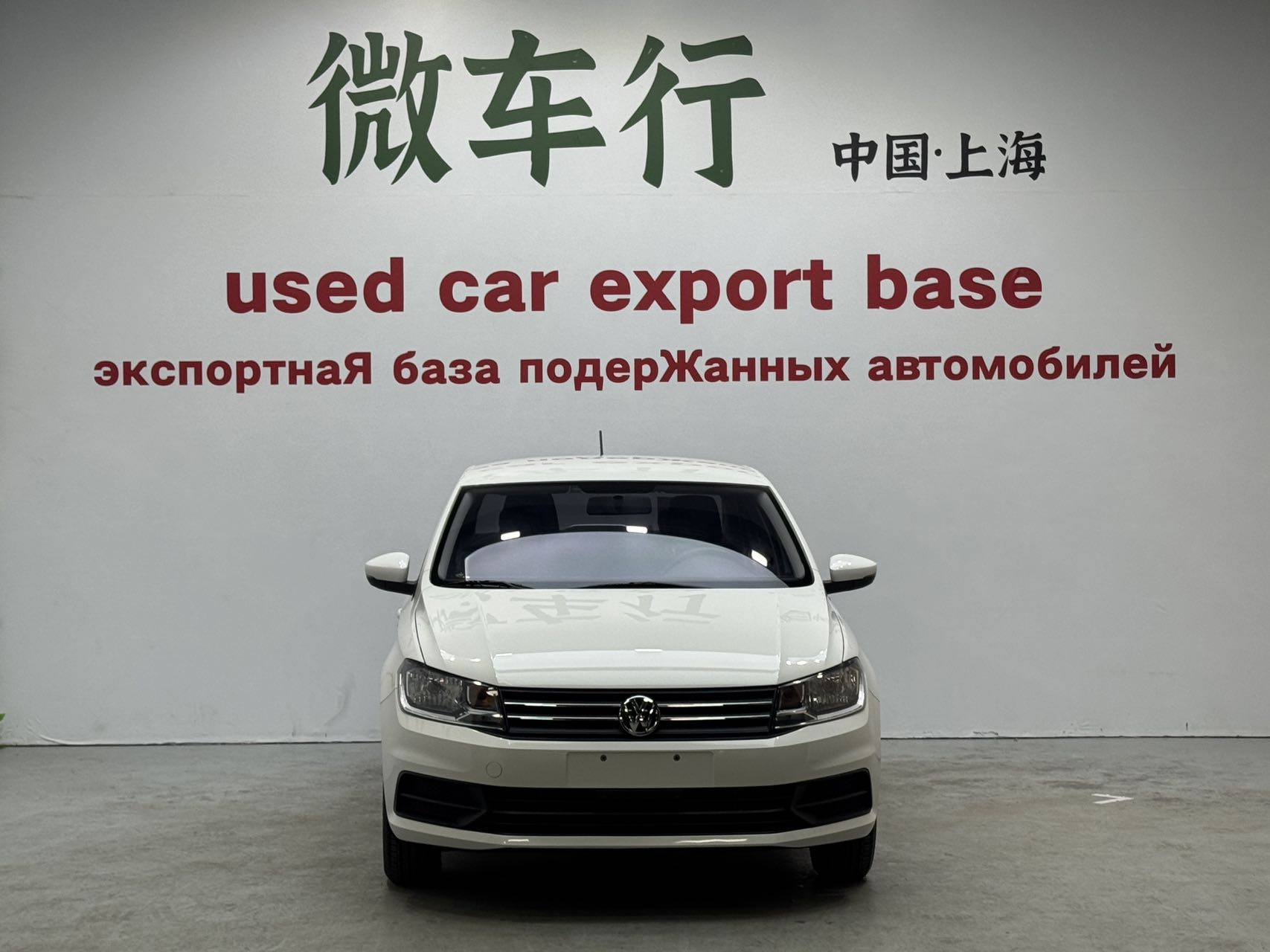
BrandVolkswagen
SeriesSantana
Year2017
First Registration2017/10
Mileage100,000km
Transfer Count-
FuelGasoline
TransmissionAutomatic
Engine1.6L 110 L4
ColorWhite
Seats5seats

Condition Description

Localized body damage or repair marks present. No accident-related damage or repairs to structural or reinforcement components. Vehicle performance (including three-electric system) has degraded or is limited.

Accident inspection: no damage to main structure, reinforcement parts, or cover panels; hinges normal. Engine bay: key mechanical components normal. Exterior: 3 areas of sheet metal repair. Interior: most features normal; airbags, seatbelts, dashboard, instruments, and lighting system normal. Startup check: main components normal. Tool kit: absent.

电话直连
可讲价
平台物流
可转售
零过户
新检测标准升级>
非泡水

Document Information

Inspection Expiry Date2027/10
Warranty Expiry Date-
Insurance Expiry Date2027/09

Q&A

More

Can you convert mainstream left-hand drive (LHD) cars in China to right-hand drive (RHD) and then export them?

We maintain an extremely cautious and firm denial. Some platforms may cater to such demands for orders, but converting left-hand drive to right-hand drive involves complex steering column cutting, firewall structure changes, and wiring harness reorganization. This non-factory deep modification poses significant safety risks and is very difficult to pass vehicle safety inspections in developed countries (such as Japan's earthquake test and the UK's IVA test). Out of responsibility for safety and long-term reputation, we refuse to provide any steering conversion services that damage the vehicle's underlying structure.


How do I compare quotes from different Chinese exporters, and why is the cheapest offer often risky?

Comparing quotes properly means comparing the same thing: 1. Normalize the scope: some quotes include inland transport, export clearance, inspection and ocean freight, others are FOB only. Ask each exporter for a line-item breakdown so you can compare like with like. 2. Check what is excluded: port charges at destination, customs duties, homologation and registration are almost always on you. Get a written list of everything NOT included. 3. Look beyond the number: a quote 10-15% below the market usually means the car has an issue (accident history, rolled-back mileage, pending lien) or the exporter plans to cut corners on inspection and loading. 4. Verify the exporter: business license, export qualification, recent shipment records, and references from buyers in your region. A realistic quote from a verifiable exporter is worth more than a bargain that turns into a dispute. Always pay against milestones with inspection before balance payment.

How can I detect signs of flood or water damage inside a used car from China during a remote inspection?

Water damage is one of the most common hidden problems in used cars, and it often escapes basic photo reviews. During a live video inspection, ask the inspector to check these specific points: 1. Smell test: A musty or moldy odor inside the cabin is the first red flag. Have them open all doors, run the AC briefly, and smell the air from the vents—musty AC often indicates water in the HVAC system. 2. Under the carpets: Lift the floor mats and look for water lines, rust stains, or dampness on the carpet backing and the metal floor underneath. Sediment or silt residue is a giveaway. 3. Seat rails and bolts: Pull the seats fully forward and backward. Rust on seat rails or fresh-looking bolts suggests the seats were removed for cleaning after flooding. 4. Trunk area: Check the spare tire well and under the trunk carpet for standing water marks or rust. 5. Electronics: Test every window, seat adjustment, and the infotainment screen—water-damaged electronics behave erratically. Also request a scan report: flood cars often store history codes for multiple control modules that failed simultaneously. Cross-check the car's origin; vehicles from flood-prone southern regions deserve extra scrutiny.