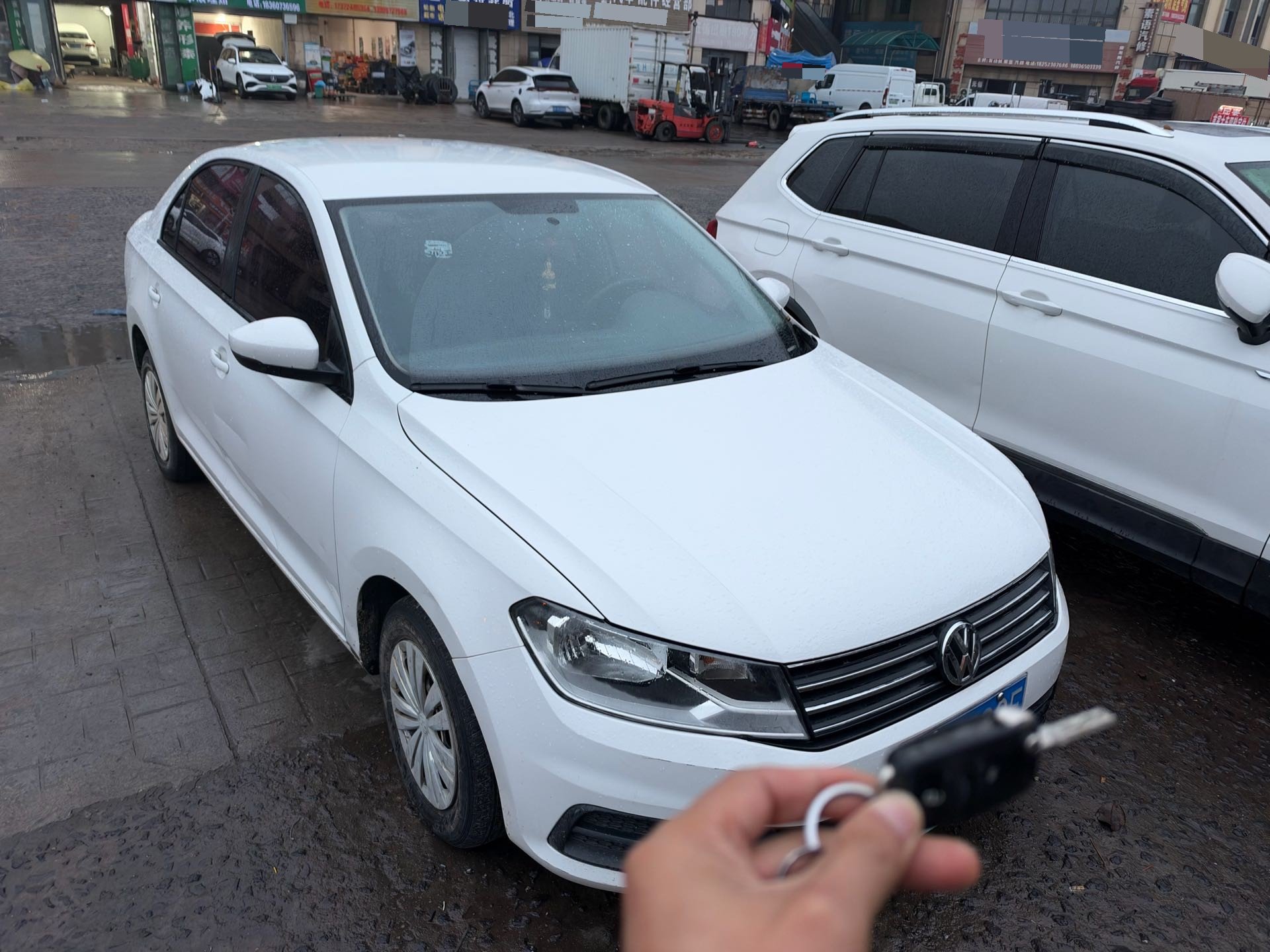
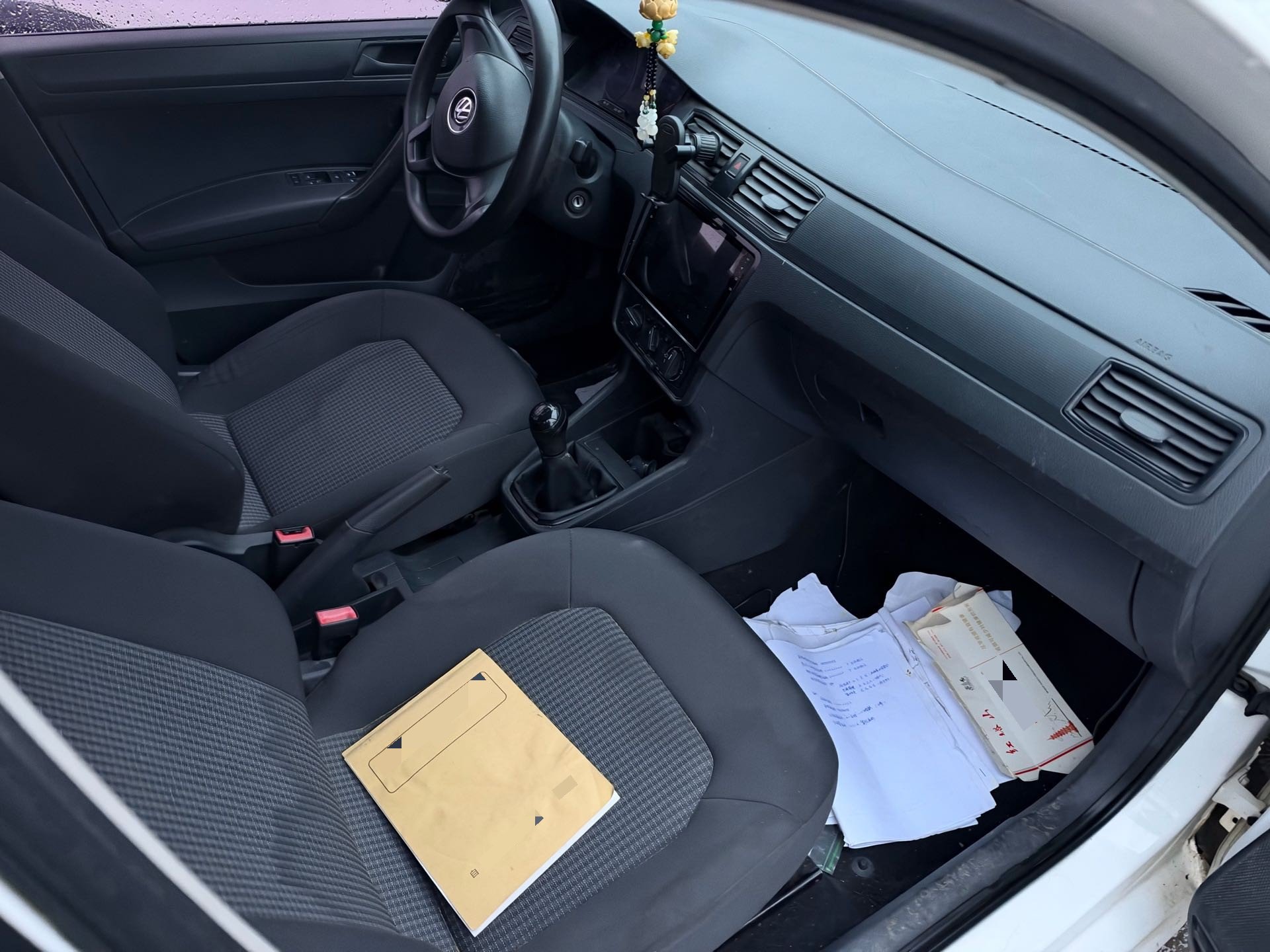
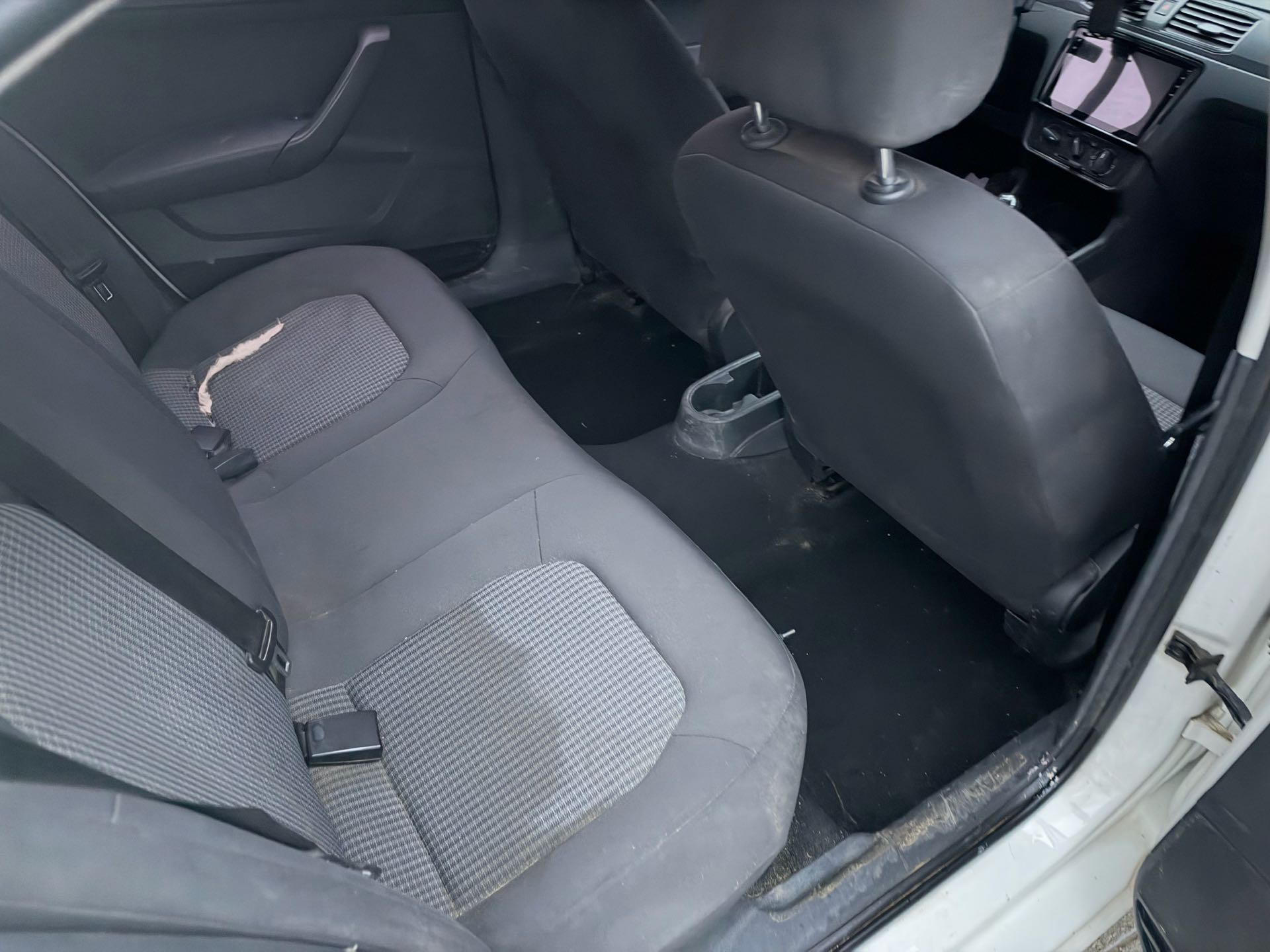
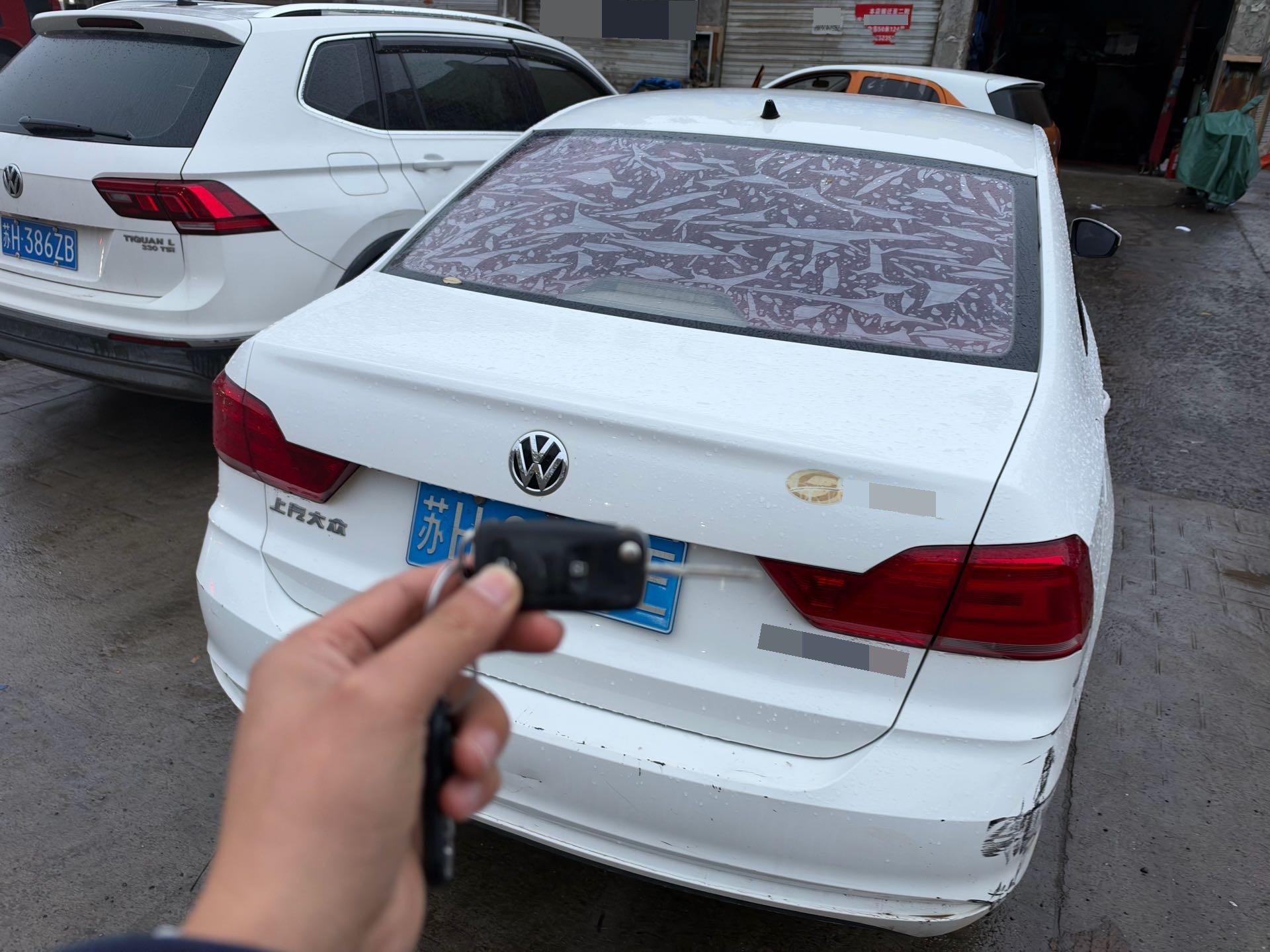



48H

Basic Information

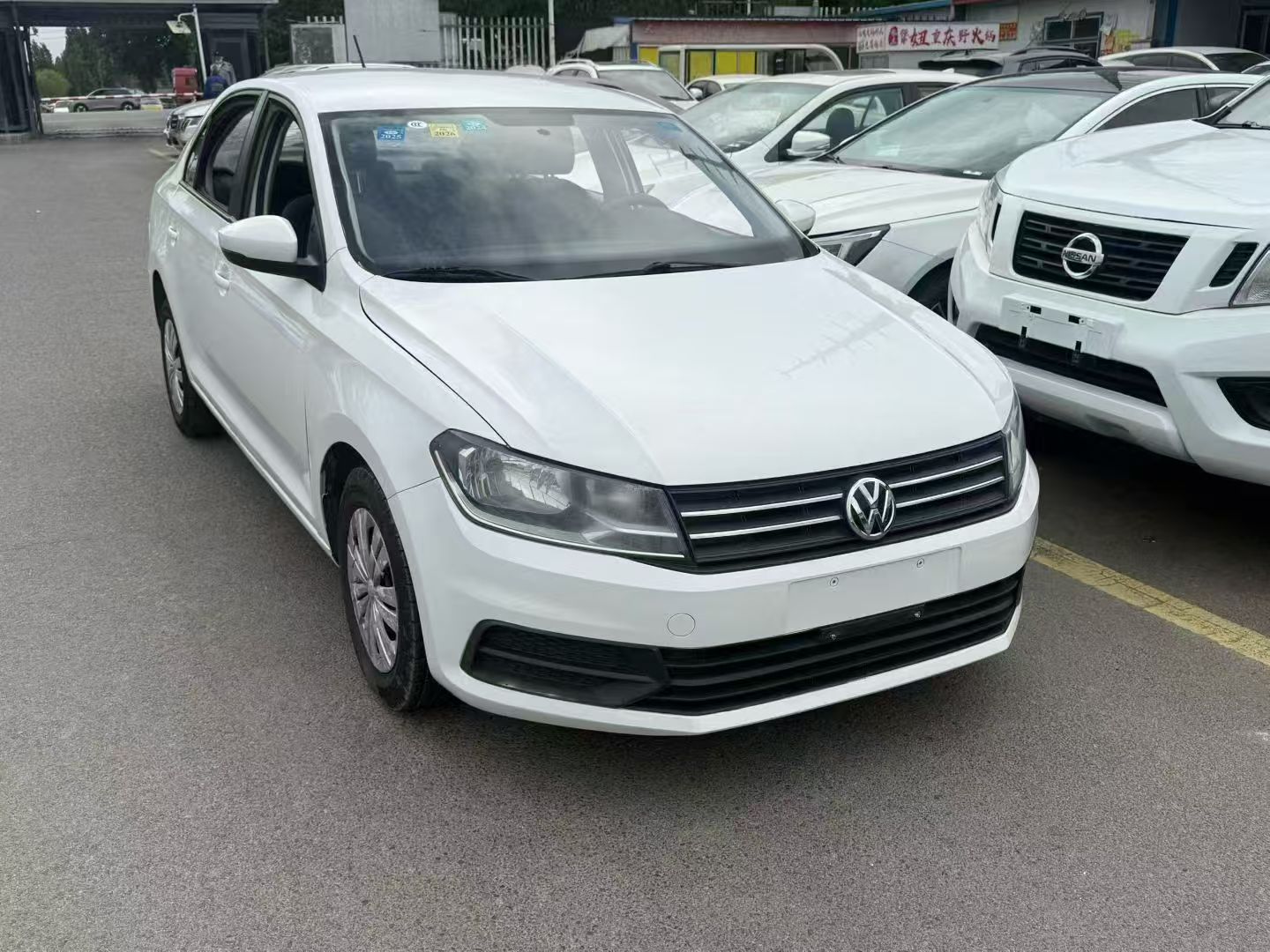
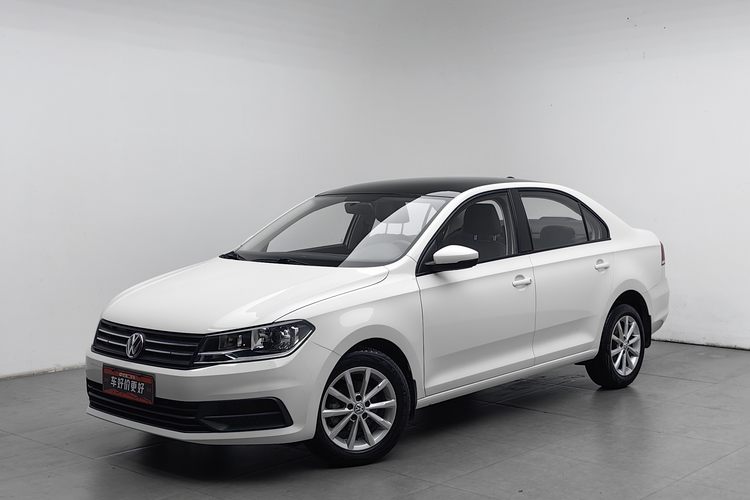
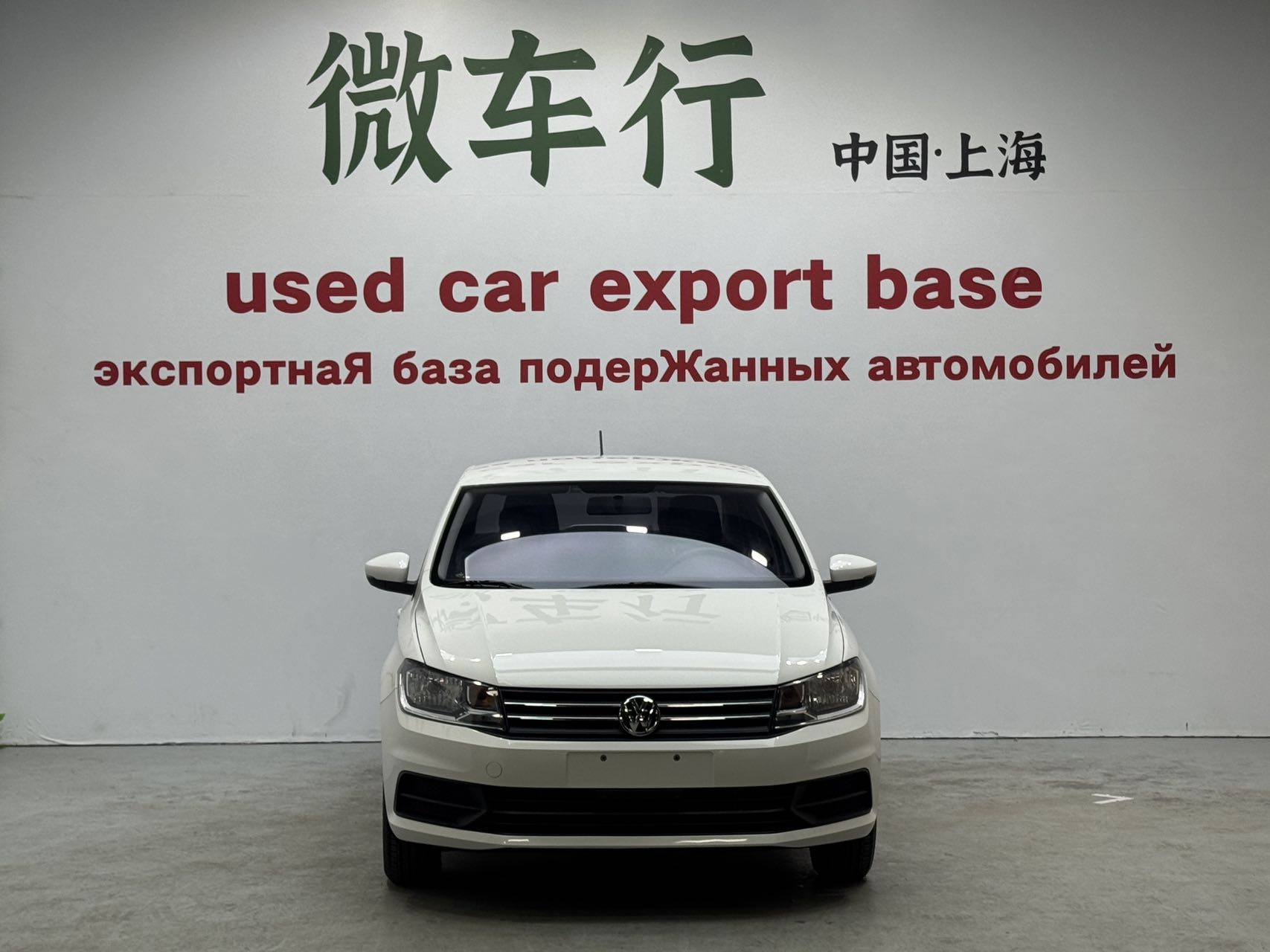
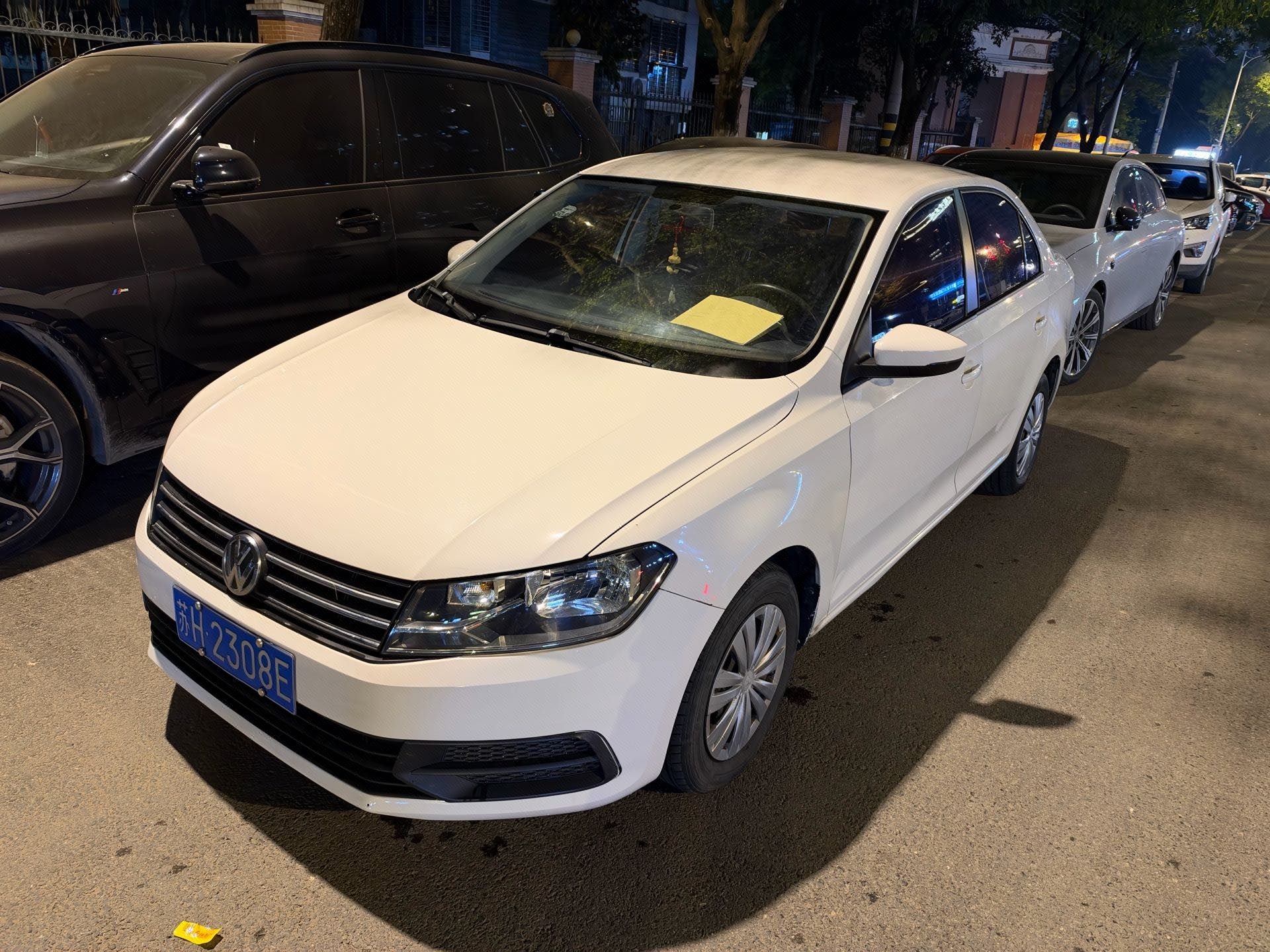
BrandVolkswagen
SeriesSantana
Year2017
First Registration2017/12
Mileage140,000km
Transfer Count0times
FuelGasoline
TransmissionManual
Engine1.4L 90 L4
ColorWhite
Seats5seats

Condition Description

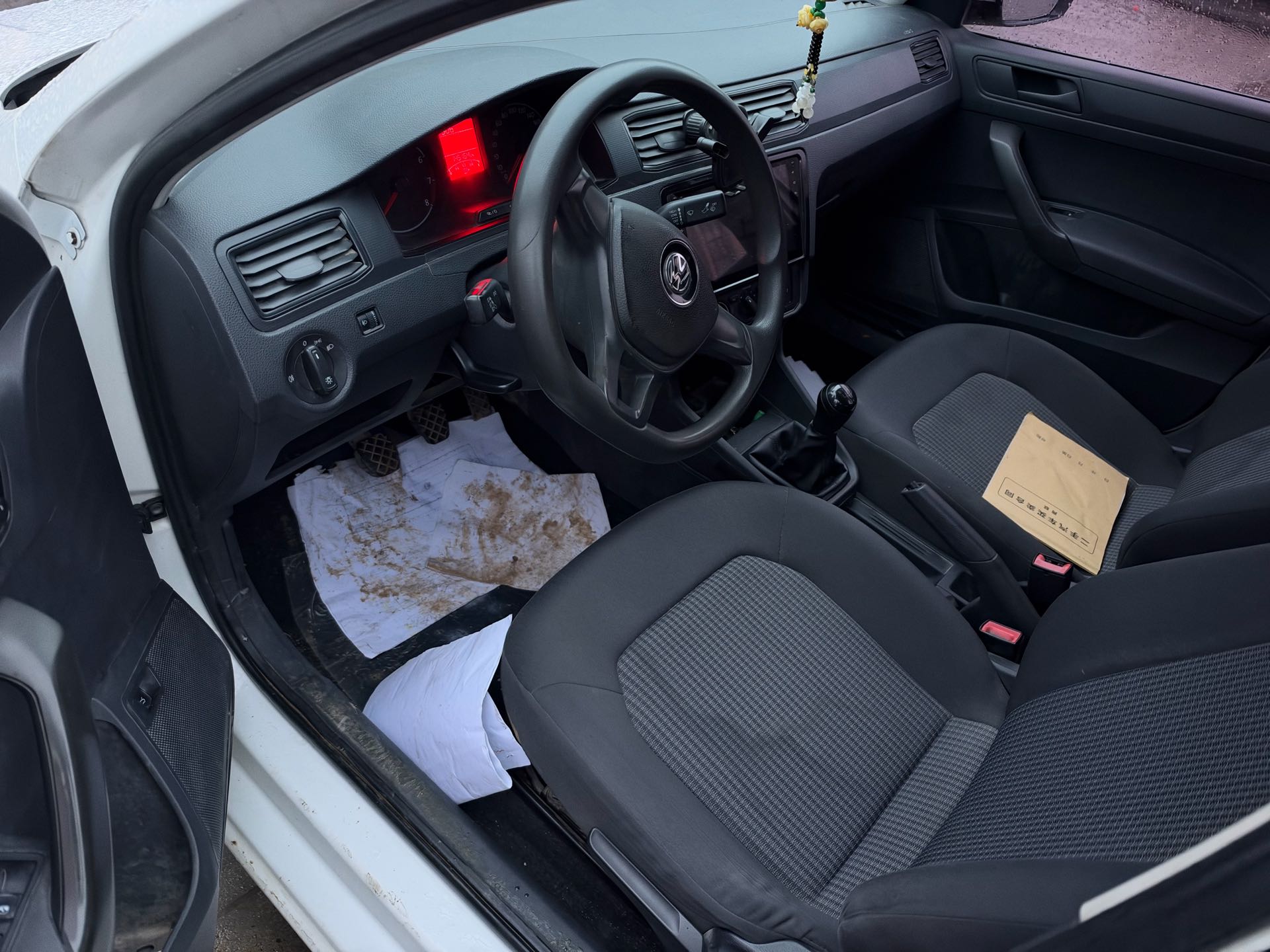
First-hand car, only the frame was replaced.

Document Information

Inspection Expiry Date-
Warranty Expiry Date-
Insurance Expiry Date2026/12

Q&A

More

What does a professional pre-purchase inspection in China include, and which inspection points matter most before shipping?

A professional pre-purchase inspection in China normally covers five parts: exterior and interior condition, a lift inspection of the chassis and frame, engine bay checks, a road test, and OBD diagnostics. Prioritize the chassis rails and A/B/C pillars for cut-and-weld repairs, engine oil leaks and timing noises, transmission shift quality, and OBD fault codes — cleared codes leave telltale history data. For EVs, add battery pack casing, insulation values, and battery state of health (SOH). Insist on original timestamped photos with the VIN visible and a written conclusion such as 'fit for export' or 'major defects found.' A report that only says 'good condition' is not worth paying for.


What maintenance schedule should I follow for my imported Chinese car, and where can I find the official service intervals?

Start with the owner's manual for your exact model and year—it lists the official service intervals and the required fluid specifications. If the manual is only in Chinese, ask the exporter for the English version, or check the manufacturer's website and owner community forums for your region. After the car arrives, do a baseline service even if the seller says it was just serviced: engine oil and filter, air filter, cabin filter, brake fluid check, coolant, and a 12V battery test. From then on, follow the "severe" or "extreme conditions" schedule rather than the normal one—dusty roads, short trips, and hot or very cold climates all count as severe duty, and intervals are usually shorter. Keep every invoice and record. A documented maintenance history makes warranty claims easier and protects resale value.

How do I track my car's shipment from China, and which shipping documents should I receive?

Once the car is loaded, the exporter (or freight forwarder) should send you a booking confirmation and, after departure, the Bill of Lading (B/L). The B/L is the key document: it shows the shipper, consignee, vessel, ports, and usually the VIN and container number. You can track the vessel on the shipping line's website using the B/L number or container number, or through third-party trackers like MarineTraffic. As the shipment approaches, the agent at destination issues an Arrival Notice. To collect the car you will typically need the original B/L (or a telex release/e-release), the arrival notice, your ID, and customs clearance paperwork. Check the B/L carefully as soon as you receive it—VIN, container number, and your name must be exactly right, because correcting a B/L mid-voyage is slow and expensive.