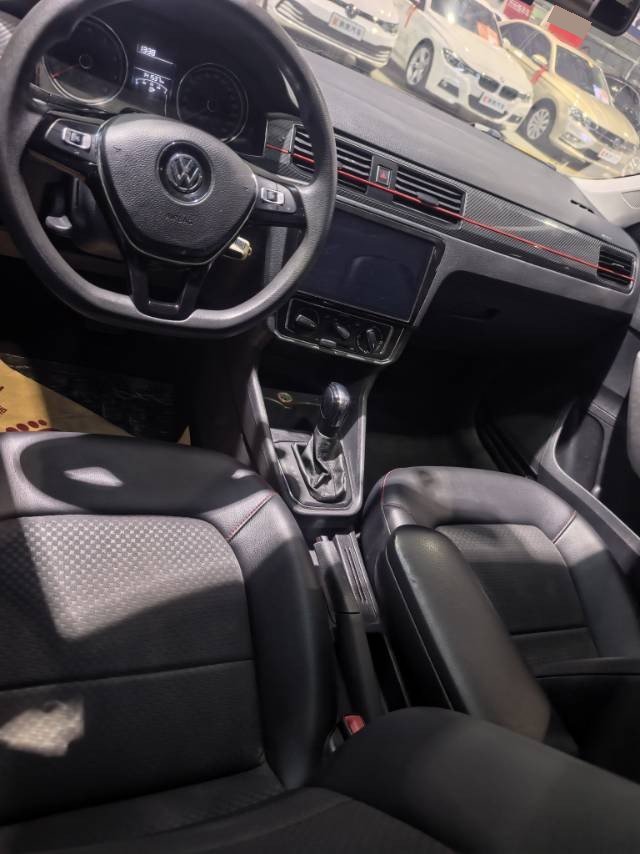
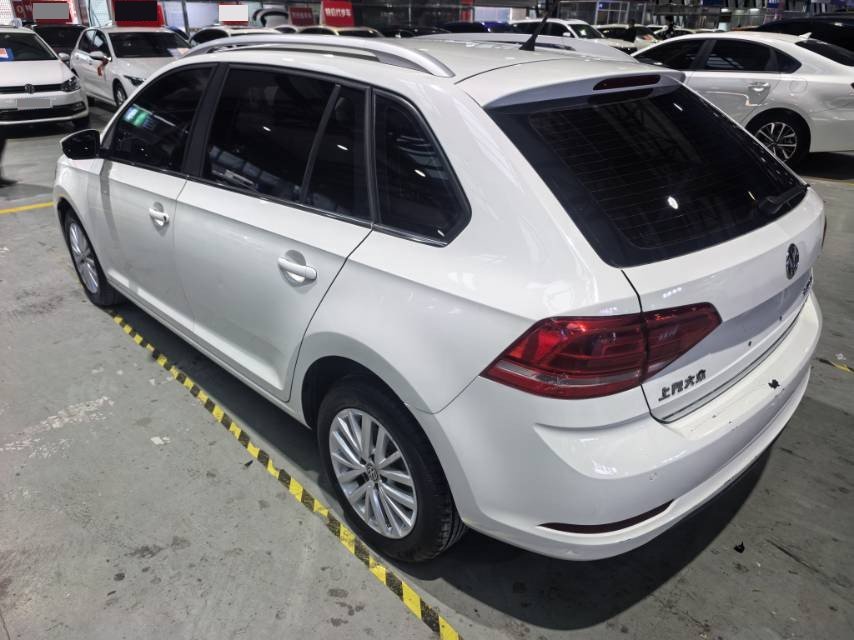
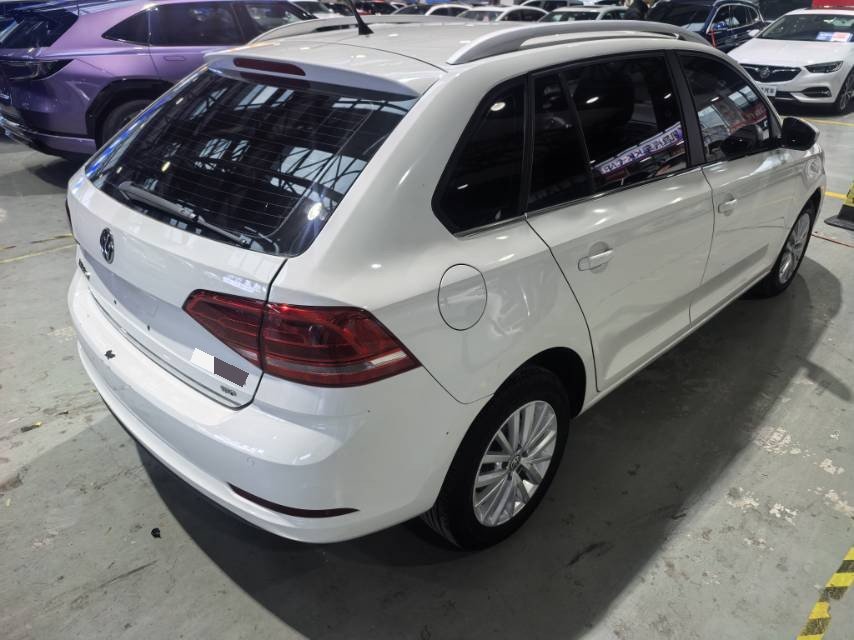
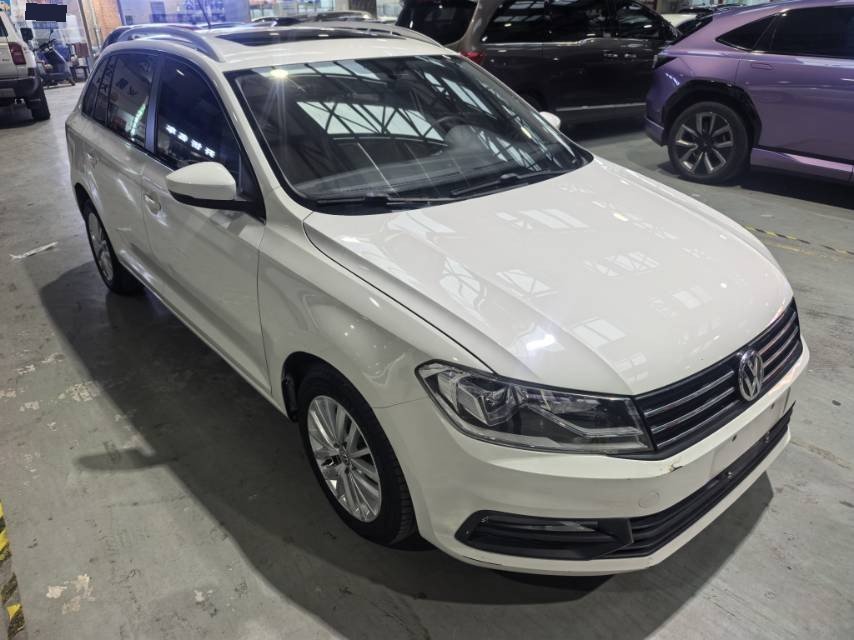



Basic Information

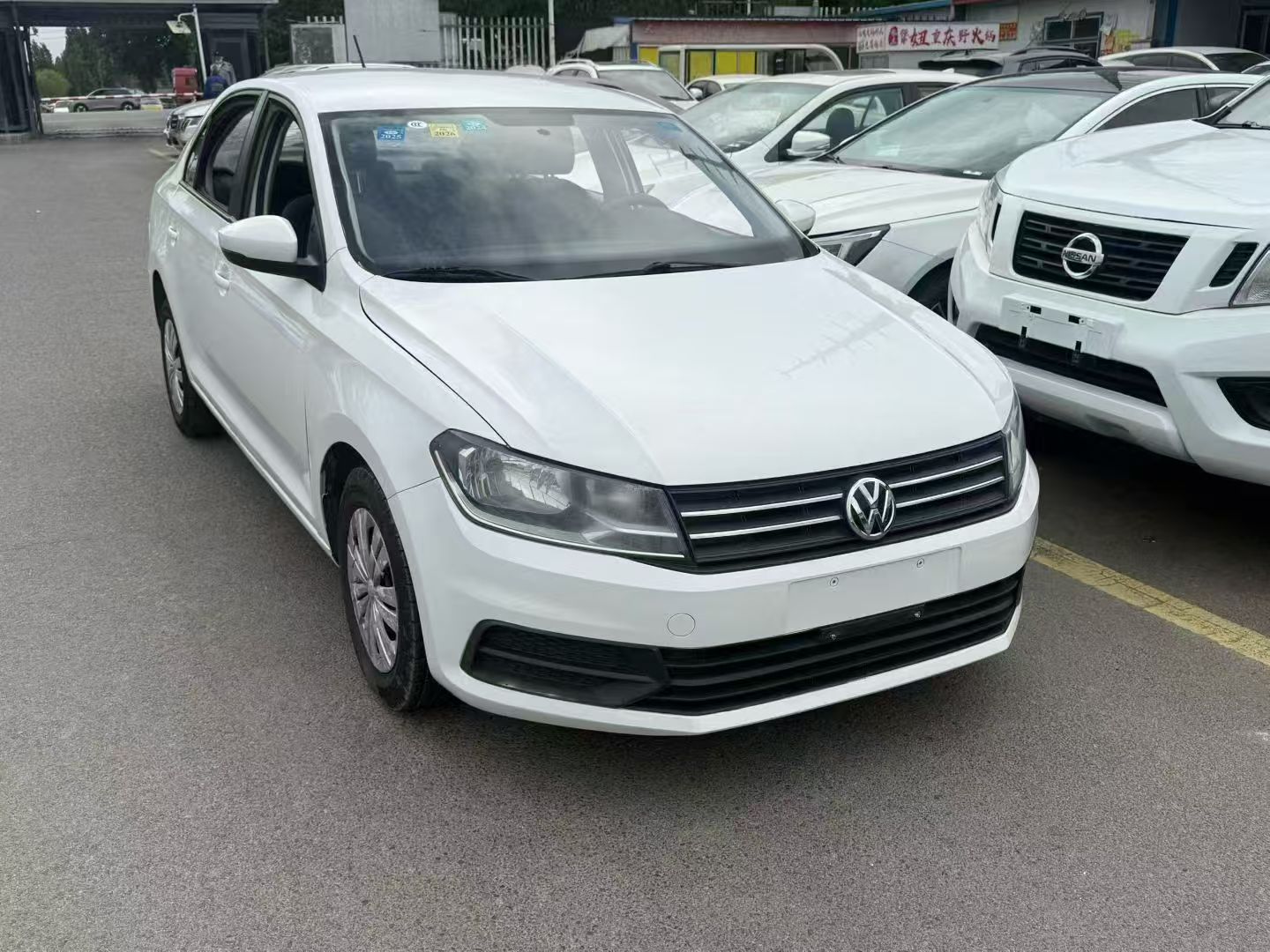
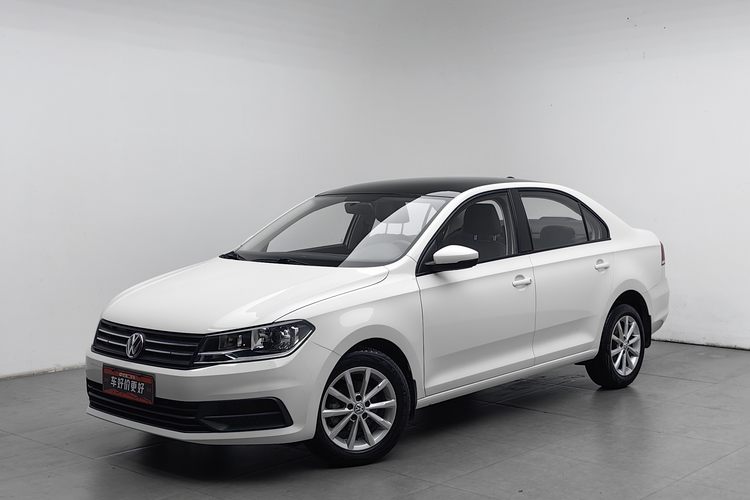
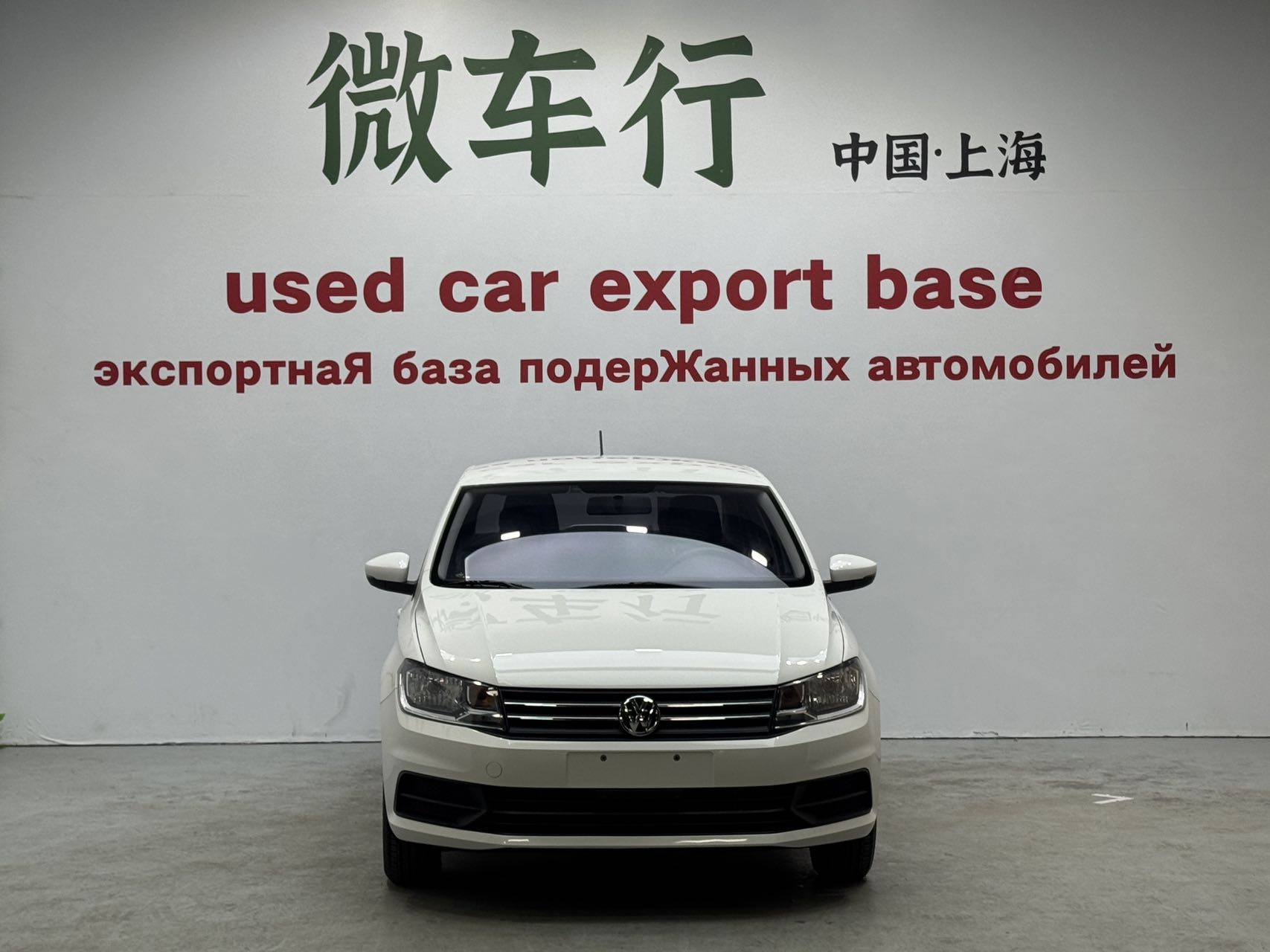
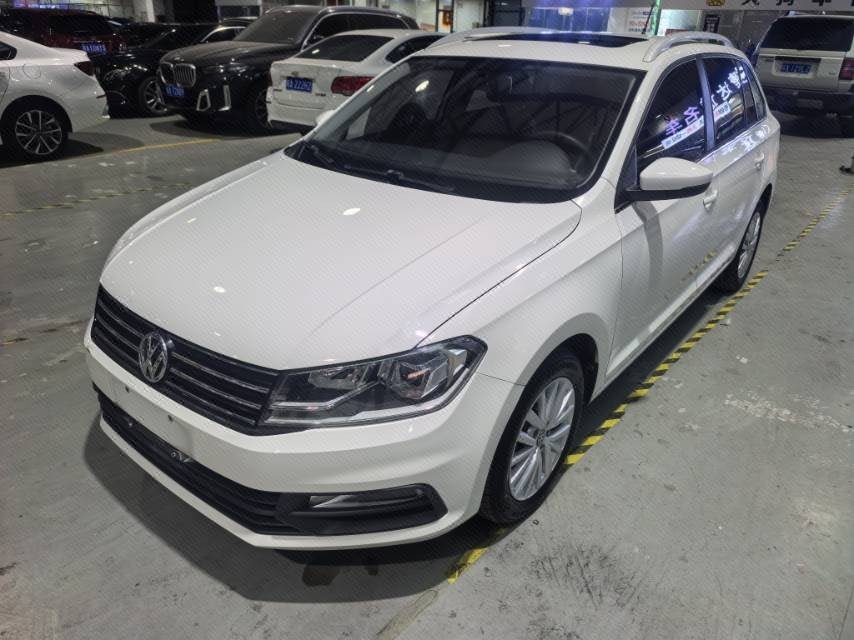
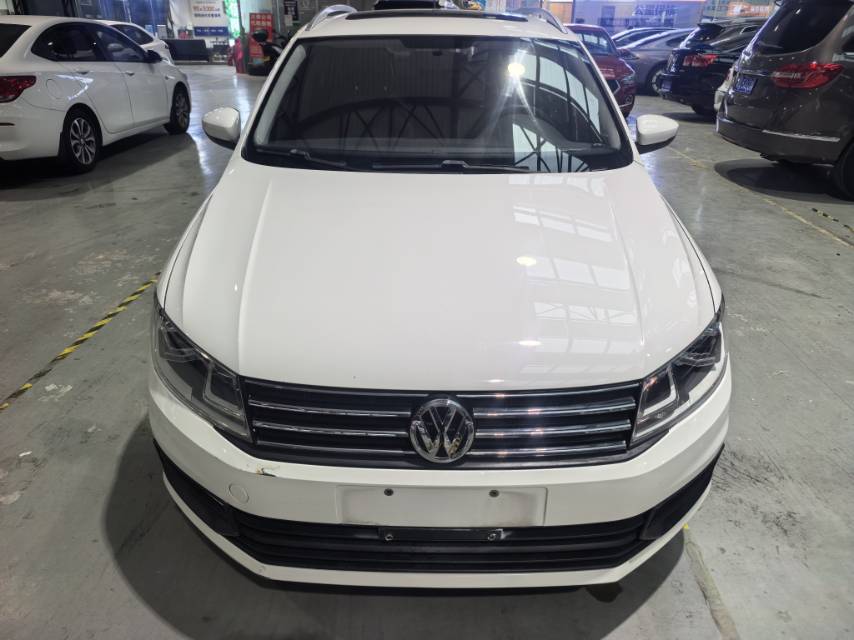
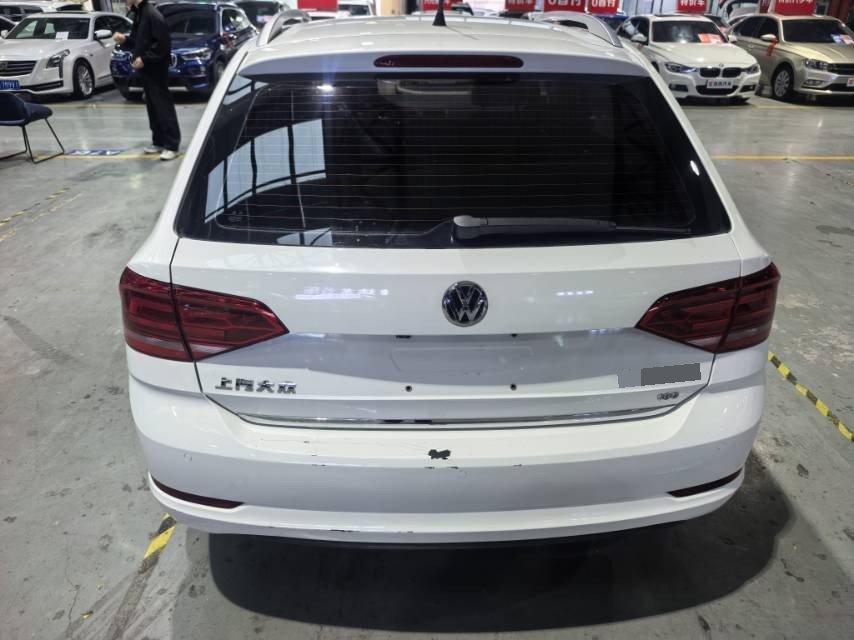
BrandVolkswagen
SeriesSantana
Year2018
First Registration2018/03
Mileage140,000km
Transfer Count0times
FuelGasoline
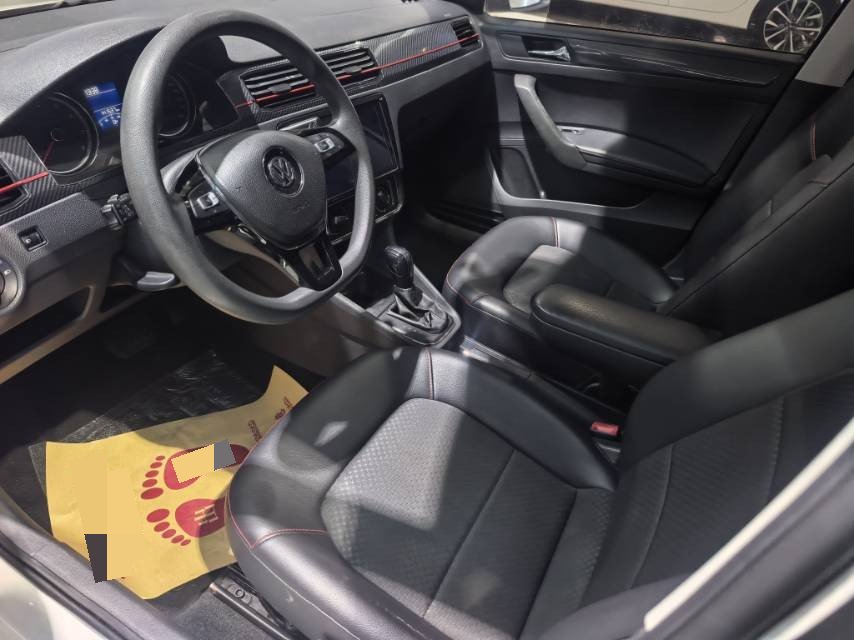
TransmissionAutomatic
Engine1.6L 110 L4
ColorWhite
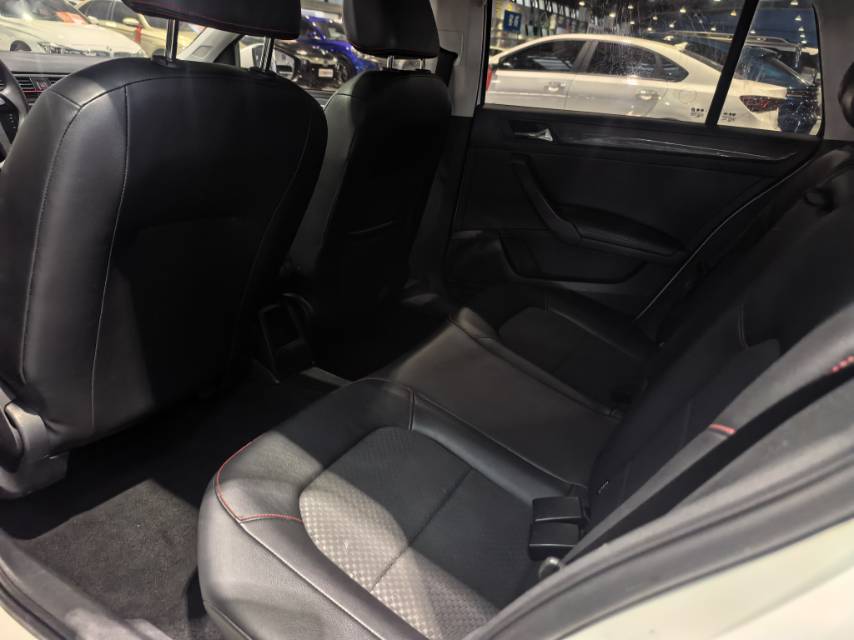
Seats5seats

Condition Description

Actual mileage. Rear surround panel replaced. Failed inspection.

Document Information

Inspection Expiry Date-
Warranty Expiry Date-
Insurance Expiry Date2027/01

Q&A

More

How can I make sure a used car from China has a clean title and no outstanding loan or lien?

Start by asking the seller for a photo of the full vehicle registration certificate. Check that the registered owner matches the seller's company name. Any change of ownership should appear with a transfer stamp and date. Second, request a lien check. In China, vehicle mortgages are registered with the vehicle management office. A clean certificate shows no mortgage registration; if one exists, the car cannot be legally exported until the loan is settled and the lien released. Third, verify there are no unpaid traffic fines and no gaps in compulsory insurance, since these can block export clearance. Ask the platform to include a title verification step in the transaction flow, and only pay the balance after the title transfer to the export company is confirmed.


Will you clearly inform if the vehicle was previously a commercial vehicle (ride-hailing, taxi, rental)?

The "usage type" section on the vehicle registration certificate has legal validity. Any vehicle that changes from "commercial" to "non-commercial" has a usage intensity far exceeding that of personal vehicles, and we will label these prominently. Such vehicles are usually cheaper but have more severe mechanical wear.

Should I choose RoRo or container shipping when importing a used car from China, and what does marine insurance actually cover?

RoRo (roll-on/roll-off) is cheaper and faster for a single car—you drive it onto the vessel and it is secured on the car deck. Container shipping costs more but offers better protection from weather, salt air, and handling damage, and allows you to load spare parts inside the car. Marine insurance is essential either way. Standard cover protects total loss and major damage, but read the exclusions: many policies do not cover pre-existing mechanical faults, cosmetic scratches below a deductible, or damage caused by improper securing (lashings). Ask for ICC(A) or All Risks coverage rather than basic total-loss-only policies. Practical tips: 1. Photograph and video the car thoroughly at loading, with the VIN visible 2. Note existing scratches on the bill of lading 3. Inspect immediately at destination—claims windows are often 3-7 days 4. For EVs, declare the battery; some insurers charge a supplement or exclude battery damage altogether