


24H

Basic Information

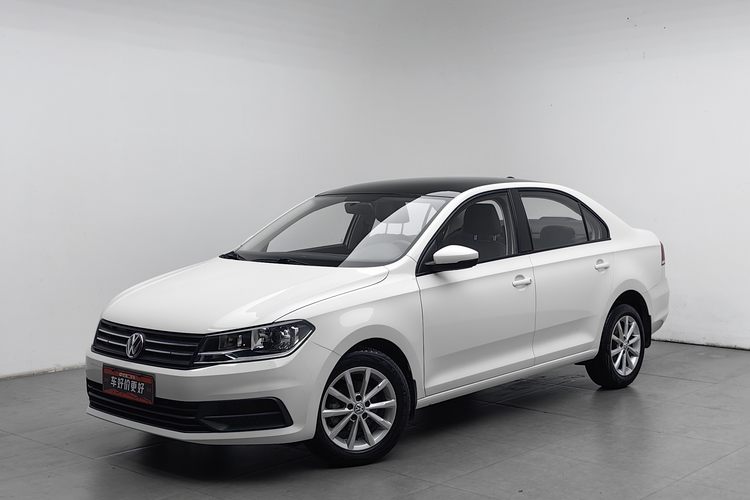
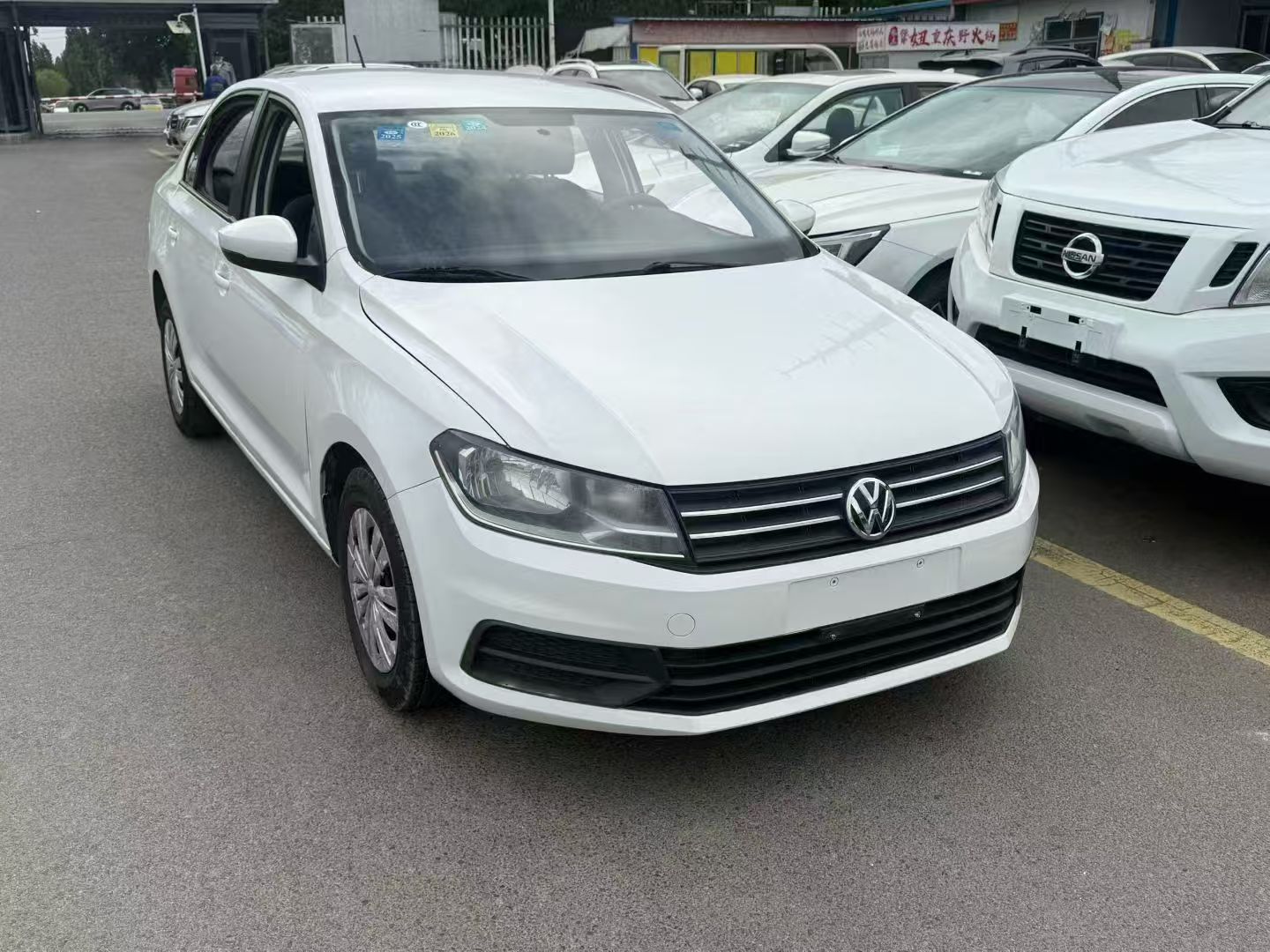
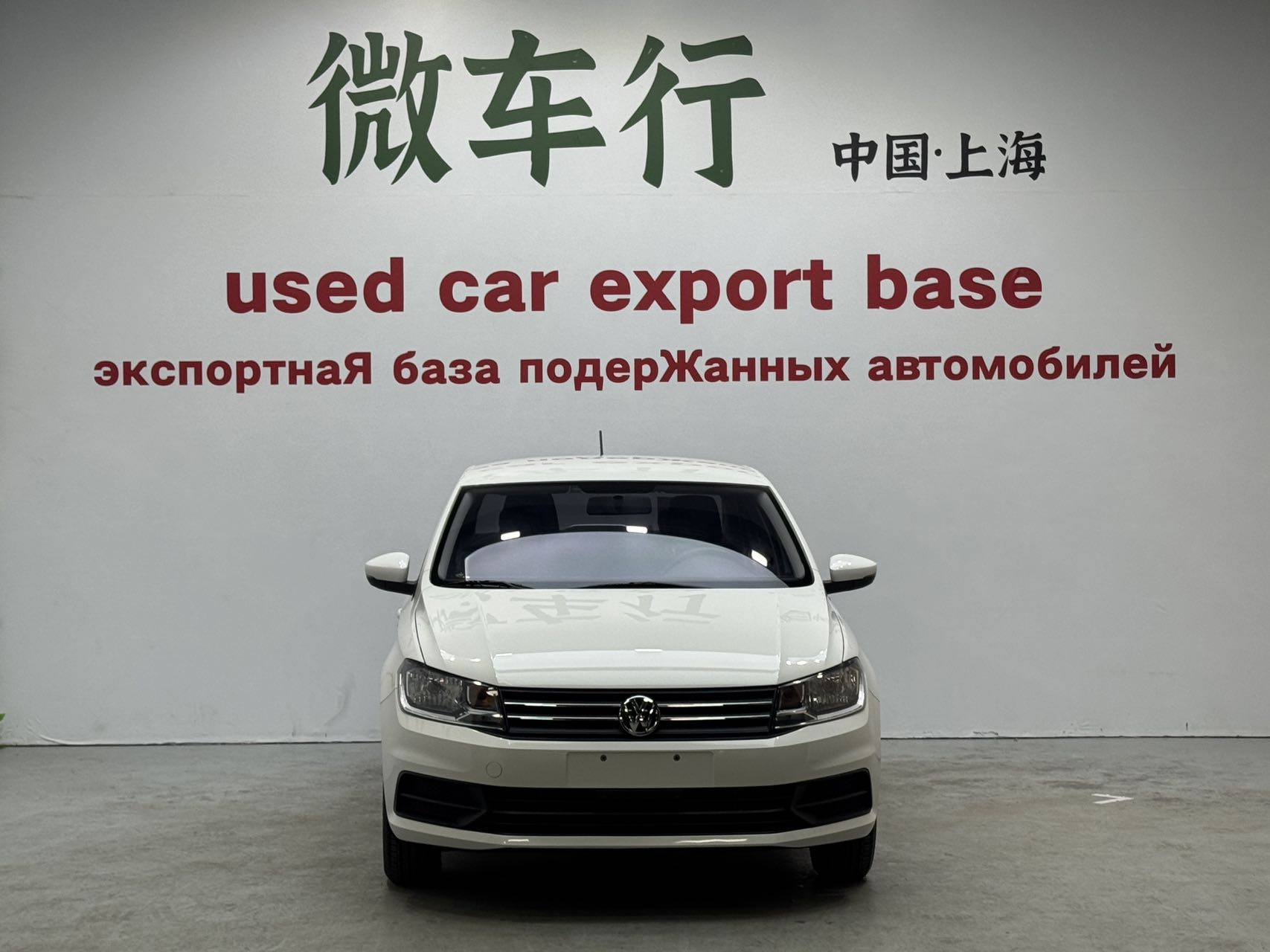
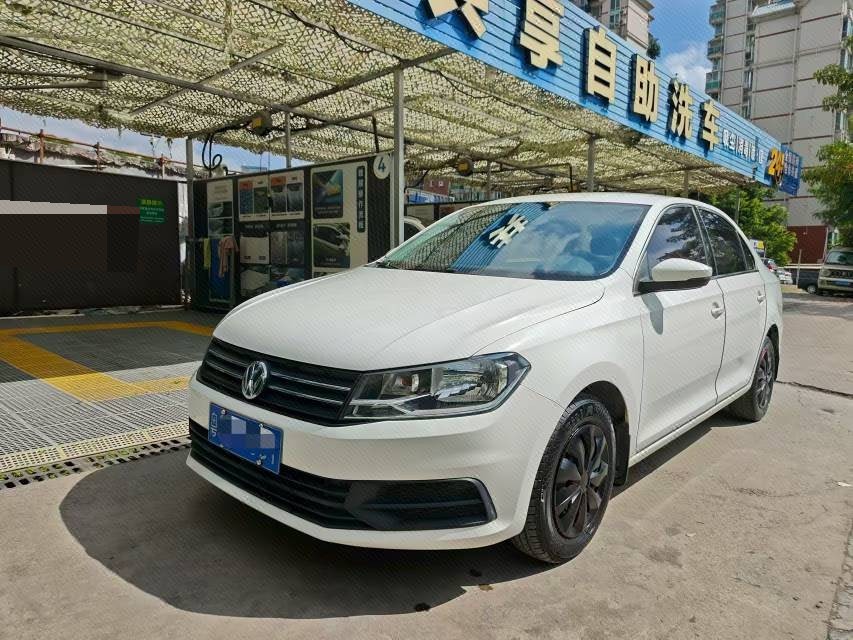
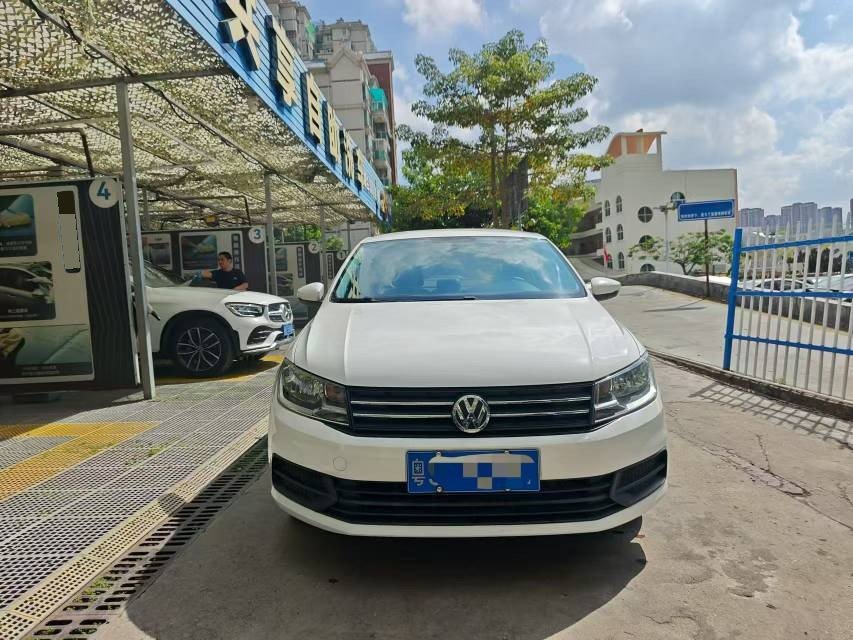
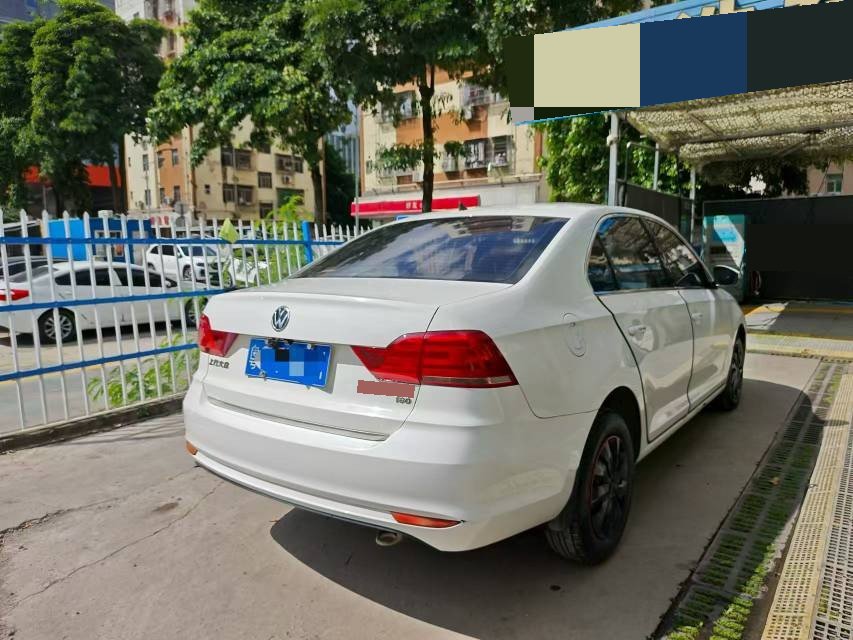
BrandVolkswagen
SeriesSantana
Year2018
First Registration2018/03
Mileage62,000km
Transfer Count0times
FuelGasoline
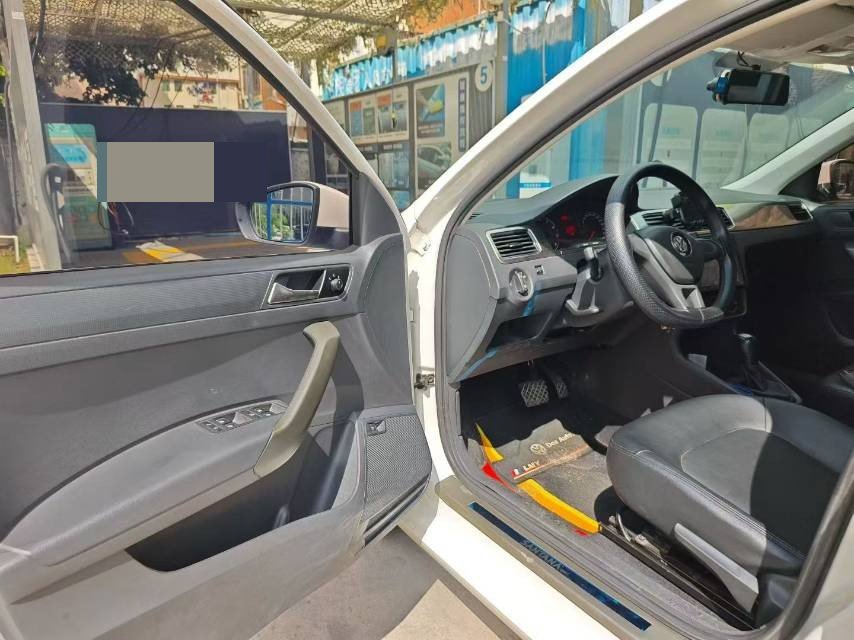
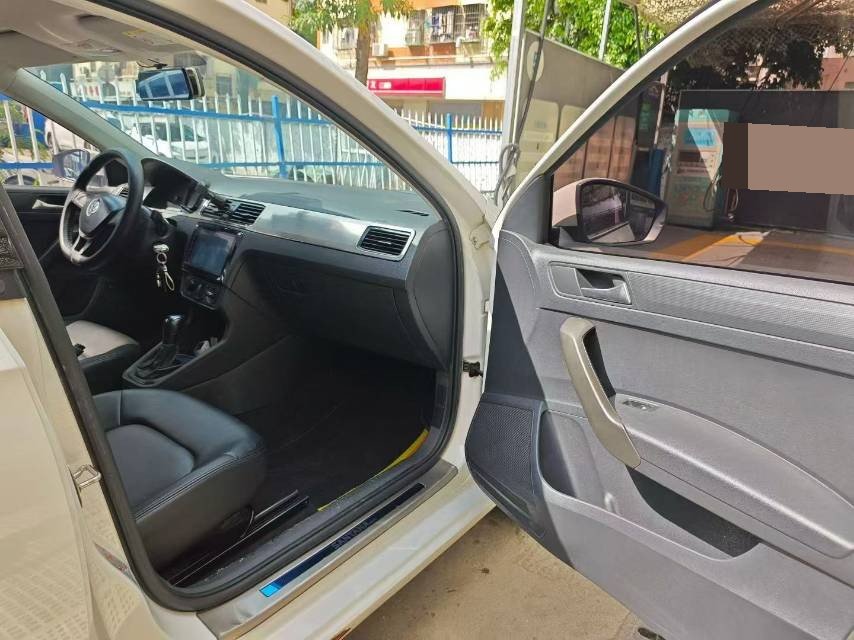
TransmissionAutomatic
Engine1.6L 110 L4
ColorWhite
Seats5seats

Condition Description

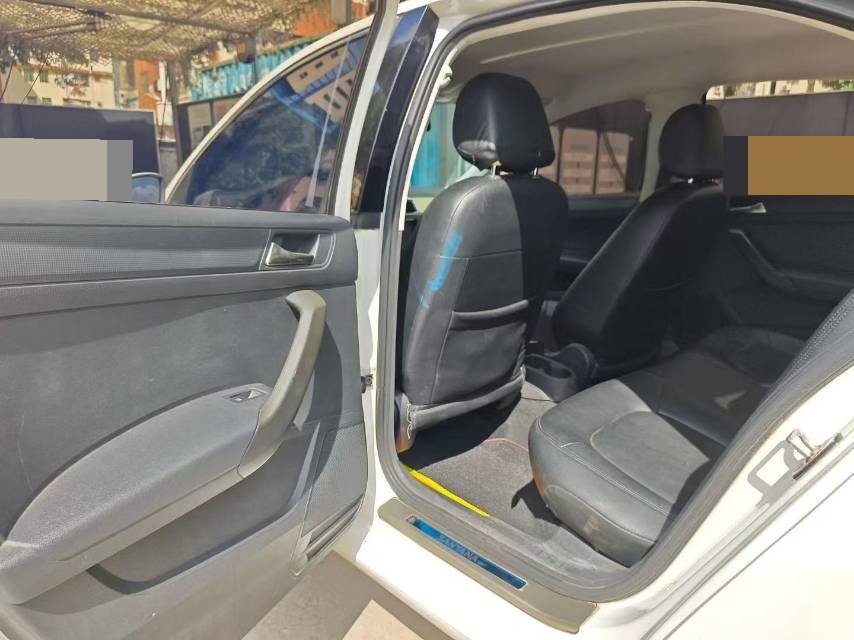
Hood, frame, left front fender, and right front fender replaced; right front fender inner liner repaired with sheet metal; other parts original. One panel repainted. Annual inspection and insurance due January 2027. Zero transfers. Transfer time: 20 days.

Document Information

Inspection Expiry Date-
Warranty Expiry Date-
Insurance Expiry Date2027/03

Q&A

More

How can I verify the odometer reading is genuine on a Chinese used car from abroad?

Odometer fraud exists everywhere, but cross-checking several data points makes it hard to fake: 1) Maintenance records: ask for service history with mileage entries. Gaps or resets are red flags. 2) Tire wear: a car showing 30,000 km should not have nearly bald tires. Compare tread depth against the claimed mileage. 3) Pedals, steering wheel, and seat bolsters: heavy wear on these with low odometer readings is a classic mismatch. 4) Diagnostic scan: request an OBD readout. Many control modules store mileage data internally — if the ECU shows 120,000 km while the dash shows 40,000, you have your answer. 5) Vehicle history report: in China, apps and platforms can pull insurance claim records and registration history, which often reveal the true mileage trail. Always request a live video showing the odometer with the engine running, and have the number written into your contract.


What is the difference between EXW, FOB, and CIF prices from a Chinese exporter, and which incoterm should I choose as a first-time buyer?

EXW means you pay only for the car at the seller's yard—you handle everything else, including inland transport in China and export clearance, which is impractical from overseas. FOB includes delivery to the port and export customs clearance; you pay for ocean freight and insurance. CIF adds freight and basic insurance to a named destination port. For a first-time buyer, FOB is usually the best balance: the exporter, who knows Chinese logistics, handles the complicated part, while you control the freight booking and can shop rates among forwarders. Watch for exporters quoting unrealistically low FOB prices and making margin on inflated 'shipping services' later. Get a separate freight quote before signing, and compare the exporter's CIF offer against FOB plus your own freight estimate. Ask explicitly whether the price includes inspection, export license fees, and port charges—ambiguity here is the most common source of disputes.

In countries with right-hand drive regulations, even if I bribe local customs to force a left-hand drive car through clearance, will I face irreversible obstacles when insuring and inspecting it later?

Absolutely. Even if you clear customs through gray channels, local commercial insurance companies will refuse to cover third-party liability insurance due to the vehicle not complying with national traffic laws; additionally, the vehicle will definitely fail the annual safety inspection at the local DMV.