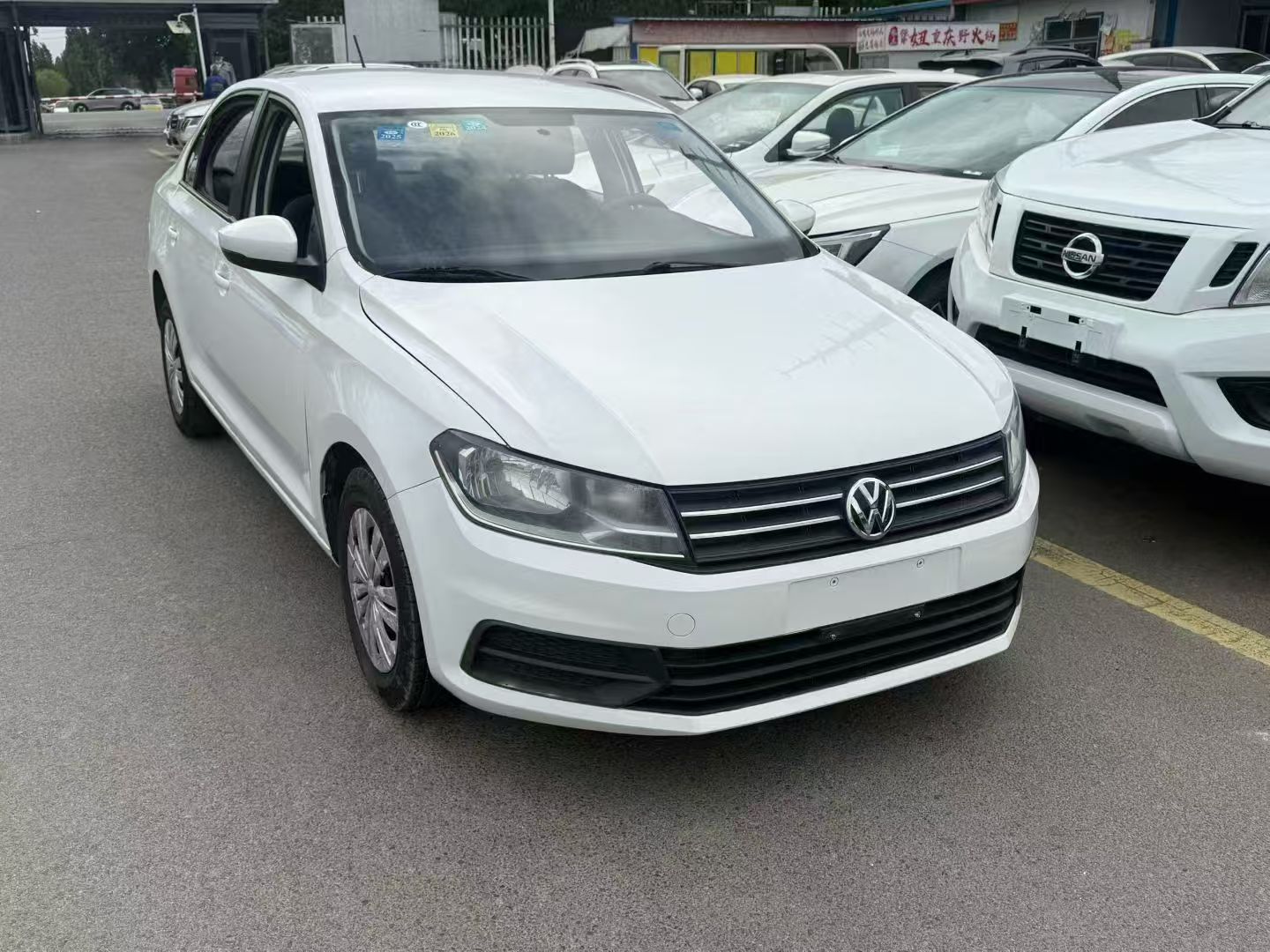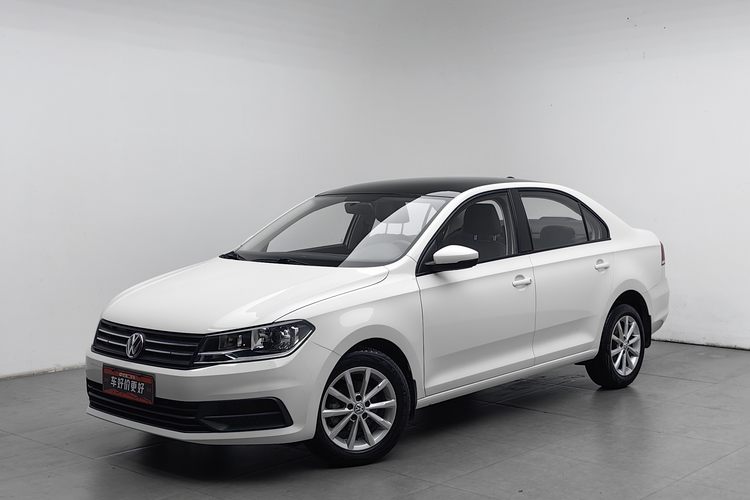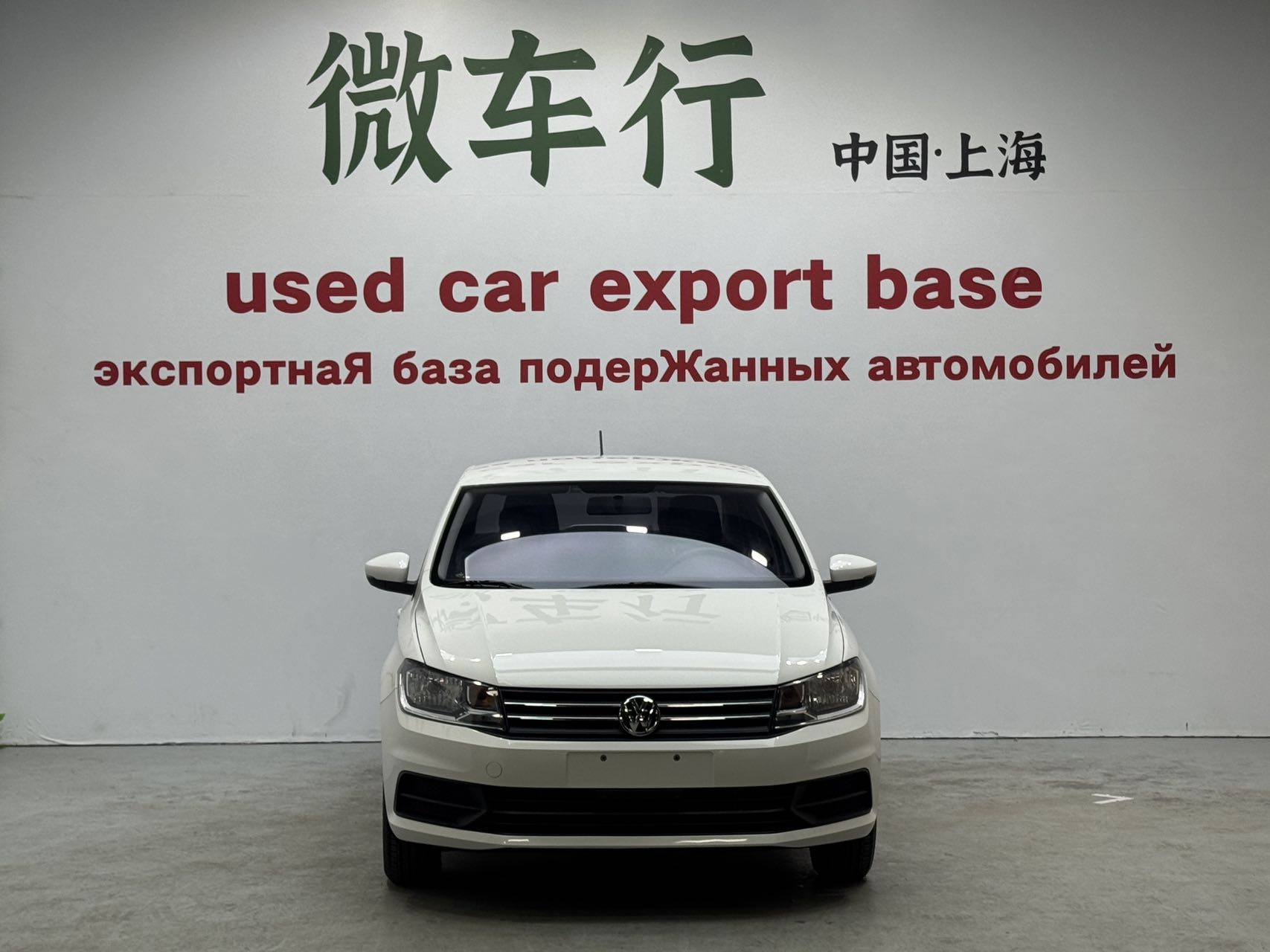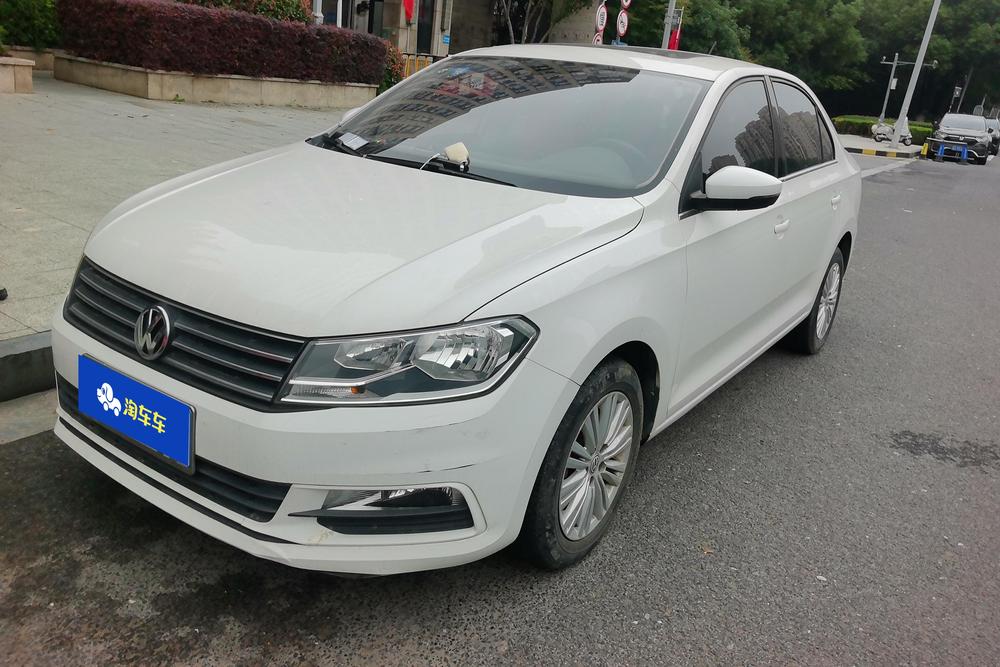
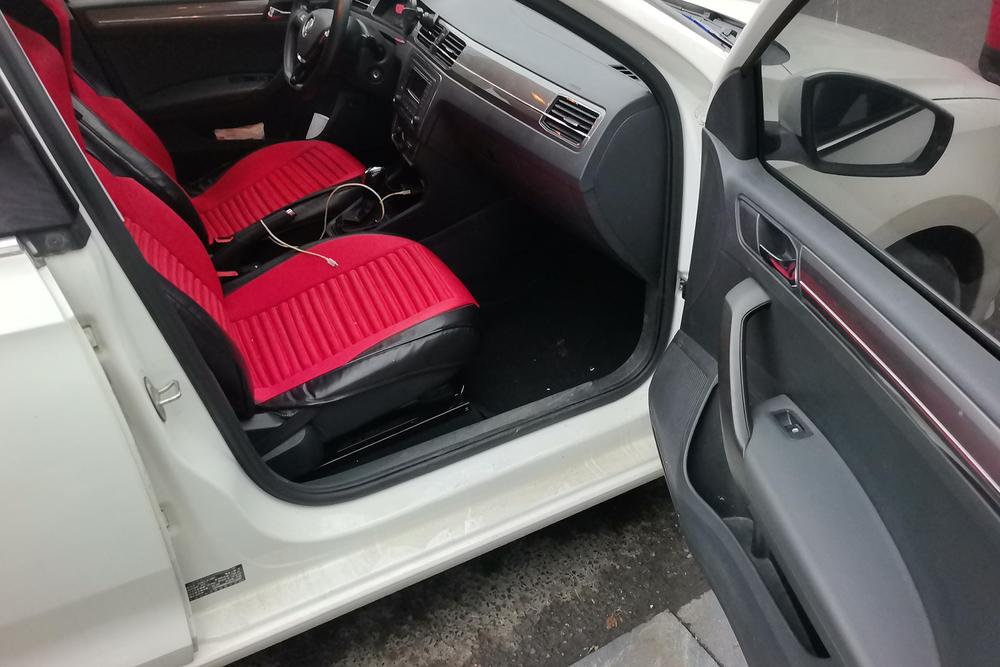
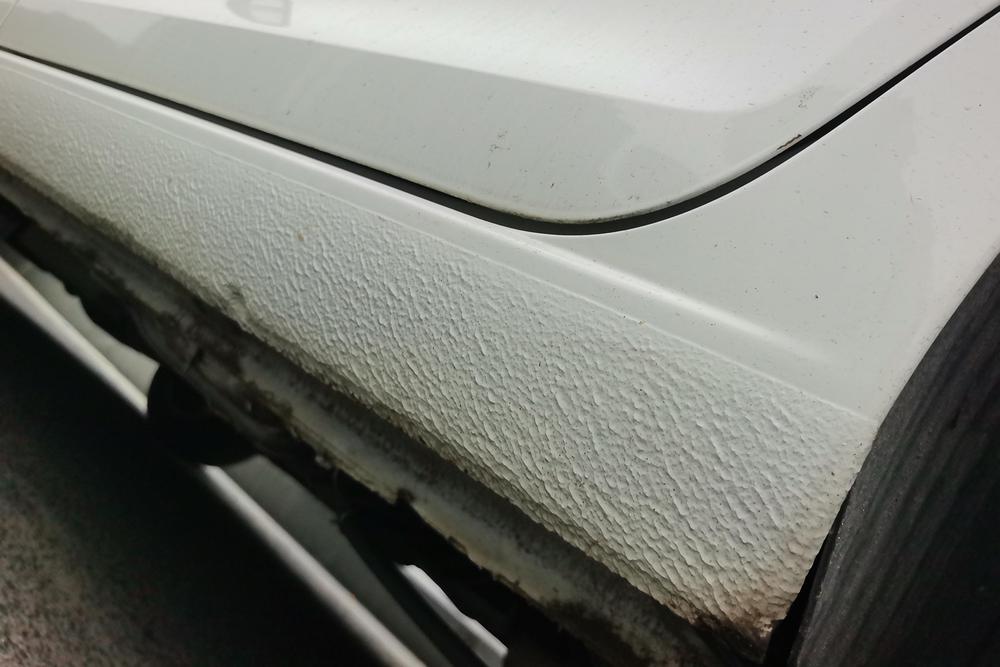
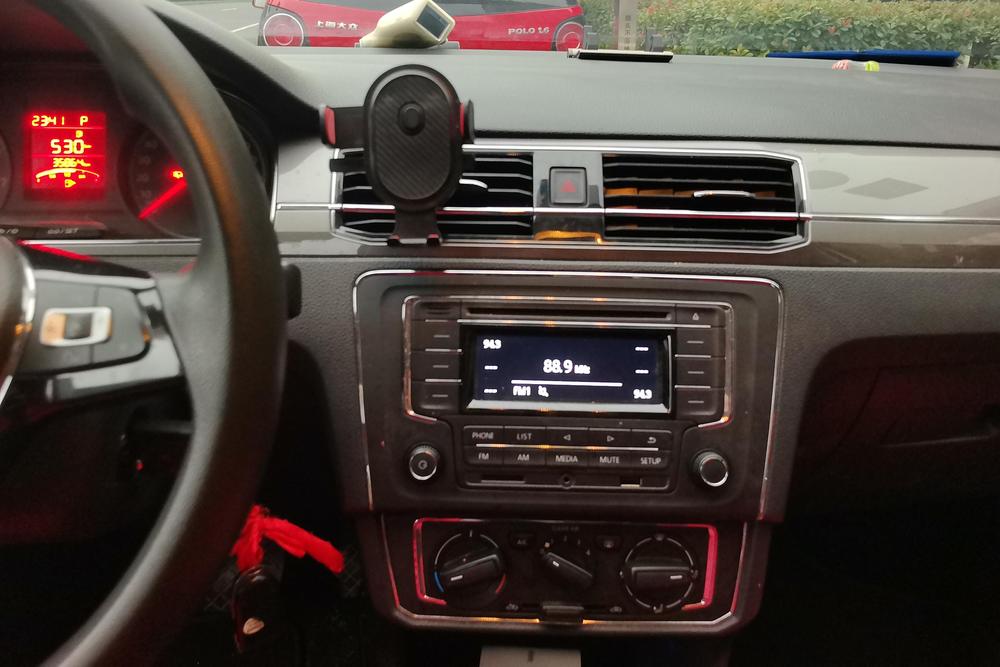
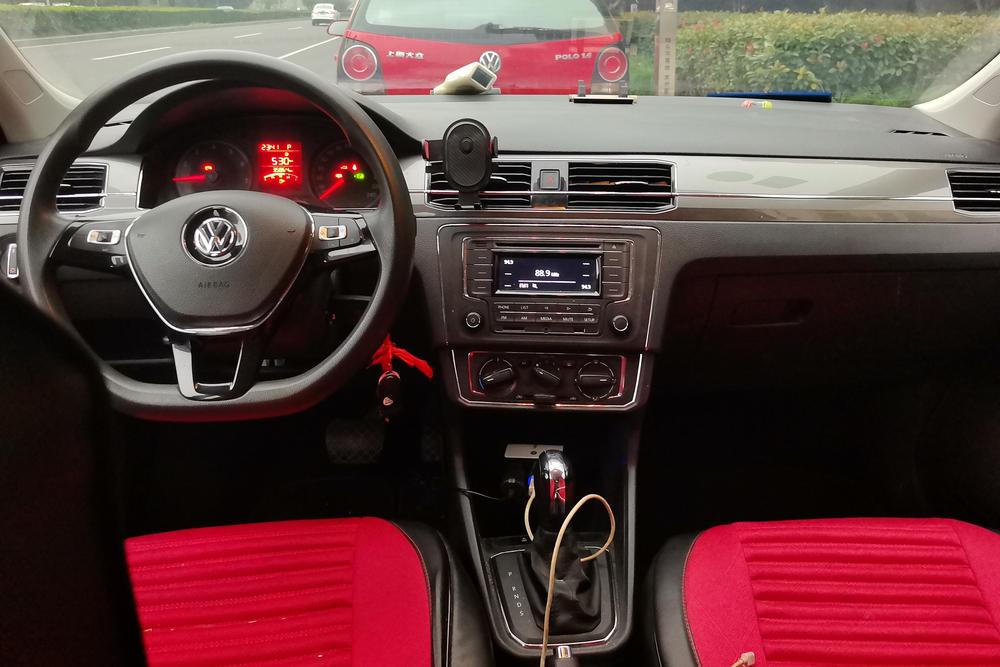
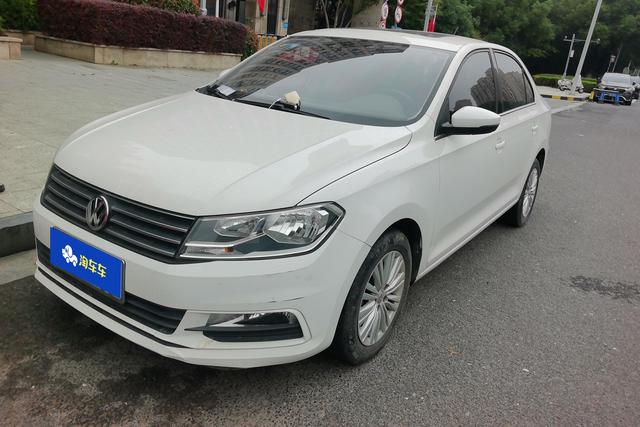



Basic Information

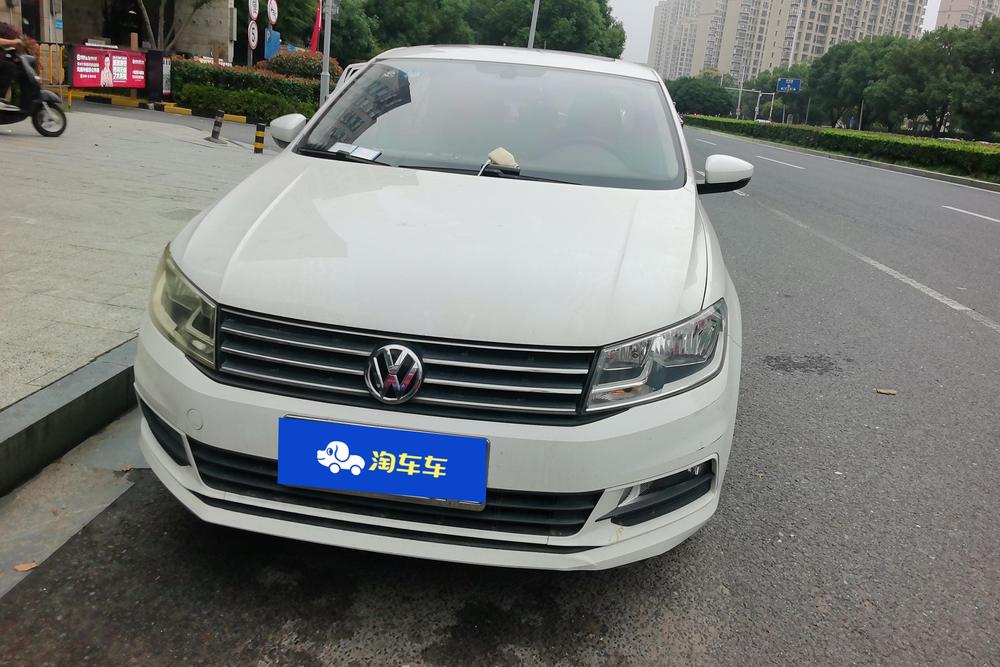
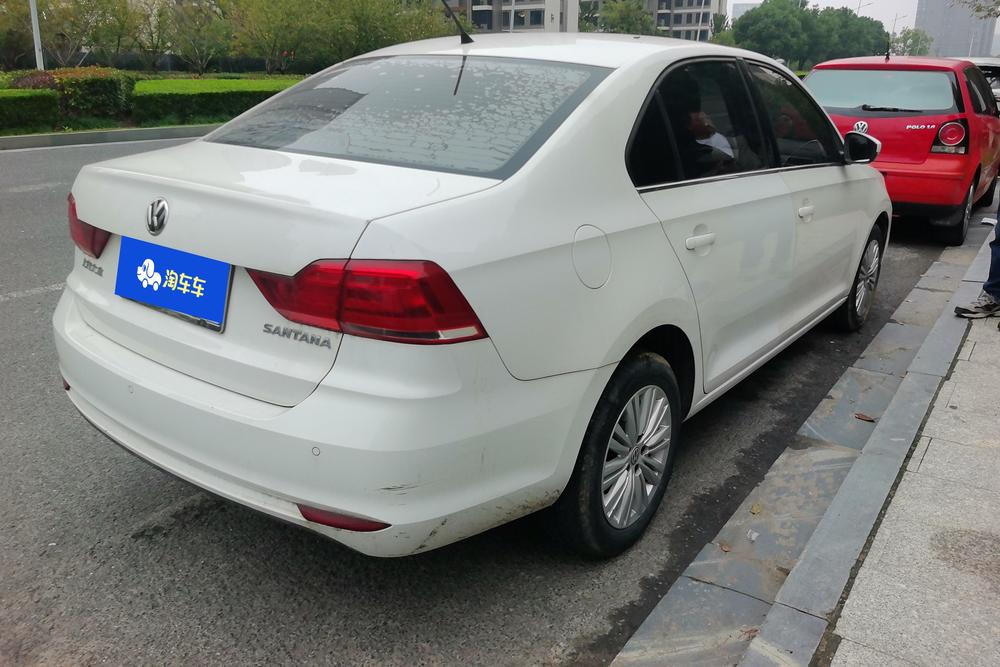
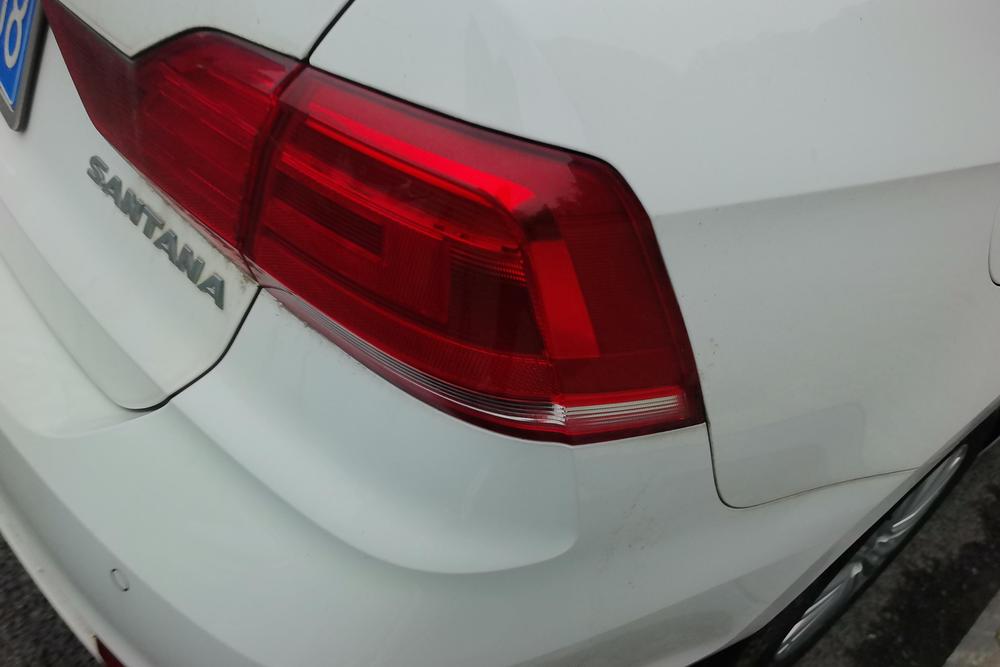
BrandVolkswagen
SeriesSantana
Year2019
First Registration2019/12
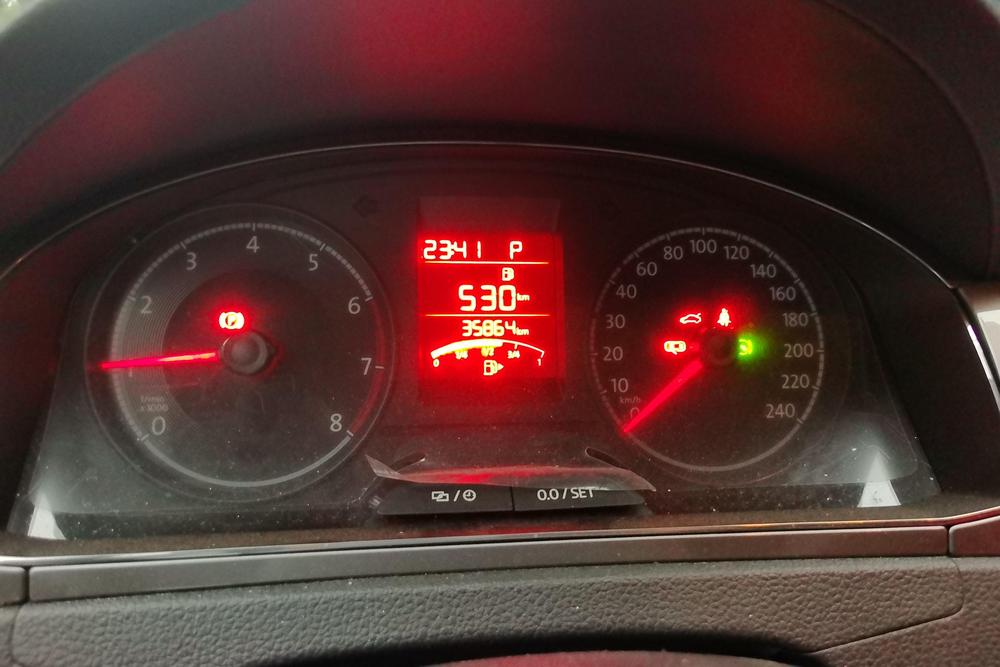
Mileage36,000km
Transfer Count0times
FuelGasoline
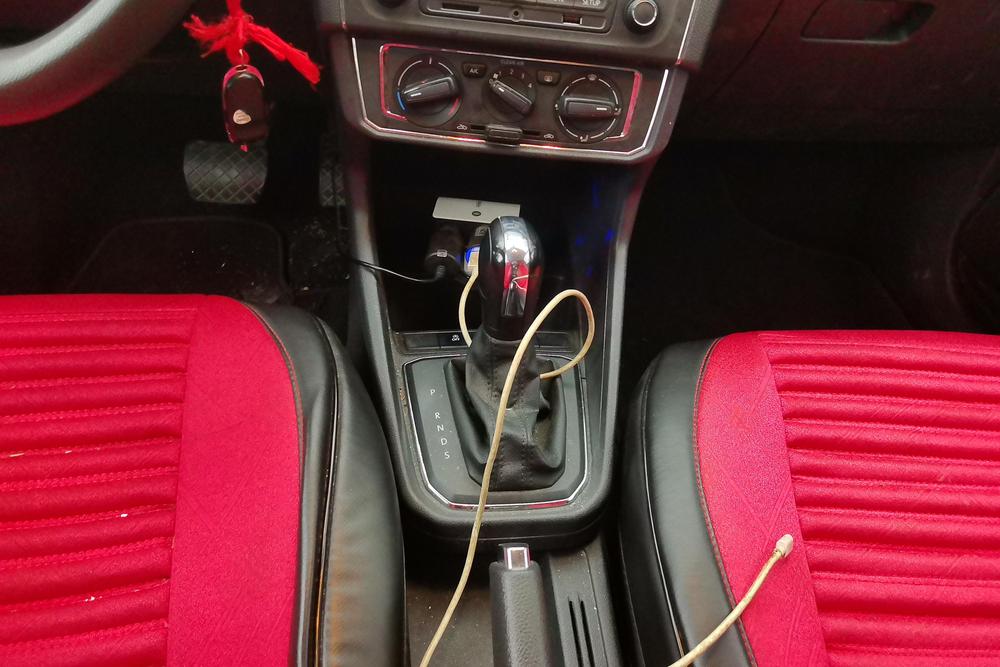
TransmissionAutomatic
Engine1.5L 112 L4
Color
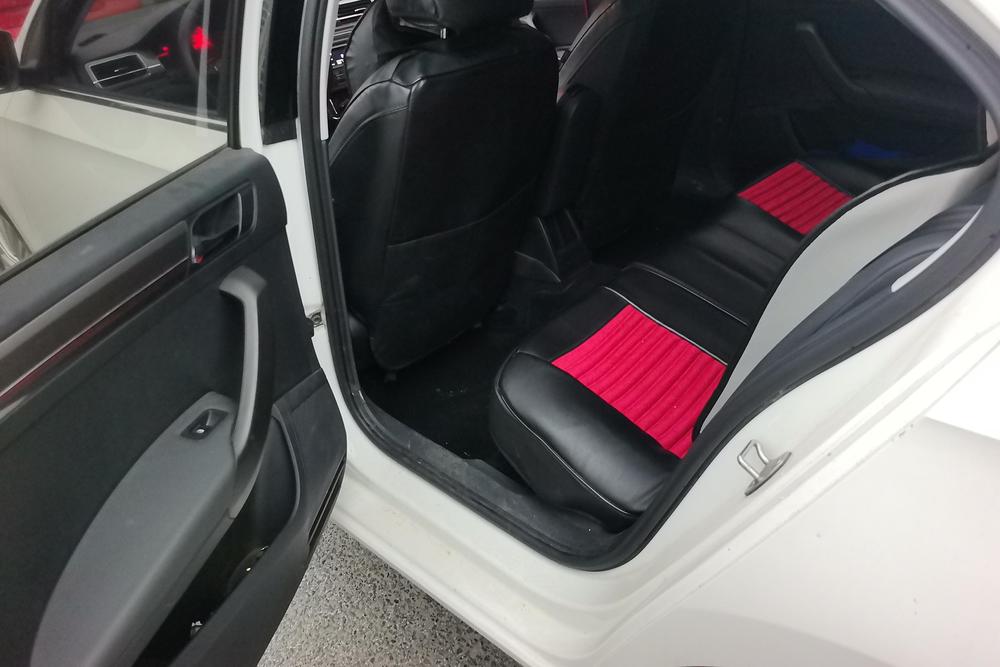
Seats5seats

Condition Description

官方质检 · 60天全车质保· 7天无理由有偿退车

Configuration Highlights

✓上牌时间: 2019-12
✓表显里程: 3.6万公里
✓车源地: 苏州
✓排放标准: 国六
✓百公里加速: 13.5s
✓发动机: 1.5L
✓轴距: 2603mm
✓变速箱: 自动

Q&A

More

If Chinese customs determines a vehicle to be a "scrapped vehicle" and prohibits its export during inspection, will the deposit be refunded?

Chinese customs strictly prohibits the export of assembled or cut vehicles that meet mandatory scrapping standards. Since our pre-inspection is very strict, this situation is highly unlikely. However, if the vehicle is detained and returned by customs due to a policy misjudgment, we will fully refund your deposit without interest, ensuring you bear no policy risk.


What engine health tests, like compression and leak-down, should be included in a pre-shipment inspection of a used car from China?

For gasoline cars, insist on a compression test: each cylinder should read within 10-15% of the others, and the actual values should match factory specs for that engine. A single low cylinder points to worn rings or valve problems that idle checks will never reveal. A leak-down test goes further. It pressurizes each cylinder and measures how much air escapes and where. Air hissing from the oil filler cap means ring wear; from the intake or exhaust means valve issues; bubbles in the radiator coolant mean a head gasket problem. This is the single most revealing test for engine condition. Also request OBD scan data with freeze-frame records, a coolant system pressure test (to catch hidden leaks), and an inspection of the timing belt or chain condition with service history. For electric vehicles, compression tests don't apply — instead ask for a battery health report from the BMS, motor insulation readings, and a road test logging any inverter or drive-unit fault codes. A written report with photos or video of each test is essential evidence for your records.

How do I vet a Chinese used-car exporter before sending any money?

Vetting takes a day and can save you thousands. Work through this checklist. Verify the business: ask for the company registration number and check it on China's National Enterprise Credit Information system or a commercial registry tool. Confirm the registered address matches where they claim to operate, and that their business scope includes vehicle export. Check export credentials: they must hold a used-vehicle export license issued by Chinese commerce authorities. Ask for the license and a recent export declaration showing they actually ship cars. Test their knowledge: a real exporter answers detailed questions about your destination country's import rules (age limits, left/right-hand drive, emission standards) without hesitation. Vague answers about your own country's requirements are a red flag. Structure payments safely: small deposit (10-20%), balance only against inspection reports and shipping documents, ideally through a payment method with recourse. Refuse full prepayment by irreversible transfer—no legitimate exporter requires it.