Basic Information

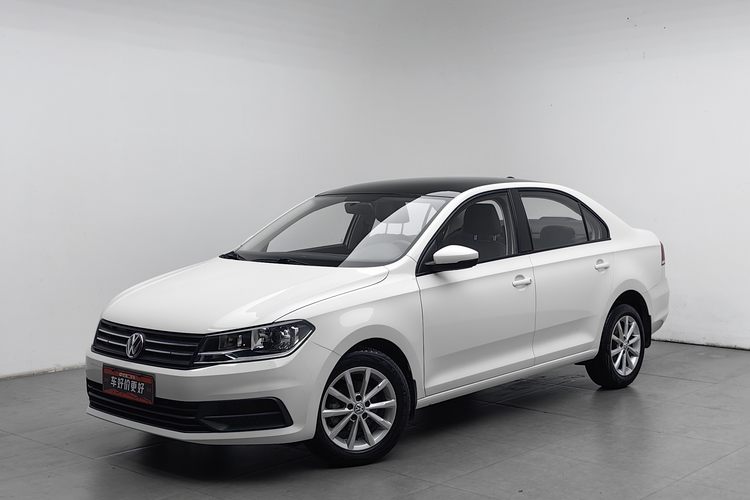
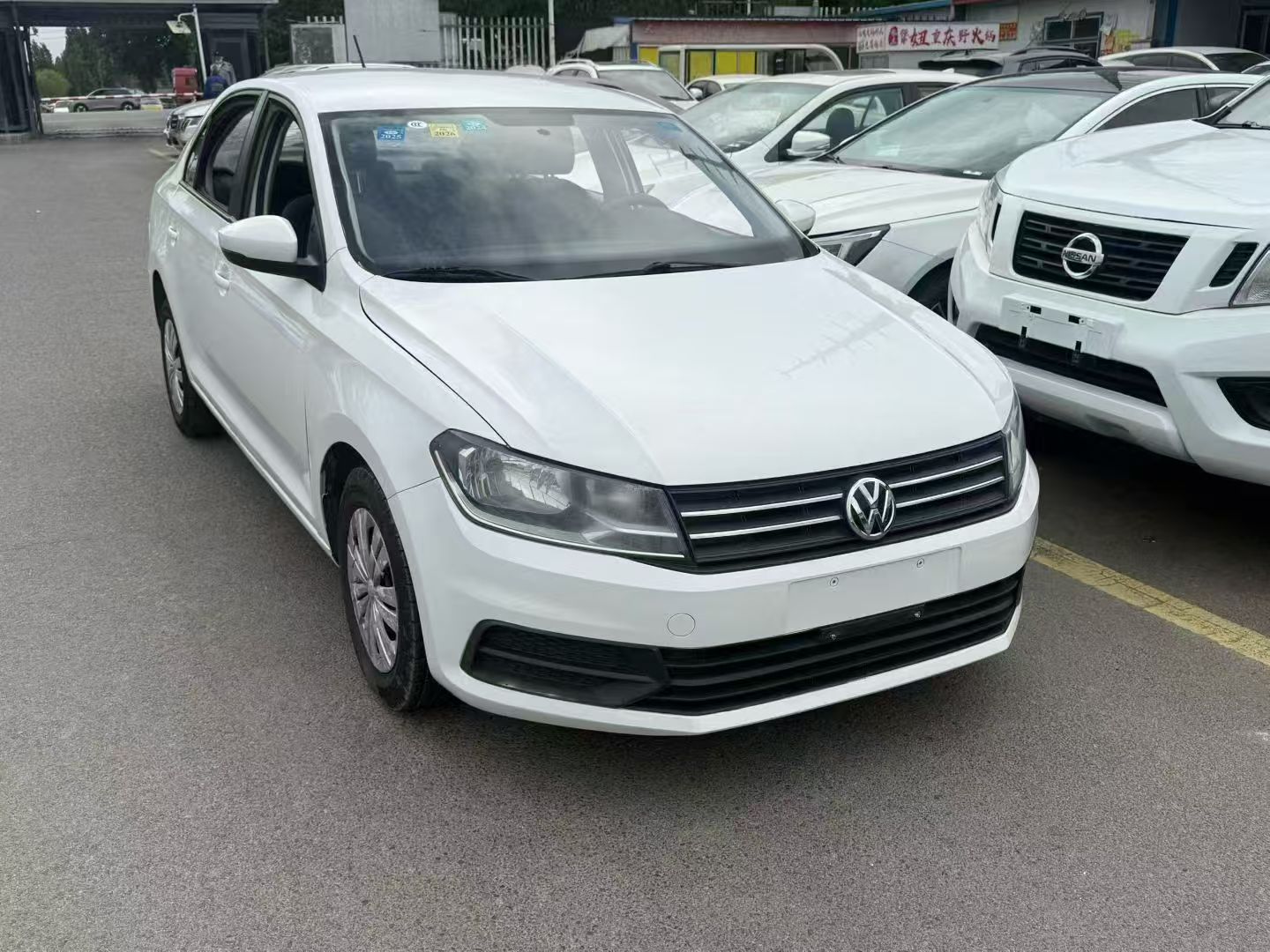
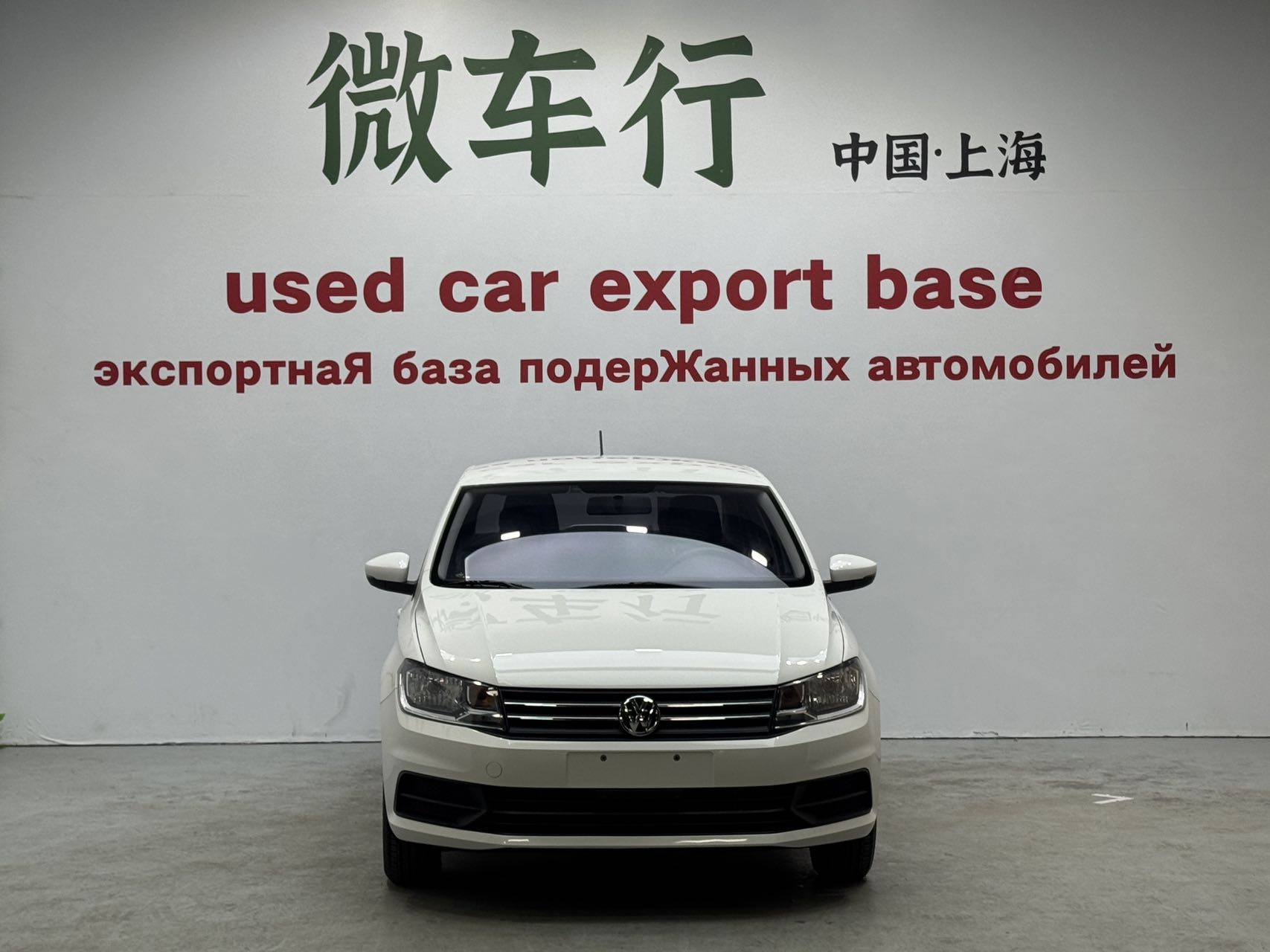
BrandVolkswagen
SeriesSantana
Year2019
First Registration2019/06
Mileage83,000km
Transfer Count0times
FuelGasoline
TransmissionAutomatic
Engine1.5L 112 L4
Color
Seats5seats

Condition Description

官方质检 · 60天全车质保· 7天无理由有偿退车

Configuration Highlights

✓上牌时间: 2019-06
✓表显里程: 8.3万公里
✓车源地: 烟台
✓排放标准: 国六
✓百公里加速: 13.5s
✓发动机: 1.5L
✓轴距: 2603mm
✓变速箱: 自动

Q&A

More

What engine health tests, like compression and leak-down, should be included in a pre-shipment inspection of a used car from China?

For gasoline cars, insist on a compression test: each cylinder should read within 10-15% of the others, and the actual values should match factory specs for that engine. A single low cylinder points to worn rings or valve problems that idle checks will never reveal. A leak-down test goes further. It pressurizes each cylinder and measures how much air escapes and where. Air hissing from the oil filler cap means ring wear; from the intake or exhaust means valve issues; bubbles in the radiator coolant mean a head gasket problem. This is the single most revealing test for engine condition. Also request OBD scan data with freeze-frame records, a coolant system pressure test (to catch hidden leaks), and an inspection of the timing belt or chain condition with service history. For electric vehicles, compression tests don't apply — instead ask for a battery health report from the BMS, motor insulation readings, and a road test logging any inverter or drive-unit fault codes. A written report with photos or video of each test is essential evidence for your records.


How can I find out if a used Chinese car has flood or water damage history?

Flood cars are common after heavy rain seasons, and the damage often shows up months later in the wiring and electronics. Here is how to check before you buy. First, ask for the insurance claim history using the VIN. Flood claims are usually recorded, and any mention of water damage, interior drying, or electrical repair should stop the deal. Second, inspect the interior yourself or via video call. Pull up the carpet edges and look for mud residue, water marks, or rust on seat rails and seatbelt buckles. Seatbelts that retract slowly or have a musty smell were often submerged. Third, check hidden cavities: the spare tire well, glove box, and under the trunk lining. Silt or a tide line there is a strong flood indicator. Fourth, look for condensation behind the instrument cluster and inside the headlights. Persistent fog in the lamps is a classic sign of water immersion. Finally, an OBD scan can help: flood cars often store scattered error codes across unrelated modules (airbag, ABS, body control) because corroded connectors corrupt the network. If several of these signs appear together, walk away. Flood damage is almost never worth repairing, and it will haunt the car's electronics for its whole life.

Is there a mileage adjustment phenomenon in the Chinese used car market? How do you ensure the absolute authenticity of the odometer?

Odometer tampering is a common risk in the global used car industry. We verify the data by extracting transmission mileage from the OBD computer, checking the most recent maintenance record's mileage, and consulting the national traffic management app for annual inspection records. If there are irreconcilable discrepancies or conflicts in the data, we classify it as a tampered vehicle and refuse to export it.