



24H

Basic Information

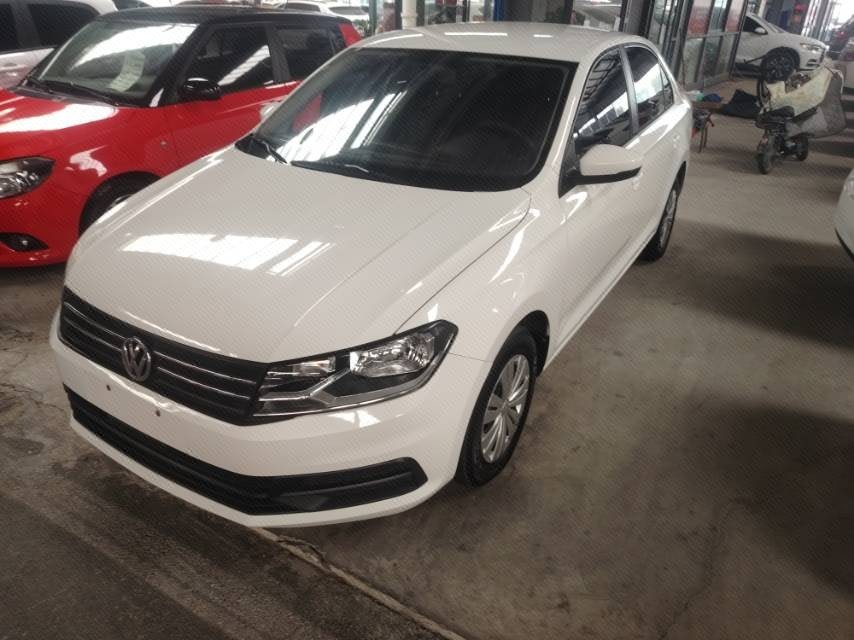
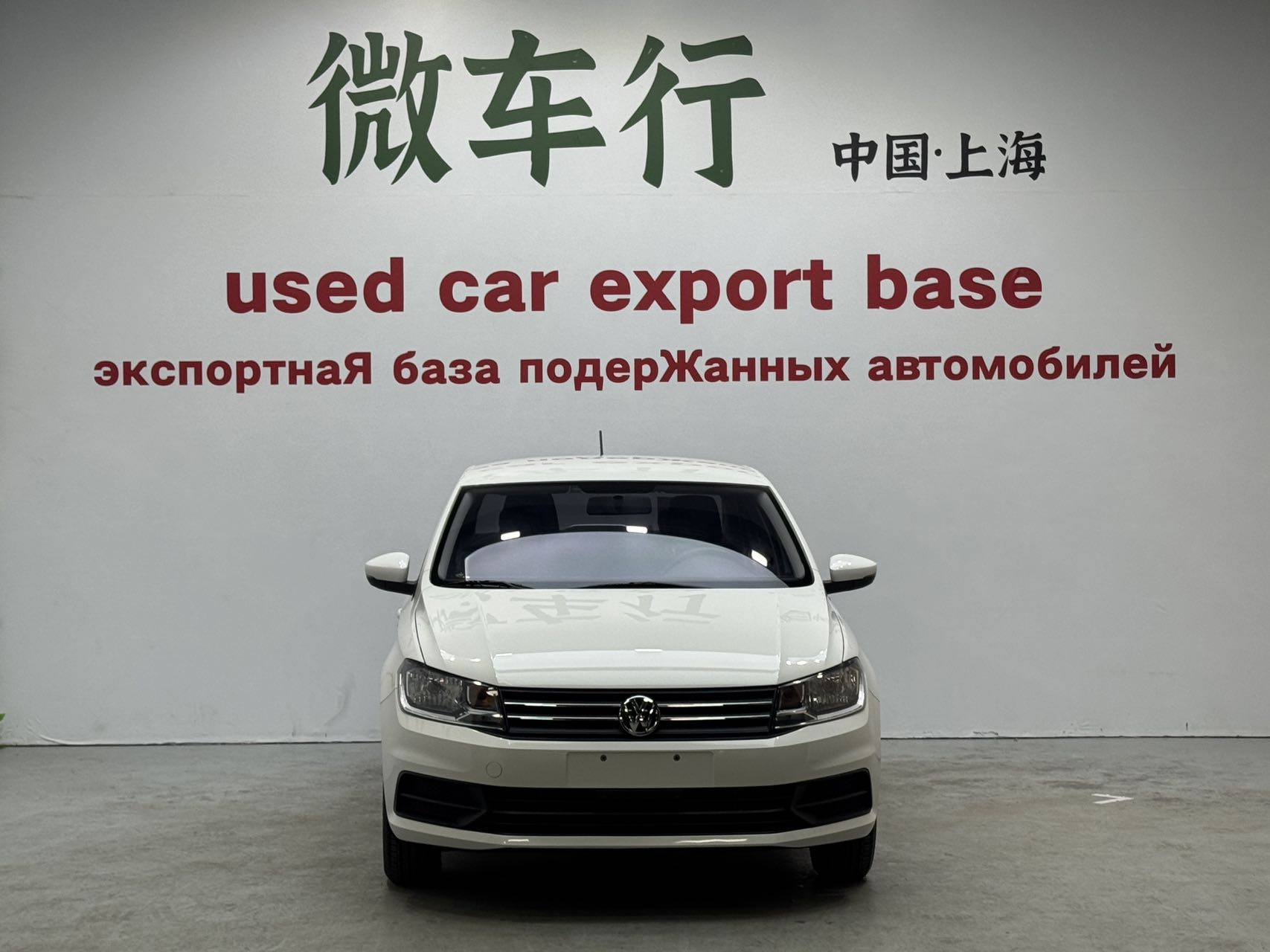
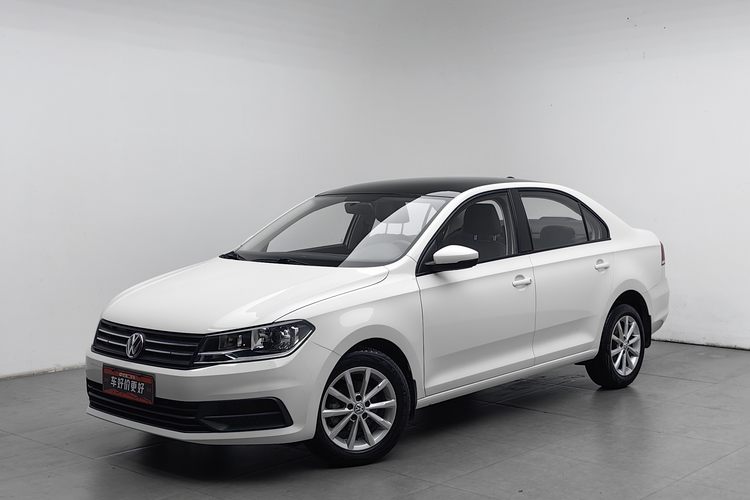
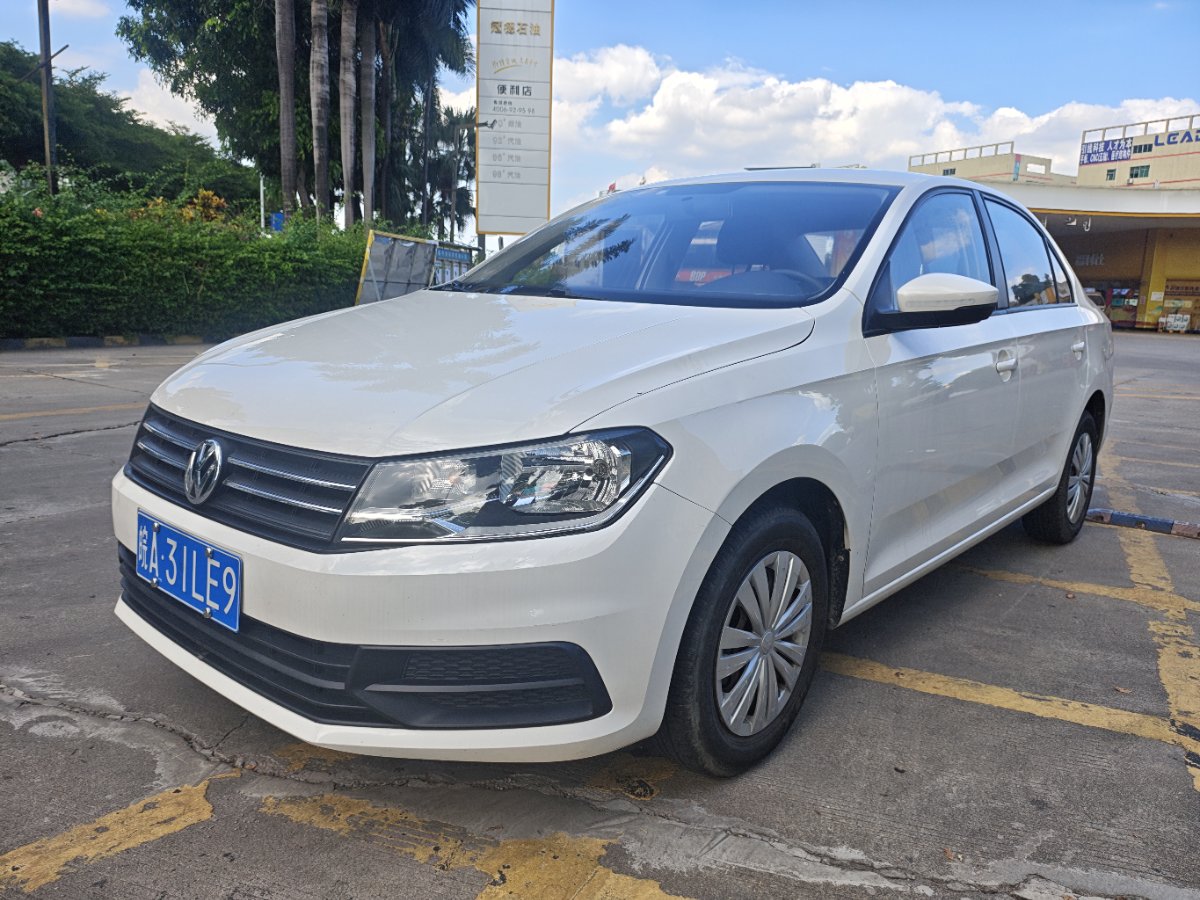
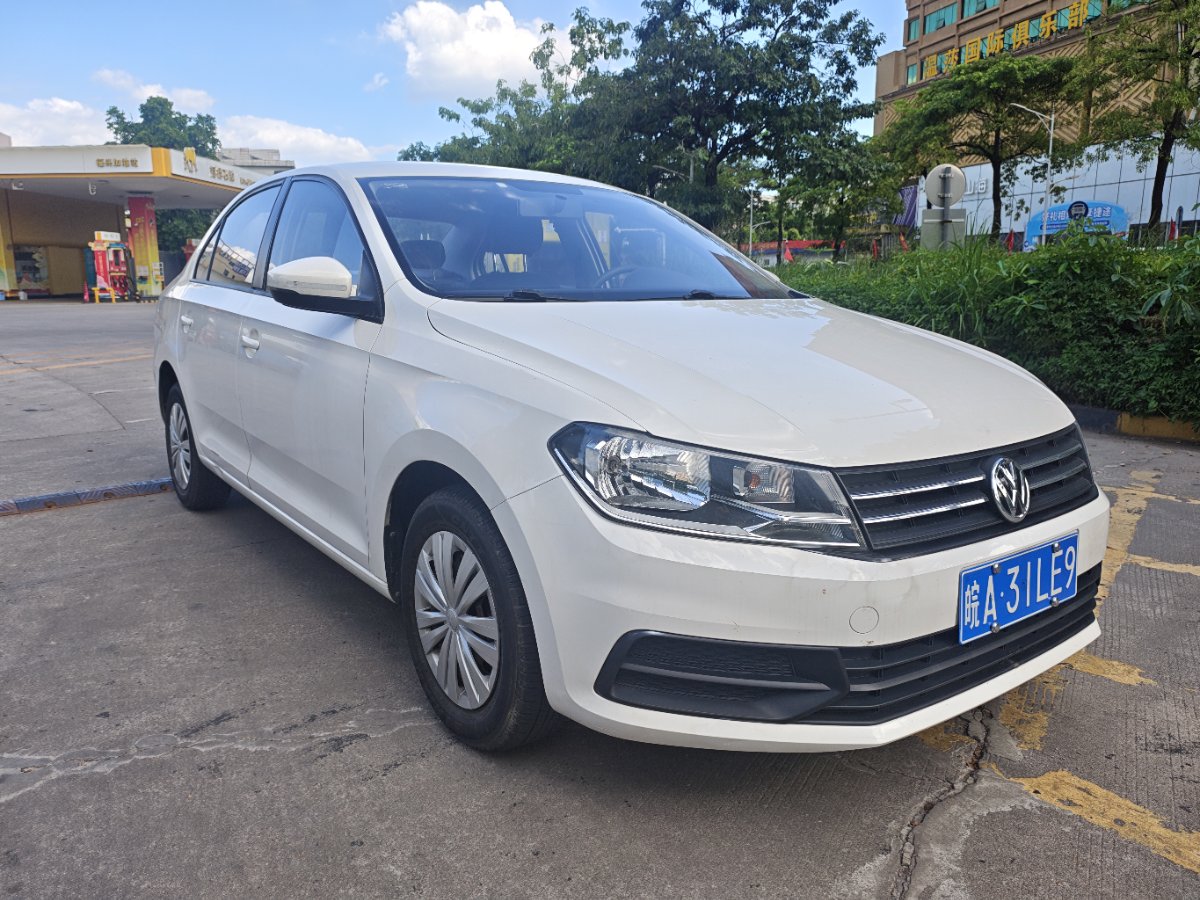
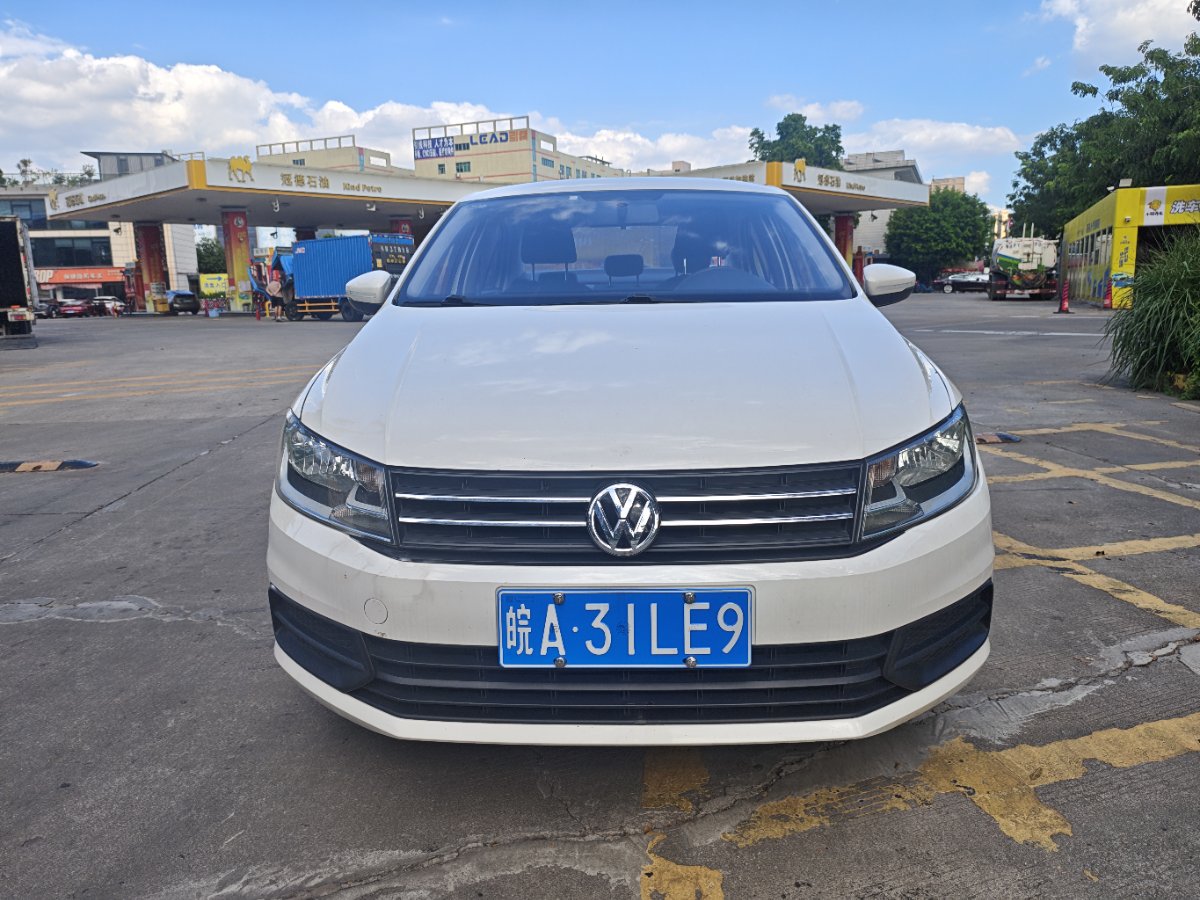
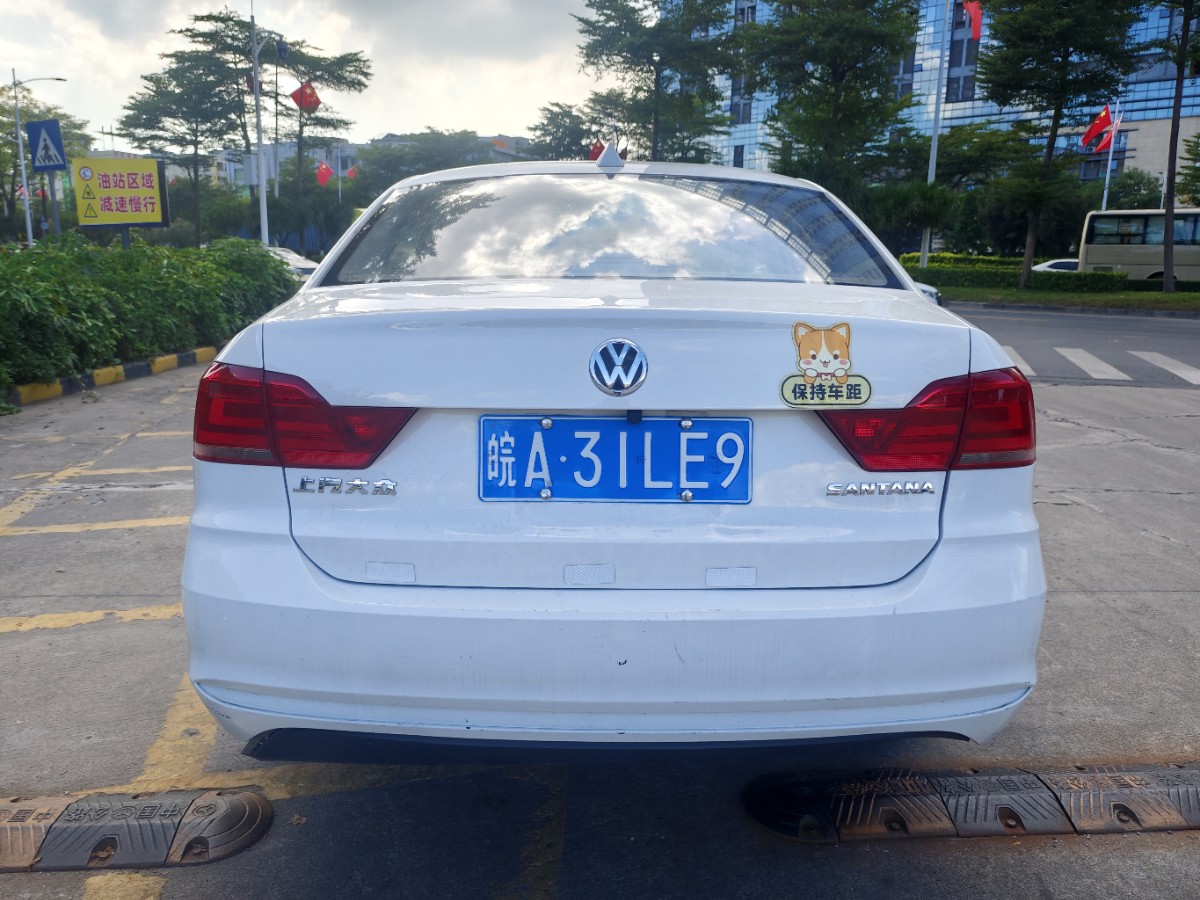
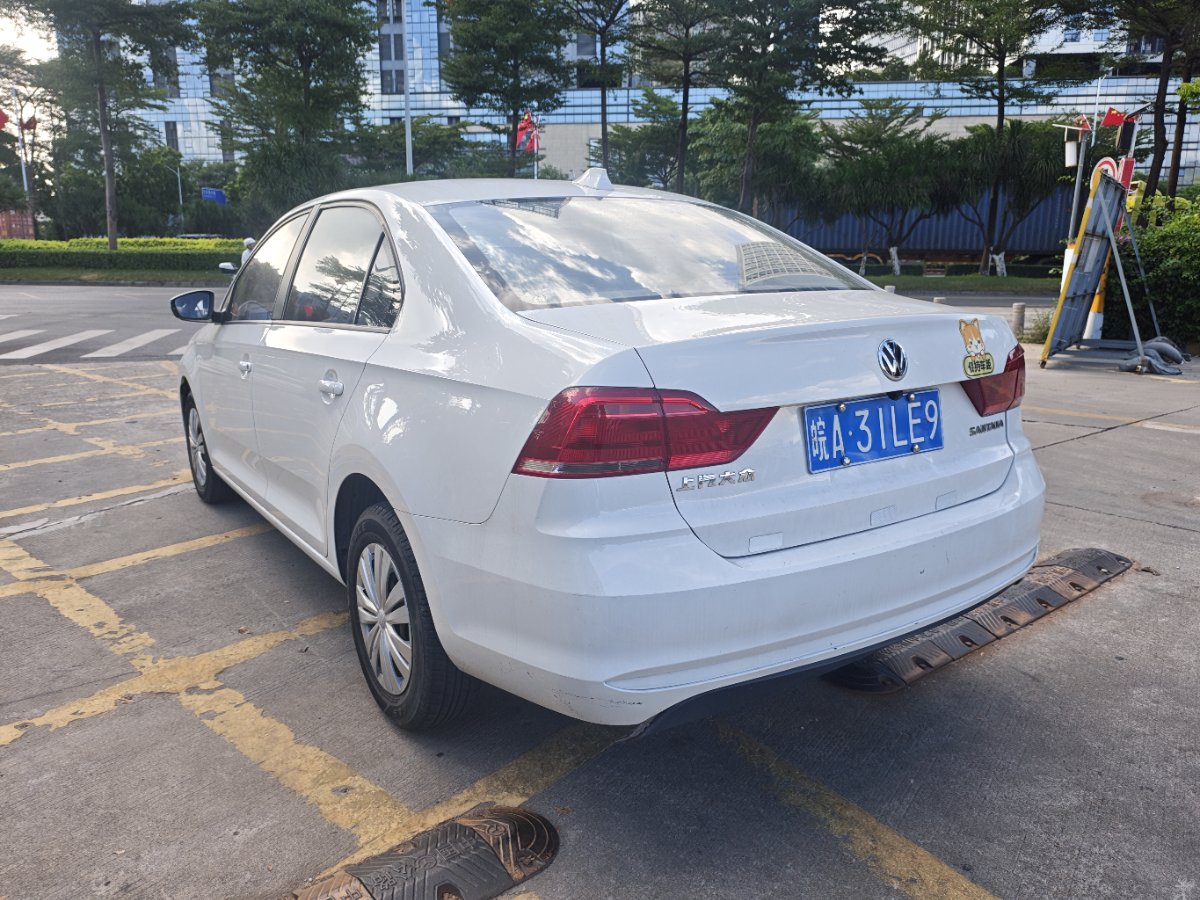
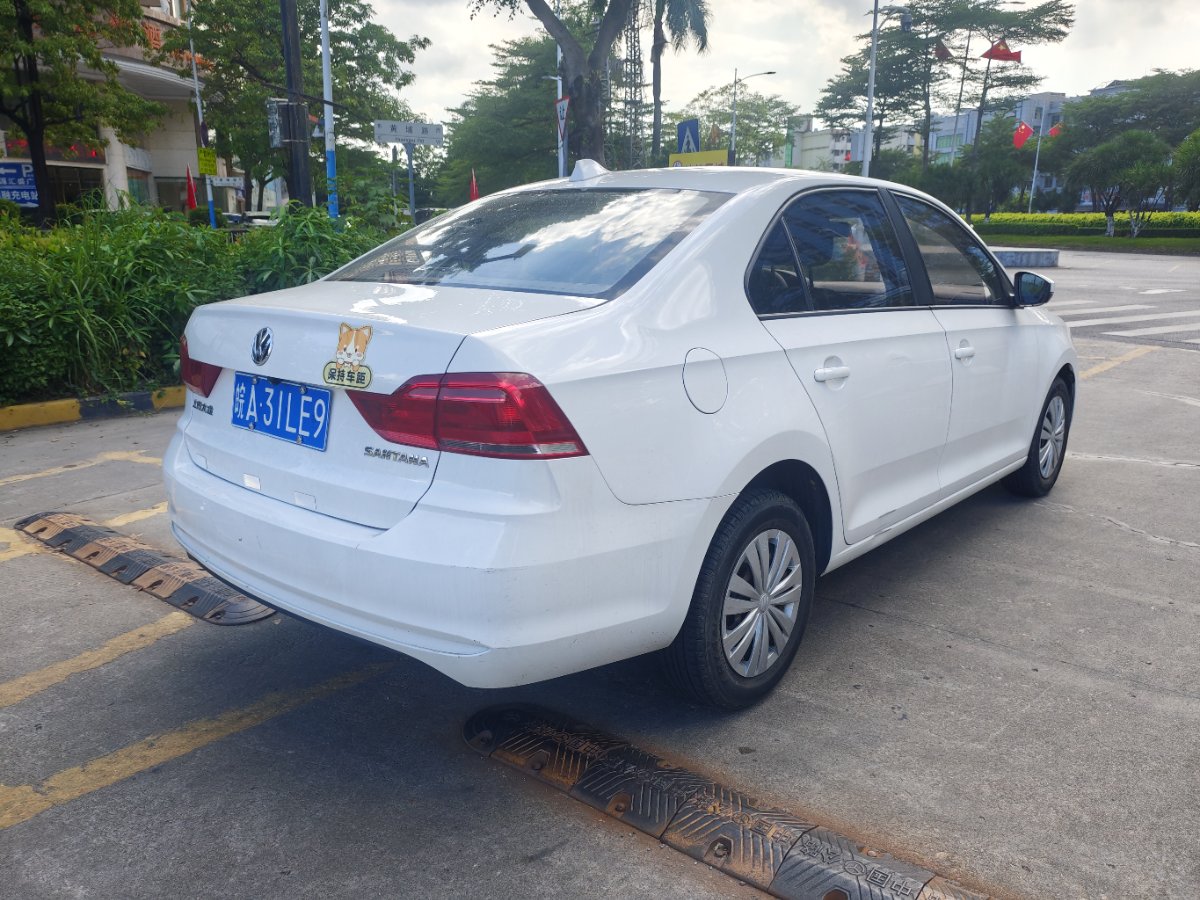
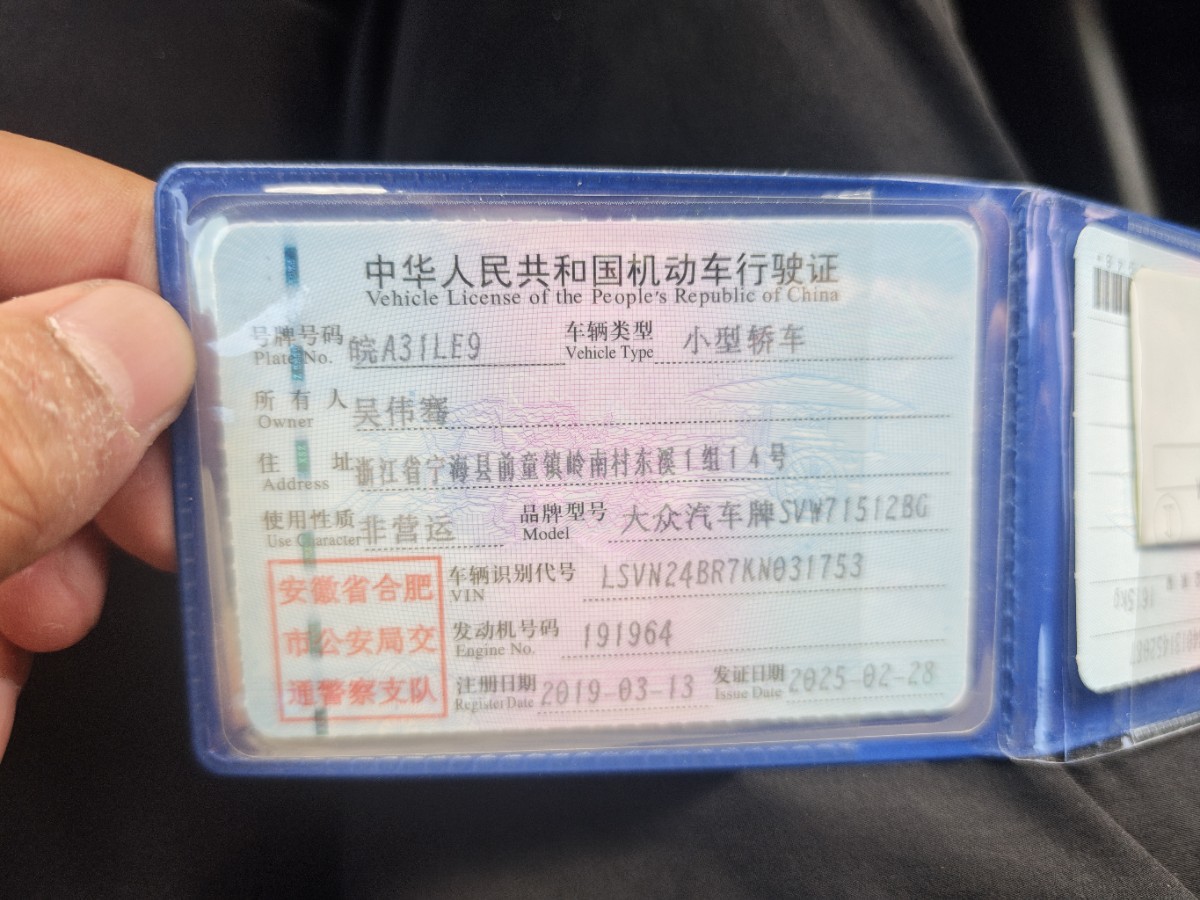
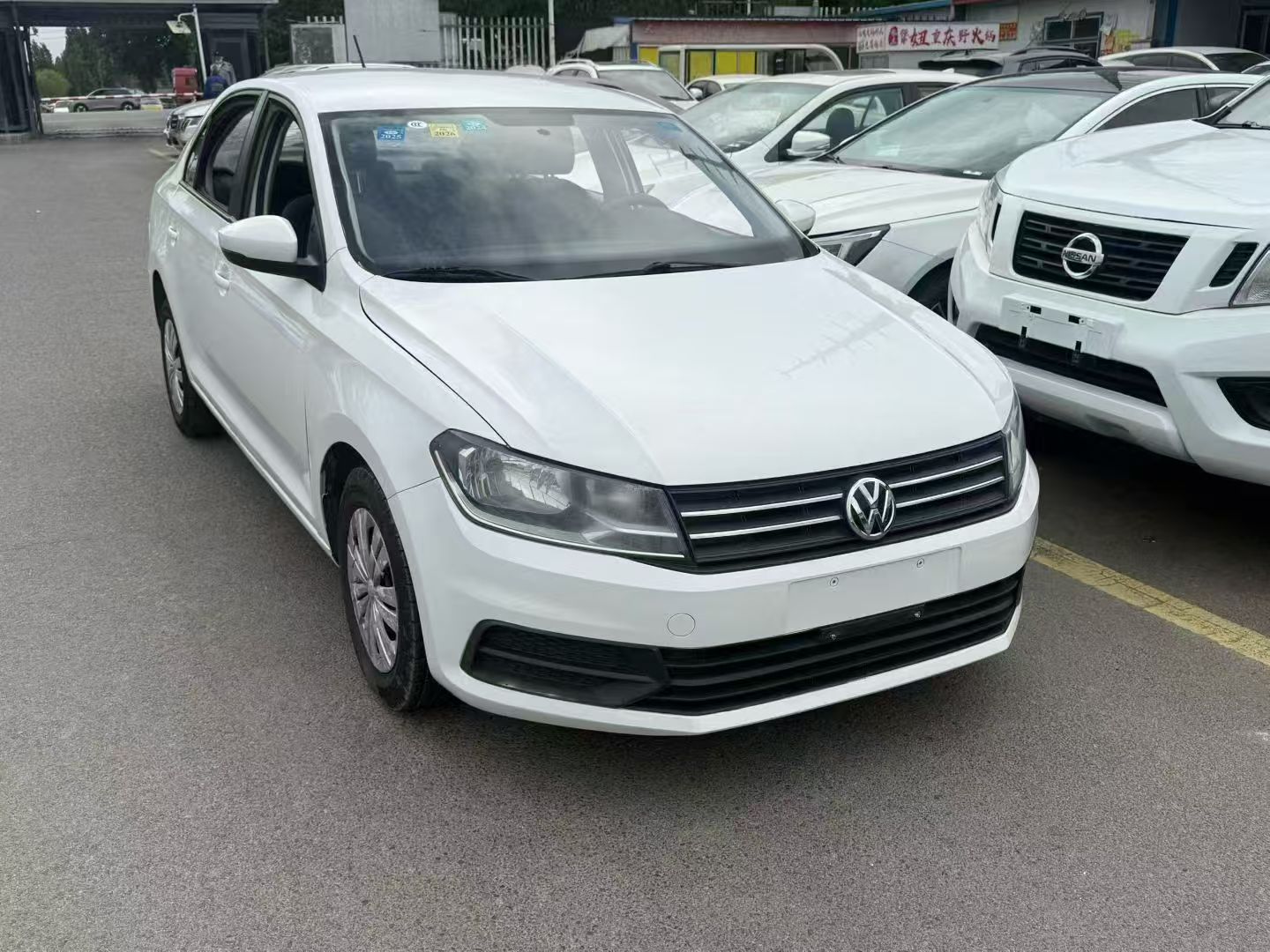
BrandVolkswagen
SeriesSantana
Year2019
First Registration2019/03
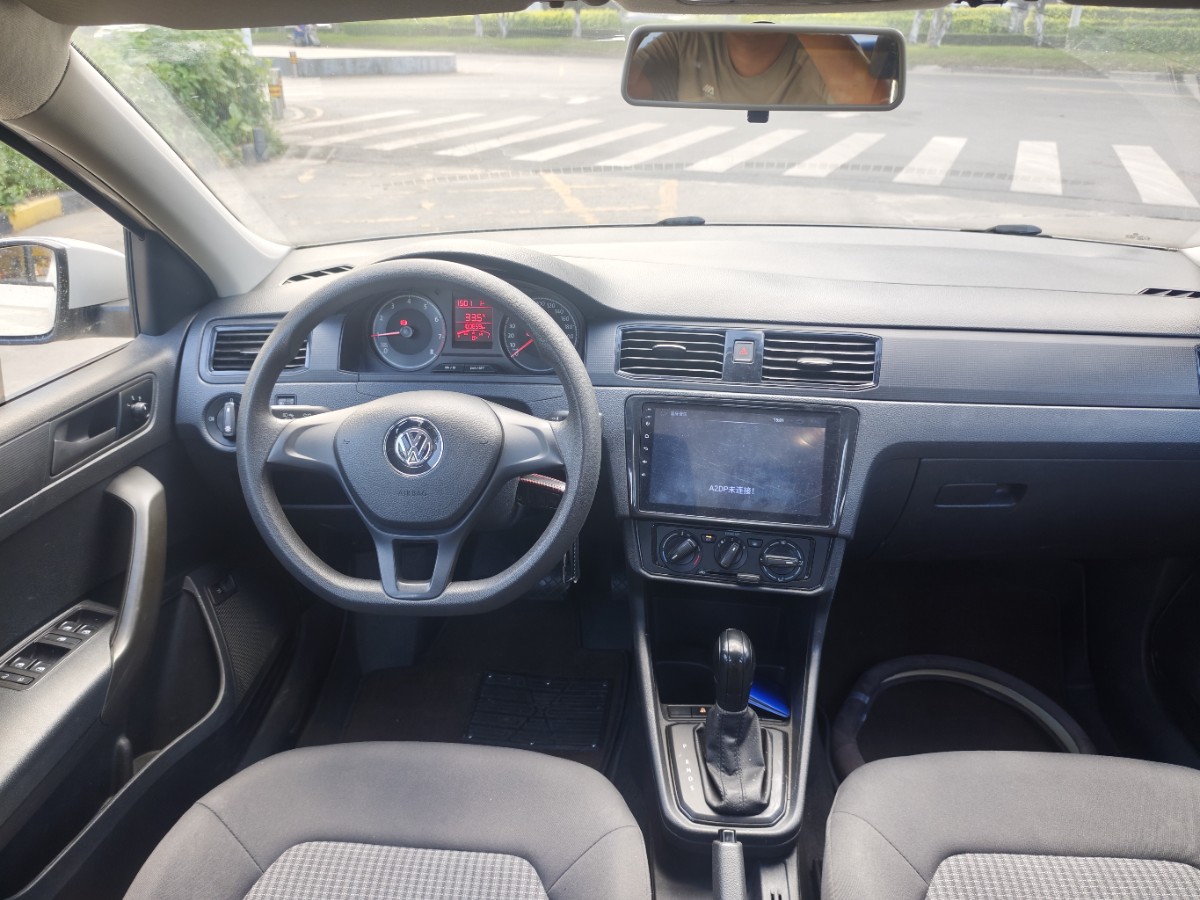
Mileage100,000km
Transfer Count1times
FuelGasoline
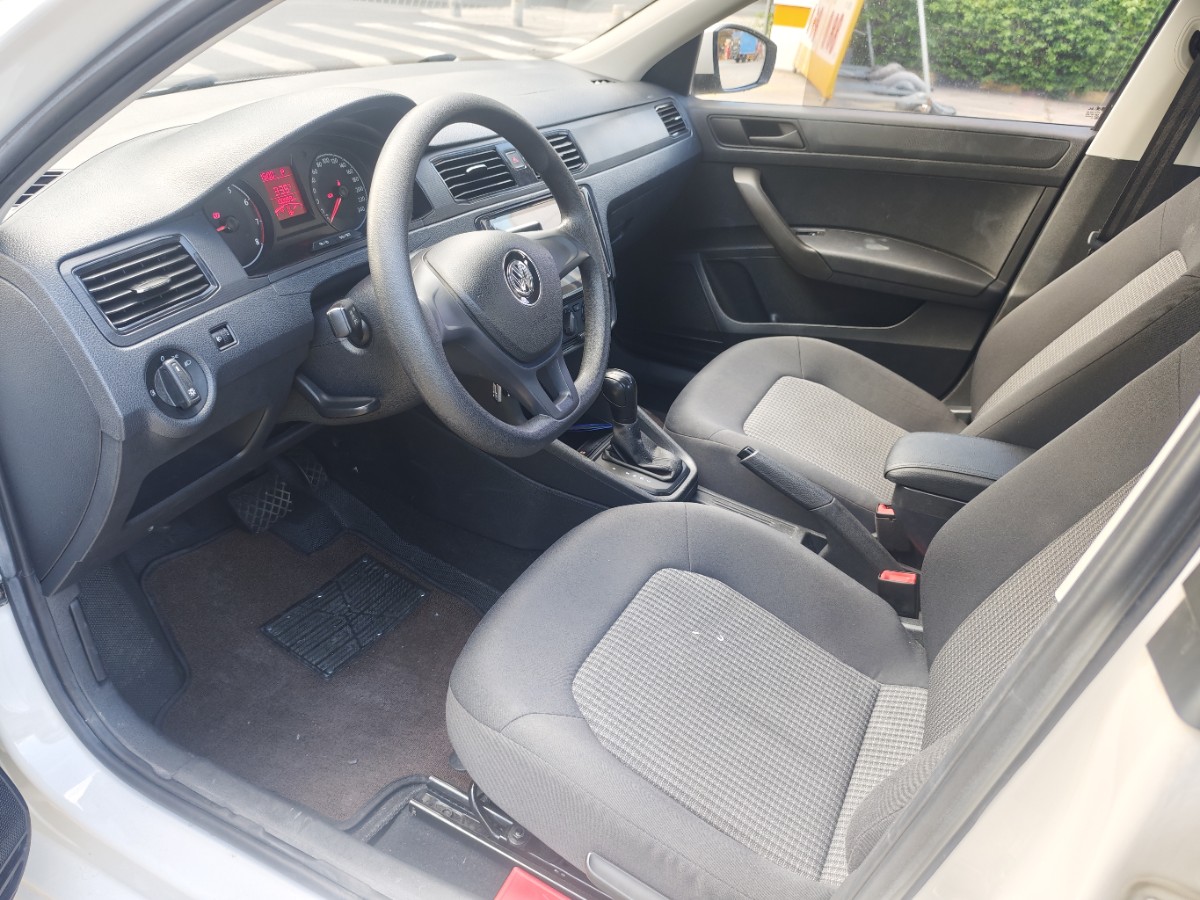
TransmissionAutomatic
Engine1.5L 110 L4
ColorWhite
Seats5seats

Condition Description

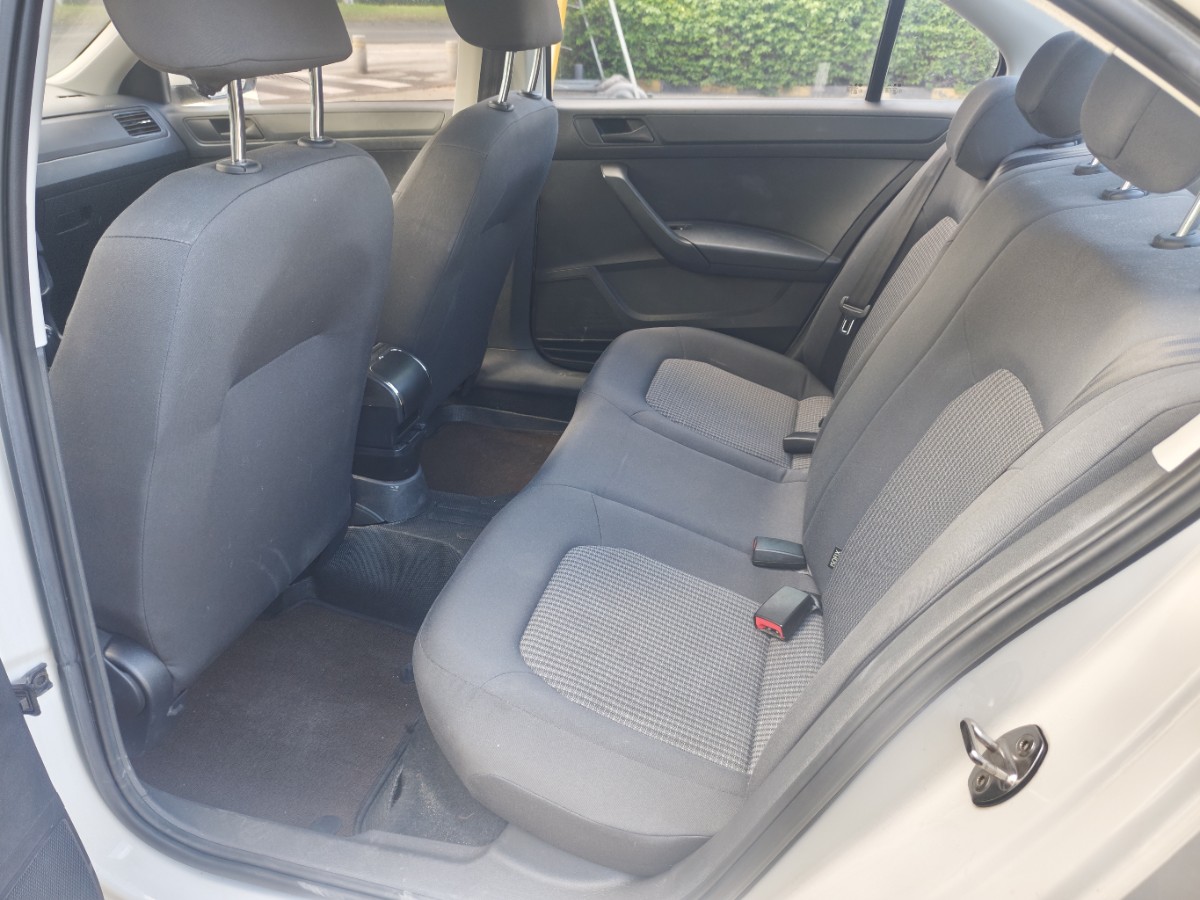
Original condition, 0 insurance claims, no modifications, insurance valid until end of year.

燃油车
轿车
自动
维保开放
事故开放
查验开放

Configuration Highlights

✓品牌: 大众
✓车系: 桑塔纳
✓车型: 2018款 1.5L 自动风尚版
✓车身类型: 轿车
✓座位数: 5
✓排量: 1.5L
✓变速箱: 自动
✓能源类型: 燃油车
✓VIN: LSVN24BR7KN031753
✓搜索关键词: 大众桑塔纳 2018款桑塔纳1.5L自动风尚版

Document Information

Inspection Expiry Date2027/03
Warranty Expiry Date-
Insurance Expiry Date2027/03

Q&A

More

Can you convert mainstream left-hand drive (LHD) cars in China to right-hand drive (RHD) and then export them?

We maintain an extremely cautious and firm denial. Some platforms may cater to such demands for orders, but converting left-hand drive to right-hand drive involves complex steering column cutting, firewall structure changes, and wiring harness reorganization. This non-factory deep modification poses significant safety risks and is very difficult to pass vehicle safety inspections in developed countries (such as Japan's earthquake test and the UK's IVA test). Out of responsibility for safety and long-term reputation, we refuse to provide any steering conversion services that damage the vehicle's underlying structure.

Can you handle the complex communication regarding Scrap Tax and e-PTS for the Russian market?

Our responsibility ends with delivering the vehicle to the Russian border or Far East port and providing the legal Chinese export documents. The payment of Scrap Tax, application for SBKTS (Vehicle Structure Safety Certificate), and activation of the final e-PTS electronic passport must be fully handled by the Russian buyer and their local customs broker.

How to check the condition of the turbocharger (oil leaks, unusual noises, insufficient pressure) for turbocharged vehicles?

Experience turbo lag and power surge during road tests; check for significant oil accumulation at the turbo intake and intercooler connections (slight oil vapor is normal); and use OBD to read the real-time boost pressure peak to see if it meets factory settings.