


Sold

Basic Information

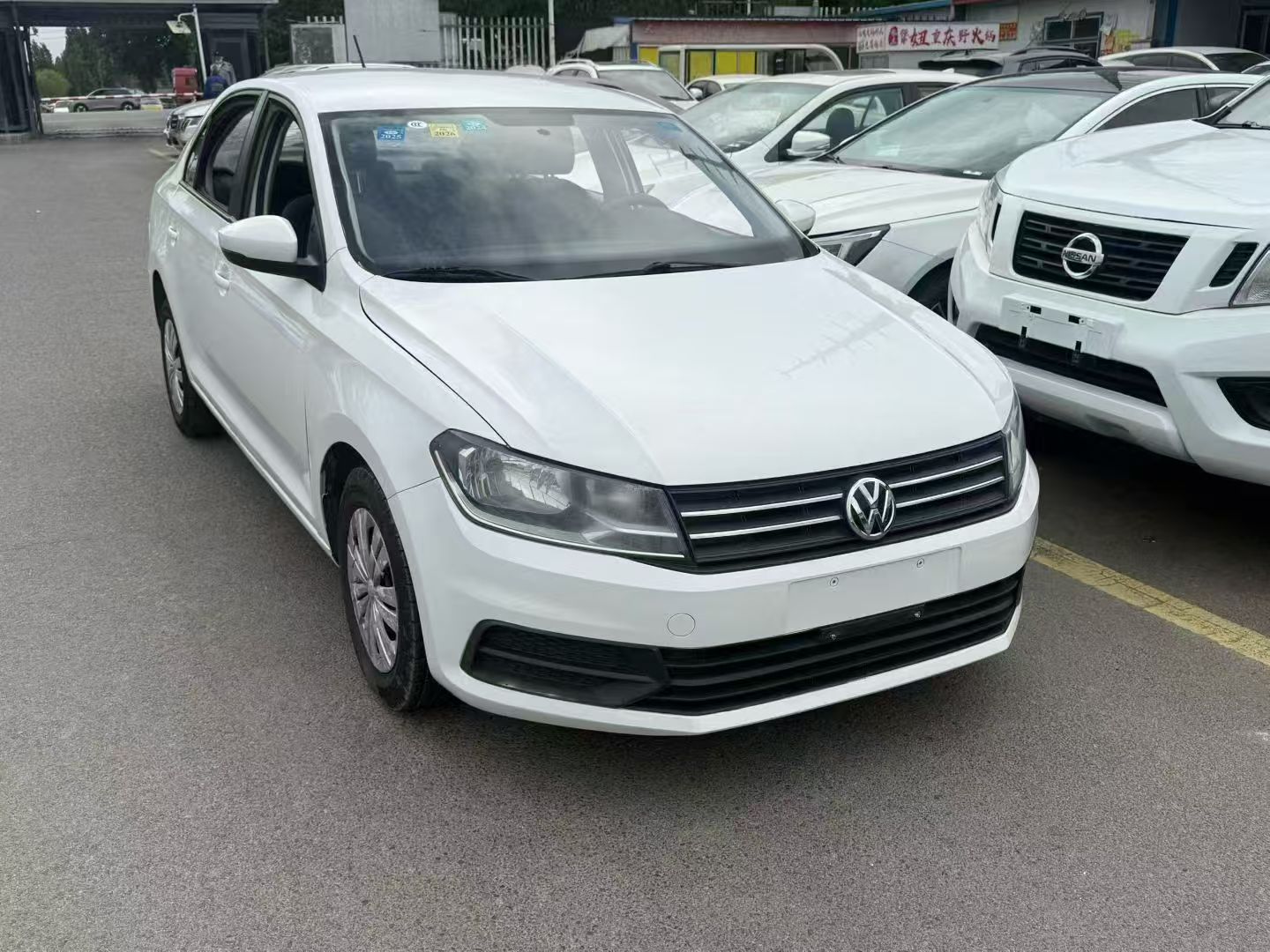
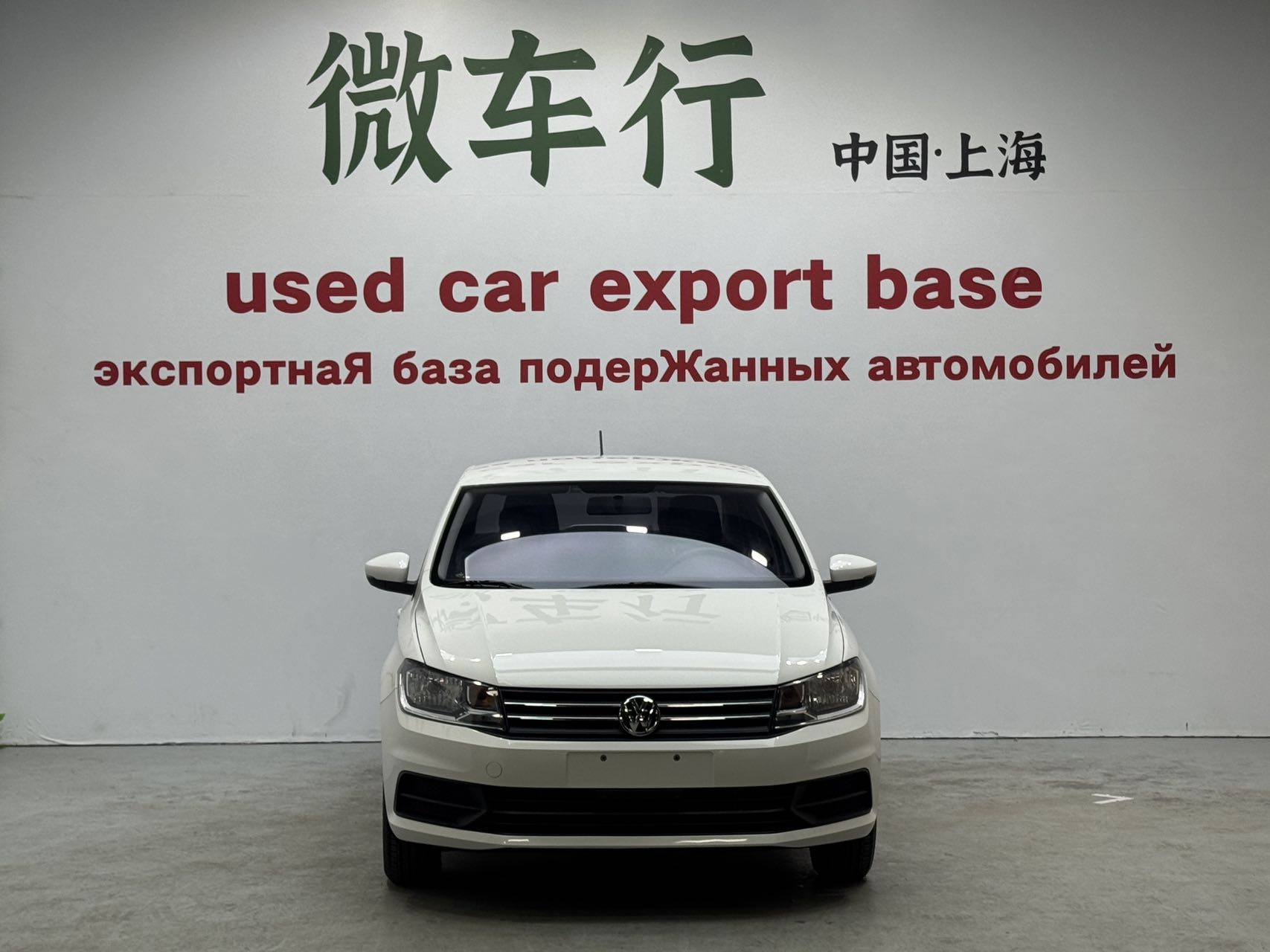
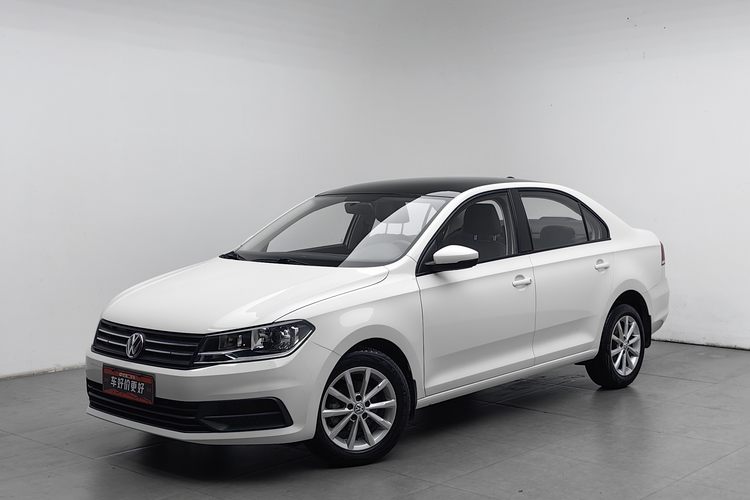
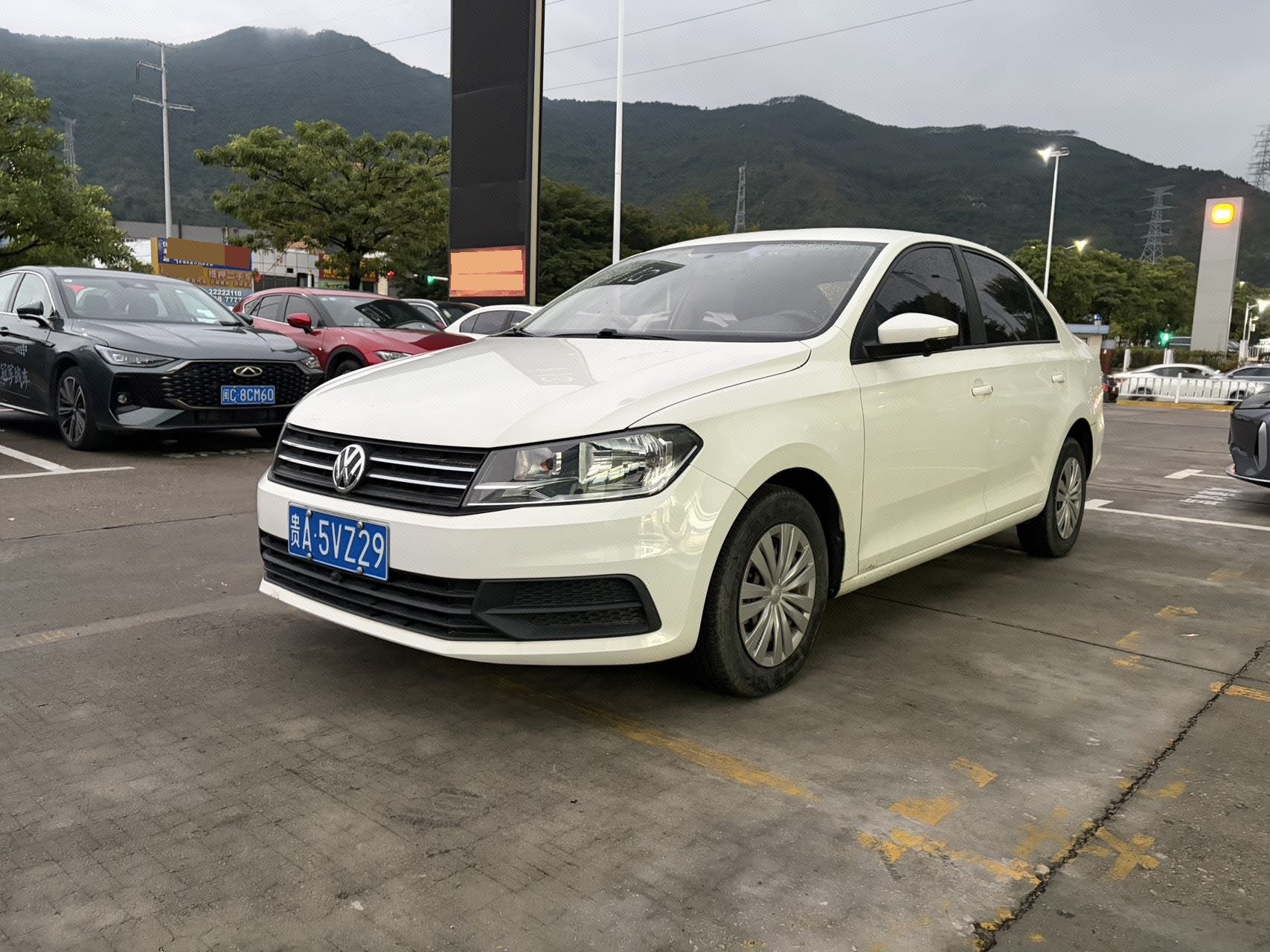
BrandVolkswagen
SeriesSantana
Year2019
First Registration2019/11
Mileage144,000km
Transfer Count0times
FuelGasoline
TransmissionAutomatic
Engine1.5L 112 L4
ColorWhite
Seats5seats

Condition Description

Four panels repainted, other panels with original paint. Personal first-hand car, converted from commercial to non-commercial use with 600,000 km total, actual odometer reading 140,000 km.

Document Information

Inspection Expiry Date-
Warranty Expiry Date-
Insurance Expiry Date2027/11

Q&A

More

Which documents should I receive from a Chinese exporter before my used car ships, and how do I verify each one?

Before shipping you should hold: the sales contract and commercial invoice, the export declaration (customs form showing the VIN), the vehicle registration certificate, and the bill of lading or rail waybill once cargo is loaded. Verify them like this. The VIN on the invoice, the export declaration, and the waybill must be identical, character for character. The registration certificate should show a clear ownership chain with the seller as the current owner; ask for a scan before payment. The export declaration proves the car legally left China and is essential for customs clearance at destination. If the exporter cannot provide the registration certificate or hesitates on the VIN check, pause the deal. Also confirm who handles the document courier: originals should arrive before or with the vessel, because many ports will not release a car without original bills of lading.


Where can I find spare parts for my imported used Chinese car, and which parts should I stock in advance?

Start with three sources: 1) The exporter you bought from — most can ship parts with new orders; 2) Cross-border platforms like Alibaba for OEM and aftermarket parts; 3) Local specialists — many Chinese brands share parts across models, so a mechanic experienced with any Chinese brand can usually help. Before importing, stock the wear items that are slow to arrive: air filters, oil filters, brake pads, wiper blades, the correct 12V battery, and for EVs, cabin filters and tire repair kits. Keep the VIN handy — parts catalogs are VIN-based, and giving suppliers the VIN avoids wrong orders. For body panels and lights, order them together with the car or as soon as damage occurs, since lead times of 4-8 weeks are common.

What does the buying process look like when importing a used car from China?

A typical transaction has six steps. 1. Selection: you confirm the vehicle through photos, a video walkaround, an inspection report and the VIN. 2. Deposit: most exporters ask 20%-30% to reserve the car. Pay by bank transfer to the company's corporate account, never a personal one. 3. Inspection: an independent pre-shipment inspection verifies the condition; you receive the report before paying the balance. 4. Balance payment: usually due before loading. Request the booking confirmation and container number. 5. Shipping: the exporter sends you the draft bill of lading for checking, then the original documents by courier. 6. Arrival: you clear customs with the invoice, C/O, B/L and inspection certificate, then register the vehicle. Total timeline is usually 2-6 weeks. Use payment methods with recourse (T/T or escrow) and keep every contract and receipt.