


48H

Basic Information

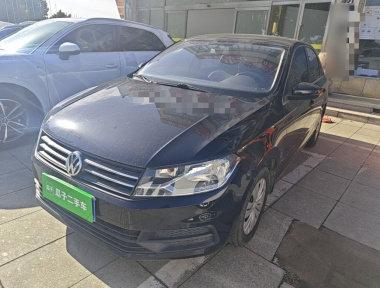
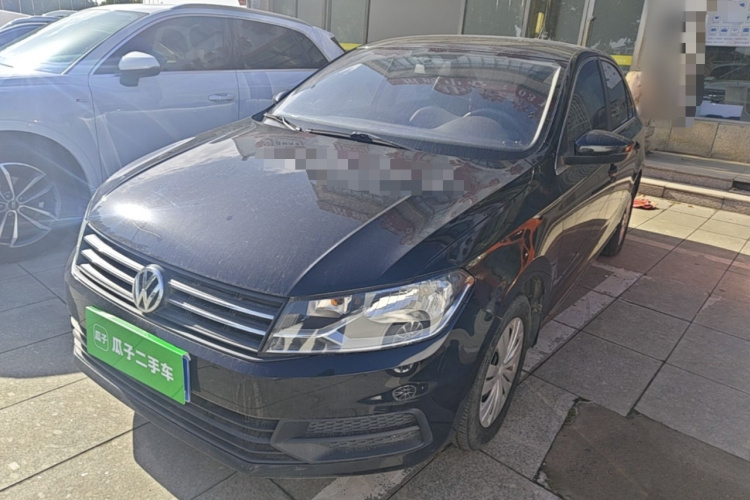
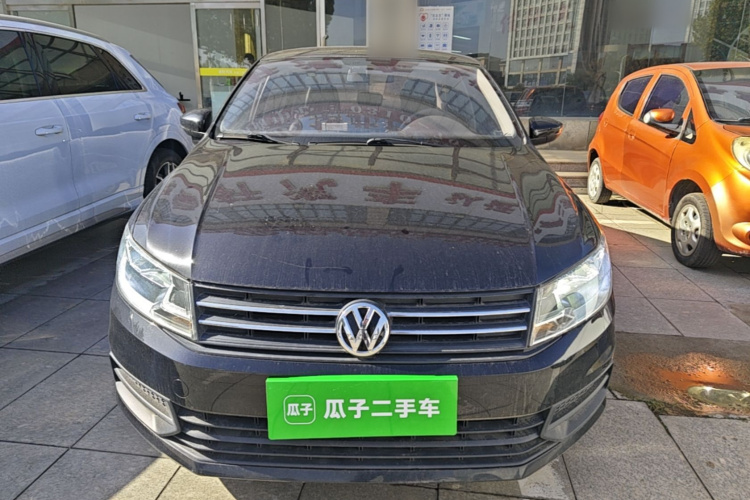
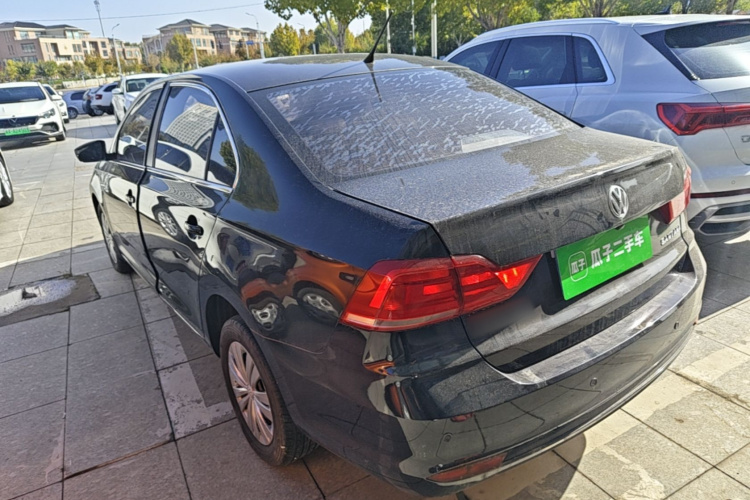
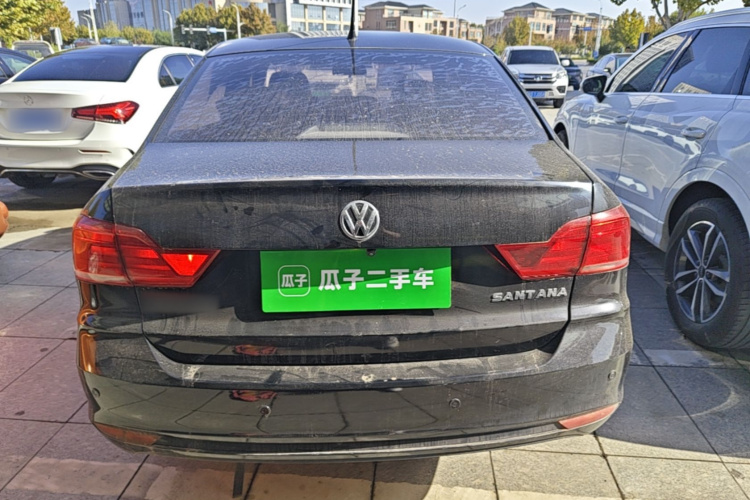
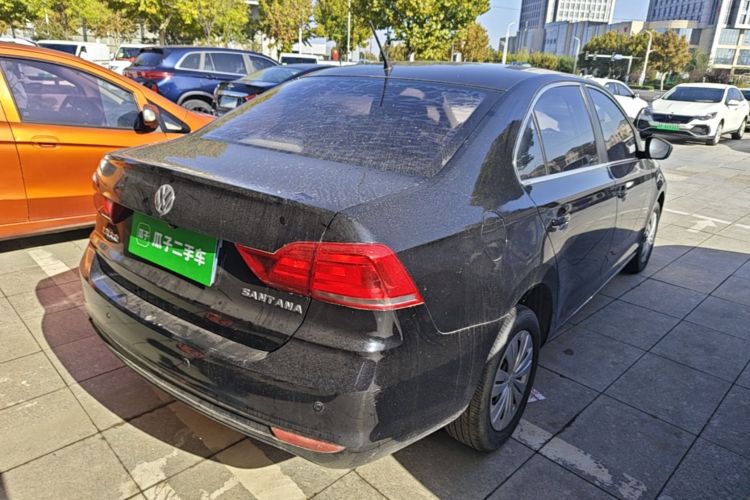
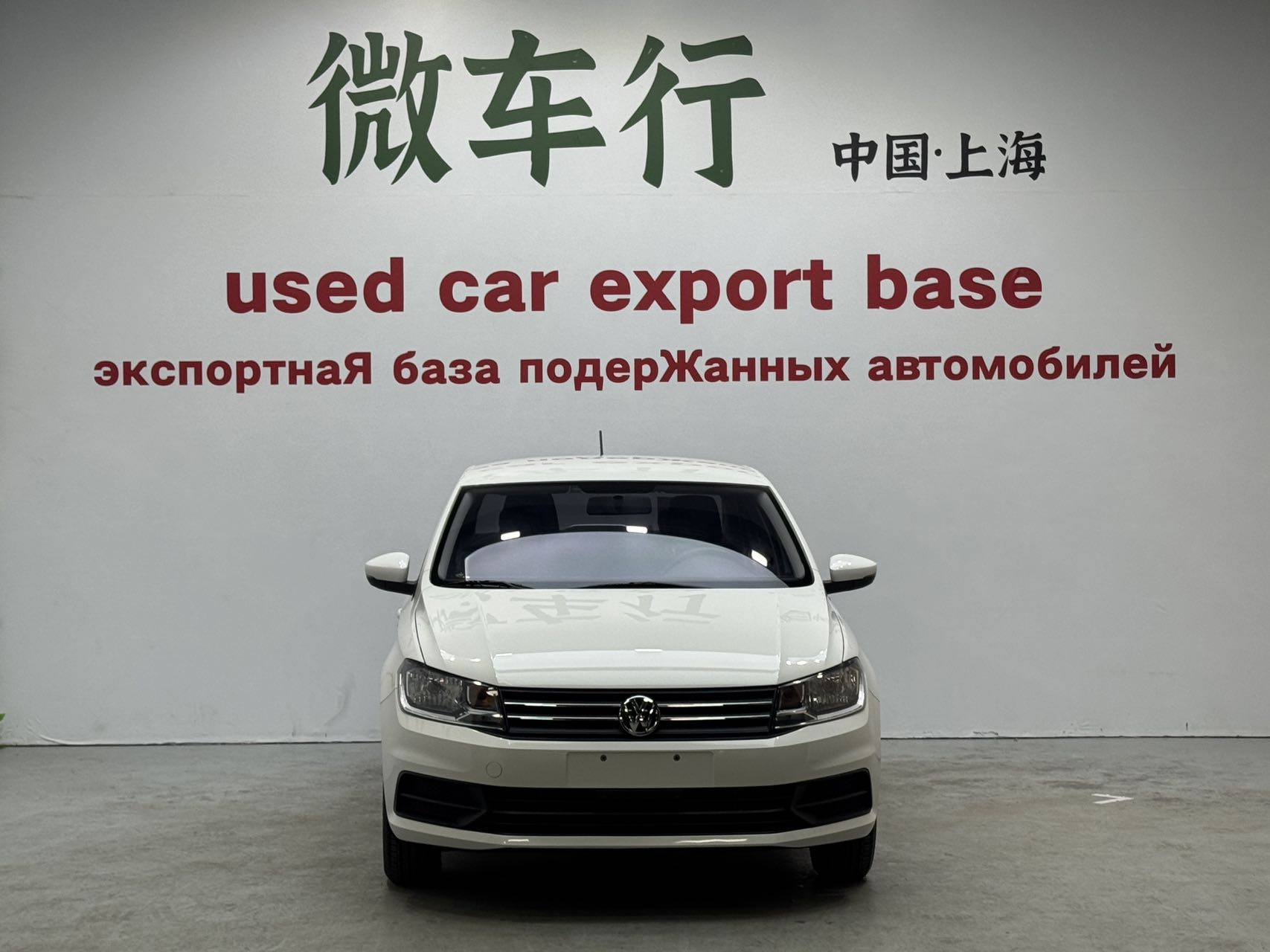
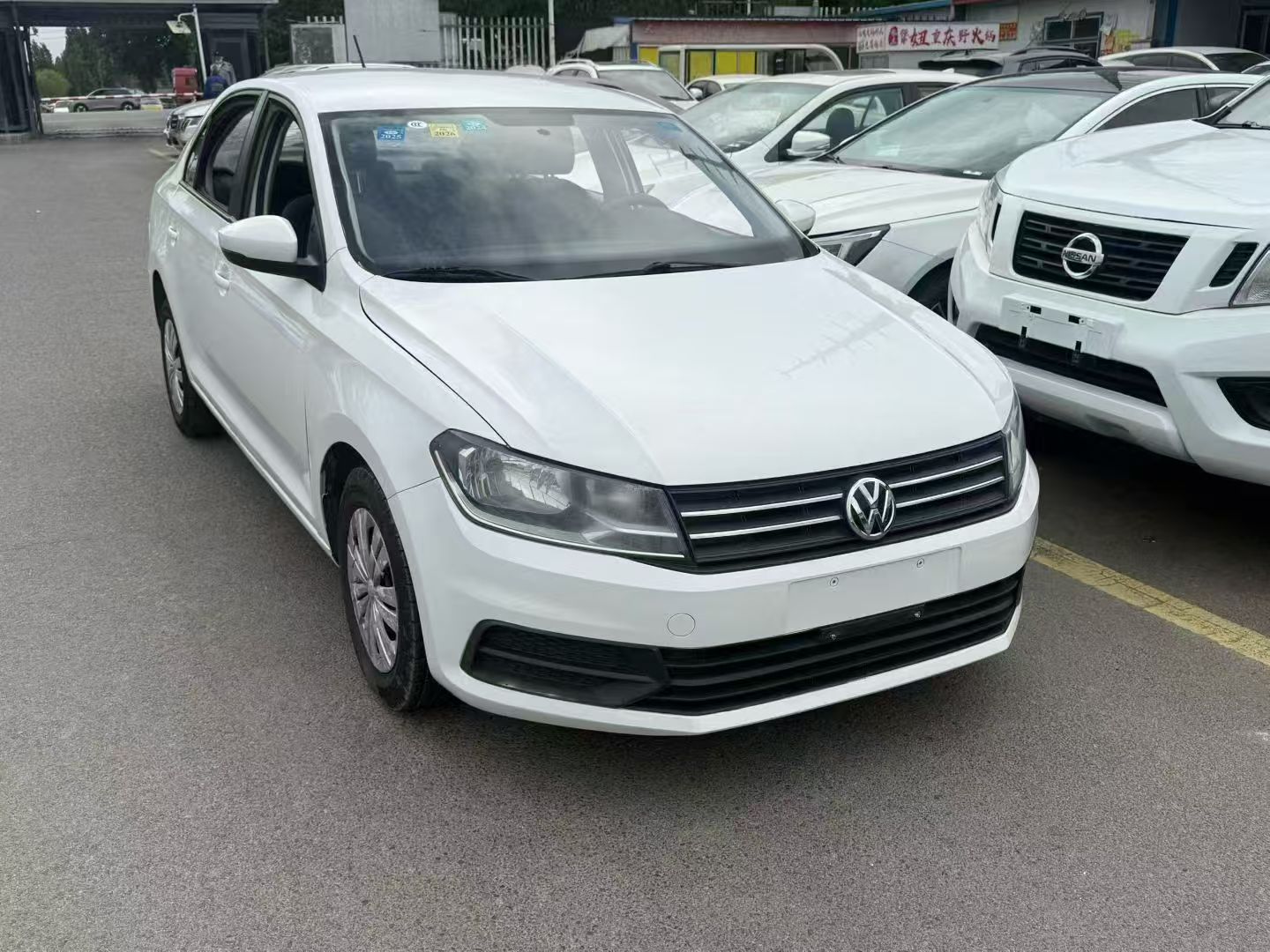
BrandVolkswagen
SeriesSantana
Year2021
First Registration2021/12
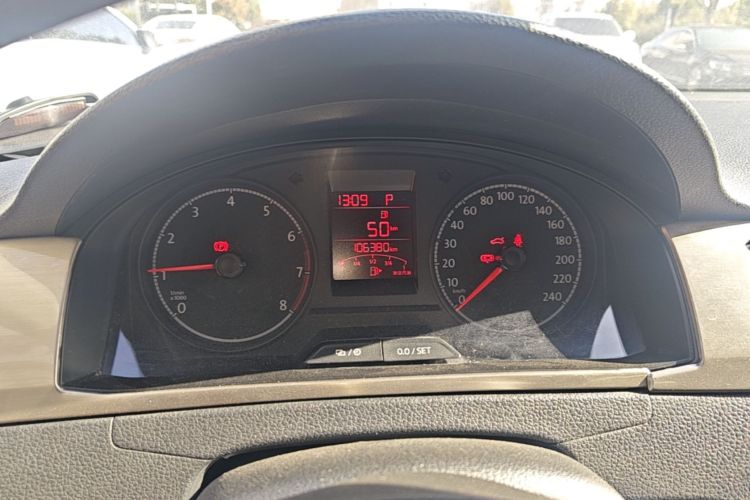
Mileage106,300km
Transfer Count1times
FuelGasoline
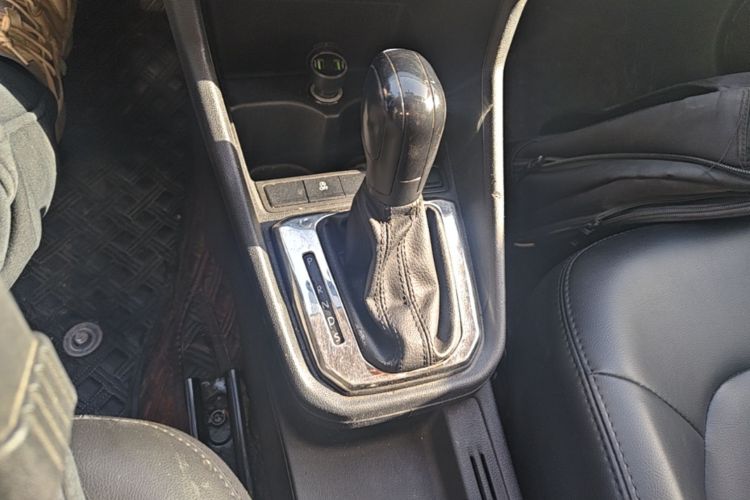
TransmissionAutomatic
Engine1.5L 112 L4
Color
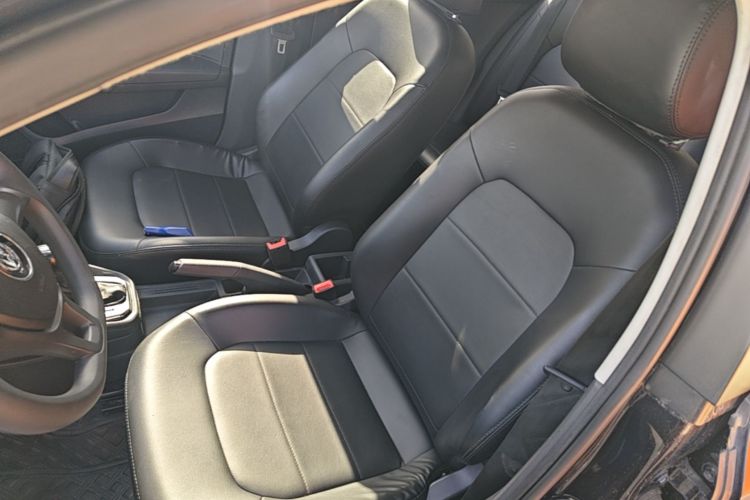
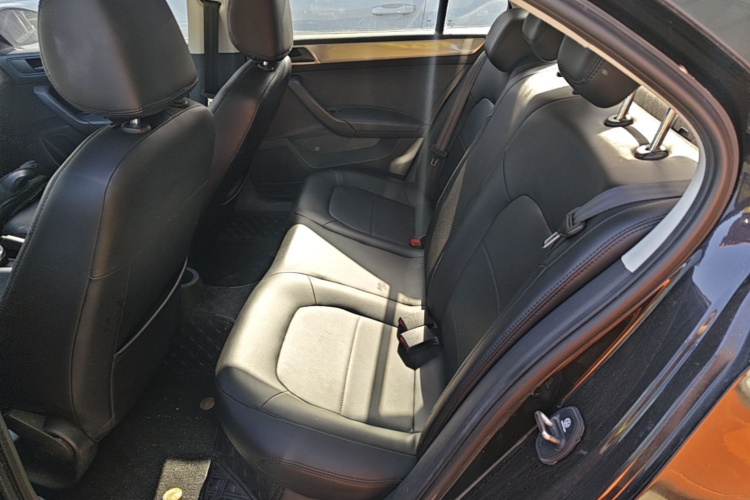
Seats5seats

Condition Description

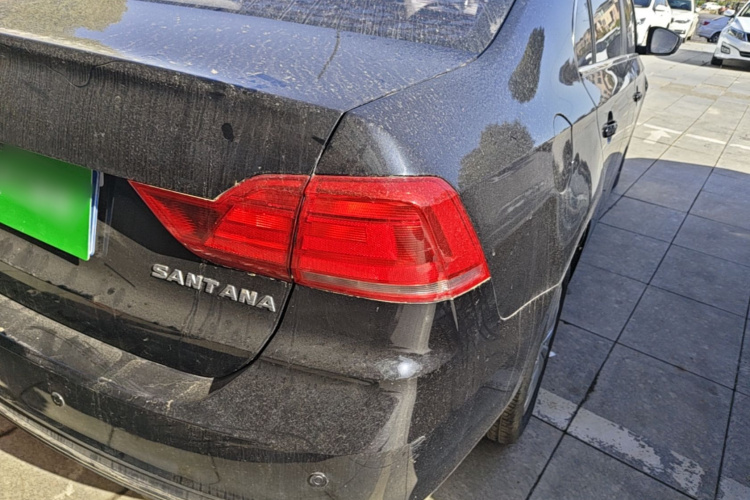
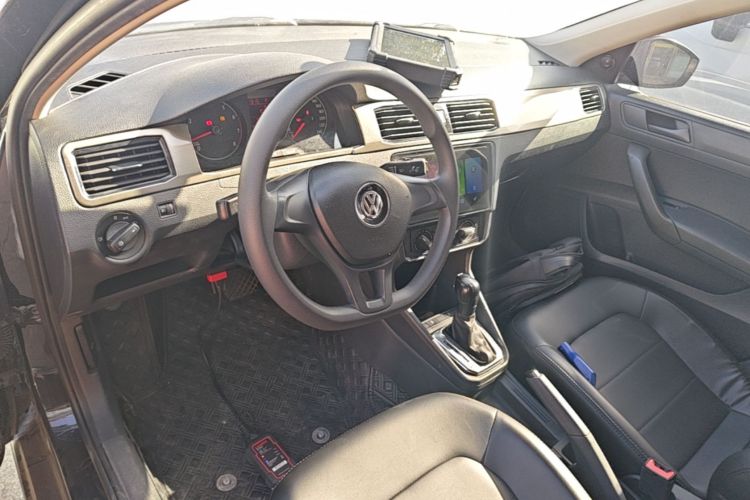
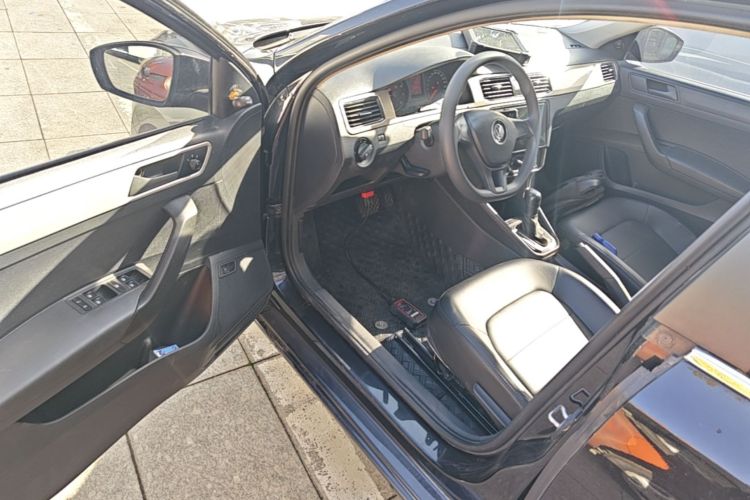
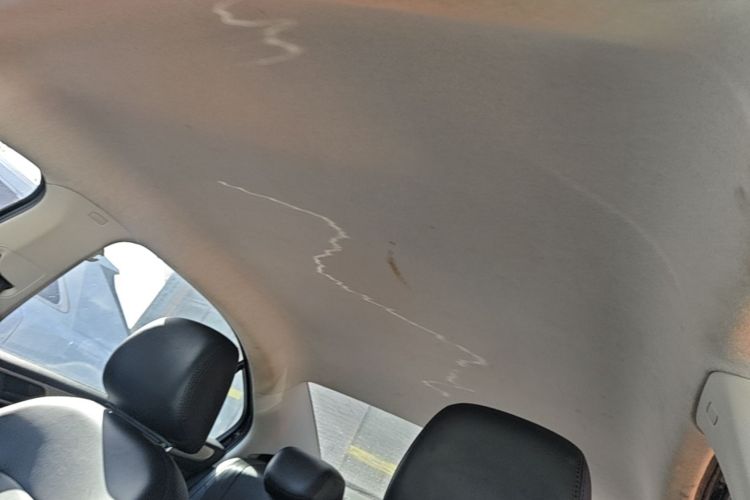
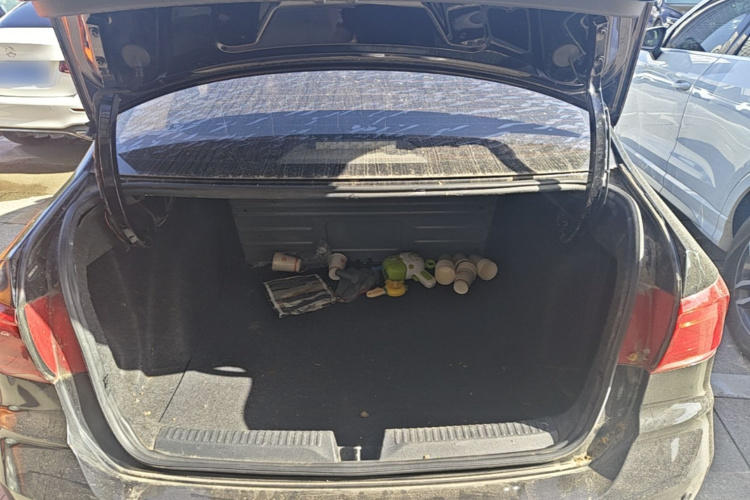
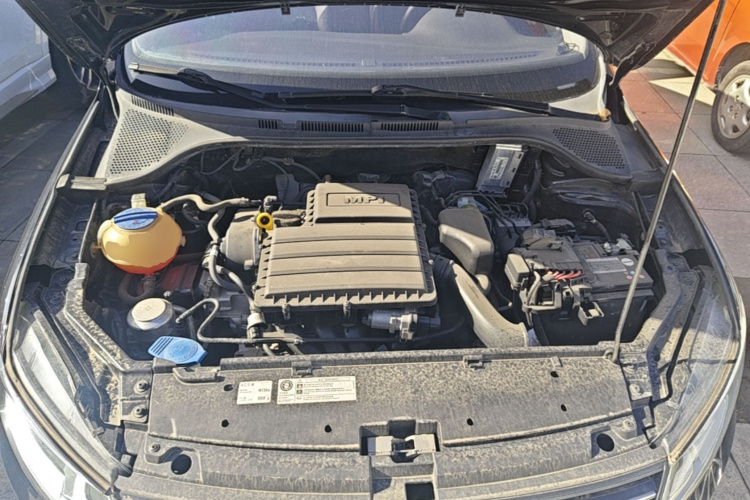
Basic condition: excellent | 0 insurance claims | 1 transfer of ownership

Q&A

More

After picking up the car, I found the tire pressure warning (TPMS). How can I reset the tire pressure sensor myself?

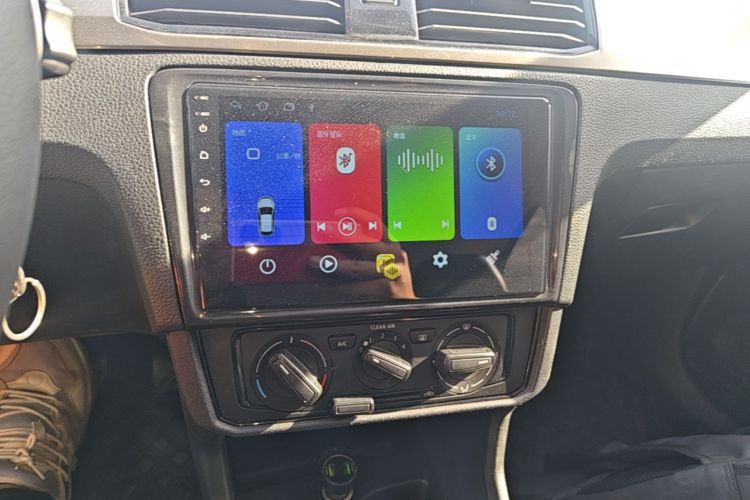
Temperature differences during sea transport can easily trigger the tire pressure warning. After inflating the tires to the standard pressure (usually 2.5 Bar), most vehicles will automatically clear the warning after driving a few kilometers; some models require manually clicking "Tire Pressure Reset" in the "Vehicle Settings" on the central screen.
How do I evaluate rust and corrosion on a used car from China, especially for coastal cities or snowy regions?

Rust is a deal-breaker that photos can hide, so be systematic. High-risk areas to check: 1. Underbody and frame rails—surface rust is normal, but flaking or bubbling paint means advanced corrosion 2. Wheel arches and rocker panels—these trap mud and salt 3. Door bottoms and the trunk floor—water collects here; lift the trunk mat and look for dampness or repair welds 4. Around the windshield and sunroof drains—leaks cause hidden rust in the A-pillars Ask the inspector to do a magnet test: filler-repaired areas won't hold a magnet, indicating past accident repairs. A paint thickness gauge reveals resprayed sections—uniform readings around 80-150 microns are normal; spikes over 300 suggest bodywork. Cars from northern China (salted roads in winter) or coastal cities need extra scrutiny on the underbody. If structural members show corrosion, walk away—repairs rarely restore original strength.

How can I judge the real mechanical condition of a used car from China without seeing it in person?

Remote mechanical assessment relies on documented evidence: 1. Cold-start video: Ask for a video of the engine starting from cold — listen for rattles, watch for smoke (blue = oil burning, white = possible head gasket issue). 2. OBD scan: A full diagnostic scan reveals fault codes in the engine, gearbox, and electronics. Request the raw scan report, not a screenshot summary. 3. Service records: Cross-check mileage against maintenance records and inspection stickers; consistent records indicate a cared-for car. 4. Fluid check: Photos of the oil dipstick and coolant color tell a lot — milky oil or rusty coolant are red flags. 5. Test drive video: A short drive video shows gear shifts, braking, and steering behavior. Combine these with the pre-shipment inspection report. A seller who refuses to provide cold-start video or OBD data is a warning sign.