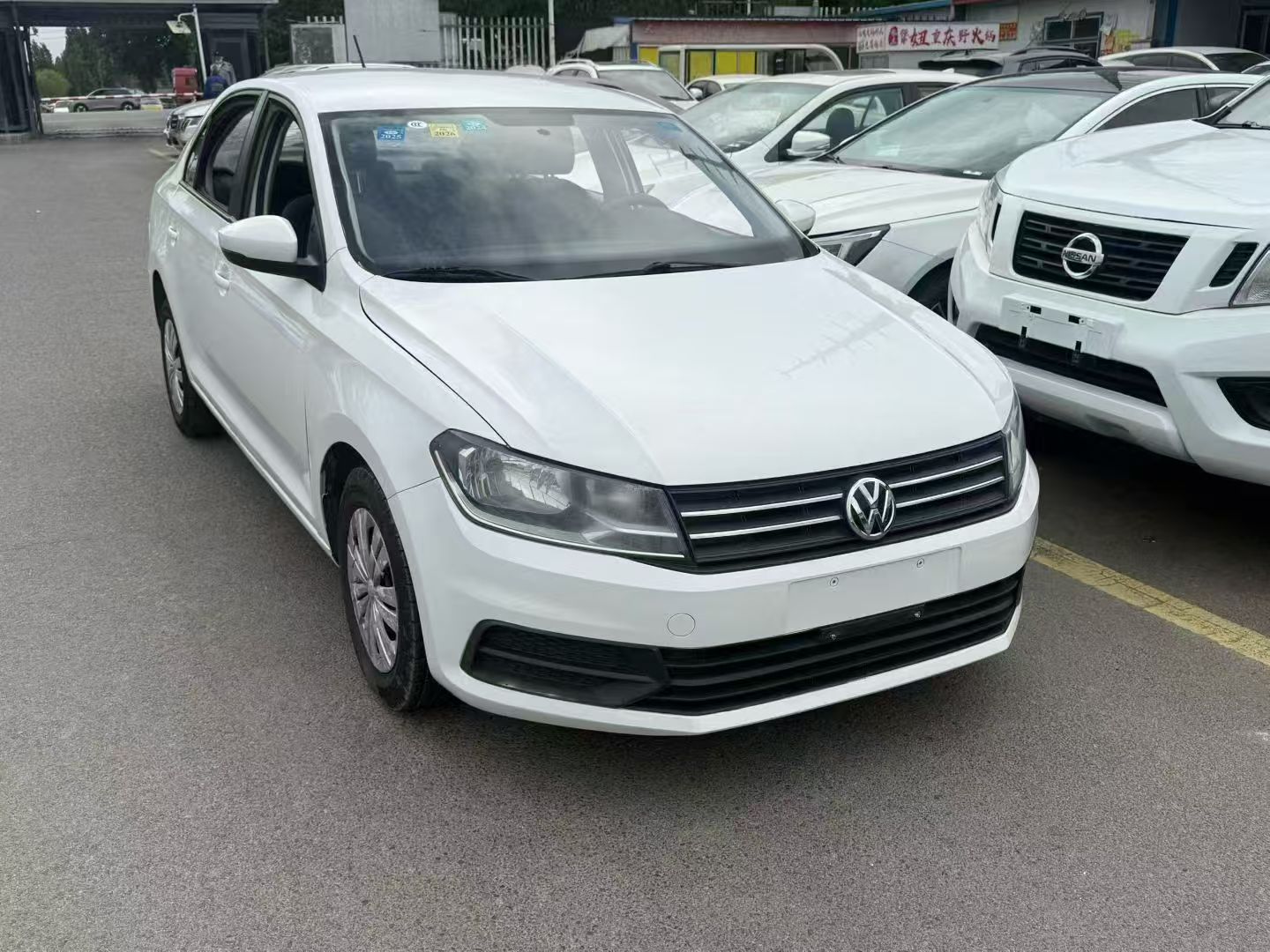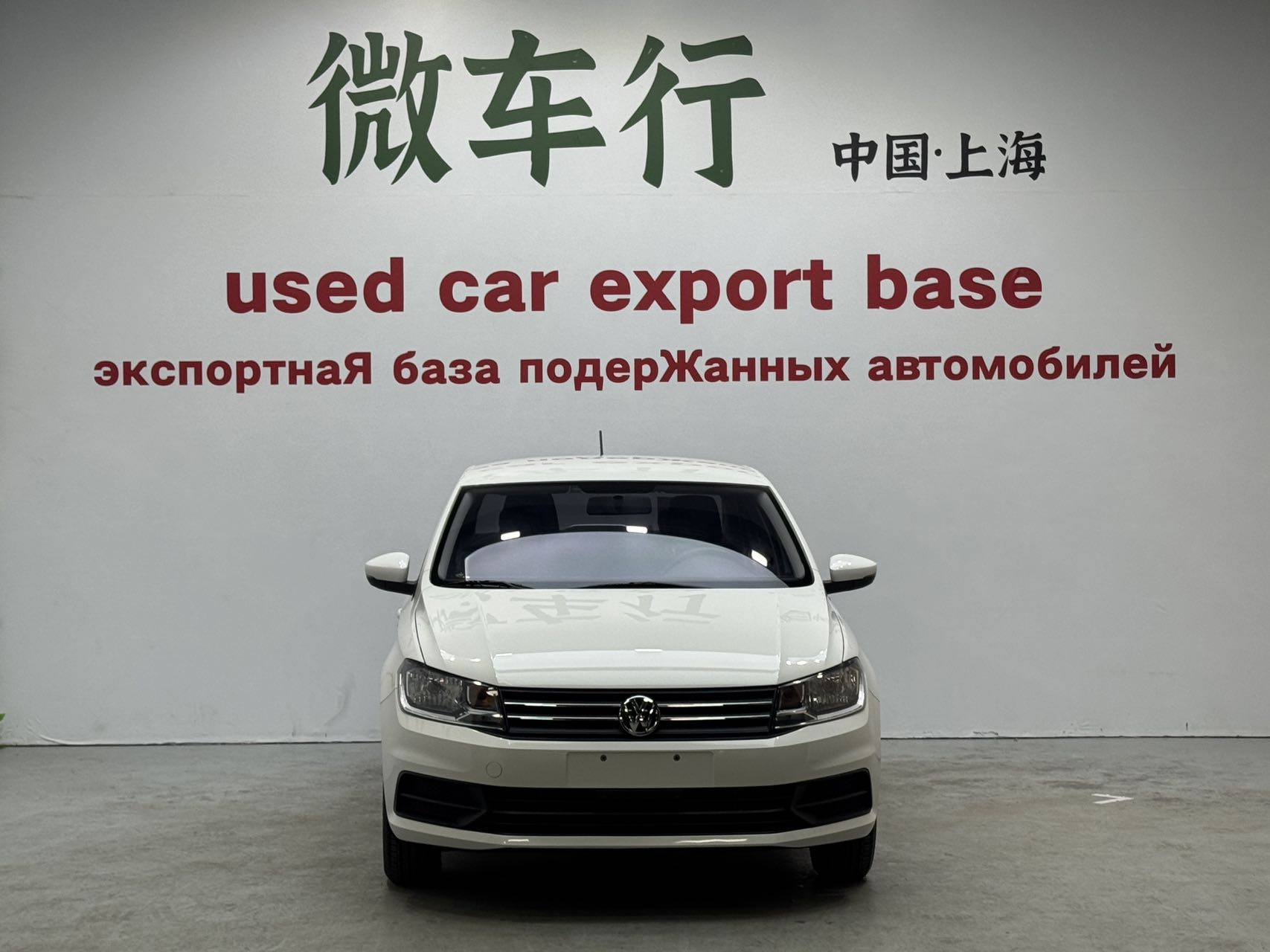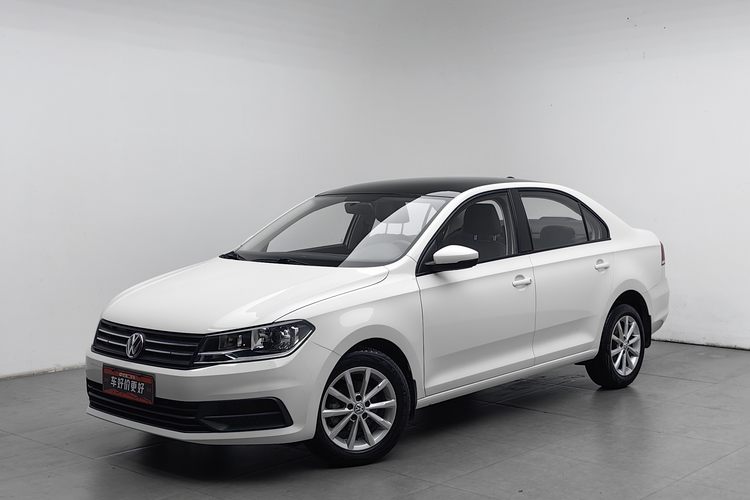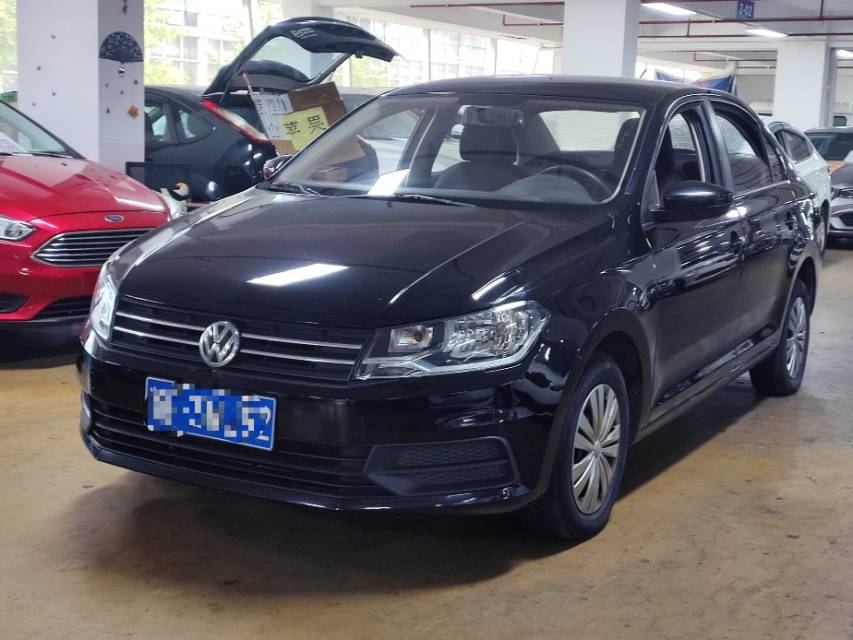



48H

Basic Information

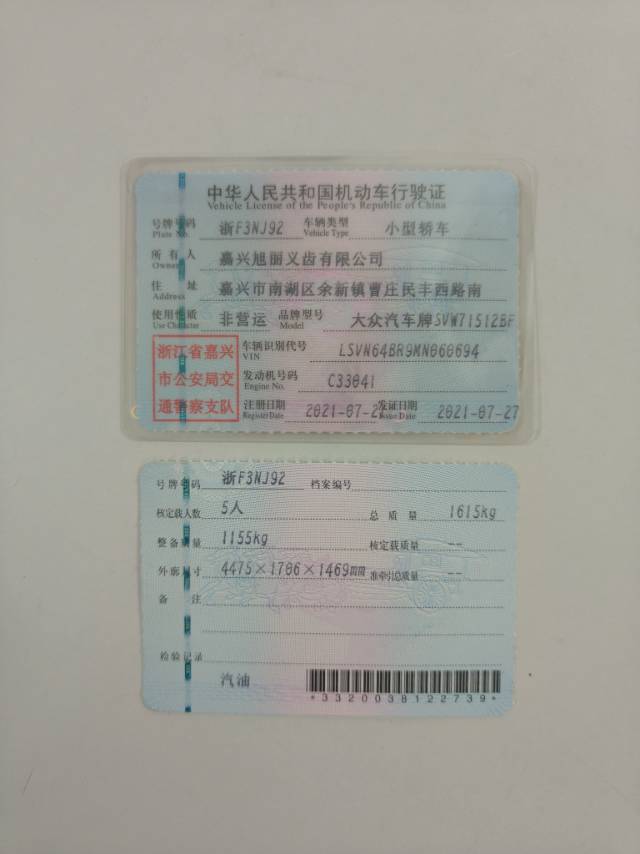
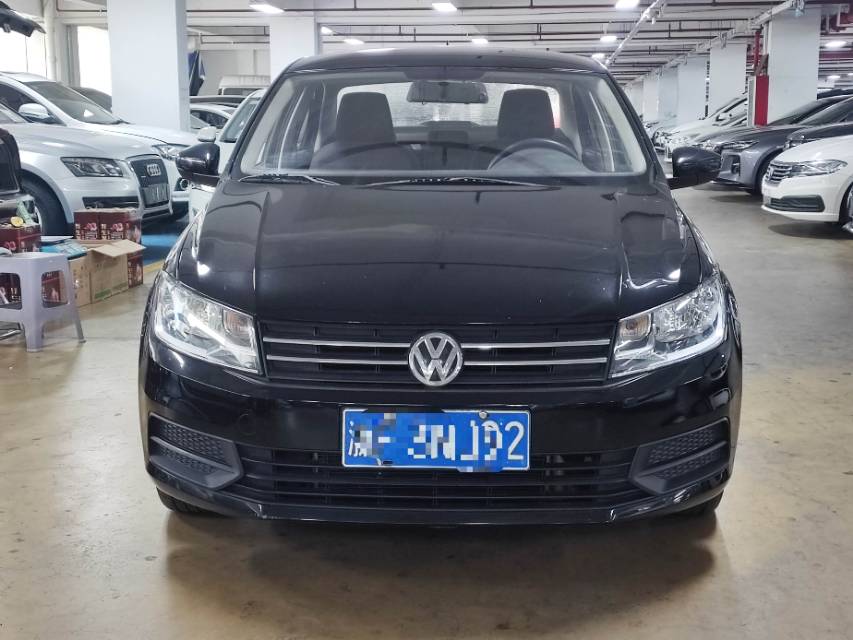
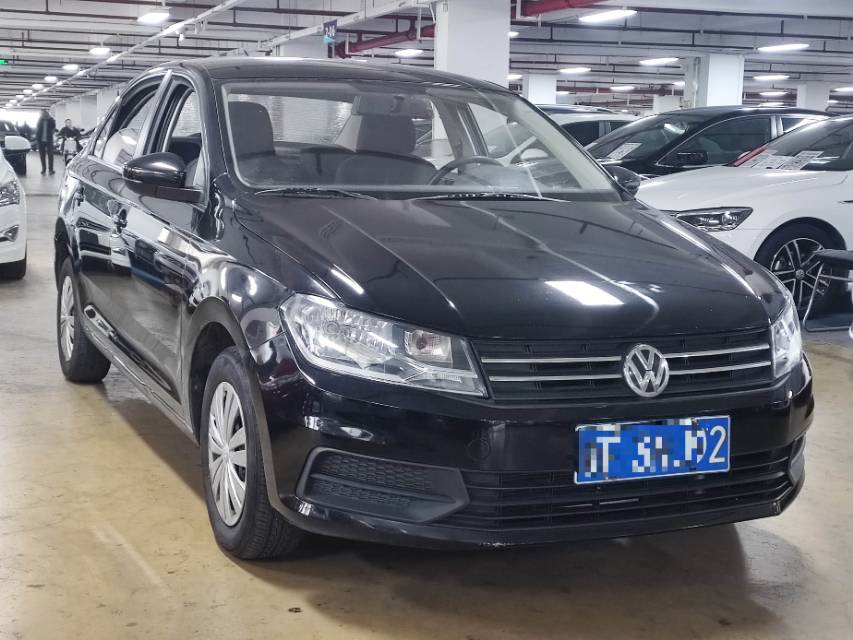
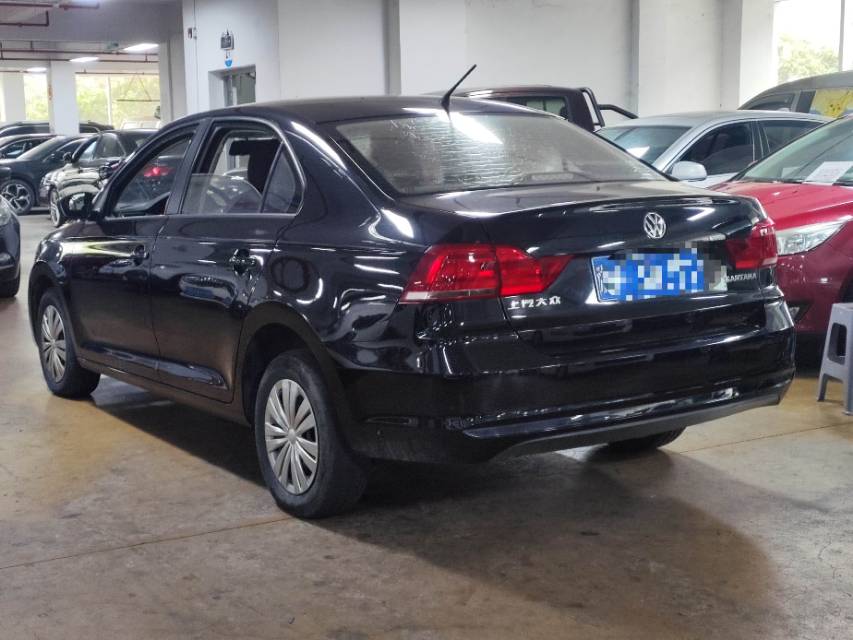
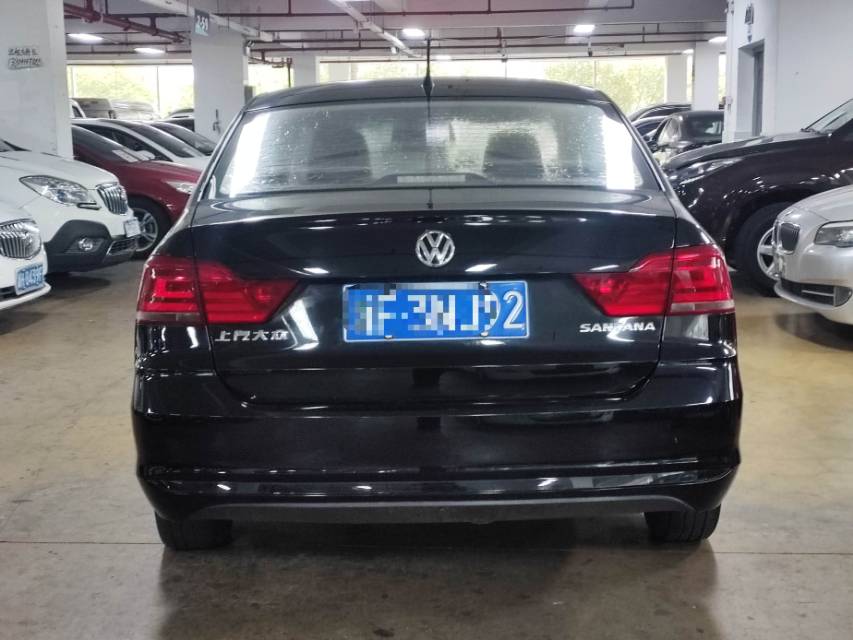
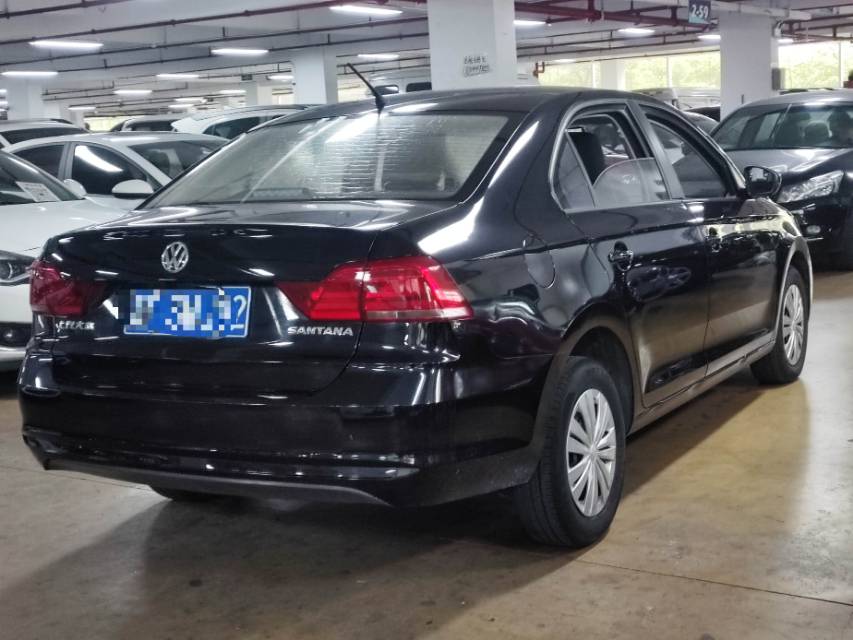
BrandVolkswagen
SeriesSantana
Year2021
First Registration2021/07
Mileage120,000km
Transfer Count0times
FuelGasoline
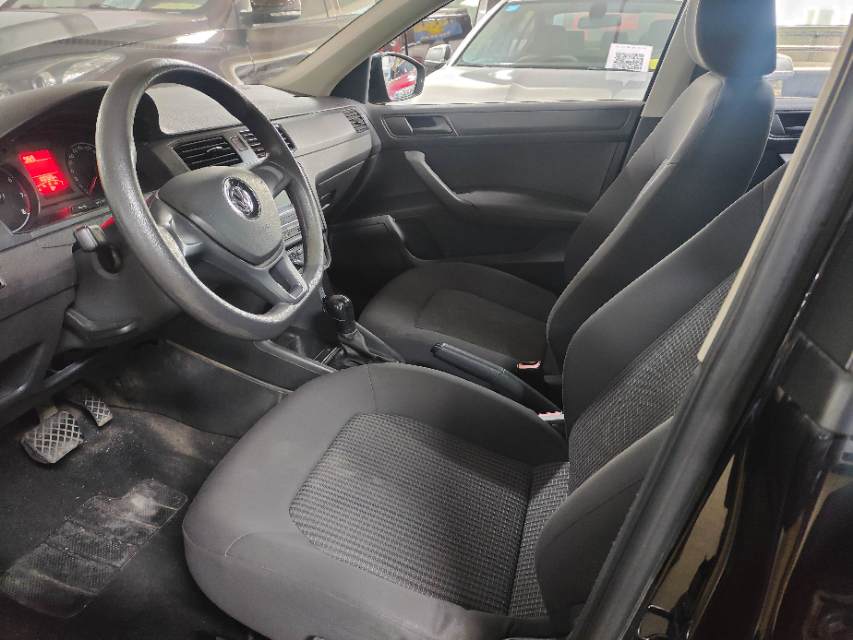
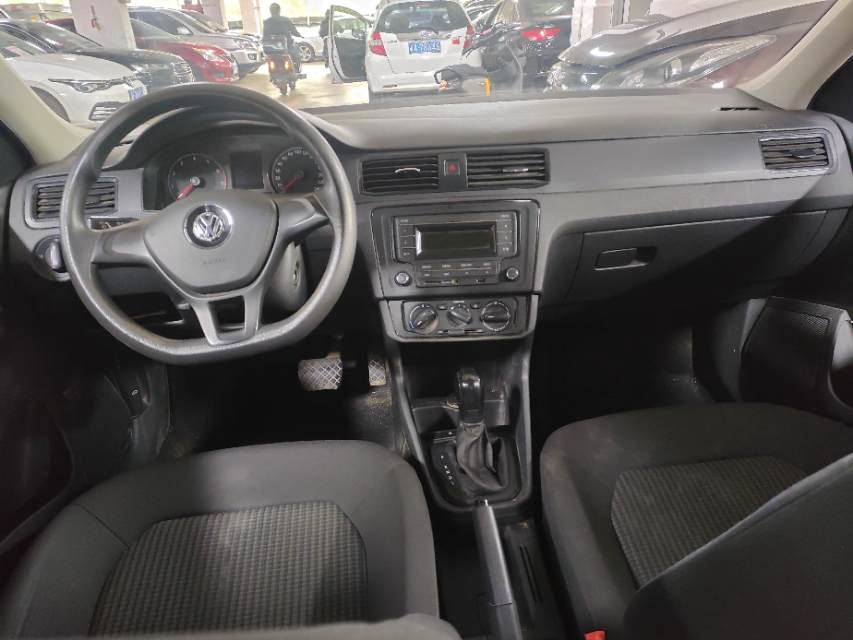
TransmissionAutomatic
Engine1.5L 112 L4
ColorBlack
Seats5seats

Condition Description

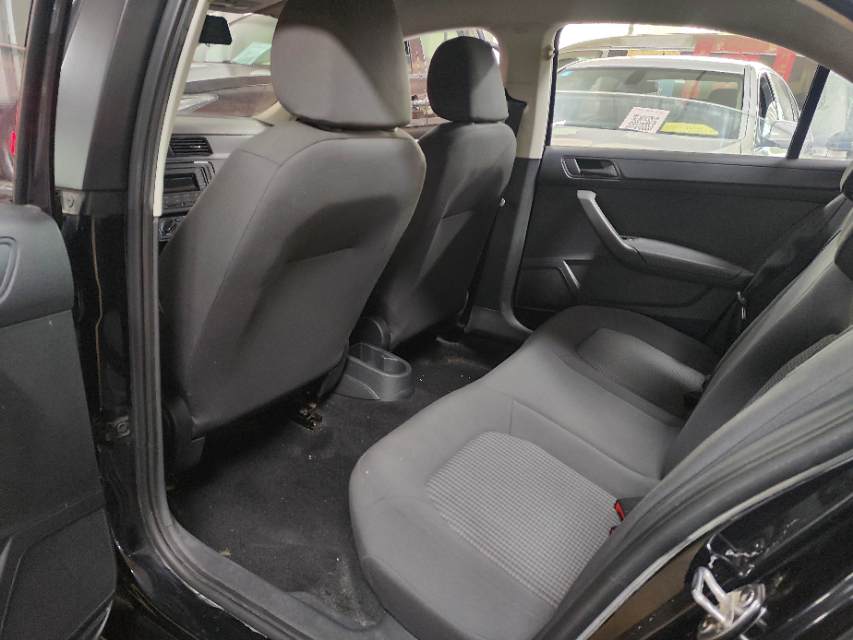
Average condition

1.5L automatic, no sunroof. Hood frame replaced. Both front fenders, left rear fender, and right rear door repainted. Other panels original paint.

可议价
已上架
New

Configuration Highlights

✓品牌: 大众
✓车系: 桑塔纳
✓车型: 大众 桑塔纳 2021款 1.5L 自动 风尚版
✓能源类型: 燃油车
✓发动机: 1.5L
✓变速箱: 自动
✓驱动方式: 前轮驱动
✓排放标准: 国VI
✓指导价: 9.89万
✓车源编号: 12805868
✓VIN: LSVN*******060694

Document Information

Inspection Expiry Date2027/07
Warranty Expiry Date-
Insurance Expiry Date2027/07

Q&A

More

How do seasonal factors—peak seasons, weather, holidays—affect shipping times and rates from China?

Timing your shipment can save both money and weeks of waiting. Several predictable patterns affect routes from China. Peak season surcharges: January through March, before Chinese New Year, exporters rush to ship, so container and RoRo space tightens and rates rise 20-50%. Book at least 3-4 weeks ahead during this window. After the holiday (usually February), factories and ports restart gradually, causing 2-3 weeks of backlog. Weather effects: Typhoon season (July-September) can delay departures from southern Chinese ports like Shenzhen and Guangzhou. Winter fog and ice affect northern ports like Dalian and Tianjin, slowing loading operations. Destination-side factors: Monsoon seasons can slow port operations in South and Southeast Asia. Holiday periods at destination (e.g., Ramadan in the Gulf, year-end holidays elsewhere) reduce customs staffing and extend clearance times. Practical advice: ask your forwarder for rate calendars, avoid booking right before major Chinese holidays, and build 1-2 weeks of buffer into delivery promises to your customers. Flexible departure ports (Shanghai vs. Ningbo vs. Shenzhen) can also help you find available space.


How to ensure that the declared value on the export license matches the commercial invoice exactly to avoid allegations of underreporting for tax evasion?

Our legal red line is that the amounts on the China Customs declaration, export license, commercial invoice, and bank receipt must be consistent across all four documents. We firmly refuse to engage in the illegal act of issuing "false low-value invoices" to assist buyers in evading customs duties in the destination country.

Beyond the car price, what costs should I budget when importing a used car from China?

A realistic budget has several layers beyond the vehicle price. First, inland logistics in China: moving the car to the export port typically costs $300-$800. Second, export handling: inspection, customs declaration and paperwork usually add $500-$1,000. Third, ocean freight. A 20ft container to most destinations runs $1,200-$3,000 depending on route; RoRo shipping can be cheaper for driveable cars. Add marine insurance, usually 0.3%-0.5% of the car value. Fourth, destination charges: port handling, customs duties, VAT/GST and local registration fees. These vary widely; some countries charge duties of 20%-80% of the vehicle value plus an excise based on engine capacity. Finally, any compliance work: inspection certificates, modifications to meet local standards, or homologation. Ask your exporter for a full CIF quote and have a local customs broker confirm destination taxes before you commit.