


48H

Basic Information

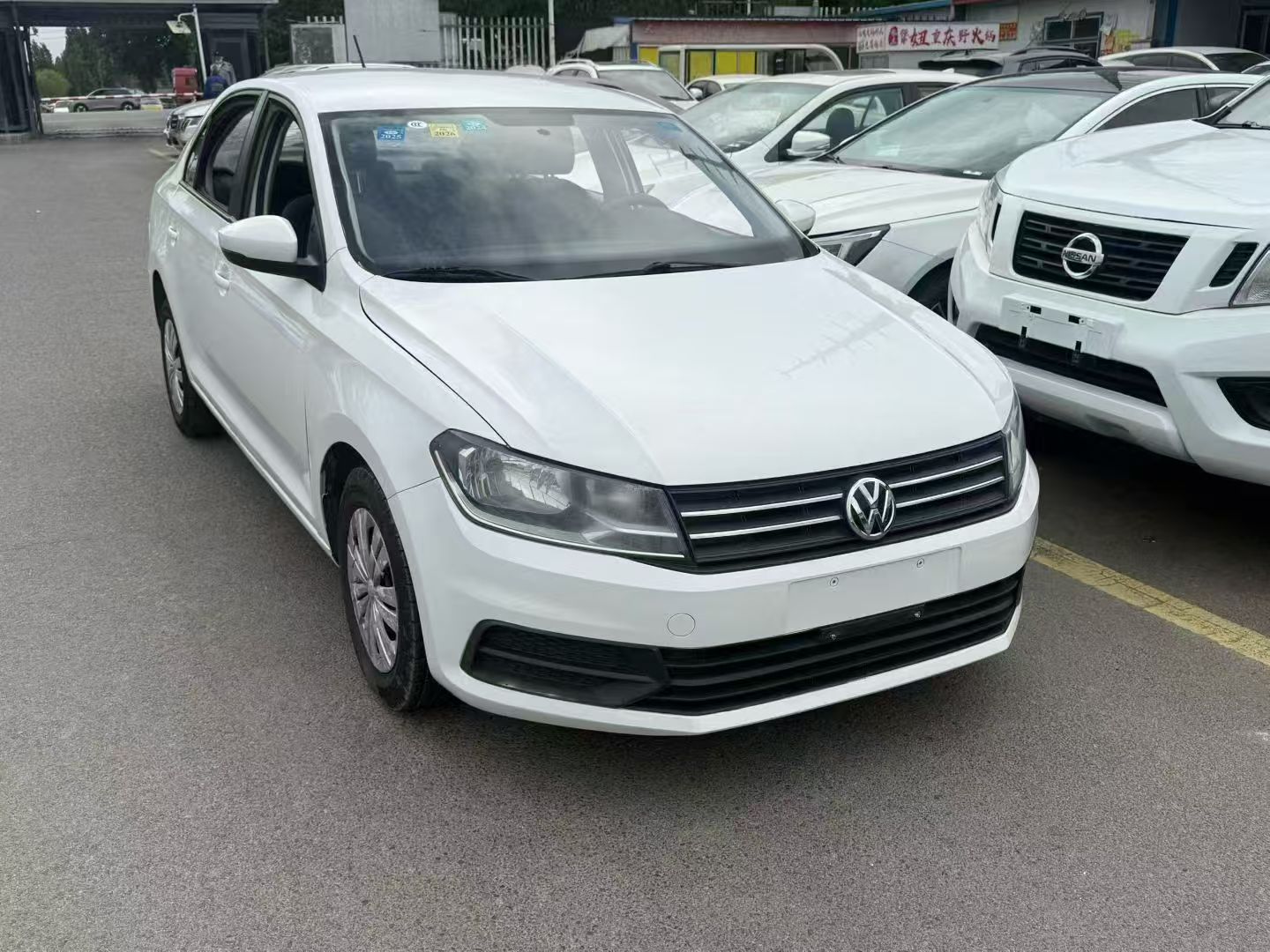
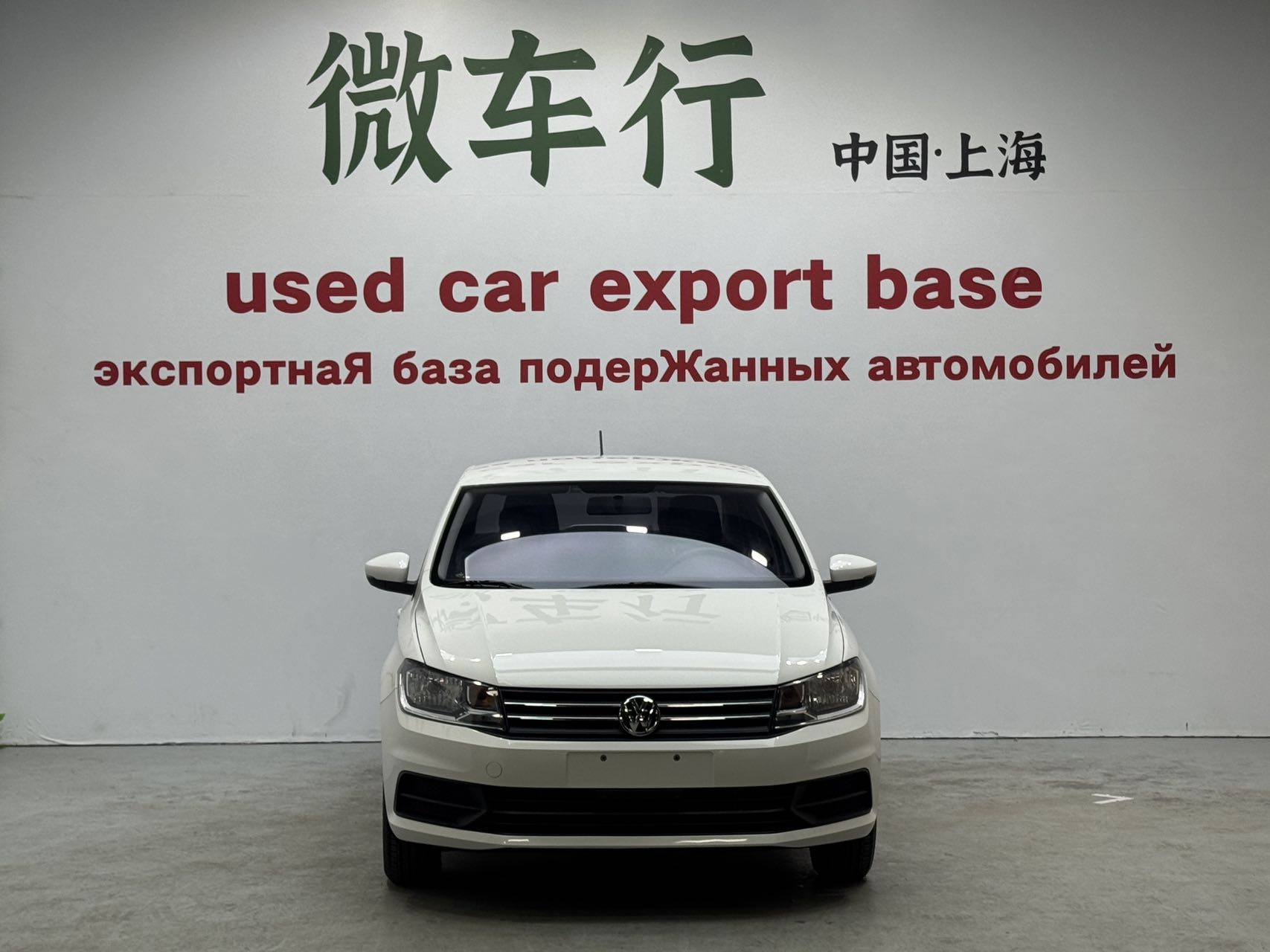
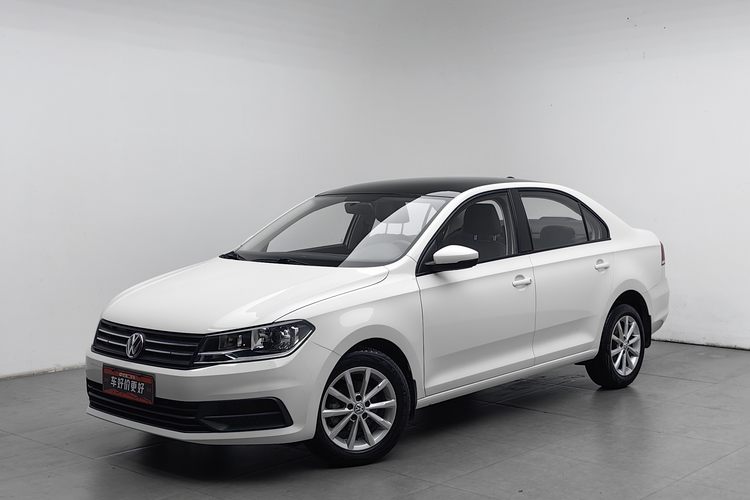
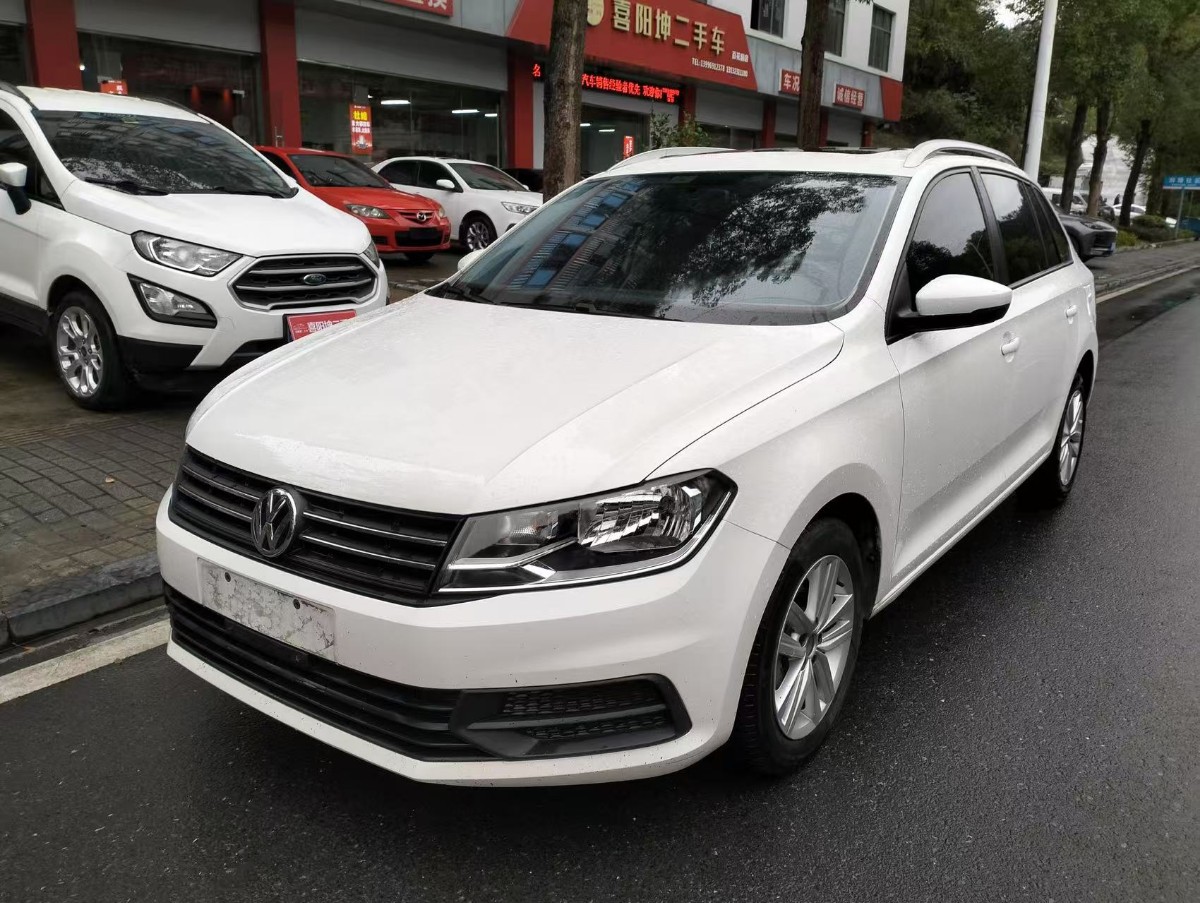
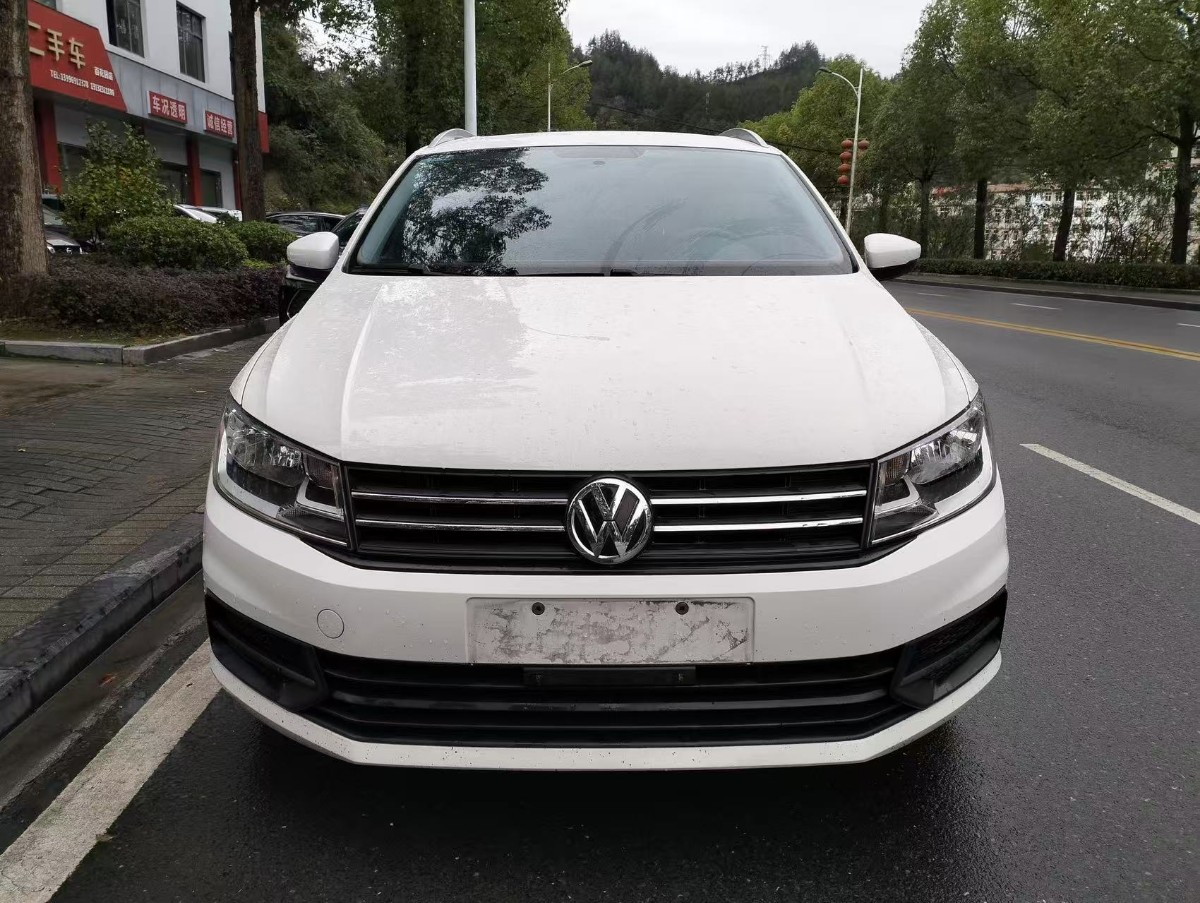
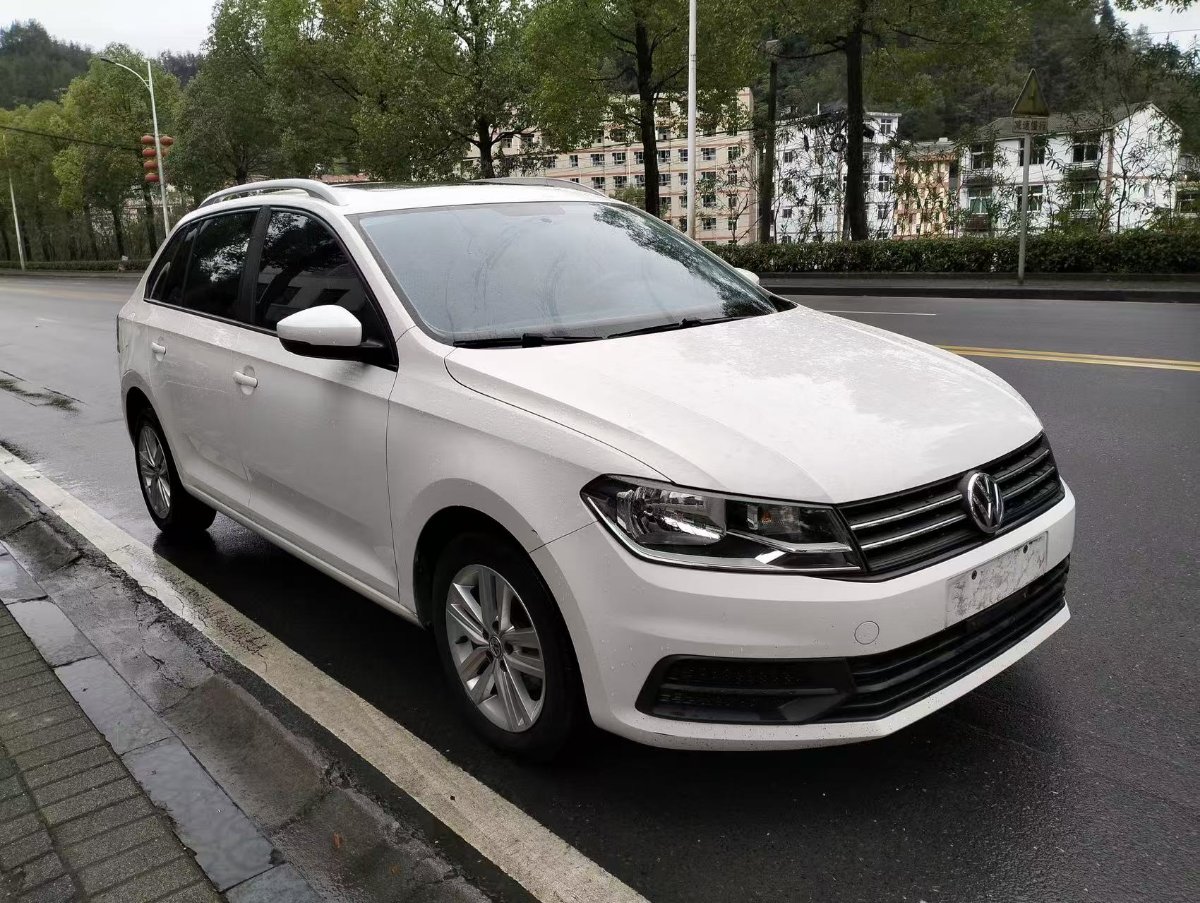
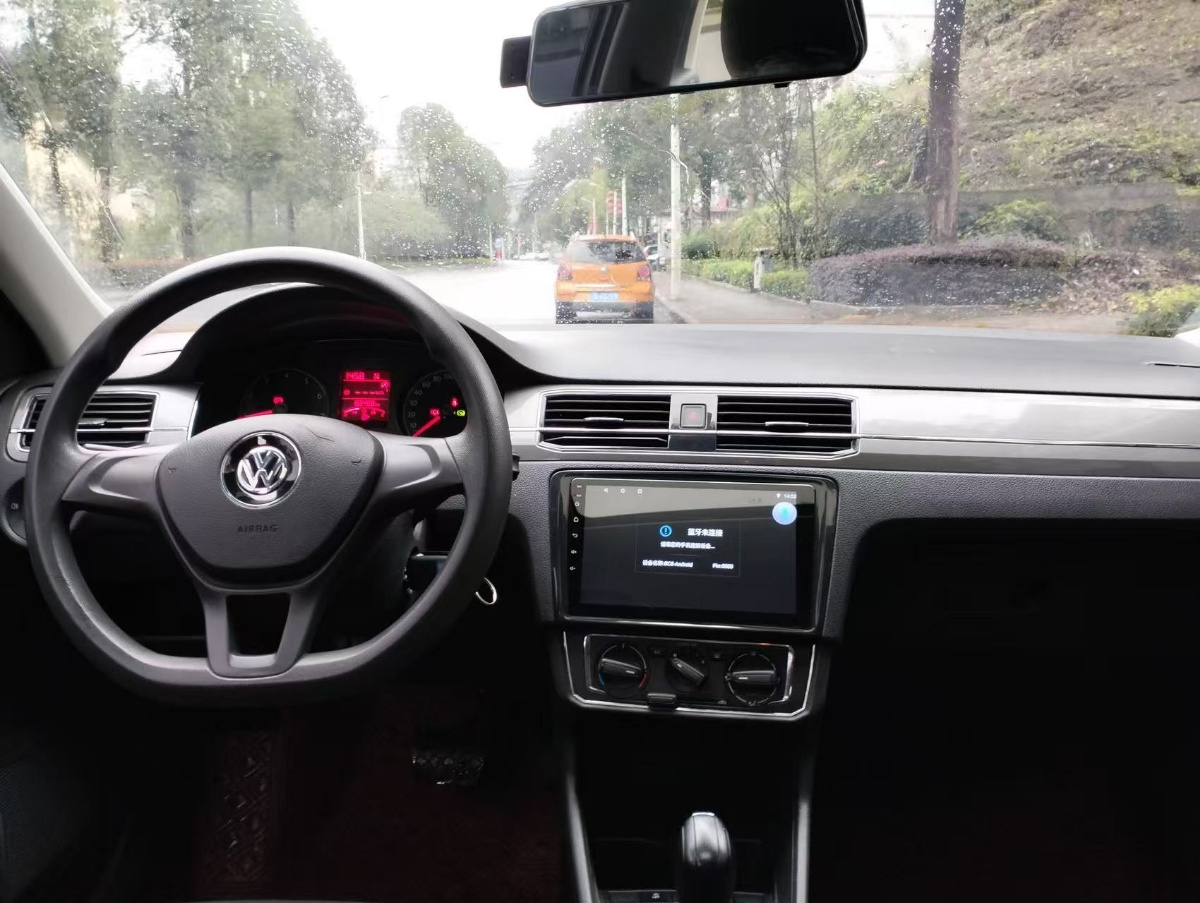
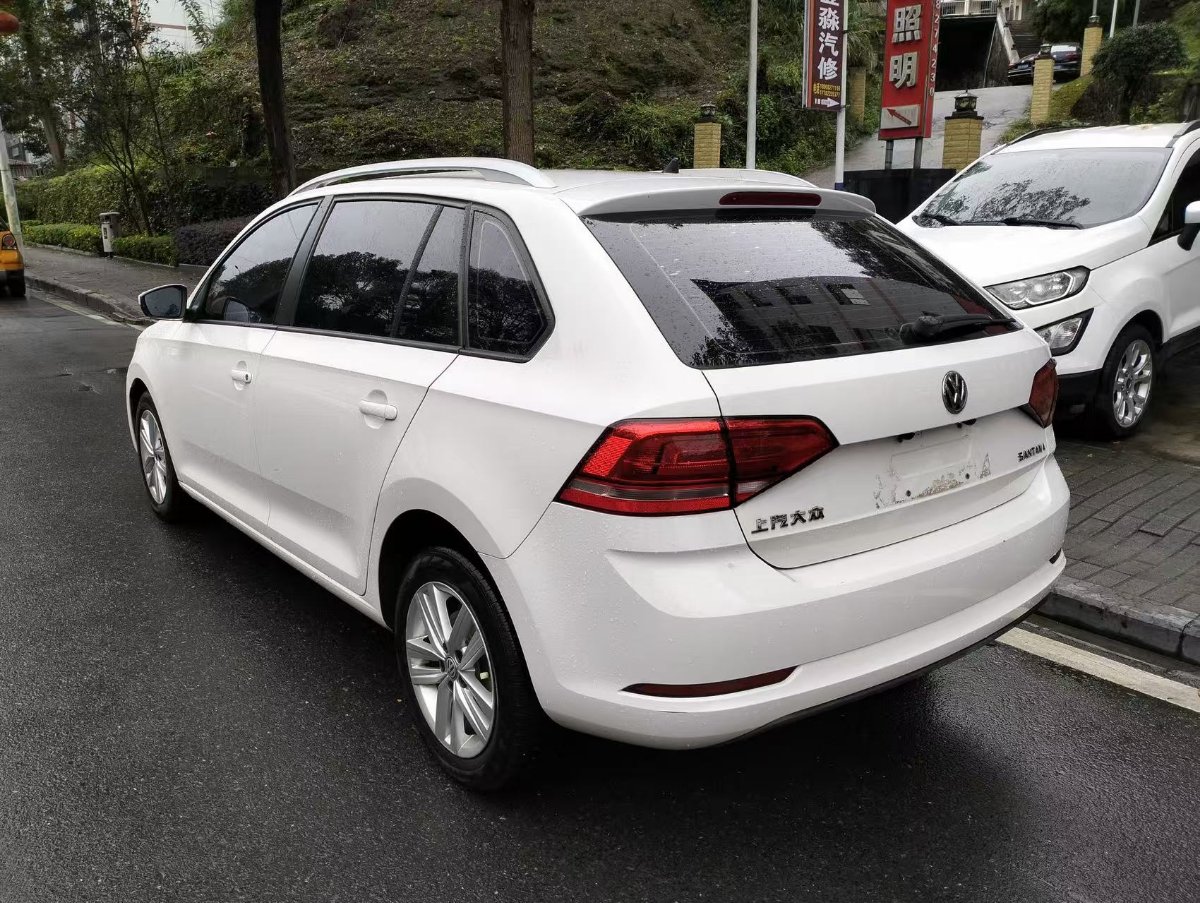
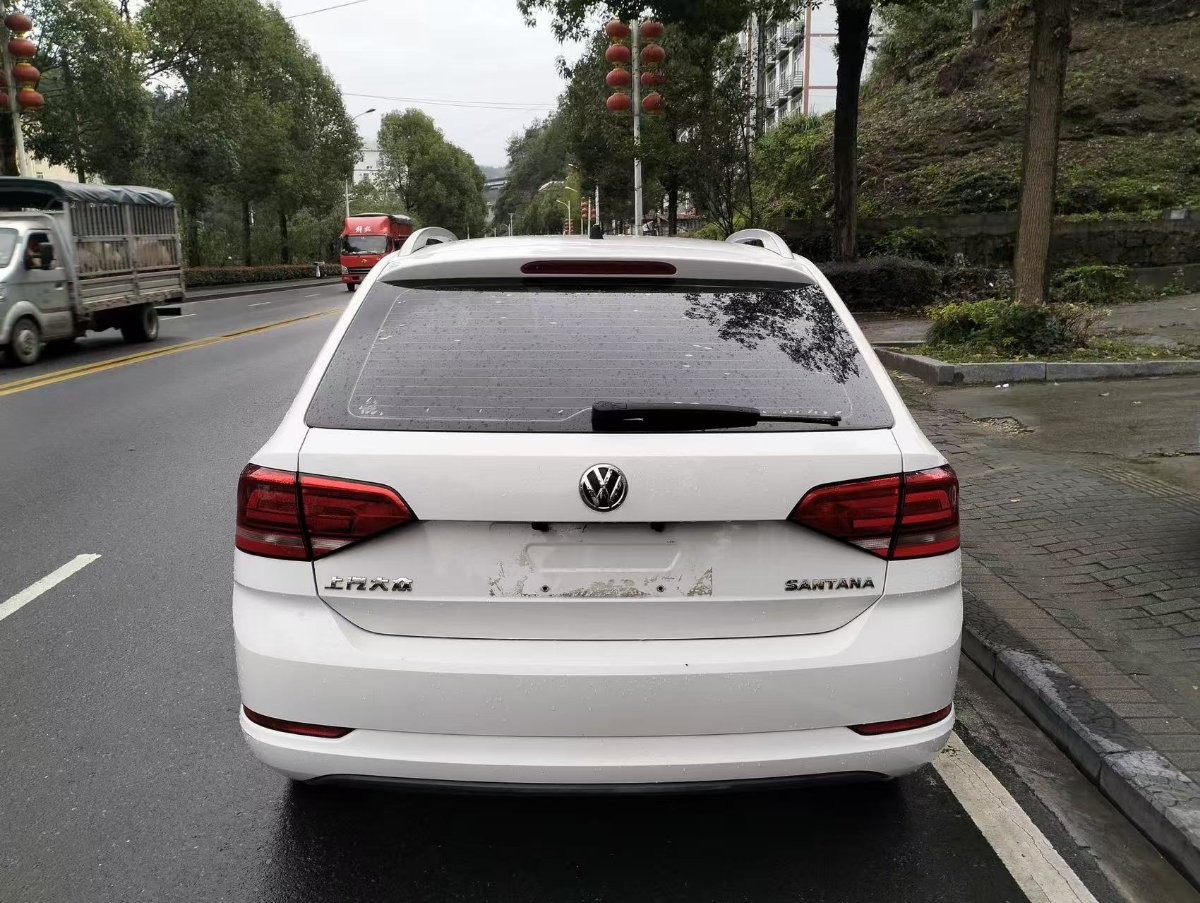
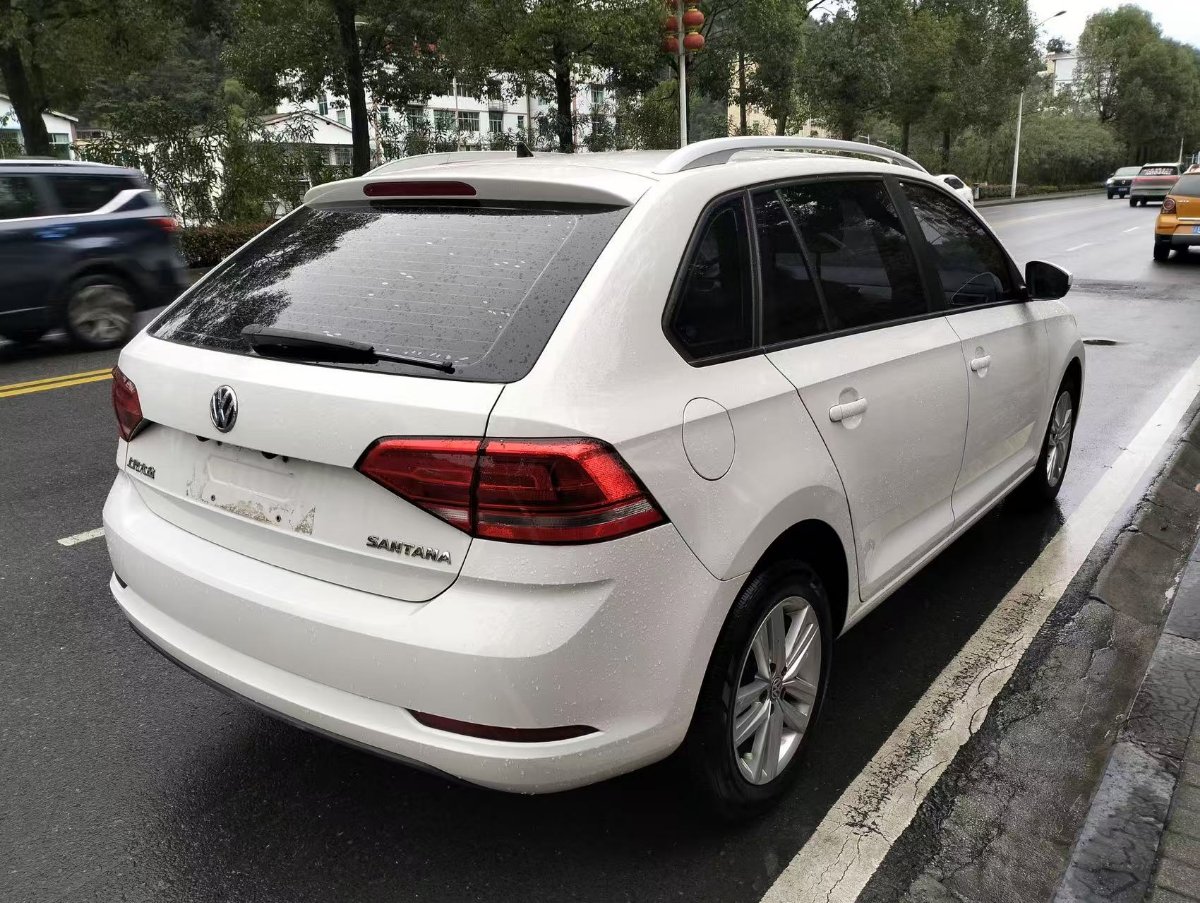
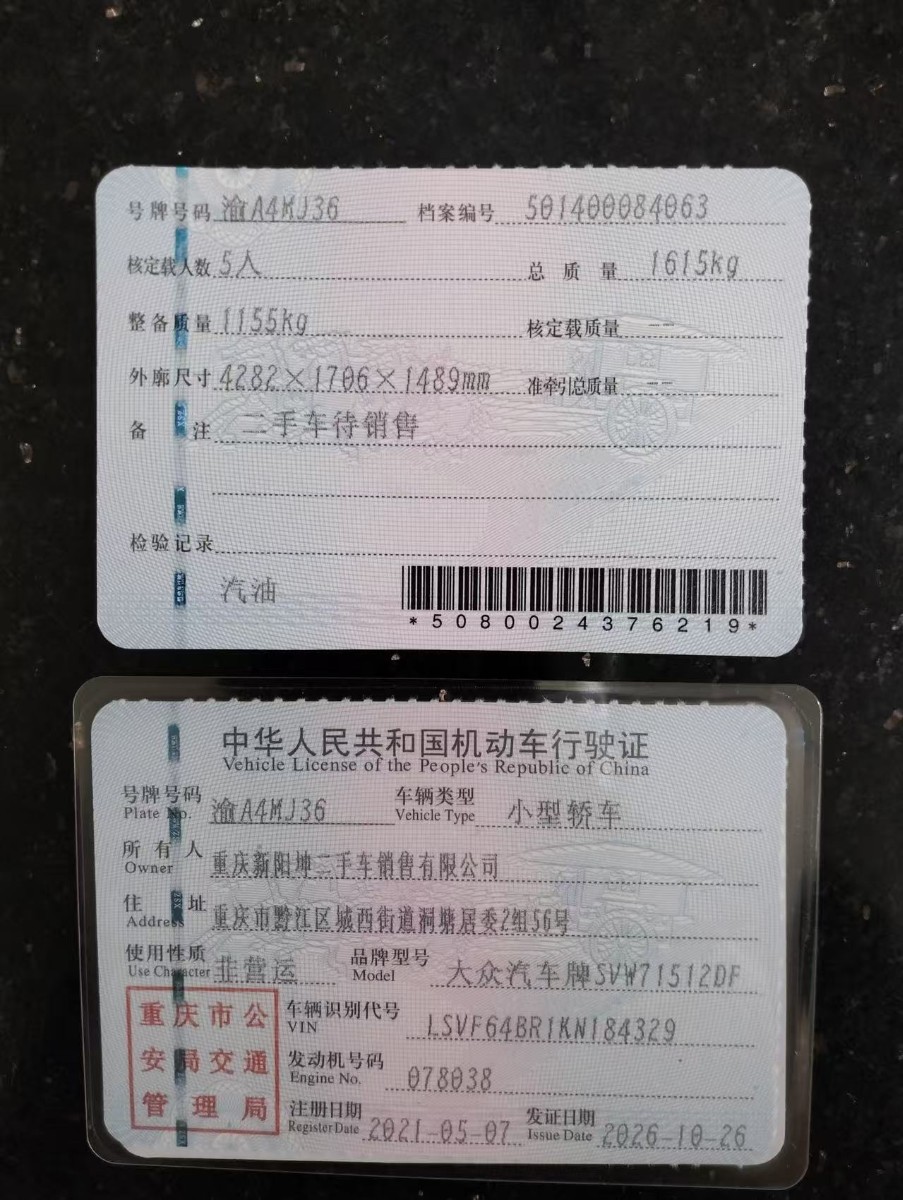
BrandVolkswagen
SeriesSantana
Year2021
First Registration2021/05
Mileage80,000km
Transfer Count1times
FuelGasoline
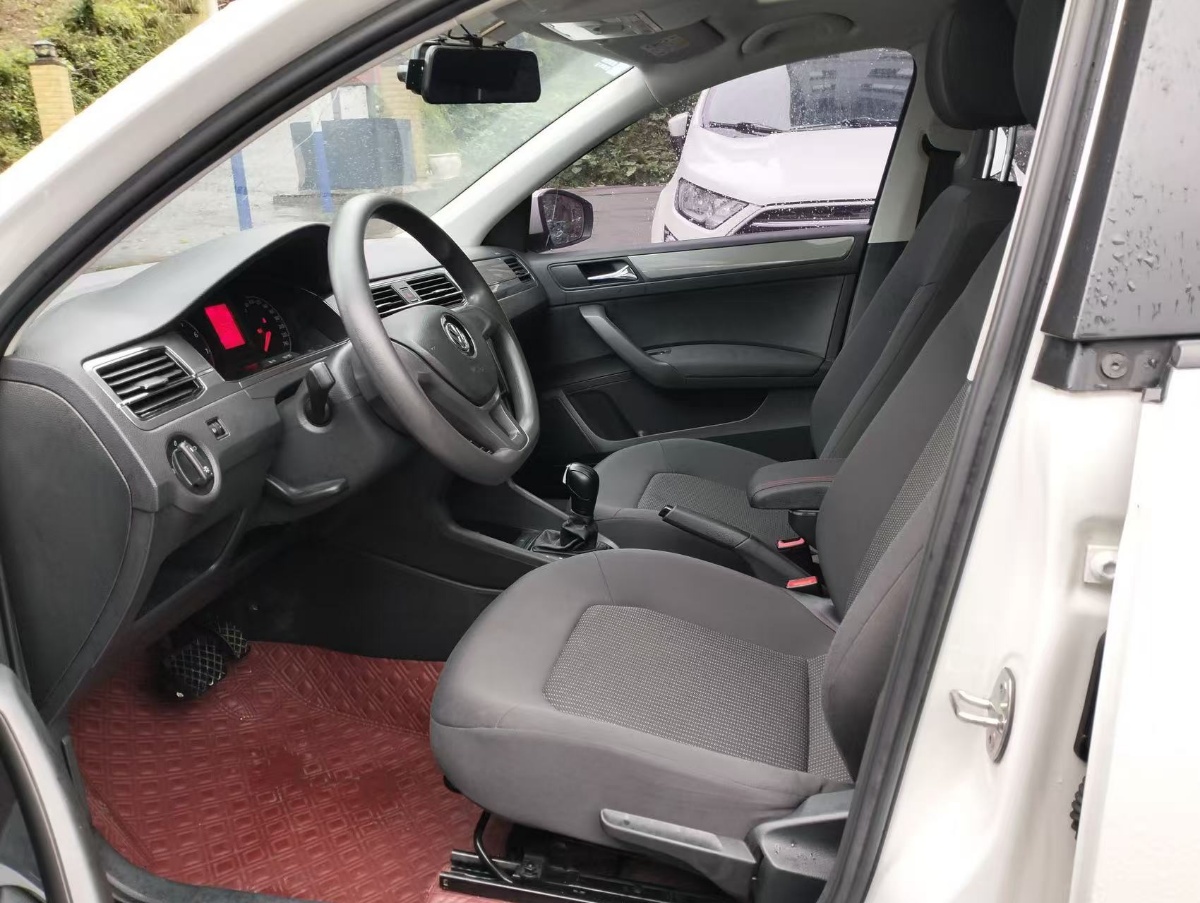
TransmissionAutomatic
Engine1.5L 112 L4
ColorWhite
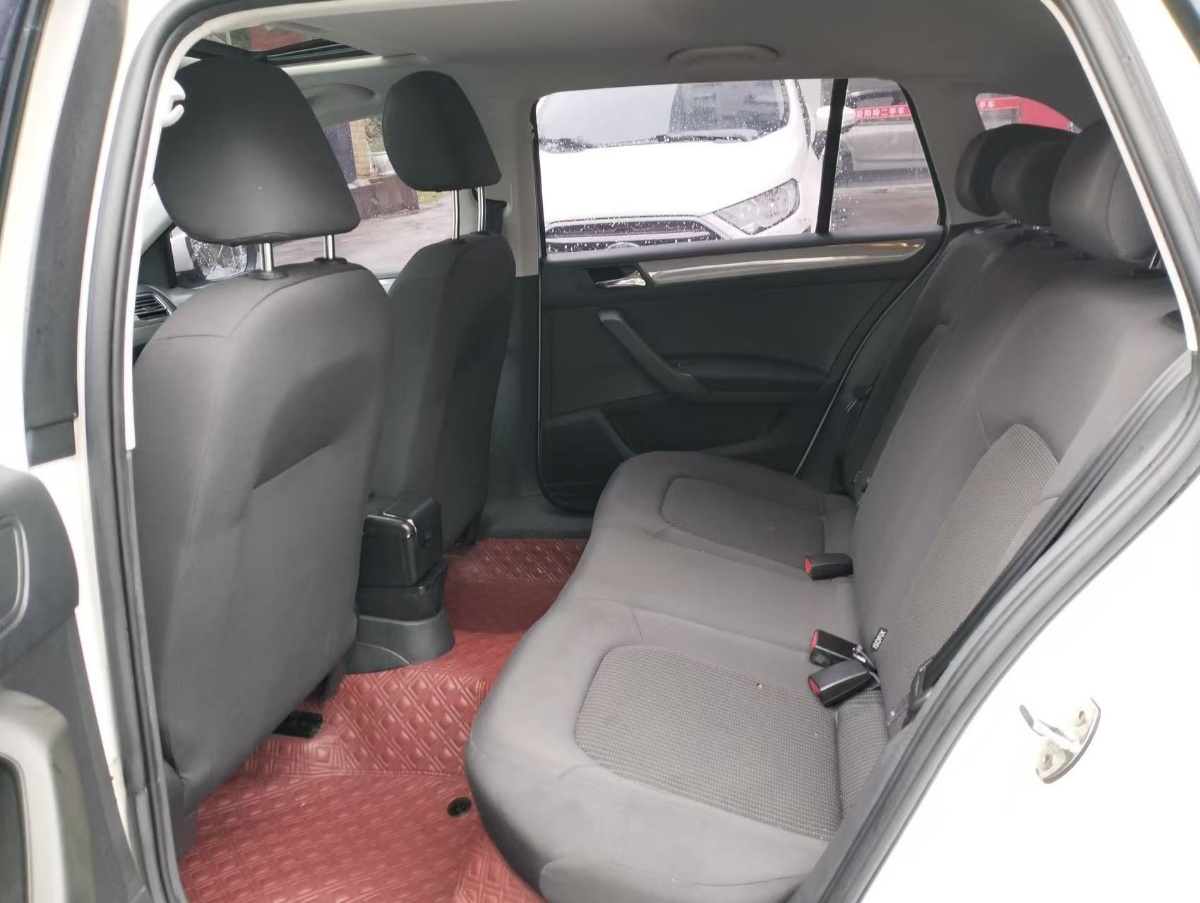
Seats5seats

Condition Description

Inspection completed by Dr. Cha.

燃油车
轿车
自动
维保开放
事故开放
查验开放

Configuration Highlights

✓品牌: 大众
✓车系: 桑塔纳
✓车型: 2019款 浩纳 1.5L 自动风尚版 国VI
✓车身类型: 轿车
✓座位数: 5
✓排量: 1.5L
✓变速箱: 自动
✓能源类型: 燃油车
✓VIN: LSVF64BR1KN184329
✓搜索关键词: 大众桑塔纳 2019款桑塔纳浩纳1.5L自动风尚版国VI

Document Information

Inspection Expiry Date2027/05
Warranty Expiry Date-
Insurance Expiry Date2027/04

Q&A

More

What documents should I prepare to import a used car from China?

Typically you will need: 1. The commercial invoice and packing list from the seller; 2. The bill of lading issued by the shipping line; 3. The vehicle's export customs declaration; 4. The original registration certificate and a deregistration or transfer proof from China; 5. A certificate of origin if your country requires it; 6. Destination-specific documents, such as a pre-shipment inspection certificate (for example ECTN for West African ports). Requirements vary by country, so confirm the full list with your customs broker before shipment.


What does a professional pre-shipment inspection in China cover, and how do I book one independently of the seller?

A proper inspection covers roughly 200 checkpoints in four areas: 1. Body and paint: panel gaps, paint thickness readings, signs of accident repair. 2. Mechanical: engine health report, transmission behavior, suspension, underbody on a lift, fluid condition. 3. Electronics: full OBD diagnostic scan, airbag history, all lights and comfort features. 4. Documentation: VIN matches everywhere, no lien or seizure record. You can book directly with inspection companies in Guangzhou, Shanghai, or Tianjin (typically USD 100–250) without going through the seller—give them the yard address and car details, and they send a report with photos and video within 1–2 days. Pay the inspection fee yourself so the inspector answers to you, not the exporter.

How to check the condition of the turbocharger (oil leaks, unusual noises, insufficient pressure) for turbocharged vehicles?

Experience turbo lag and power surge during road tests; check for significant oil accumulation at the turbo intake and intercooler connections (slight oil vapor is normal); and use OBD to read the real-time boost pressure peak to see if it meets factory settings.