


48H

Basic Information

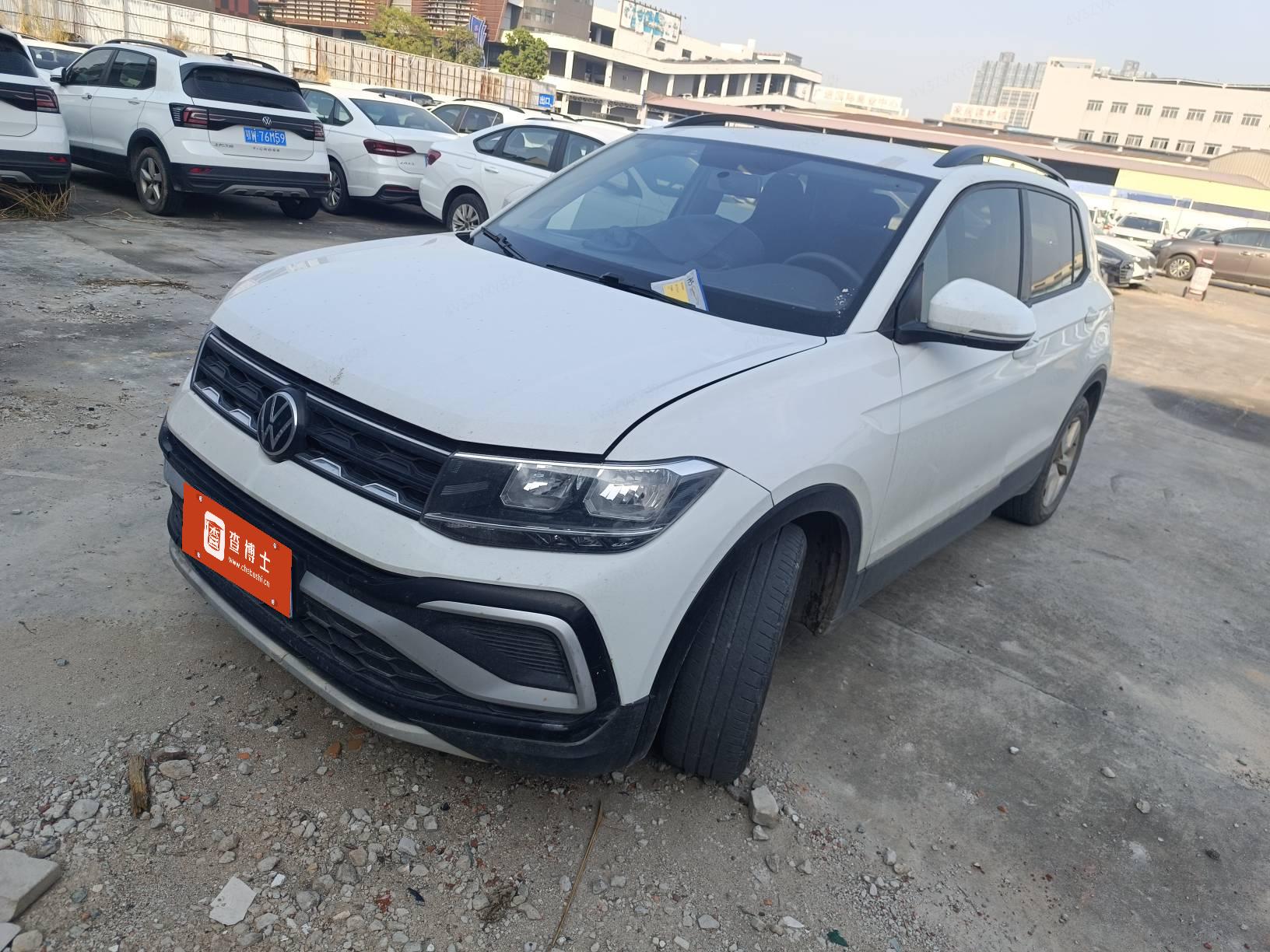
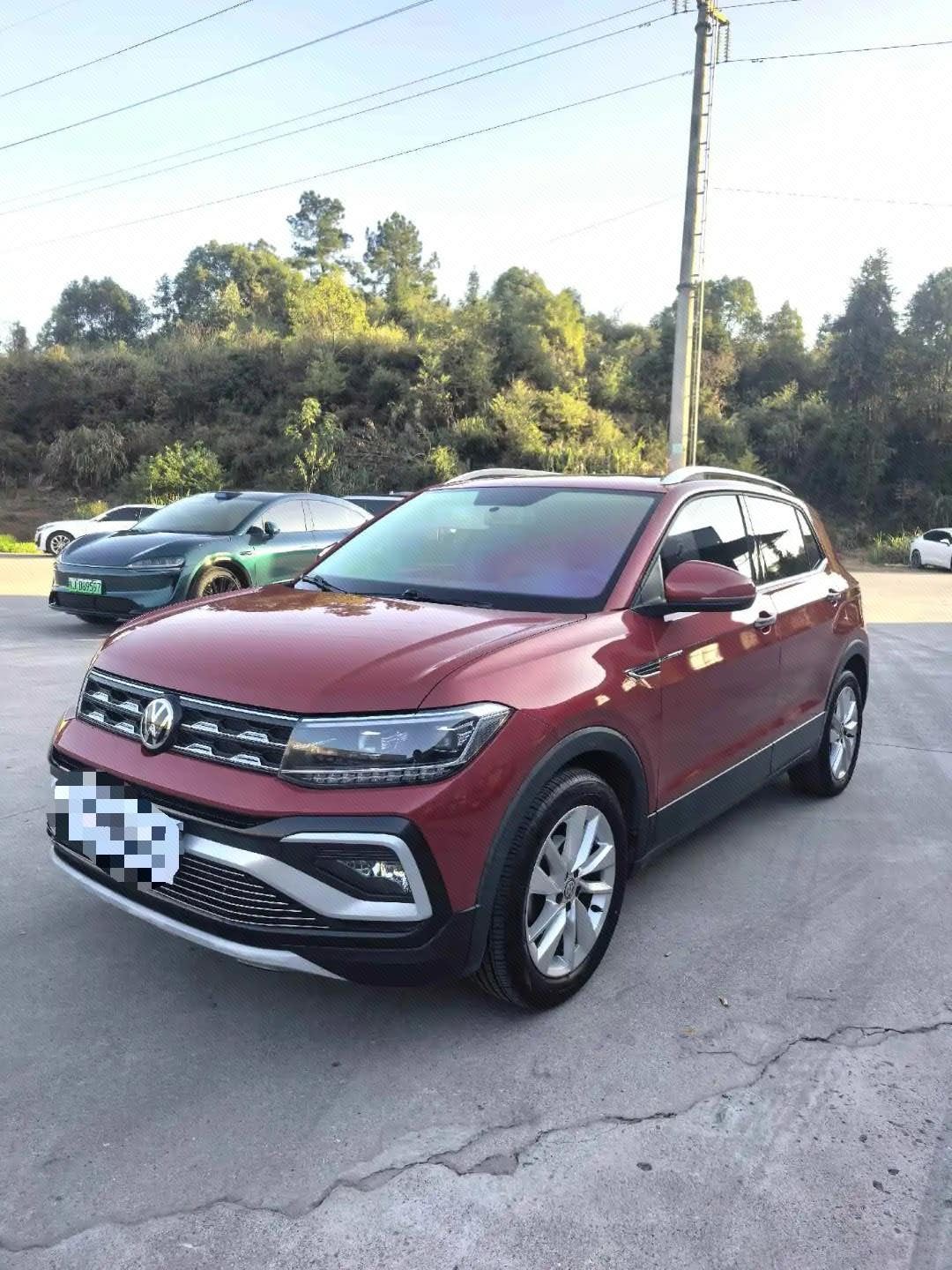
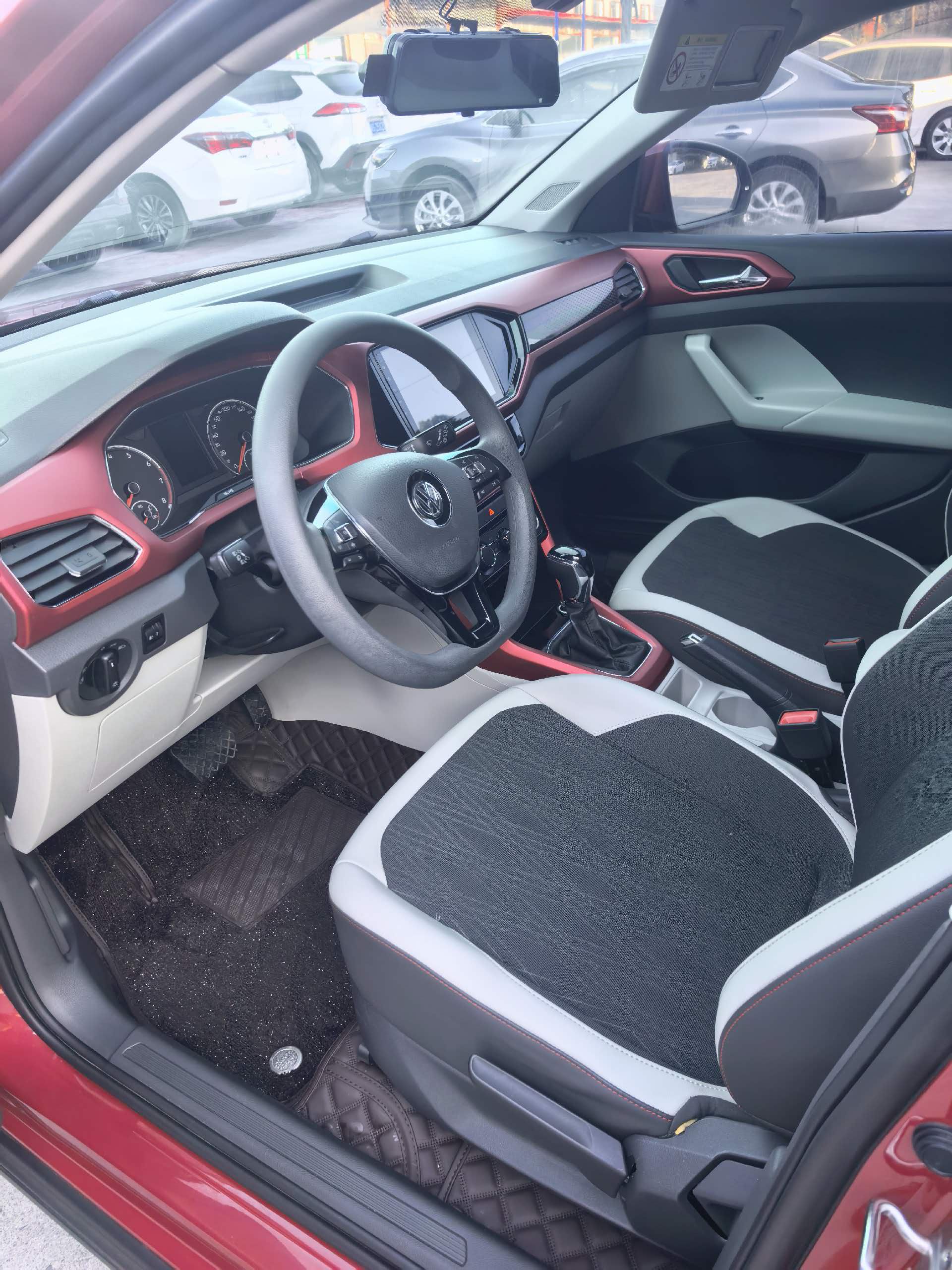
BrandVolkswagen
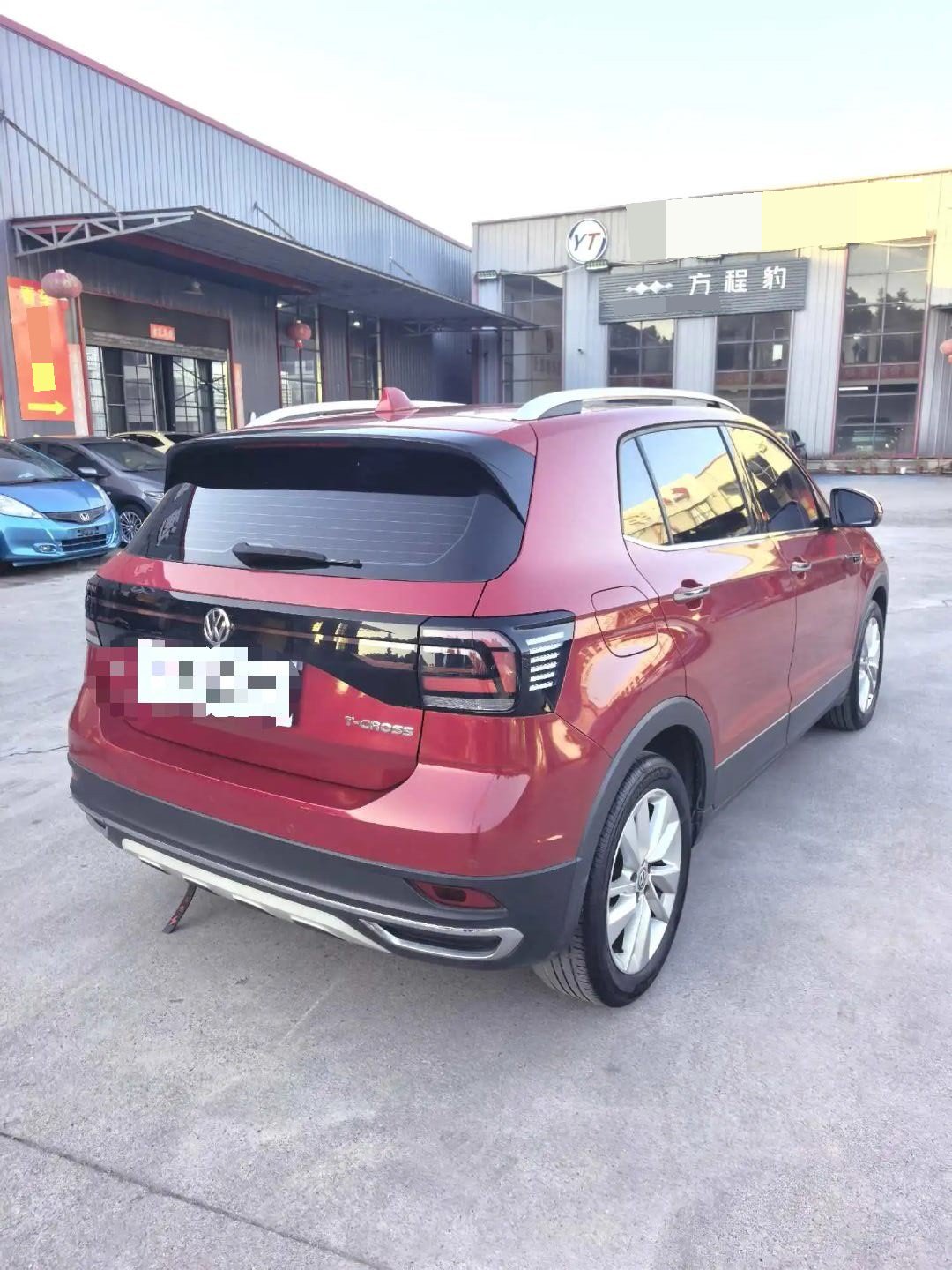
SeriesT-Cross
Year2019
First Registration2019/12
Mileage88,000km
Transfer Count0times
FuelGasoline
TransmissionManumatic
Engine1.5L 113 L4
ColorRed
Seats-

Condition Description

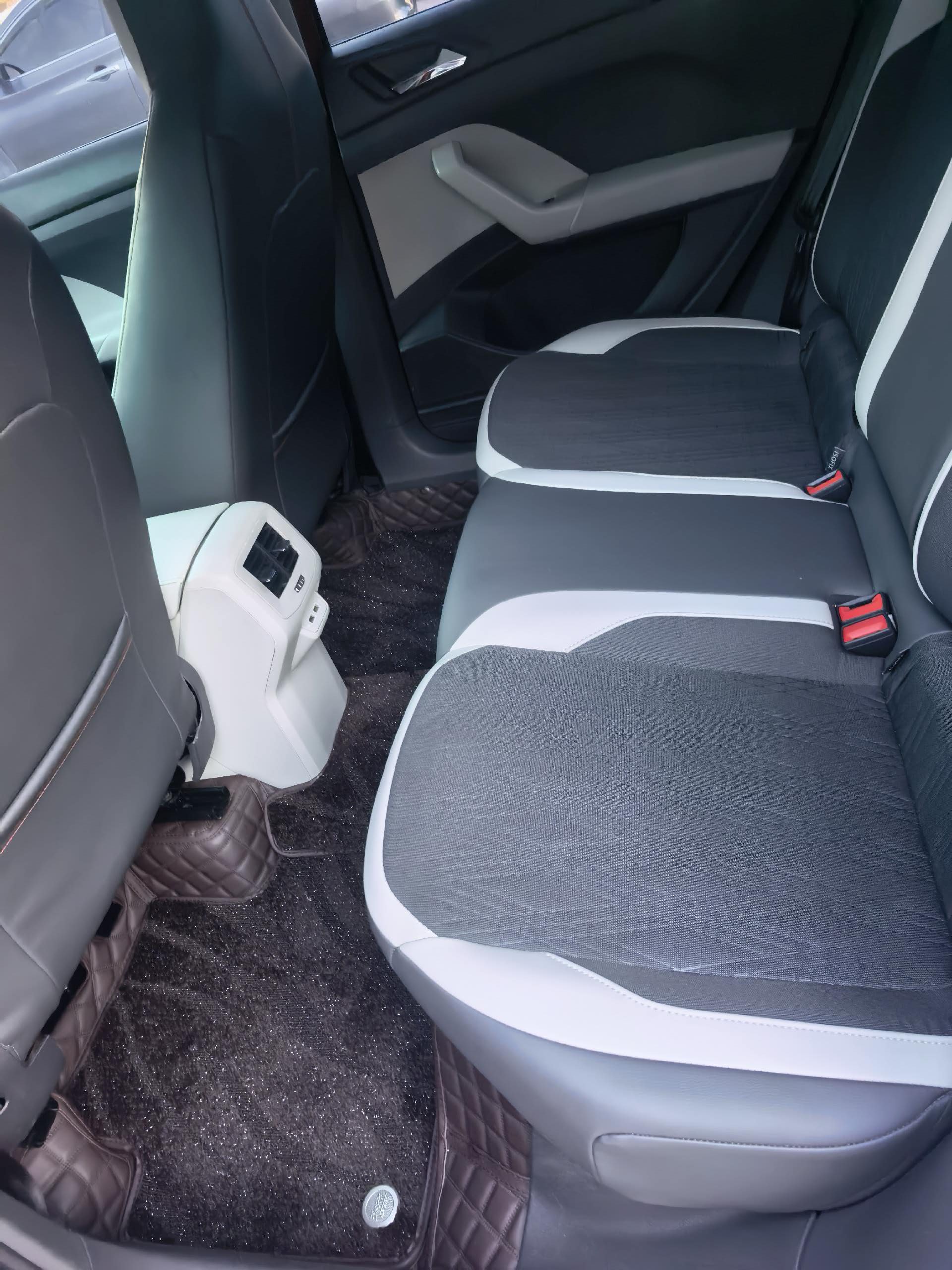
Rear bumper replaced. Four areas of sheet metal repair. Rear tail panel slightly deformed, but not a three-party (accident) vehicle.

Document Information

Inspection Expiry Date-
Warranty Expiry Date-
Insurance Expiry Date2026/12

Q&A

More

What should a purchase contract with a Chinese used-car exporter include to protect me?

A solid contract is your main protection in a cross-border deal. It should specify: 1. Vehicle identification: VIN, year, mileage, trim level, and photos of the actual car appended as an annex — not just「a 2021 Toyota」. 2. Condition guarantees: no accident, no flood or fire damage, no structural repairs, supported by a third-party inspection report referenced in the contract. 3. Price and Incoterm: total amount, currency, the named port, and whether freight and insurance are included. 4. Payment schedule: e.g., 20–30% deposit after contract signing, balance against copy of the Bill of Lading. Avoid 100% upfront. Use T/T to the company's corporate bank account only — never a personal account. 5. Timeline: inspection date, estimated loading date, and latest shipment date, with remedies if delayed. 6. Dispute clause: governing law and arbitration (CIETAC or your local chamber) rather than foreign court litigation. Ask for the contract in English (or bilingual) with the supplier's company chop. A company that refuses a written contract or pushes for full prepayment is a red flag.


Is there specific data on paint thickness? How can we determine if it's the original factory paint?

We use a calibrated high-precision paint thickness gauge to take multiple measurements on at least 13 metal surfaces of the entire vehicle. The original paint thickness of mainstream Chinese models typically ranges from 90μm to 150μm. If any area exceeds 200μm or even reaches over 500μm, we will directly conclude that the area has undergone bodywork and filler repair.

How do you detect carbon buildup and wear inside the engine using technology without deep disassembly?

We use two steps: 1. Insert a medical-grade endoscope through the spark plug hole to visually inspect cylinder wall scratches and carbon buildup on the piston top; 2. Extract an engine oil sample to check for large metal debris or emulsification (caused by coolant leakage).