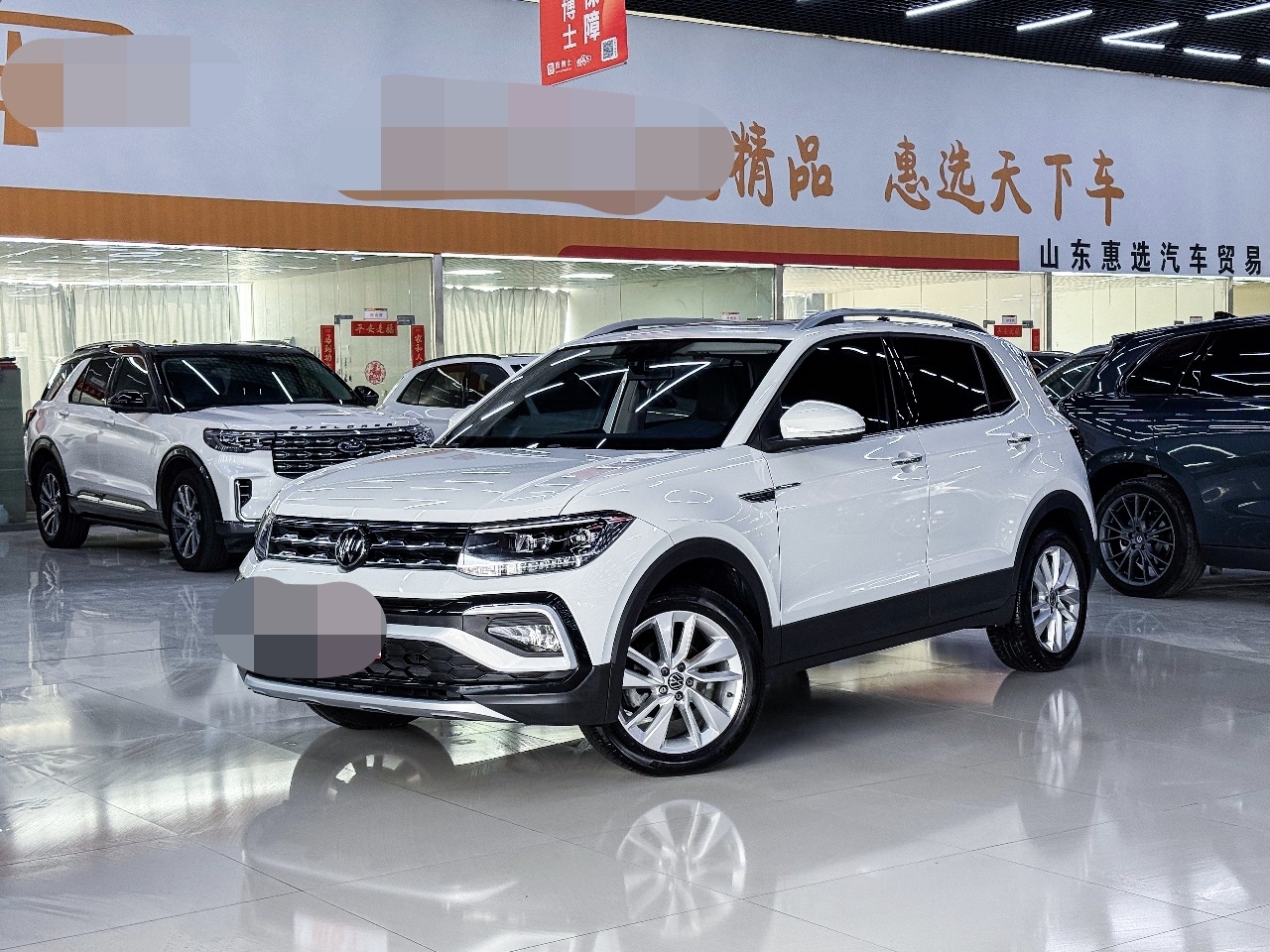
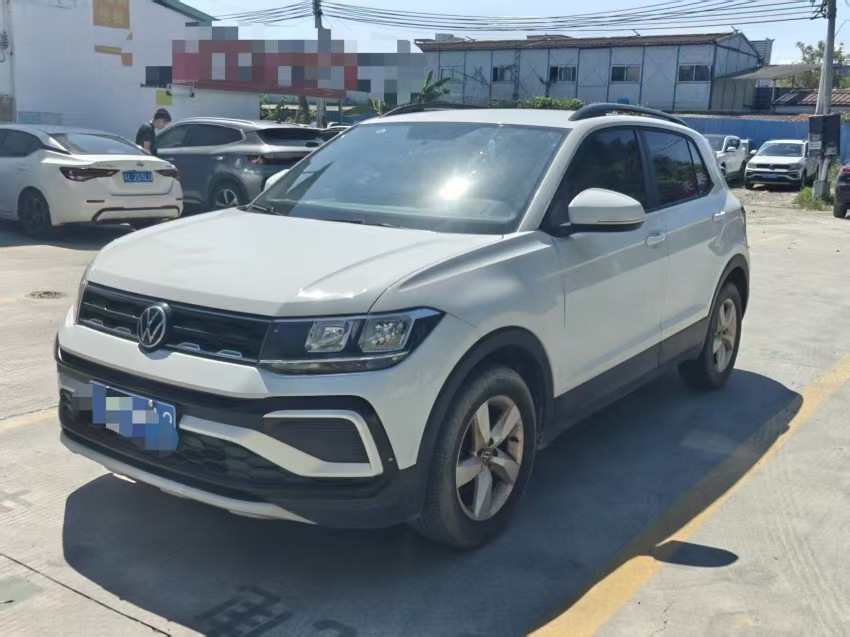
Basic Information

BrandVolkswagen
SeriesT-Cross
Year2019
First Registration2019/11
Mileage68,400km
Transfer Count-
FuelGasoline
TransmissionDCT
Engine1.4T 150 L4
ColorWhite
Seats-

Condition Description

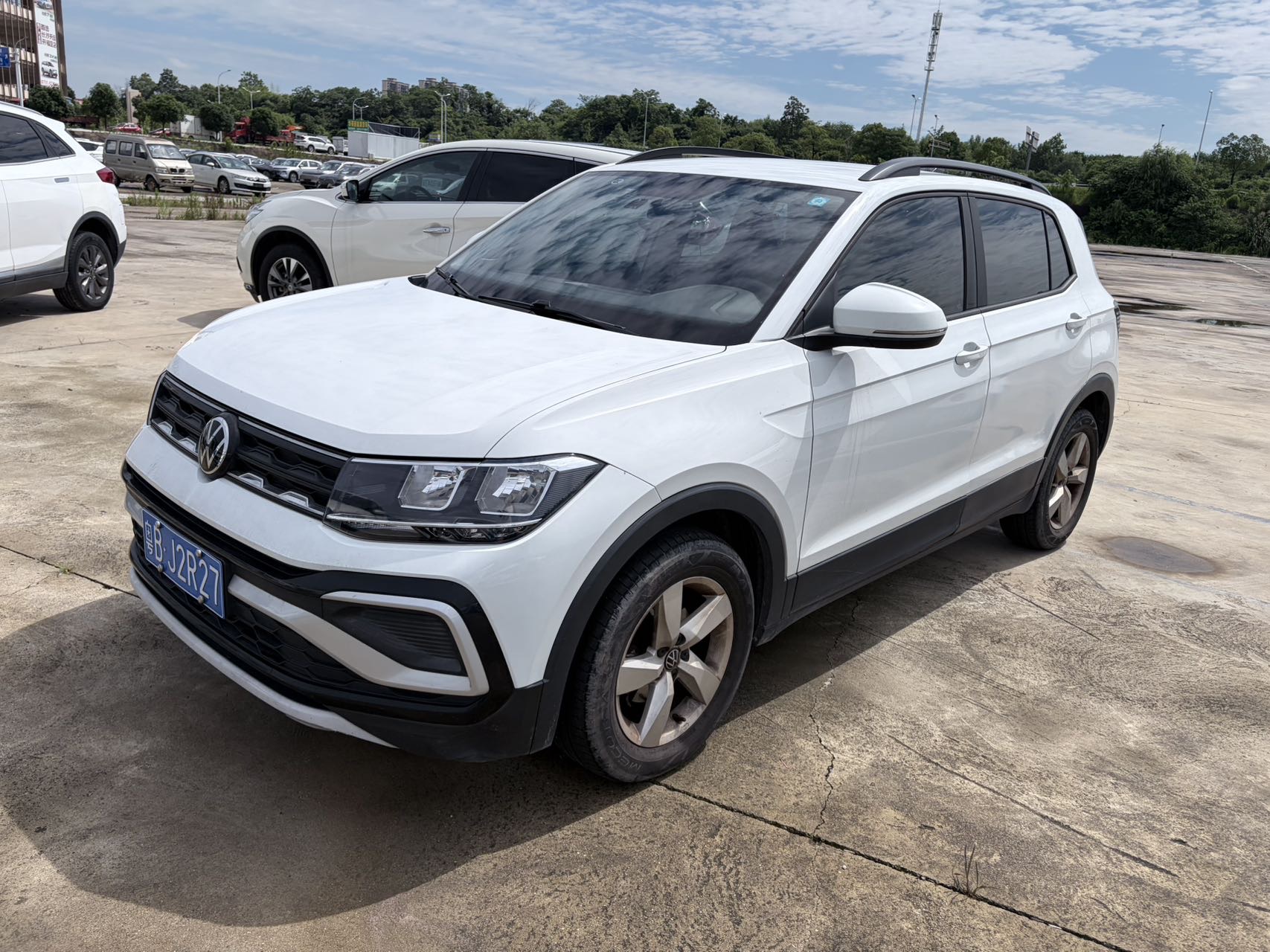
Localized body damage or repair marks present. No accident-related damage or repairs to structural or reinforcement components. Vehicle performance (including three-electric system) has degraded or is limited.

Accident inspection: main structure undamaged, reinforcement components damaged, cover panels damaged, hinges normal. Engine bay inspection: key mechanical components normal. Exterior: none. Interior: most features normal, airbag system normal, seatbelts normal, dashboard normal, instrument check normal, lighting system normal. Startup check: main components normal. Onboard tools: none.

电话直连
可讲价
平台物流
可转售
VIP车源
零过户
新检测标准升级>
必卖车源
非泡水

Document Information

Inspection Expiry Date2027/11
Warranty Expiry Date-
Insurance Expiry Date2026/11

Q&A

More

Can you handle the complex communication regarding Scrap Tax and e-PTS for the Russian market?

Our responsibility ends with delivering the vehicle to the Russian border or Far East port and providing the legal Chinese export documents. The payment of Scrap Tax, application for SBKTS (Vehicle Structure Safety Certificate), and activation of the final e-PTS electronic passport must be fully handled by the Russian buyer and their local customs broker.
How to ensure that the declared value on the export license matches the commercial invoice exactly to avoid allegations of underreporting for tax evasion?

Our legal red line is that the amounts on the China Customs declaration, export license, commercial invoice, and bank receipt must be consistent across all four documents. We firmly refuse to engage in the illegal act of issuing "false low-value invoices" to assist buyers in evading customs duties in the destination country.

How is liability defined if the battery pack is damaged during long-distance sea transport due to extreme temperatures?

This is considered a force majeure risk. We will require the vehicle's state of charge (SOC) to be maintained in a safe dormant range of 30%-50% before loading, and we will insure you for all marine risks under CIF terms. If the battery suffers thermal runaway total loss due to abnormal cargo hold temperatures, the insurance company will compensate.