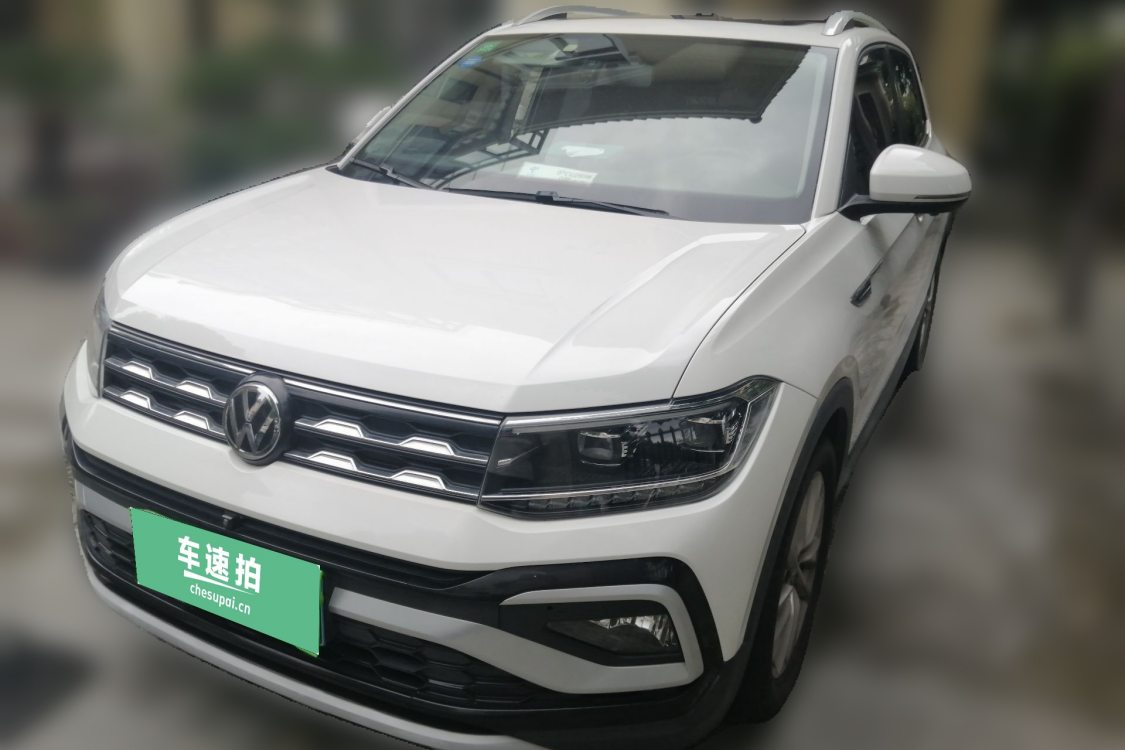
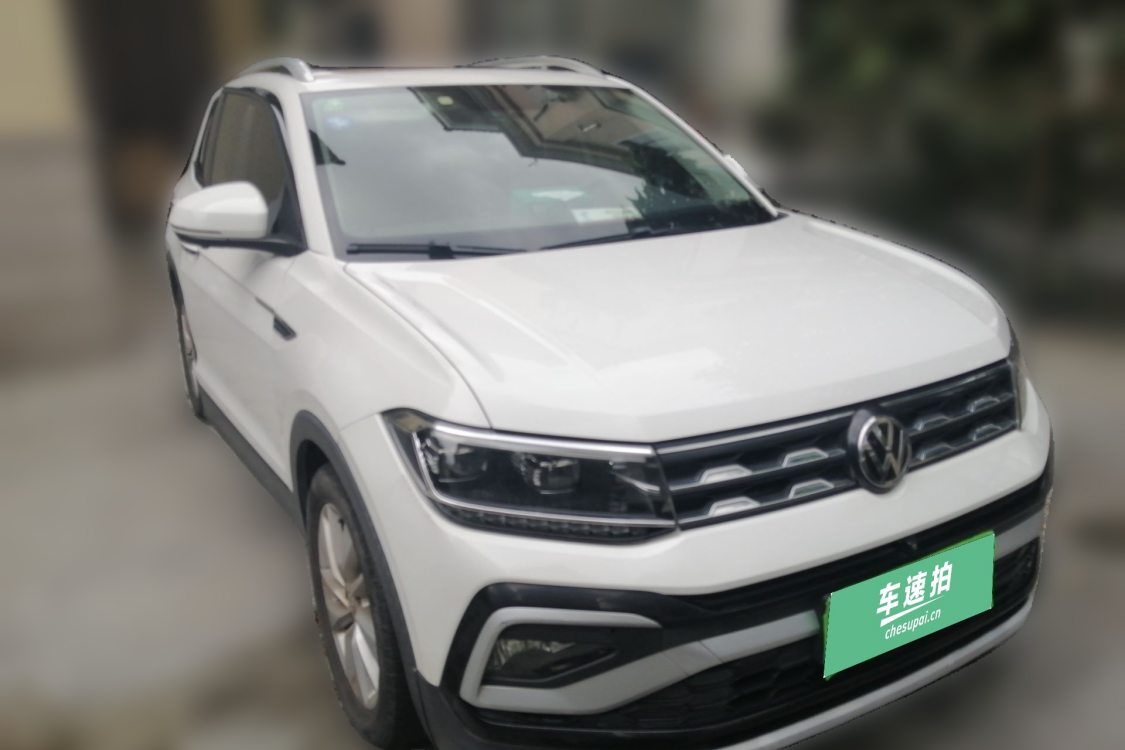
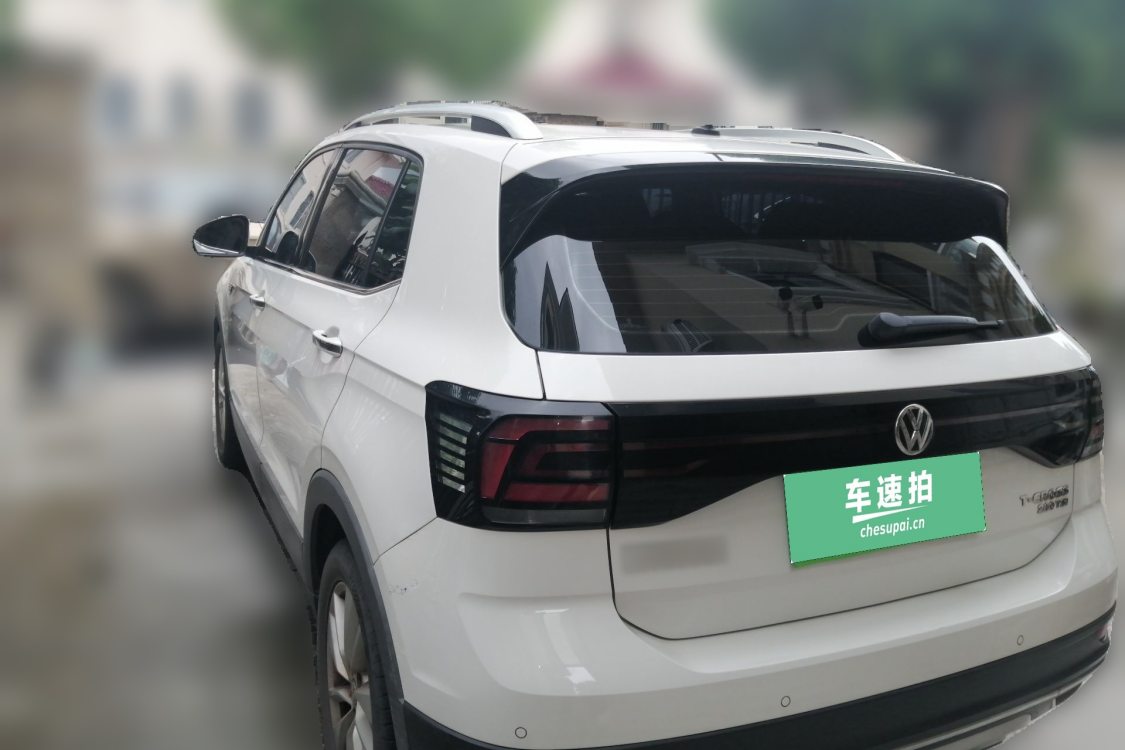
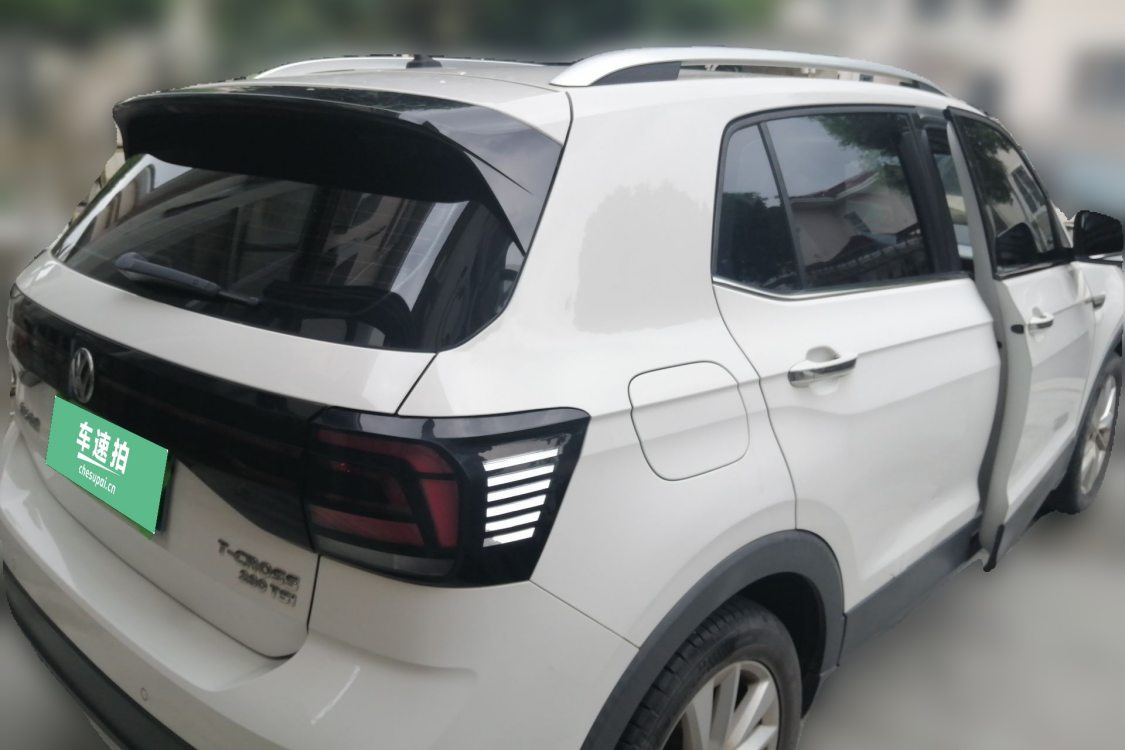
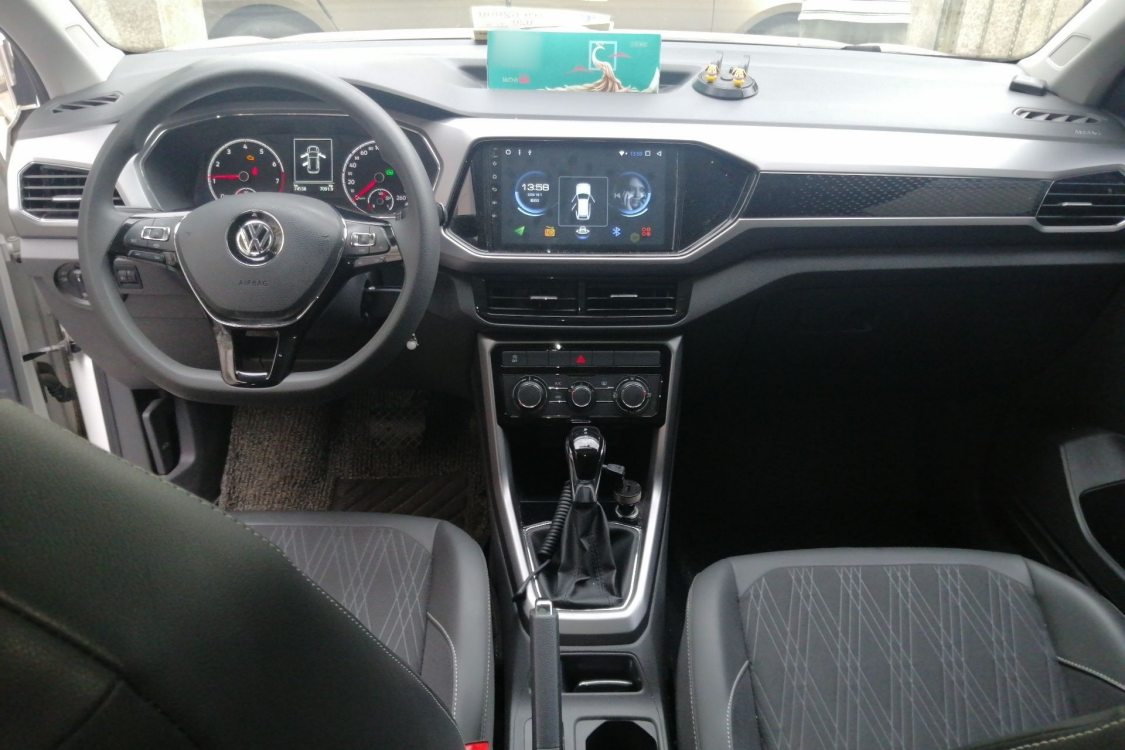
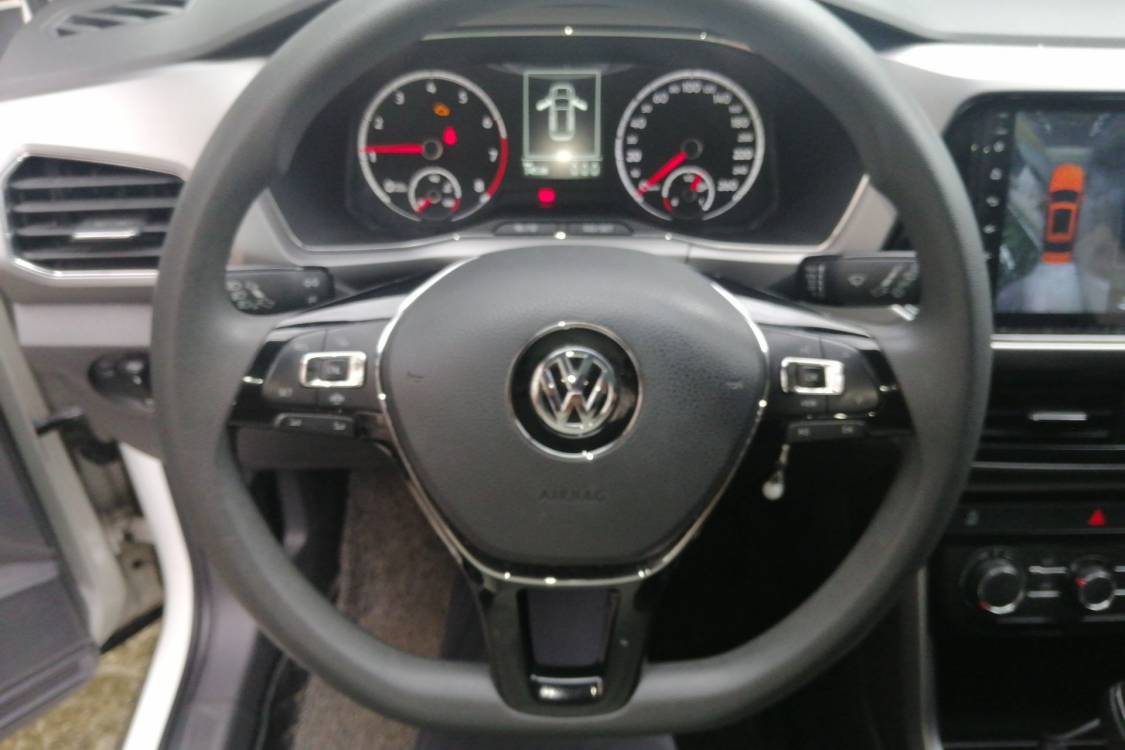
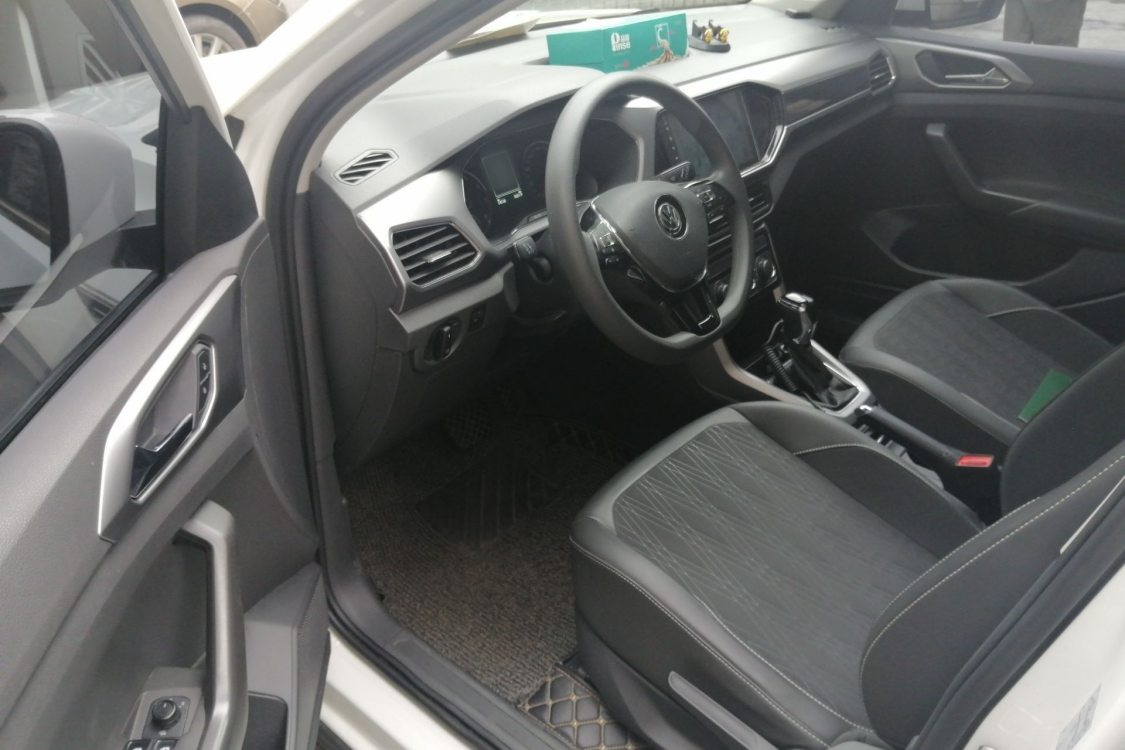



Basic Information

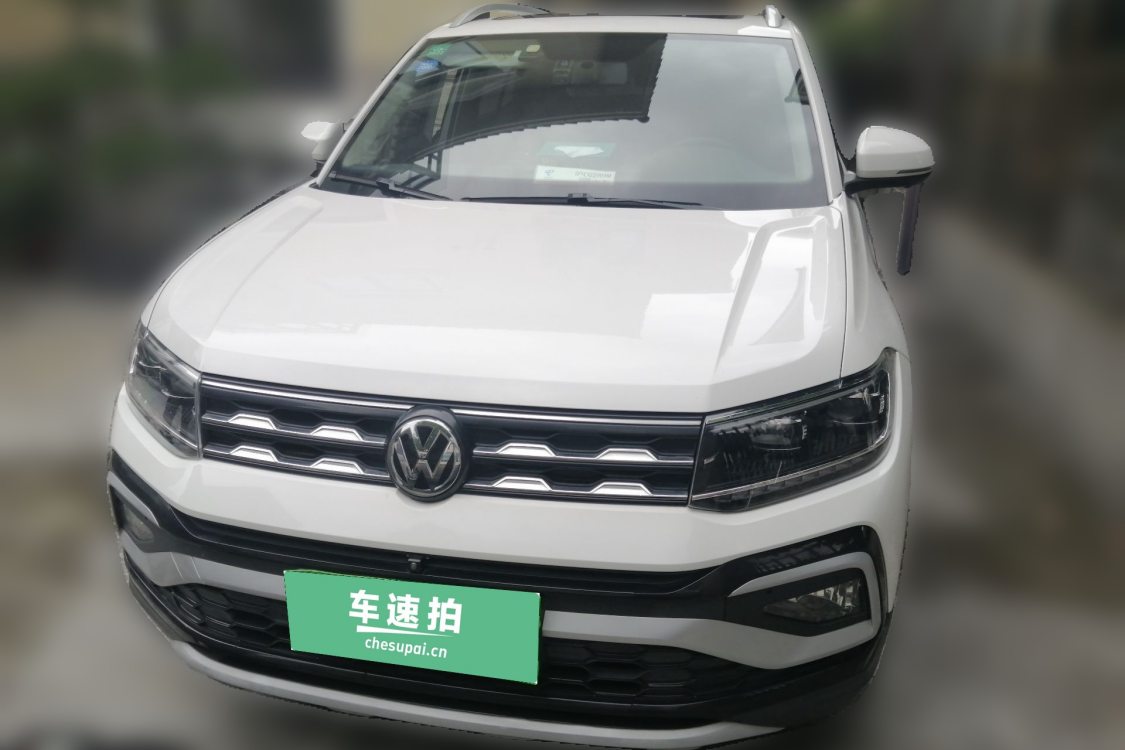
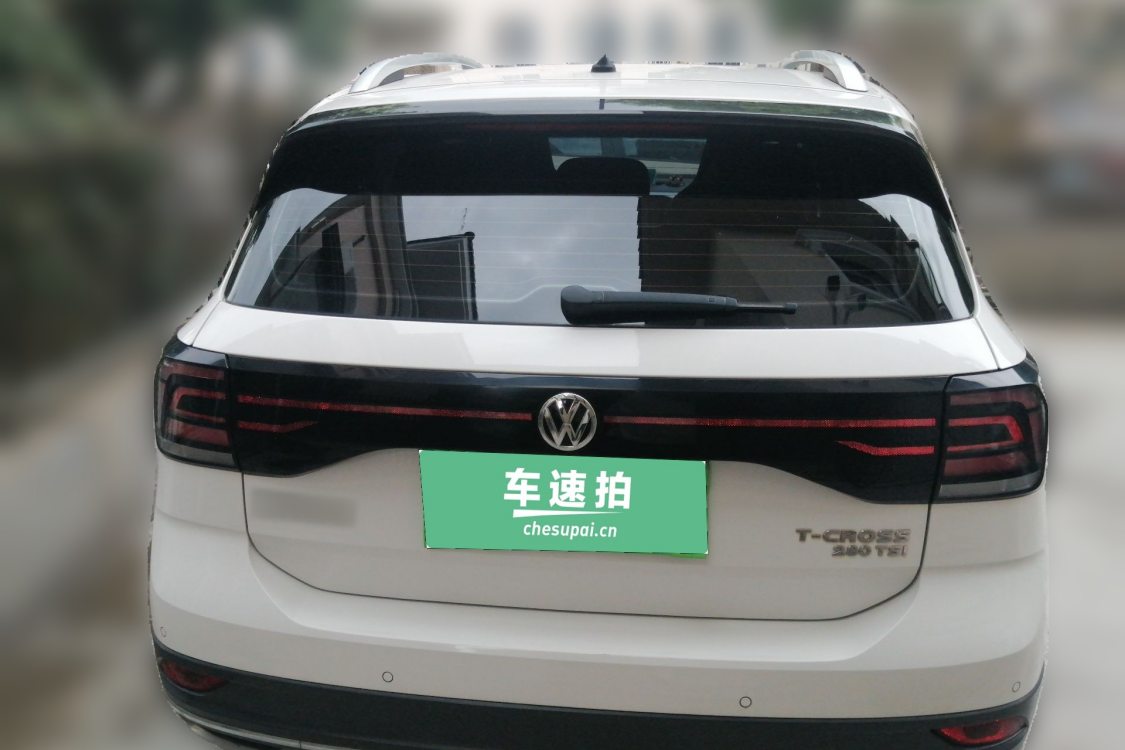
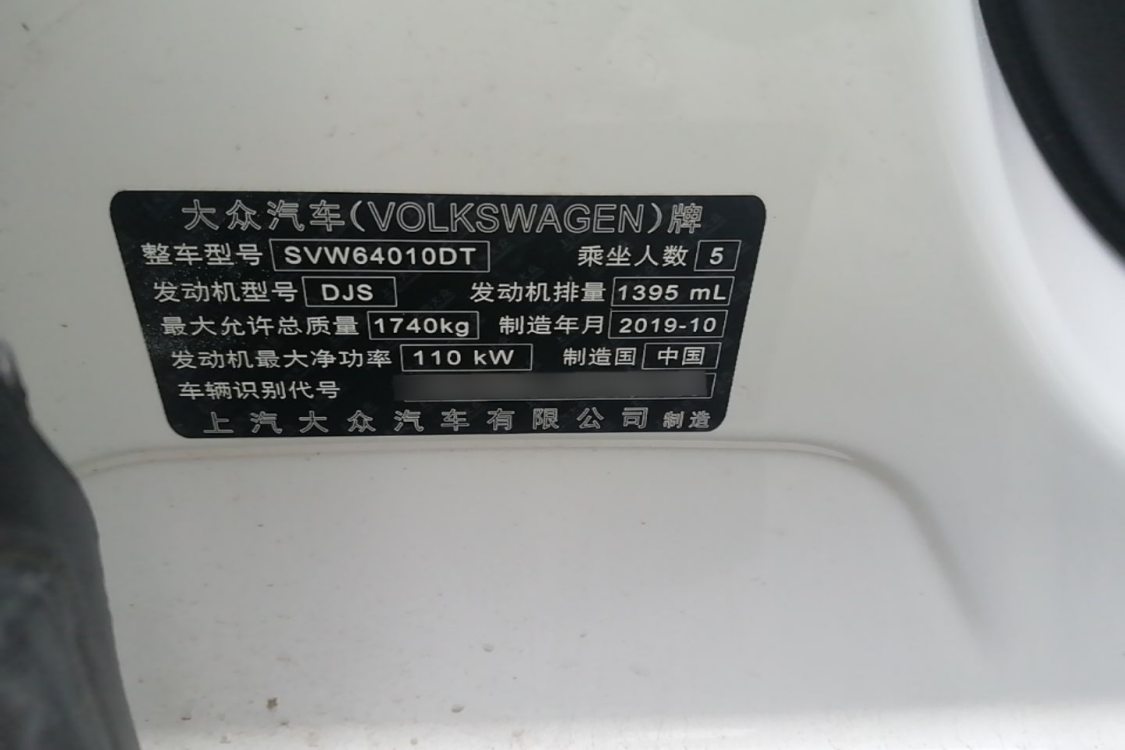
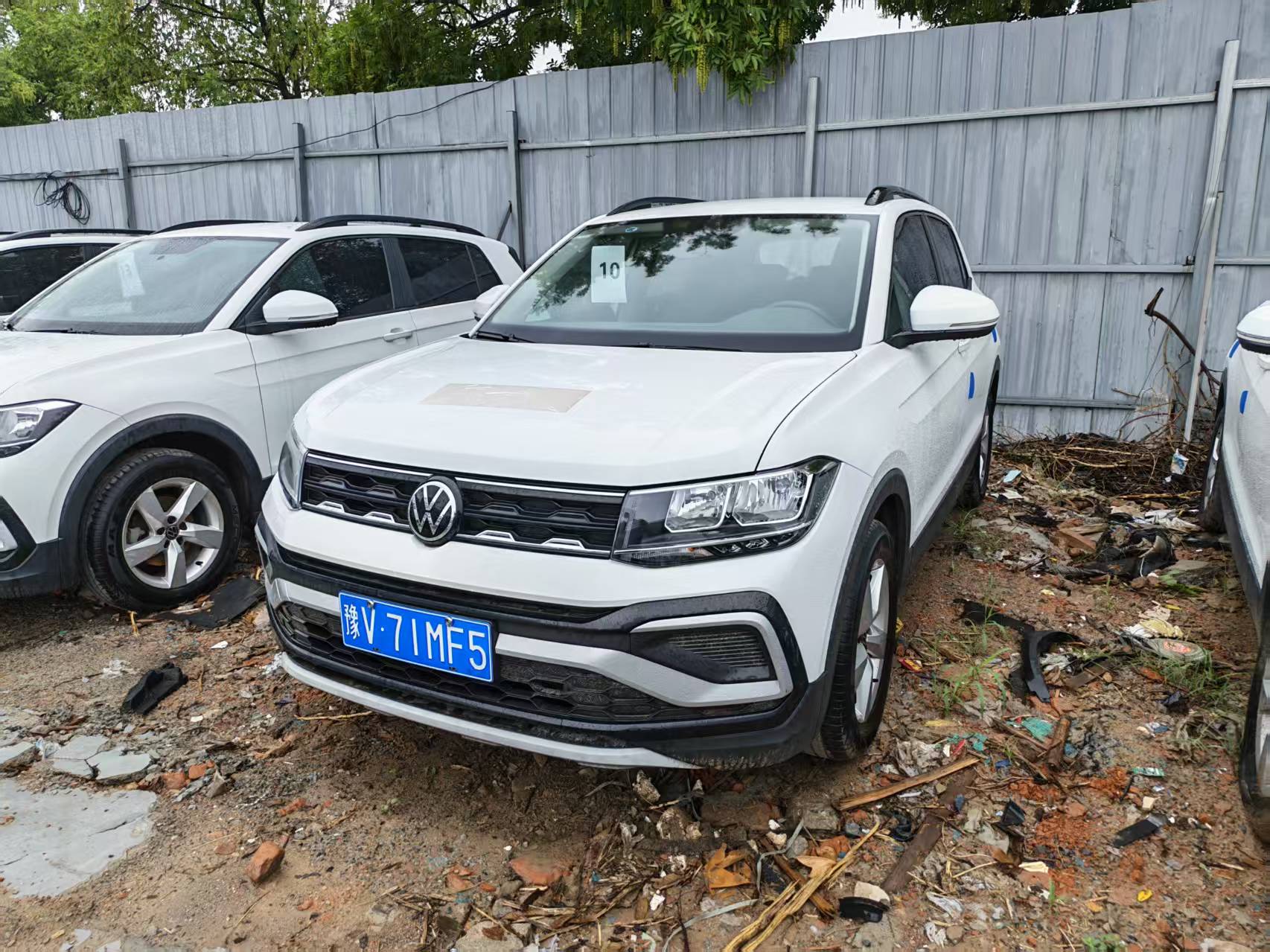
BrandVolkswagen
SeriesT-Cross
Year2019
First Registration2019/11
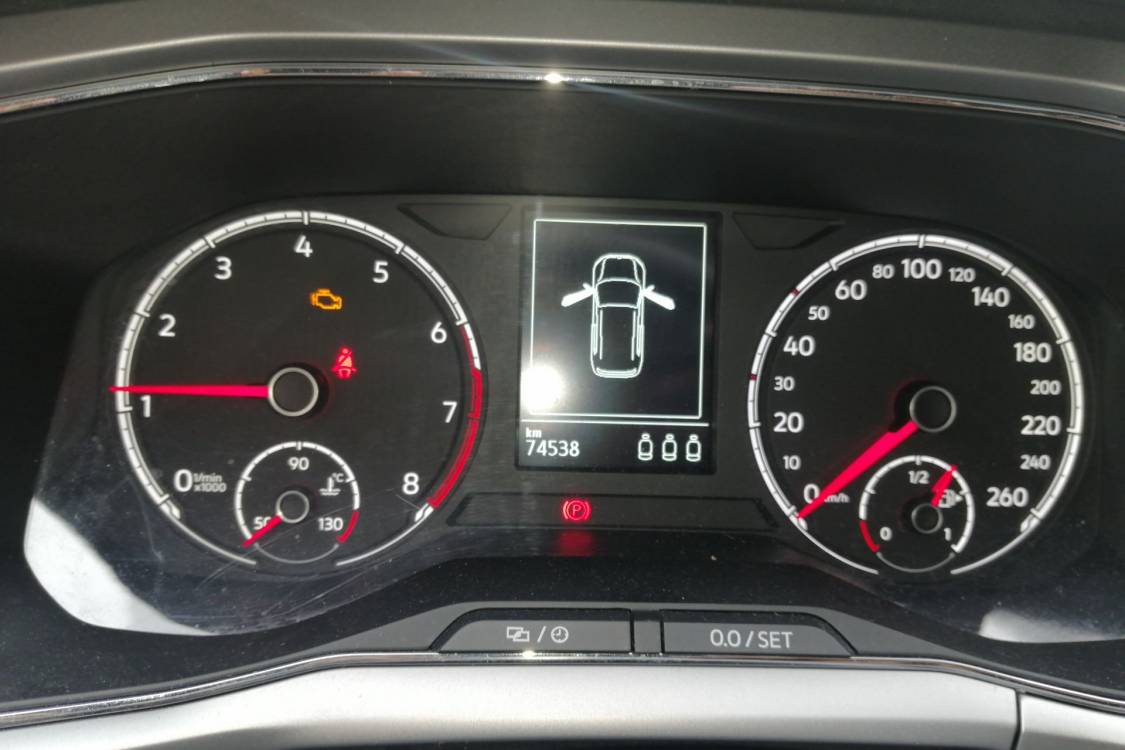
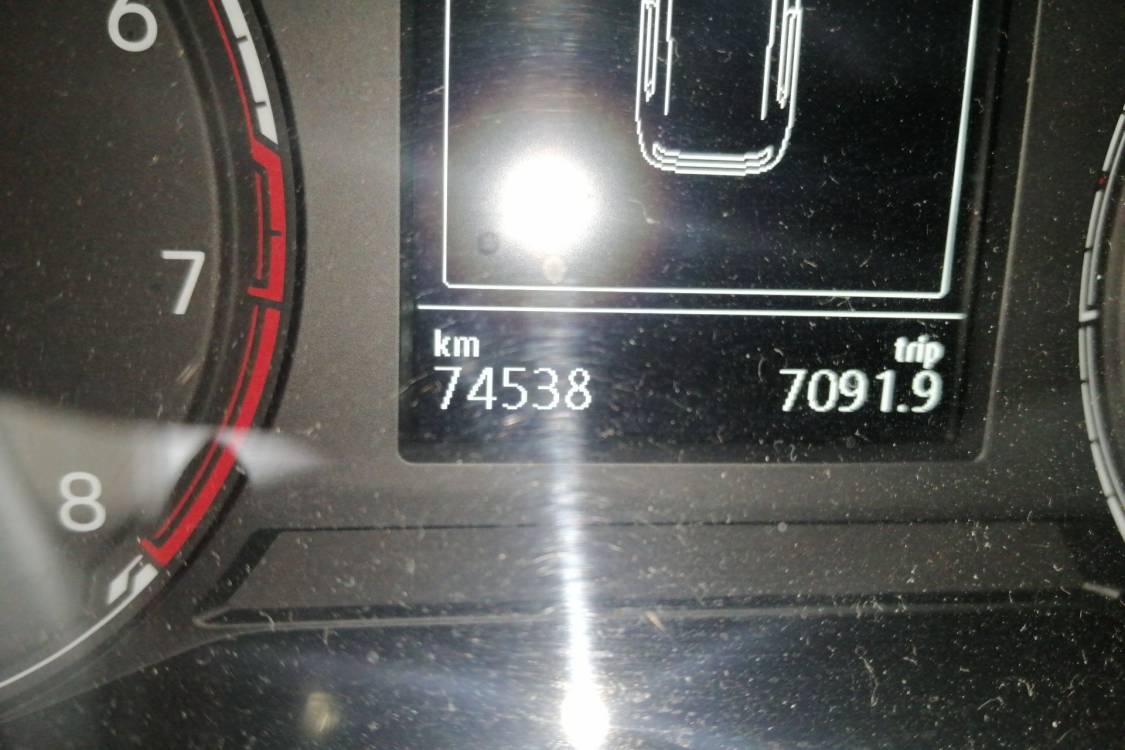
Mileage74,500km
Transfer Count1times
FuelGasoline
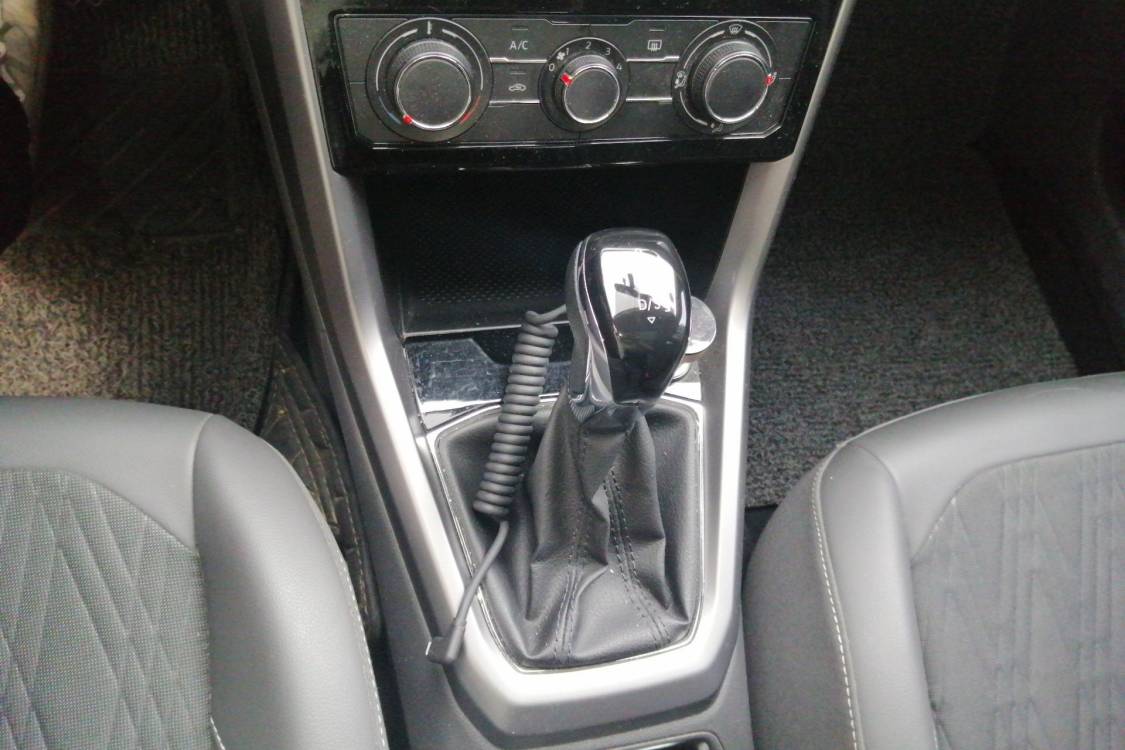
TransmissionDCT
Engine1.4T 150 L4
ColorWhite
Seats-

Condition Description

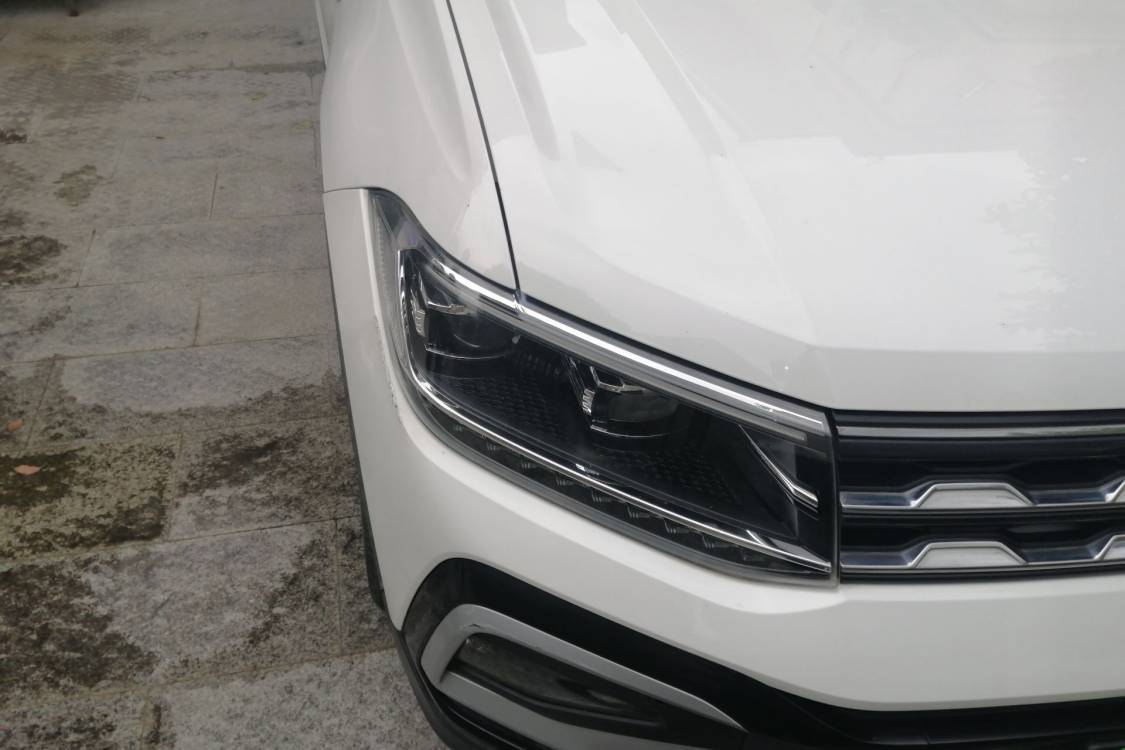
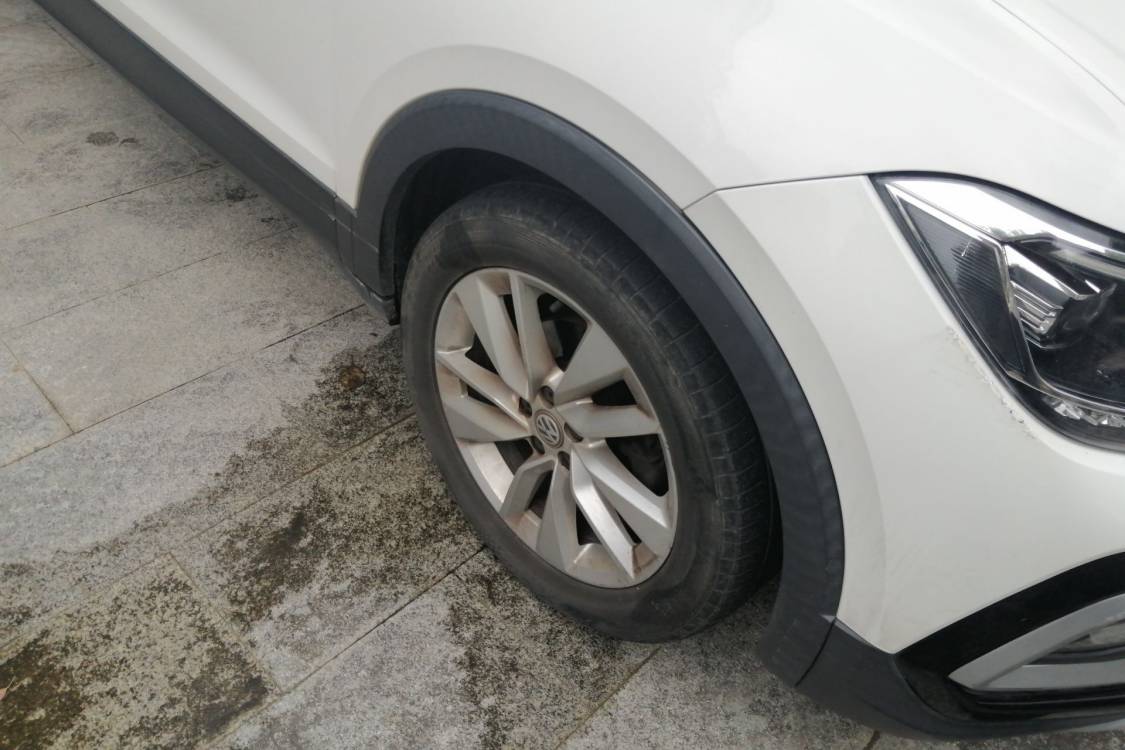
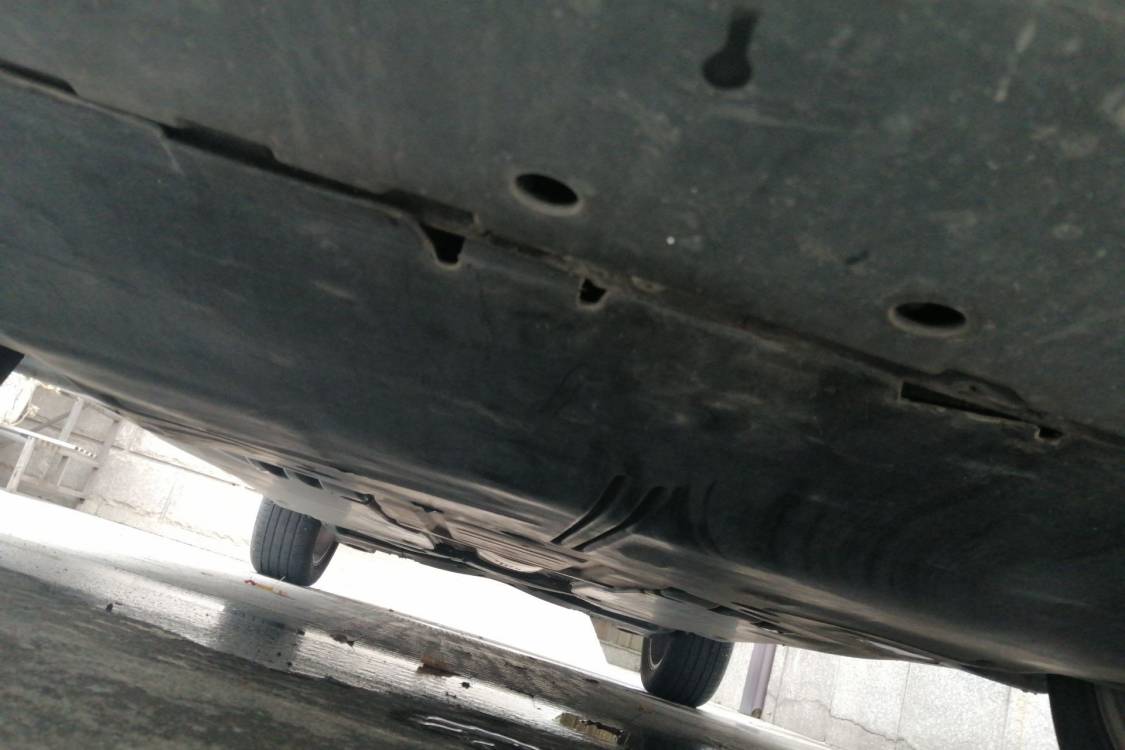
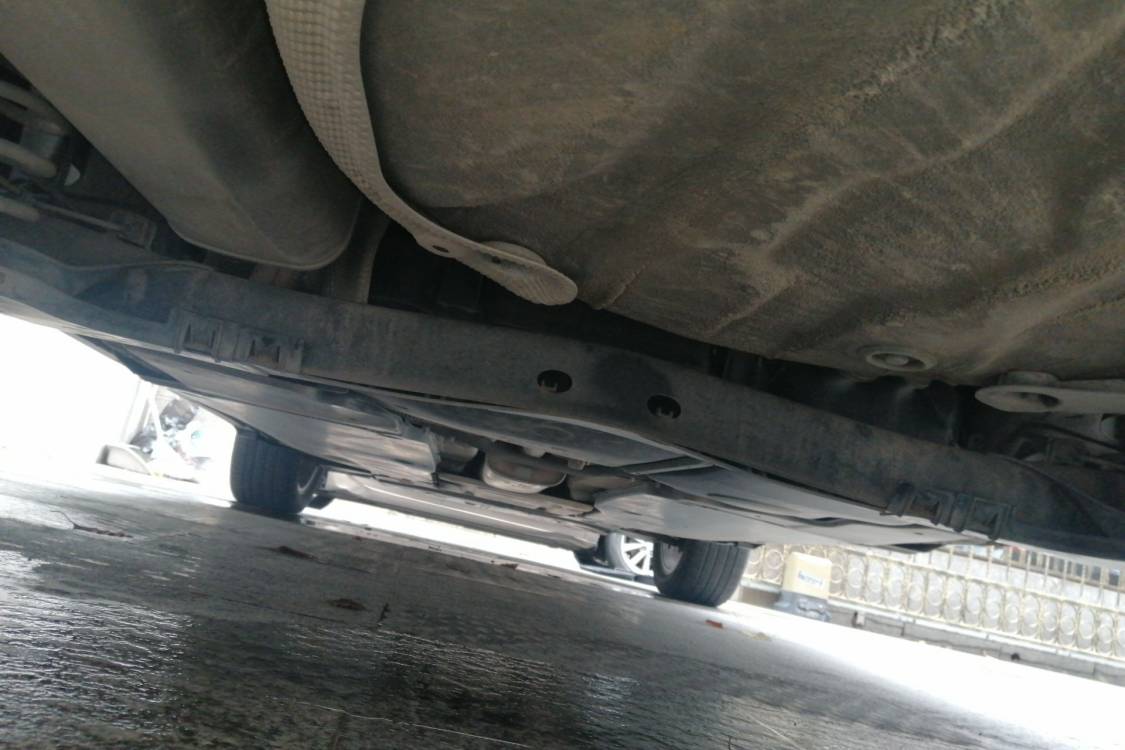
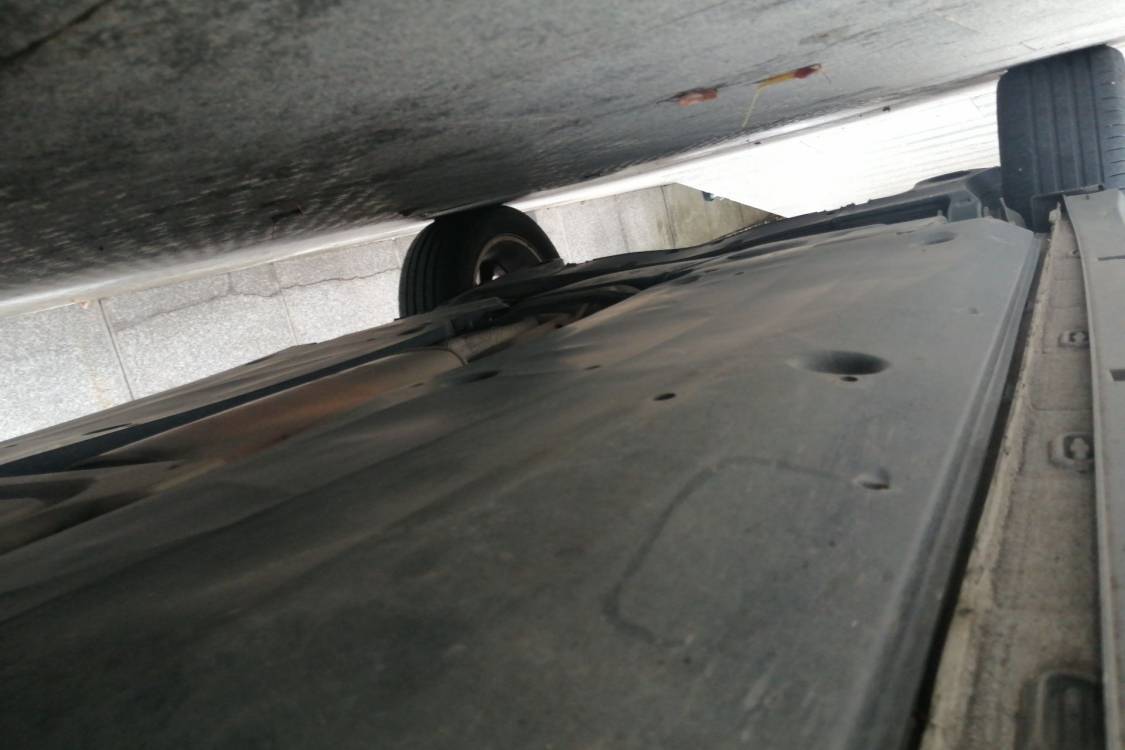
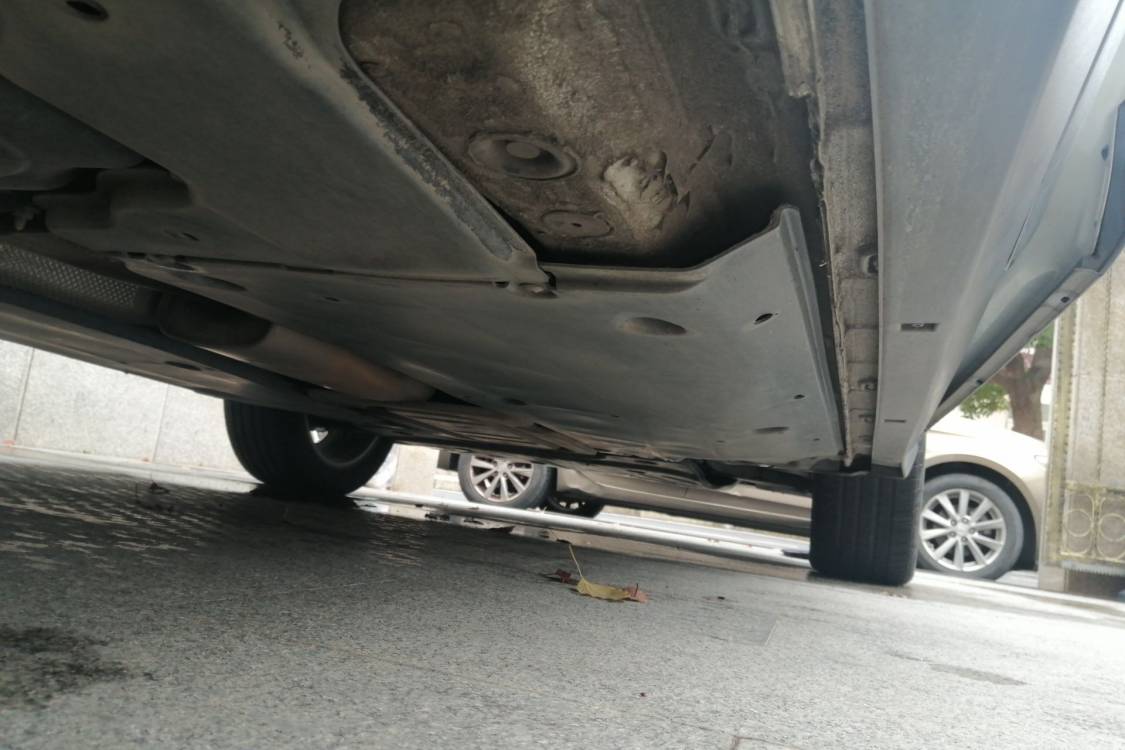
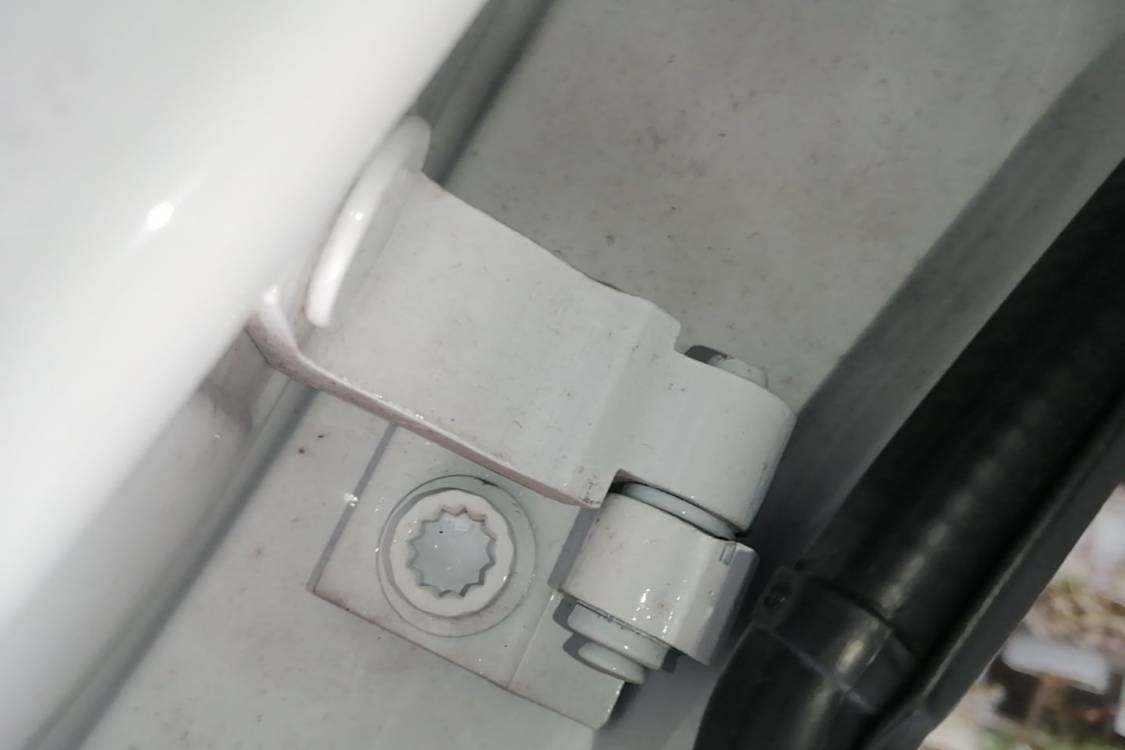
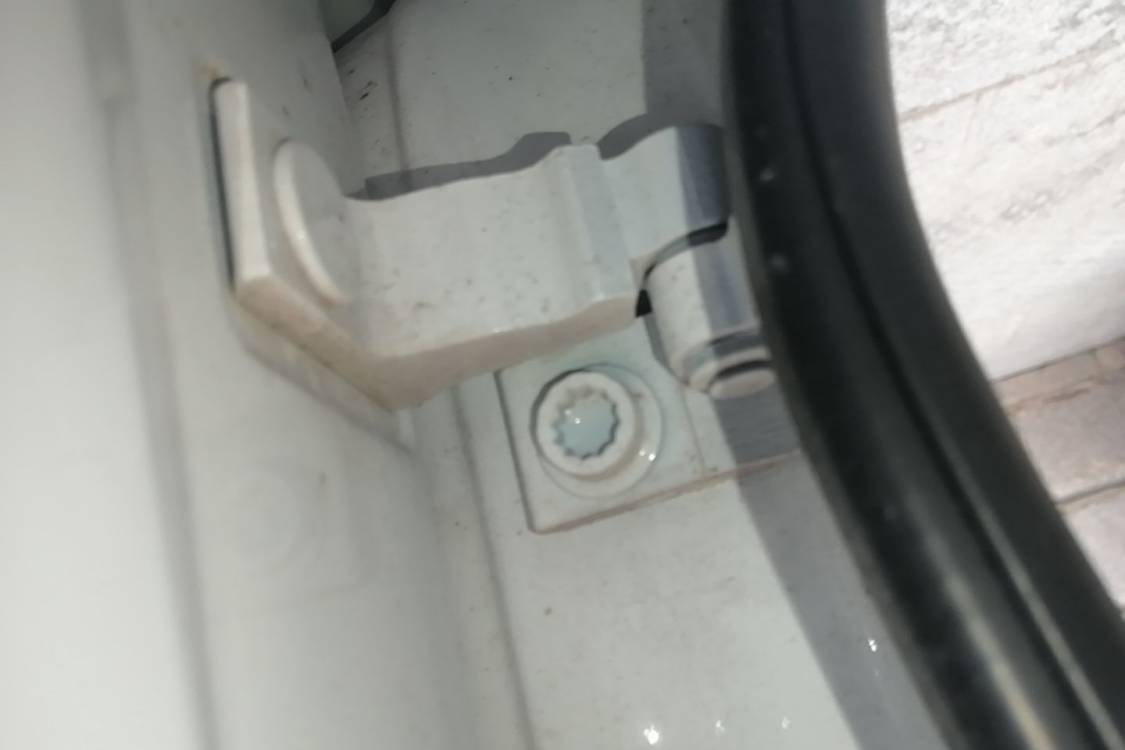
Localized body damage or repair marks present. No accident damage or repairs to structural or reinforcement components. Vehicle performance (including three-electric system) has degraded or is limited.

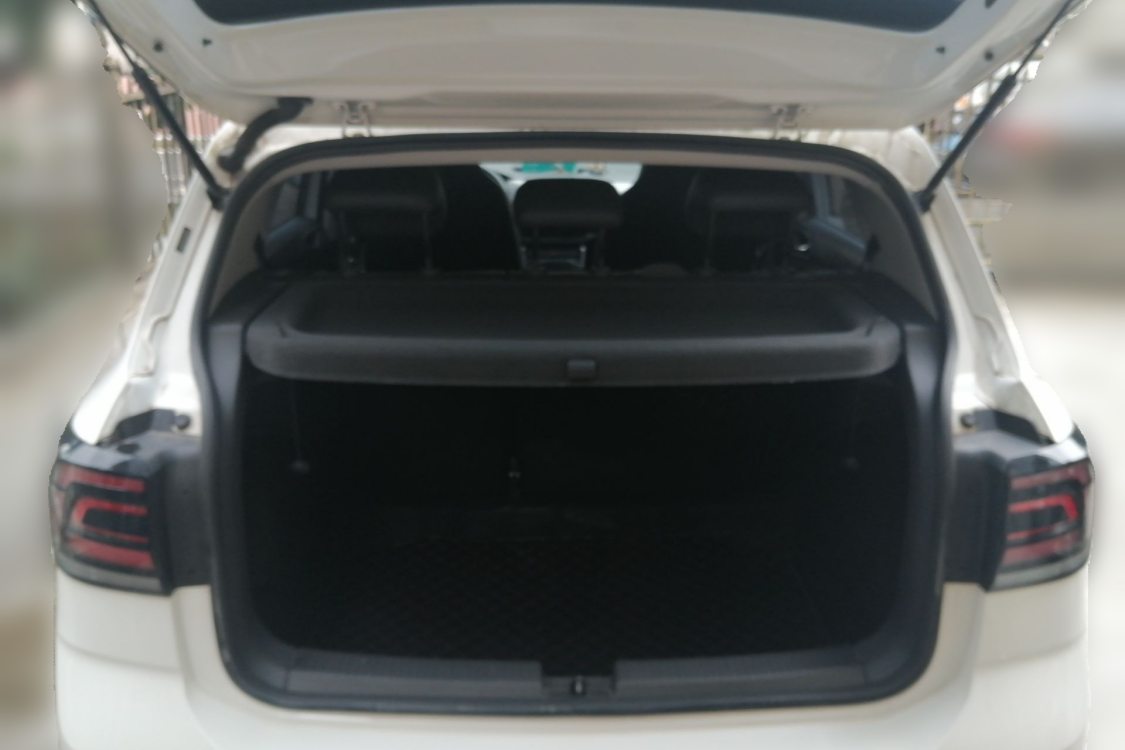
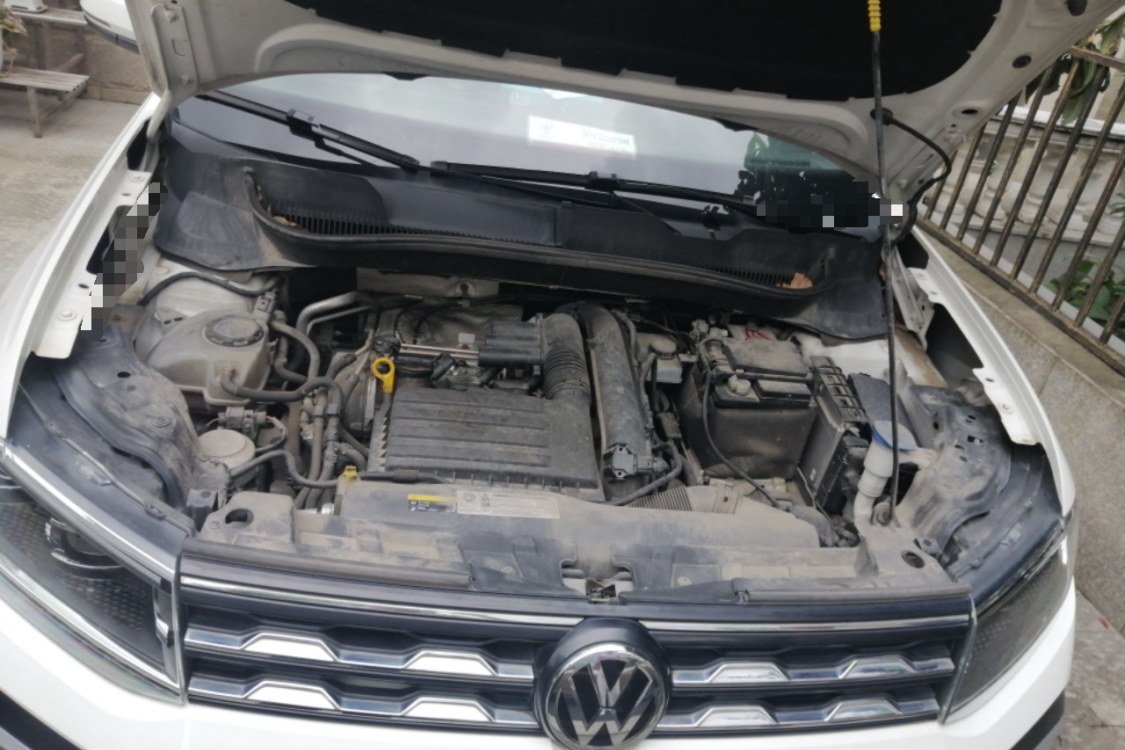
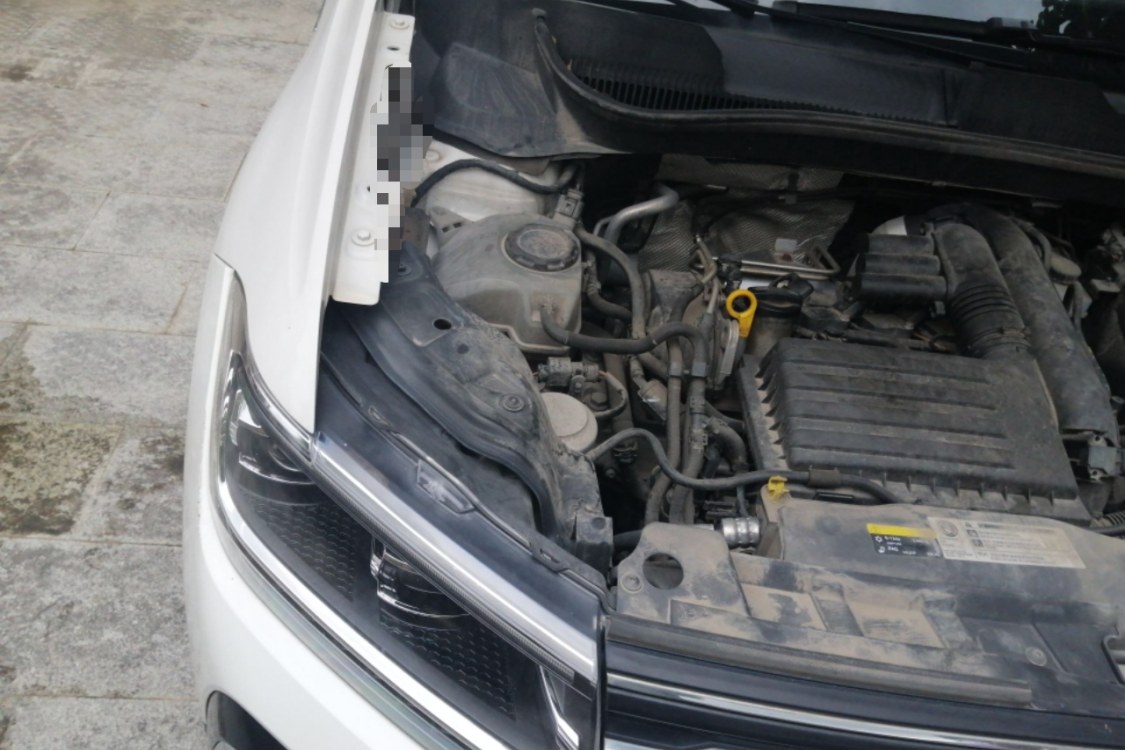
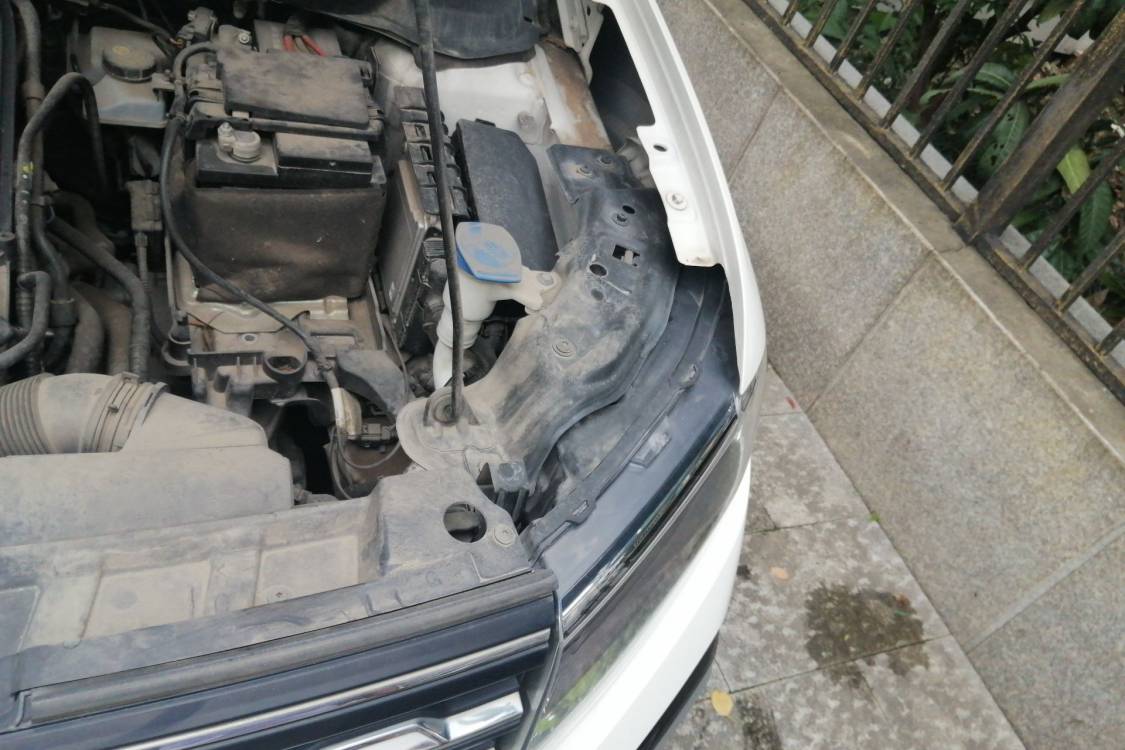
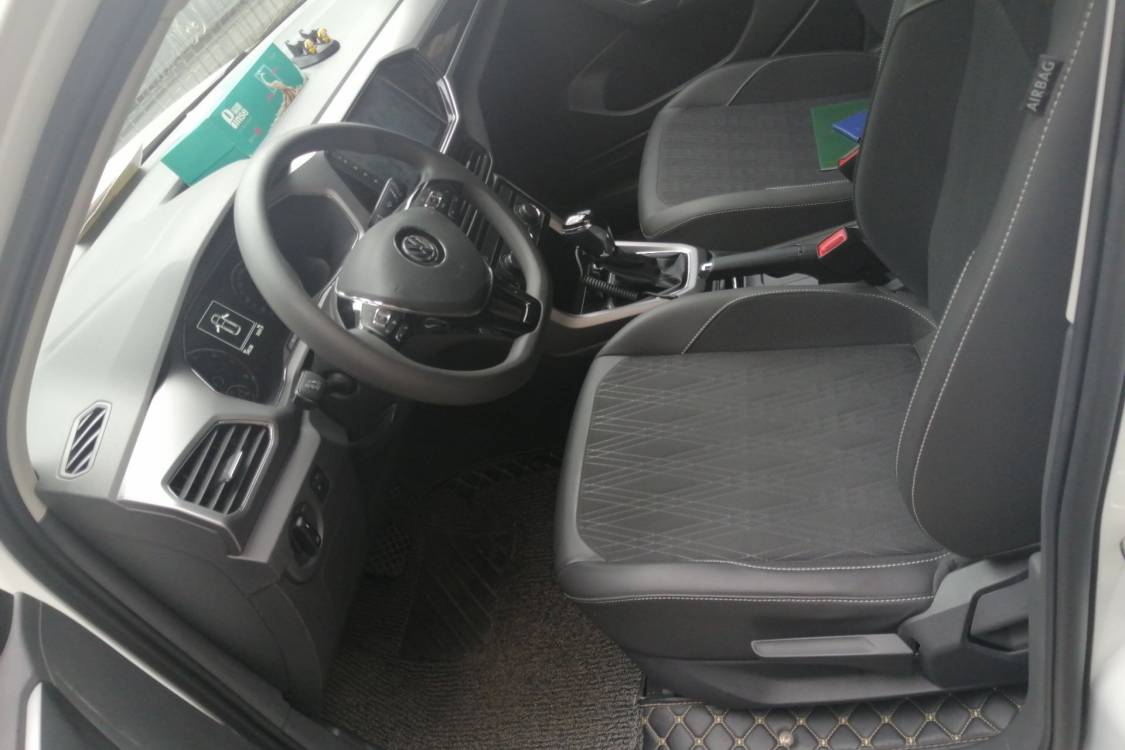
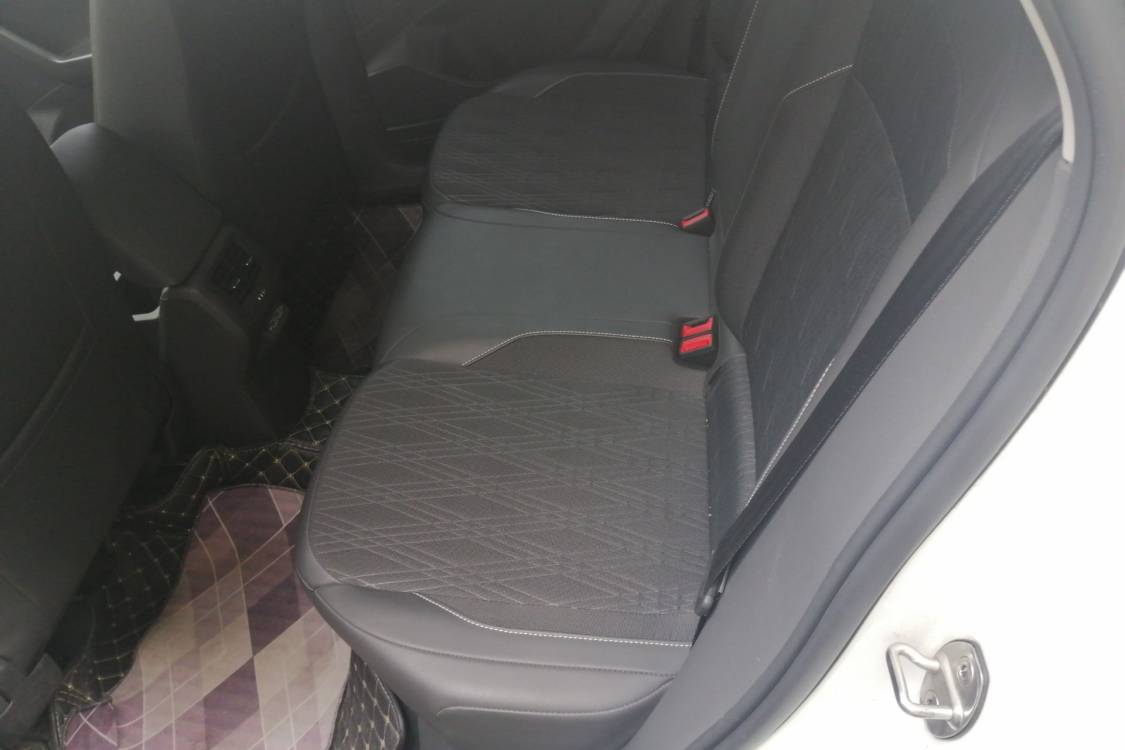
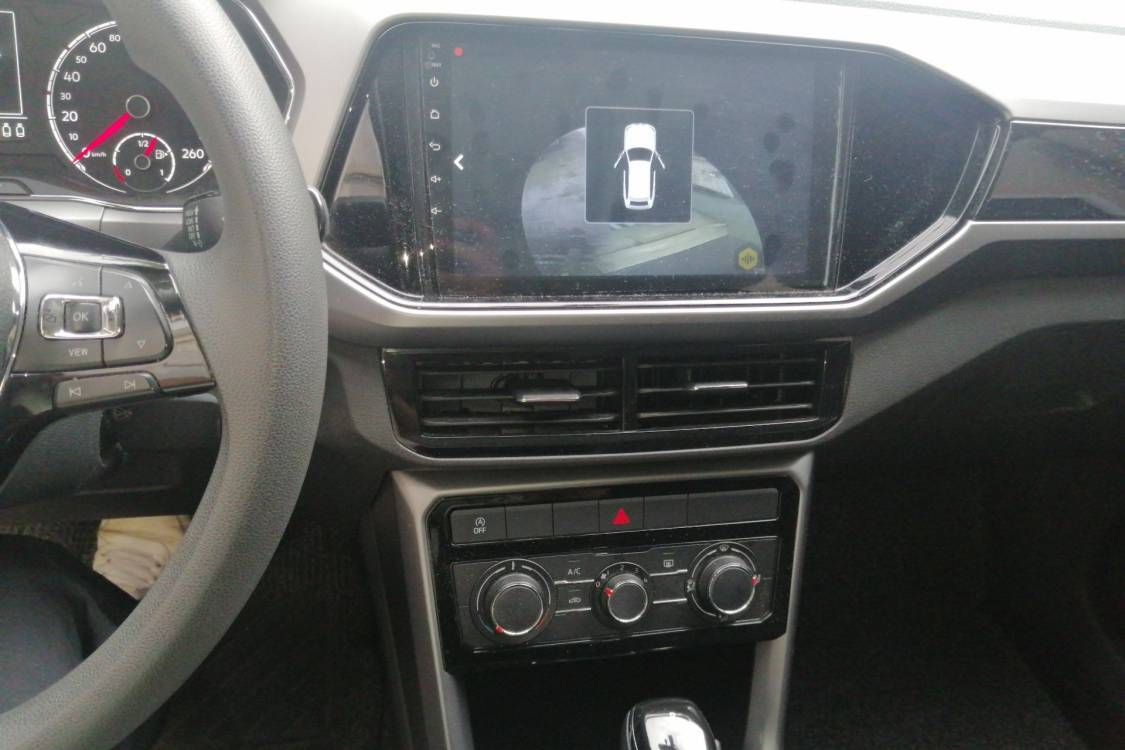
Accident inspection: main structure undamaged, reinforcement parts undamaged, panels undamaged, hinges abnormal. Engine bay inspection: key mechanical components in engine bay normal. Exterior: 1 replaced part, 3 panel repairs (bodywork). Interior: modified interior (other), most features normal, airbag inspection normal, lighting system normal. Startup test: engine condition warning light abnormal. Onboard tools: none.

独家上新
电话直连
可讲价
平台物流
可转售
14个工作日内过户
新检测标准升级>
非泡水

Document Information

Inspection Expiry Date2027/11
Warranty Expiry Date-
Insurance Expiry Date2026/10

Q&A

More

If the technical report contains highly specialized automotive mechanical terms, are there easy-to-understand English explanations?

Our foreign versions of the report standardize terminology and include illustrations. For example, instead of just writing "control arm failure," we specify "Lower Control Arm Bushing Torn" to help your local technicians identify the issue directly.
When calculating the total cost of a used car, what percentage of the car price do you recommend setting aside for "unforeseen local preparation costs"?

Based on practical risk assessment, we strongly recommend setting aside 3% to 5% of the car price as a buffer fund for even the highest-rated used cars, to cover oil changes, new tires, minor shipping scratches, and local inspection labor costs.

How to check the condition of the turbocharger (oil leaks, unusual noises, insufficient pressure) for turbocharged vehicles?

Experience turbo lag and power surge during road tests; check for significant oil accumulation at the turbo intake and intercooler connections (slight oil vapor is normal); and use OBD to read the real-time boost pressure peak to see if it meets factory settings.