


24H

Basic Information

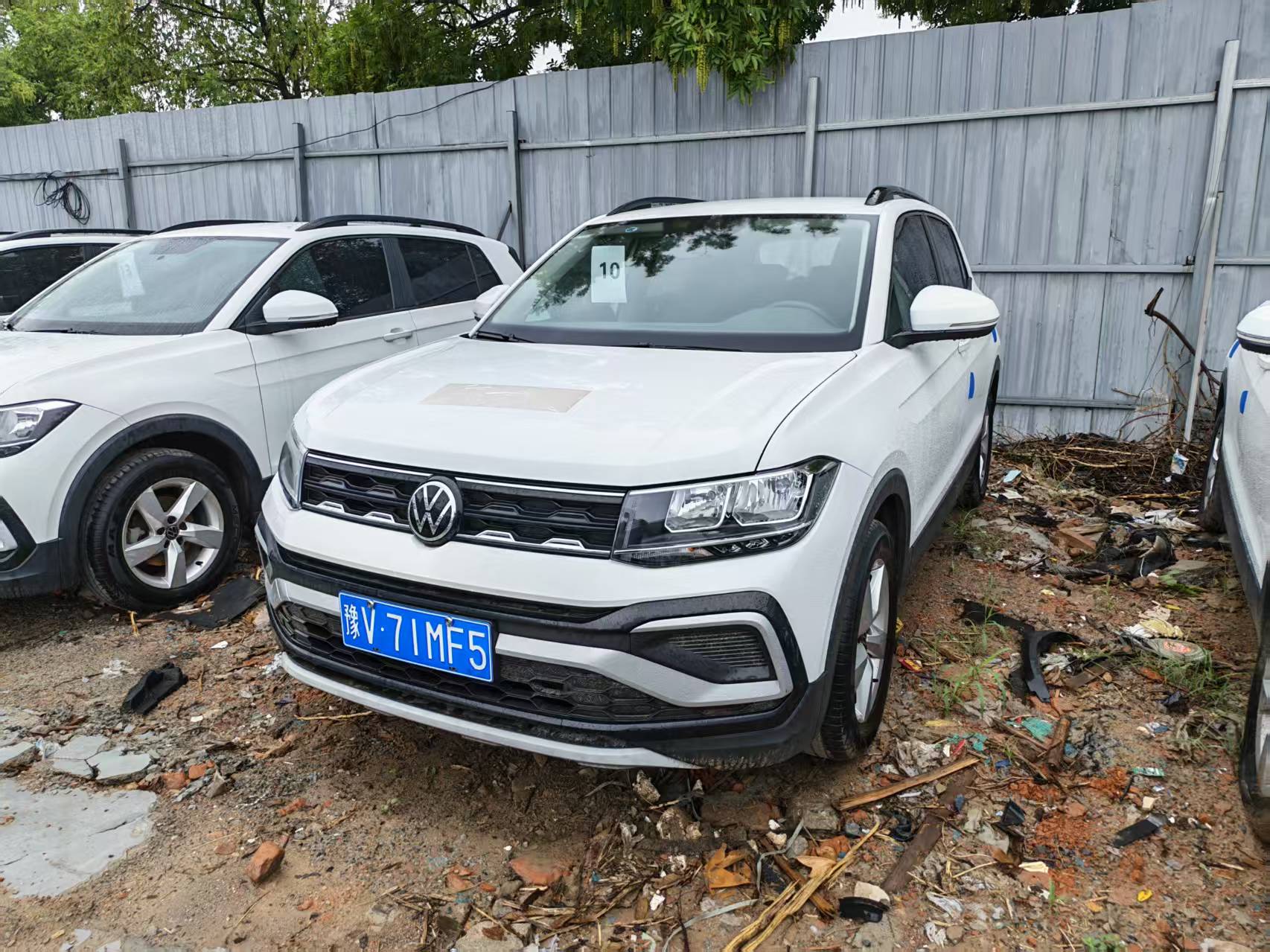
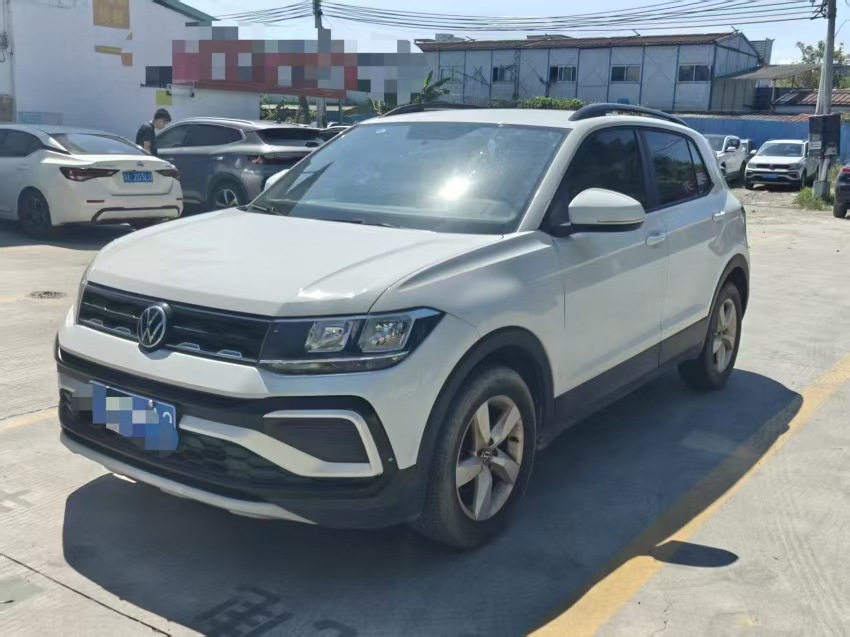
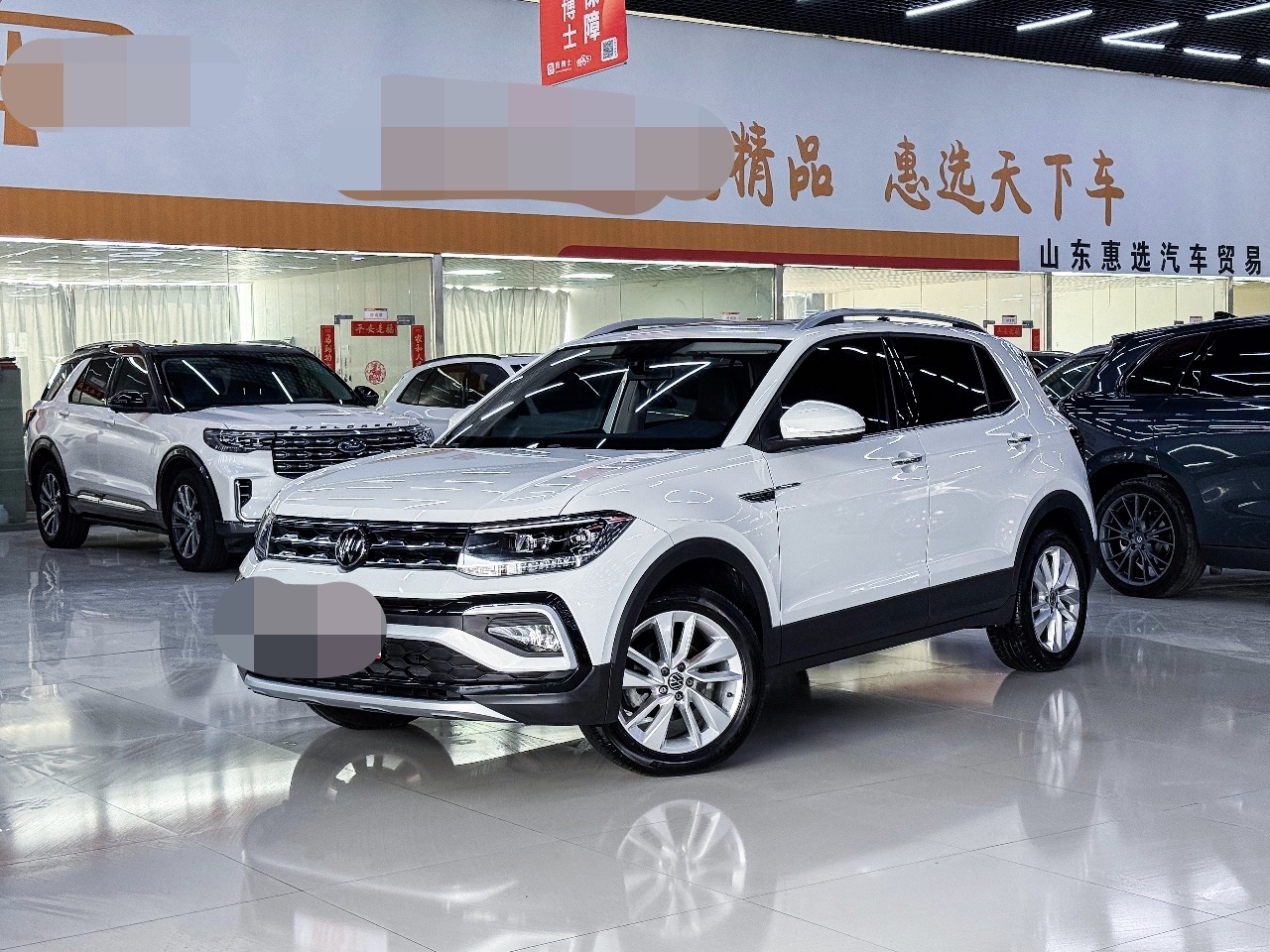
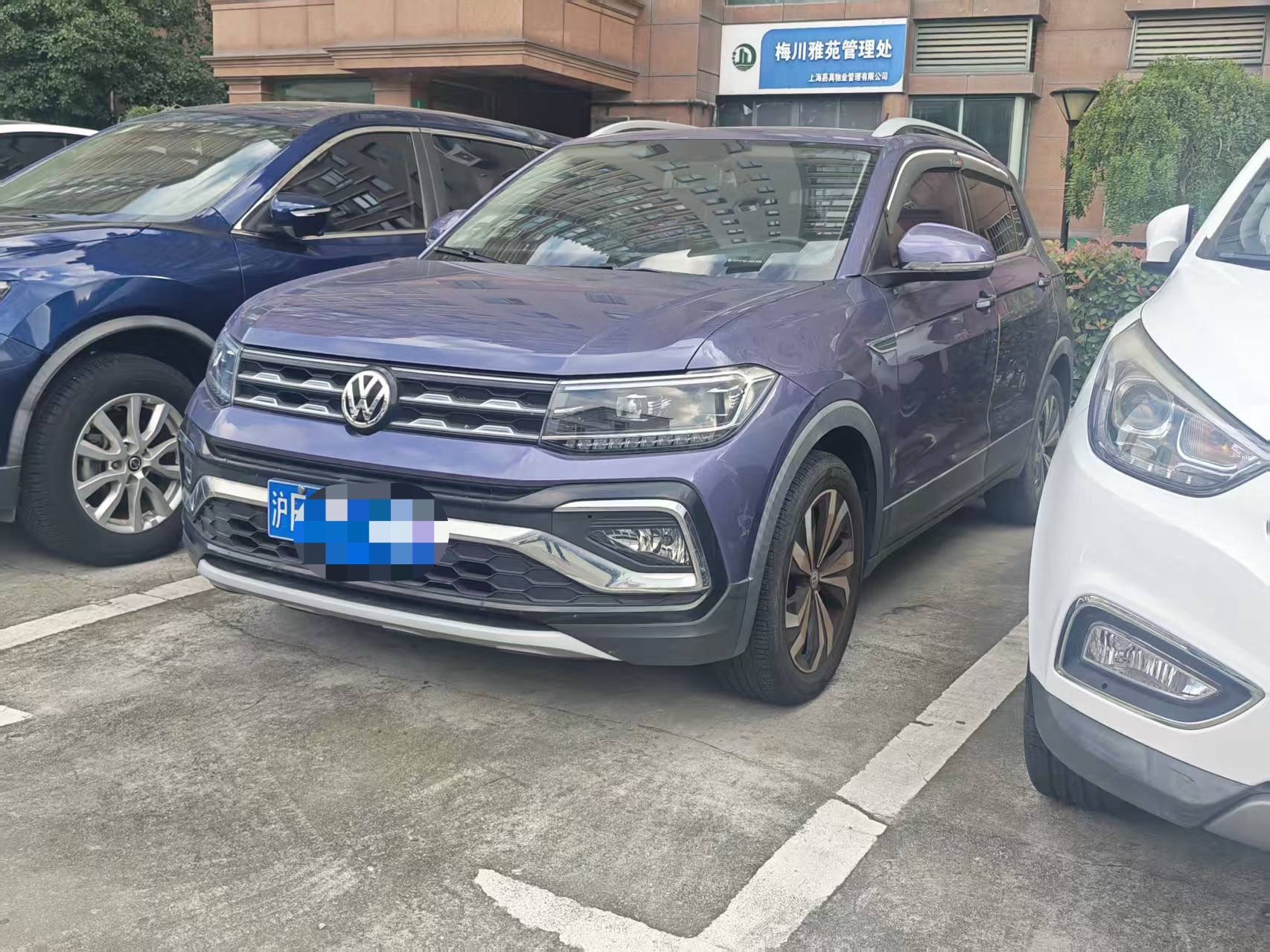
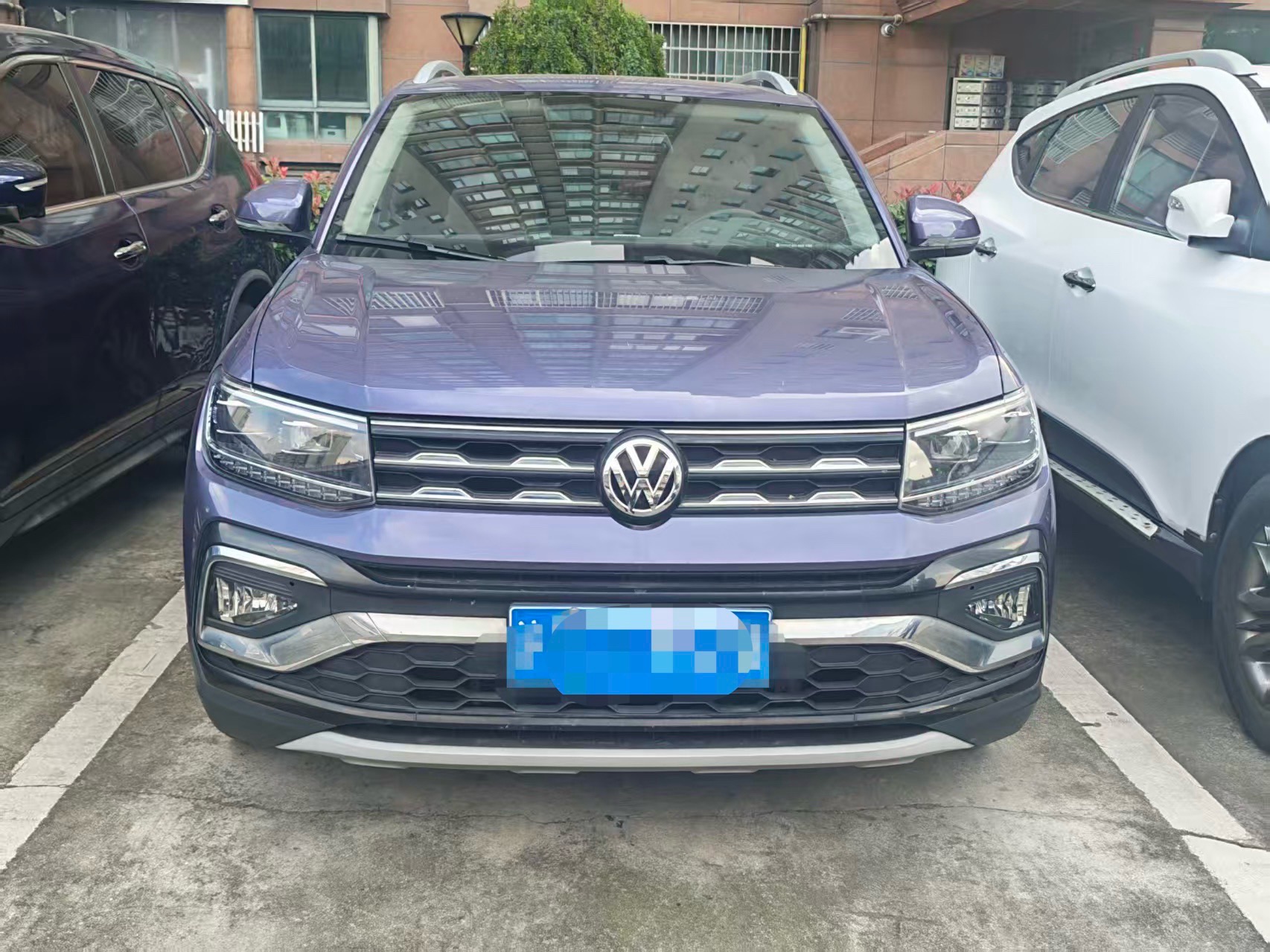
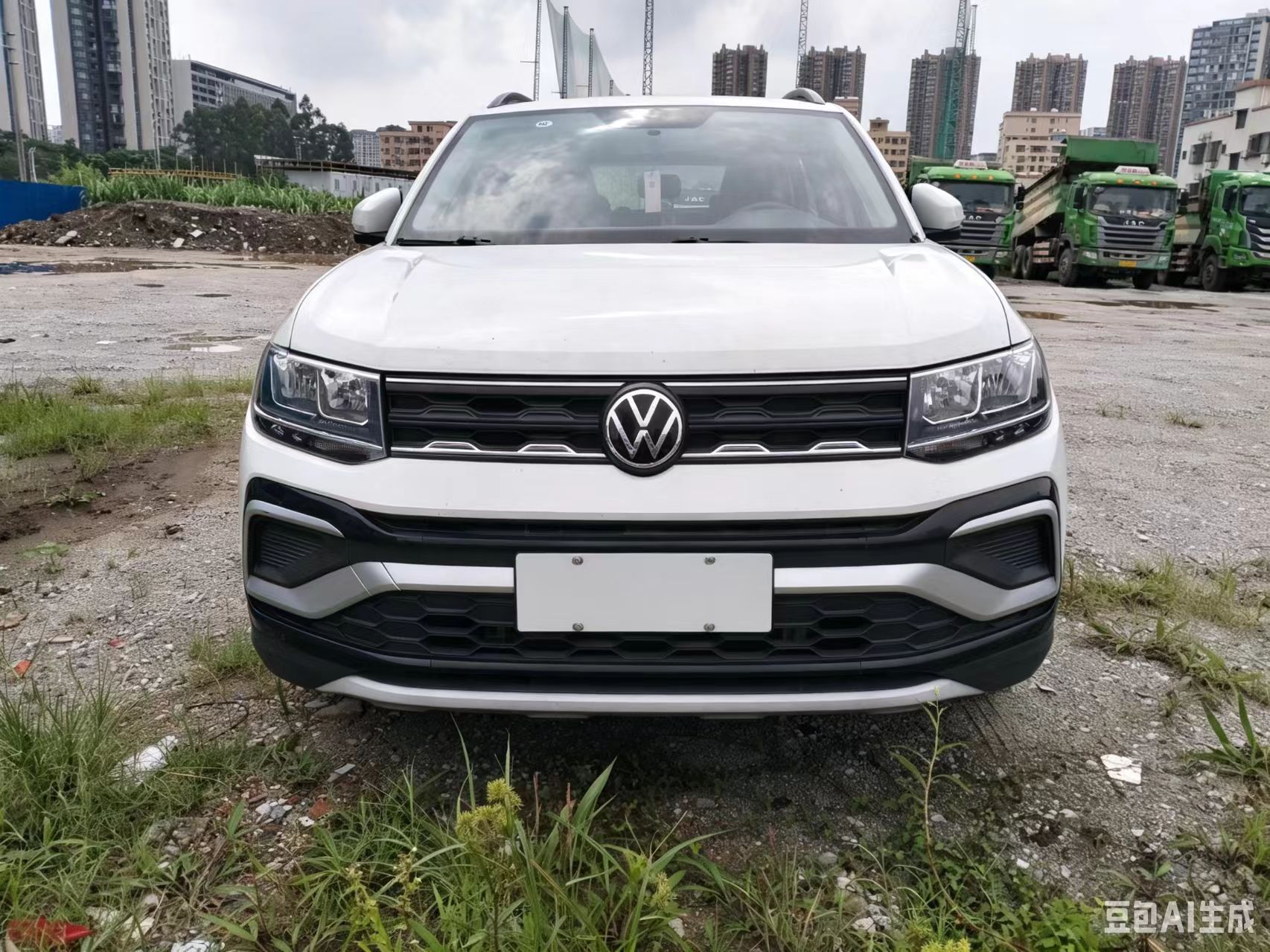
BrandVolkswagen
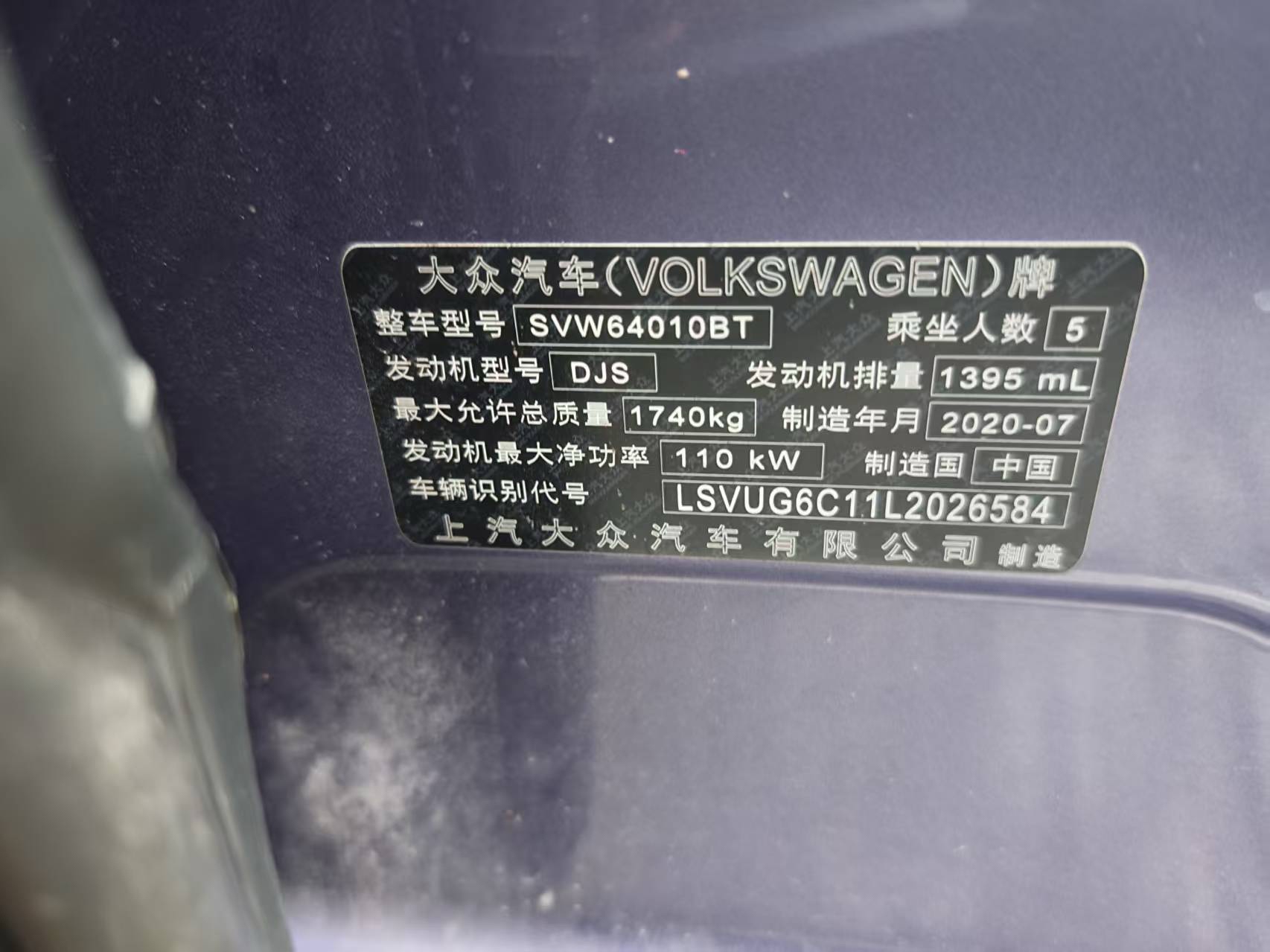
SeriesT-Cross
Year2020
First Registration2020/08
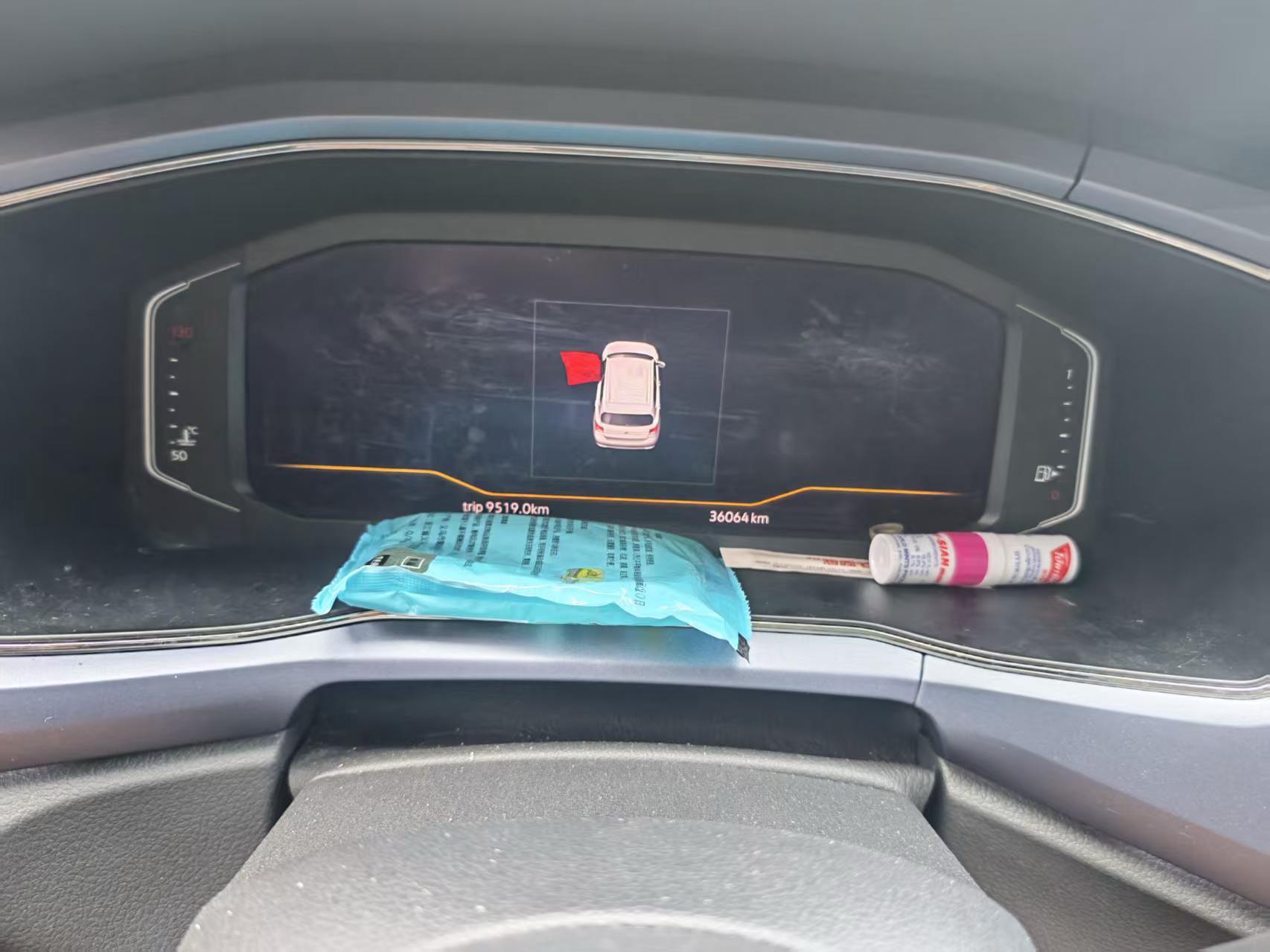
Mileage36,000km
Transfer Count0times
FuelGasoline
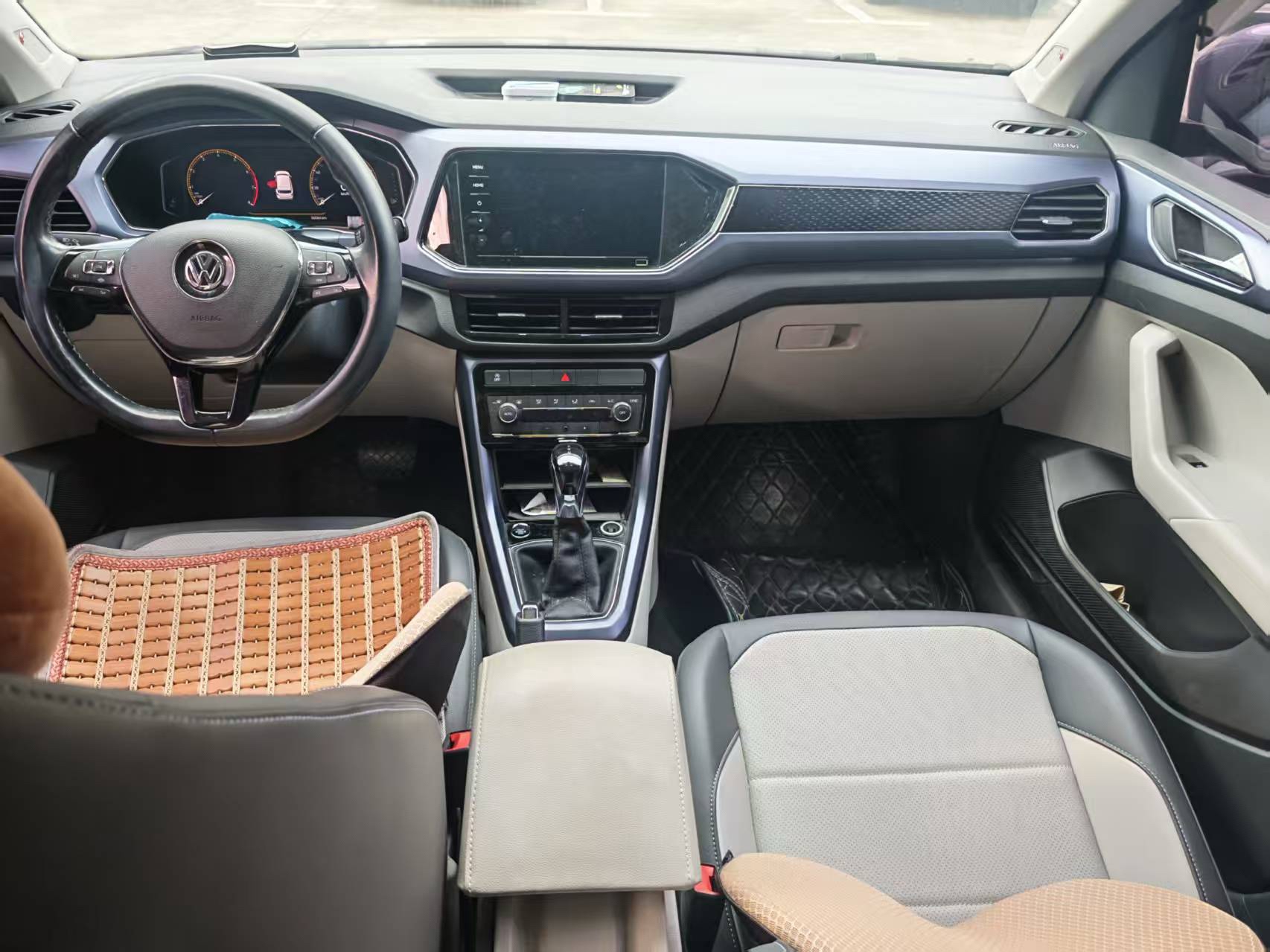
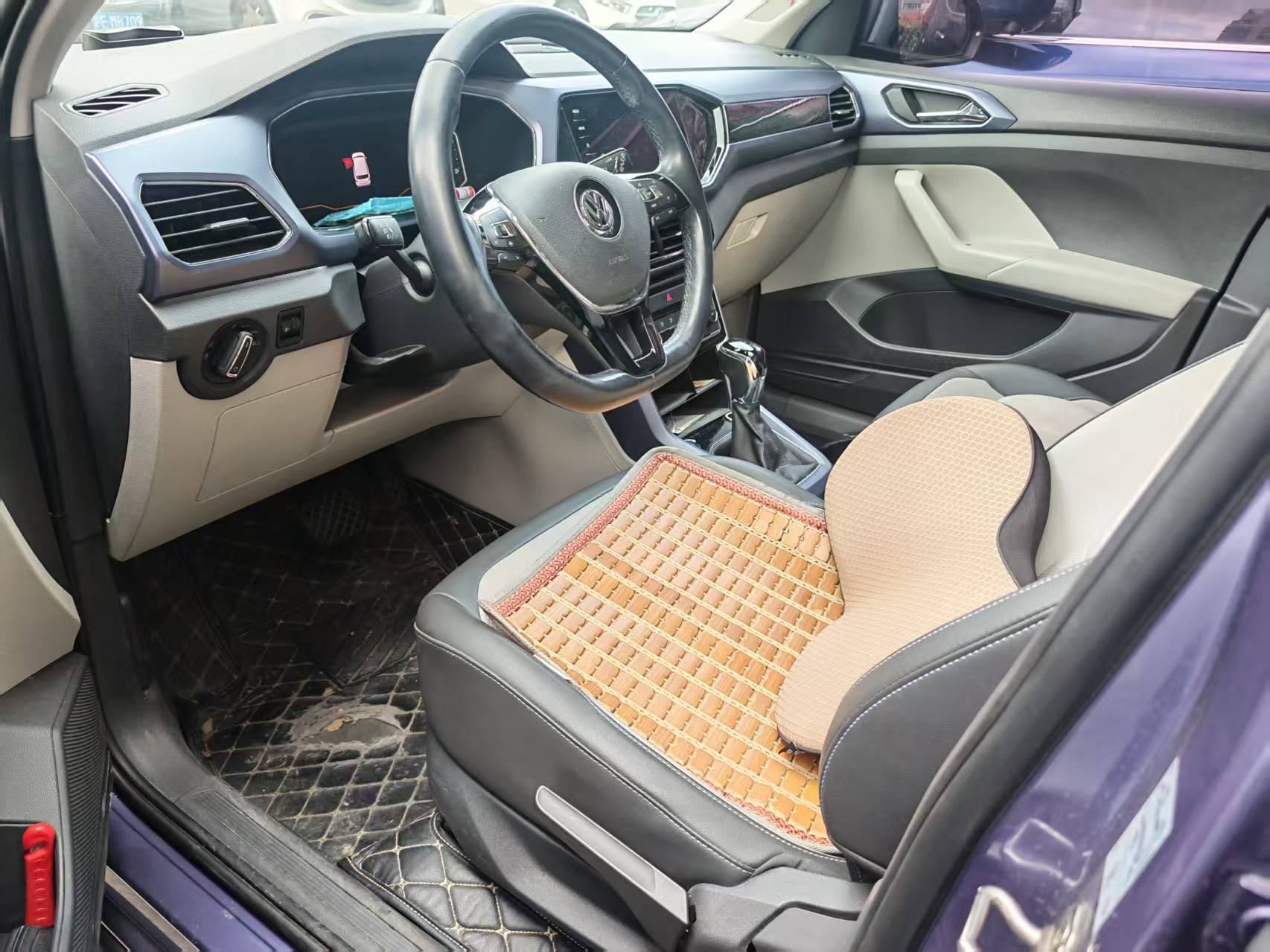
TransmissionDCT
Engine1.4T 150 L4
ColorOther
Seats-

Condition Description

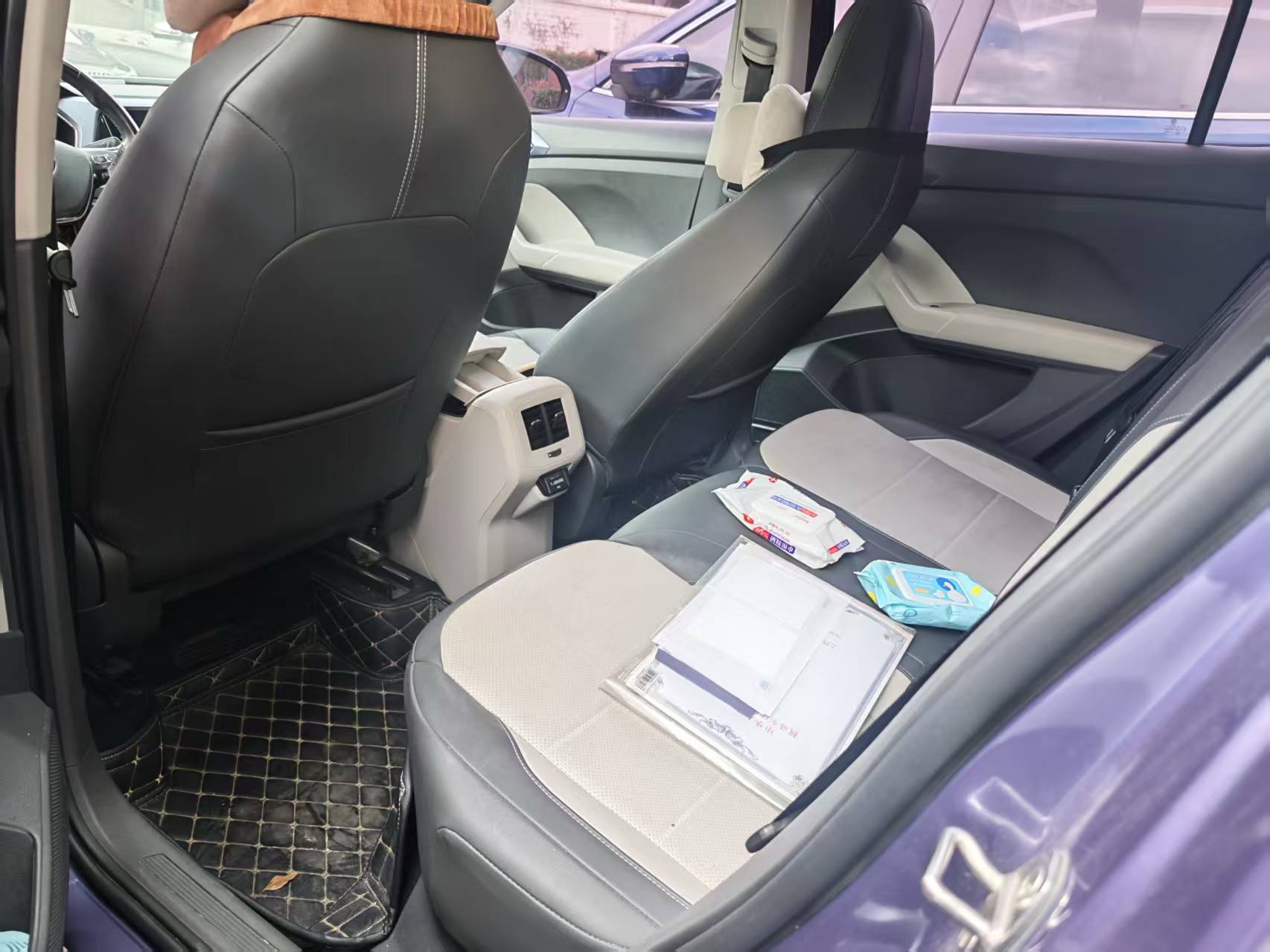
Full body original paint, original paint on metal parts, passes third-party inspection.

Document Information

Inspection Expiry Date-
Warranty Expiry Date-
Insurance Expiry Date2027/08

Q&A

More

Do Chinese electric cars keep receiving software updates and connected services after export? Will the app work in my country?

It depends on the brand, so verify before buying: 1. OTA updates: most newer Chinese EVs update over the air, but some brands tie updates to the region of registration—an exported car may stop receiving them or stay on China firmware. 2. Companion apps: functions like remote climate, charging status, and location often require a Chinese phone number or mainland server access; abroad they may work partially or not at all. 3. Language and units: check the infotainment can switch to your language and your units (miles/km). Ask the exporter to demonstrate the app functions live on video before purchase, and get written confirmation of what will work after export. For the battery, request an SOH (state of health) report—battery replacement is far costlier than any software limitation.
How can I check a used car's history in China before buying—accident records, mileage, and ownership?

China's vehicle data is less centralized than in the US or Europe, but you can still verify a lot: 1. Ask the exporter for the VIN and order a third-party history report from Chinese services; they aggregate insurance claims and repair records. 2. Cross-check the registration date on the title with the odometer—a 3-year-old car showing 30,000 km but registered as a ride-hailing vehicle is a red flag. 3. Request maintenance records from the brand's dealer network; digital records are increasingly common. 4. Verify the seller legally owns the car: the registration certificate name should match the exporter's business license. Gaps are common, so treat the history report as one input, not proof. Combine it with an independent pre-purchase inspection, and hold back part of the payment until the inspection passes.

When buying remotely, how do I assess the engine, transmission, brakes, and tires of a used car from China over a live video call?

A structured live video inspection can catch most mechanical problems. Ask the seller to do the following in order: Cold start: film the engine bay before starting — check for leaks, cracked hoses, and corrosion. Then start from cold and listen for rattling or knocking during the first minute; abnormal noises on cold start often mean worn internals. Fluids: pull the oil dipstick — milky or foamy oil suggests head gasket issues. Check coolant color and level. Transmission: with the car warmed up, film each gear shift, forward and reverse. Hesitation, harsh jerks, or slipping RPM are red flags. Brakes: test at low speed in a safe area — the pedal should feel firm, not spongy, and the car must not pull to one side. Tires: walk around and film each tire's sidewall and tread. Uneven wear suggests alignment or suspension problems. Combine this with an independent pre-shipment inspection for a professional report — the video call is your first filter, not the final verdict.