
















Basic Information

BrandVolkswagen
SeriesT-Cross
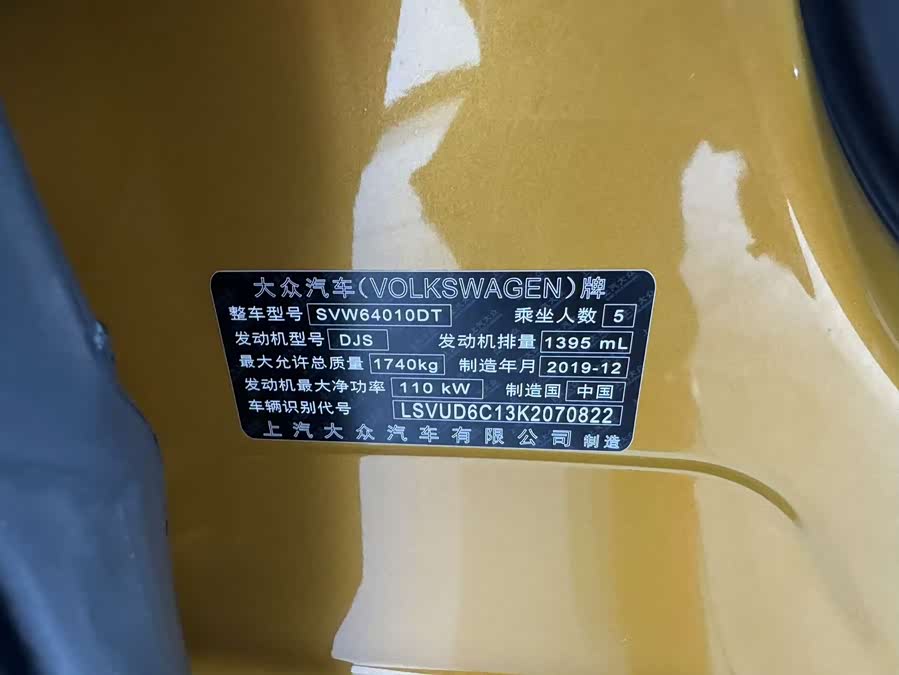
Year2020
First Registration2020/07
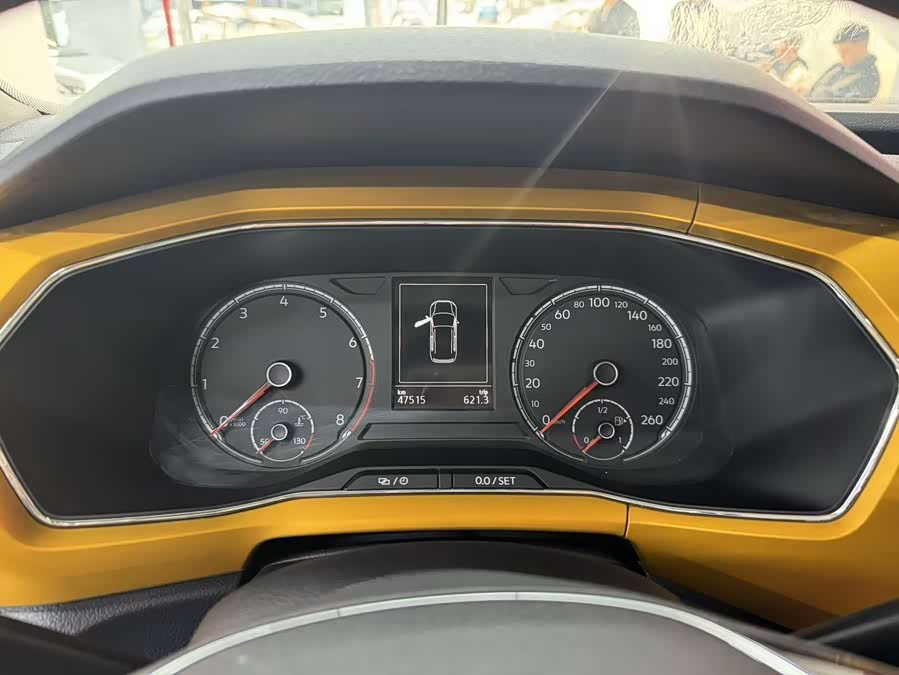
Mileage47,000km
Transfer Count-
FuelGasoline
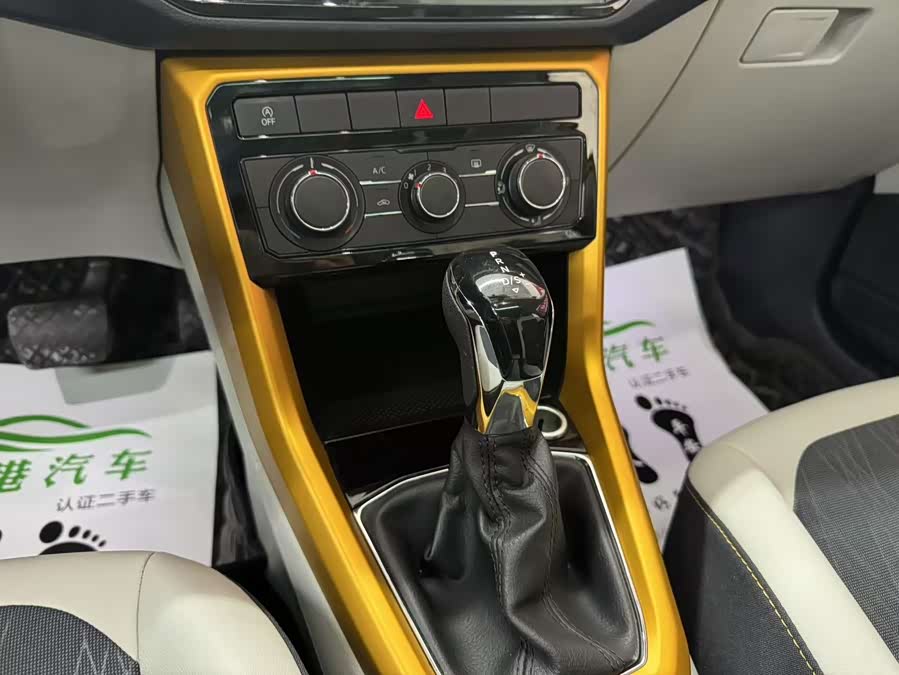
TransmissionDCT
Engine1.4T 150 L4
ColorBrown
Seats-

Condition Description

very good

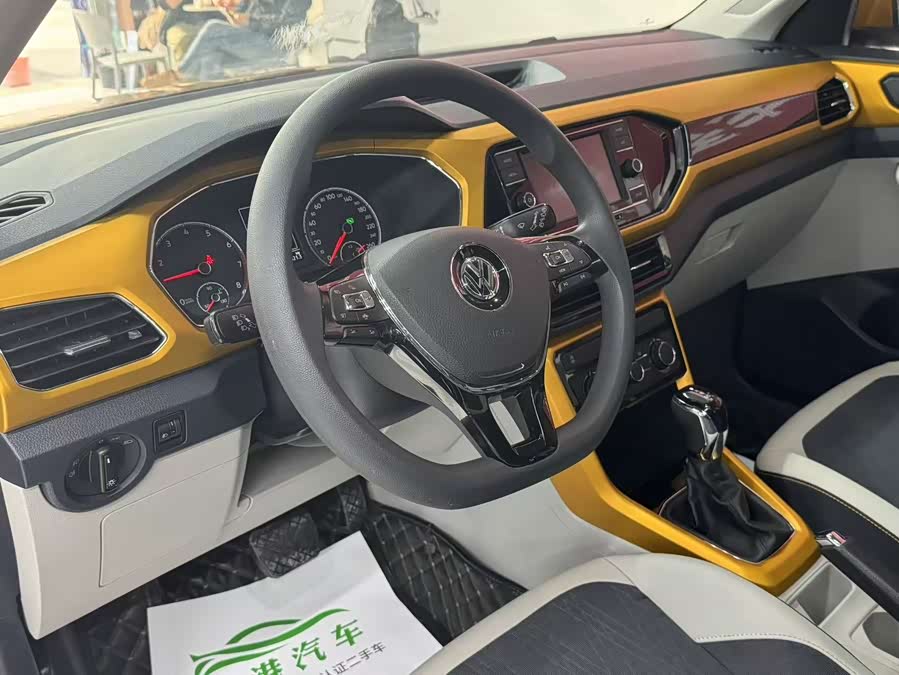
This 2019 Volkswagen T-Cross 280TSI DSG Comfort Edition was first registered in July 2020 and currently has 47,000 kilometers on the odometer. The paint job is perfect, the interior is clean, and the infotainment system functions perfectly. The engine and transmission are running smoothly, and it's a one-owner vehicle. Highlight features include active braking, ISOFIX child seat anchors, Bluetooth phone connectivity, cornering lights, an in-cabin PM2.5 filter, and rear air vents. Welcome to visit our showroom and experience it for yourself!

90-day repurchase guarantee

Configuration Highlights

✓Active Safety System
✓ISOFIX Child Seat Anchors
✓Bluetooth/Hands-free
✓Cornering Lights
✓PM2.5 Air Filter
✓Rear Air Vents

Accident & Maintenance Records

Accident Record

🔗 Open Link

Maintenance Record

🔗 Open Link

Document Information

Inspection Expiry Date2026/07
Warranty Expiry Date-
Insurance Expiry Date2026/07

Q&A

More

How do you detect carbon buildup and wear inside the engine using technology without deep disassembly?

We use two steps: 1. Insert a medical-grade endoscope through the spark plug hole to visually inspect cylinder wall scratches and carbon buildup on the piston top; 2. Extract an engine oil sample to check for large metal debris or emulsification (caused by coolant leakage).

How to check the condition of the turbocharger (oil leaks, unusual noises, insufficient pressure) for turbocharged vehicles?

Experience turbo lag and power surge during road tests; check for significant oil accumulation at the turbo intake and intercooler connections (slight oil vapor is normal); and use OBD to read the real-time boost pressure peak to see if it meets factory settings.

How are the refrigerant pressure, compressor operation, and heating effect of the air conditioning system deeply tested?

The technician will start the vehicle and turn on the air conditioning system, measuring the actual temperature at the vents at the lowest and highest settings with a thermometer; at the same time, they will connect a manifold pressure gauge to check if the refrigerant pressure in the high and low pressure lines is within the normal range, determining if there is a chronic refrigerant leak.