24H

Basic Information

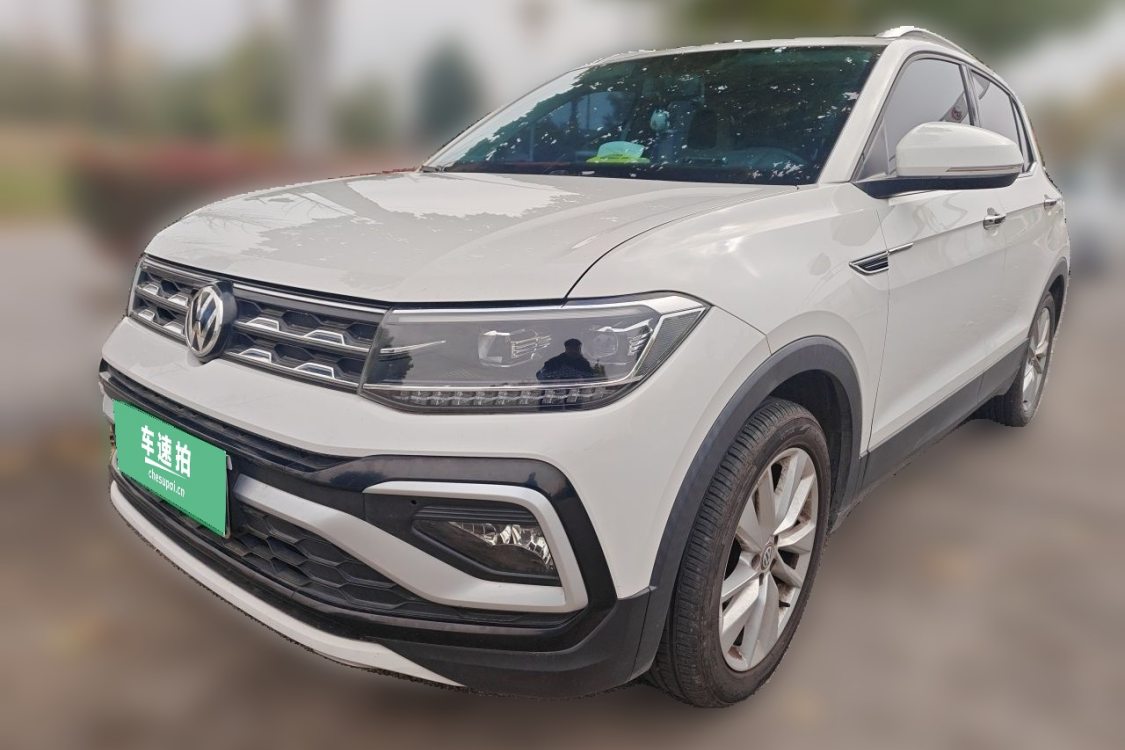
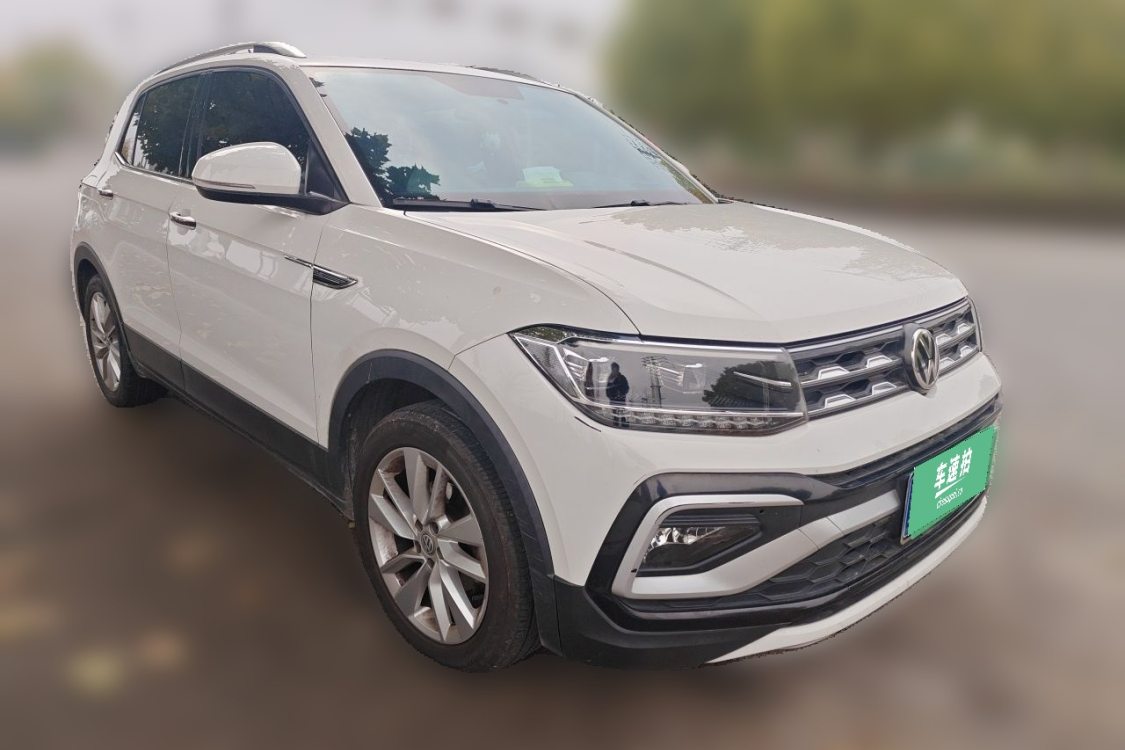
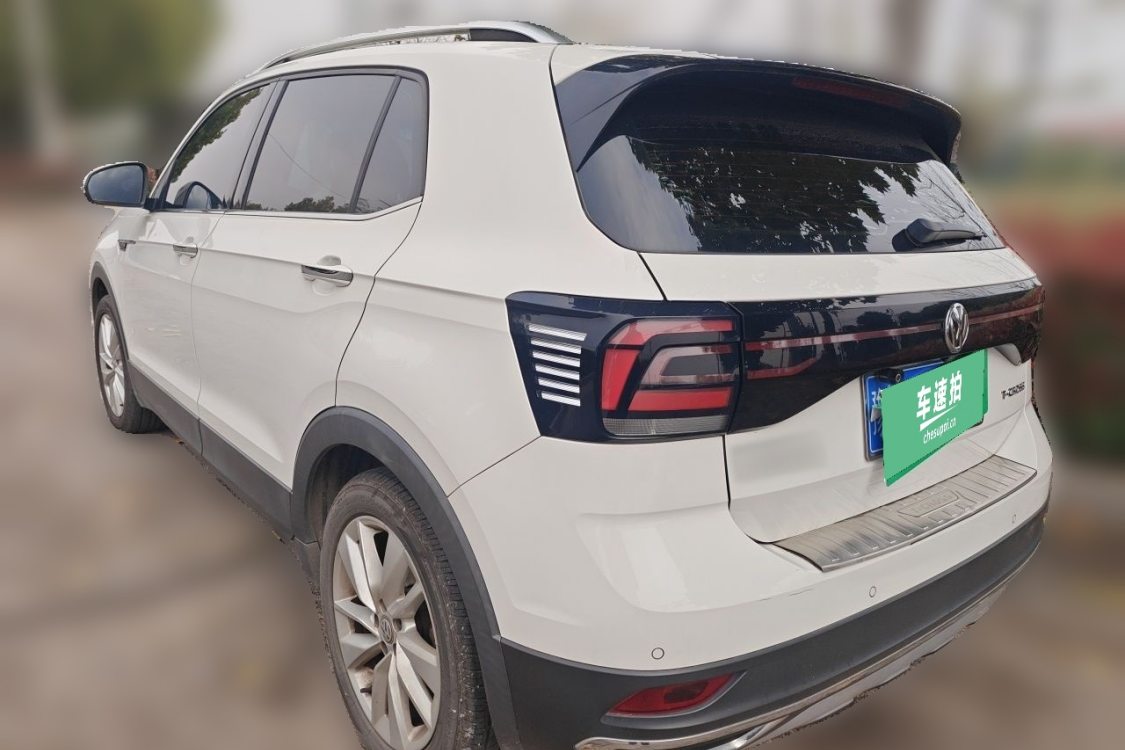
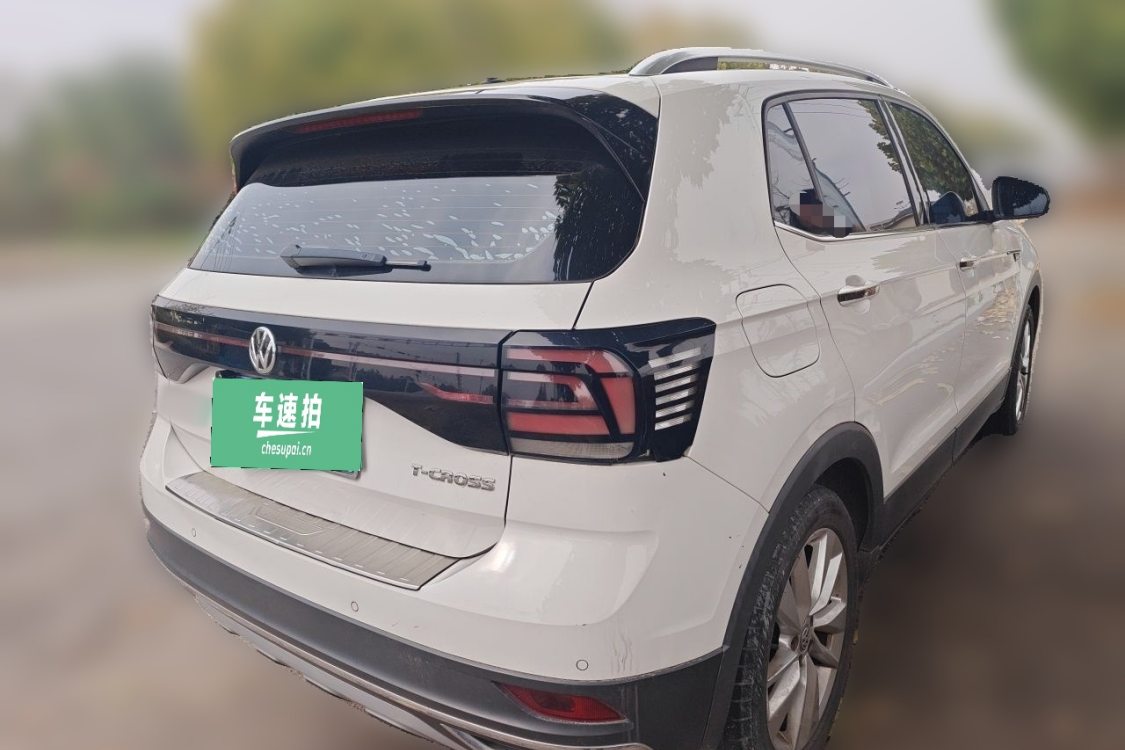
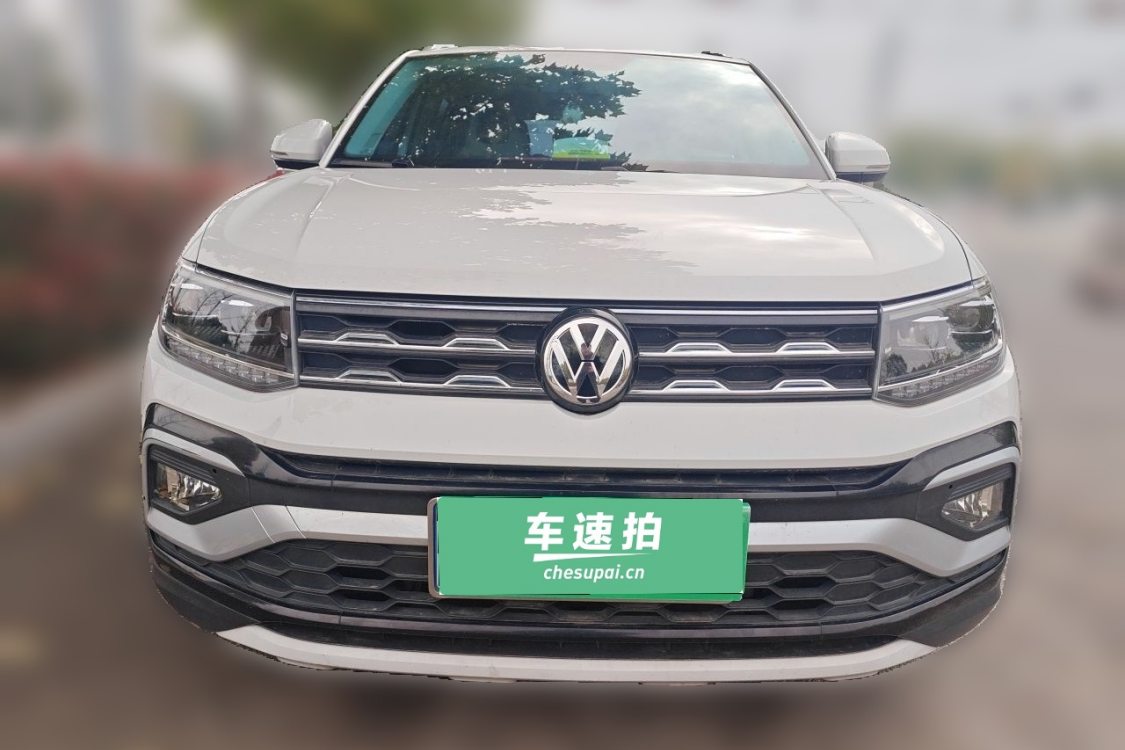
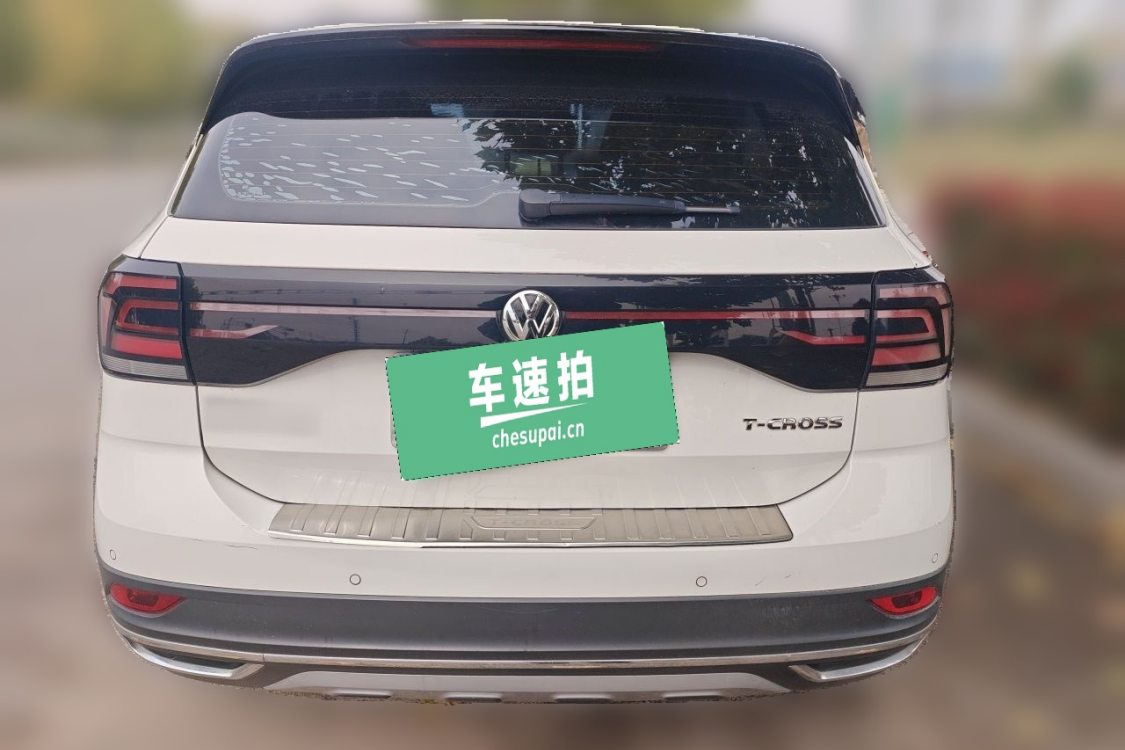
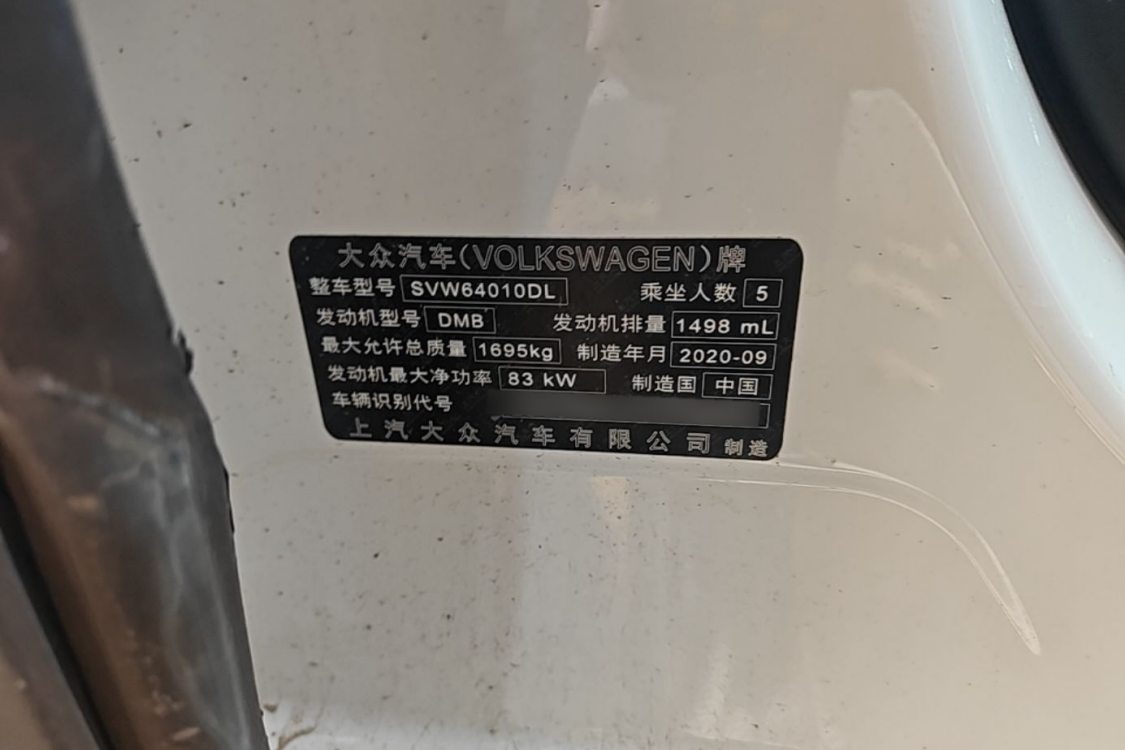
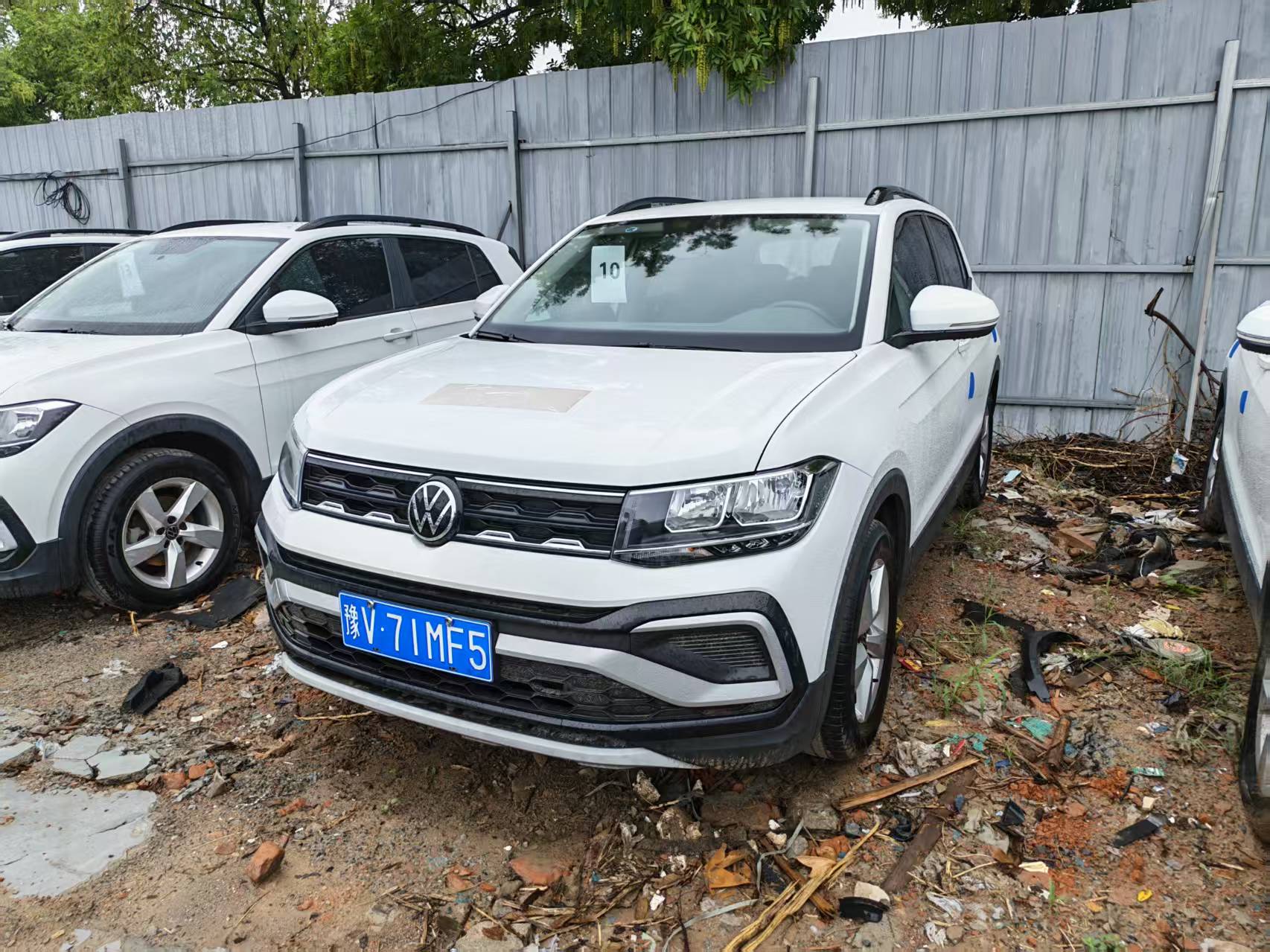
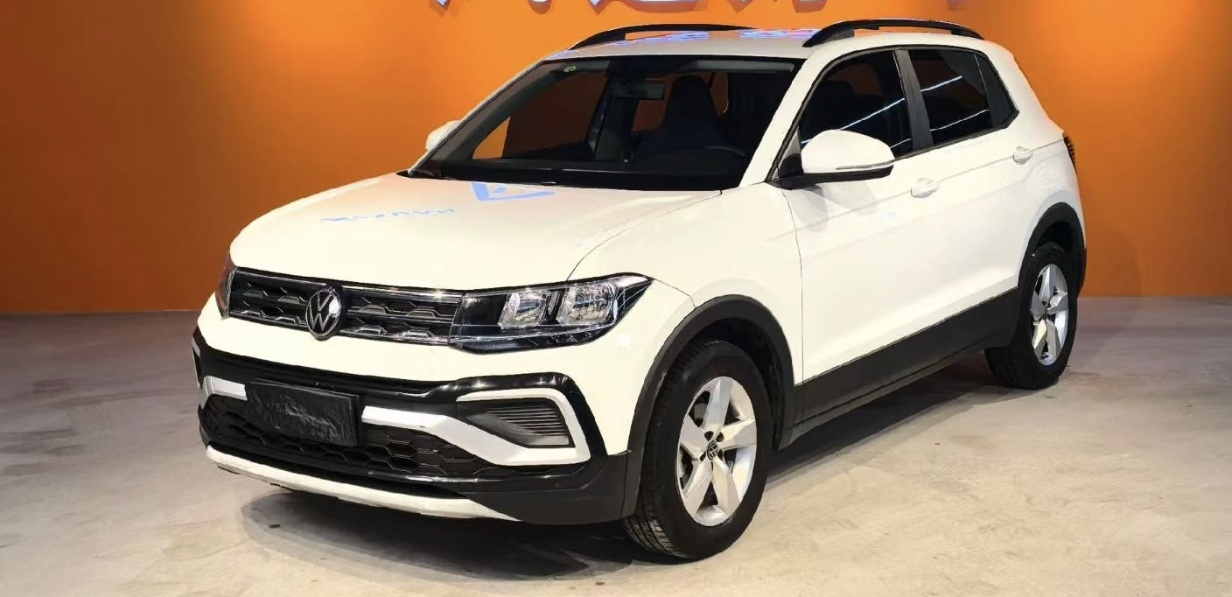
BrandVolkswagen
SeriesT-Cross
Year2020
First Registration2020/12
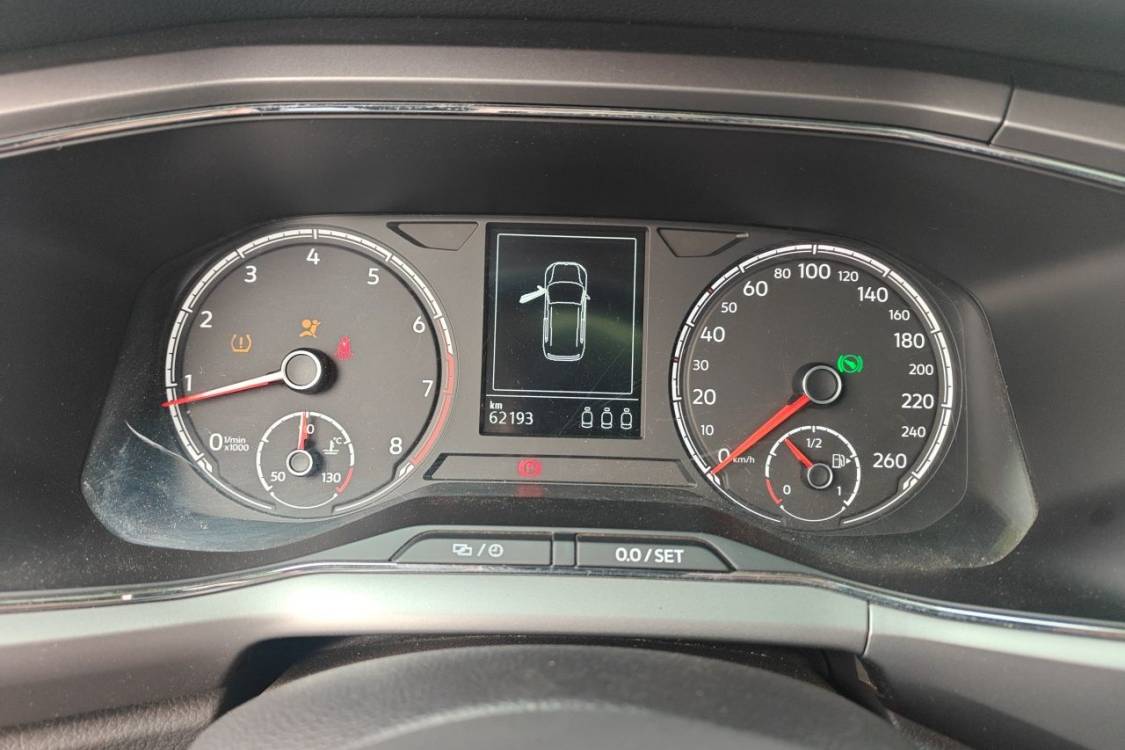
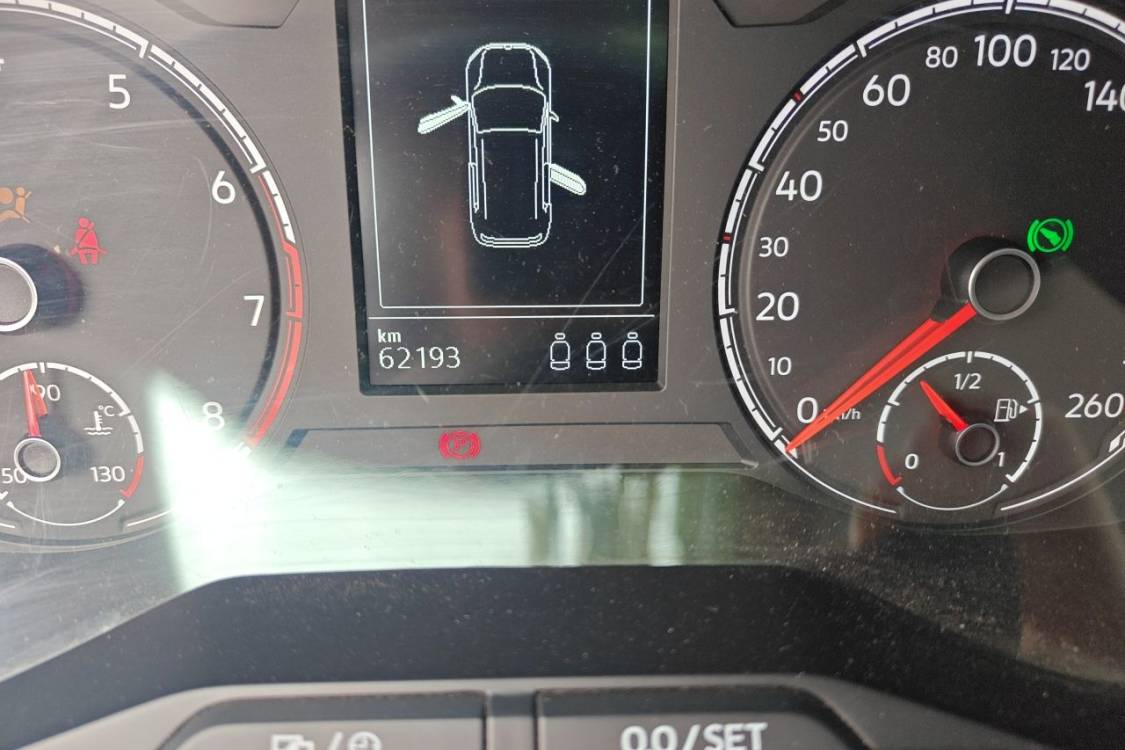
Mileage62,100km
Transfer Count-
FuelGasoline
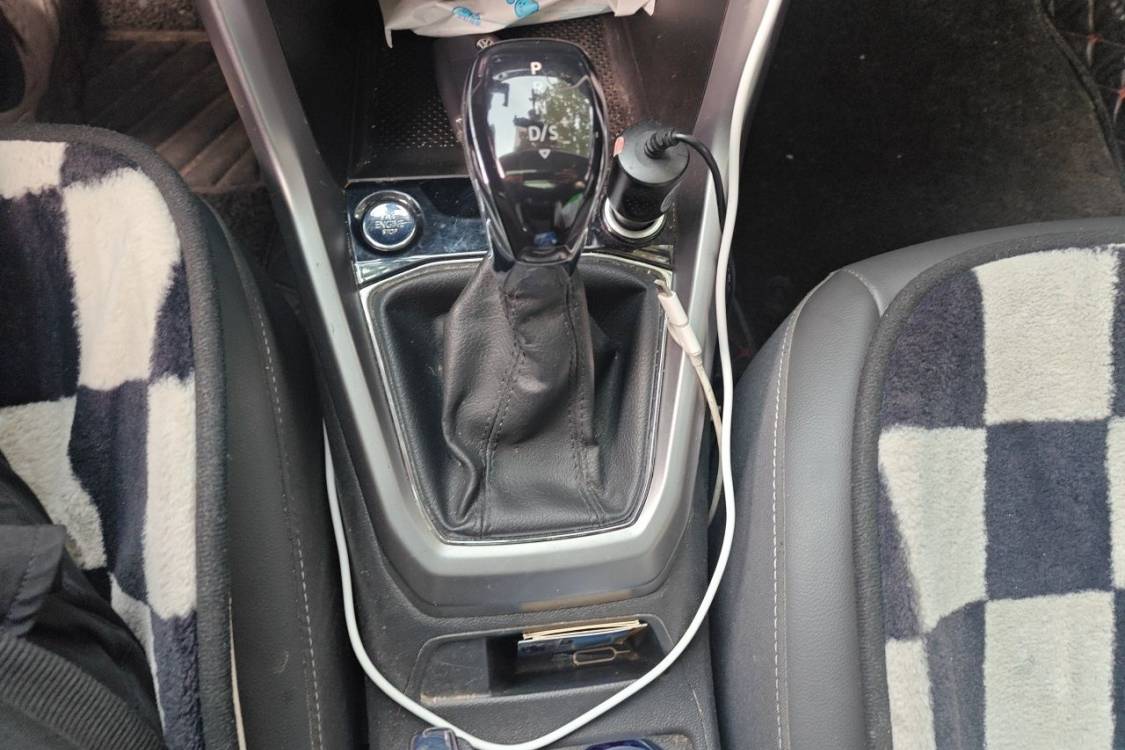
TransmissionManumatic
Engine1.5L 113 L4
ColorWhite
Seats-

Condition Description

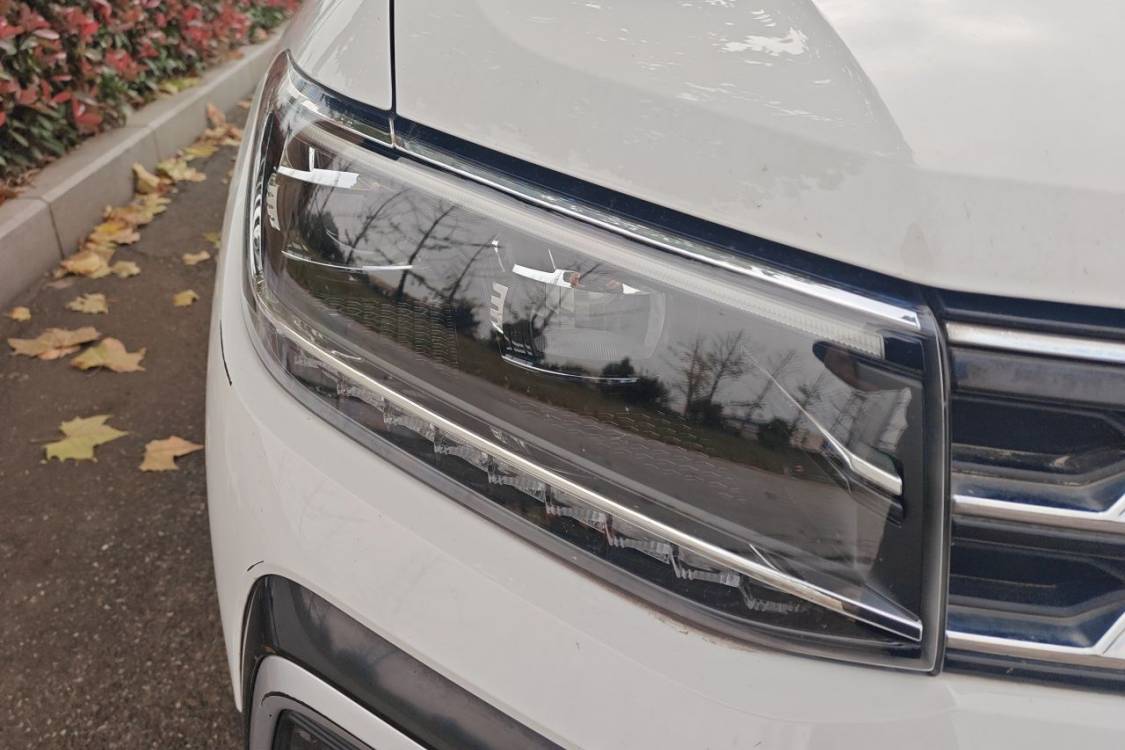
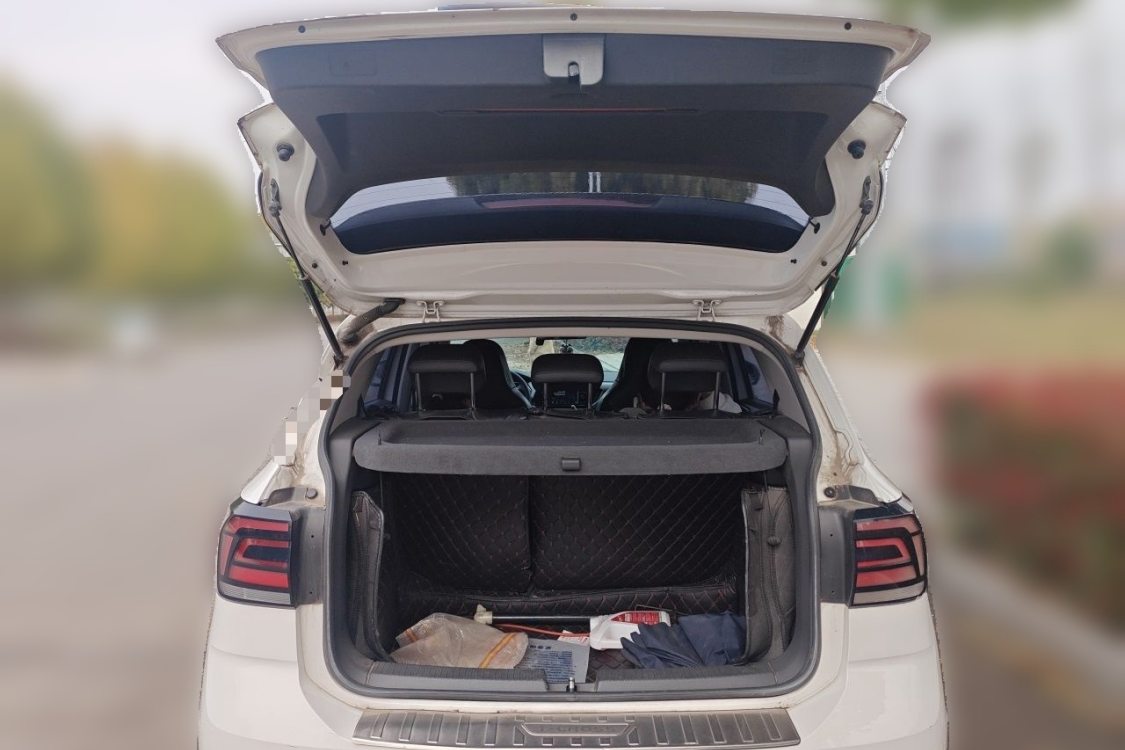
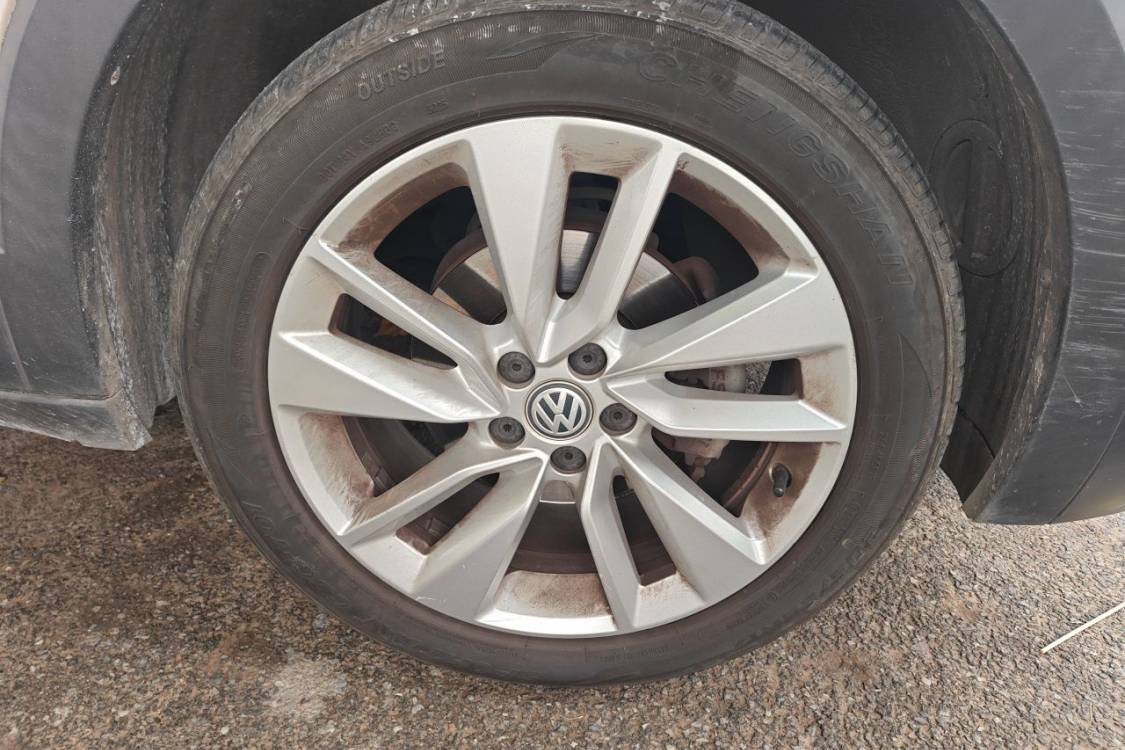
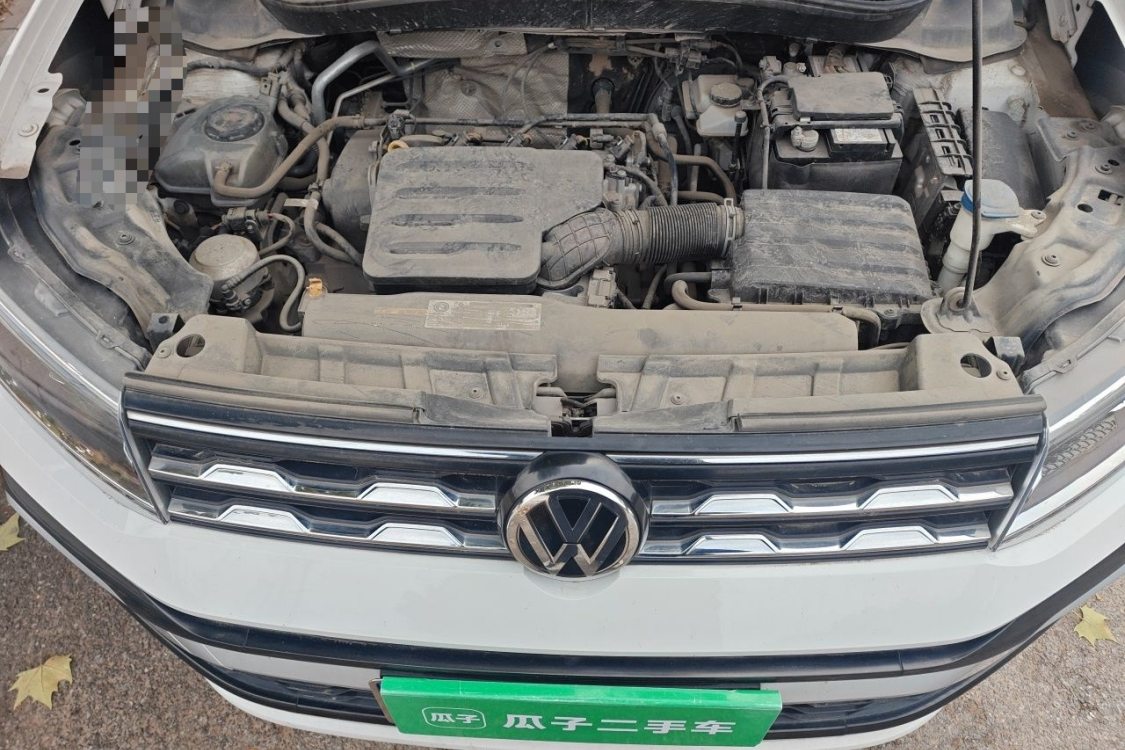
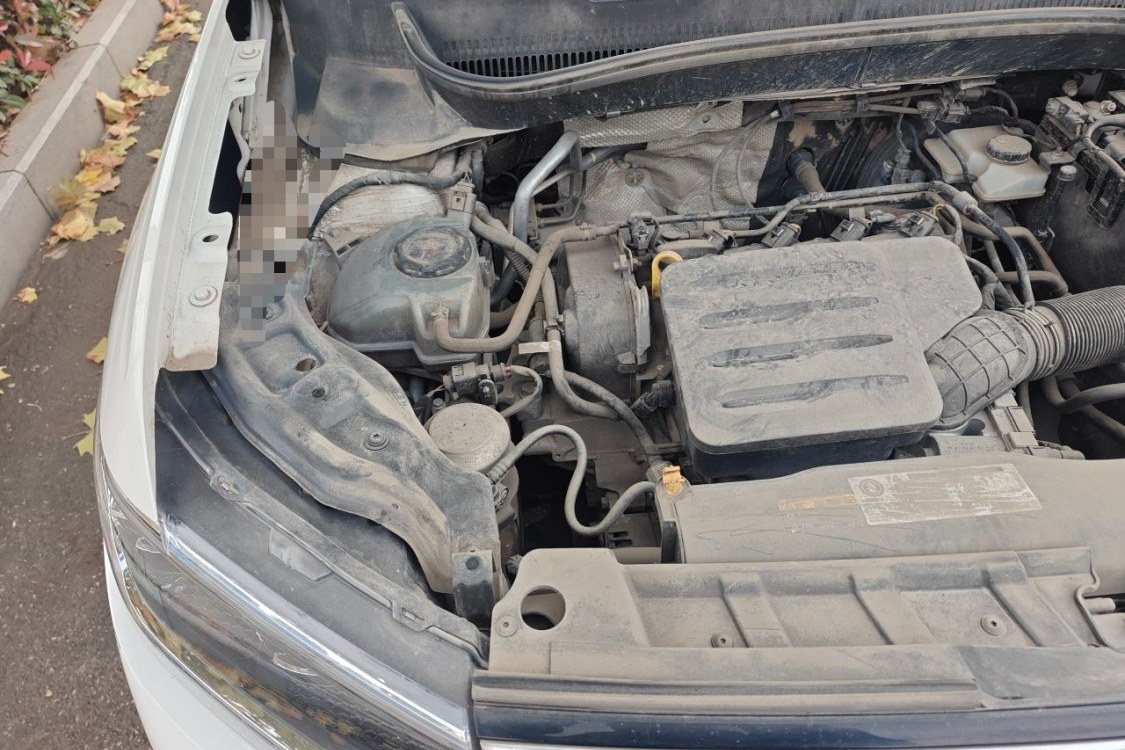
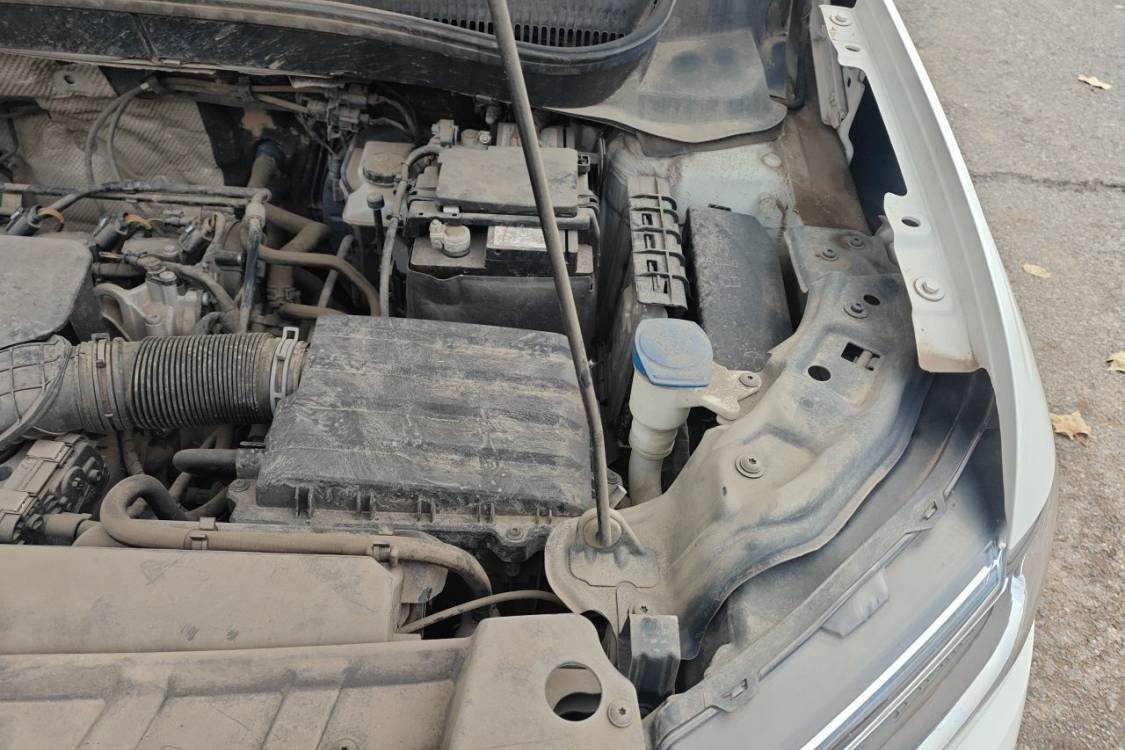
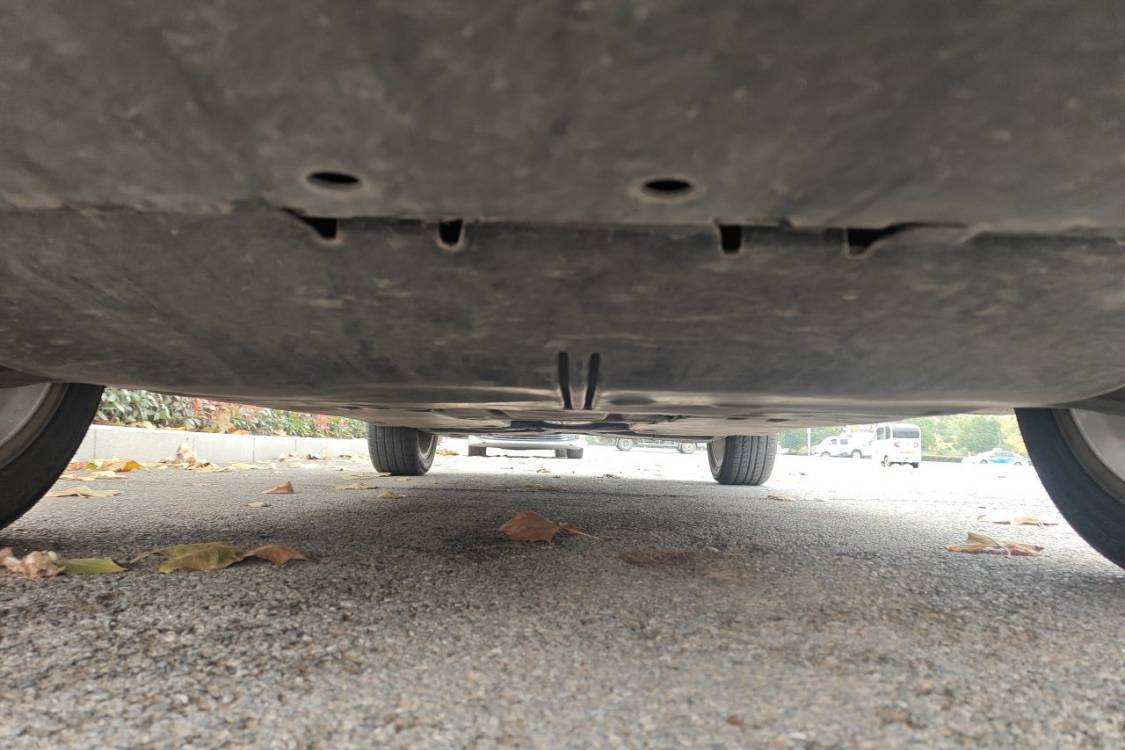
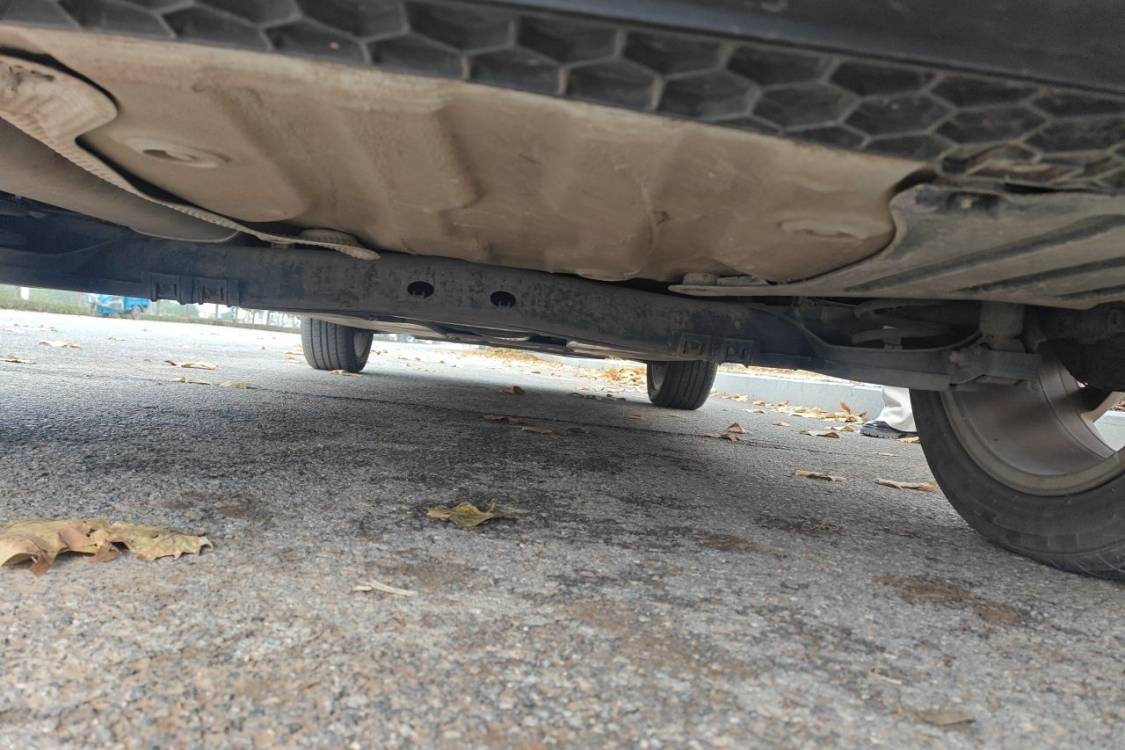
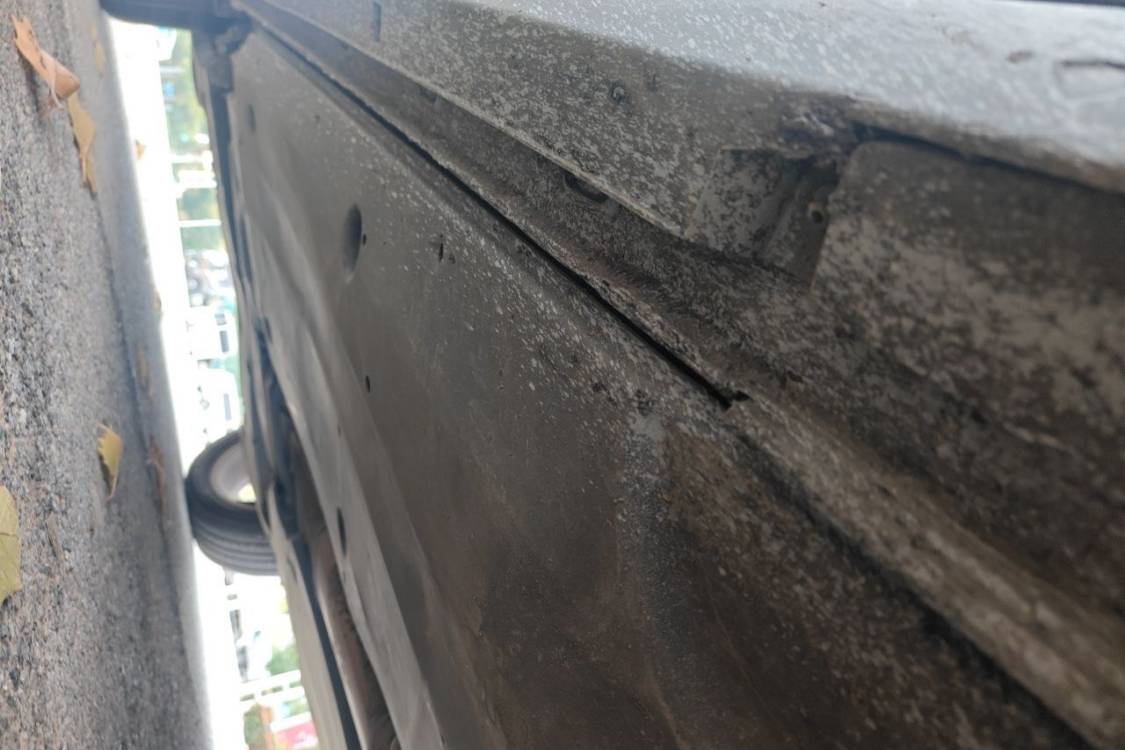
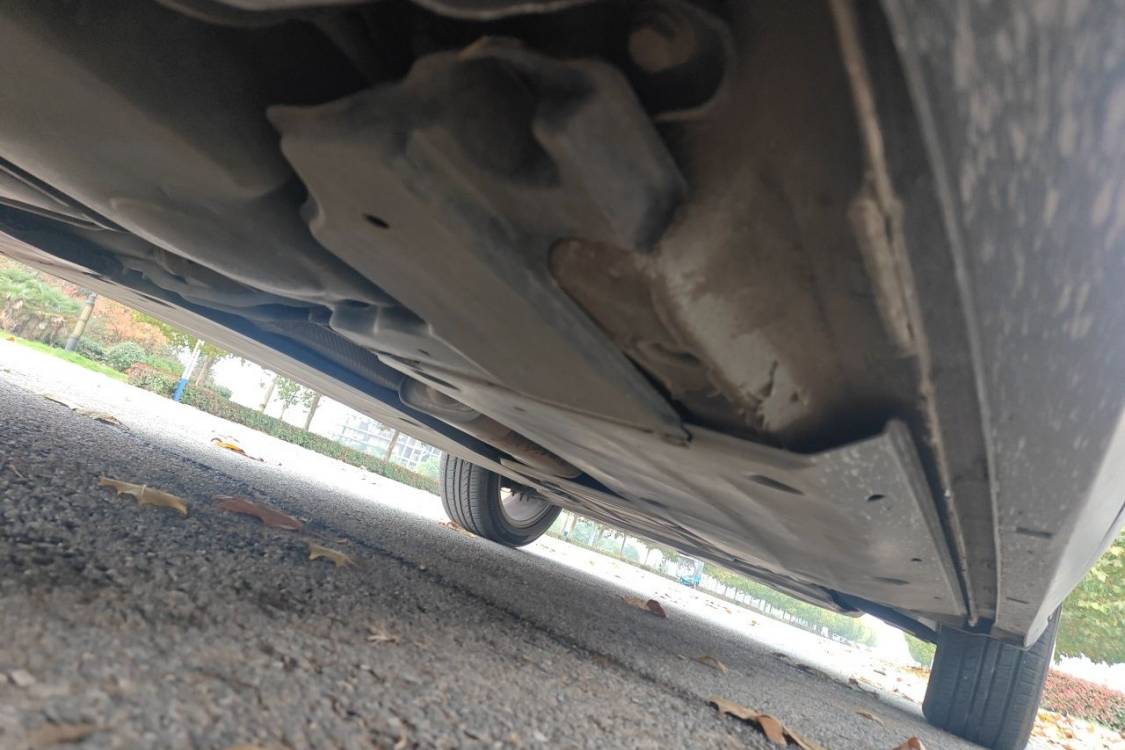
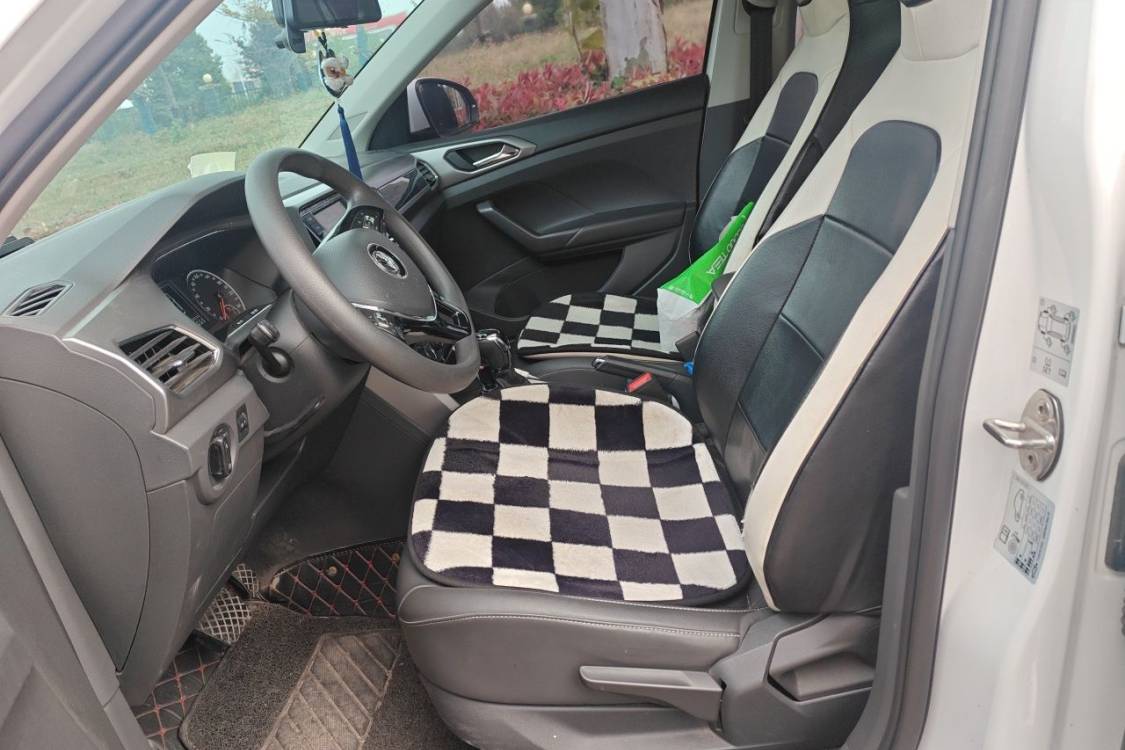
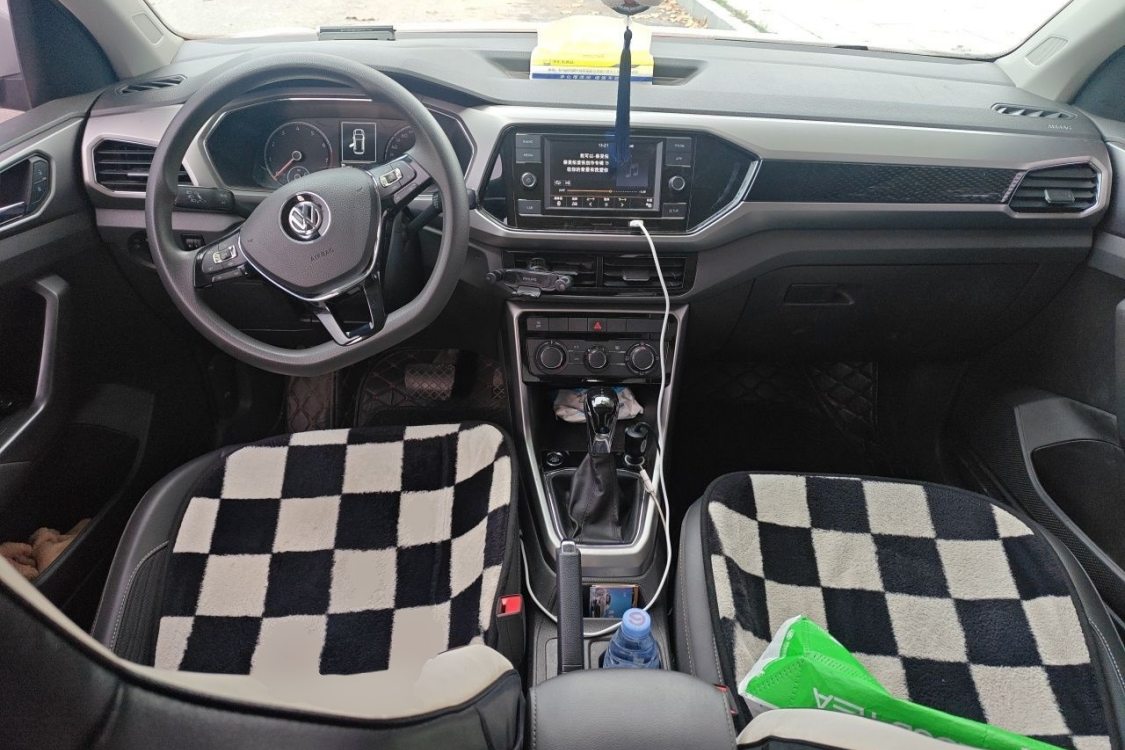
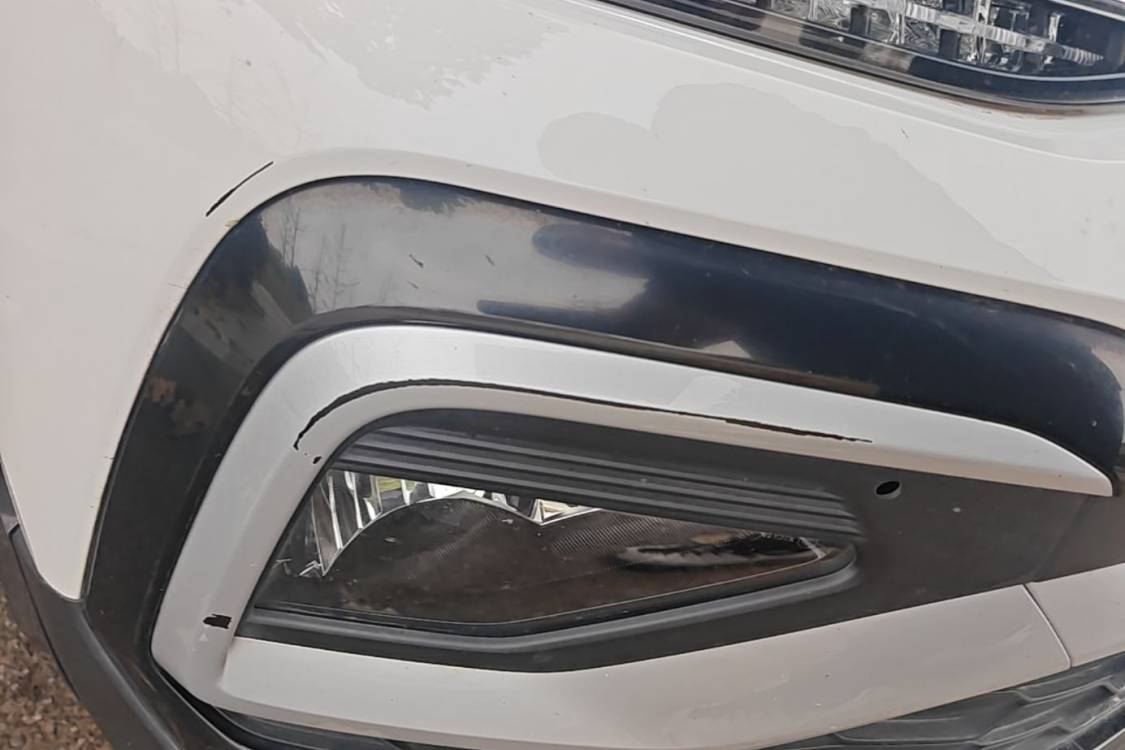
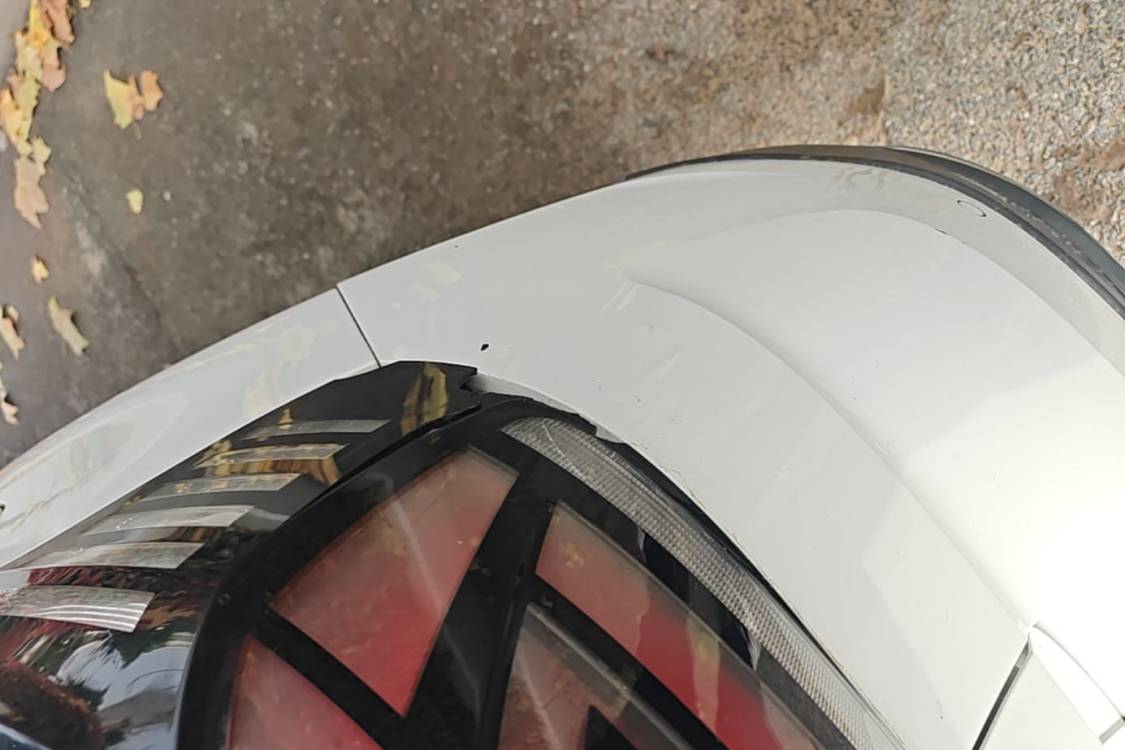
Vehicle performance is good. No accident-related damage or repairs to structural, reinforcement, or covering parts. No damage to the three-electric system (battery, motor, electronic control).

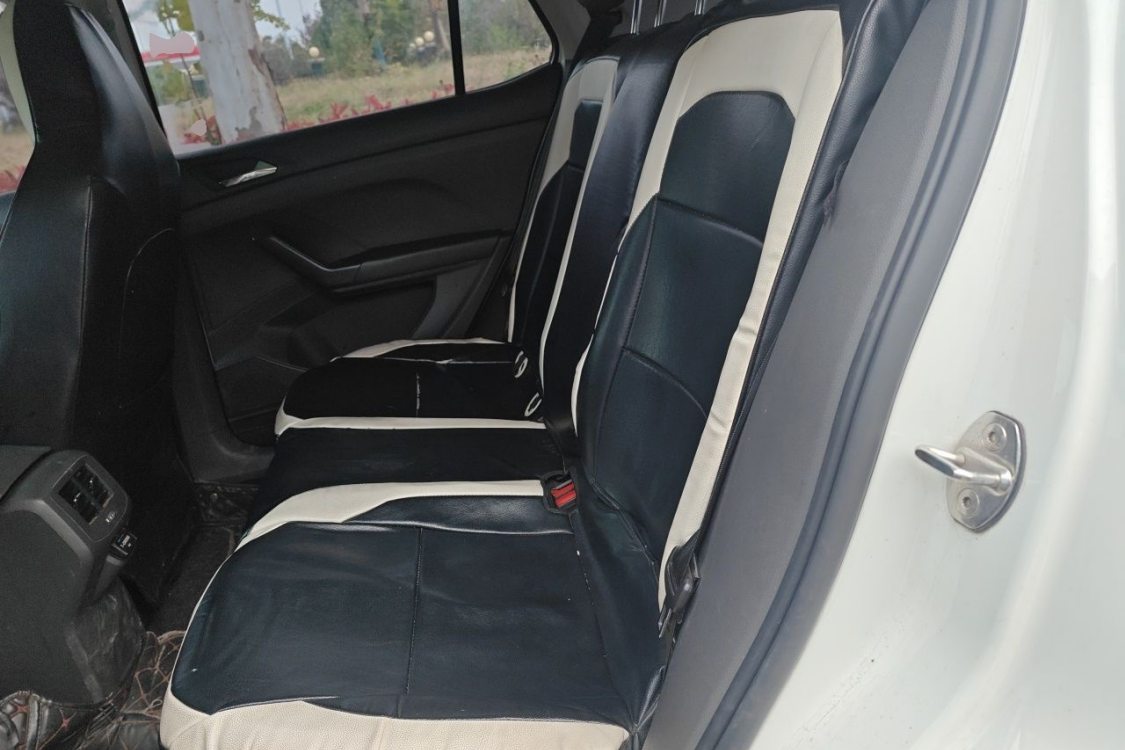
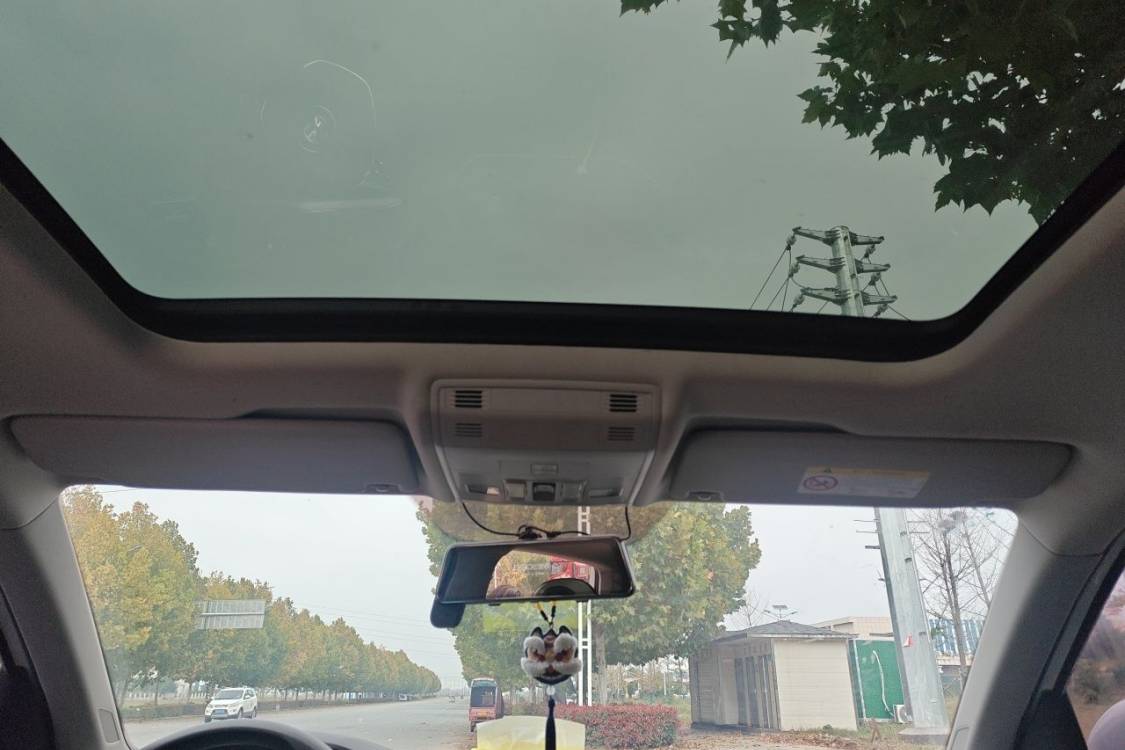
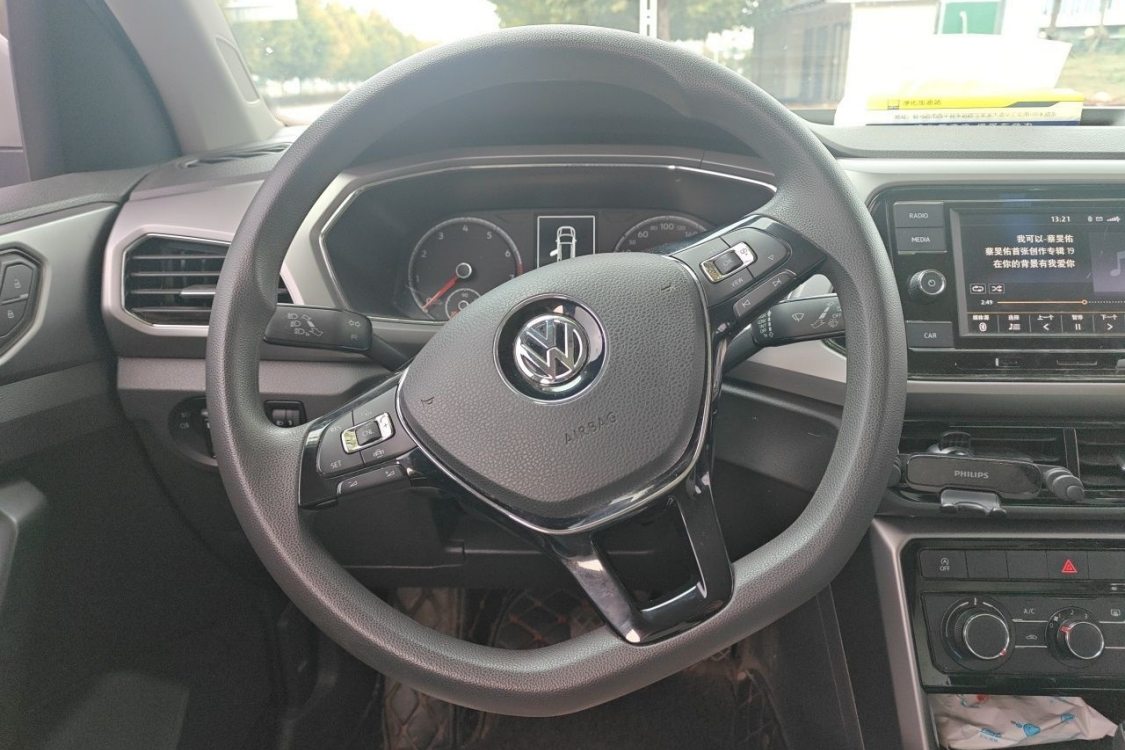
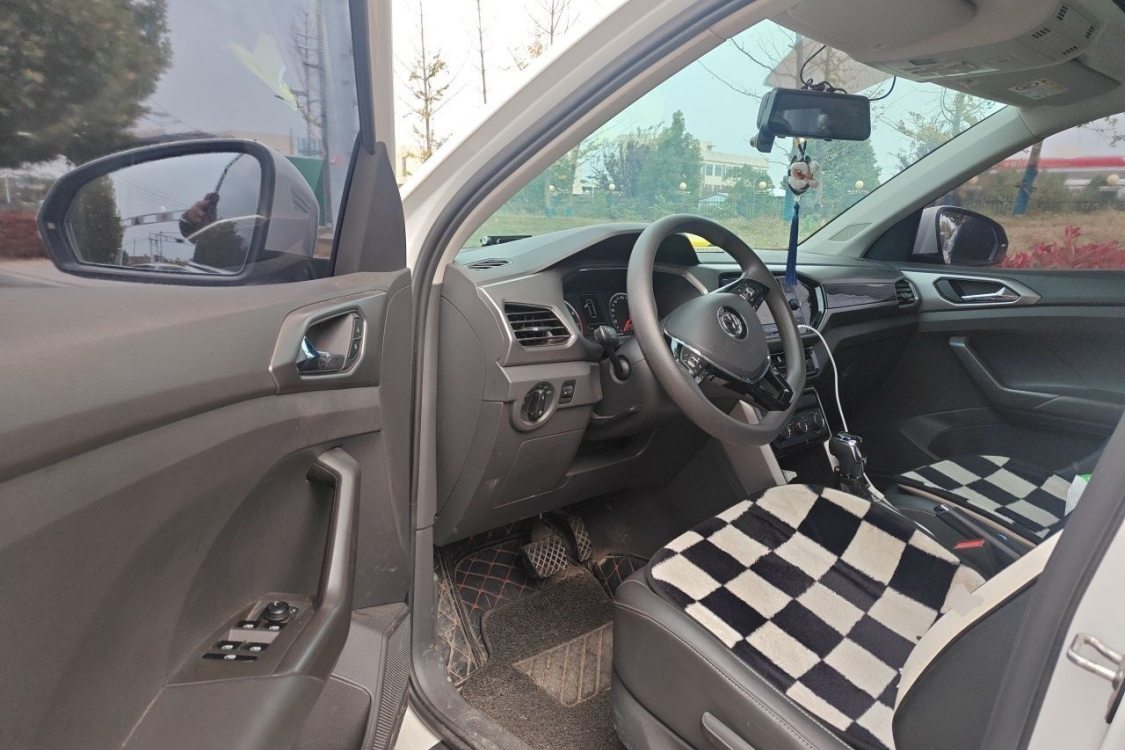
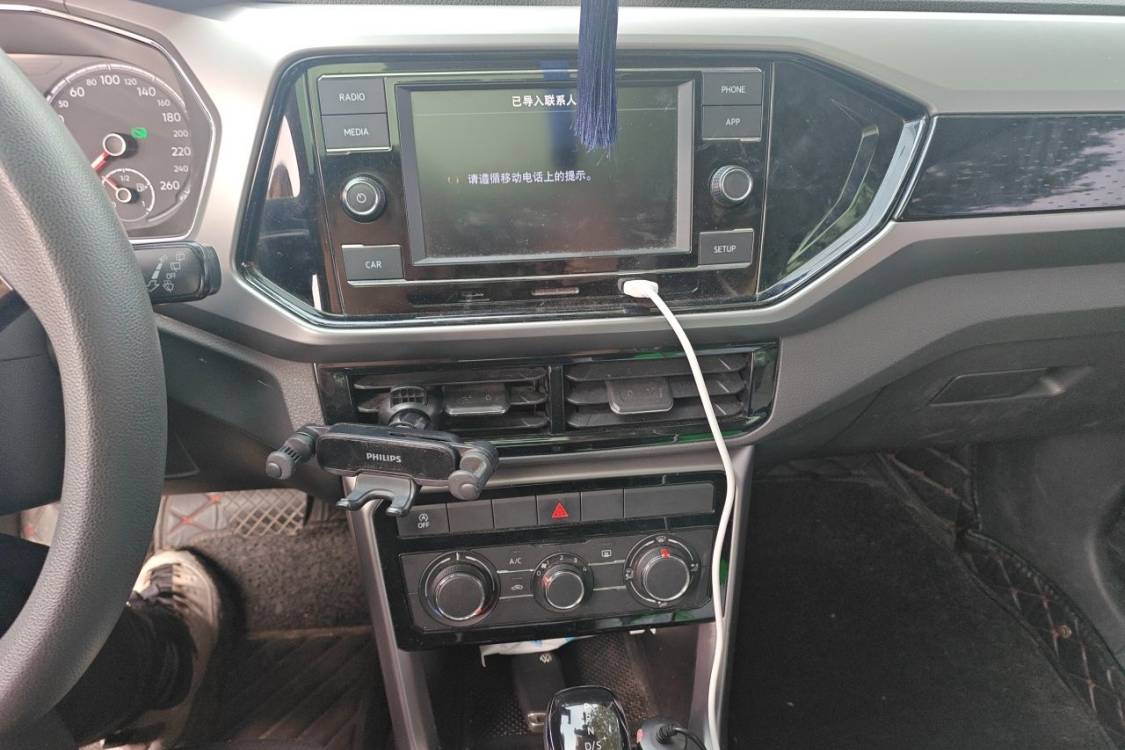
Accident inspection: no damage to main structure, reinforcement parts, covering parts, or hinges. Engine bay inspection: key mechanical components in engine compartment normal. Exterior: none. Interior: most features normal, airbag inspection normal, seatbelts normal, dashboard normal, instrument panel normal, lighting system normal. Startup inspection: airbag fault light abnormal during operation check. Onboard tools: none.
电话直连
可讲价
平台物流
可转售
零过户
新检测标准升级>
非泡水

Document Information

Inspection Expiry Date2026/12
Warranty Expiry Date-
Insurance Expiry Date2026/12

Q&A

More

Does your technical testing include highway road tests (high-speed driving tests), or is it only low-speed driving in a closed area?

Due to legal restrictions preventing unregistered vehicles from high-speed driving on public roads in China, most of our dynamic tests are conducted in a closed area (with a maximum speed of around 60 km/h). This is sufficient to test for suspension noise and low gear smoothness, but it cannot simulate high-speed wind noise and tire balance vibrations at 120 km/h.

For a used hybrid or EV, what battery health checks should I demand in a pre-purchase inspection?

The battery is the most expensive component in a used EV or hybrid, so battery health deserves its own inspection stage. Ask for a professional diagnostic scan (for example, via OBD tools reading the BMS data) that reports State of Health (SOH) in percentage. For EVs, SOH above 85% is generally good; below 75% means meaningful capacity loss and reduced driving range. Request a full charge and discharge test where possible: charge to 100%, drive or discharge to near 0%, and compare actual range against the original rated range. A battery delivering less than 70% of rated range is a concern. Check for battery cell imbalance — the diagnostic report should show voltage differences between cell groups. A spread above 0.05V indicates uneven aging. Also verify thermal management: confirm the battery cooling/heating system works, especially for cars destined for hot climates, and check whether the car has any active battery recall or warranty extension programs. Always get these results in writing or screenshots before paying the balance.

What can a pre-purchase OBD diagnostic scan actually reveal about a used Chinese car?

An OBD scan is one of the most cost-effective tools in a remote pre-purchase inspection, but you need to know what it can and cannot tell you. What it reveals well: current and stored fault codes across the engine, transmission, ABS, airbag, and body modules. A car with dozens of cleared codes in multiple modules may have electrical problems or a history of tampering. It also shows readiness monitors — if all monitors show 「not ready」 on a car that claims to be freshly serviced, the codes were probably cleared recently to hide something. What it reveals with the right software: live data. You can watch engine idle stability, coolant temperature under load, transmission shift behavior, and battery cell voltages on EVs. Abnormal fuel trims or misfire counters can flag worn injectors or coils before any warning light appears. What it cannot do: prove real mileage (odometers can be corrected digitally), detect physical accident repairs, or judge paint and rust. Practical advice: ask your inspector for a full-system scan report with screenshots, not just a 「no codes」 verbal summary. For Chinese brands, make sure the tool supports their protocols — mainstream scanners cover BYD, Geely, and Chery well, but some small brands need brand-specific software.