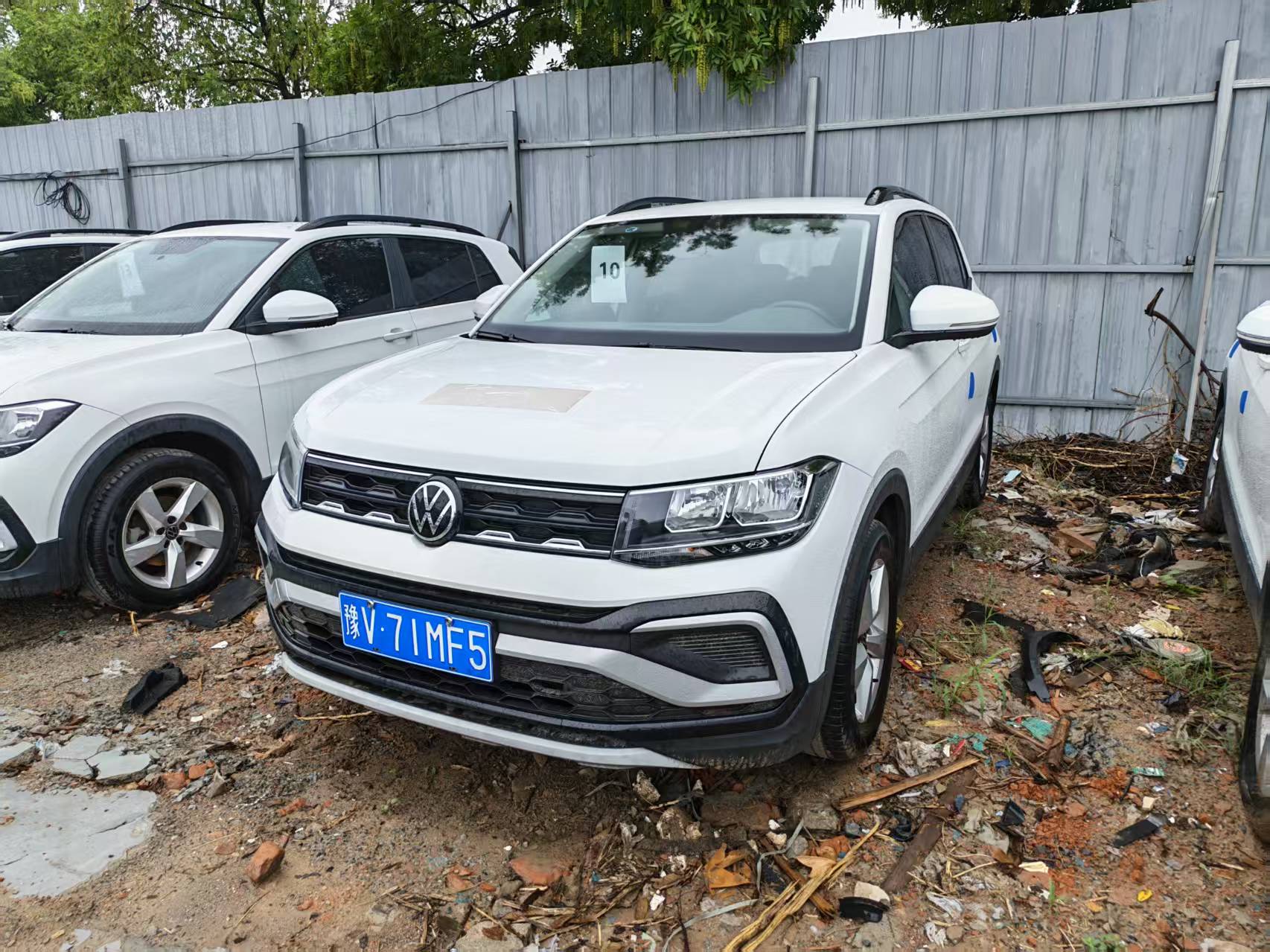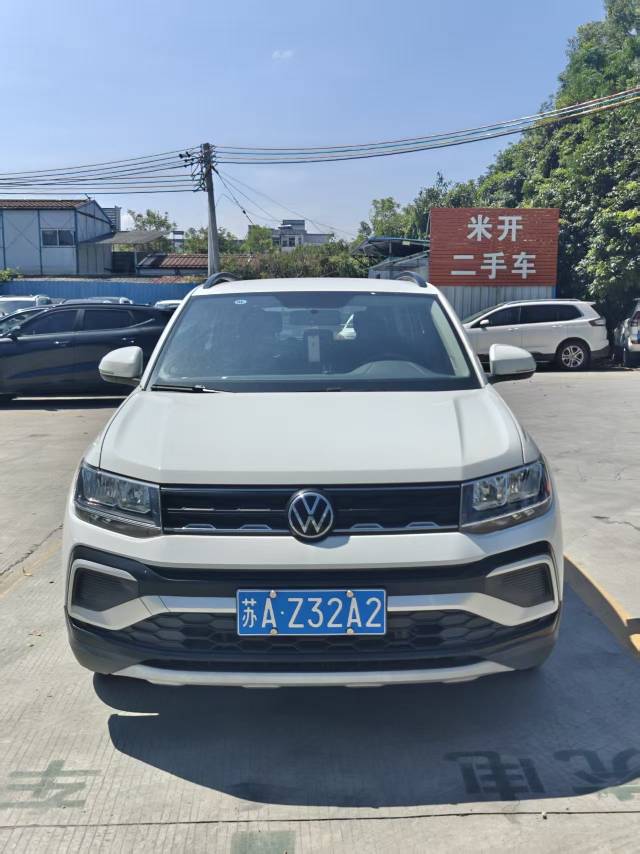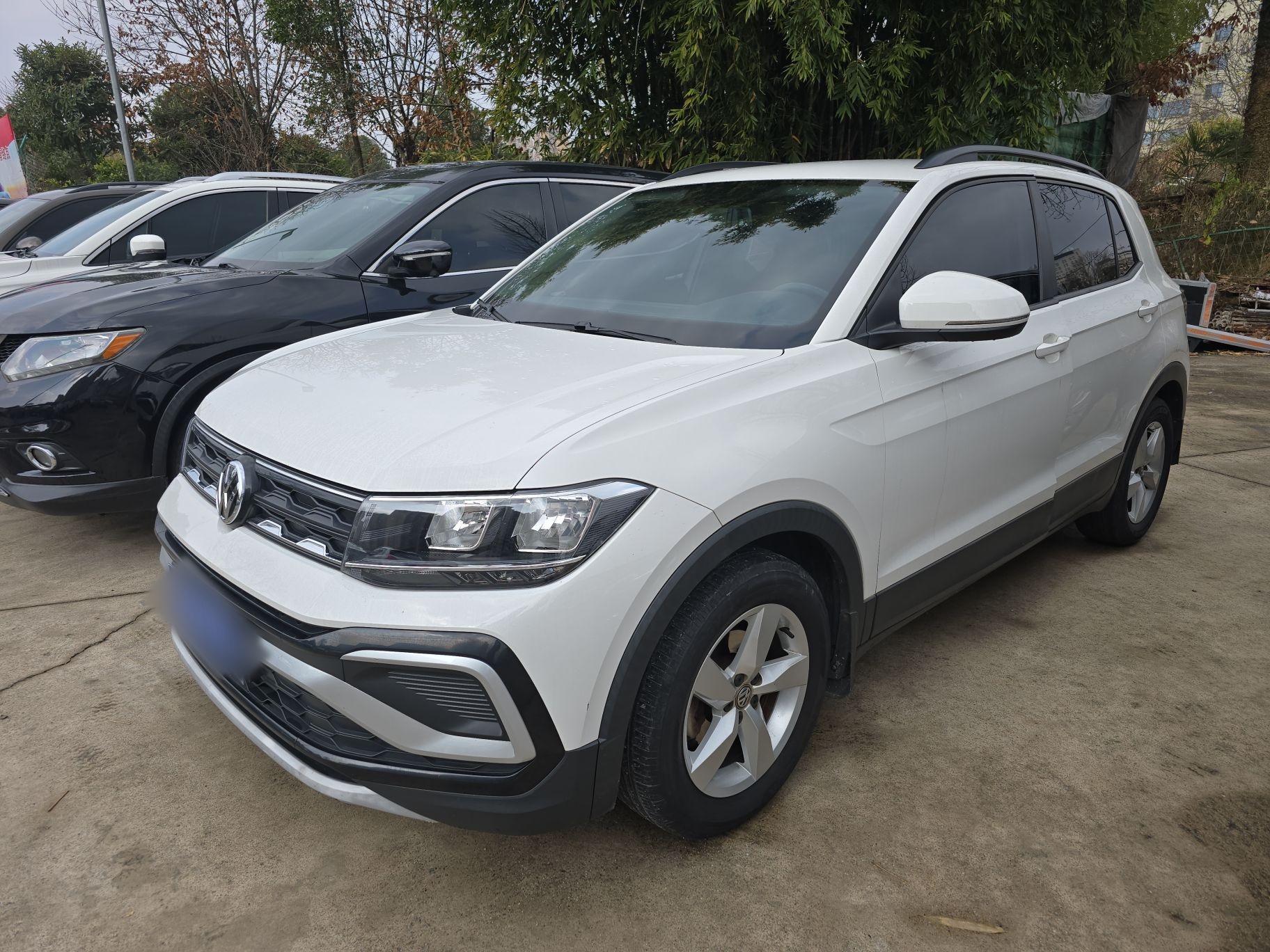
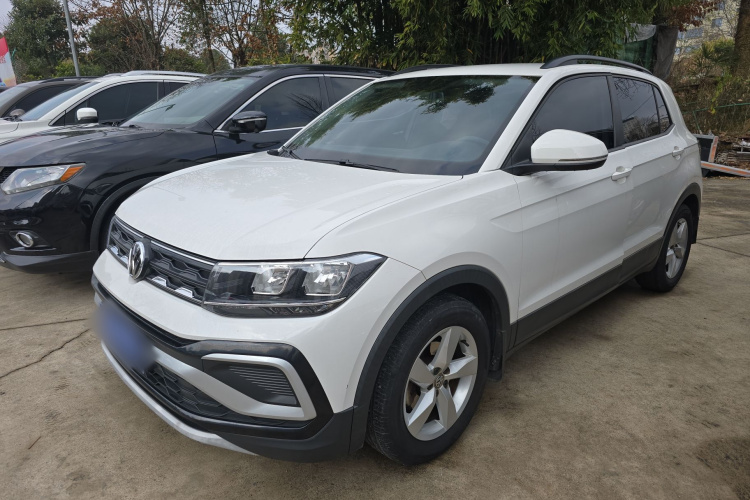
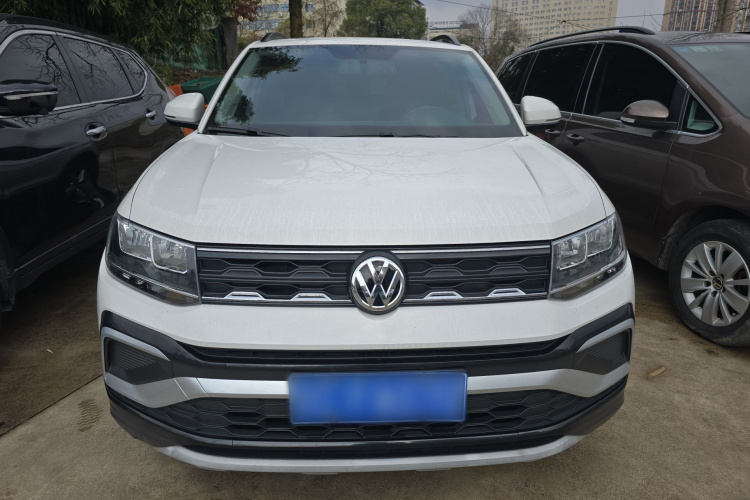
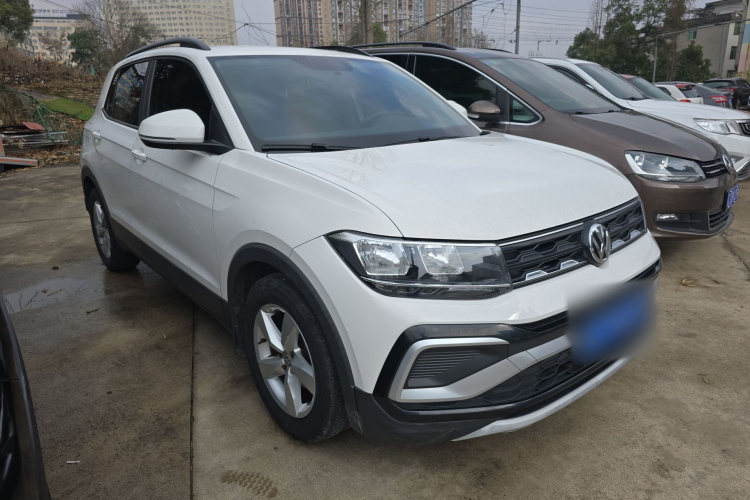
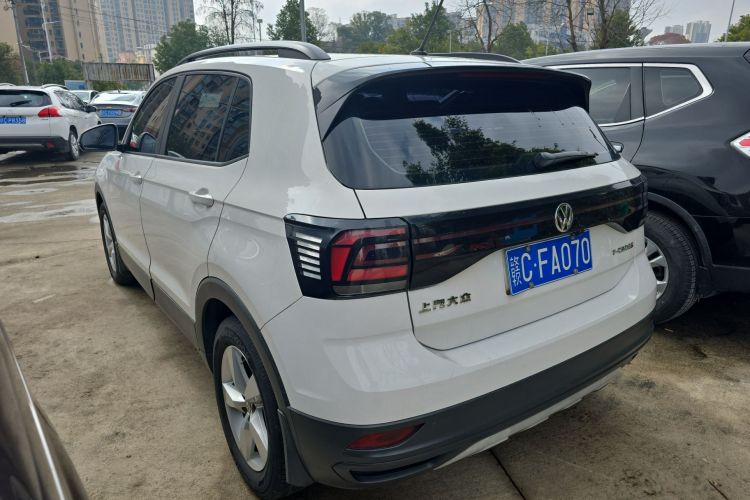
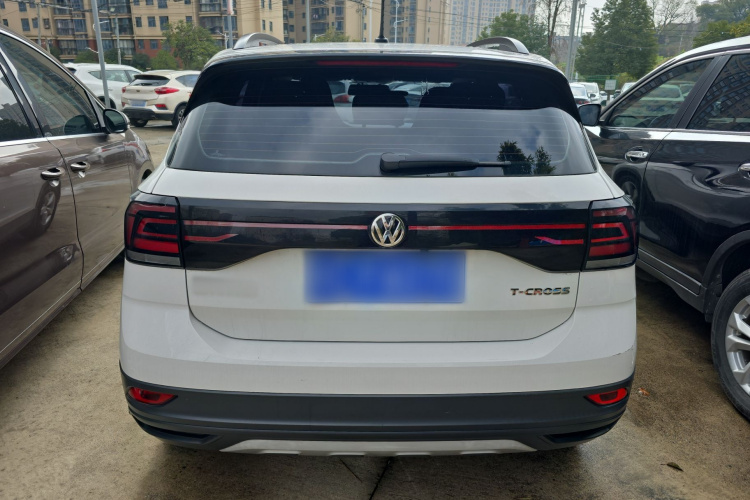

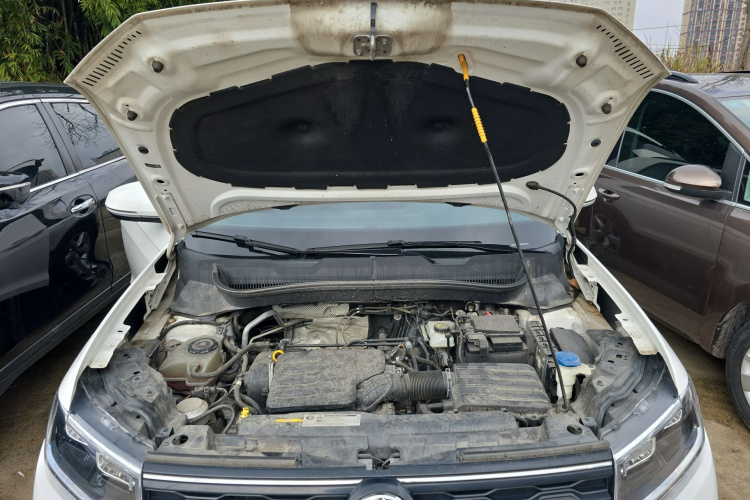



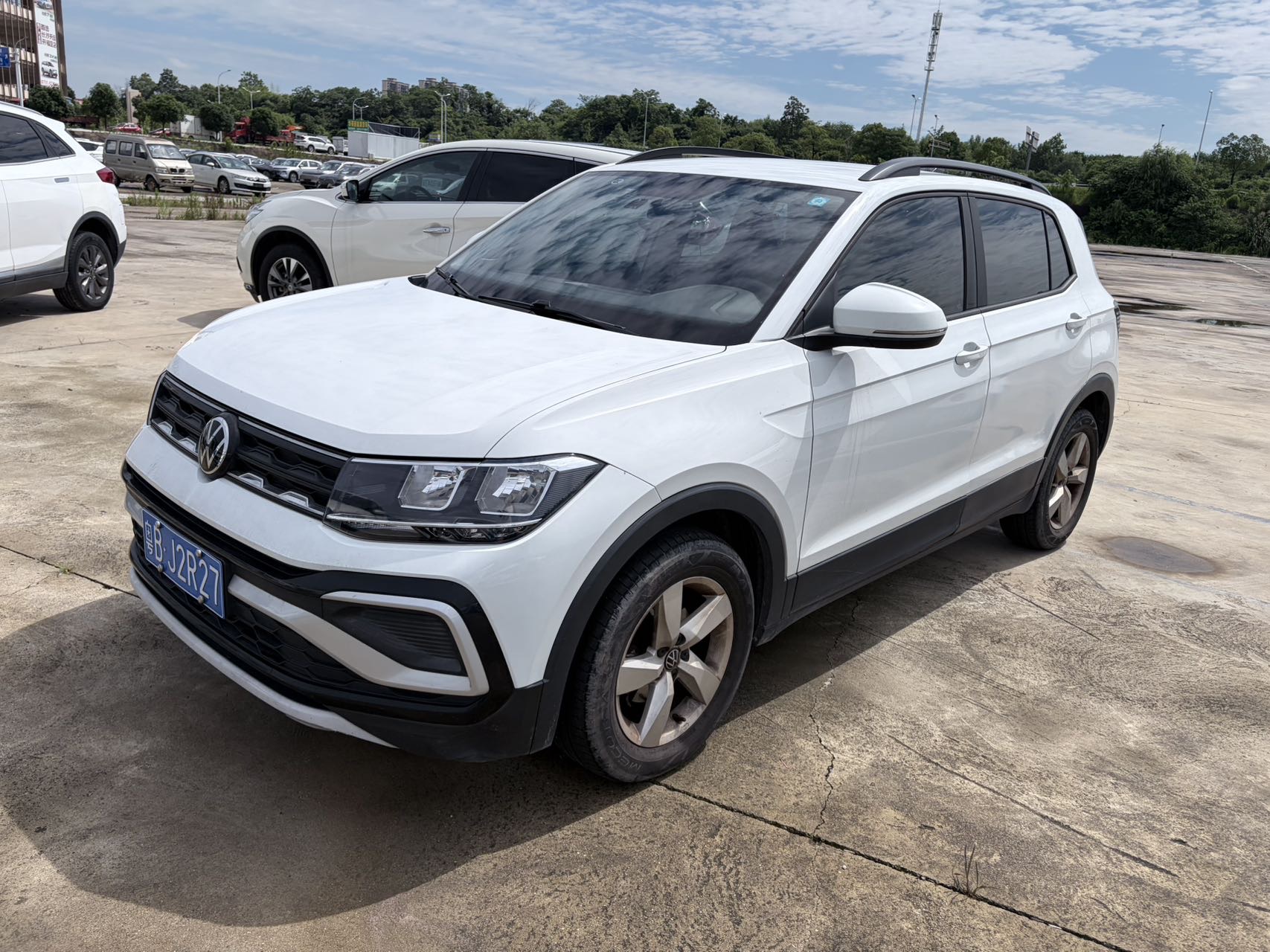
Basic Information

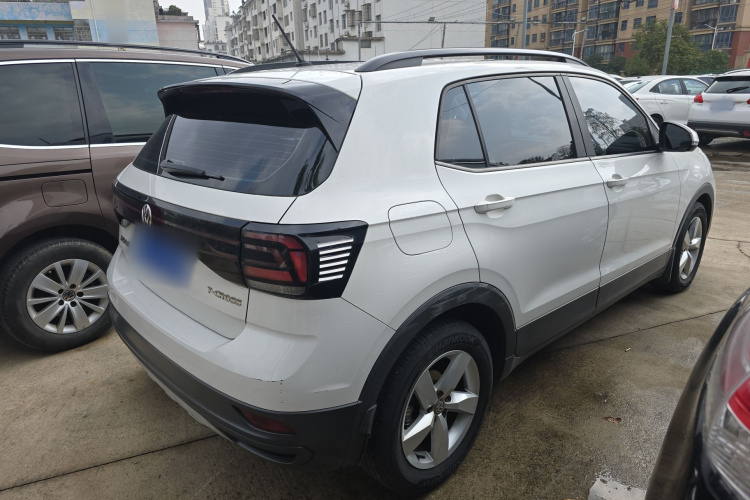
BrandVolkswagen
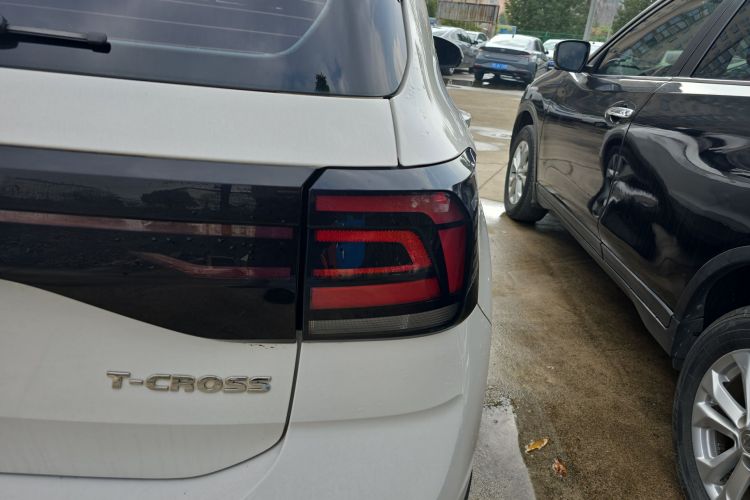
SeriesT-Cross
Year2020
First Registration2020/10
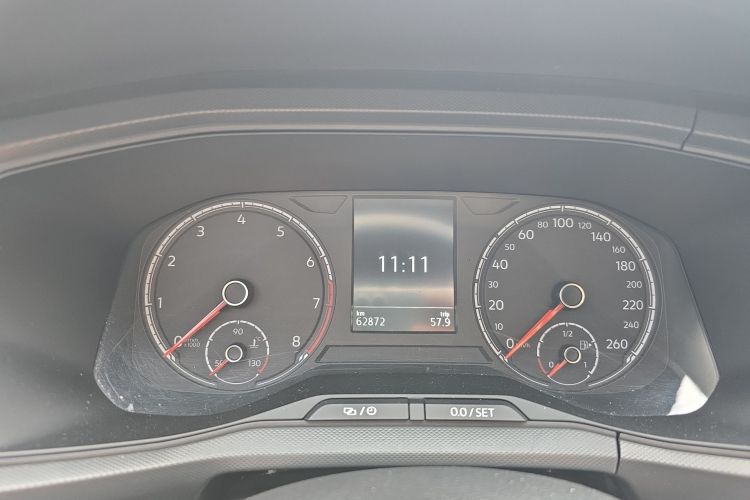
Mileage62,800km
Transfer Count-
FuelGasoline
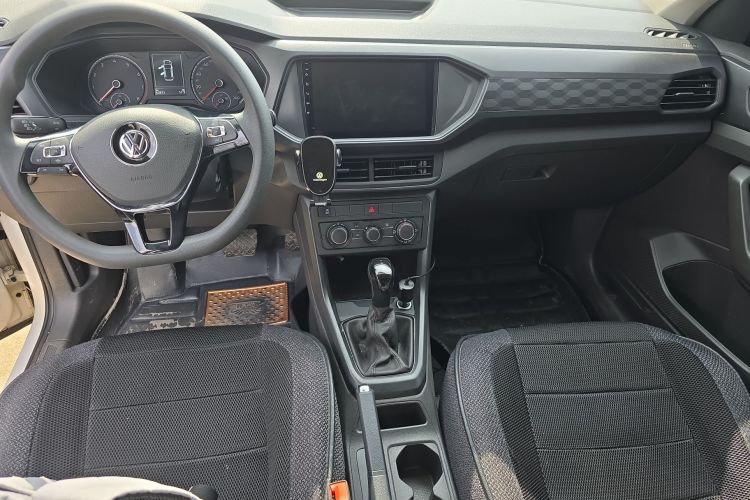
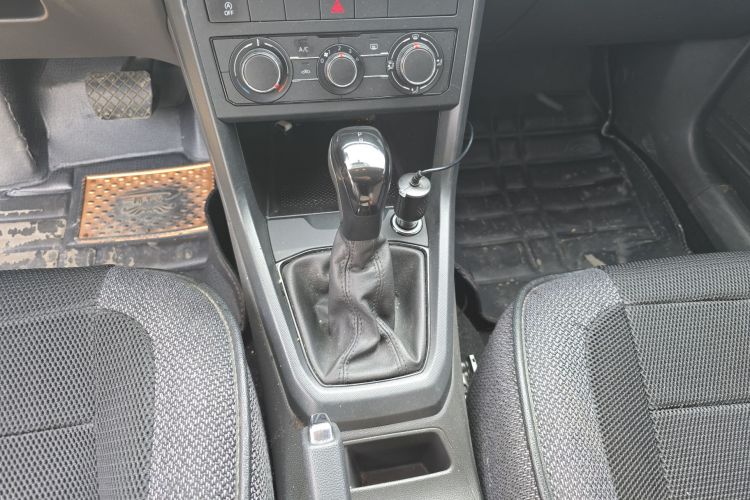
TransmissionManumatic
Engine1.5L 113 L4
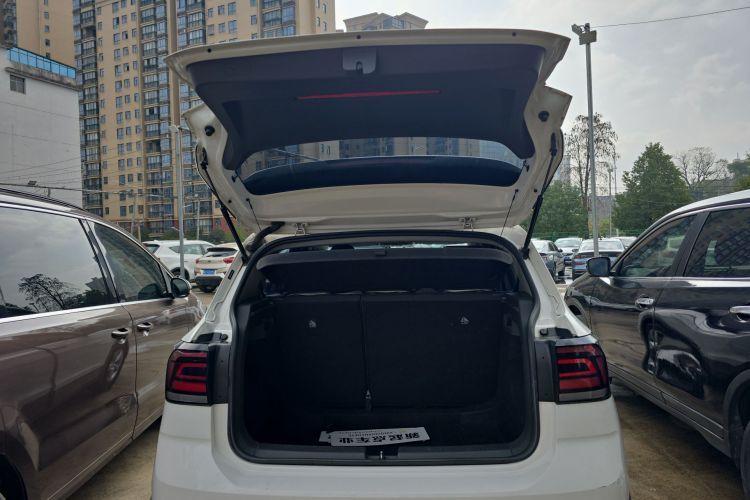
ColorWhite
Seats-

Condition Description

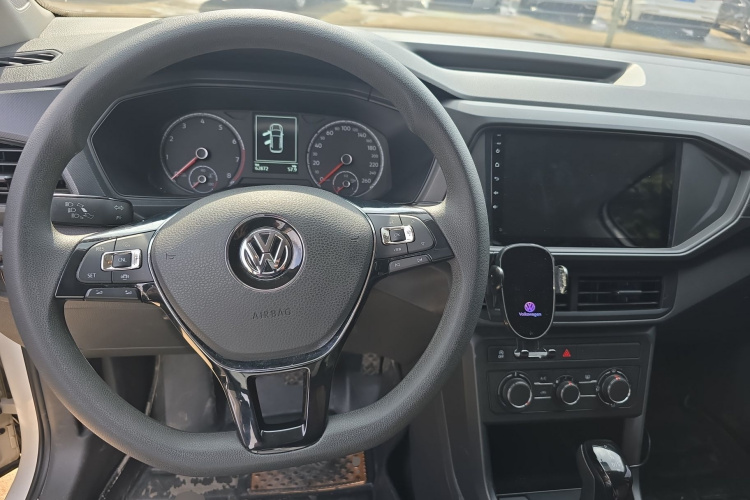
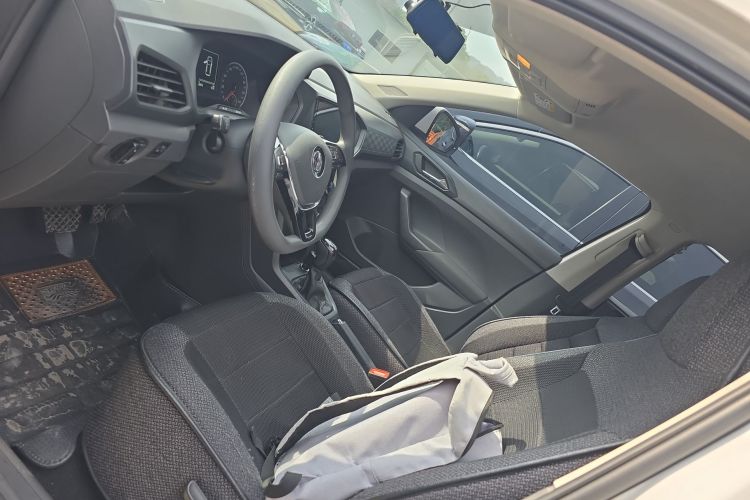
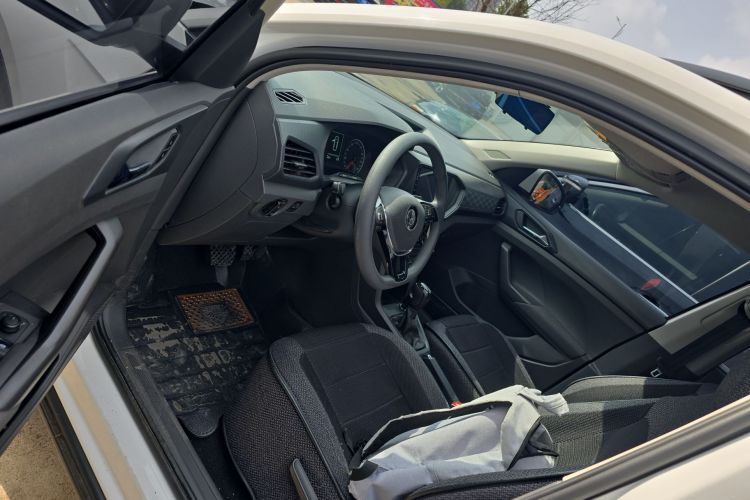
Vehicle in good condition, passed inspection, excellent condition, 0 claims, 0 ownership transfers.

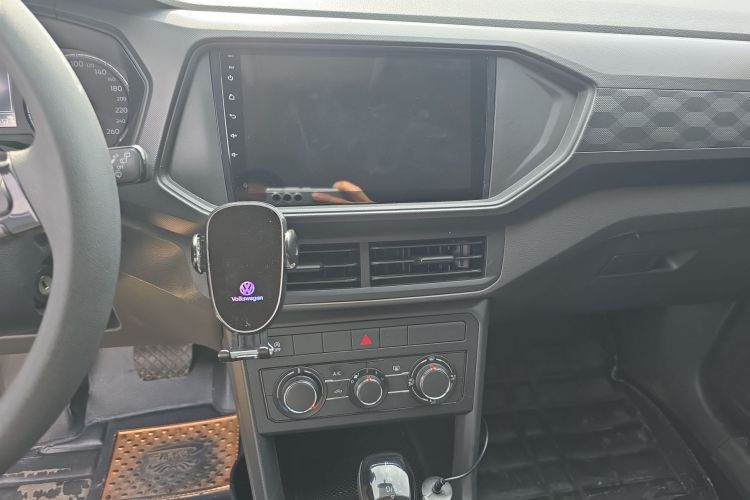
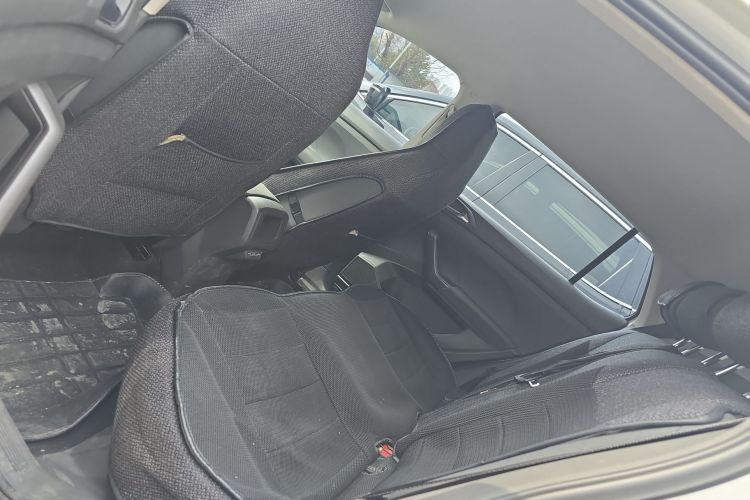
This vehicle is 6 years old, with an average annual mileage of 10,500 kilometers. It has a low frequency of daily use and has never been transferred to another owner, making it a good first-hand vehicle. The exterior paint is in good condition, although there may be a few minor marks. The interior is clean and tidy, with minor signs of use. The overall body frame is intact and without any abnormalities. The fluids are normal, and the powertrain operates smoothly without any abnormalities.

Configuration Highlights

✓Smartphone Connectivity
✓Engine Start-Stop
✓Cruise Control
✓Tire Pressure Monitoring
✓Hill Start Assist
✓Anti-pinch Windows

Q&A

More

How to ensure compliance for countries that strictly prohibit the import of vehicles containing any asbestos (like Australia)?

Chinese passenger cars produced after 2005 have fully transitioned to asbestos-free brake pads, clutch plates, and gaskets. However, for export to countries with strict regulations, buyers must pay for sampling and testing by a NATA-accredited laboratory before shipment, and obtain an asbestos-free certificate.

Will OTA remote upgrades and mobile app control still work after the vehicle is exported overseas?

We must inform you objectively: Most Chinese car manufacturers' connected services (cloud servers) are restricted by data security regulations and overseas network limitations. Once the vehicle leaves China, the factory-installed SIM card will become inactive. This means that official OTA upgrades and factory mobile app remote controls (like pre-cooling the car or unlocking doors) typically cannot be used overseas. The vehicle will operate as a standalone version, but this will not affect basic driving and physical button functions.

If the customs of the destination country values the vehicle higher than your commercial invoice amount, leading to a surge in duties, who is responsible?

The customs of the destination country has the right to disregard the commercial invoice and reassess the value based on its internal database (such as the customs valuation red book). Any additional duties incurred are a result of the importing country's policy and are fully borne by the buyer (importer).