


24H

Basic Information

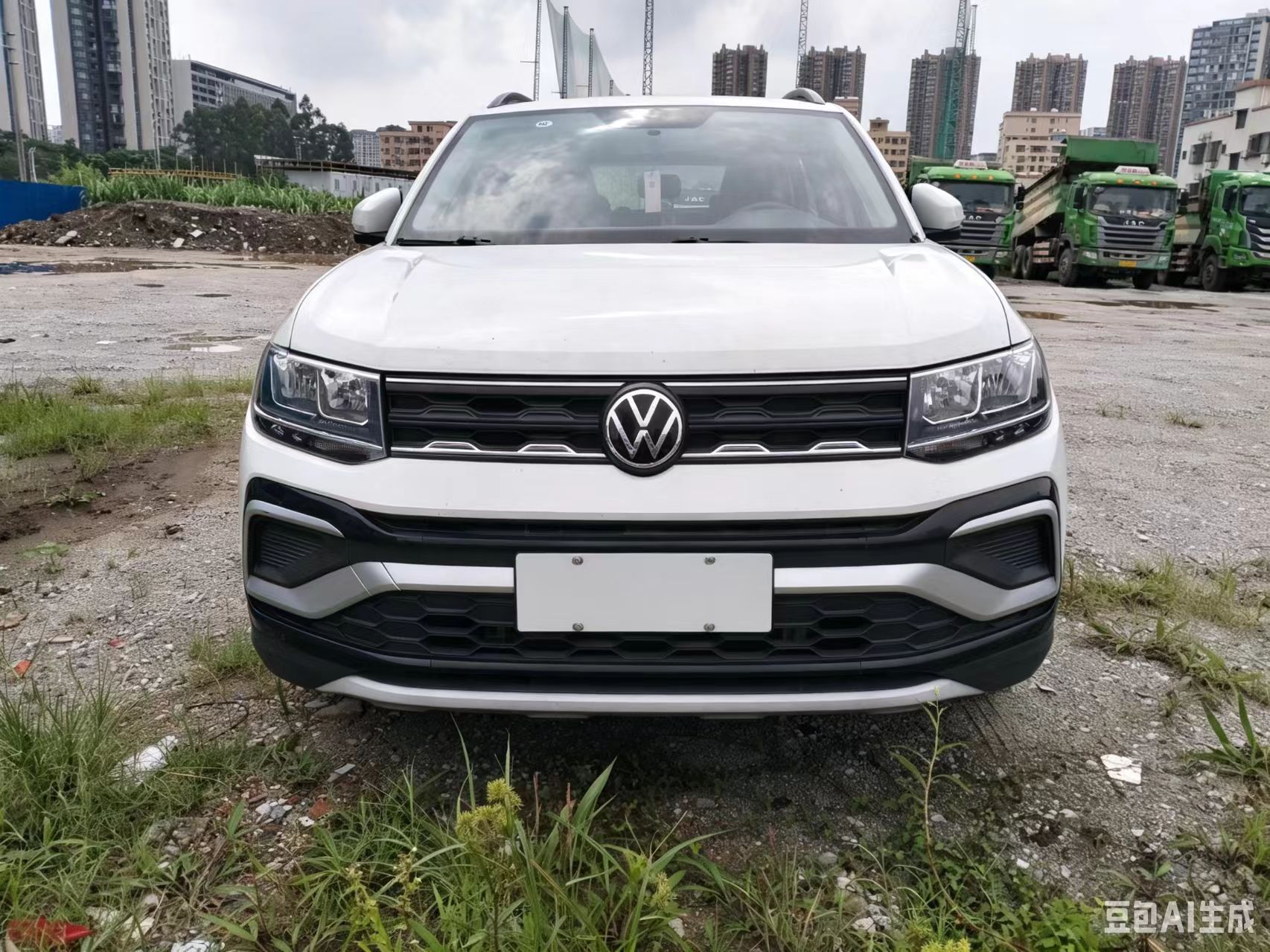
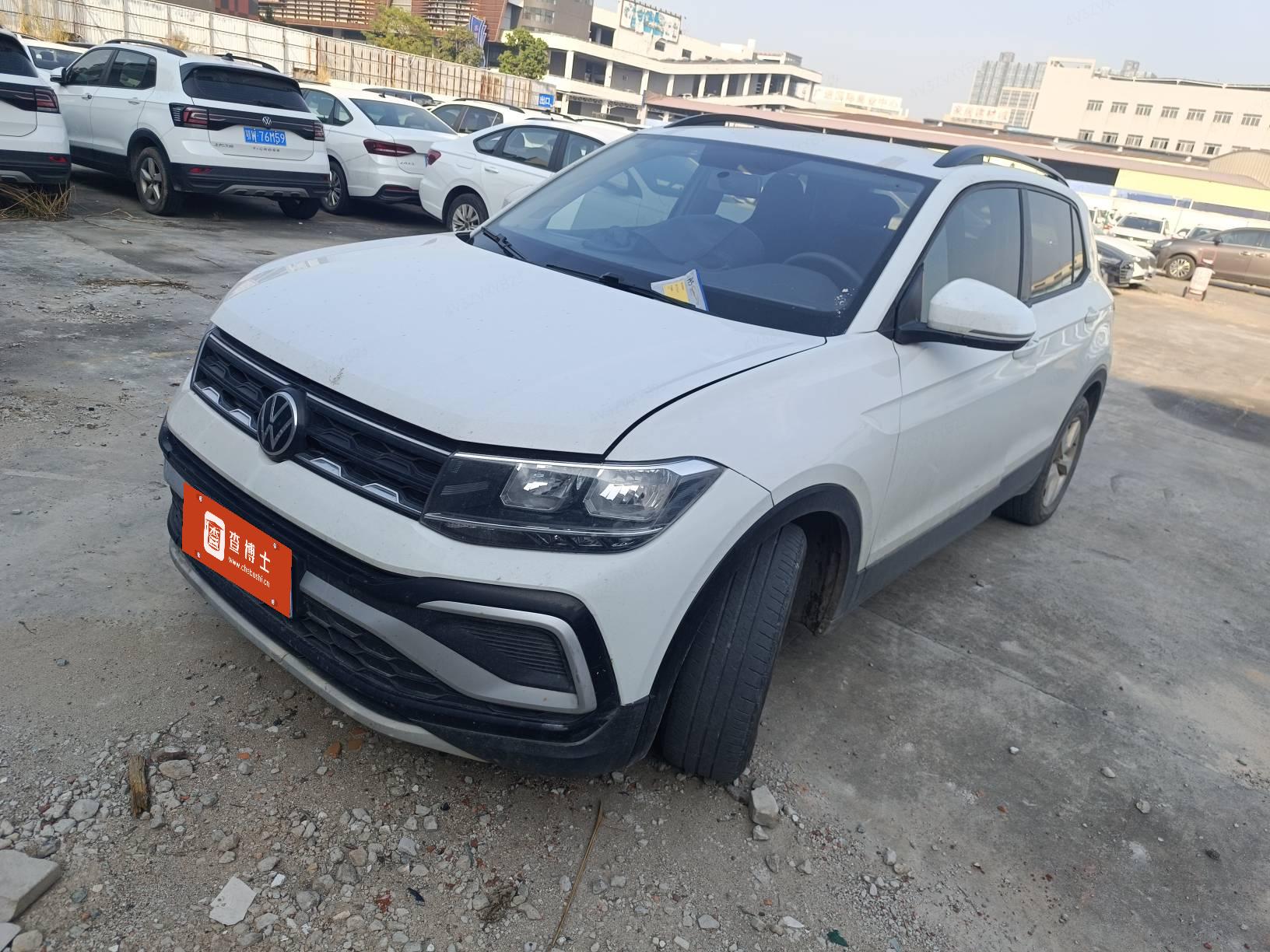
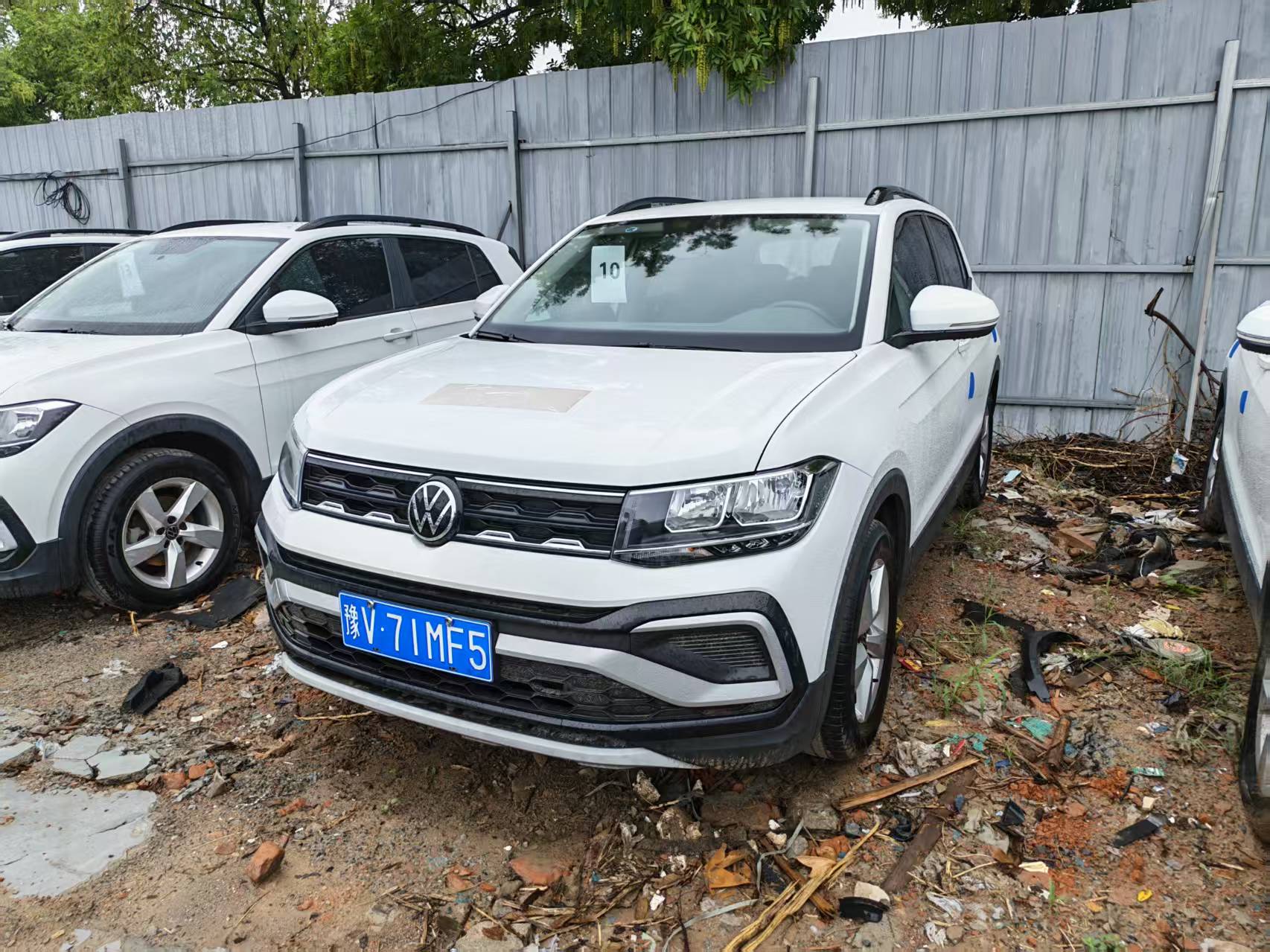
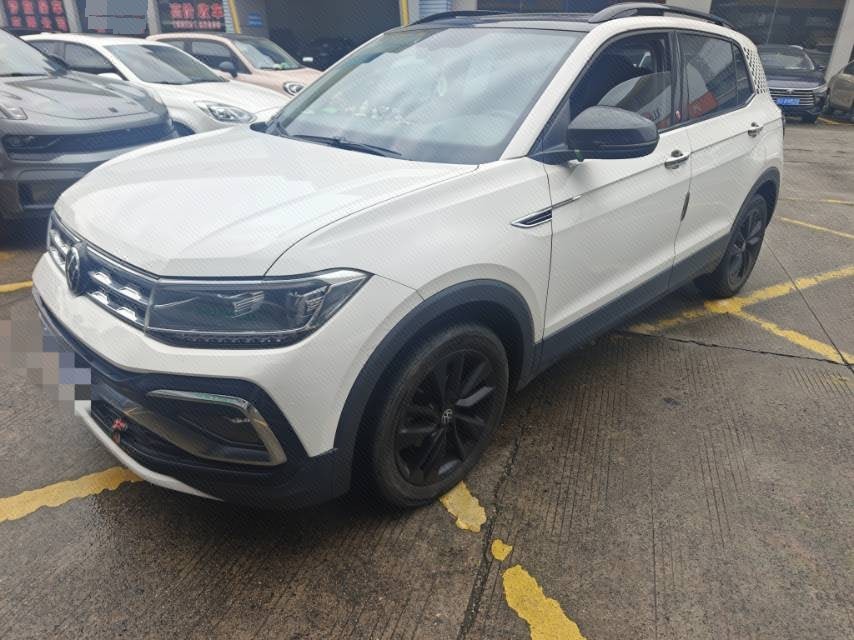
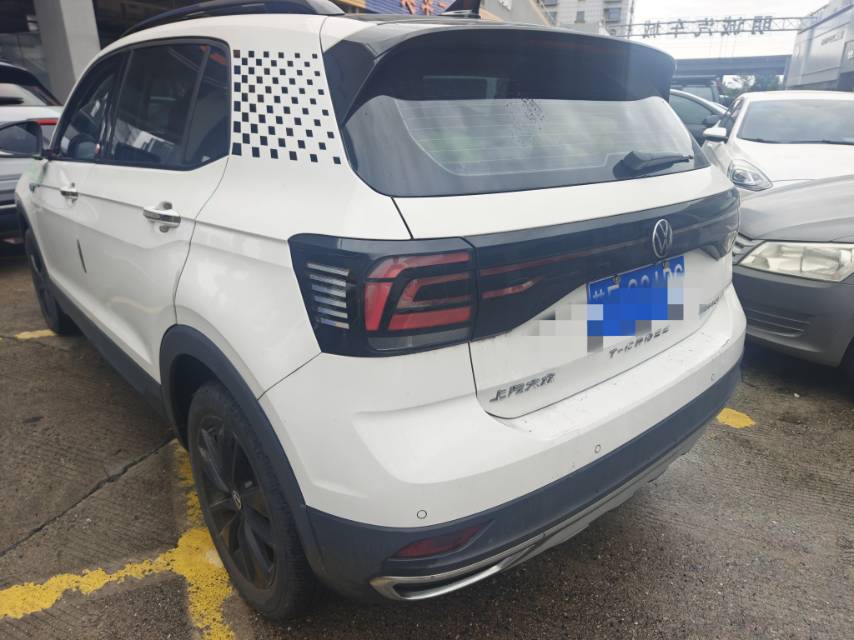
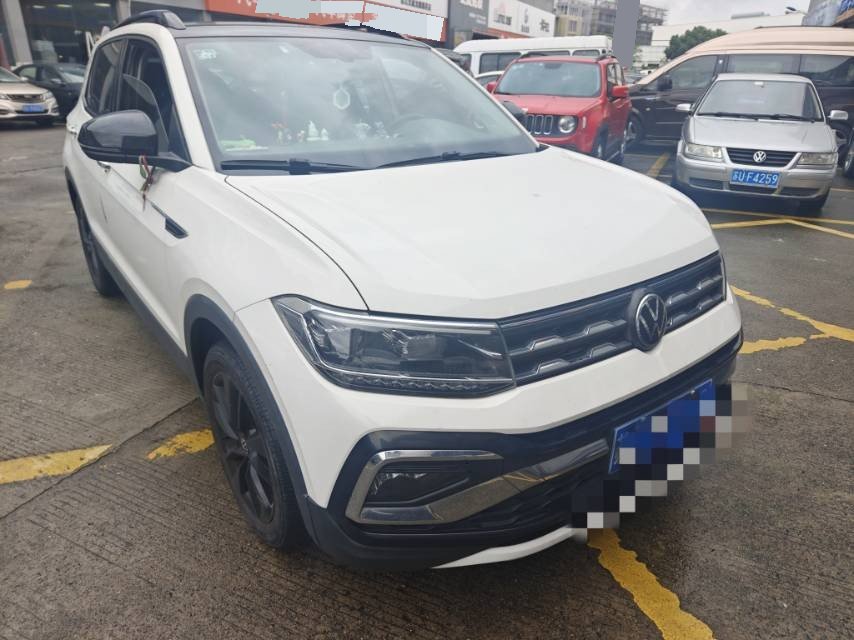
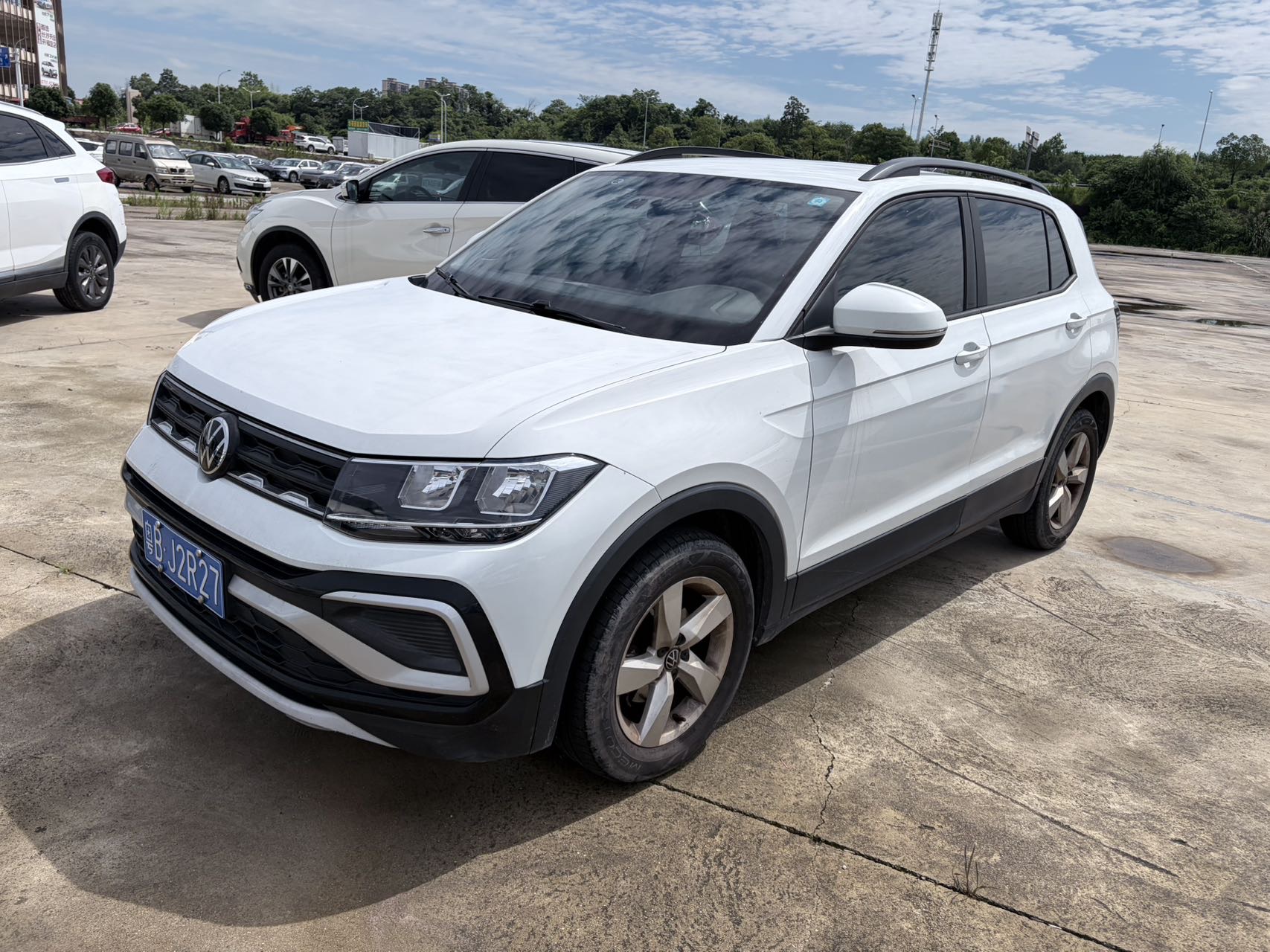
BrandVolkswagen
SeriesT-Cross
Year2021
First Registration2021/12
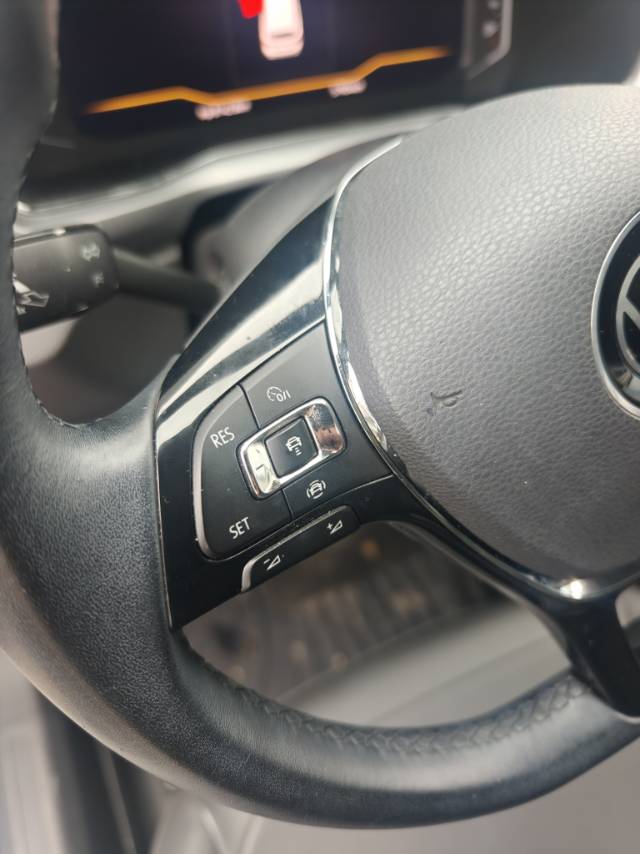
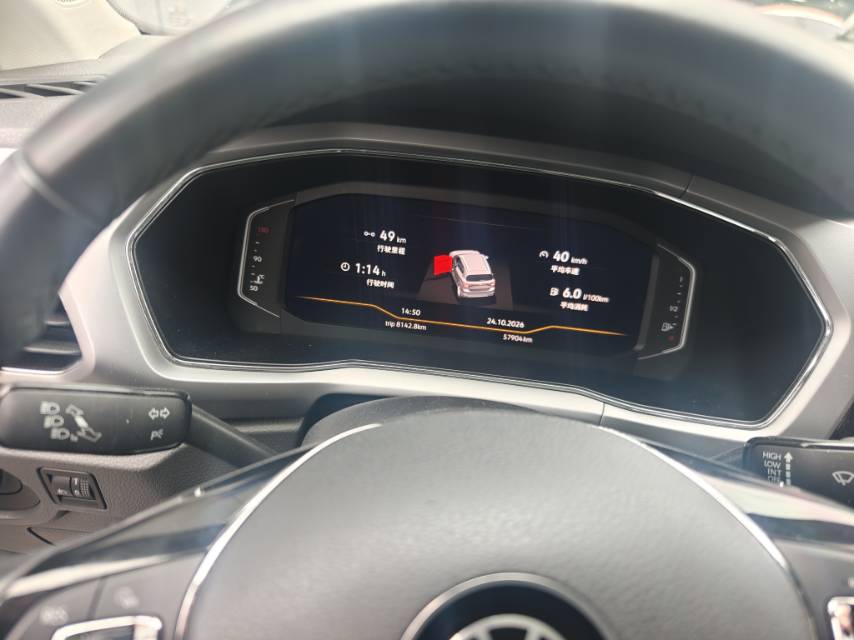
Mileage57,000km
Transfer Count0times
FuelGasoline
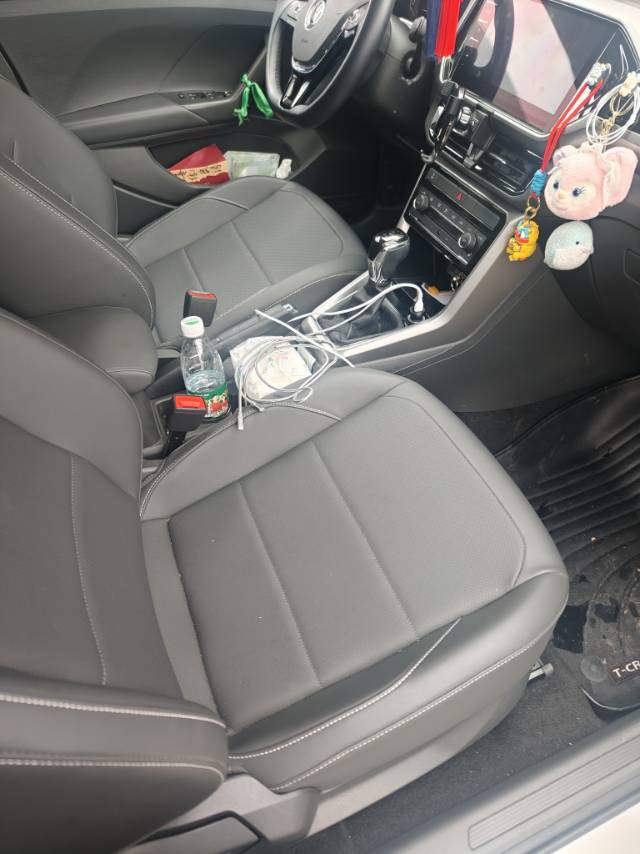
TransmissionDCT
Engine1.4T 150 L4
ColorWhite
Seats-

Condition Description

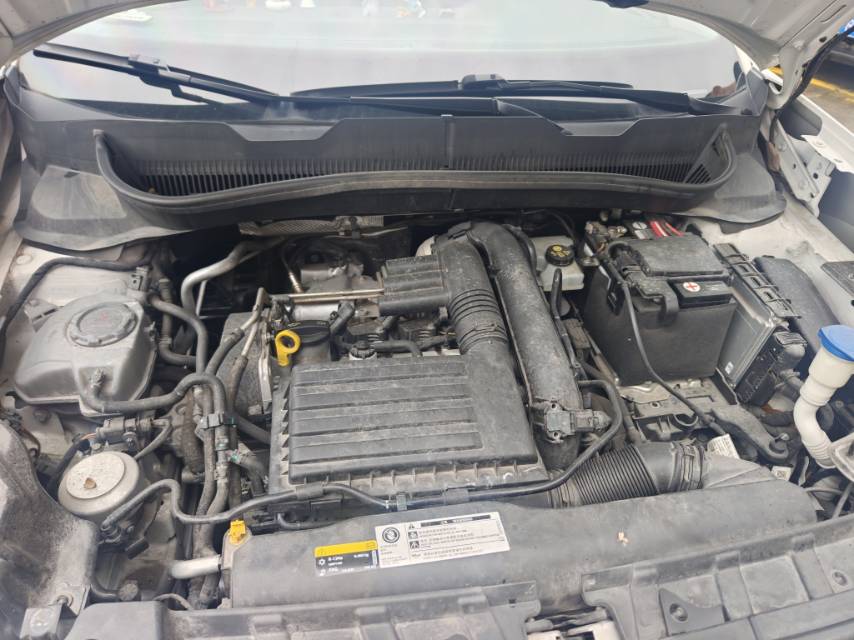
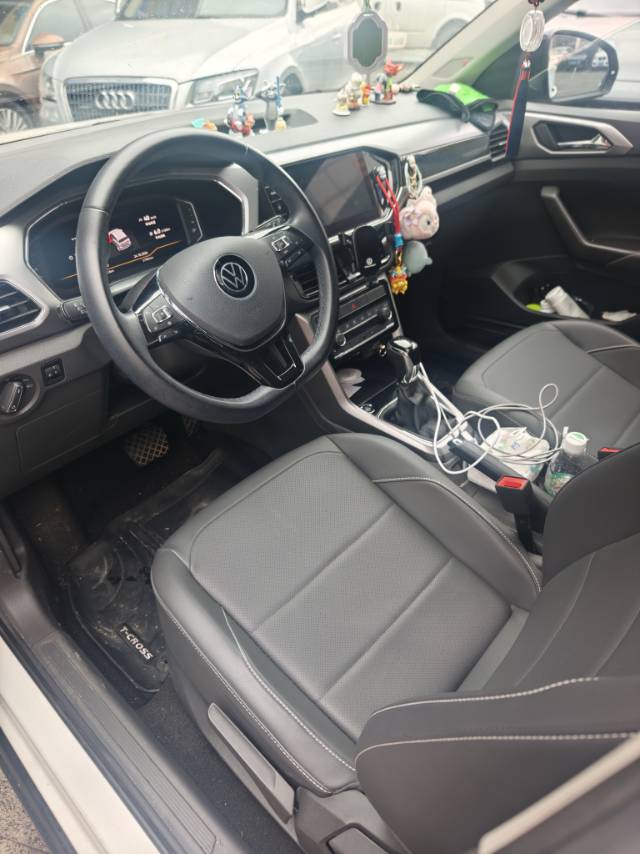
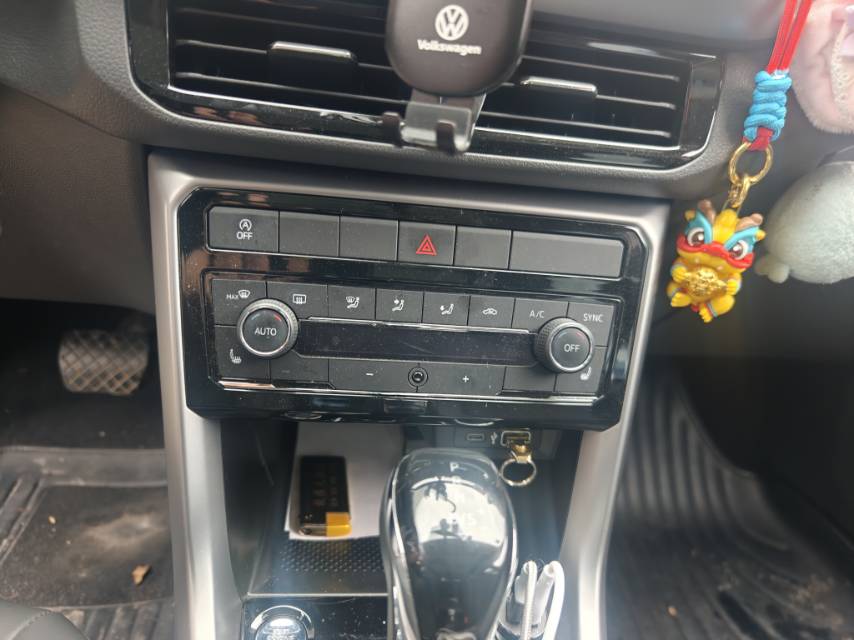
Full original paint, original paint on metal parts, can pass third-party inspection, one owner.

Document Information

Inspection Expiry Date-
Warranty Expiry Date-
Insurance Expiry Date2026/12

Q&A

More

What does the buying process look like when importing a used car from China?

A typical transaction has six steps. 1. Selection: you confirm the vehicle through photos, a video walkaround, an inspection report and the VIN. 2. Deposit: most exporters ask 20%-30% to reserve the car. Pay by bank transfer to the company's corporate account, never a personal one. 3. Inspection: an independent pre-shipment inspection verifies the condition; you receive the report before paying the balance. 4. Balance payment: usually due before loading. Request the booking confirmation and container number. 5. Shipping: the exporter sends you the draft bill of lading for checking, then the original documents by courier. 6. Arrival: you clear customs with the invoice, C/O, B/L and inspection certificate, then register the vehicle. Total timeline is usually 2-6 weeks. Use payment methods with recourse (T/T or escrow) and keep every contract and receipt.

Which import rules (age limits, emissions, safety standards) apply to used cars from China in my country, and how do I confirm the car qualifies before paying?

Rules differ by country. Many markets limit the age of imported used cars (commonly 3-5 years), require left-hand drive, and set minimum emission standards such as Euro 4, 5 or 6. Some regions additionally require a local conformity certificate before the car arrives. Practical steps before any deposit: check your customs authority's official website, or spend 20 minutes with a local customs broker who imports vehicles regularly; give the exporter your country's requirements and the VIN, and ask for proof of the car's emission level (China's standards map roughly to Euro equivalents); confirm the exact model was legally exportable from China. A short verification call at the start can prevent the car being refused entry — or impounded — months later.

The bank returned my car payment due to compliance issues. Who bears the exchange rate loss and fees?

If the buyer's country is under international sanctions, or if the buyer fails to provide a legitimate source of funds leading to the bank returning the payment, all transfer fees and exchange rate losses incurred during this period are to be borne entirely by the buyer.