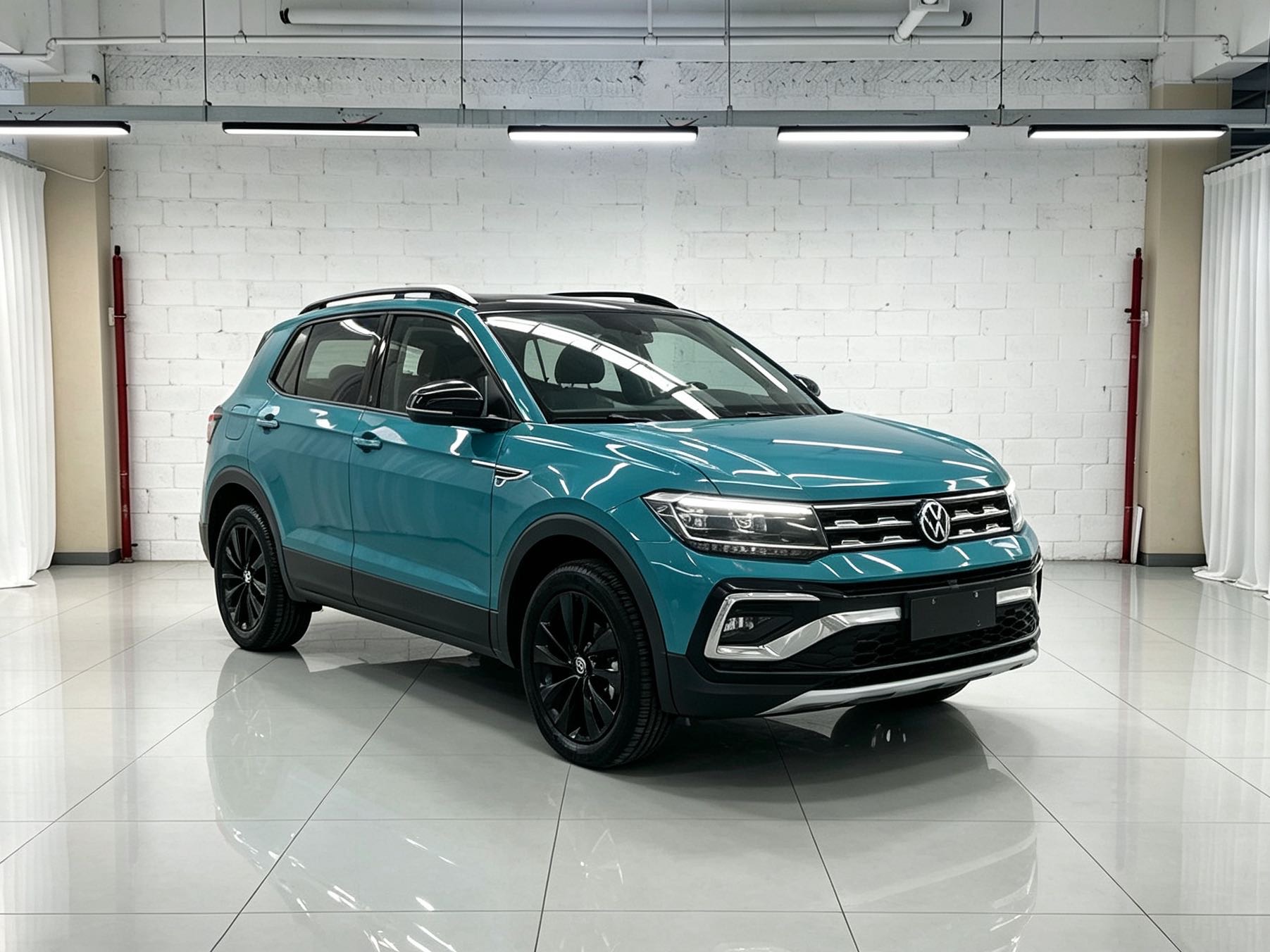
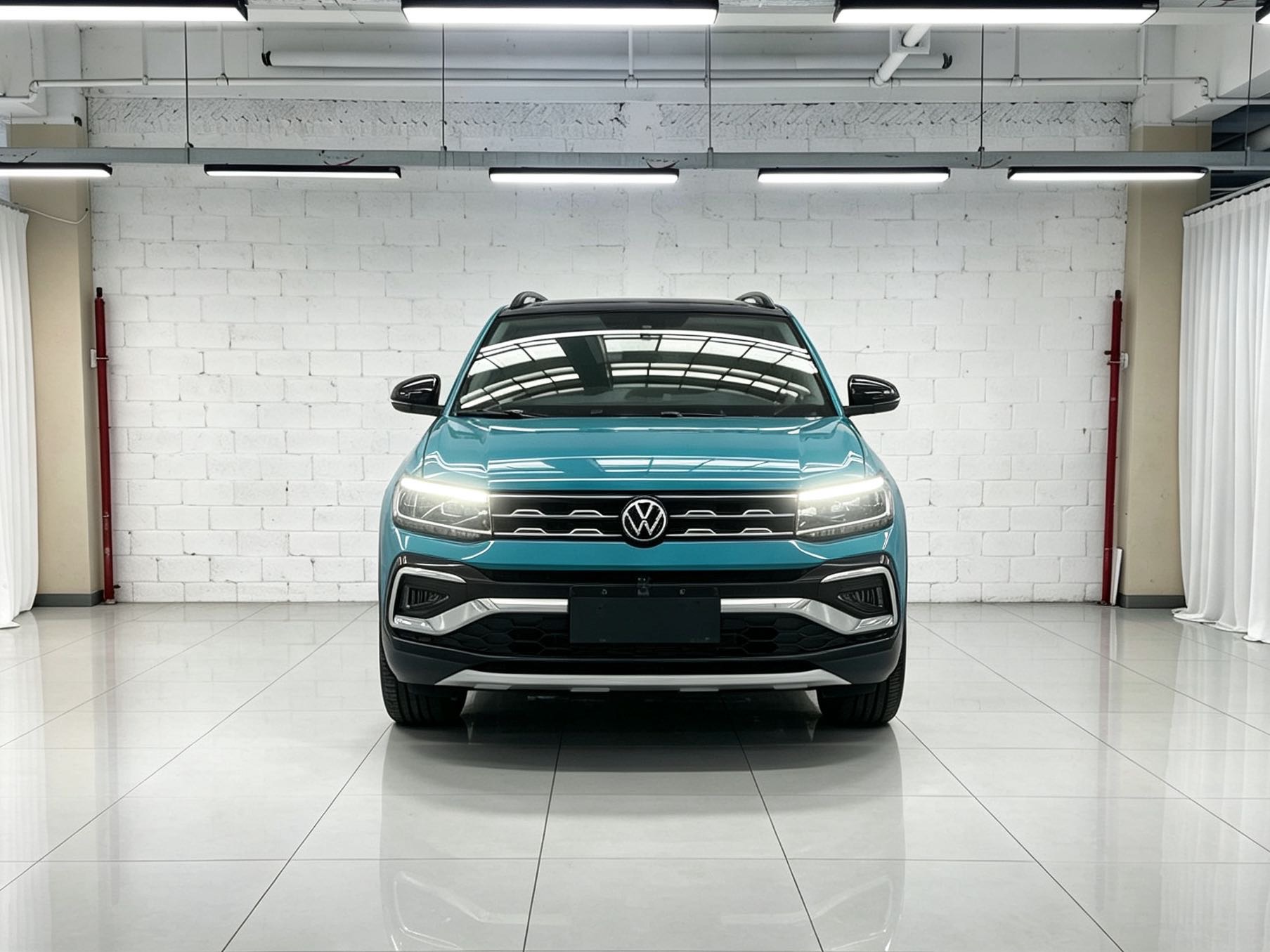
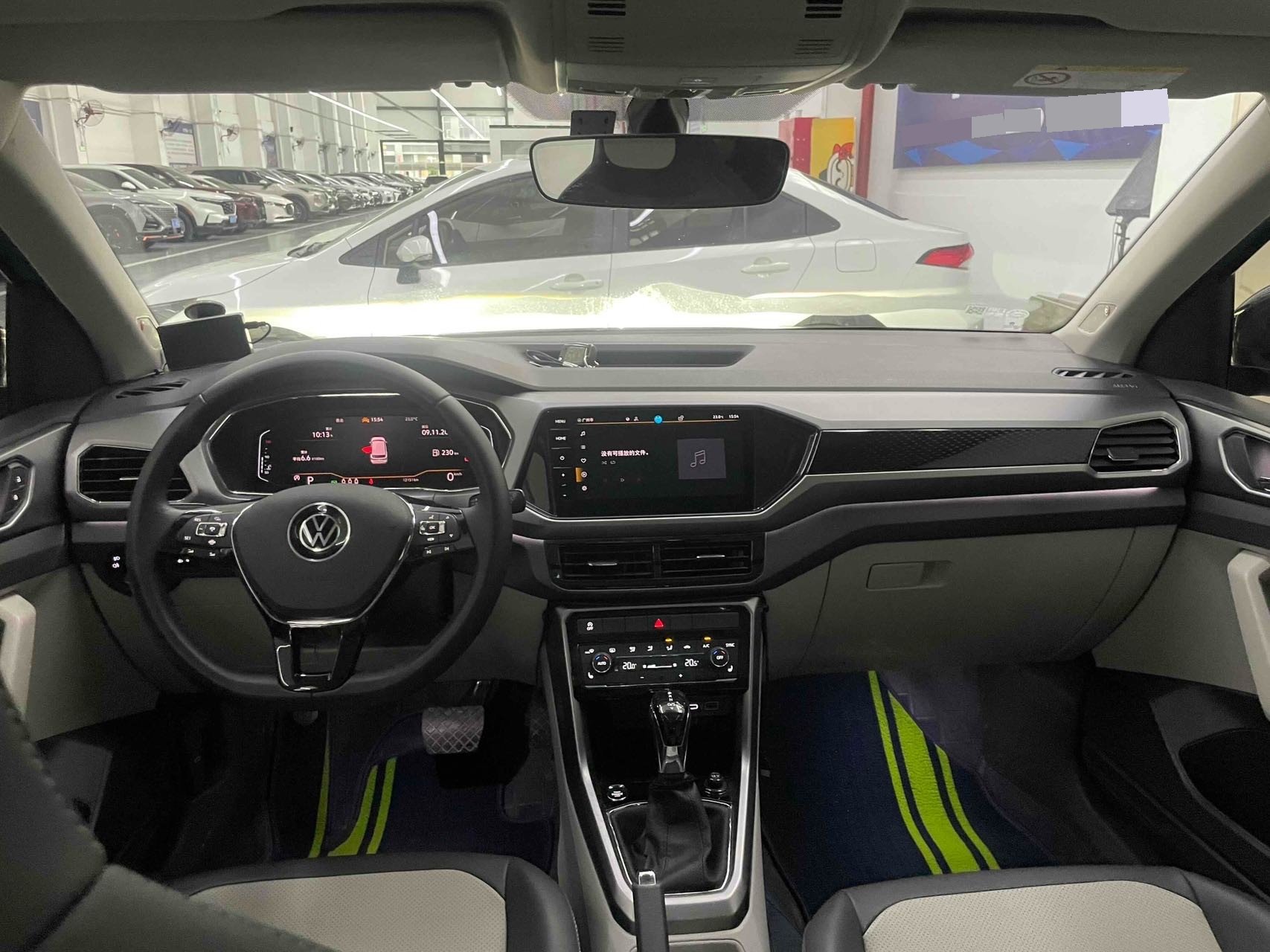
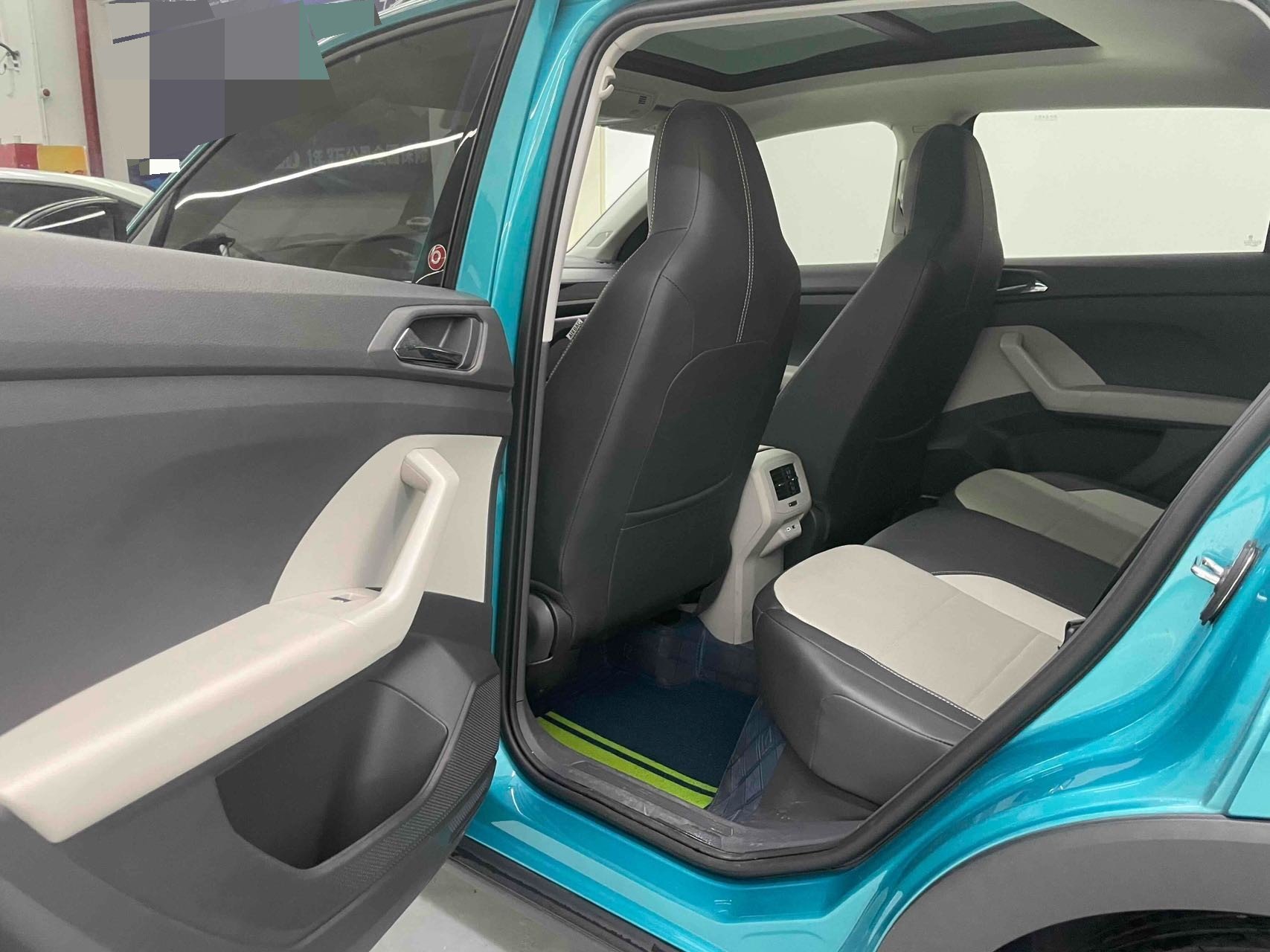



Basic Information

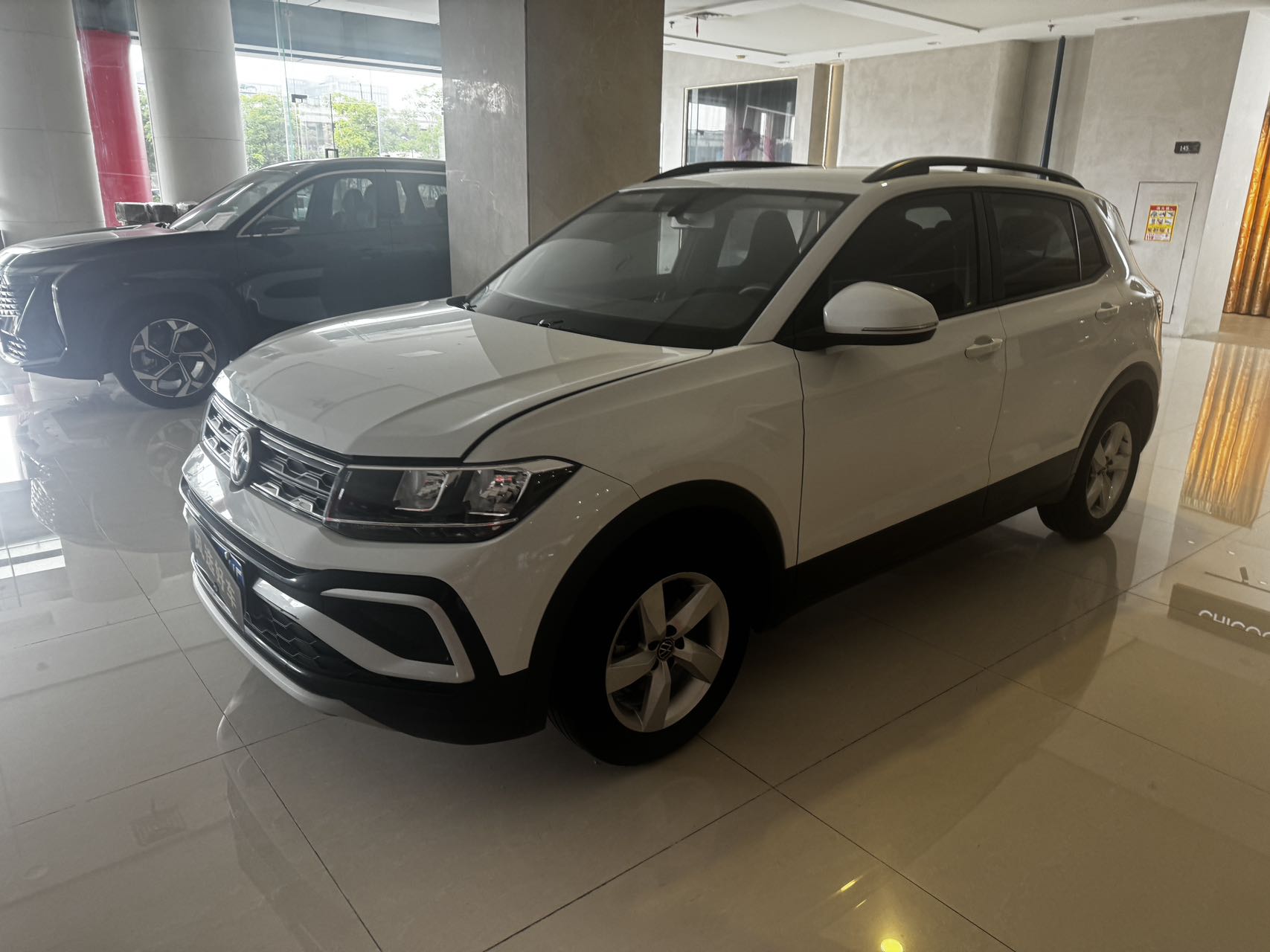
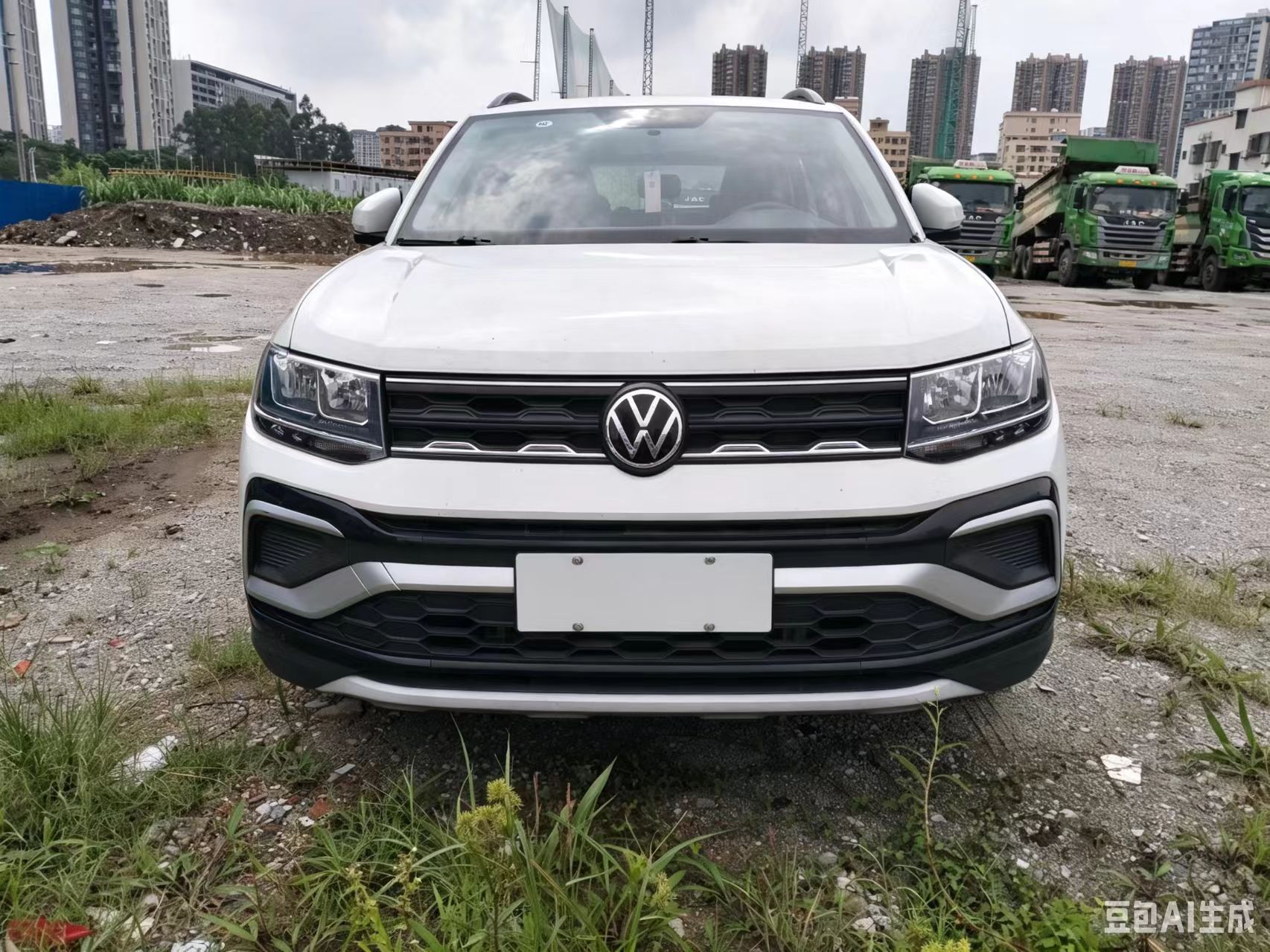
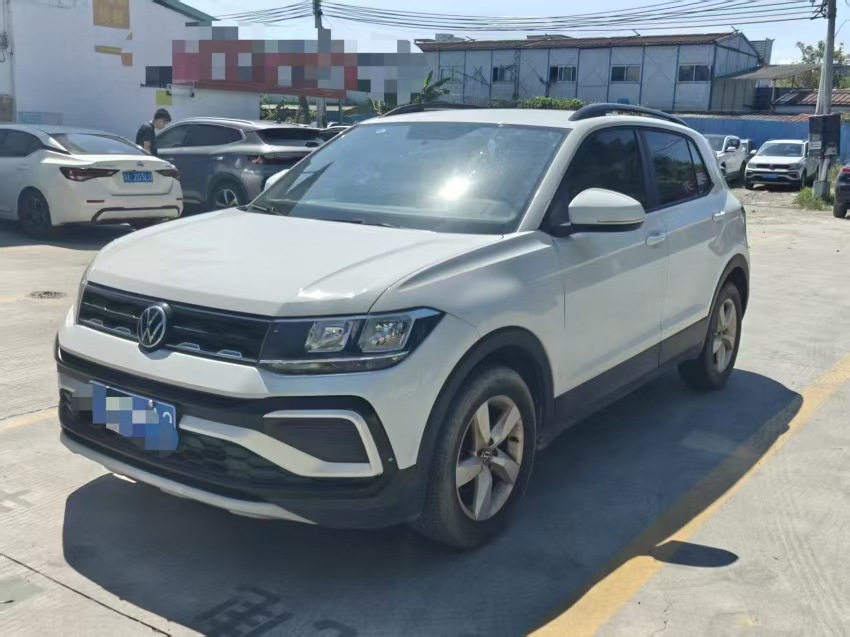
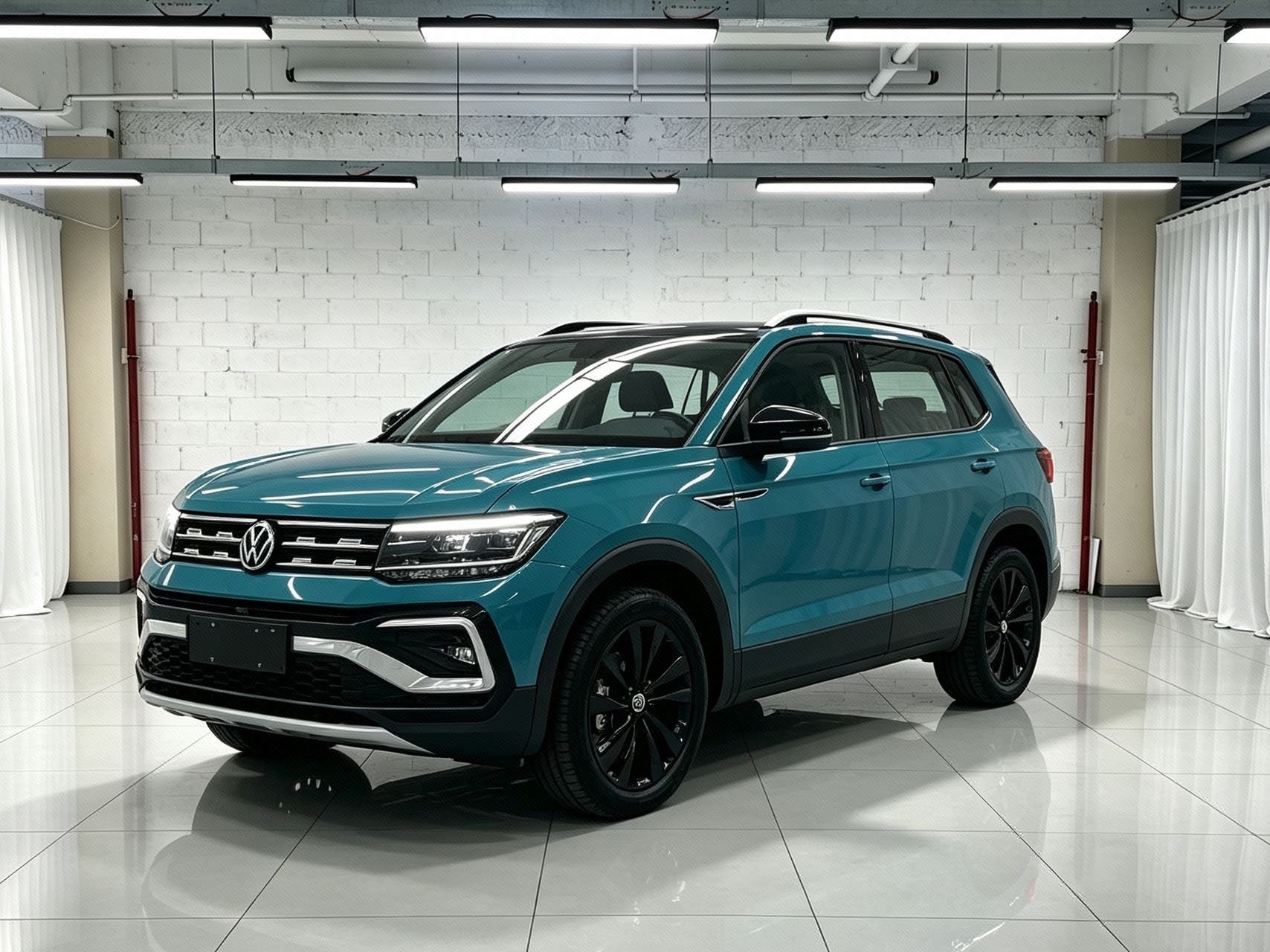
BrandVolkswagen
SeriesT-Cross
Year2022
First Registration2022/12
Mileage26,100km
Transfer Count0times
FuelGasoline
TransmissionDCT
Engine1.4T 150 L4
ColorGreen
Seats-

Condition Description

Left front fender replaced. Localized bodywork repair on the left front corner of the hood. Radiator support frame replaced. All other panels original paint. Actual odometer reading.

Document Information

Inspection Expiry Date-
Warranty Expiry Date-
Insurance Expiry Date2027/12

Q&A

More

Besides the purchase price, what other fees should I budget for when importing a used car from China?

The purchase price is only part of your total landed cost. Plan for these items: - Inland transport in China: moving the car from the seller's city to the export port, plus transfer and inspection fees. - Export fees: customs declaration, port handling, and terminal charges. Ask for an FOB (Free On Board) quote so these are included. - Ocean freight: RoRo (roll-on/roll-off) is cheapest for regular cars, but EVs often require special containers or dedicated EV shipping due to battery regulations, which costs more. - Insurance: marine cargo insurance, typically 1-3% of the car's value. - Import side: import duty, VAT or sales tax, customs brokerage, port charges at destination, and any homologation or compliance testing fees. As a rule of thumb, add 25-40% on top of the FOB price for a realistic landed-cost estimate, depending on your country's tax rates. Get a written breakdown from both your supplier and a customs broker before committing.


Why are the shipping costs for used electric vehicles (EVs) usually higher than for internal combustion engine vehicles (ICEs)?

Pure electric vehicles are classified as Class 9 Dangerous Goods due to their large lithium batteries, leading to strict shipping regulations. Shipping companies have high requirements for the loading position and fire isolation measures for dangerous goods, and some roll-on/roll-off ships refuse to accept used EVs. As a result, EVs often require more expensive special container shipping and incur additional handling fees for hazardous materials.

How often do you calibrate the instruments used to detect vehicles (such as paint thickness gauges and OBD diagnostic tools) for accuracy?

All our measuring instruments (especially calipers, paint thickness gauges, and refrigerant pressure gauges) are calibrated quarterly according to ISO quality management system requirements to ensure the data we provide you is objective, accurate, and reliable.