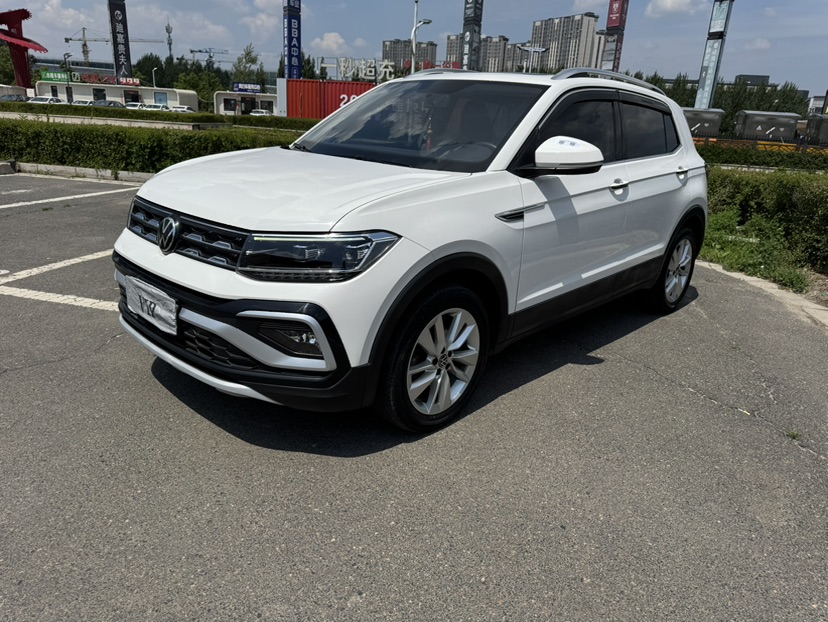
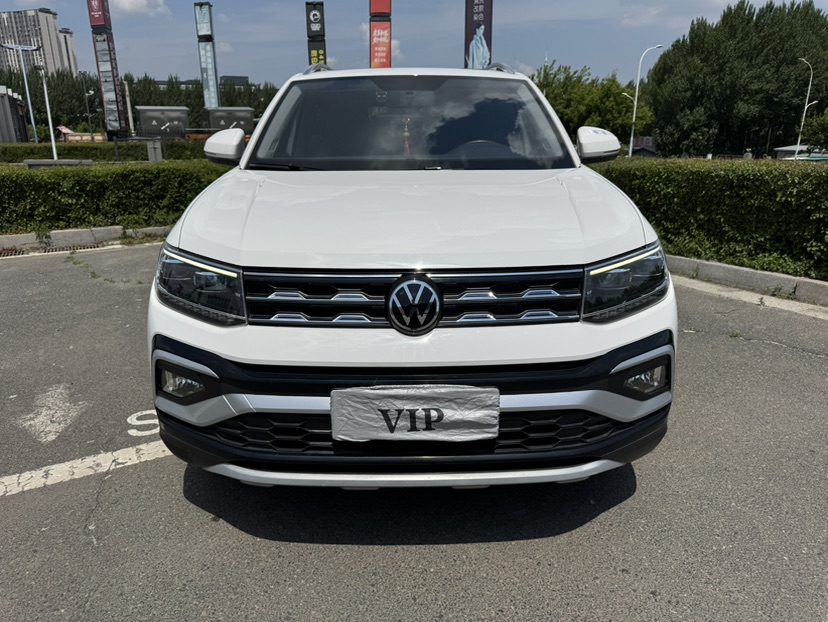
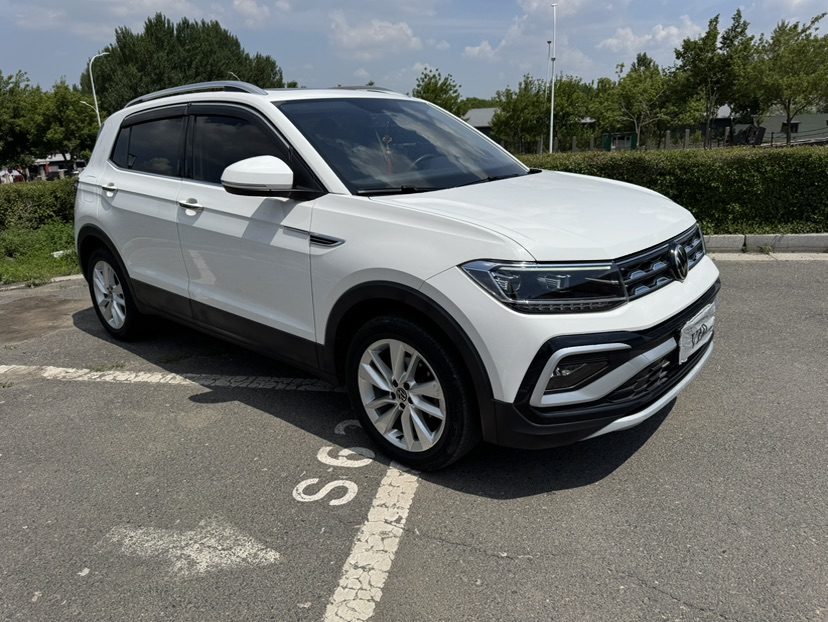
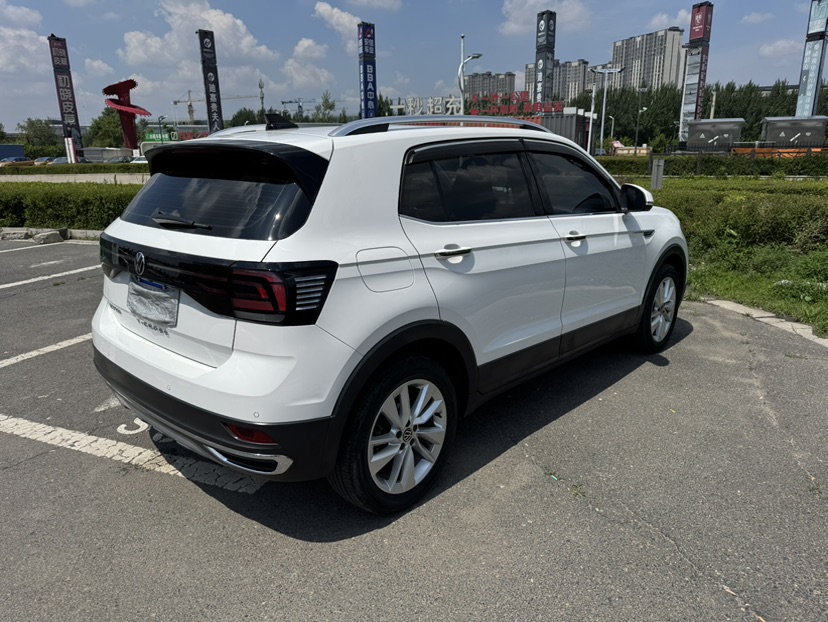
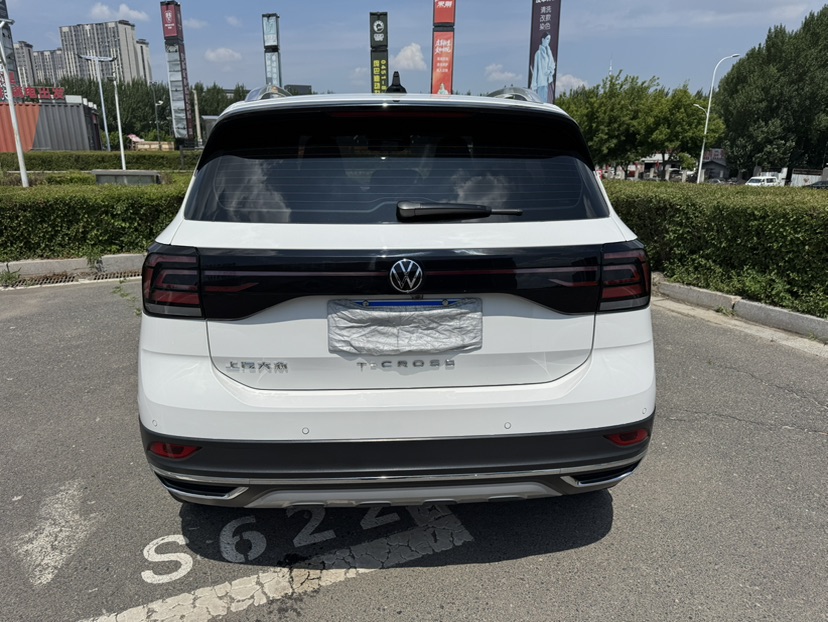
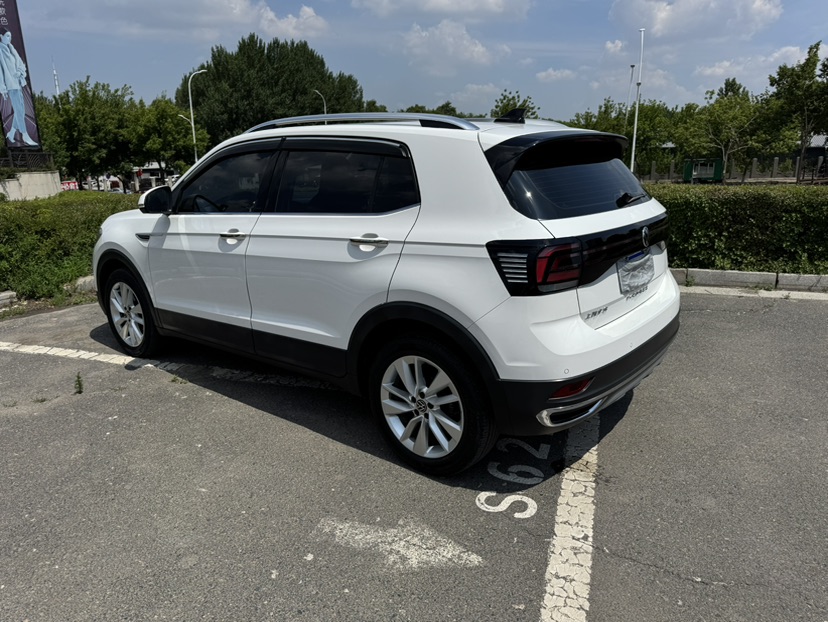
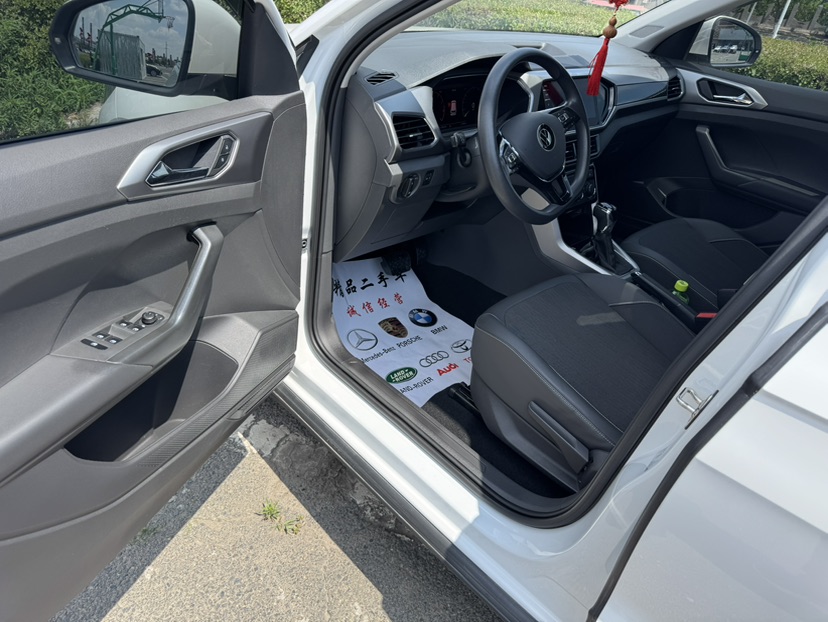
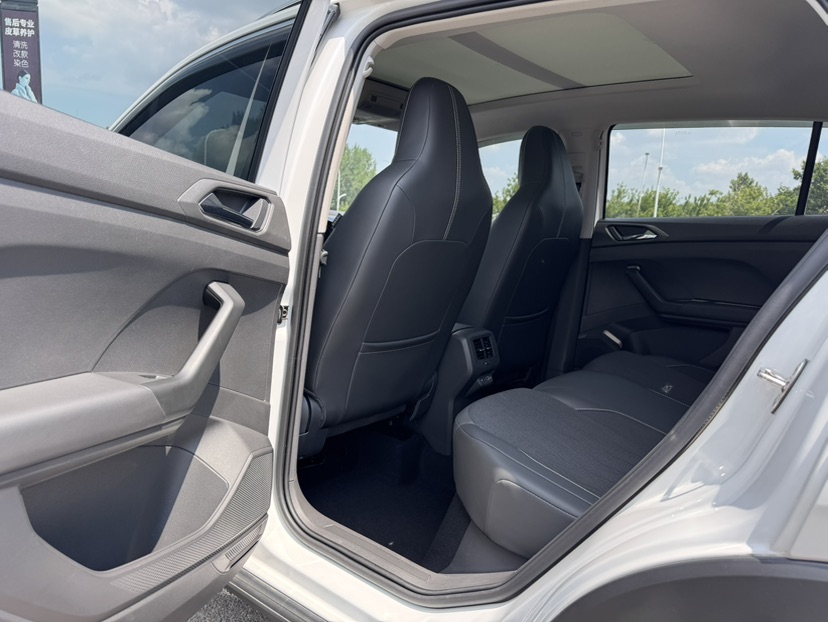



Basic Information

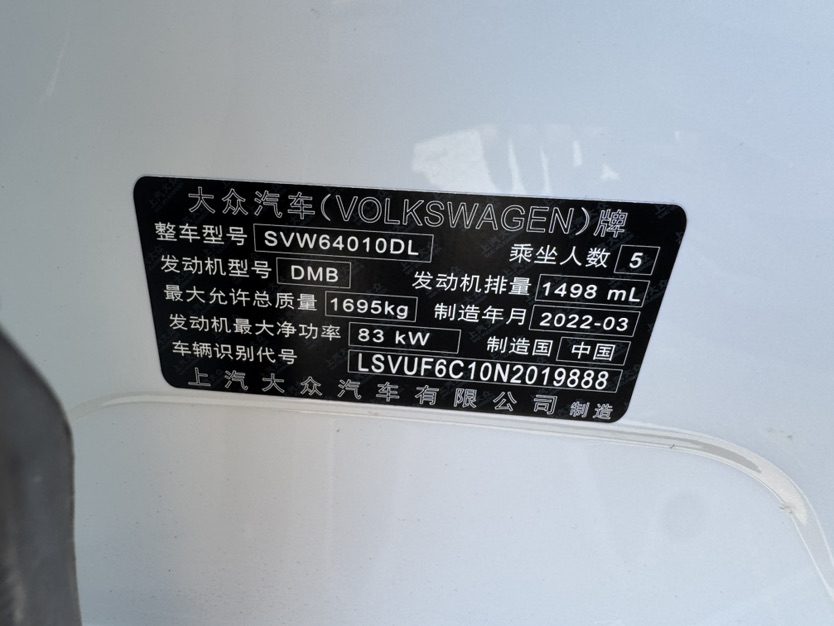
BrandVolkswagen
SeriesT-Cross
Year2022
First Registration2022/08
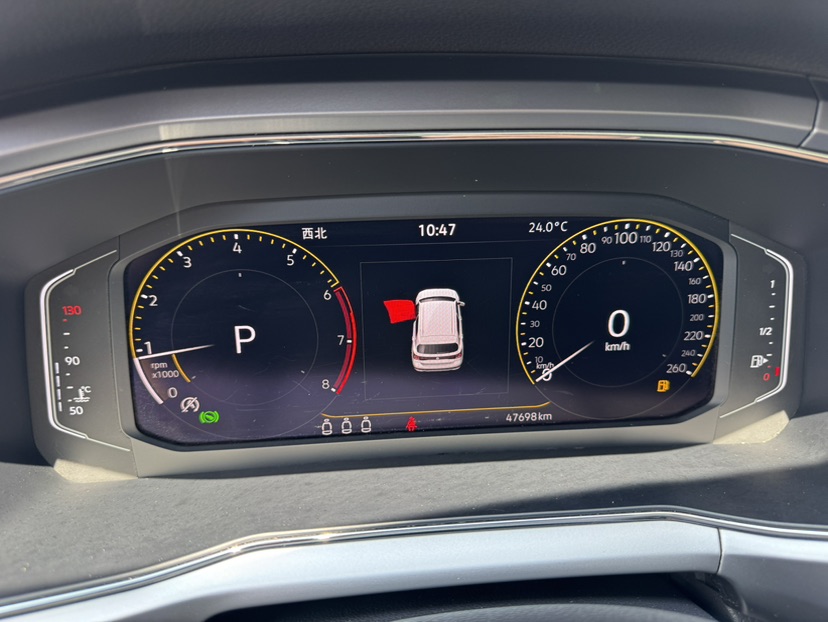
Mileage47,600km
Transfer Count1times
FuelGasoline
TransmissionManumatic
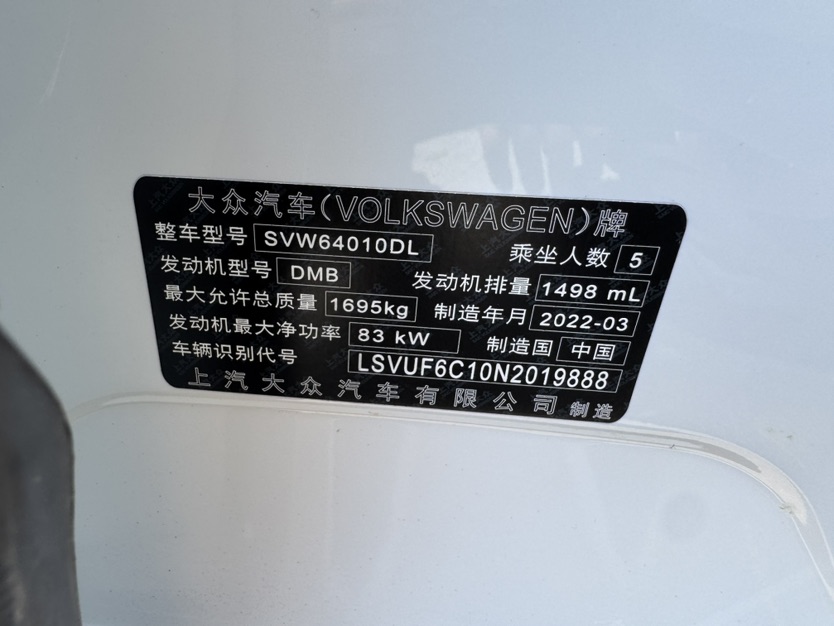
Engine1.5L 113 L4
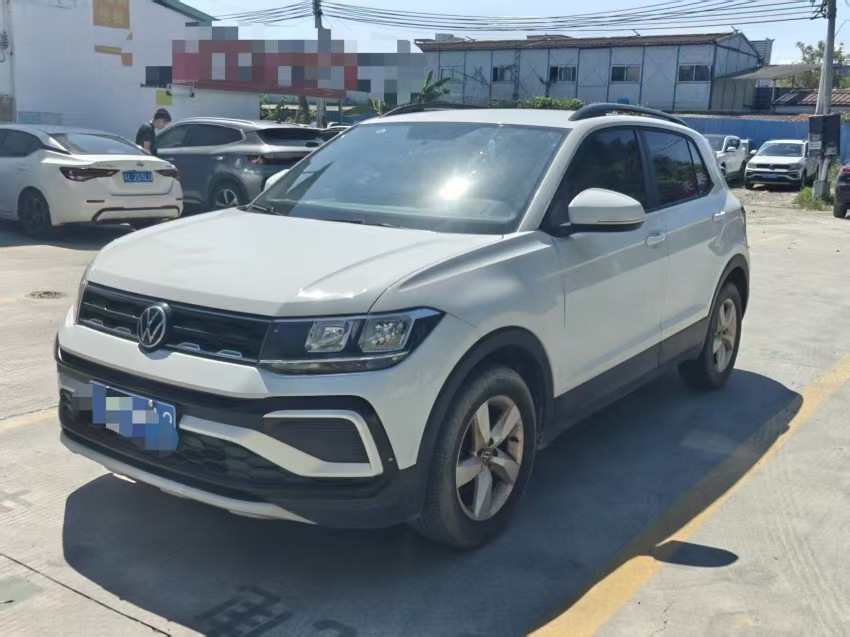
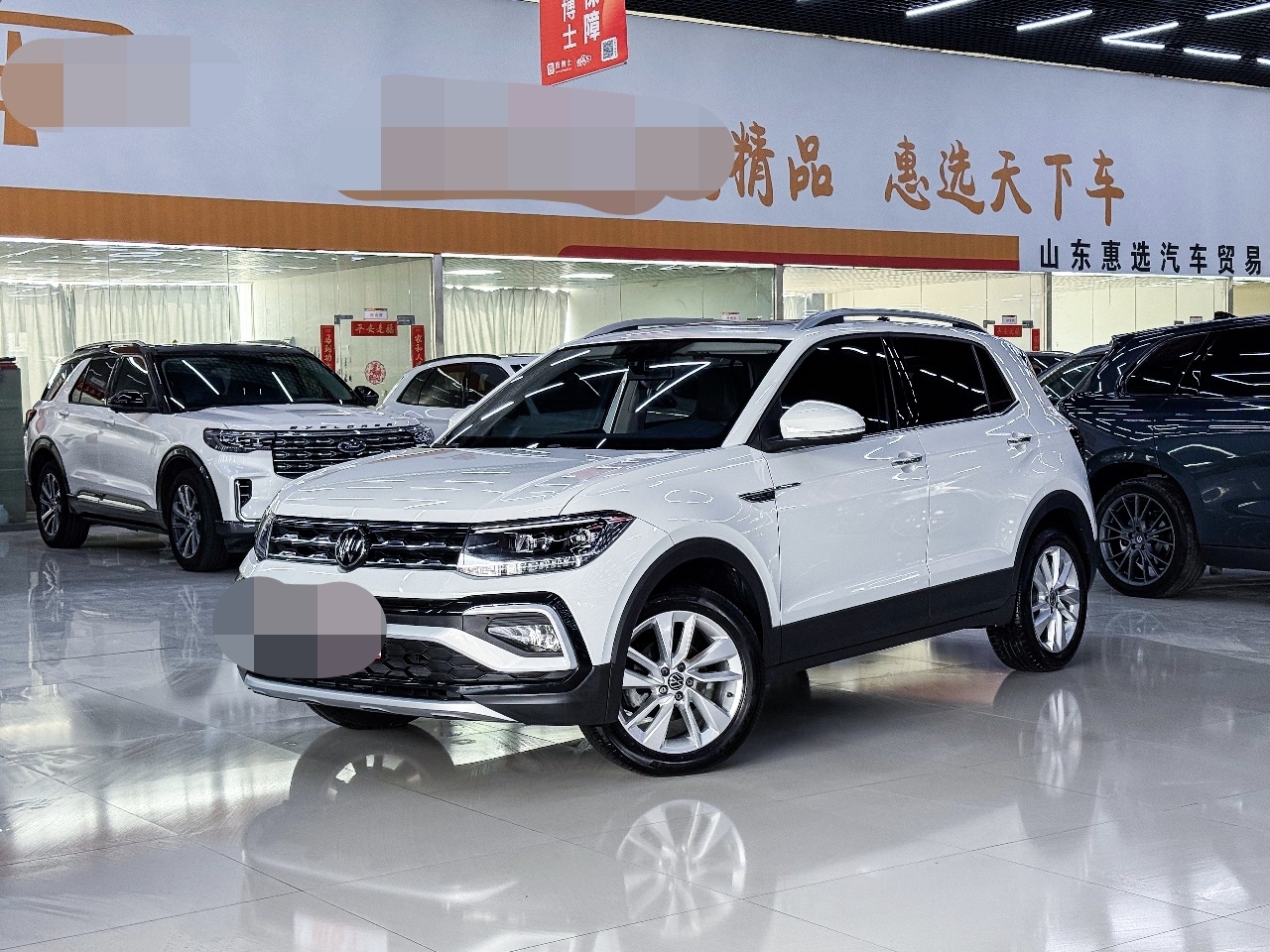
ColorWhite
Seats-

Condition Description

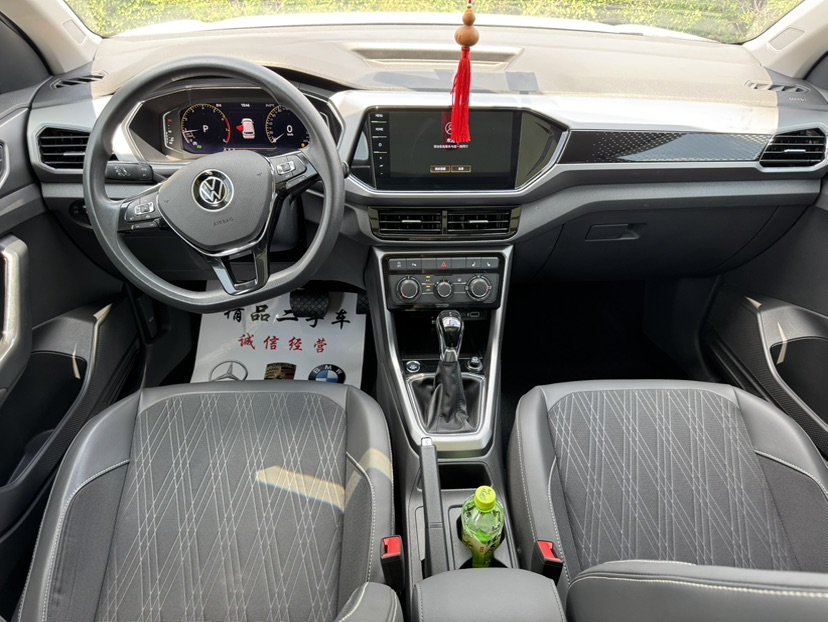
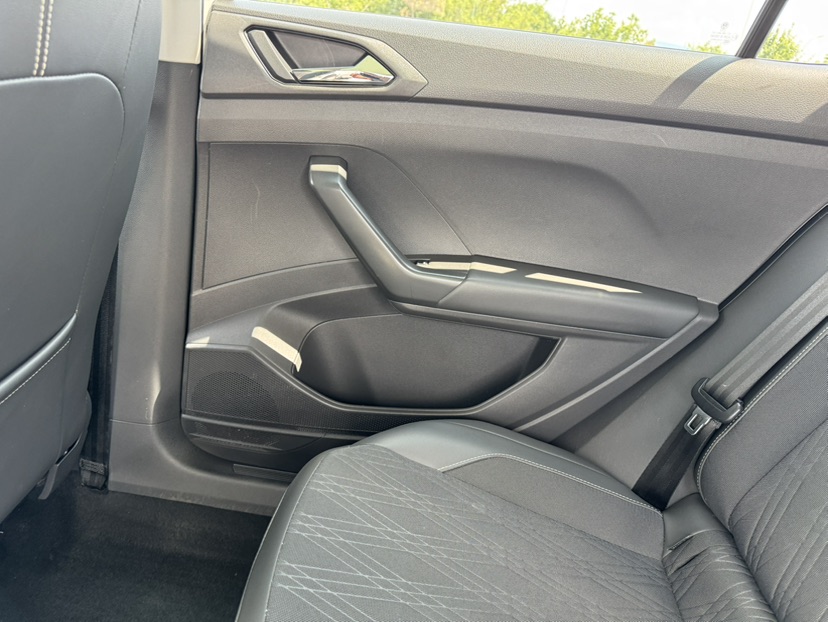
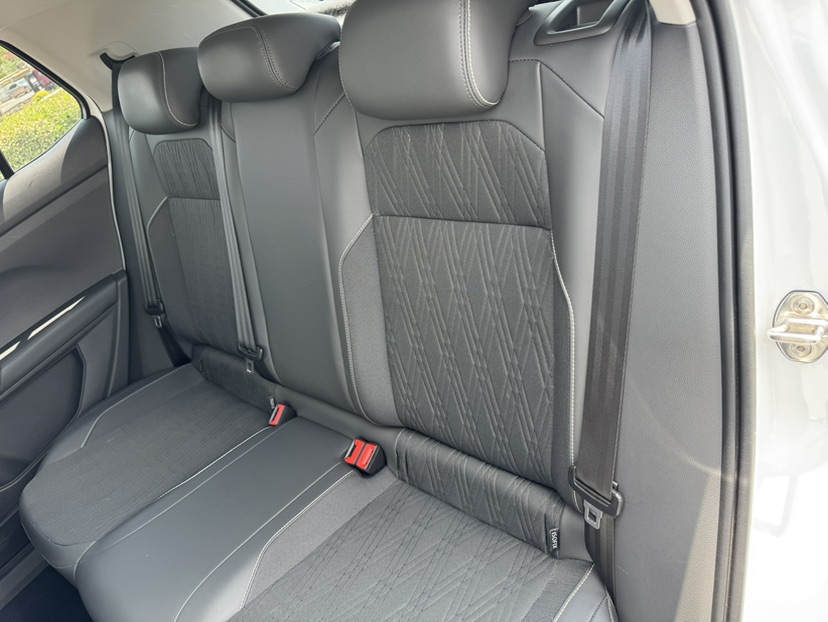
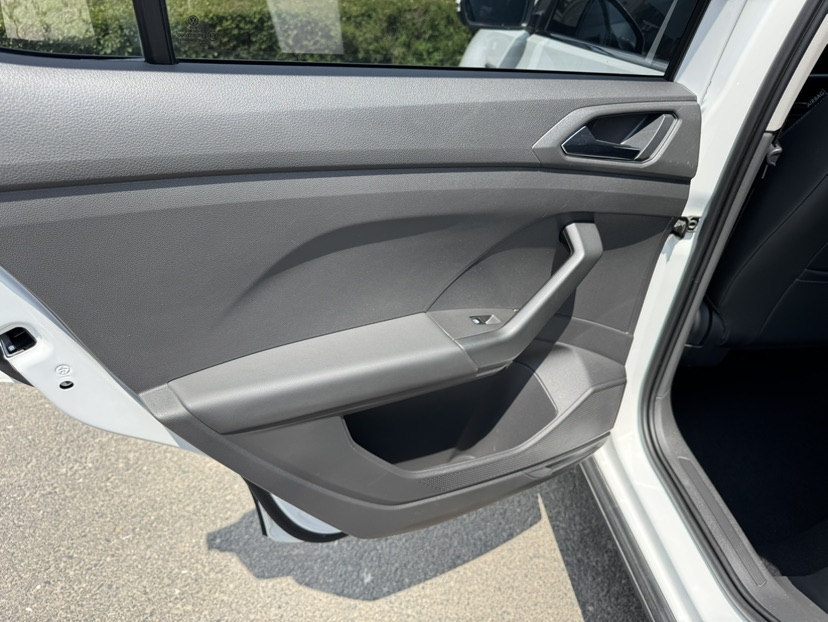
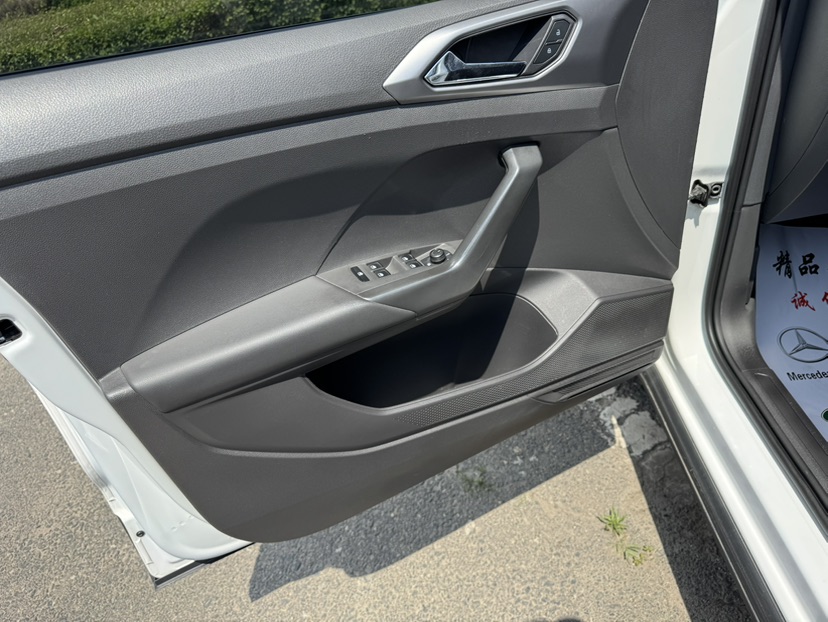
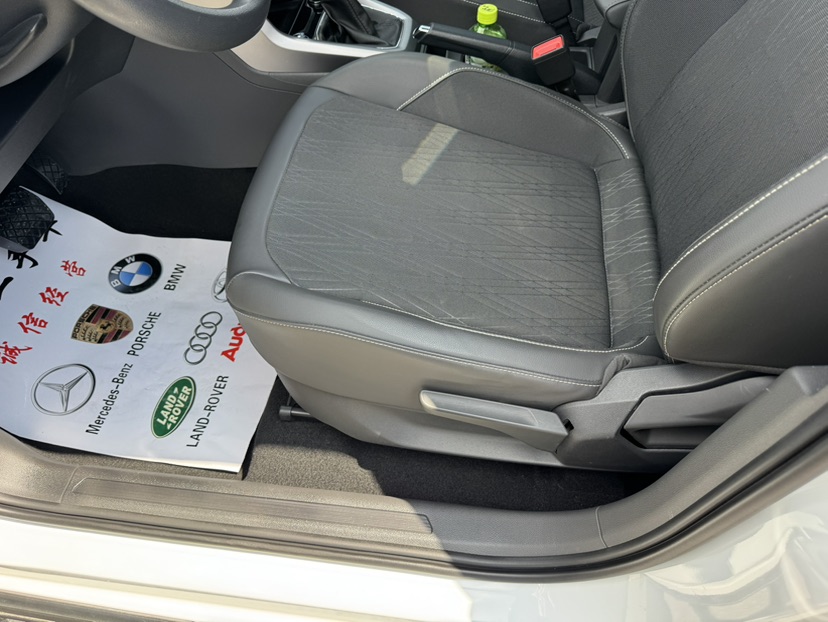
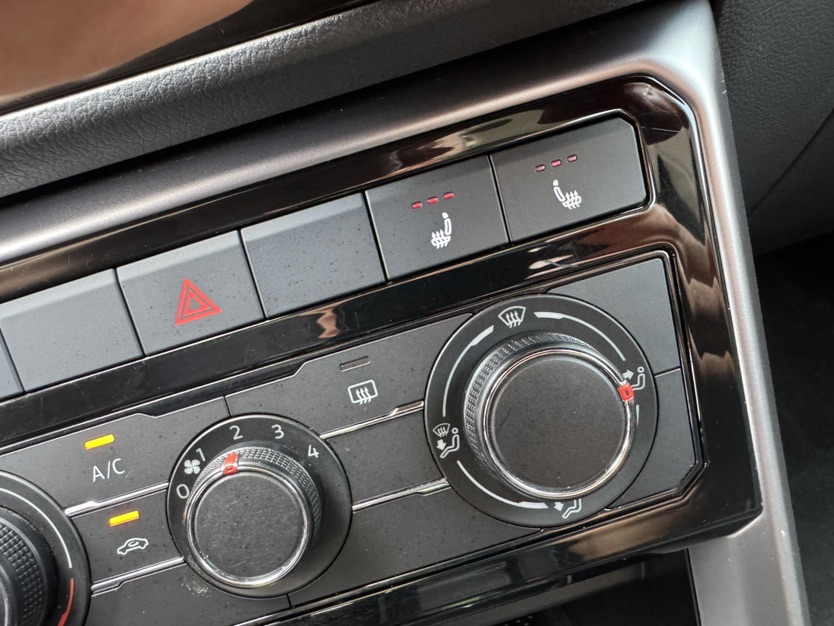
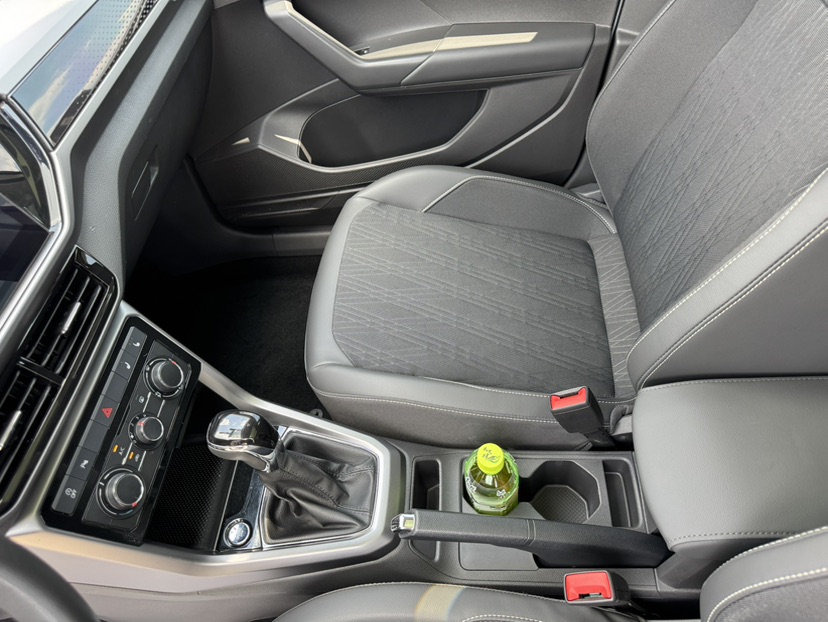
Leather and knitted mixed seats, heated seats. Original paint confirmed after inspection. Actual mileage of 47,600 km confirmed after inspection. No flaws, in excellent condition.

燃油车
SUV
自动
维保开放
事故开放
查验开放

Configuration Highlights

✓品牌: 大众
✓车系: 途铠
✓车型: 2022款 1.5L 自动舒适版
✓车身类型: SUV
✓座位数: 5
✓排量: 1.5L
✓变速箱: 自动
✓能源类型: 燃油车
✓VIN: LSVUF6C10N2019888
✓搜索关键词: 大众途铠 2022款途铠1.5L自动舒适版

Document Information

Inspection Expiry Date2026/08
Warranty Expiry Date-
Insurance Expiry Date2026/08

Q&A

More

What is the difference between maintenance records from 4S dealerships and those from third-party repair shops? Which is more reliable?

4S dealership records are directly connected to the manufacturer's database, making the data hard to tamper with and the most reliable, with original parts guaranteed; third-party repair shops usually are not connected, making their data unverifiable. Therefore, we only consider the connected records from 4S dealerships as valid historical documentation.
How do you ensure that this used car has been legally deregistered in China and has clear ownership without disputes?

Compliance with the law is an absolute requirement for exports. All vehicles exported through our platform must complete the following legal processes: release all domestic bank mortgages, pay all traffic fines, and complete the formal deregistration for "transfer pending export" with the Chinese public security traffic management department. Only vehicles with 100% clear ownership can be approved for export permits.

Why are the shipping costs for used electric vehicles (EVs) usually higher than for internal combustion engine vehicles (ICEs)?

Pure electric vehicles are classified as Class 9 Dangerous Goods due to their large lithium batteries, leading to strict shipping regulations. Shipping companies have high requirements for the loading position and fire isolation measures for dangerous goods, and some roll-on/roll-off ships refuse to accept used EVs. As a result, EVs often require more expensive special container shipping and incur additional handling fees for hazardous materials.
