



24H

Basic Information

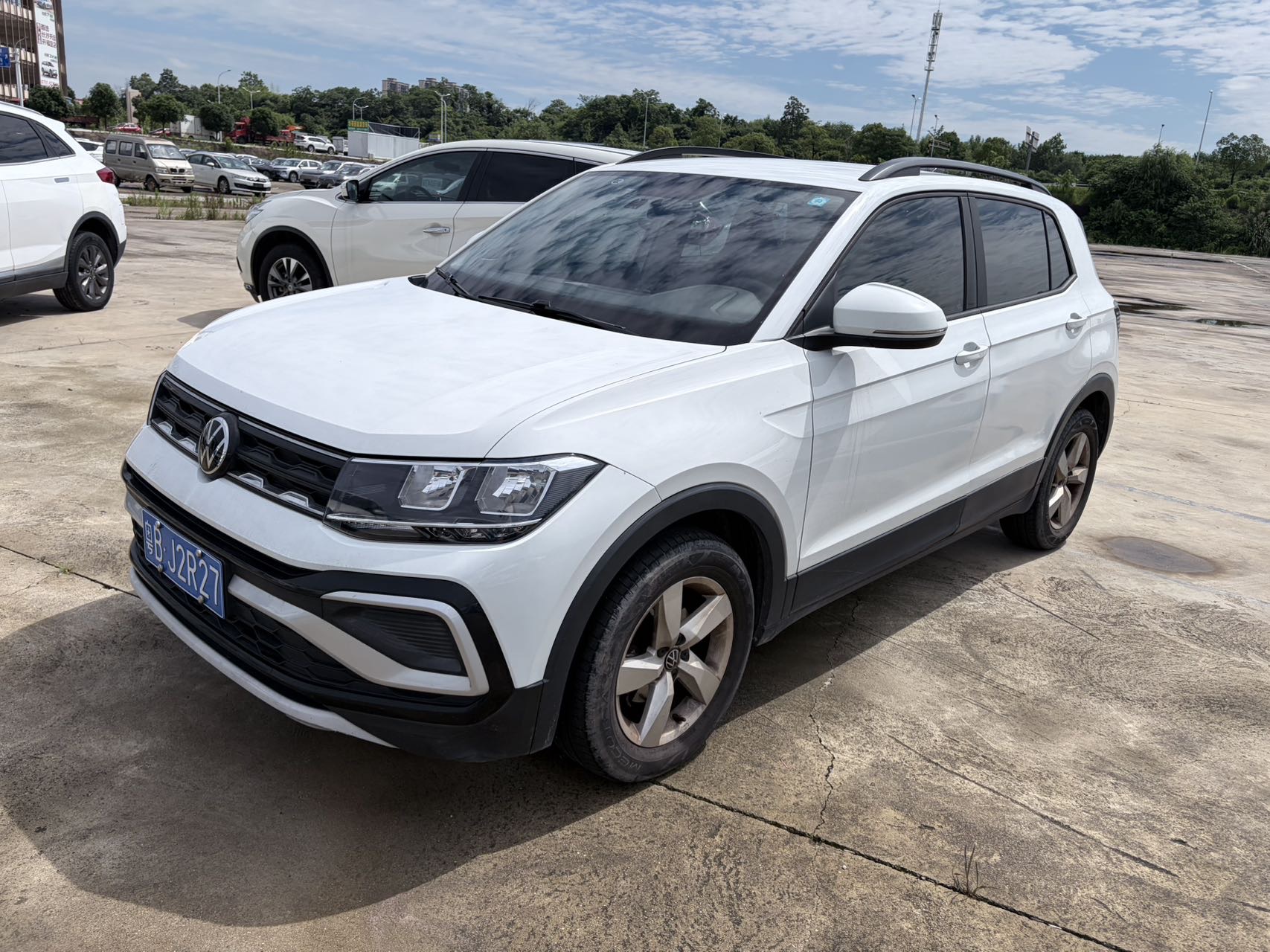
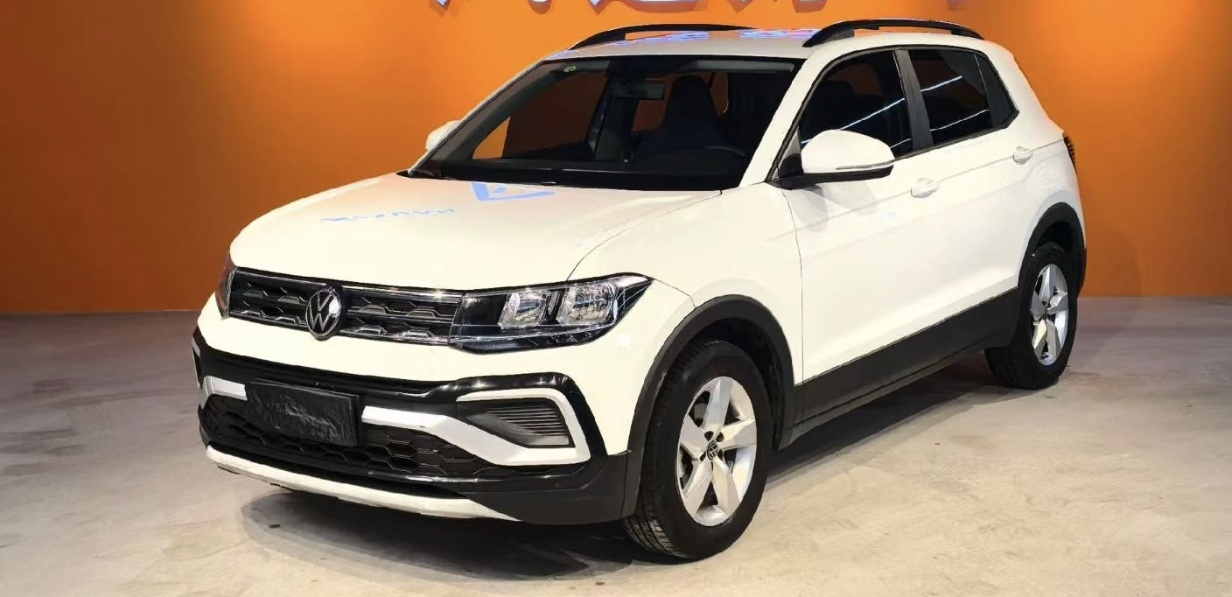
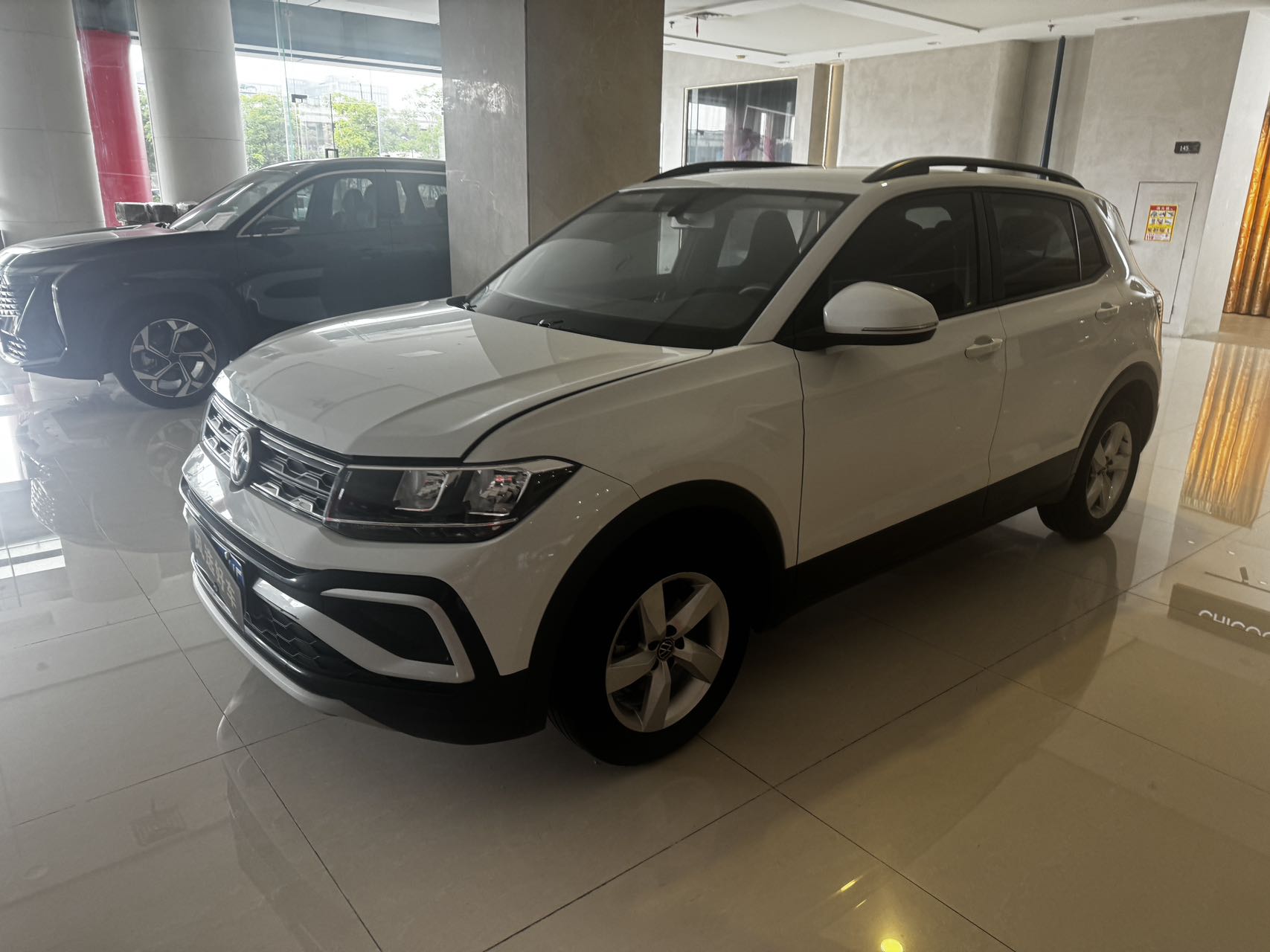
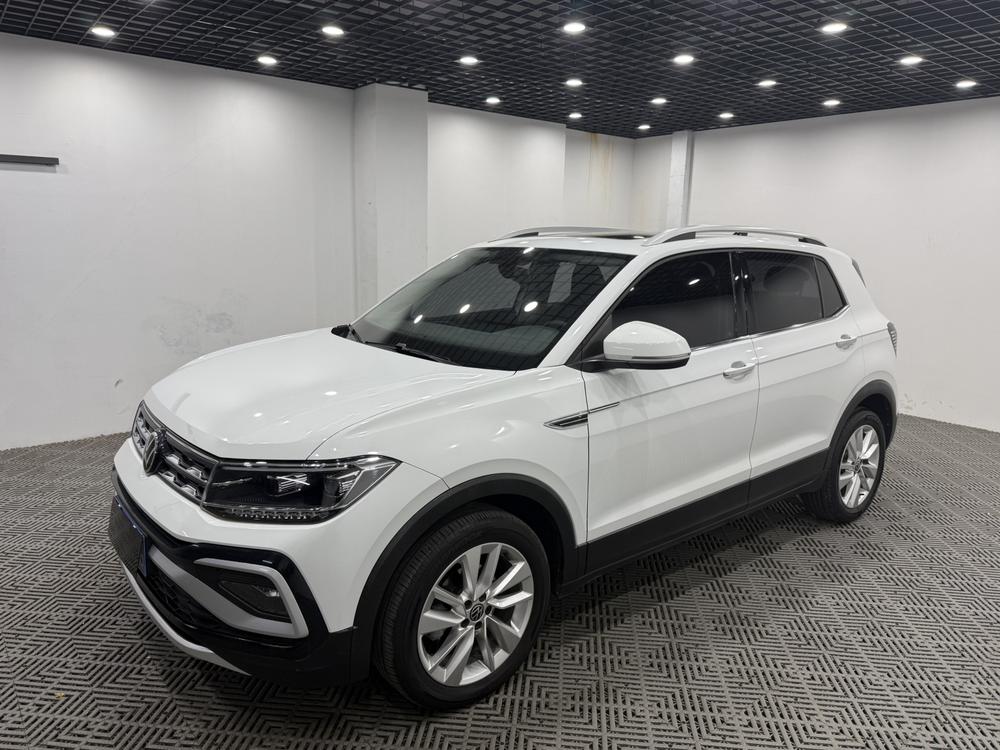
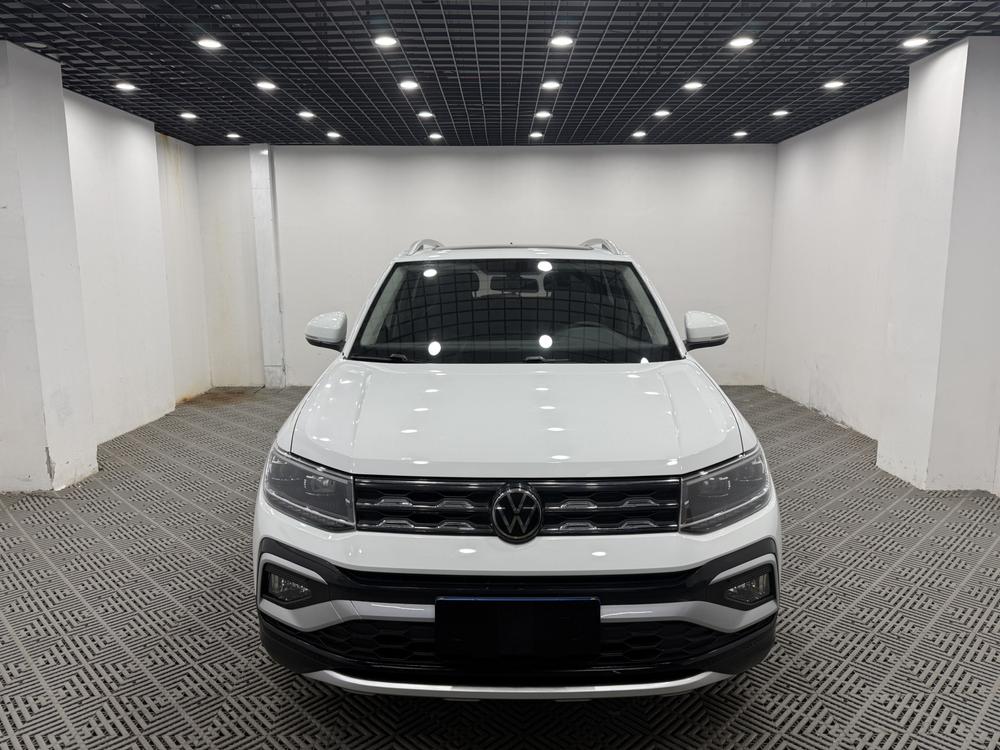
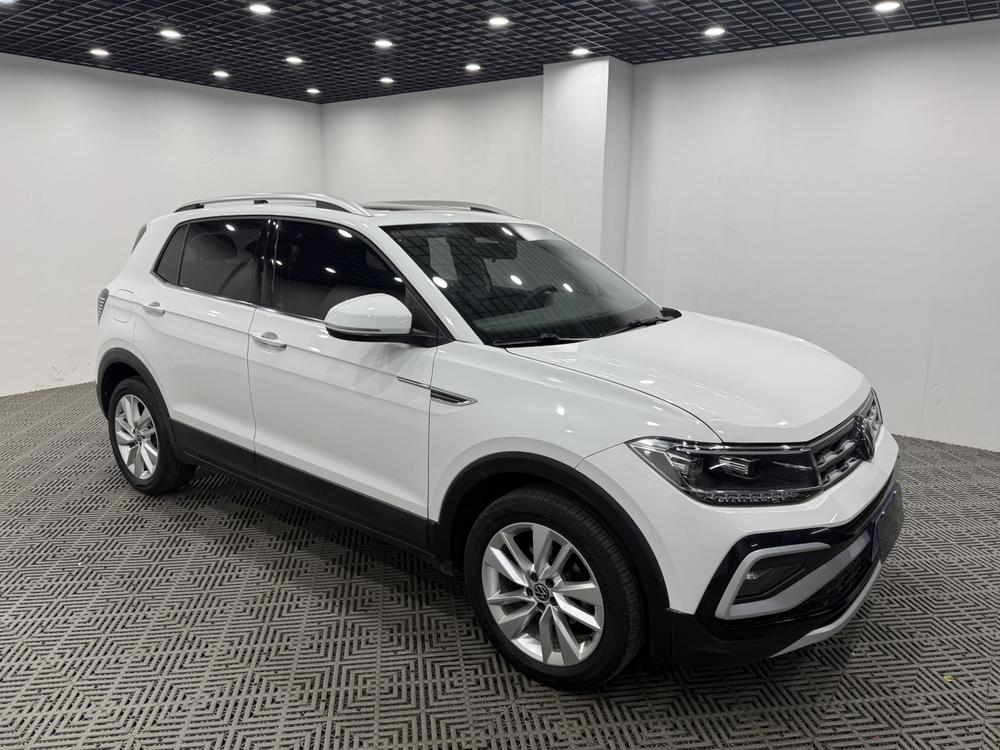
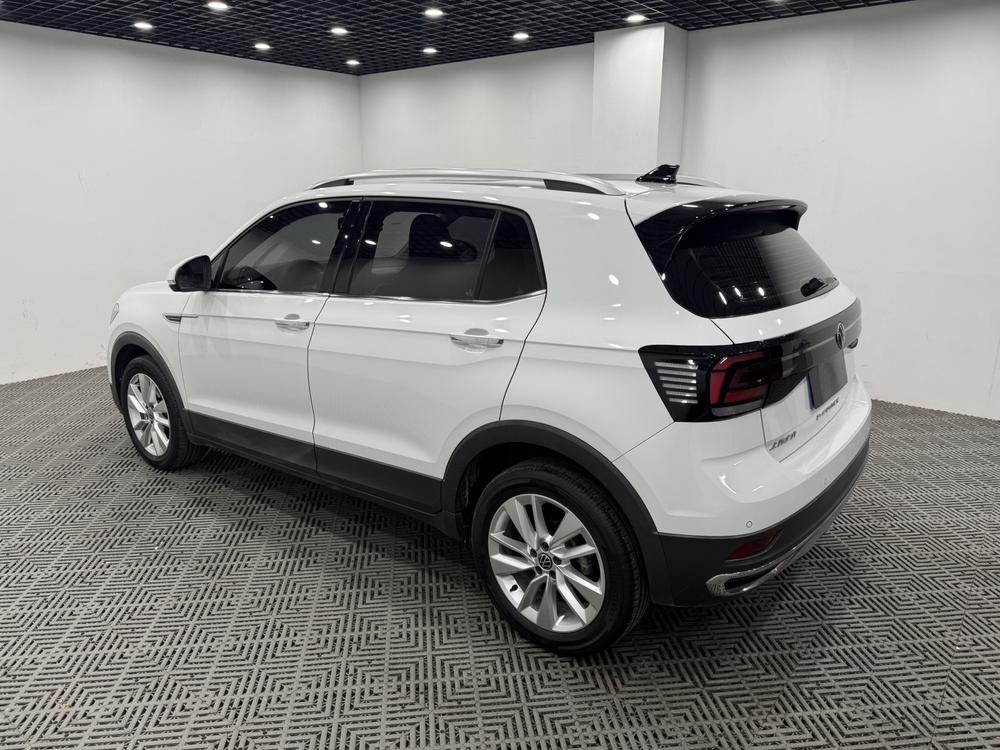
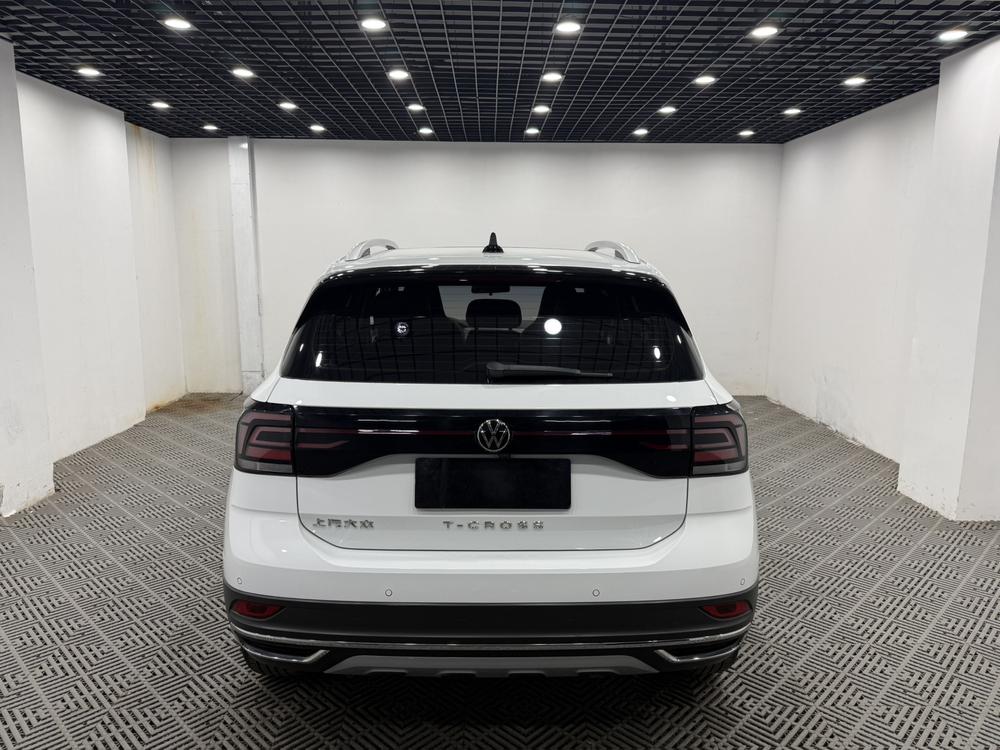
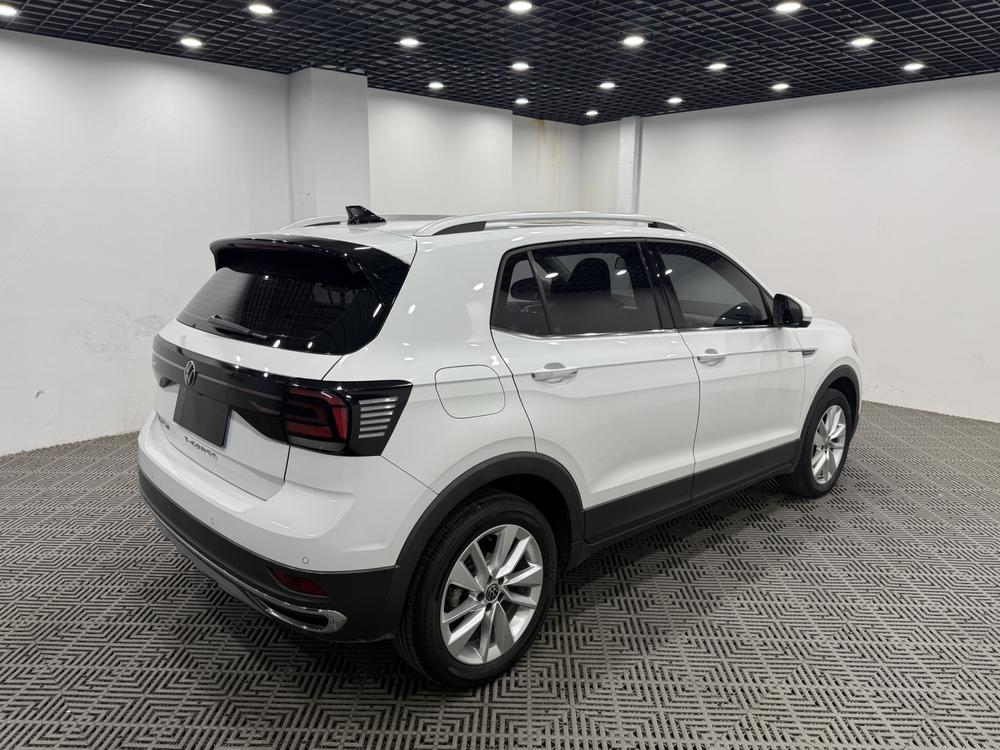
BrandVolkswagen
SeriesT-Cross
Year2023
First Registration2023/04
Mileage76,400km
Transfer Count0times
FuelGasoline
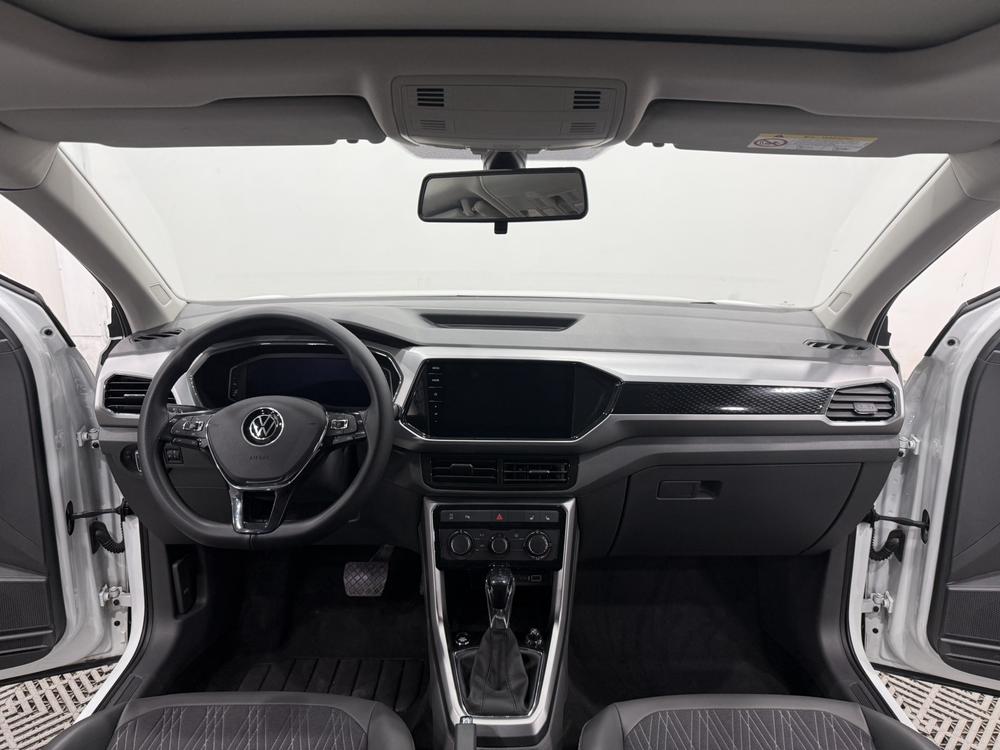
TransmissionManumatic
Engine1.5L 113 L4
Color
Seats-

Condition Description

官方质检 · 60天全车质保· 7天无理由有偿退车

Configuration Highlights

✓上牌时间: 2023-04
✓表显里程: 7.6万公里
✓车源地: 沈阳
✓排放标准: 国六
✓百公里加速: 13.3s
✓发动机: 1.5L
✓轴距: 2651mm
✓变速箱: 自动
✓功能配置: 13项
✓安全配置: 4项
✓动力类型: 前驱
✓空间舒适性: 好

Q&A

More

Does the vehicle's smart car system (central control screen) have an English version? Can Google Maps or YouTube be installed?

It depends on the specific brand and model. Some brands (like BYD and MG) have native multilingual systems that can switch to English directly; however, some models designed for the Chinese domestic market only have a Chinese interface. For systems that only have Chinese, we can assist with compliant system flashing (installing international firmware) or adding modules that support Apple CarPlay/Android Auto, so you can use Google Maps. The details page will clearly indicate the language status of each vehicle's system.


What brake system checks should a pre-shipment inspection of a used car from China include?

Brakes are safety-critical, yet many basic inspections only glance at pad thickness. A proper inspection should cover: 1. Pad and disc measurement: front pads below 3 mm or discs below the minimum thickness stamped on the disc hat mean replacement before shipping. 2. Brake fluid: test moisture content with a strip or meter. Over 3 percent water content means a full fluid flush, especially important for sea freight in humid containers. 3. Hydraulic check: the inspector presses the pedal firmly for 30 seconds; a sinking pedal indicates a master cylinder or hose leak. 4. ABS and stability systems: a diagnostic scan should show no fault codes, and on a short test drive the ABS self-test should complete normally. 5. Parking brake: hold the car on a slope in both directions, particularly important for automatics shipped on RoRo ramps. Ask for photos of each measurement with the tool visible, not just a brakes-OK summary.

How do I evaluate interior wear on a used car from China to estimate real mileage and usage intensity?

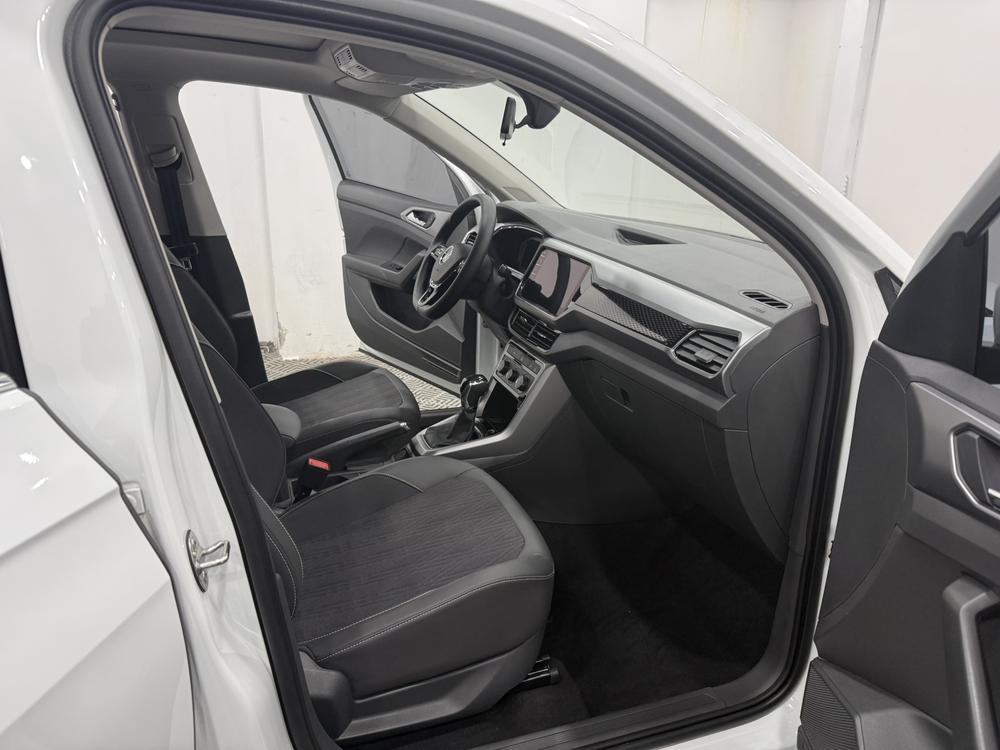
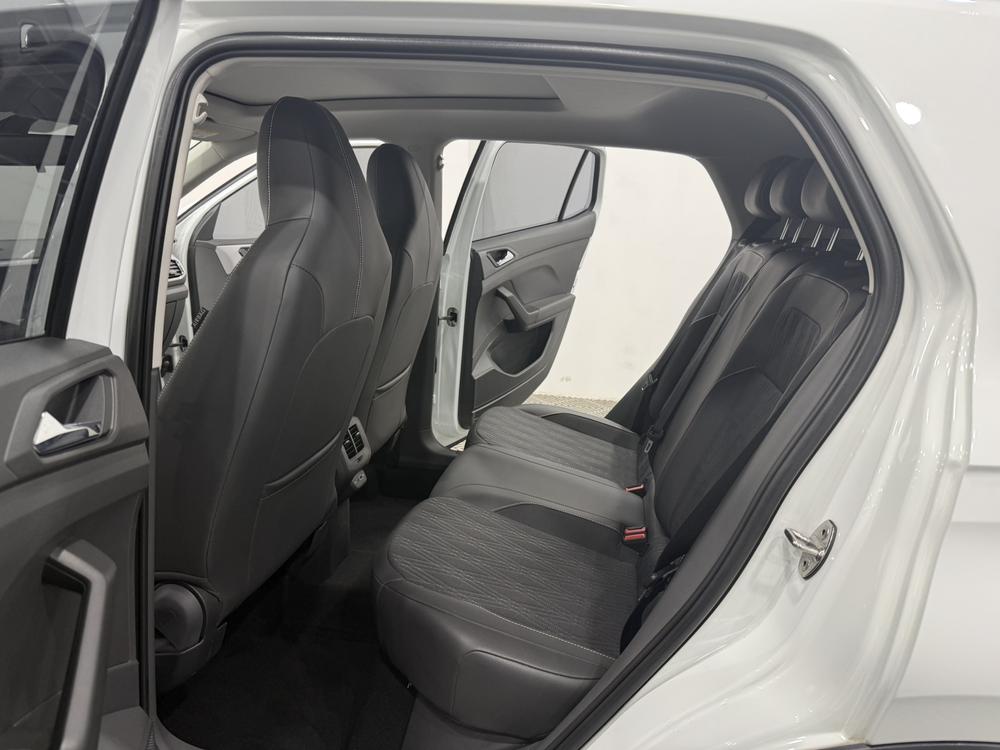
Interior wear is harder to fake than an odometer and often reveals true usage better than any document. Focus on high-contact points the seller rarely restores. The driver's seat bolster shows creasing and cracking by 80,000-100,000 km even with covers. Steering wheel leather polishes smooth and darkens with hand oils; a shiny wheel with low claimed mileage is a red flag. Pedal rubbers wear through at similar rates — check accelerator, brake, and clutch depth. Second-row wear patterns tell you how the car was used: heavy child-seat indentations suggest family use (usually gentler), while uniform rear wear with clean front suggests commercial or ride-hailing duty. Check seat rails for rust (indicates water ingress) and look under floor mats for moisture staining or musty smell — flood cars often hide it there. Also examine the infotainment and instrument cluster: Chinese EVs log usage data internally, and a dealer diagnostic readout can cross-check driving hours against mileage. Request close-up, well-lit photos of these specific points during your live video inspection rather than relying on the seller's gallery.