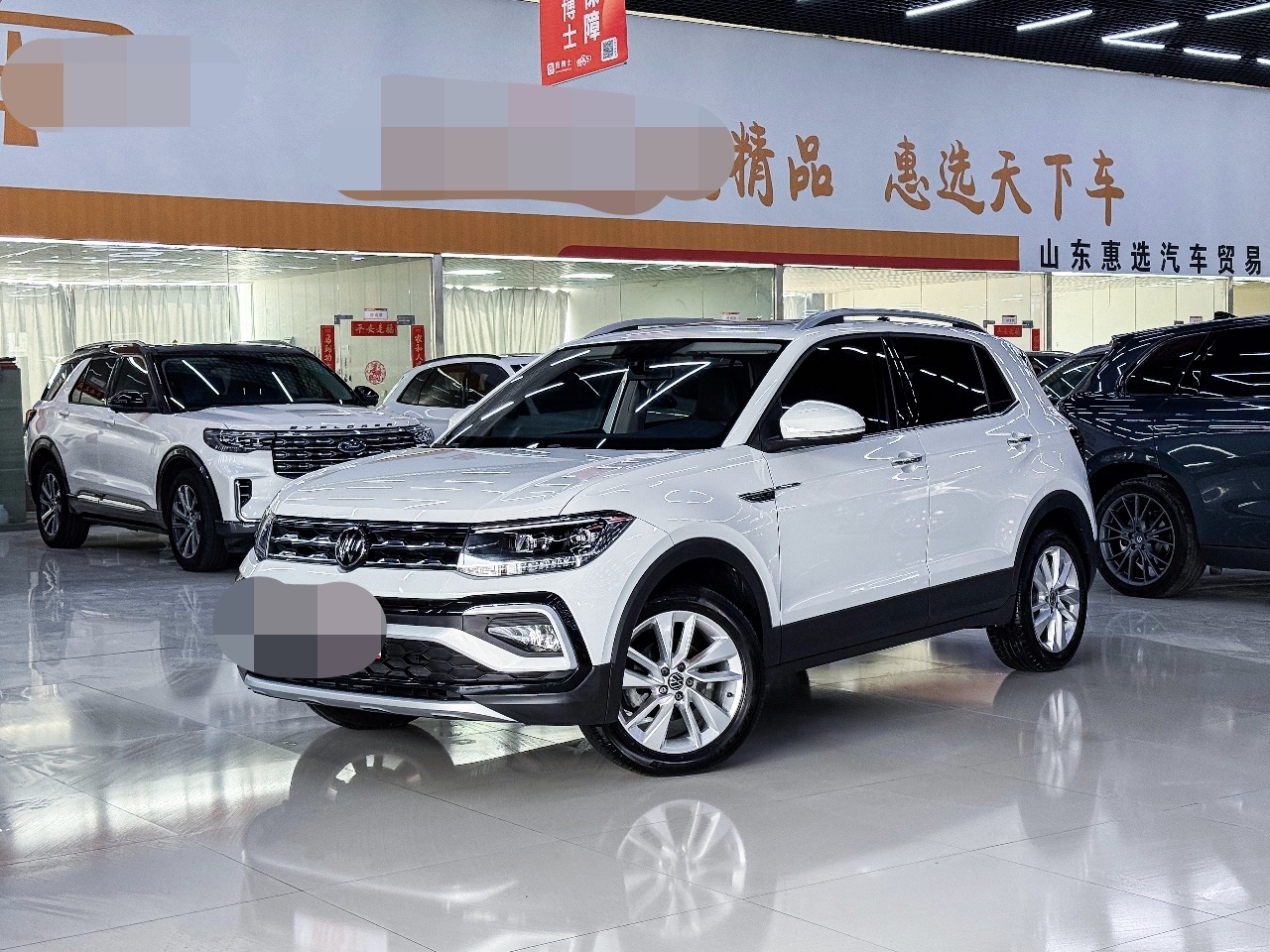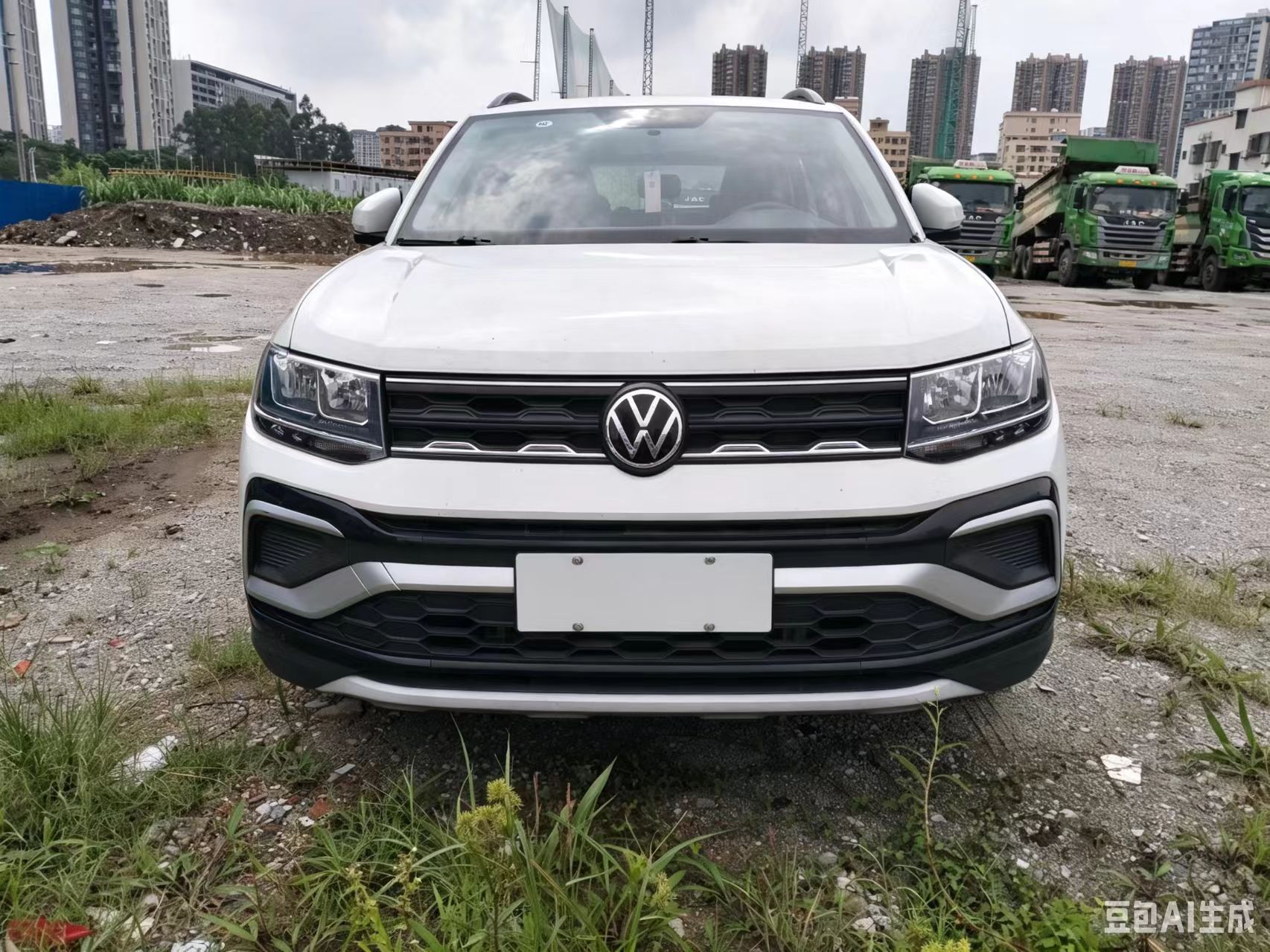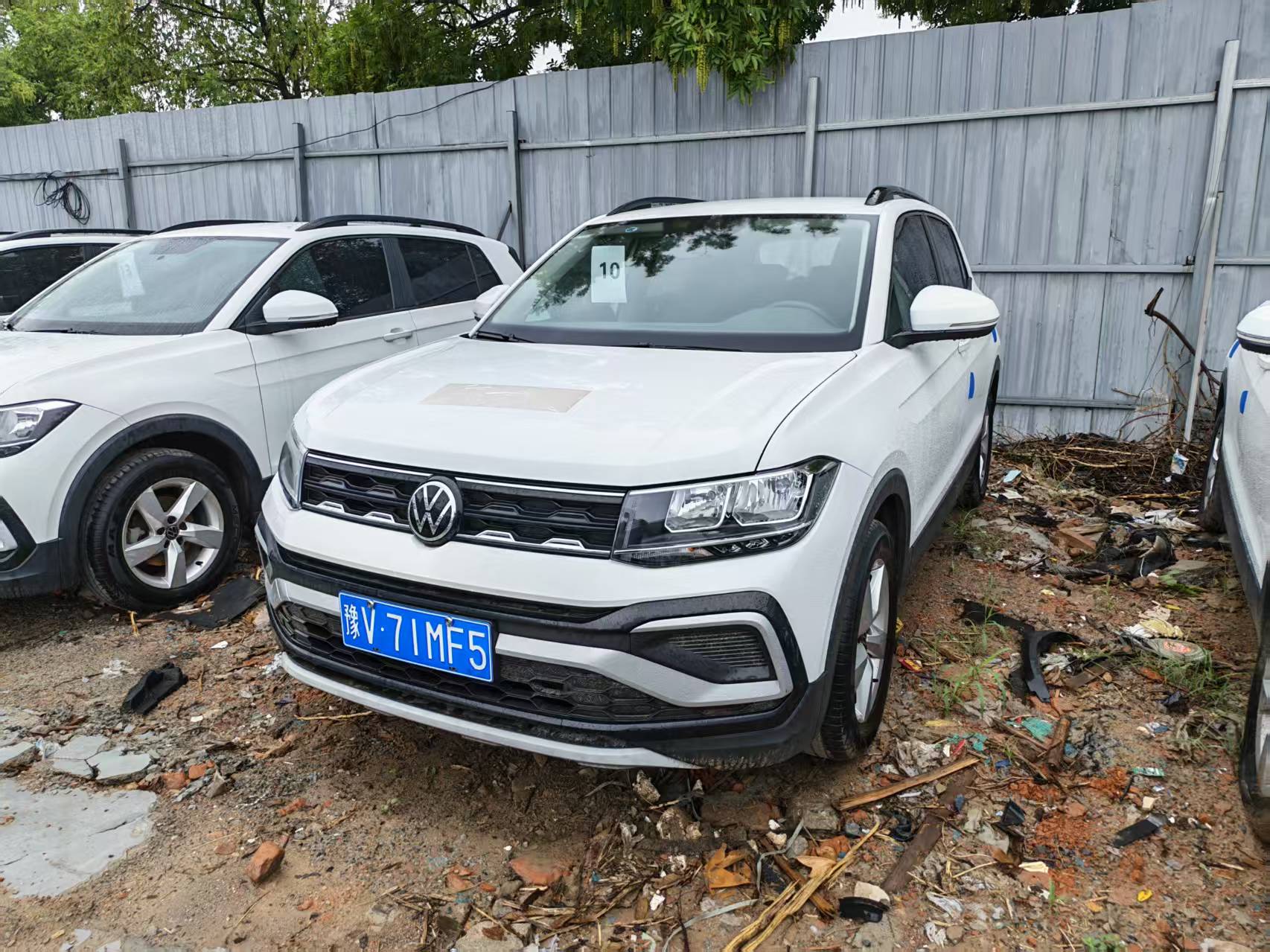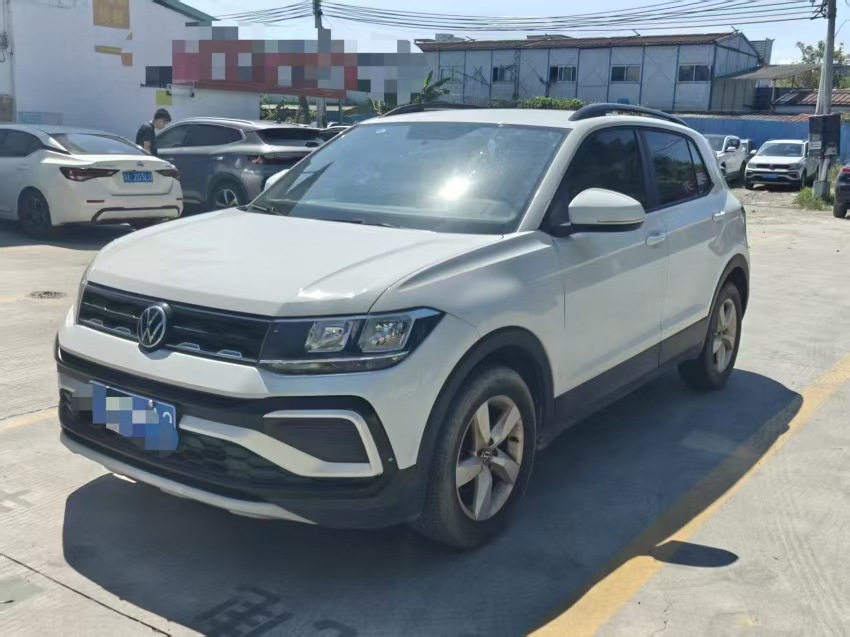



Stock

Basic Information

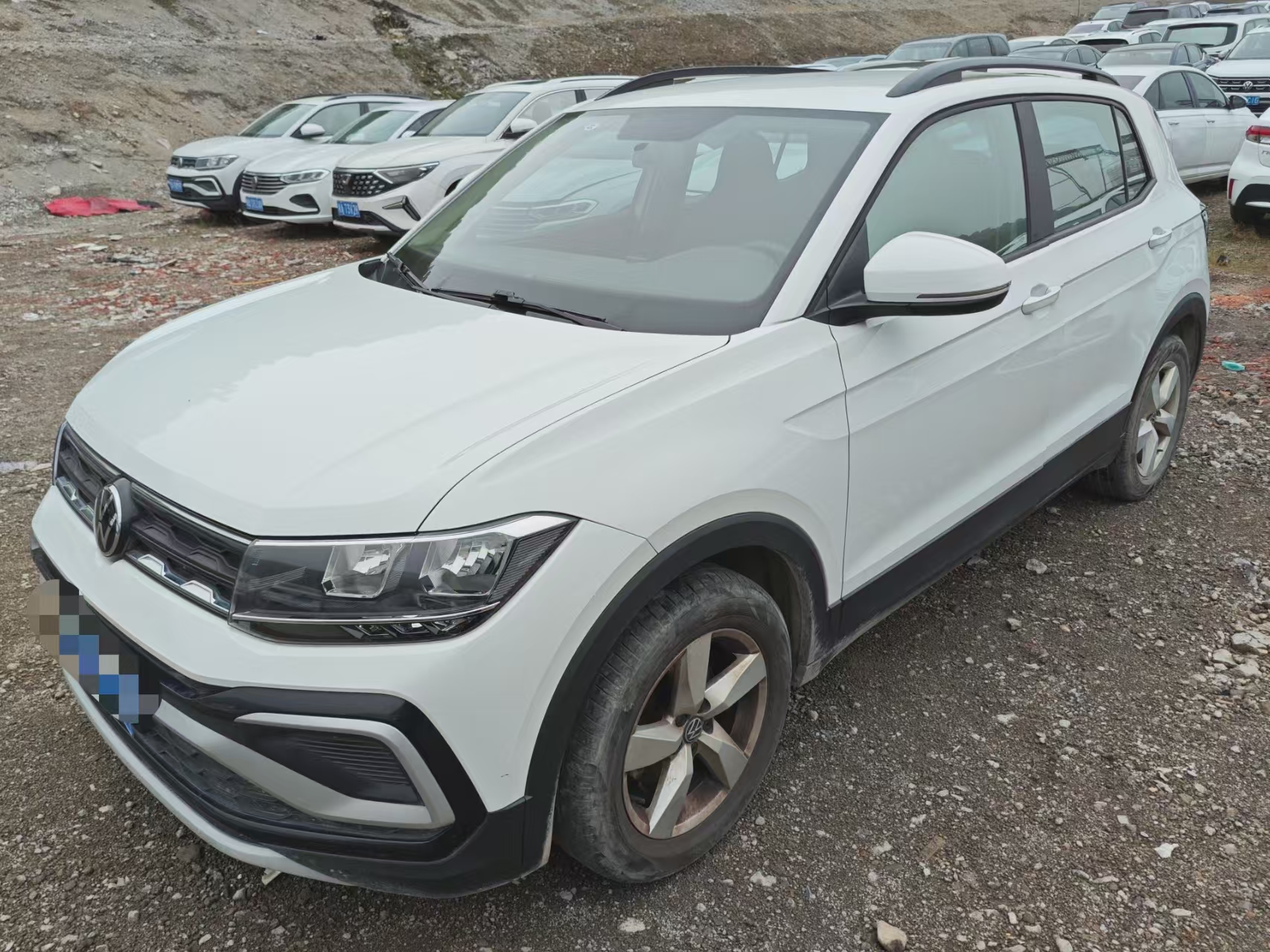
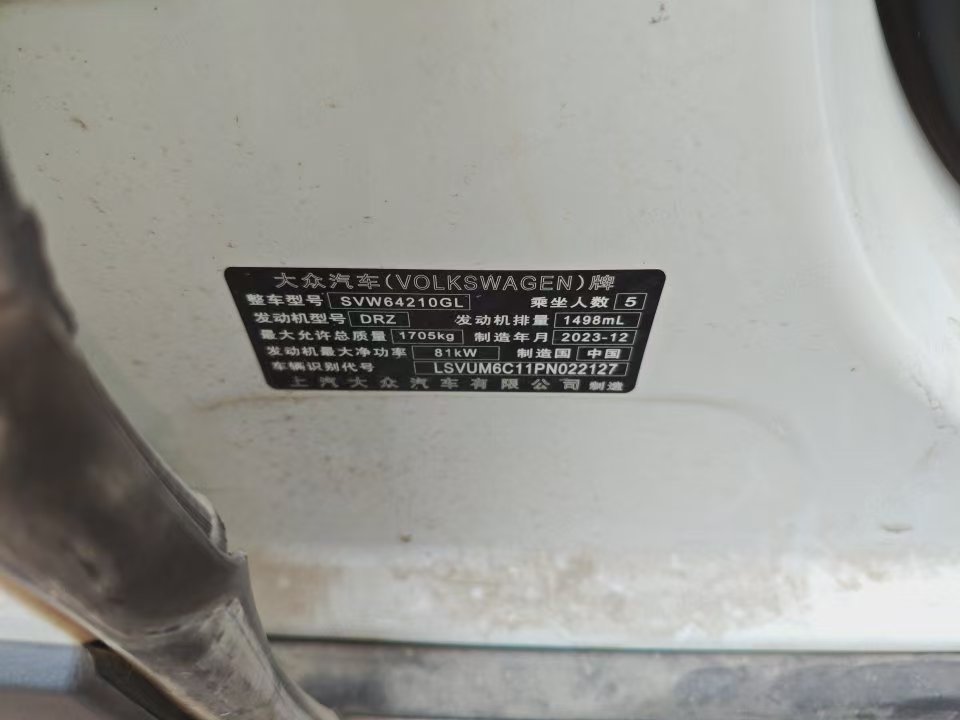
BrandVolkswagen
SeriesT-Cross
Year2024
First Registration2024/01
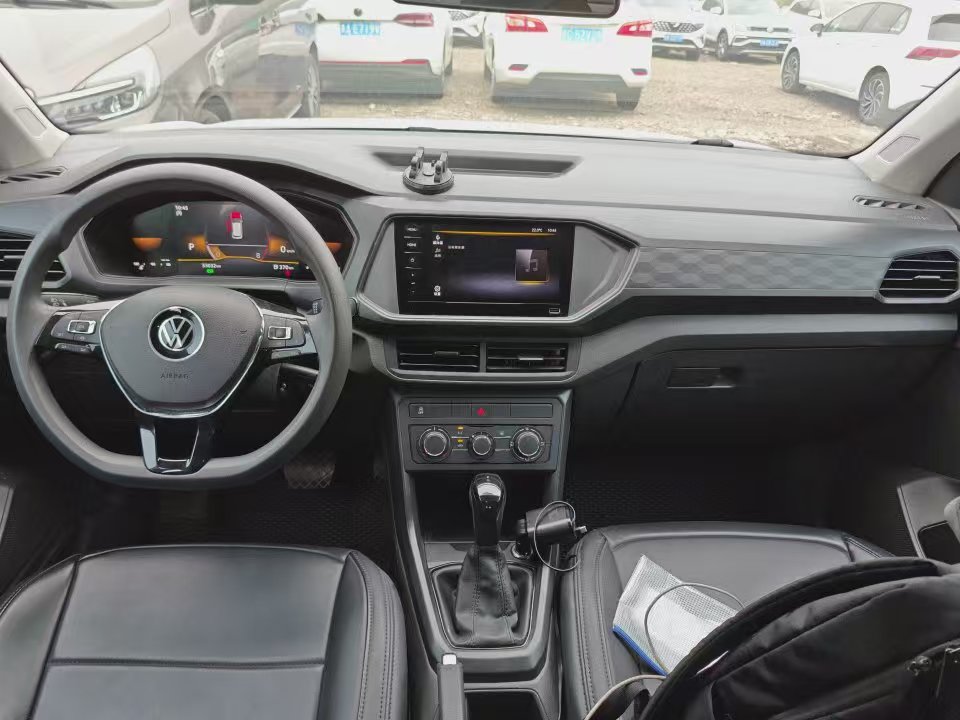
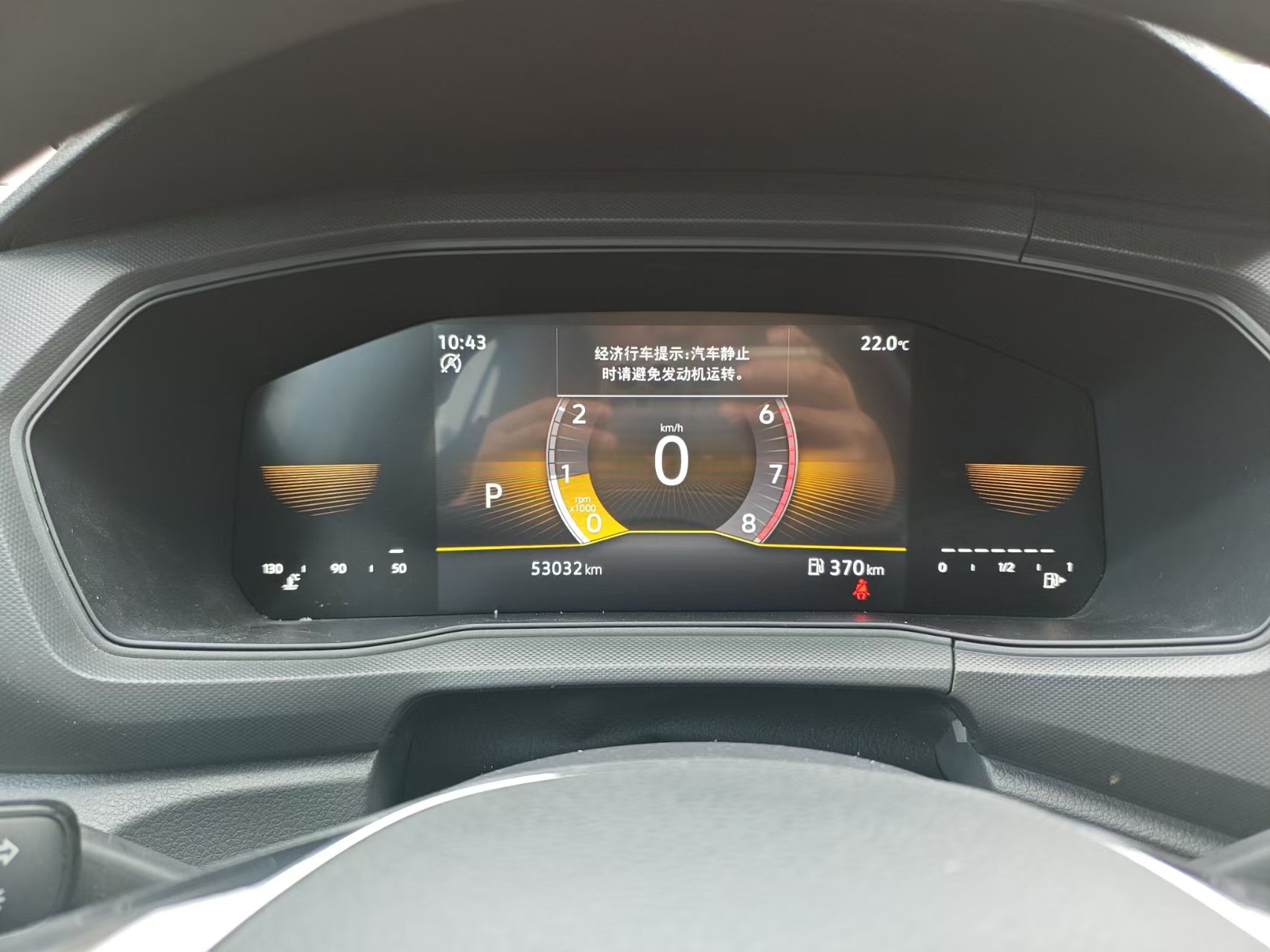
Mileage53,100km
Transfer Count0times
Fuel-
Transmission-
Engine-
ColorWhite
Seats-

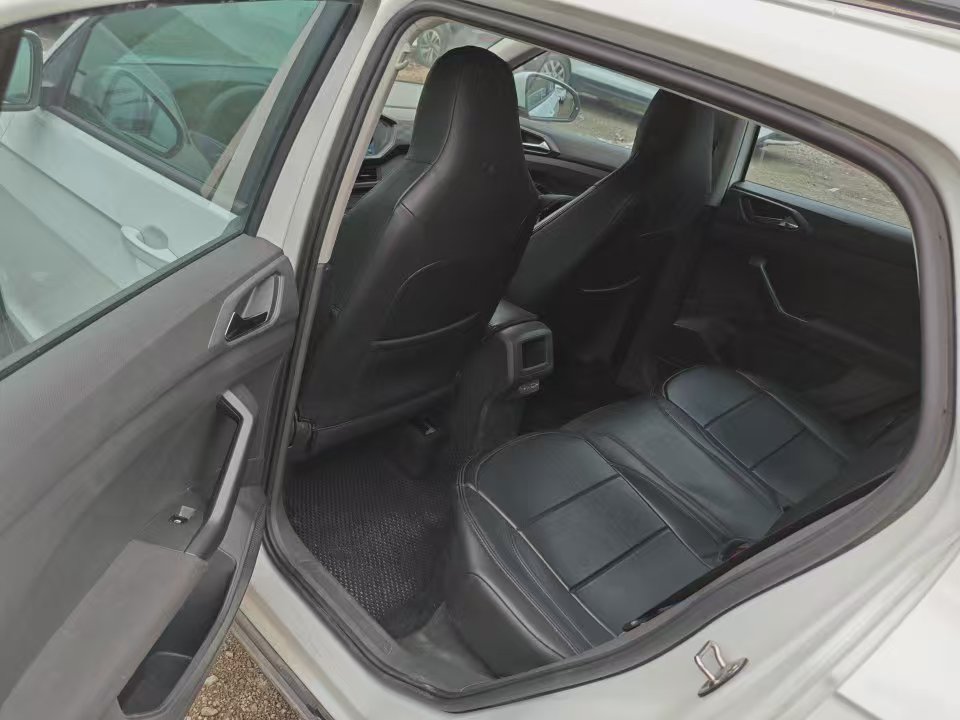
Condition Description

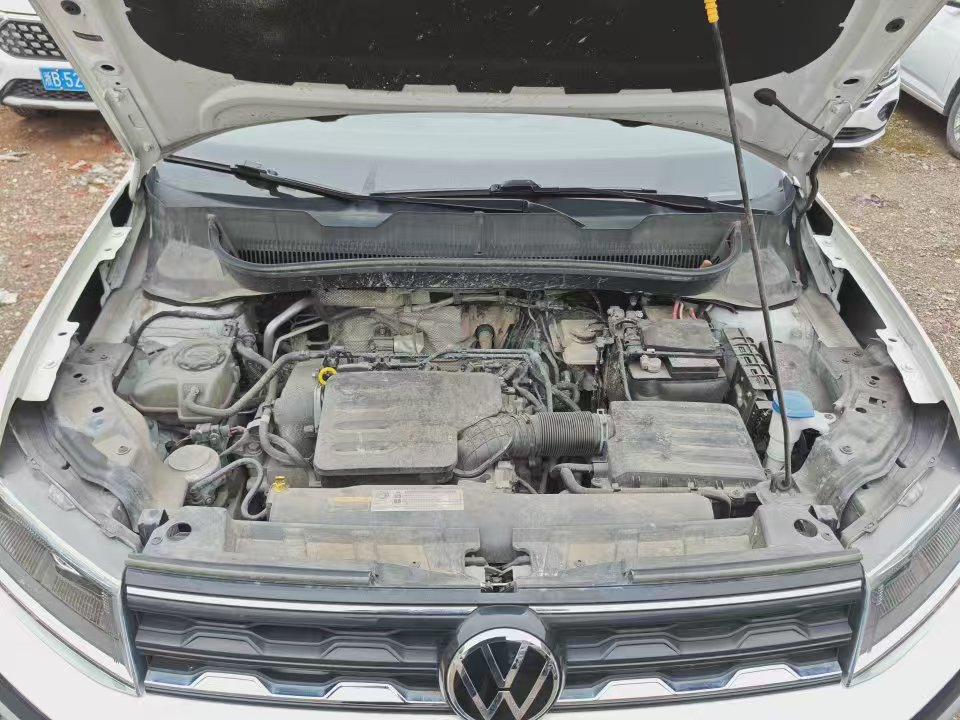
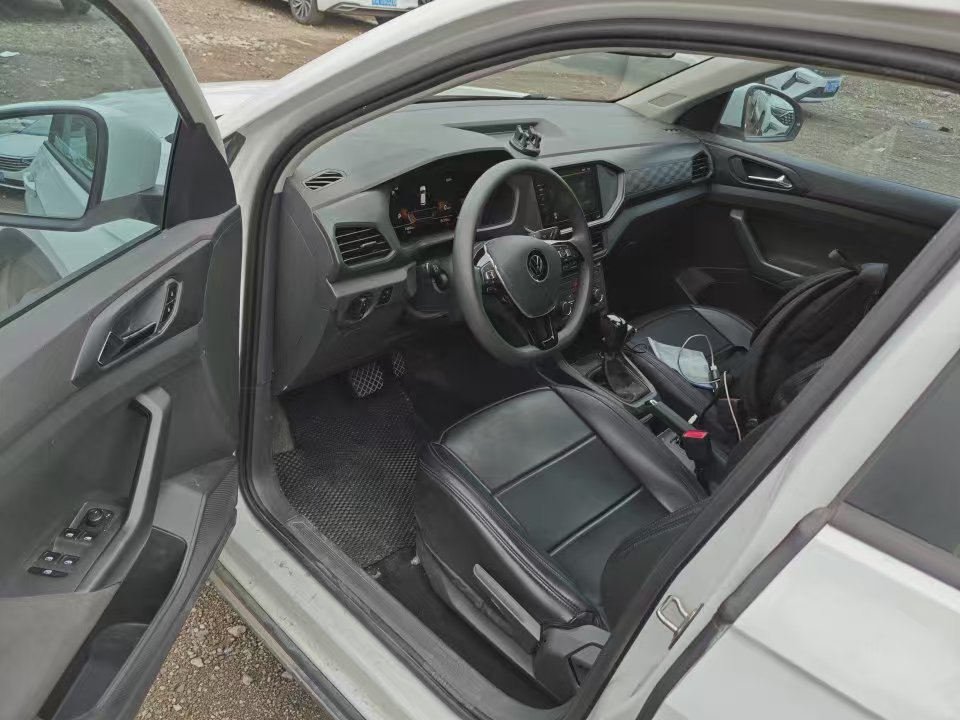
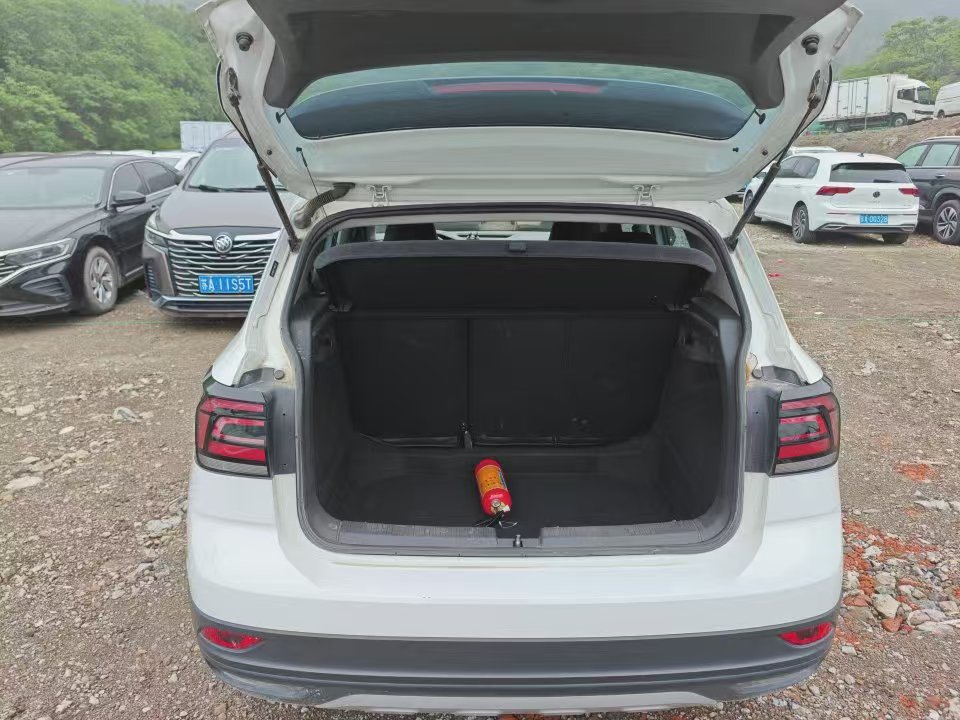
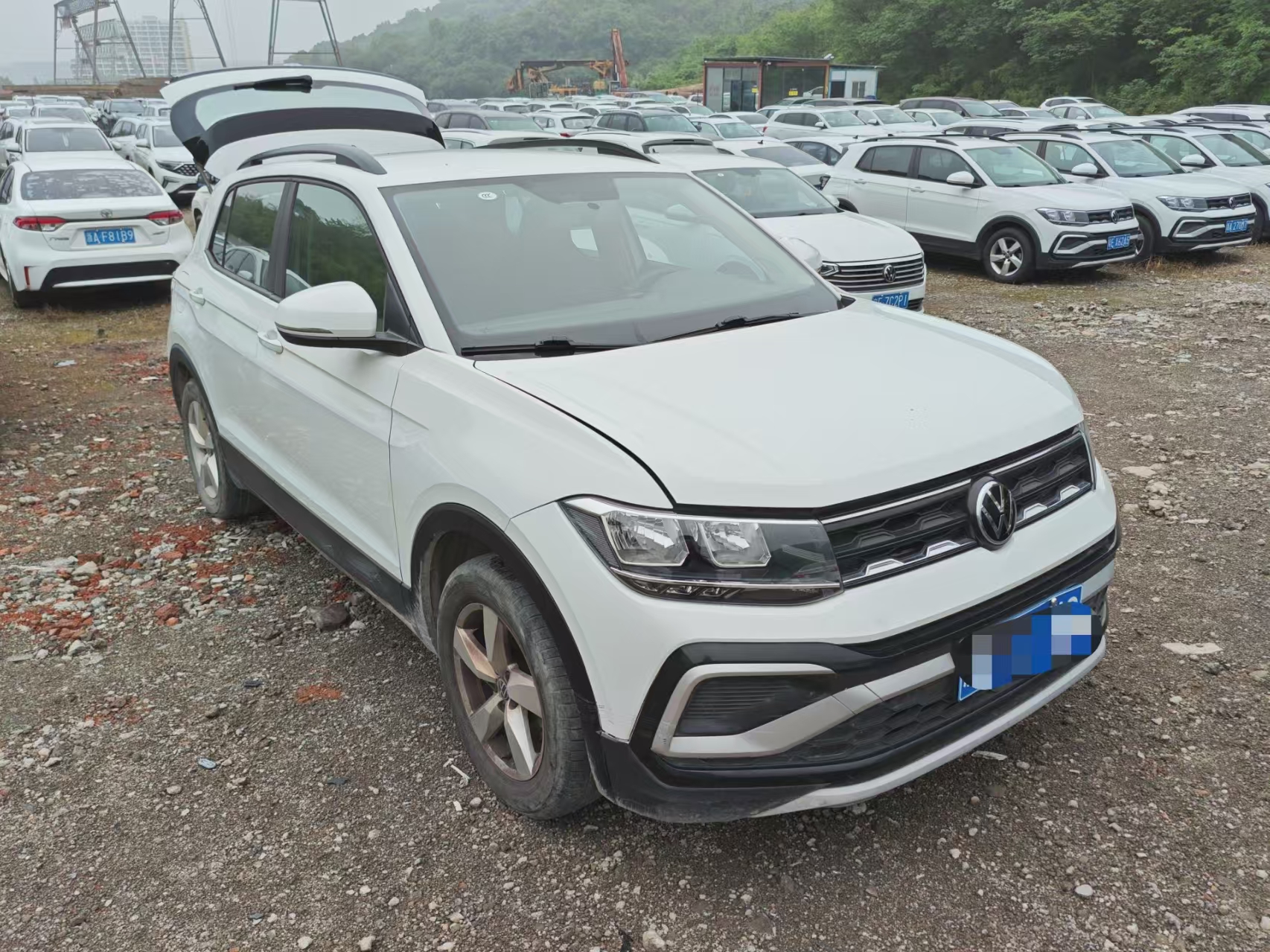
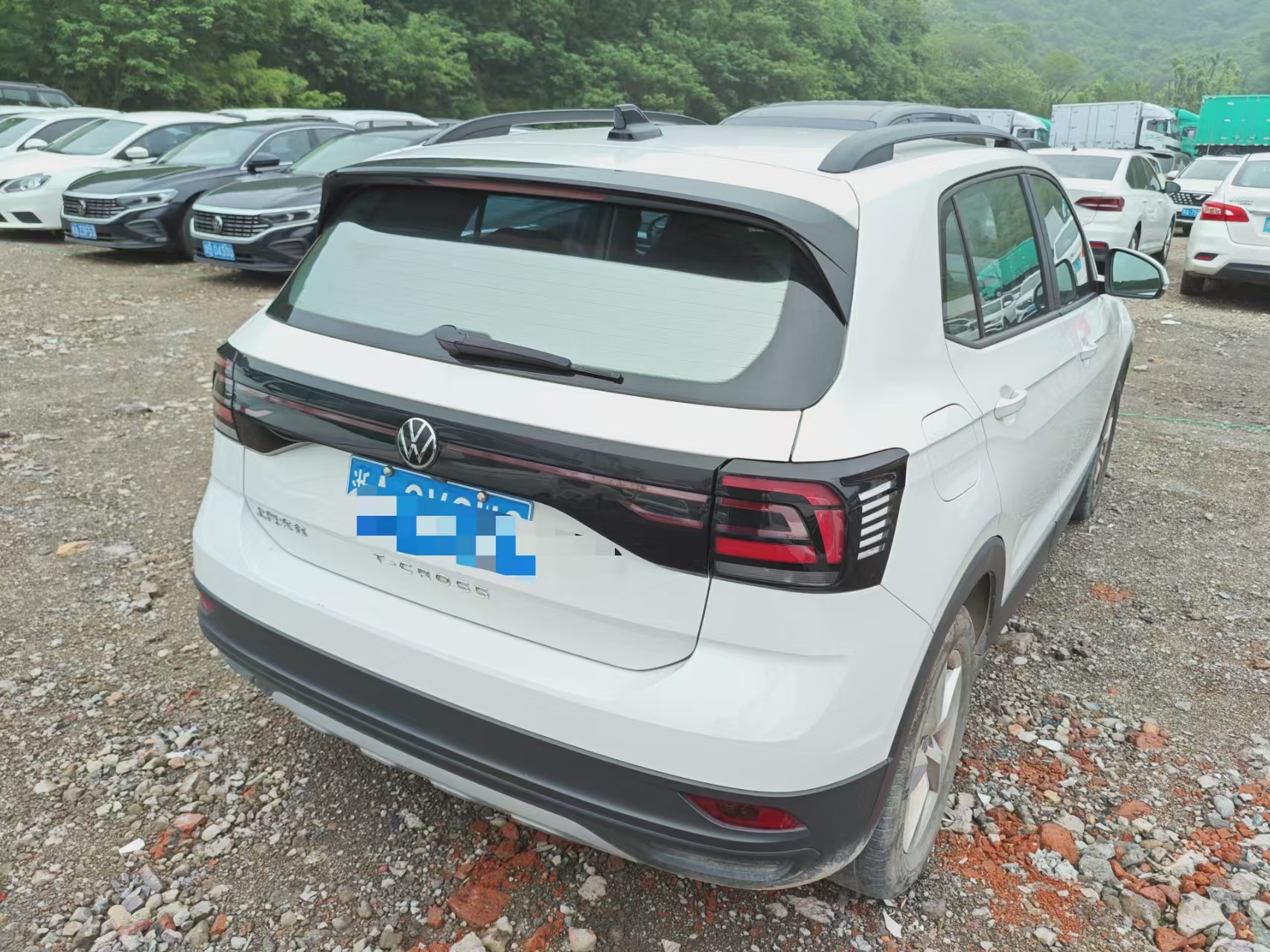
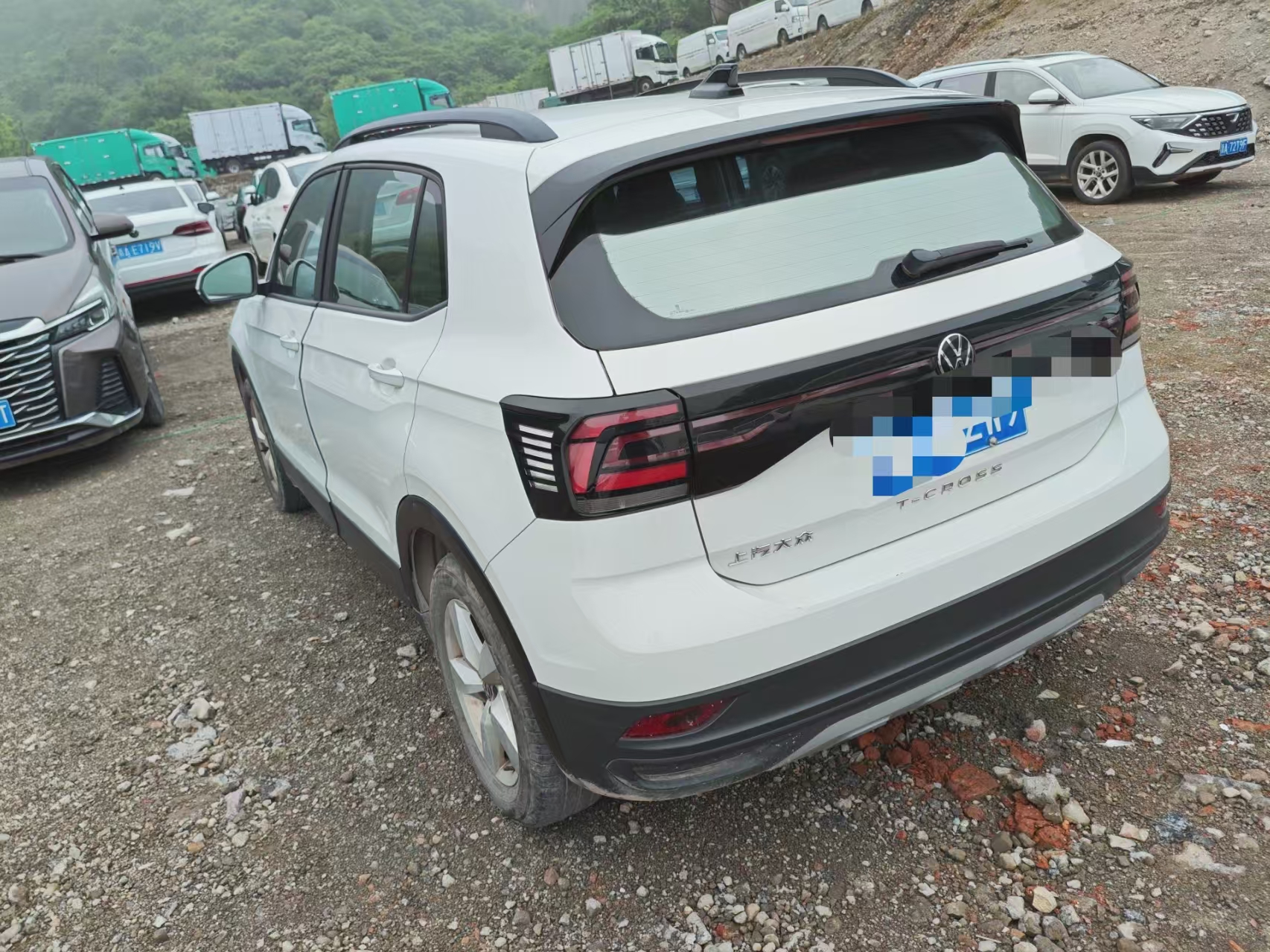
Left rear door bodywork and paint job; front bumper paint job

Q&A

More

How to prove that the vehicle's battery has not suffered physical damage from deep water immersion or chassis bottoming out?

We will remove the chassis guard to physically inspect the battery pack's lower shell for serious dents or scratches, and check for signs of mud or sand intrusion in the waterproof vent at the edge of the battery pack.


What is a safe payment structure for buying a used car from China remotely—how much deposit, when is the balance paid, and should I use escrow?

The industry-standard structure protects both sides. Pay 20-30% deposit after signing the contract and verifying the exporter's license—never more. The balance is paid only after your independent inspection report confirms the car matches the contract, ideally against a copy of the bill of lading so the exporter can't ship a different vehicle. For extra protection, tie payments to milestones: deposit on contract, second tranche after inspection passes, final payment when shipping documents are released. Some buyers use escrow services or trade assurance platforms for the first transaction with a new supplier; fees run 1-3% but are worth it for large amounts. Always pay to a corporate bank account matching the exporter's registered name. Keep every agreement in the written contract—verbal promises like 'we'll fix that before shipping' are unenforceable. If an exporter demands 50%+ upfront or full payment before inspection, walk away; that structure leaves you with no leverage.

If the total price of the vehicles I purchase at once exceeds $1 million, can I request a performance bond from you?

Yes. For large B2B government or major fleet procurement projects, to ensure the safety of your deposit, we can issue an advance payment guarantee from one of China's four major state-owned banks, but the buyer must bear the issuance fee.