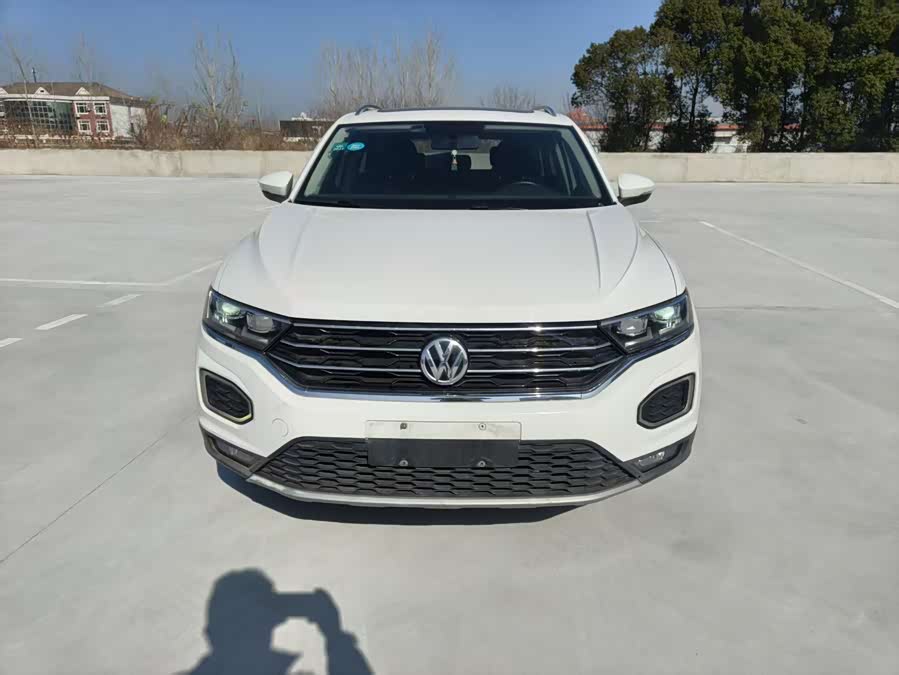
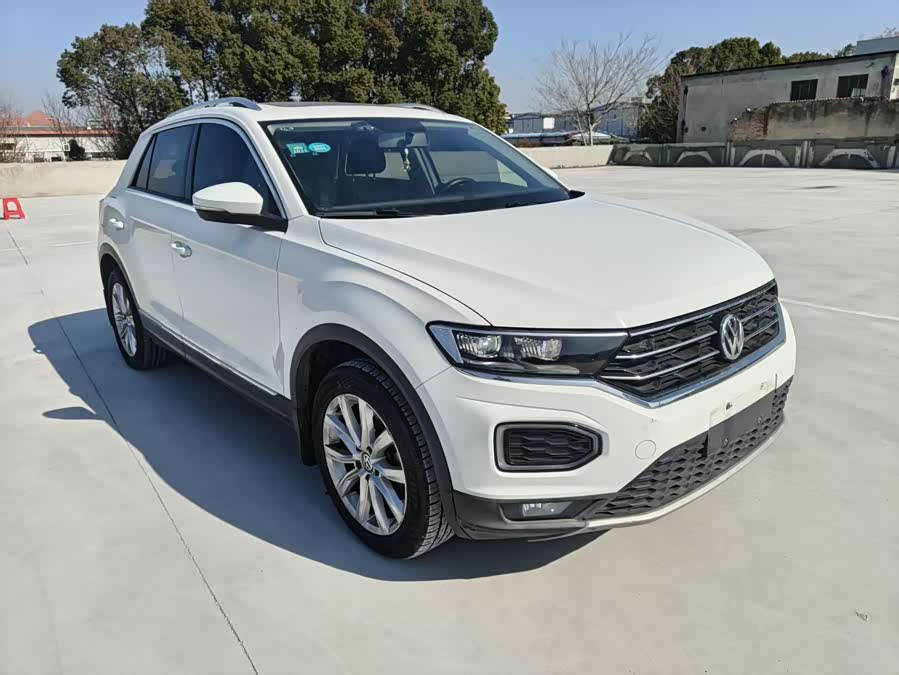
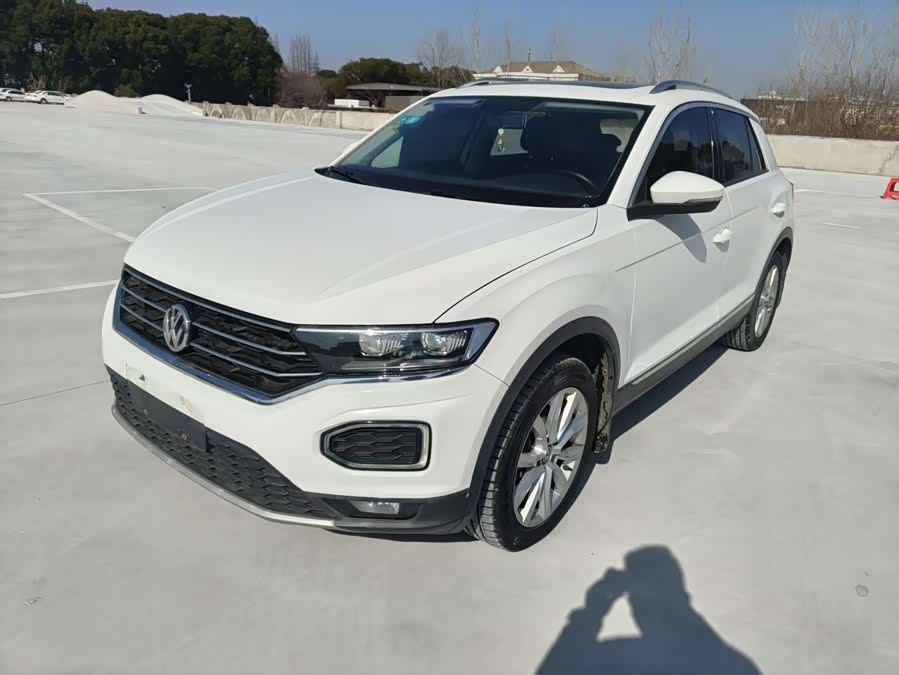
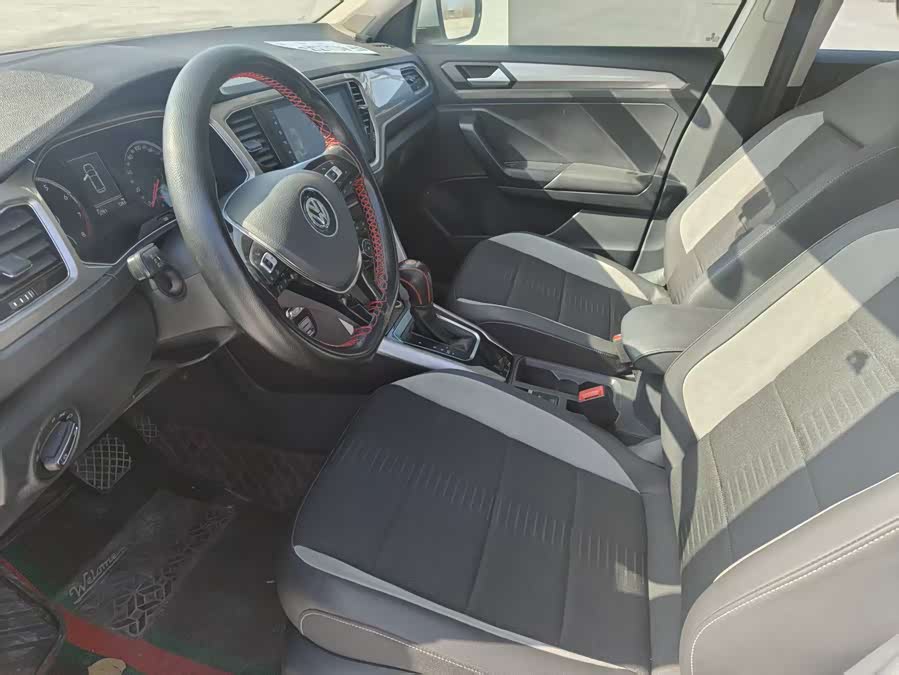
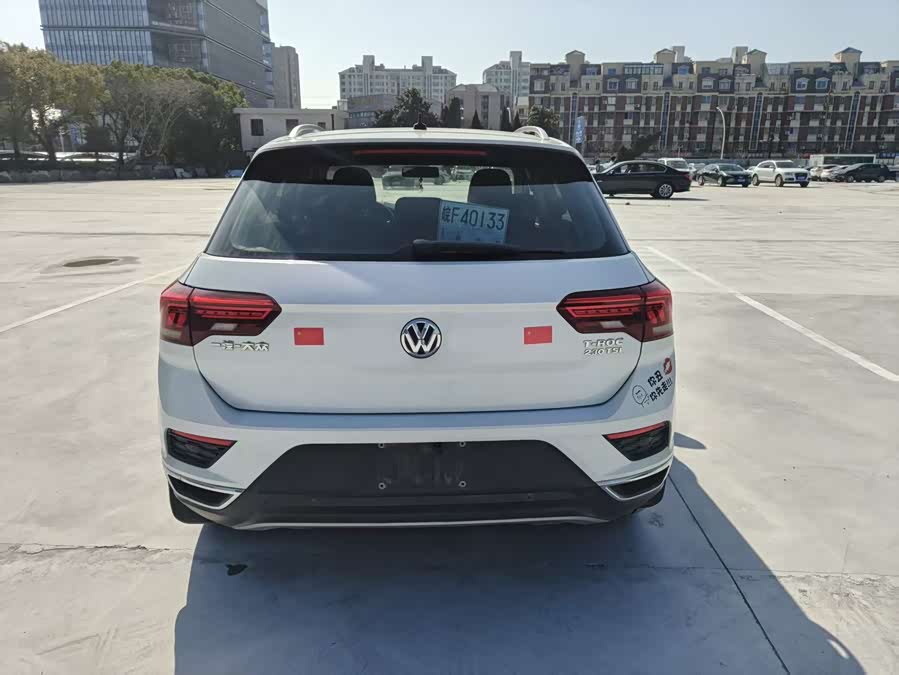



Basic Information

BrandVolkswagen
SeriesT-Roc
Year2019
First Registration2019/06
Mileage73,000km
Transfer Count1times
FuelGasoline
TransmissionDCT
Engine1.4T 131 L4
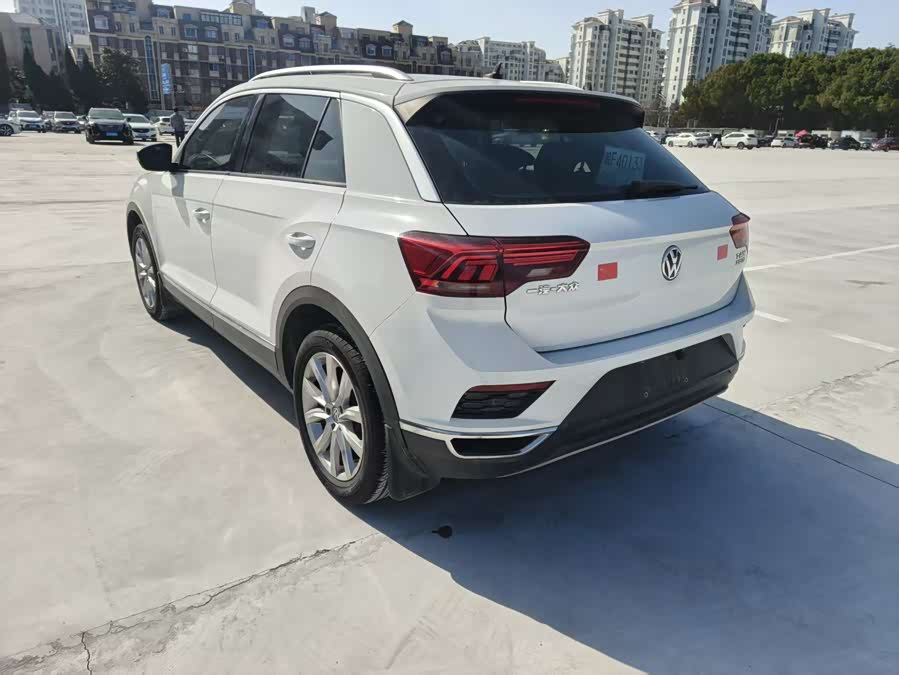
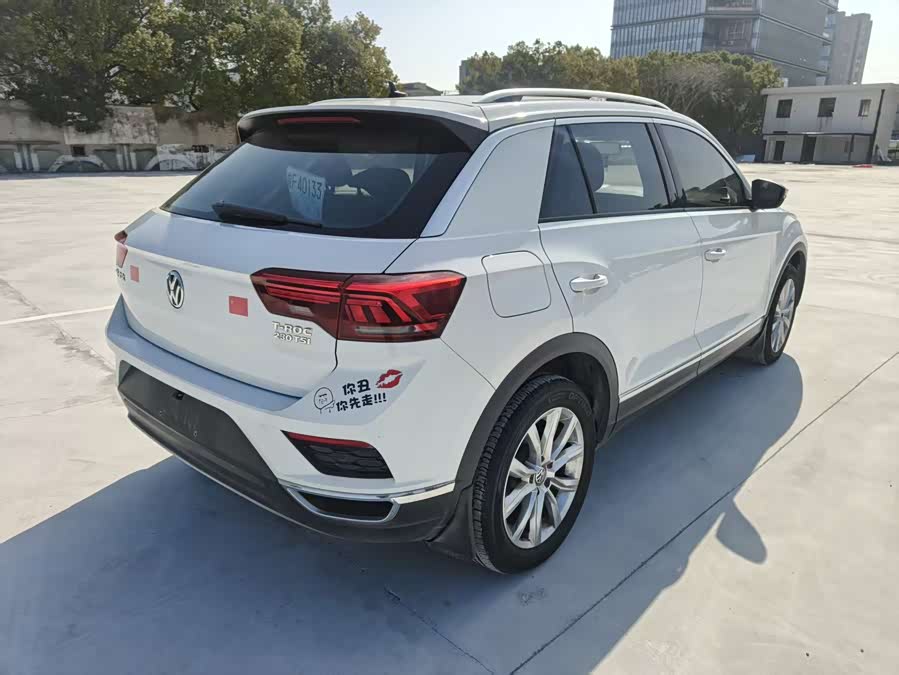
ColorWhite
Seats-

Condition Description

very good

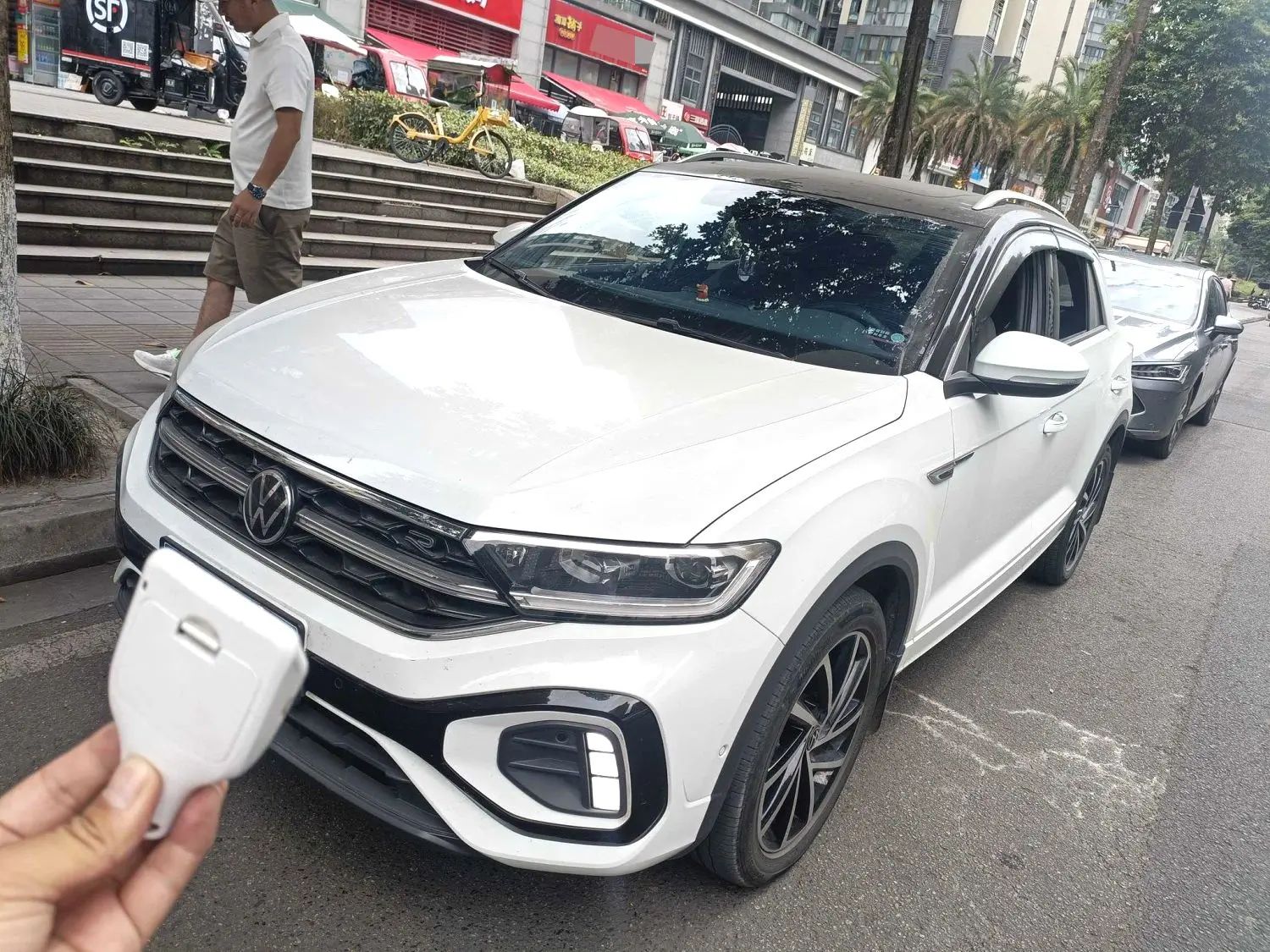
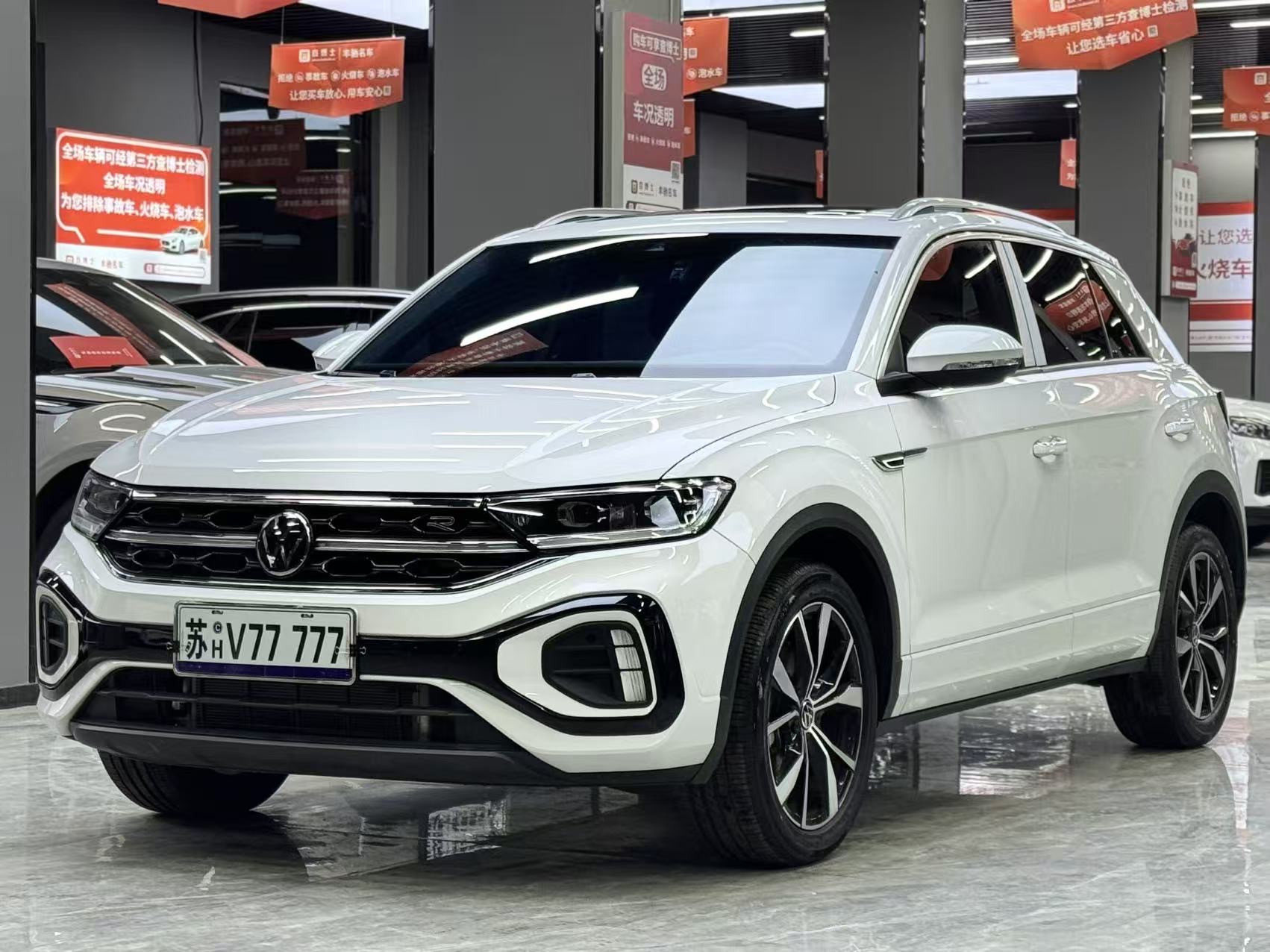
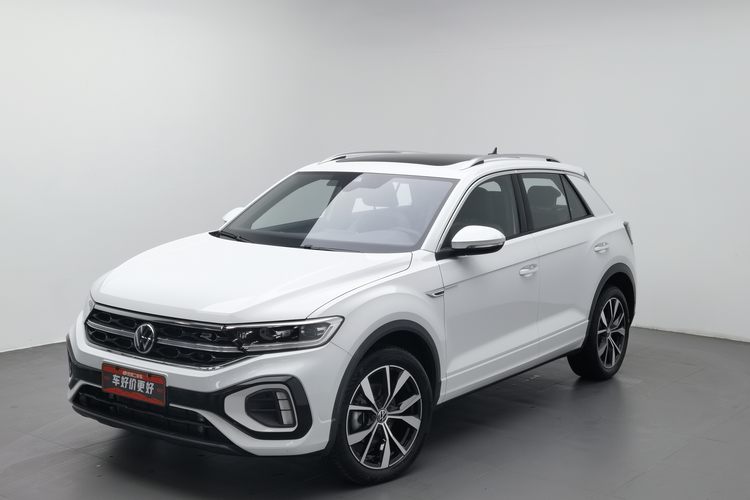
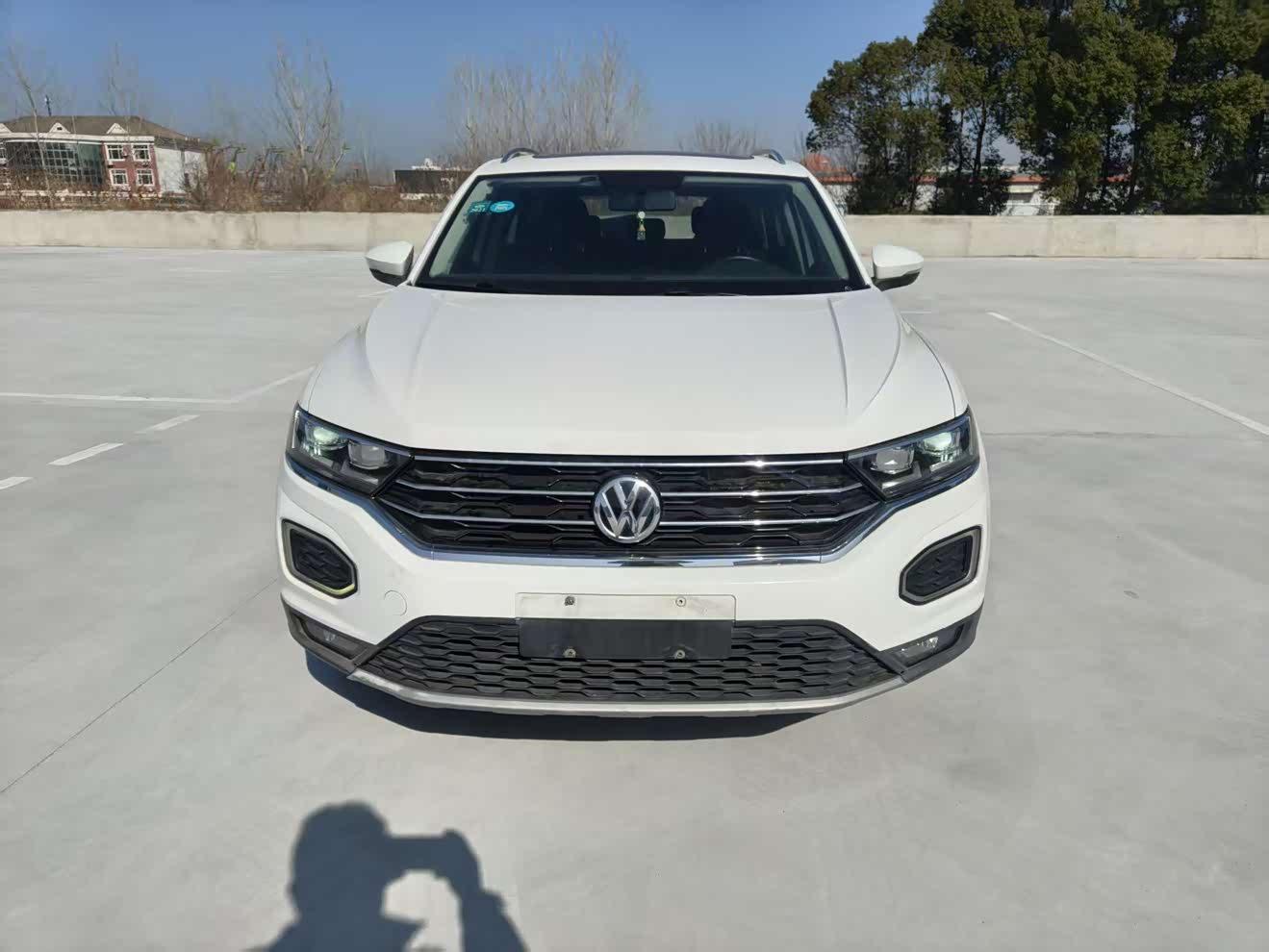
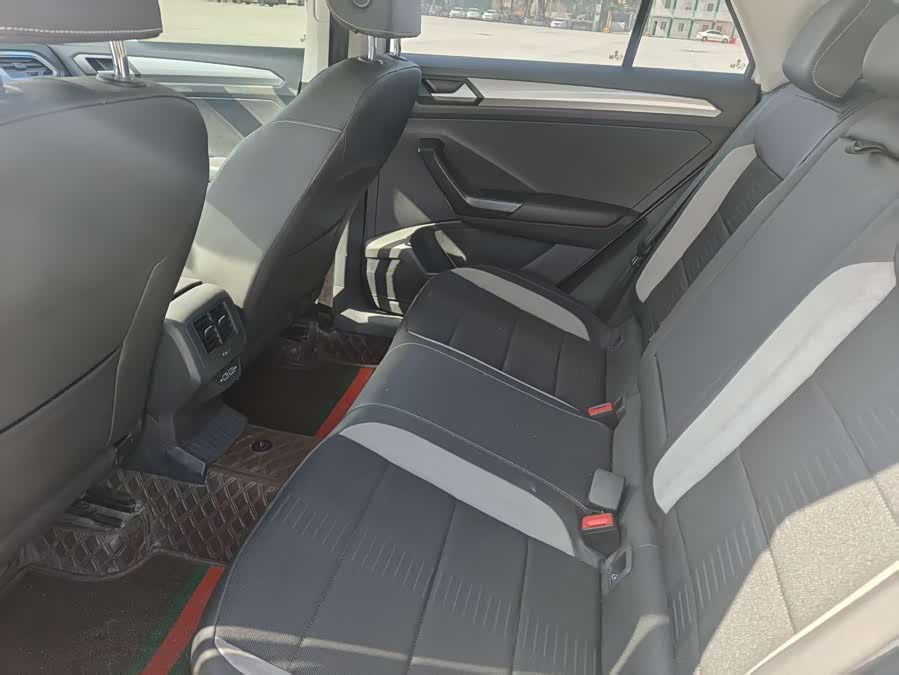
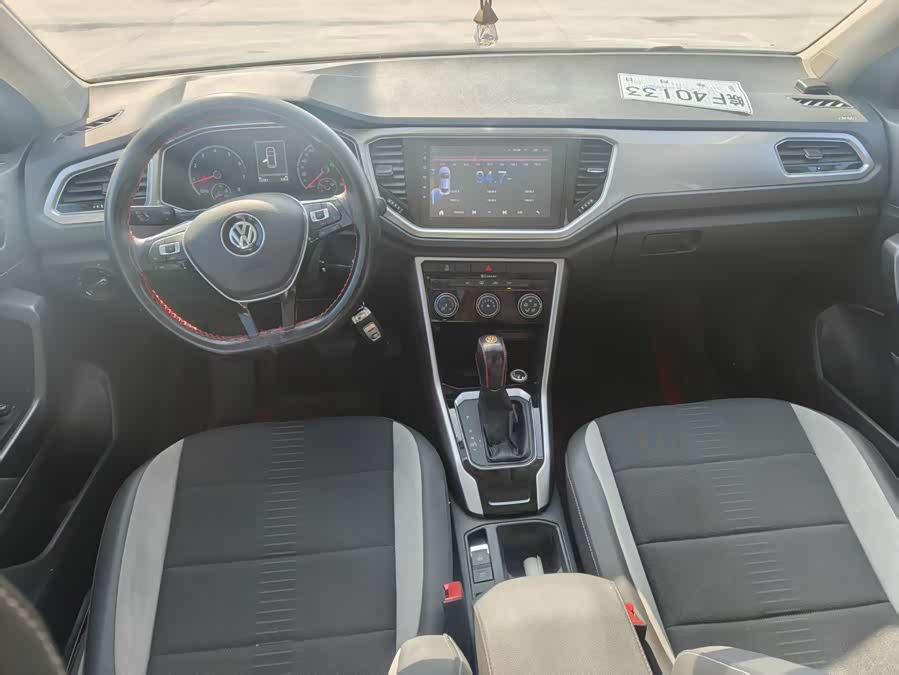
This 2018 Volkswagen T-ROC 230TSI DSG 2WD Entry-level model (China V emission standard) was first registered in June 2019 and currently has 73,000 kilometers on the odometer. In terms of features, it is equipped with ISOFIX child seat anchors, auto hold, Bluetooth/hands-free calling, cornering lights, an in-cabin PM2.5 filter, and rear air vents. The car is in good condition; welcome to visit our showroom!

Configuration Highlights

✓ISOFIX Child Seat Anchors
✓Auto Hold
✓Bluetooth/Hands-free
✓Cornering Lights
✓PM2.5 Air Filter
✓Rear Air Vents

Accident & Maintenance Records

Accident Record

🔗 Open Link

Maintenance Record

🔗 Open Link

Document Information

Inspection Expiry Date2026/06
Warranty Expiry Date-
Insurance Expiry Date2026/06

Q&A

More

For vehicles equipped with LiDAR, will damage to the radar surface from stones affect driving?

It does not affect basic driving and regular speed cruise, but it will trigger a fault alert for advanced driver assistance on the dashboard. The LiDAR assembly is extremely expensive, so we focus on checking the integrity of the glass cover with a strong flashlight during inspections.
How will minor detachment or water stains on the headliner be reflected in the rating?

The headliner is considered an "irreversible interior component." If the edges are delaminated or there are deep, hard-to-clean dark water stains, it will directly lead to a downgrade in the interior grade, even if it does not affect driving. We will not use pins or low-quality glue for cosmetic repairs.

Is there a specific testing process for the smooth transition between the engine and motor in hybrid (HEV/PHEV) vehicles?

Yes. For hybrid vehicles, technicians will conduct forced switching tests between EV (electric) and HEV (hybrid) modes, focusing on the sensation of clutch engagement and reading the hybrid system's specific fault codes to ensure the complex dual power system operates correctly.