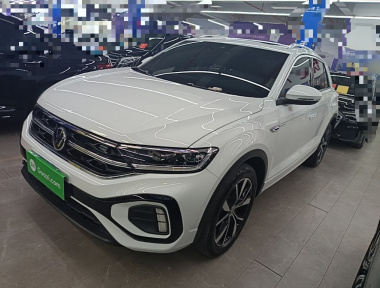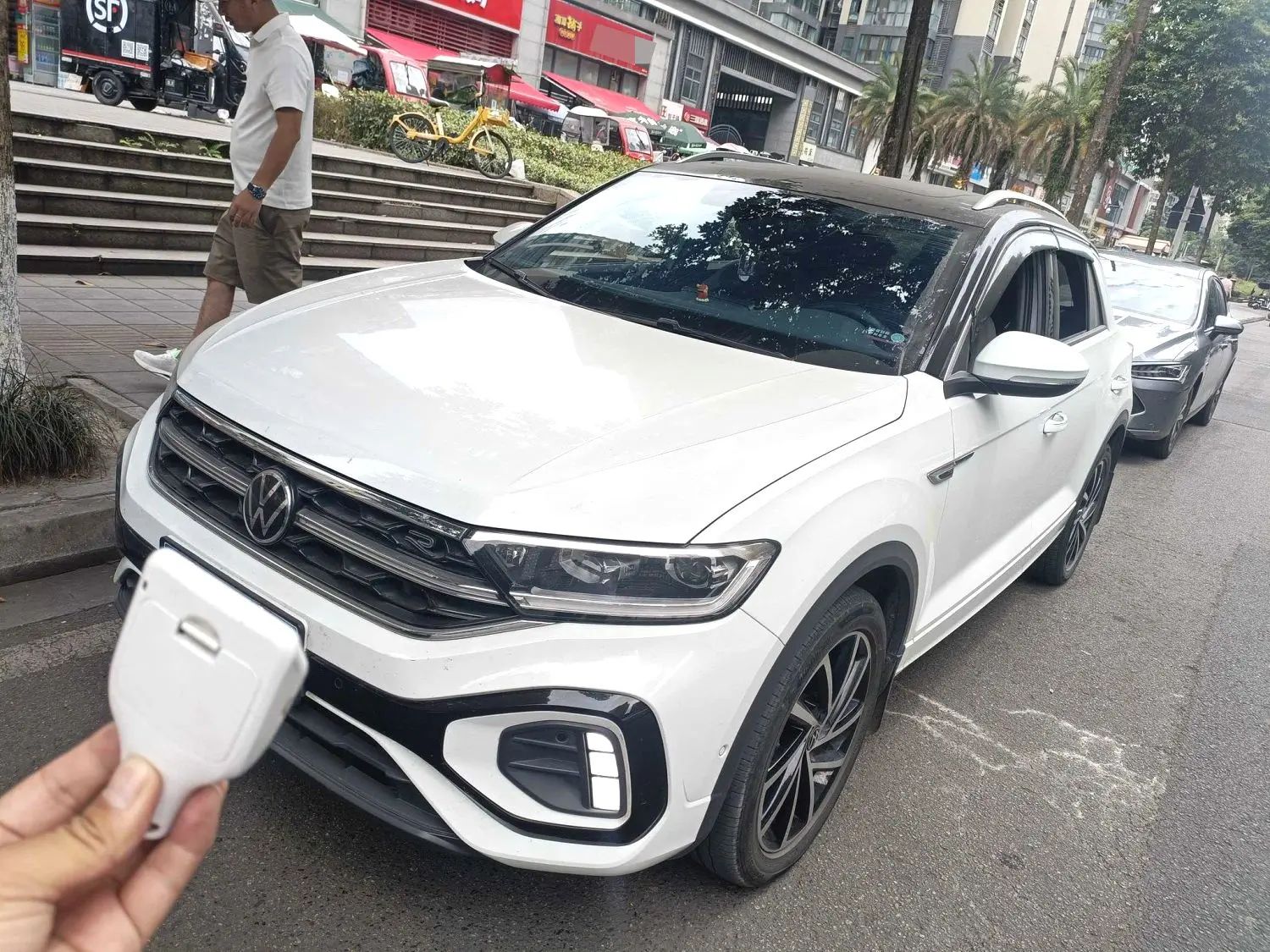



Basic Information

BrandVolkswagen
SeriesT-Roc
Year2021
First Registration2021/02
Mileage3.35km
Transfer Count1times
FuelGasoline
TransmissionDCT
Engine1.4T 150 L4
ColorWhite
Seats-

Condition Description

This vehicle is registered under a private name; ownership will be transferred after the sale.

Configuration Highlights

✓Driver/Passenger Airbags
✓Front/Rear Side Airbags
✓Front/Rear Curtain Airbags
✓Tire Pressure Monitoring
✓ISOFIX Child Seat Anchors
✓Keyless Start System
✓Keyless Entry System
✓ABS Anti-lock Braking
✓Electronic Brake Distribution
✓Electronic Stability Control
✓Hill Start Assist
✓Auto Hold
✓Panoramic Sunroof
✓Power Trunk
✓Roof Rack
✓Multifunction Steering Wheel
✓Front Parking Sensors
✓Seat Material
✓Driver/Passenger Power Seats
✓Rear Cupholders
✓GPS Navigation
✓Low Beam Headlights
✓Daytime Running Lights
✓Auto Headlights
✓Adjustable Headlight Height
✓Power Windows
✓Anti-pinch Windows
✓Climate Control Type
✓Rear Air Vents
✓Start-Stop System
✓Active Safety System

Q&A

More

Do the exported new energy vehicle battery packs have the required UN38.3 test report and MSDS certificate for maritime transport?

Our documentation department has the latest versions of UN38.3 (United Nations Transport of Dangerous Goods Test and Standards) and MSDS reports authorized or filed by major Chinese new energy brands (such as BYD, Geely, GAC), which are essential customs documents for declaring dangerous goods to the maritime authority.
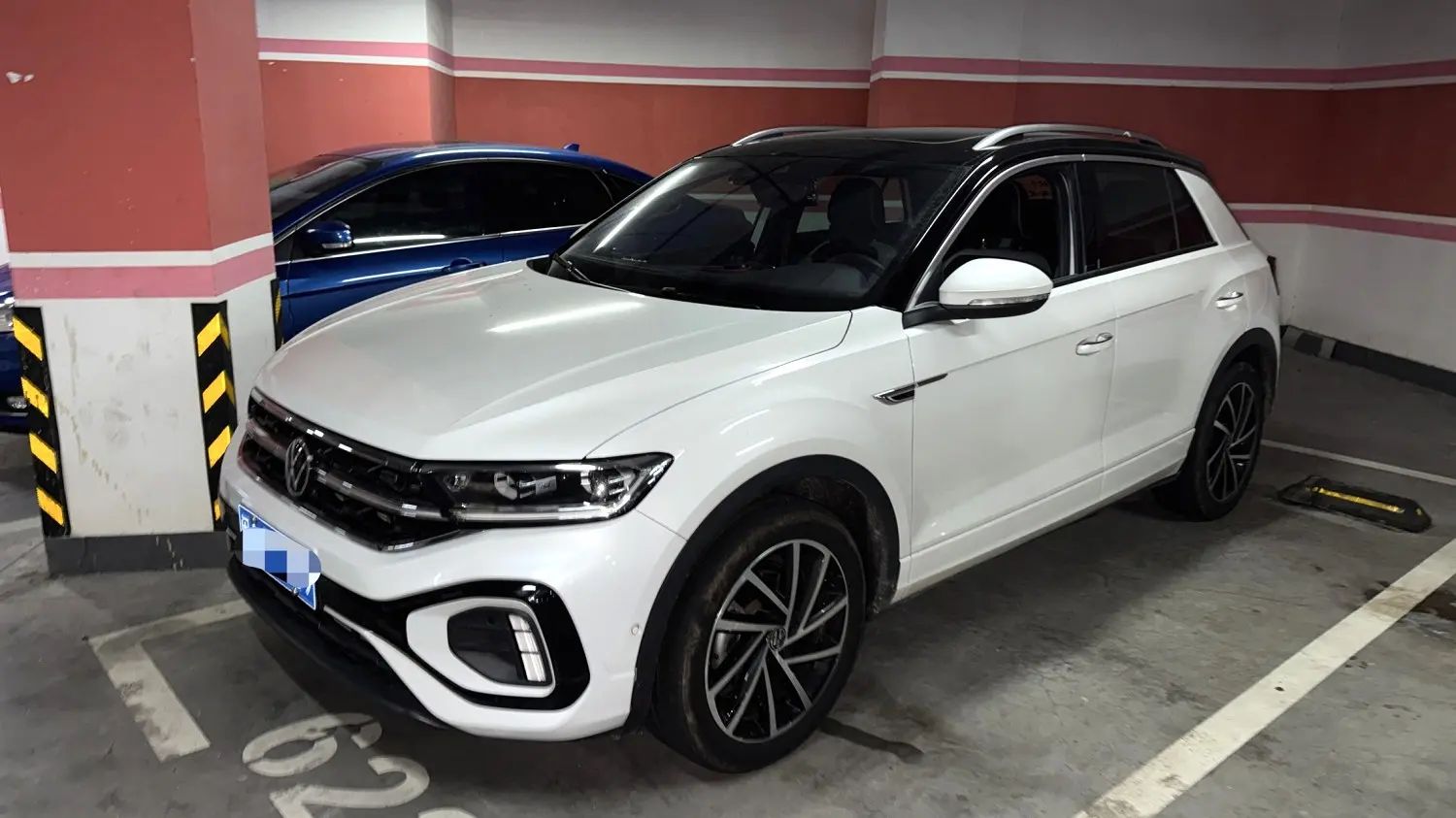

When checking the history records, can you distinguish whether the vehicle was involved in a "single-vehicle accident (like hitting a wall)" or a "multi-vehicle rear-end collision"?

If insurance claims records are accessed, there will usually be notes like "the insured vehicle is fully responsible for hitting a fixed object" or "third-party liability insurance payment." We can roughly reconstruct the accident scene based on this and cross-verify the stress points on the vehicle's frame with paint thickness gauge data.

After the vehicle arrived at the port, it was found that the rubber parts of the chassis (such as dust covers and engine mounts) had extensive cracking. Does this fall under the compensation for "certain repair parts compensation"?

Absolutely not. The aging and cracking of rubber parts are inevitable over time and are a normal manifestation of vehicle depreciation. Our compensation only covers sudden and catastrophic mechanical failures, such as engine cylinder scoring or transmission gear breakage.