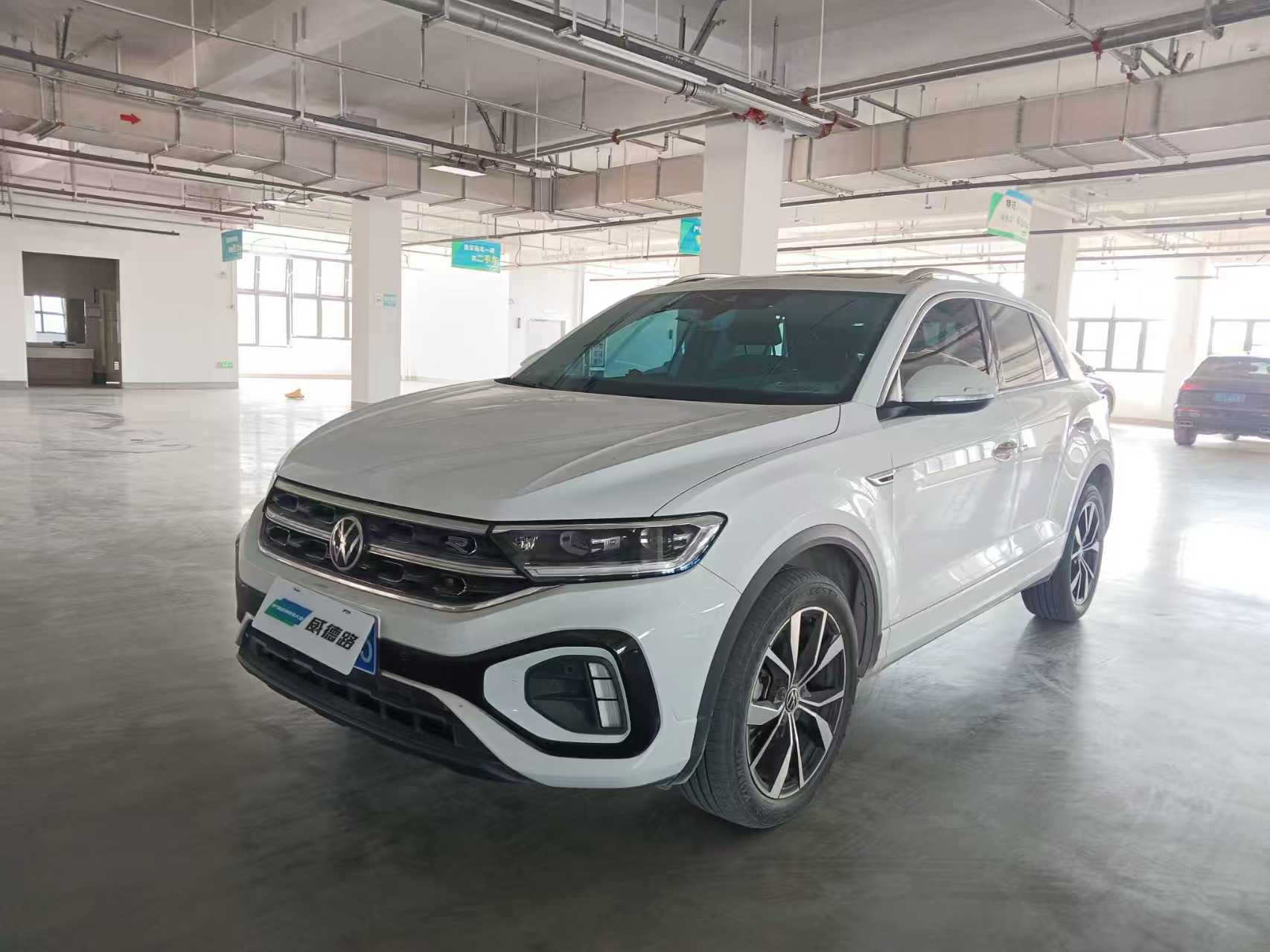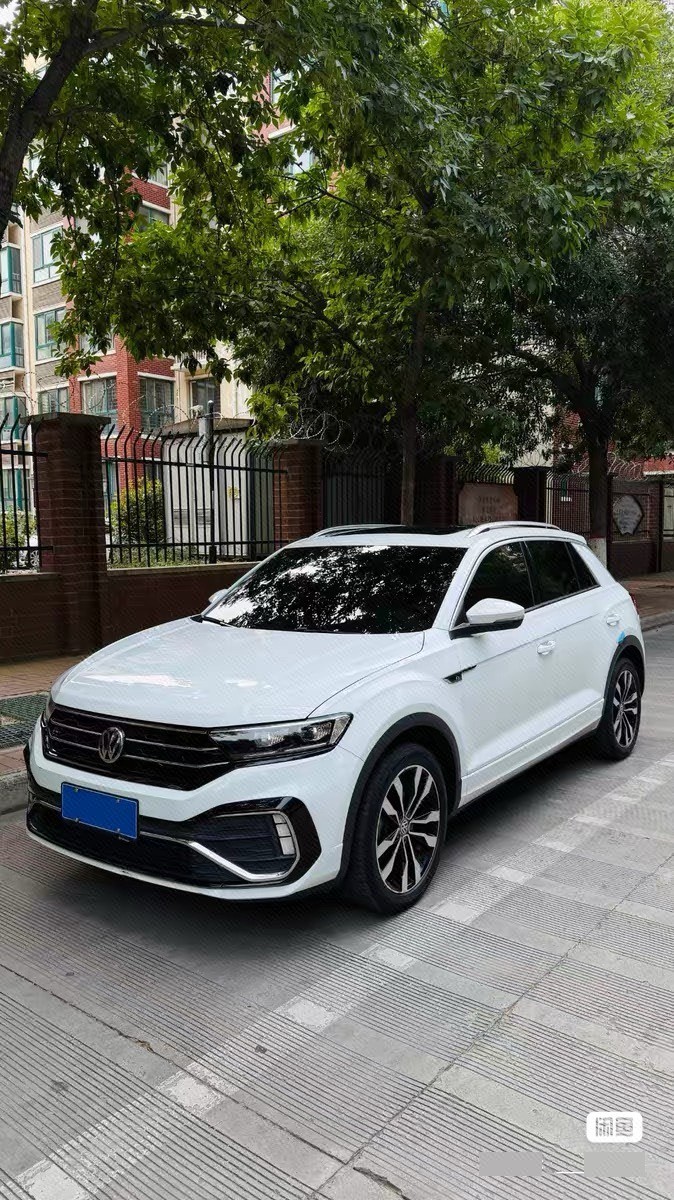



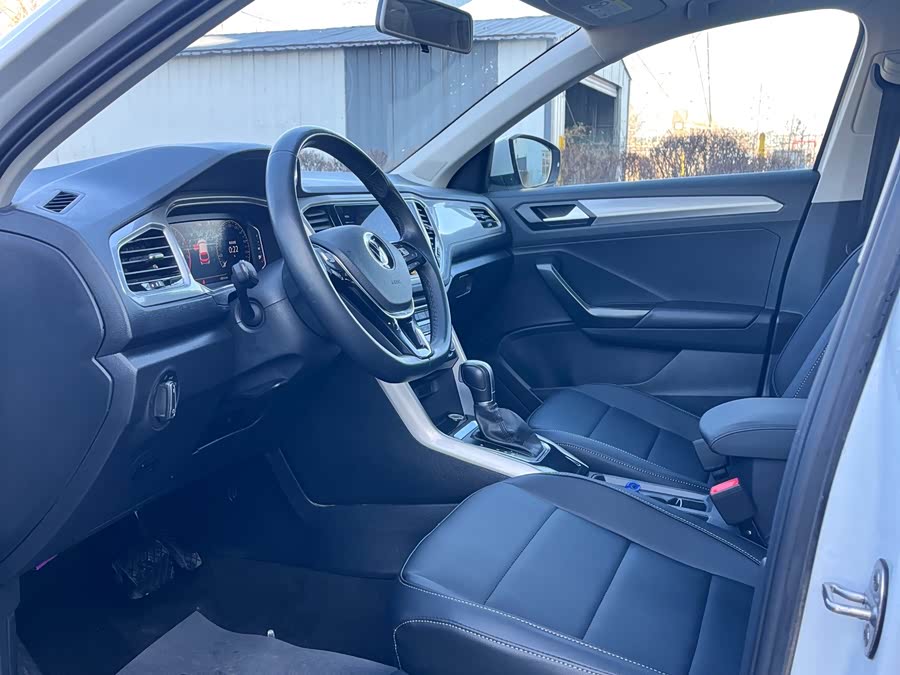
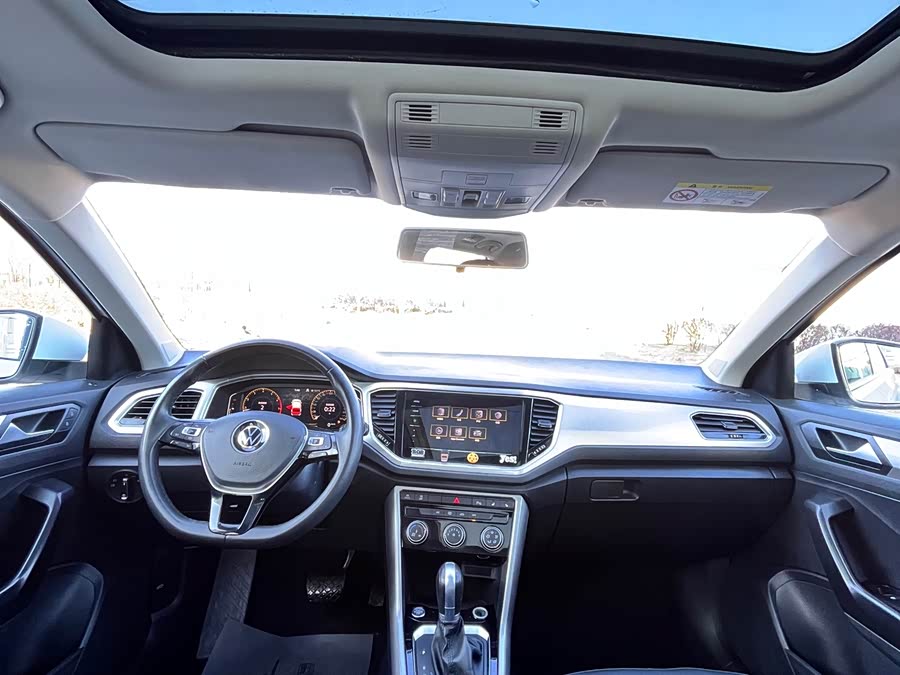
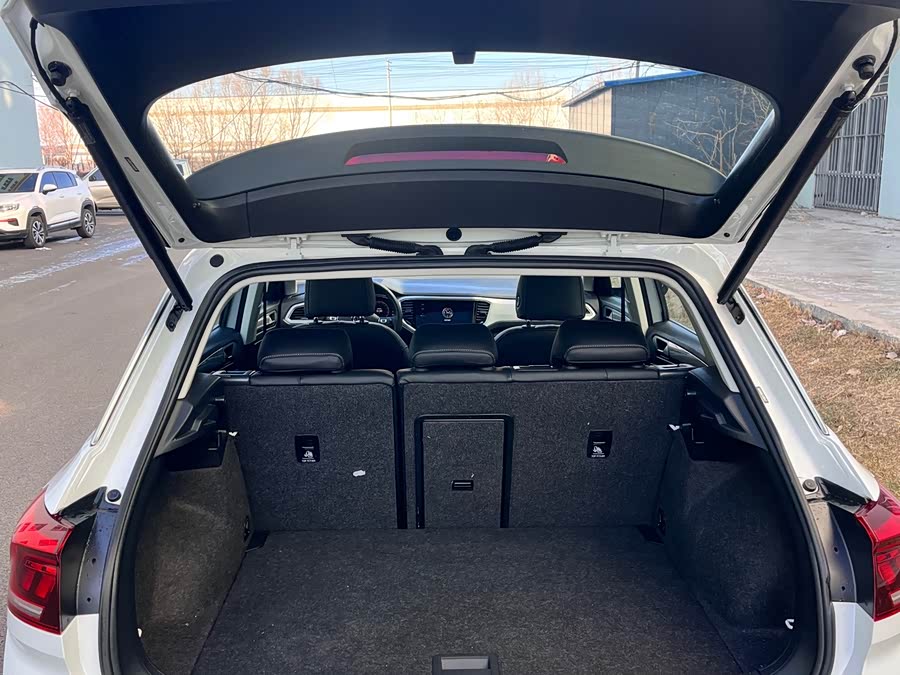
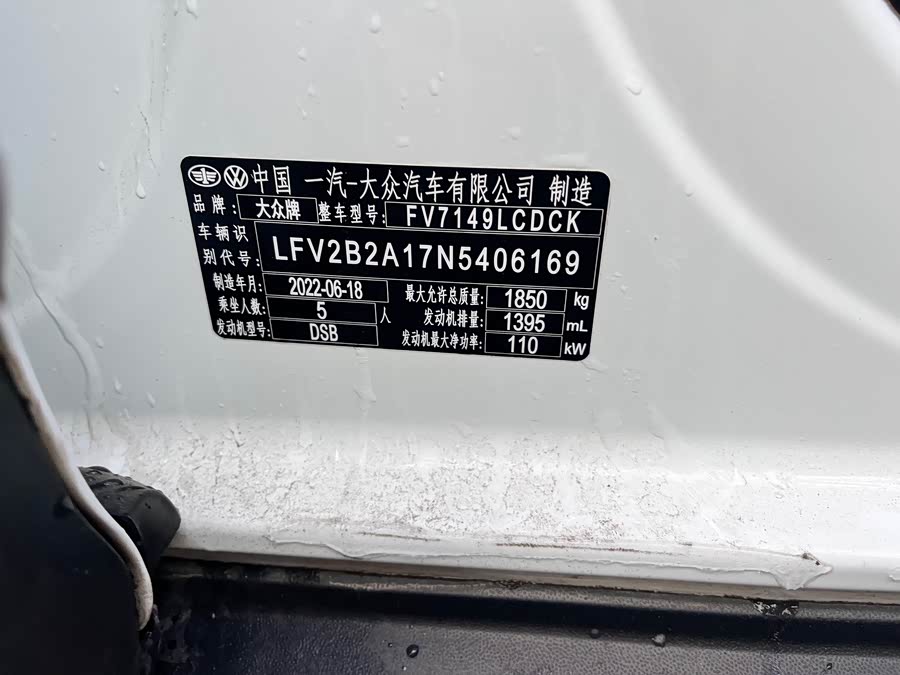



Basic Information

BrandVolkswagen
SeriesT-Roc
Year2022
First Registration2022/07
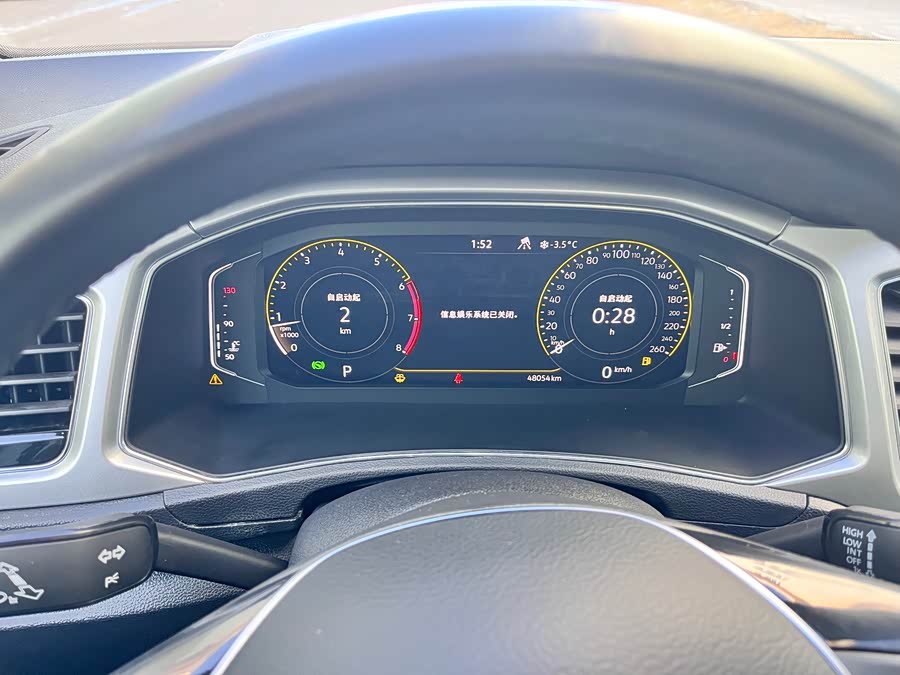
Mileage48,000km
Transfer Count1times
FuelGasoline
TransmissionDCT
Engine1.4T 150 L4
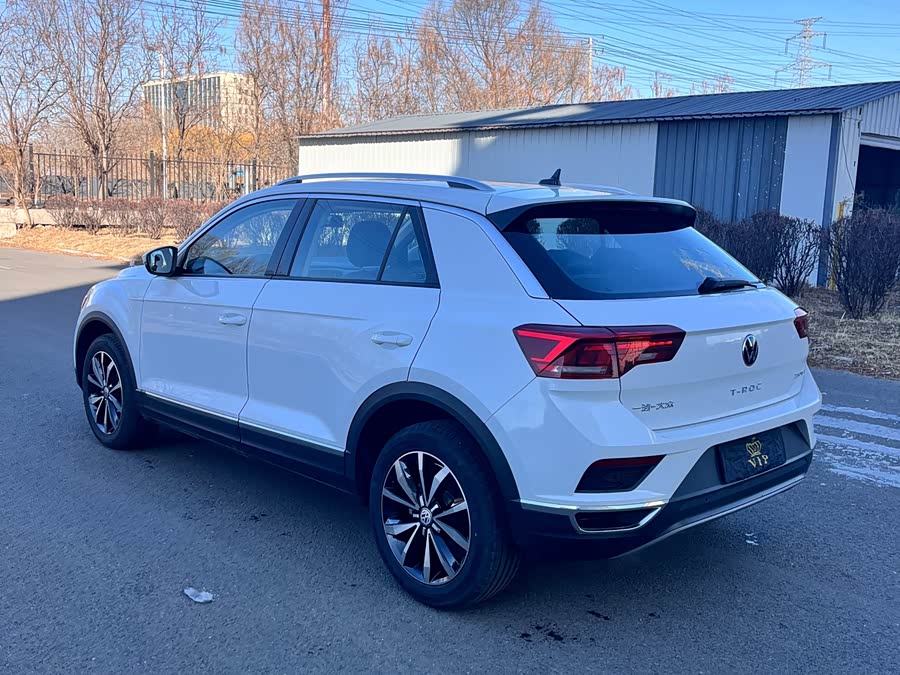
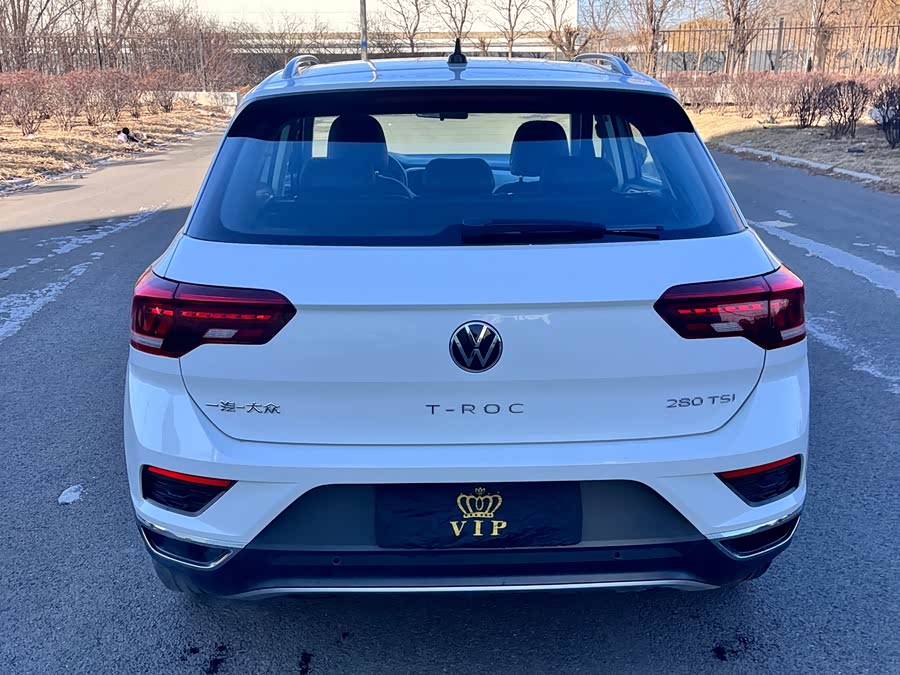
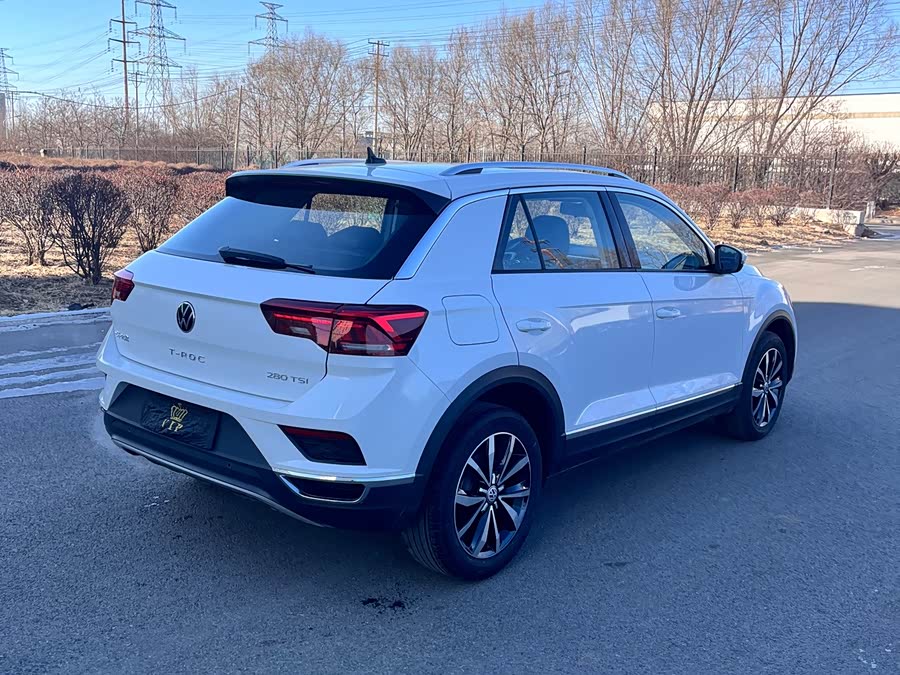
ColorWhite
Seats-

Condition Description

very good

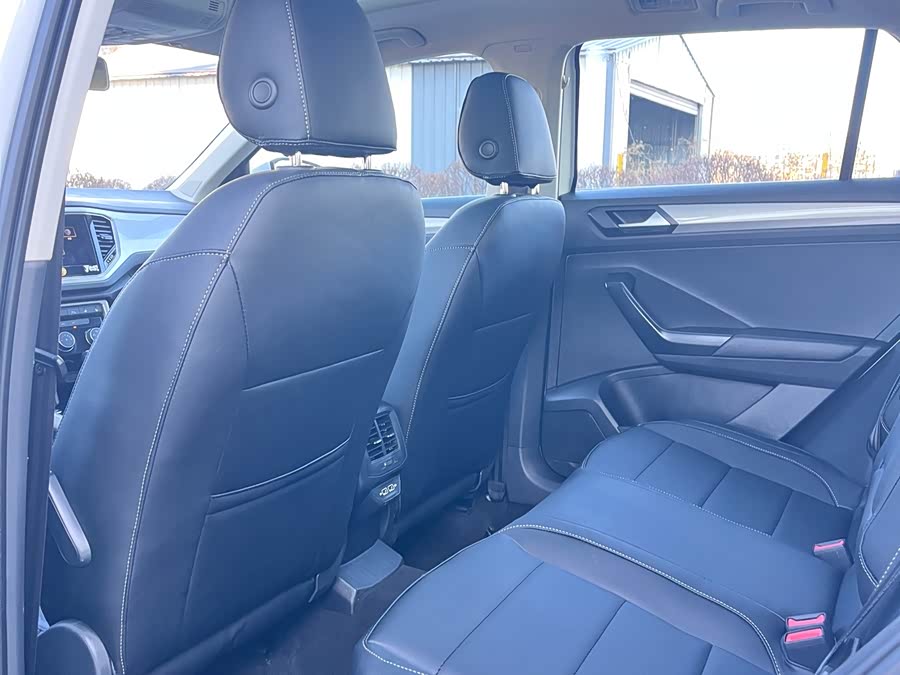
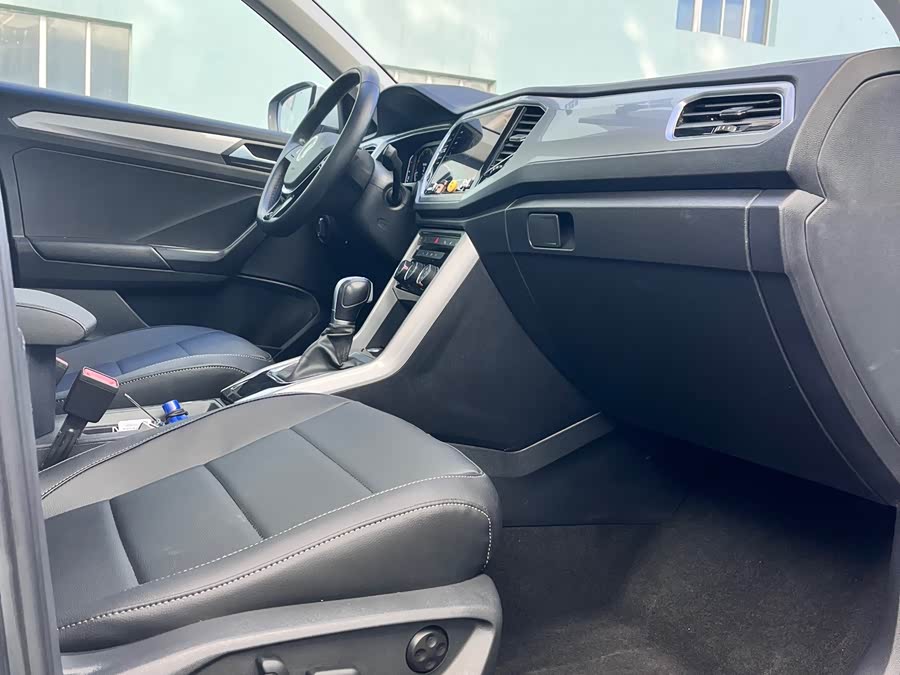
【Vehicle Identification Number】406169 【Vehicle Name】2022 T-ROC 280TSI DSG 2WD Comfort PLUS 【Drive Type】Front-wheel drive 【Color】White 【Manufacture Date】June 2022 【Registration Date】July 2022 【Insurance】July 2026 【Mileage】48,000 km 【Engine Displacement】1.4T 【Condition】Original paint, heated seats added 【Keys】2

Newly added

Configuration Highlights

✓Tire Pressure Monitoring
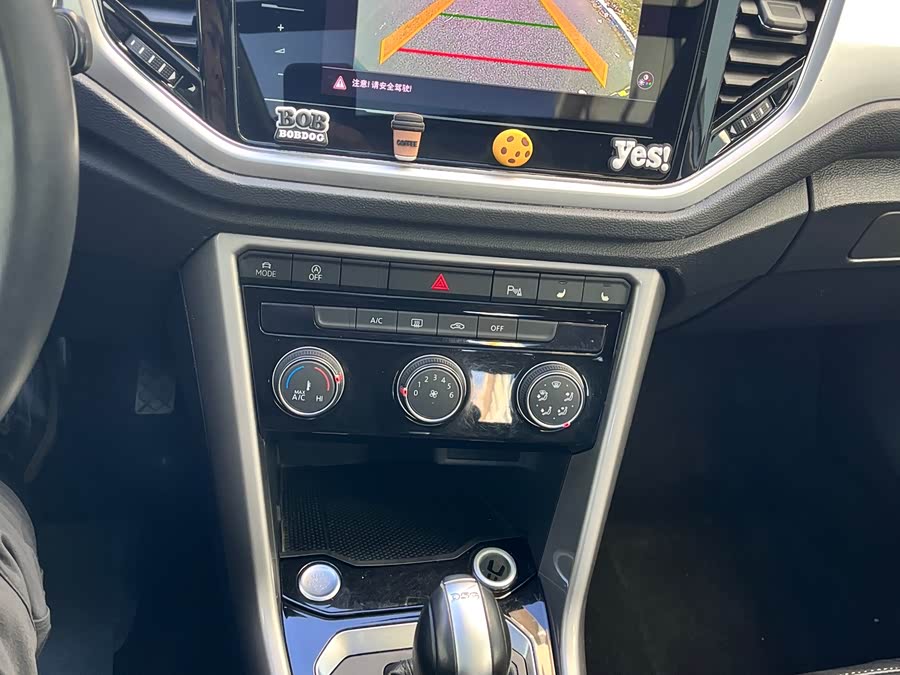
✓Backup Camera
✓Auto Hold
✓Cruise Control
✓Power Trunk
✓Keyless Start System
✓Keyless Entry System
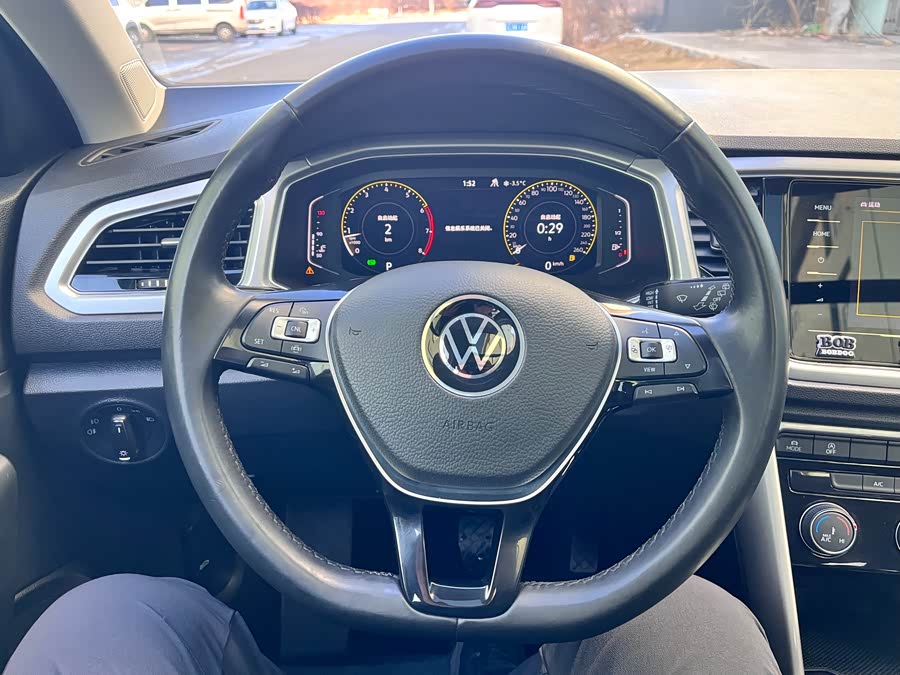
✓Digital Instrument Cluster
✓Bluetooth/Hands-free
✓Connected Car
✓Air Purifier
✓Rear Air Vents

Accident & Maintenance Records

Accident Record

🔗 Open Link

Maintenance Record

🔗 Open Link

Document Information

Inspection Expiry Date2026/07
Warranty Expiry Date-
Insurance Expiry Date2026/07

Q&A

More

After long-distance sea transport, does the vehicle's air conditioning refrigerant (Freon) need to be vacuumed and recharged?

If there is a minor leak in the lines due to bumps, it is possible that the cooling may not work upon arrival. This is a normal physical loss. The cost of vacuuming, pressure testing, and recharging refrigerant at a local auto repair shop is low and is the buyer's responsibility.
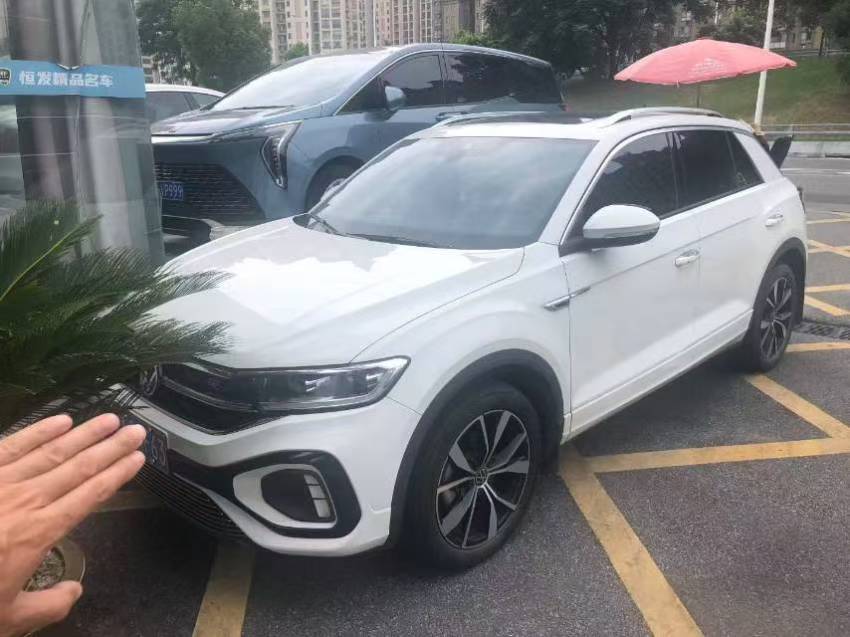
Is the platform responsible if the car wireless charging panel cannot charge due to the buyer's outdated phone model?

The vehicle's wireless charging module (usually Qi protocol) is considered functional as long as it can properly sense and light up with our tested mainstream models. The seller is not responsible for charging issues caused by the buyer's personal electronic device compatibility.

If the record of a vehicle's first maintenance is missing from the system, how do you determine its early wear condition?

Many car owners do not have their first maintenance done at authorized dealerships, leading to gaps in early data. In such cases, we do not blindly trust the odometer; instead, we analyze the tire production dates and wear levels, as well as the depth of grooves on the brake disc edges, using the "gold standard" of physical wear to infer the intensity of early use.