


Basic Information

BrandVolkswagen
SeriesT-Roc
Year2022
First Registration2022/06
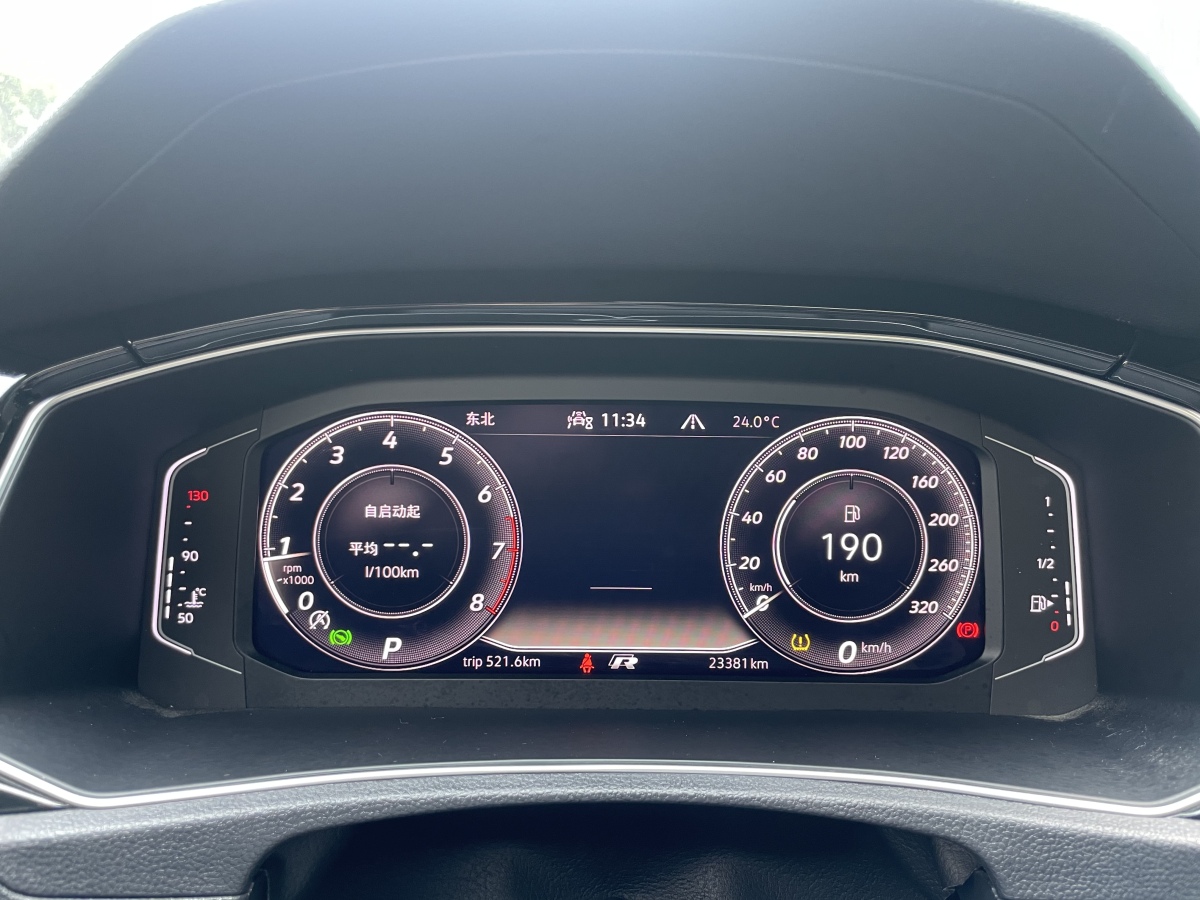
Mileage23,000km
Transfer Count-
FuelGasoline
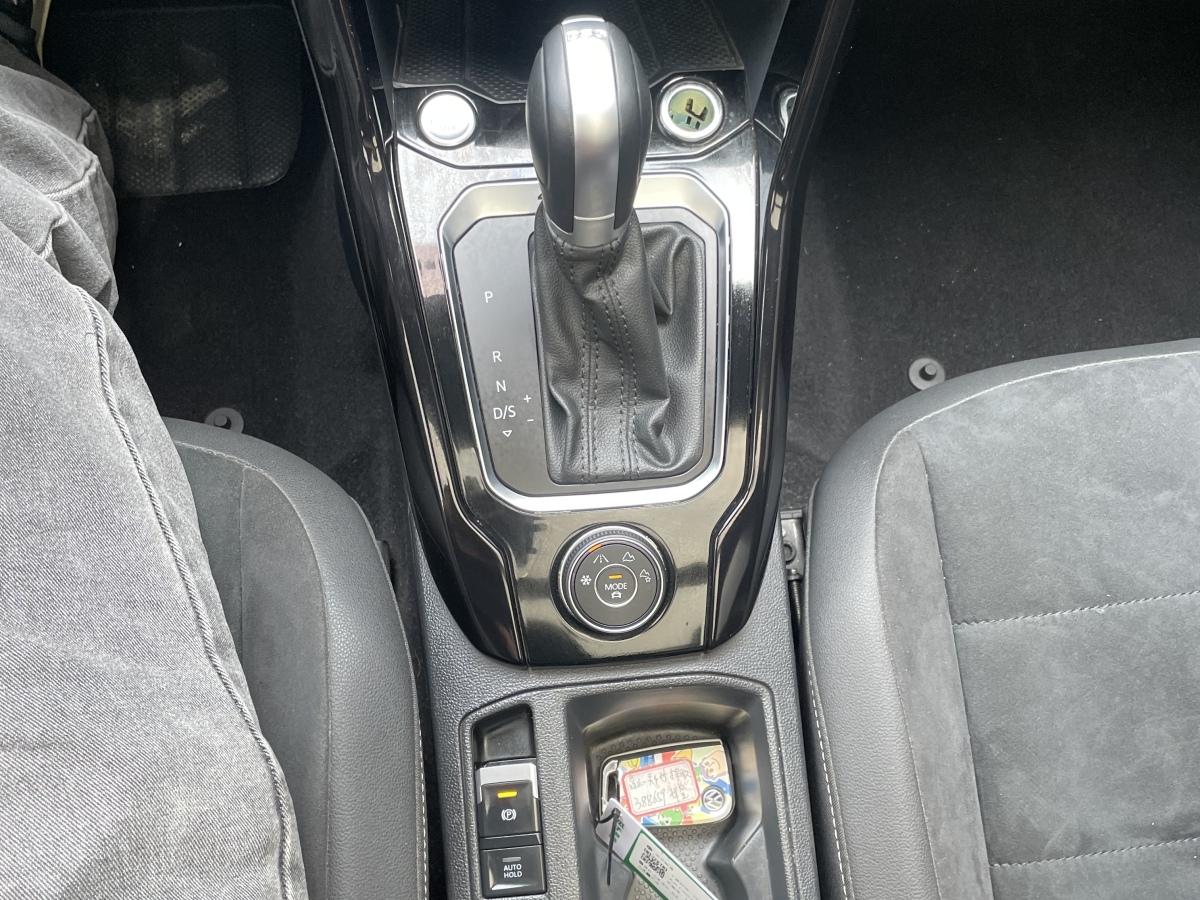
TransmissionDCT
Engine1.4T 150 L4
ColorWhite
Seats-

Condition Description

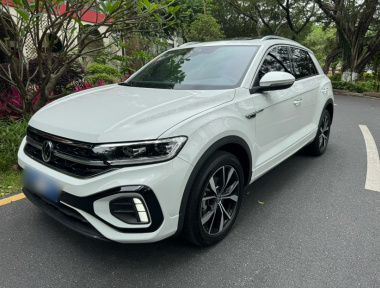
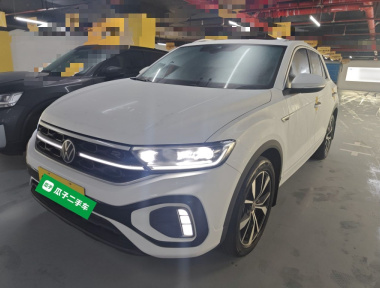
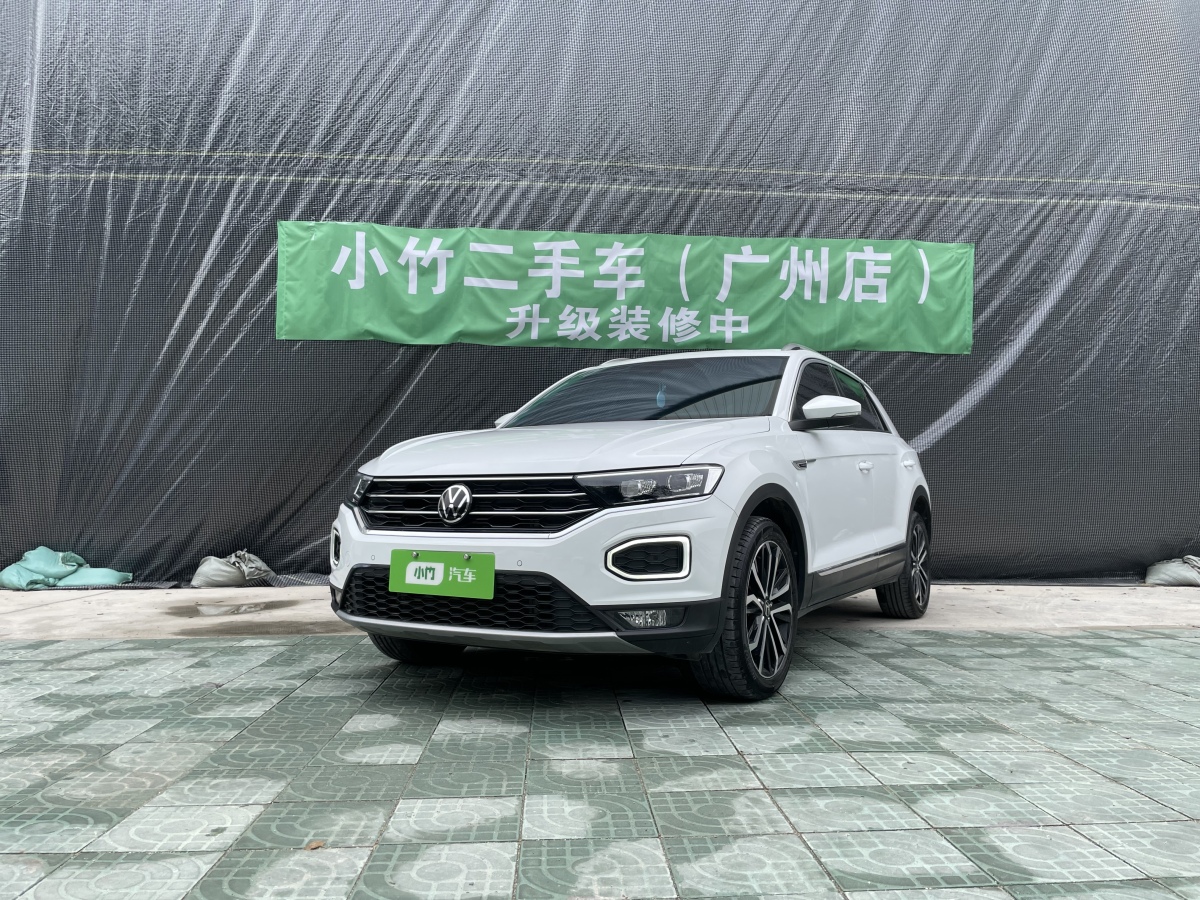
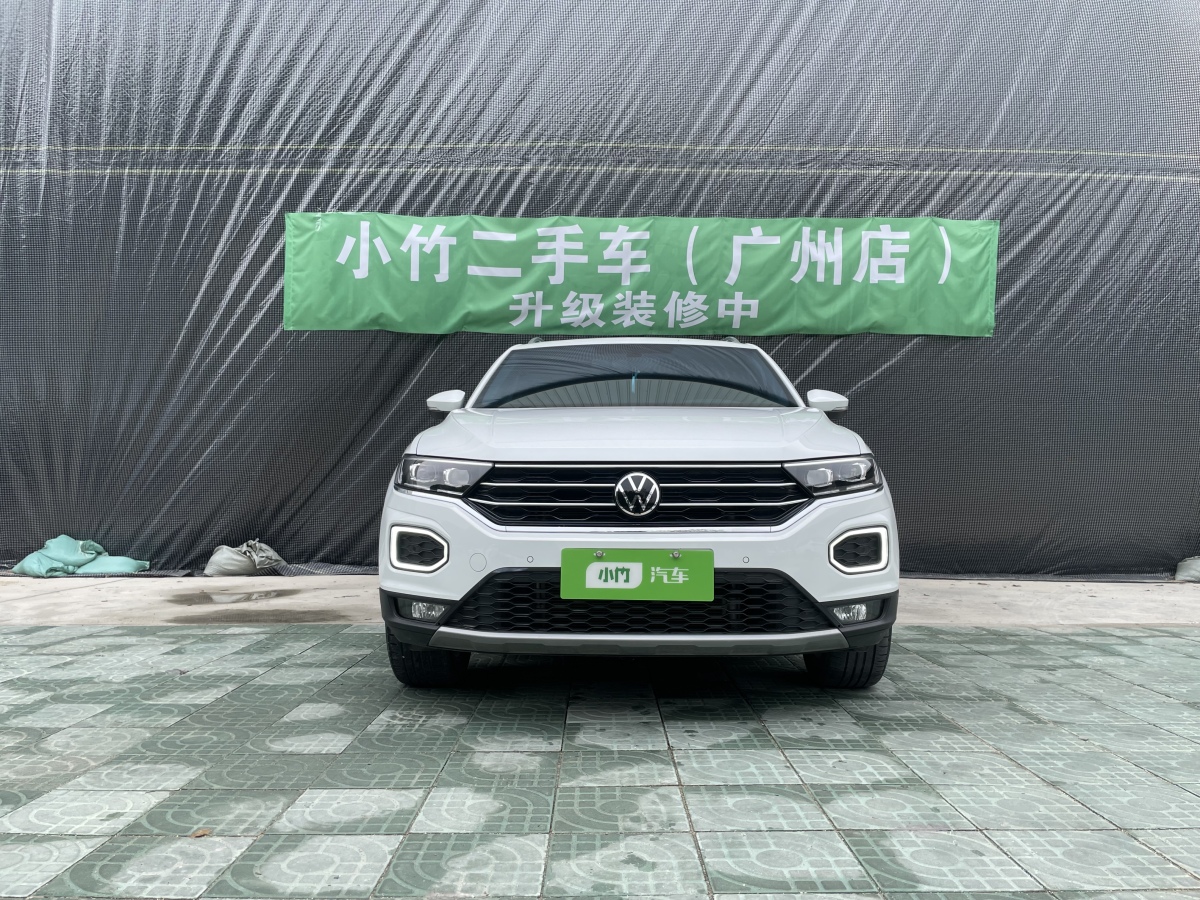
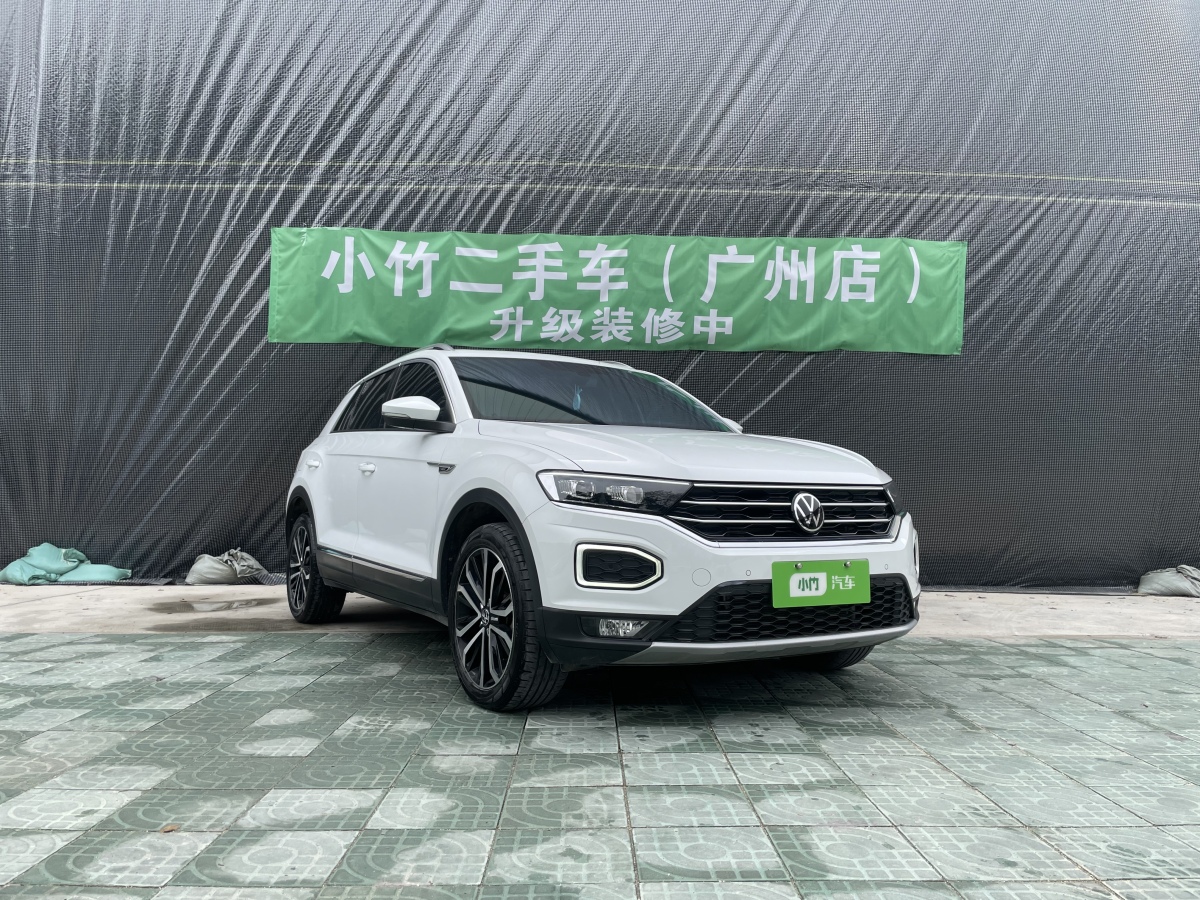
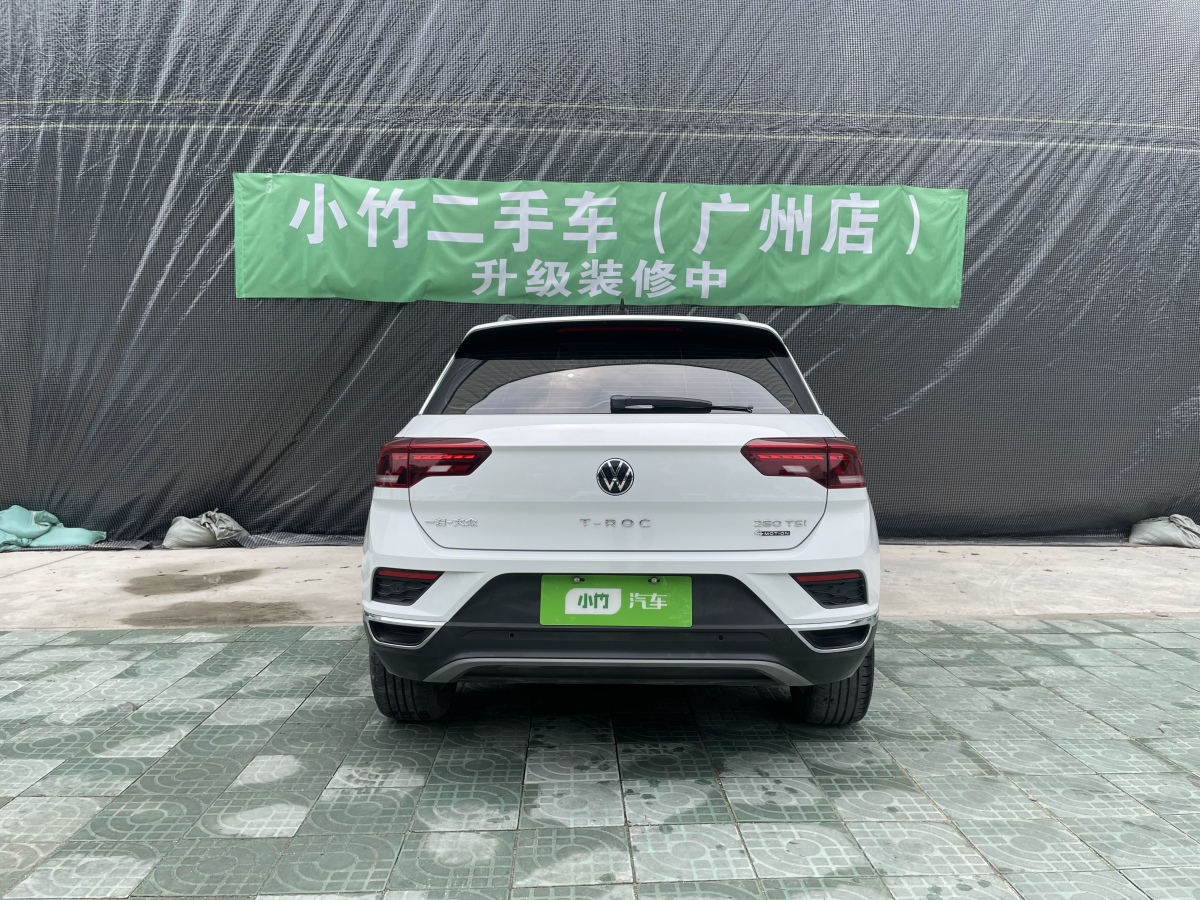
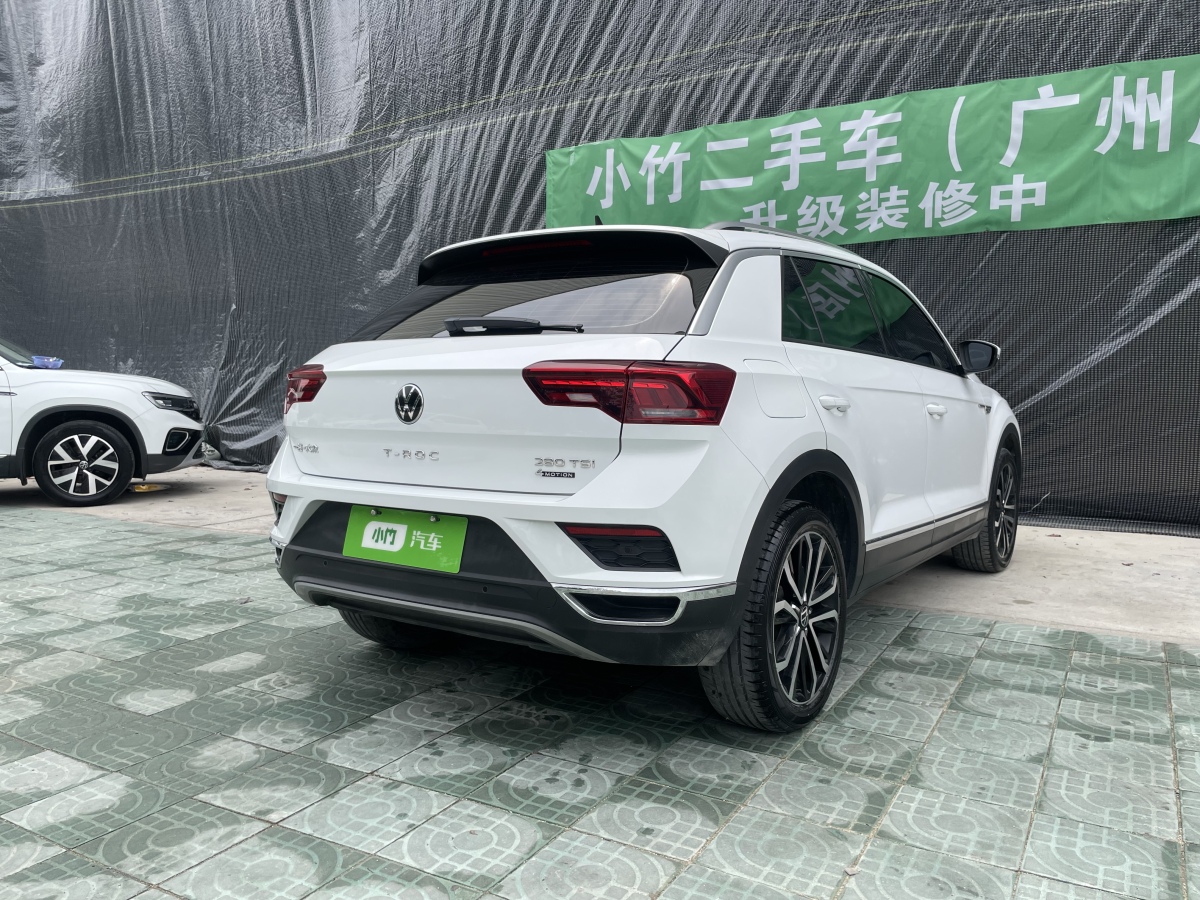
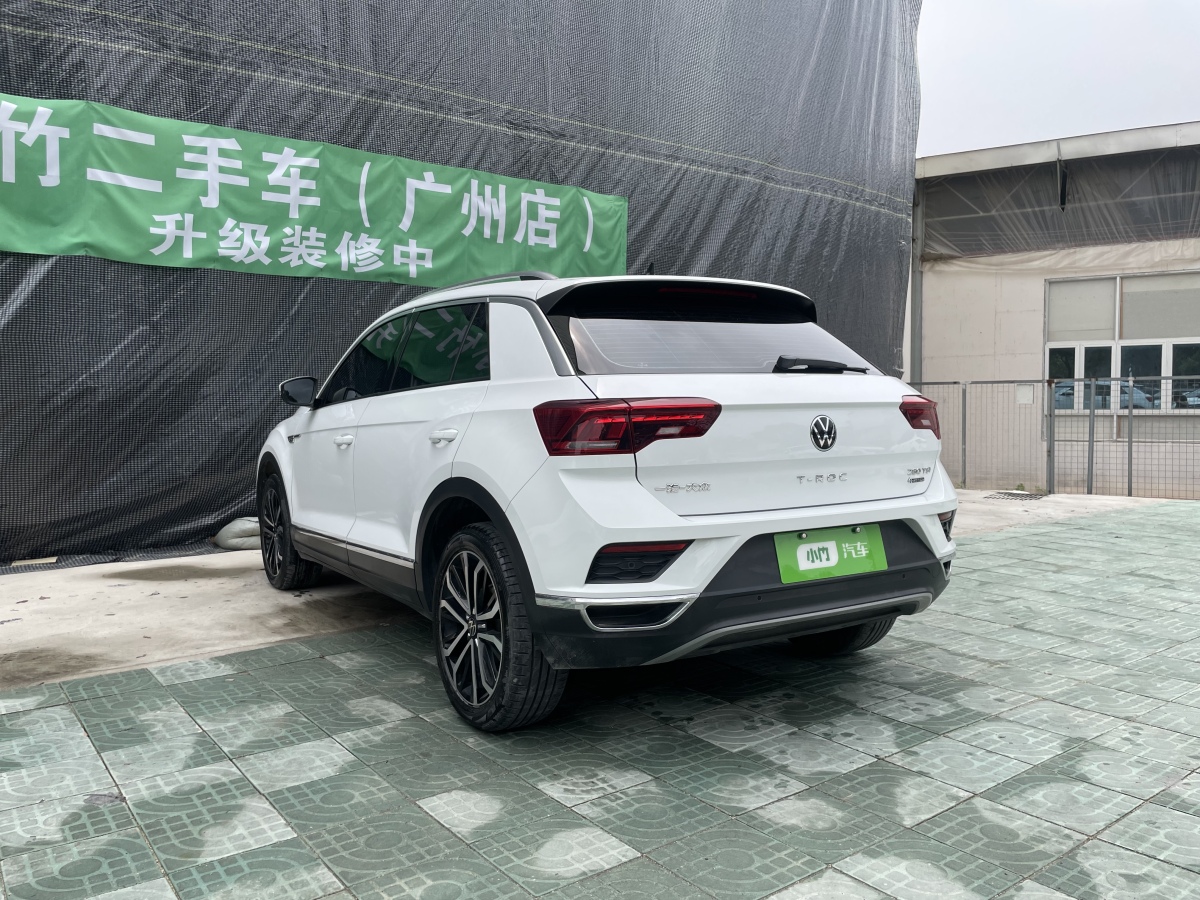
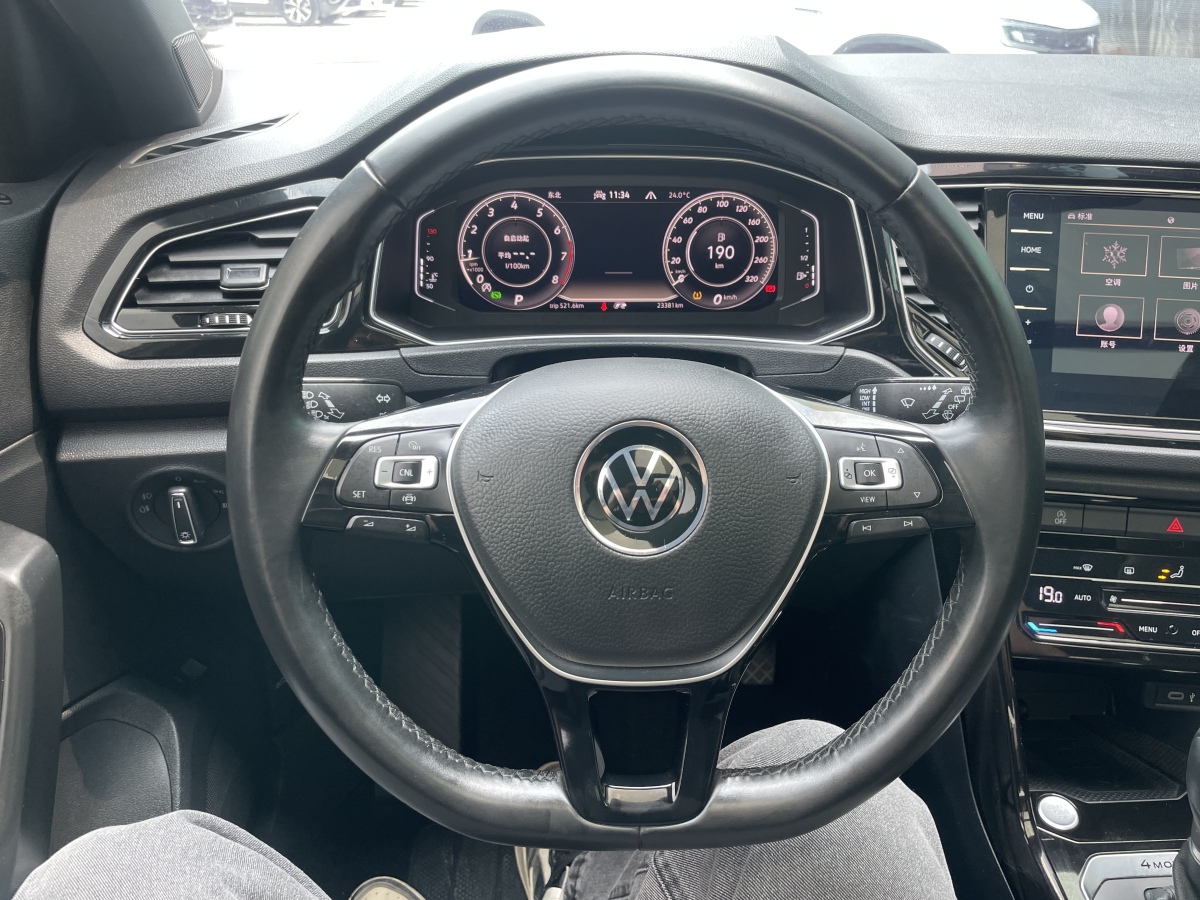
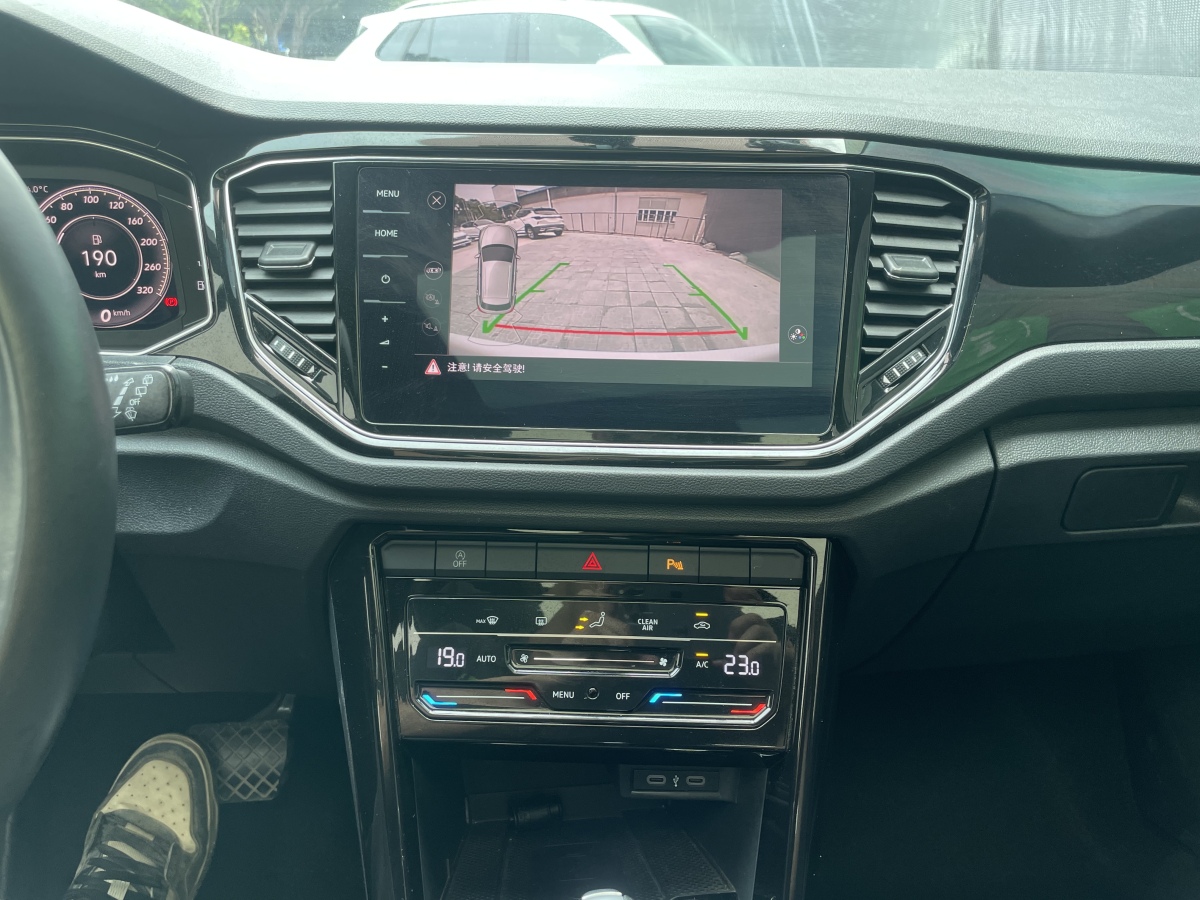
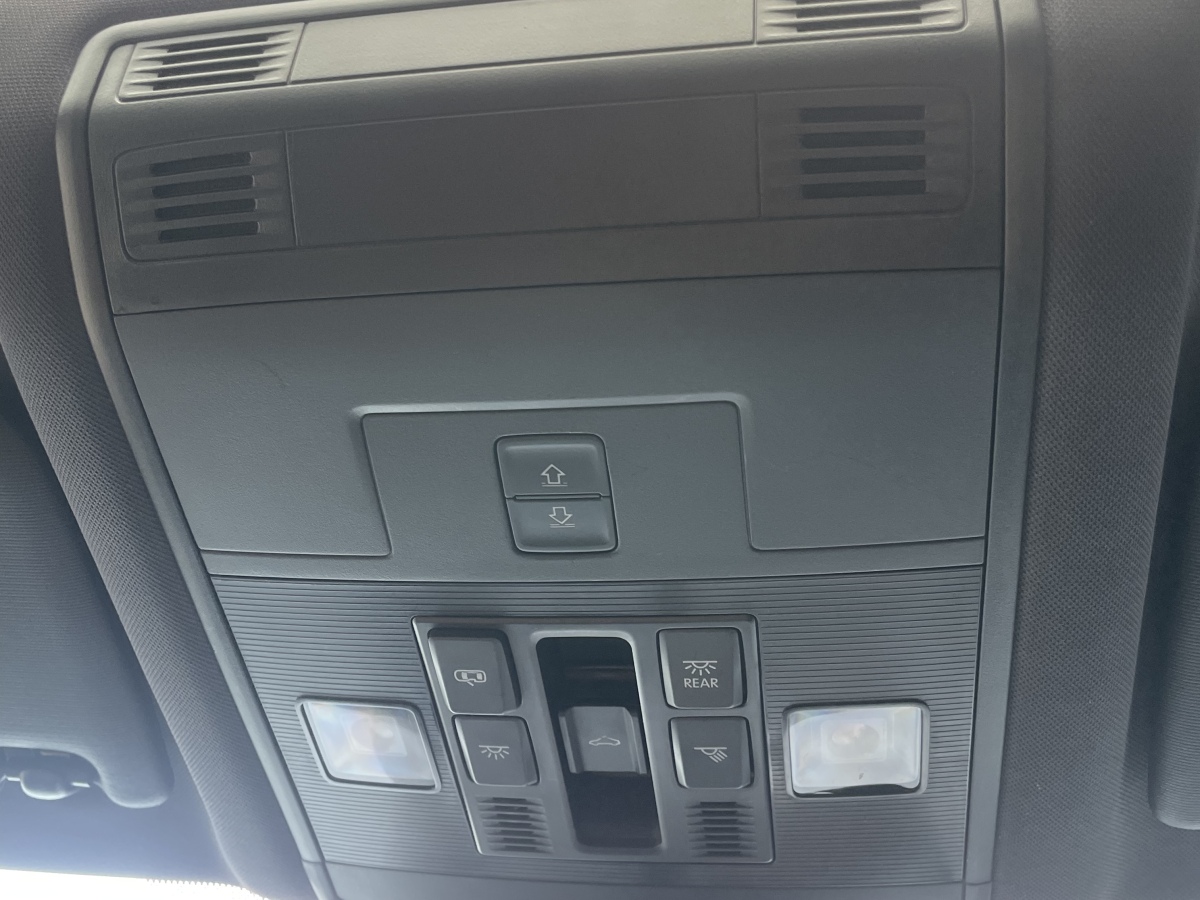
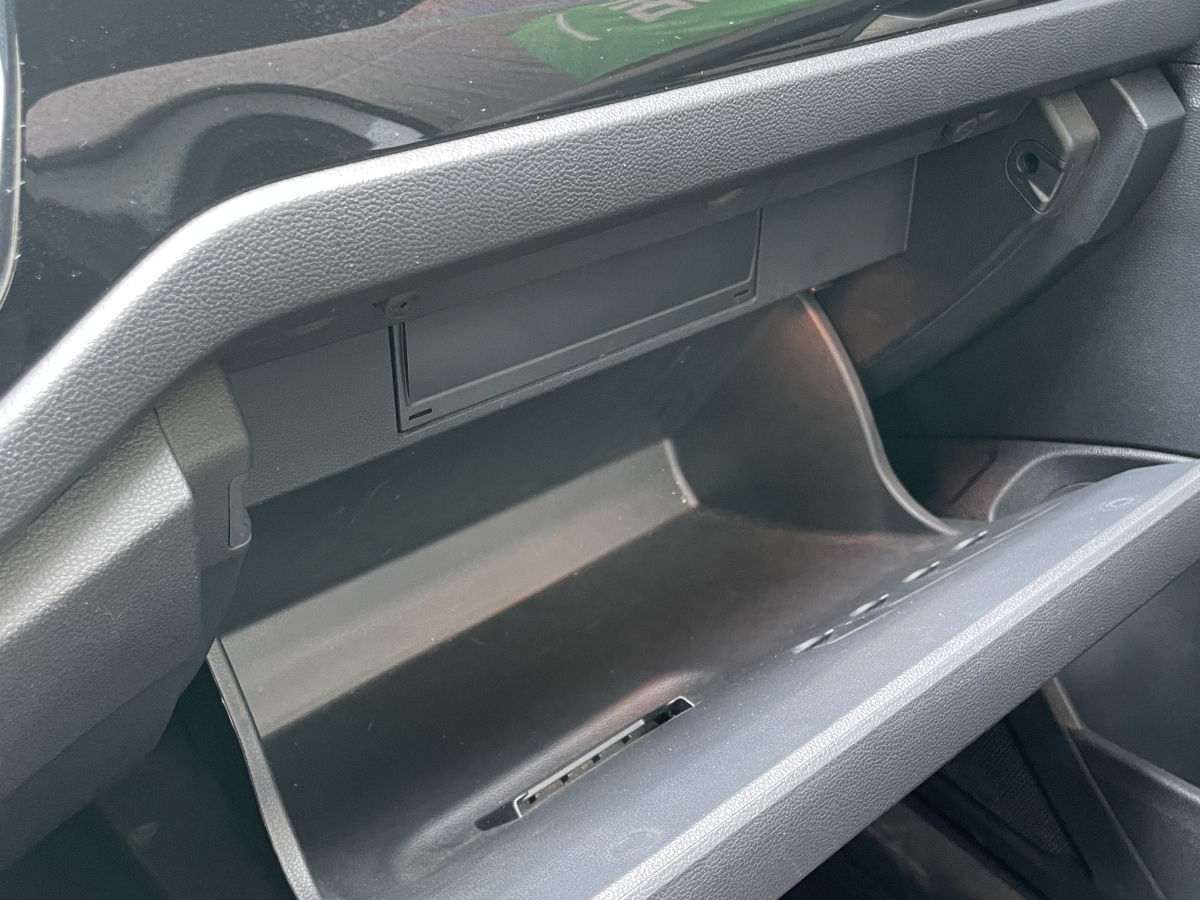
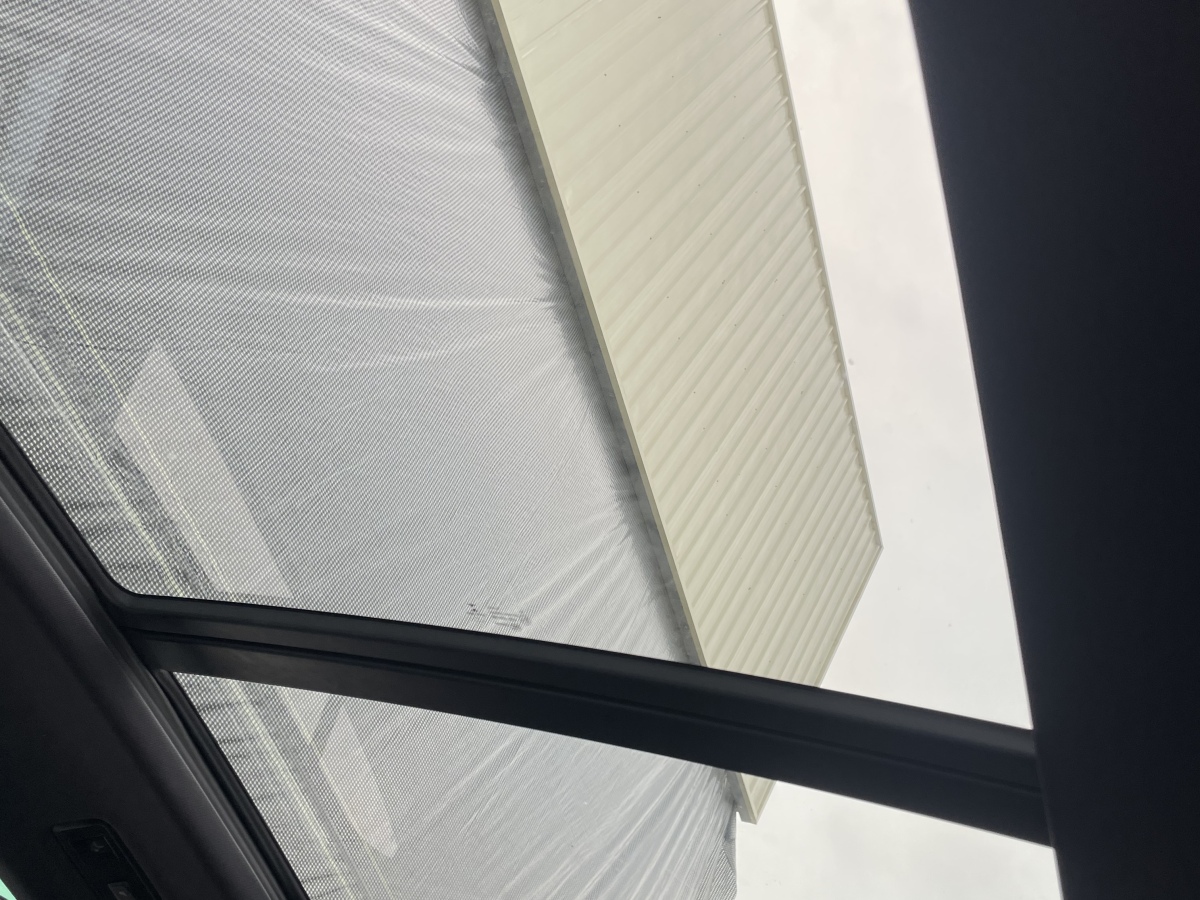
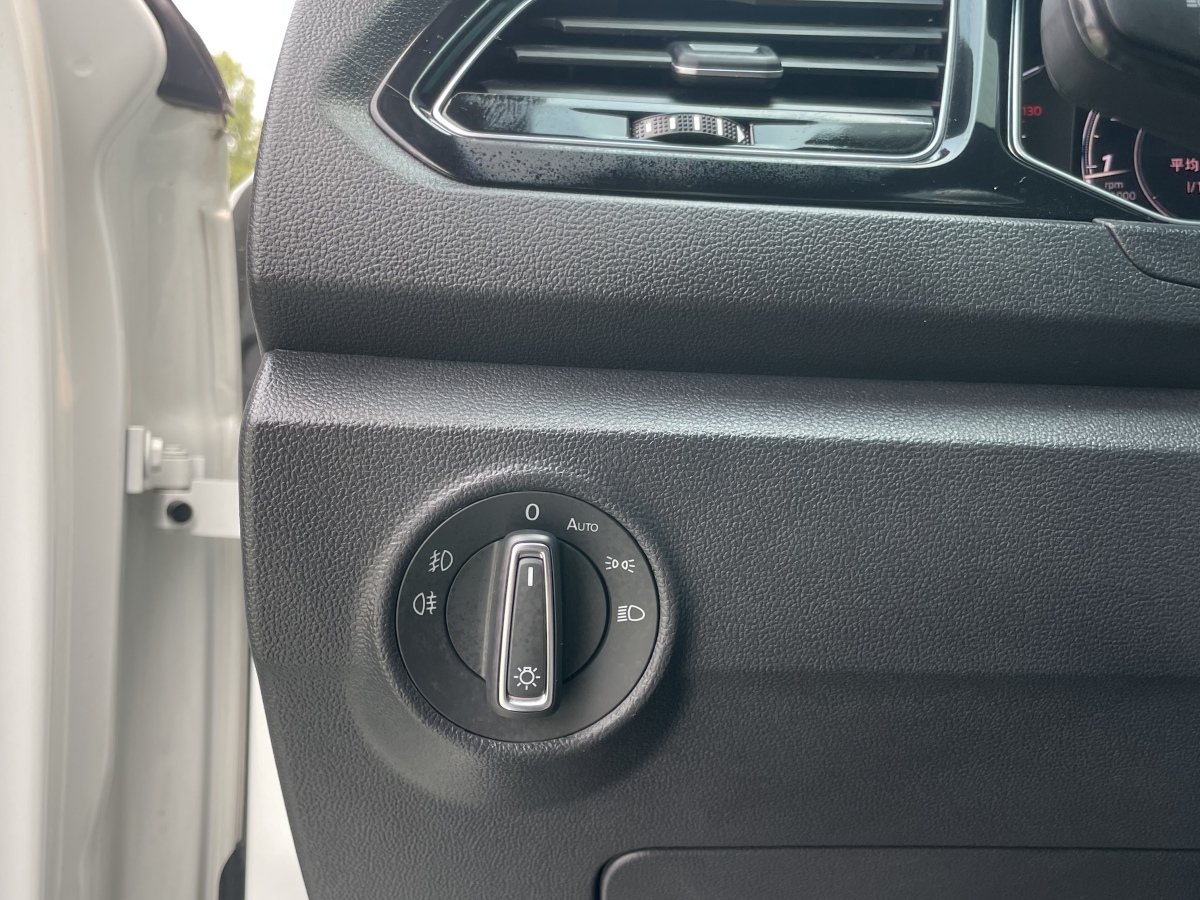
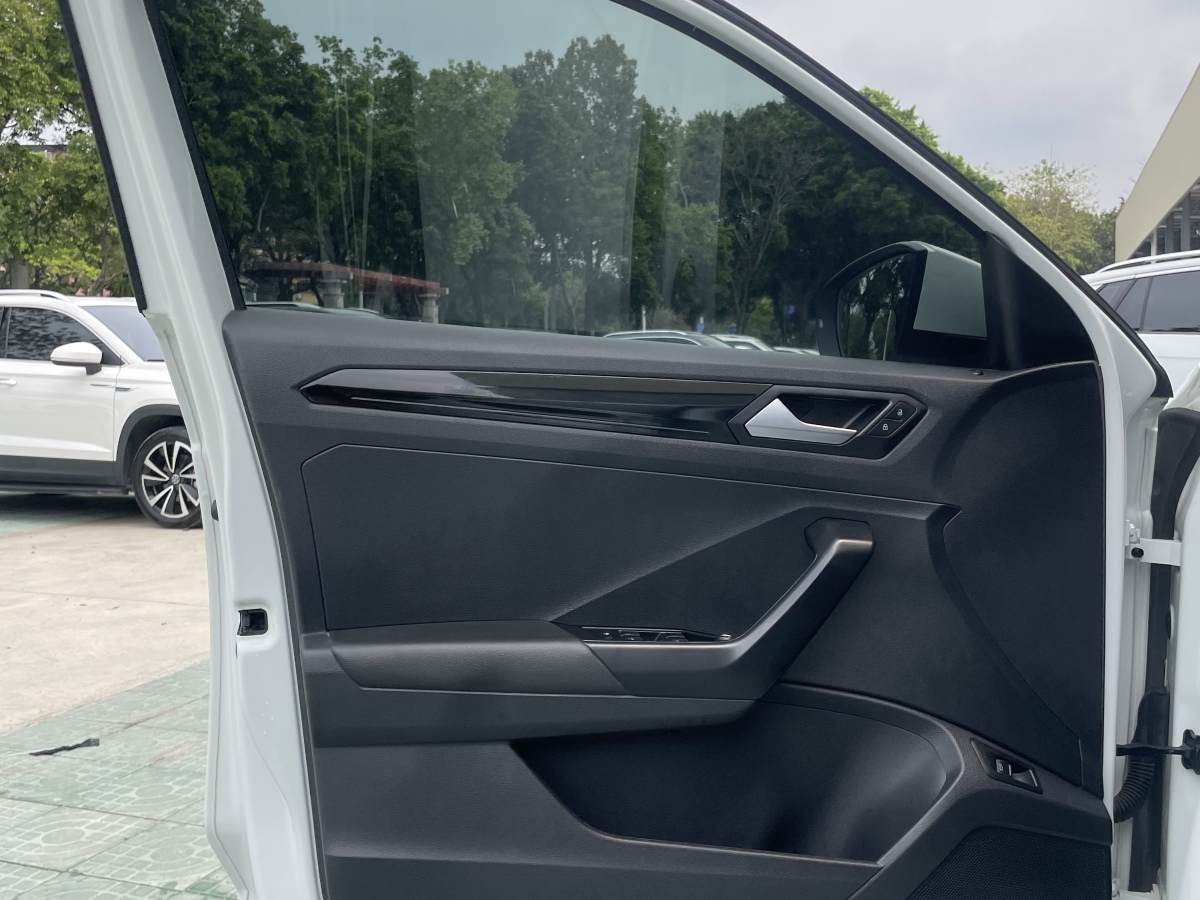
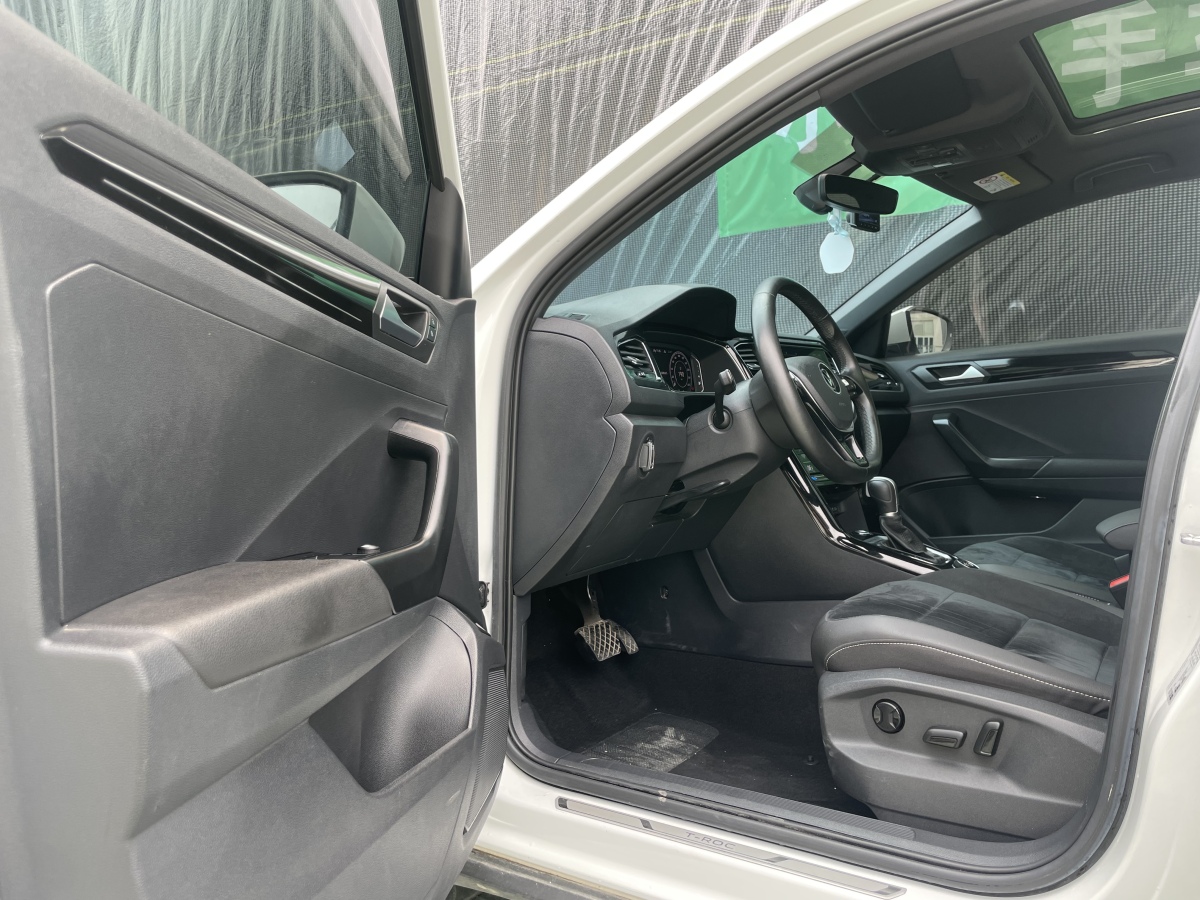
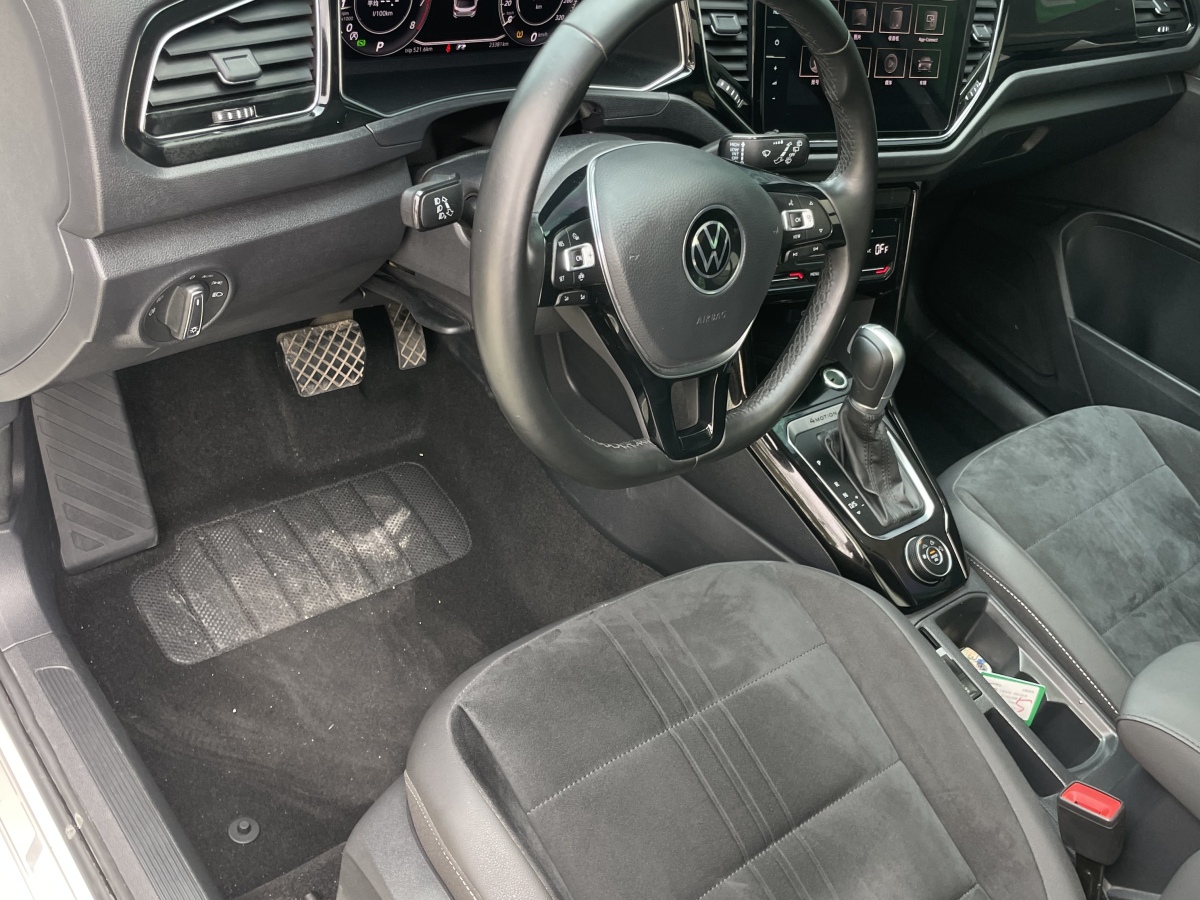
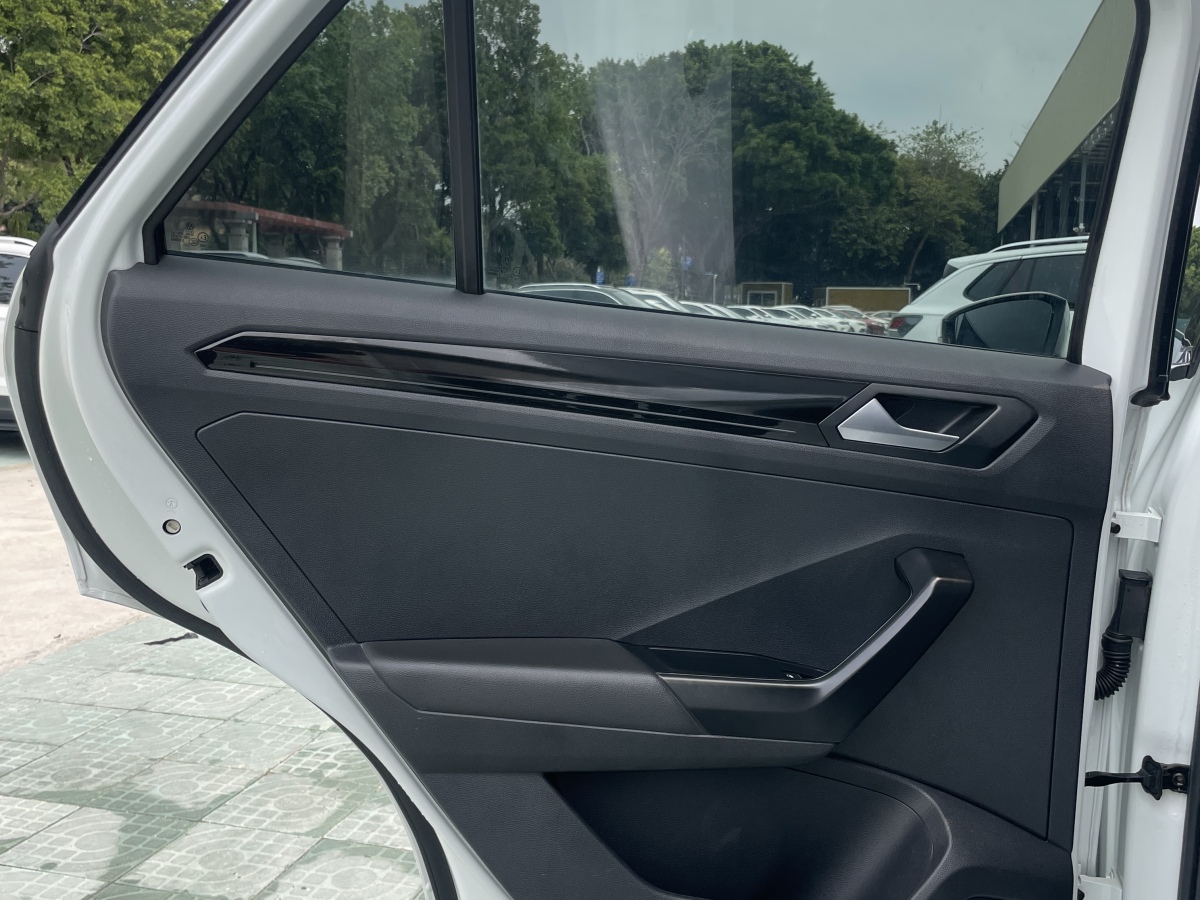
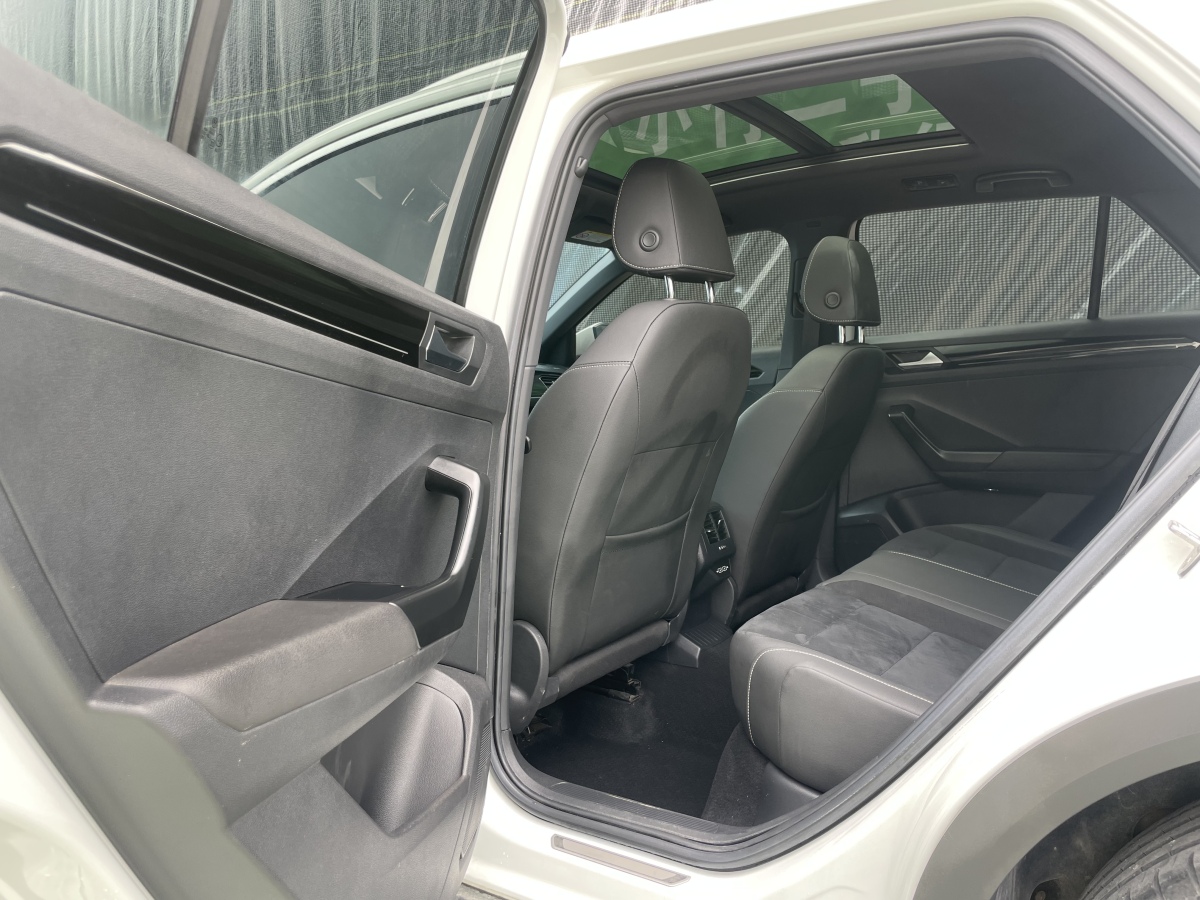
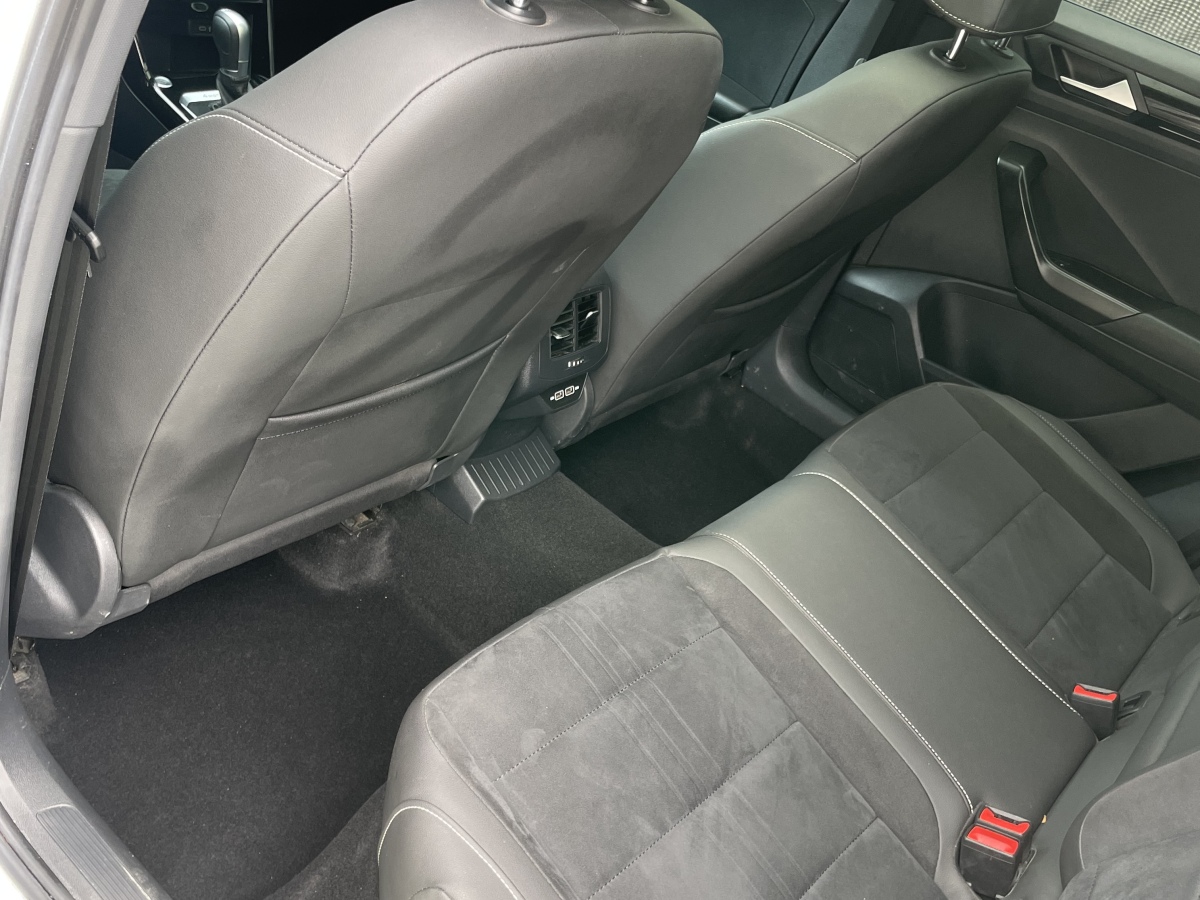
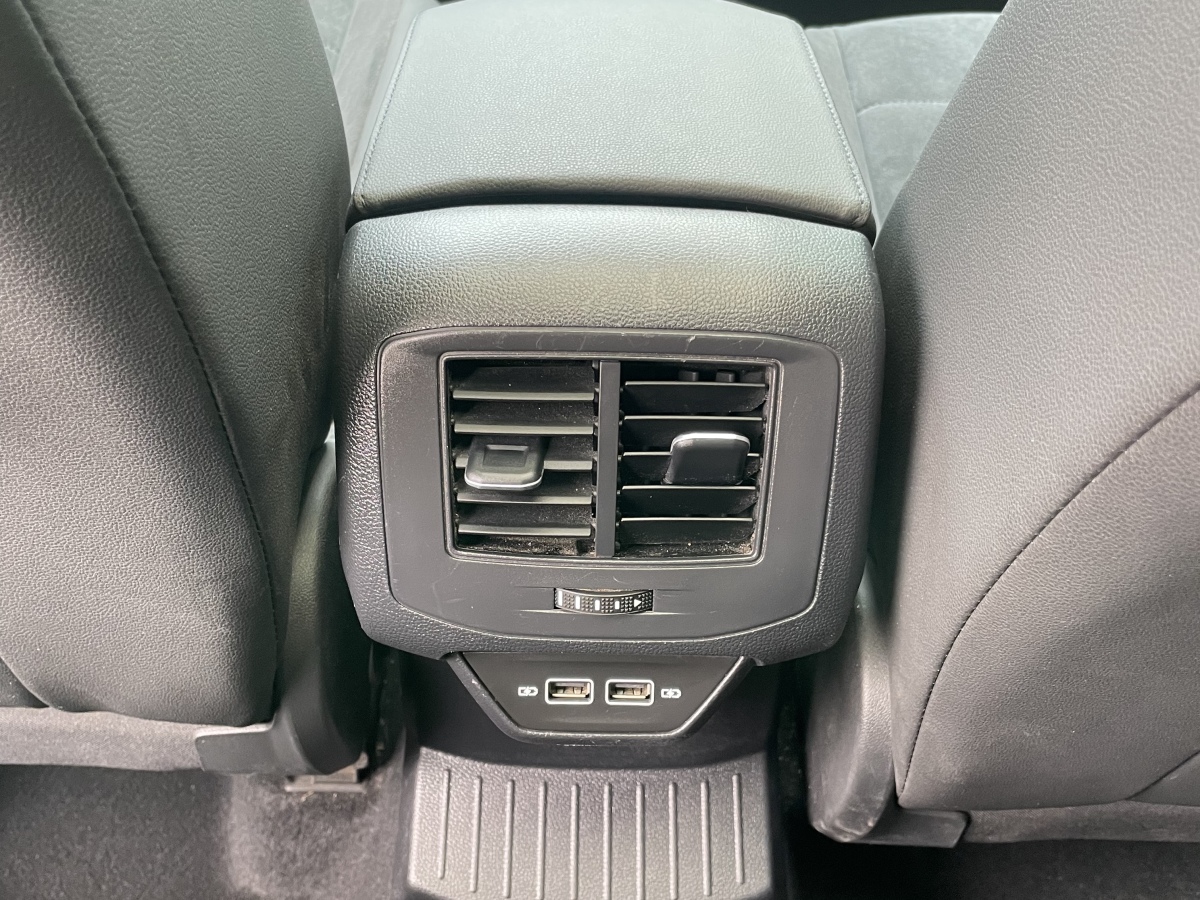
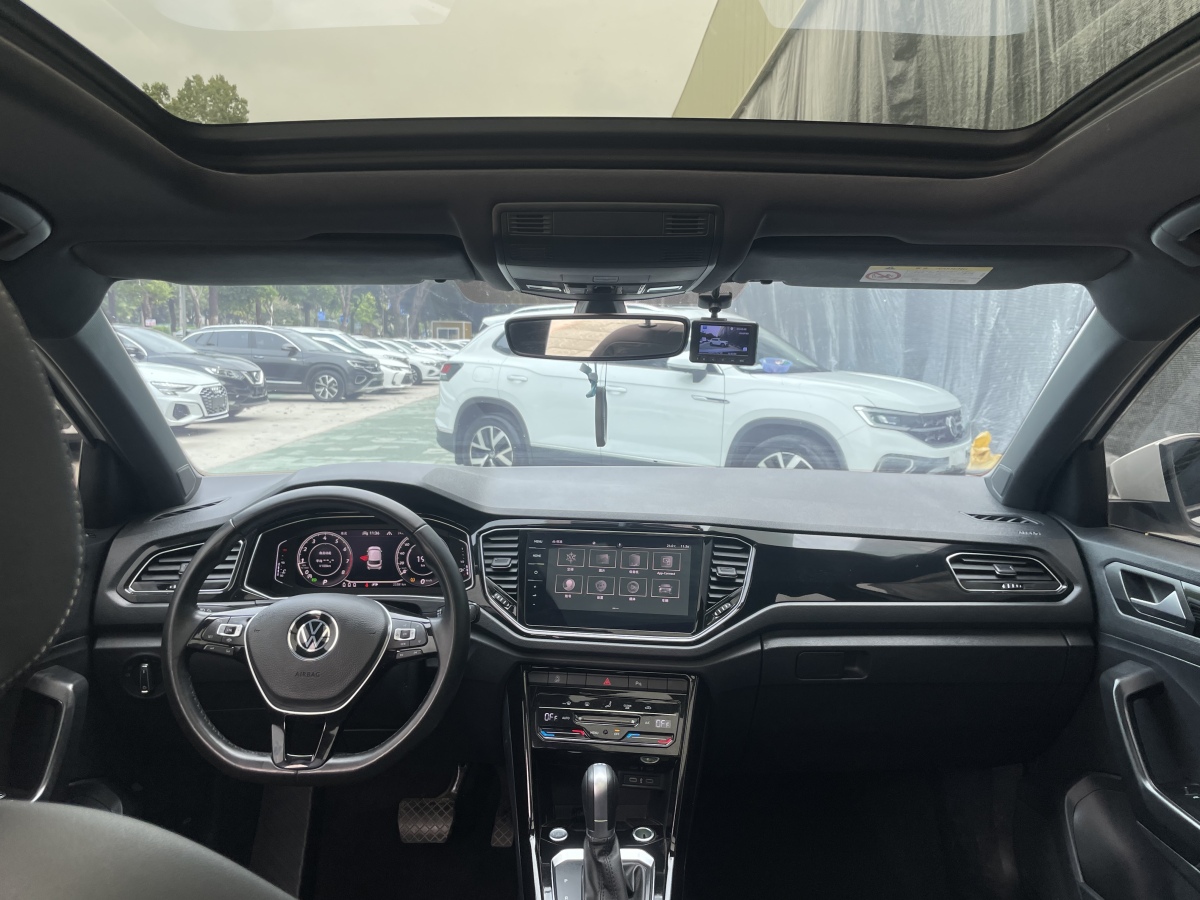
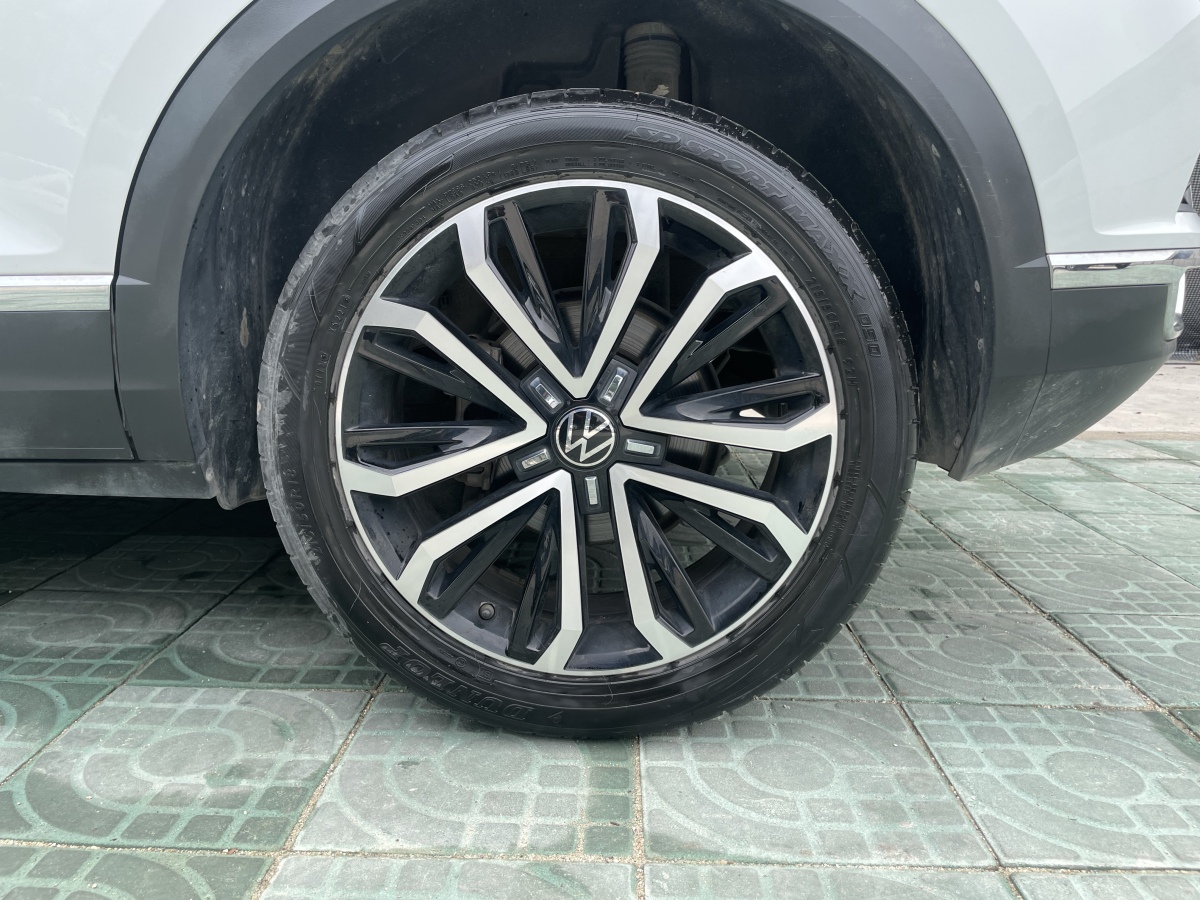
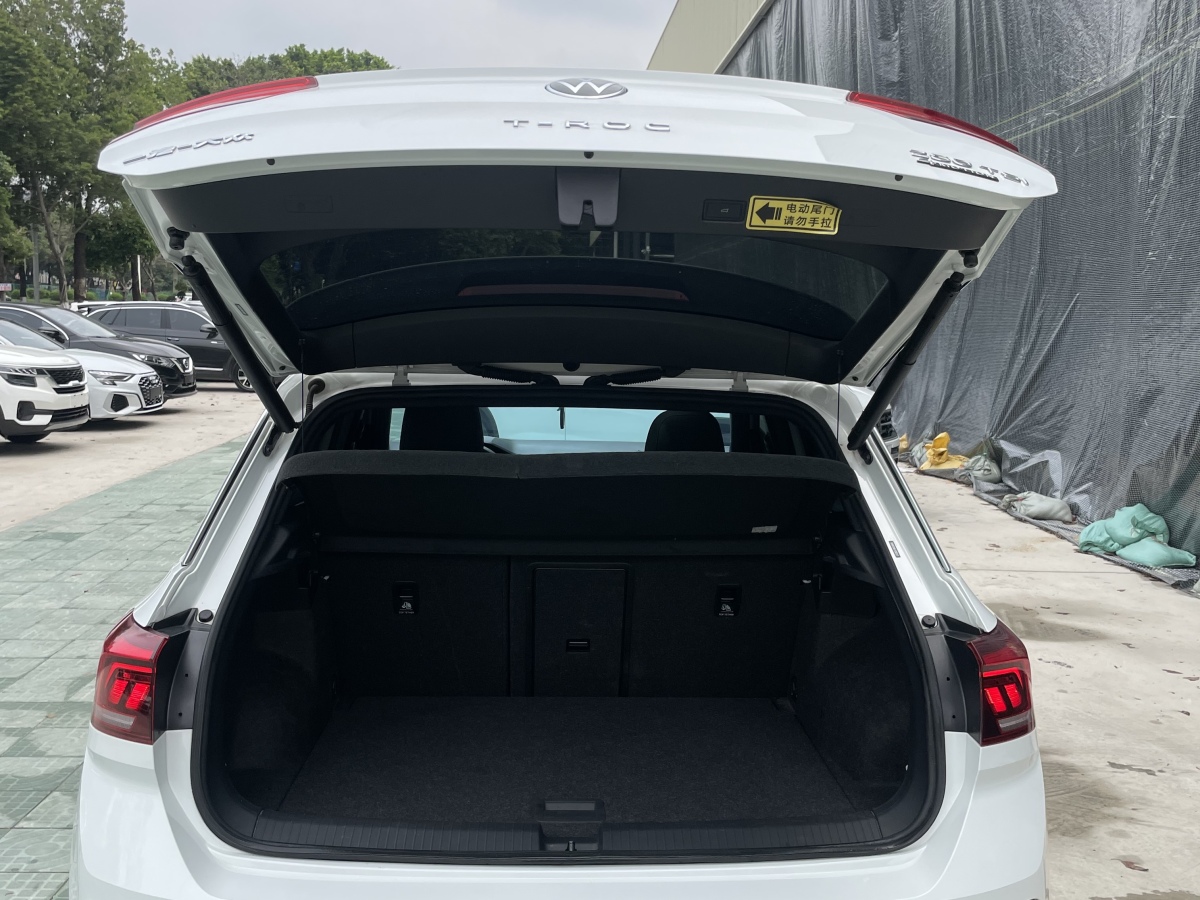
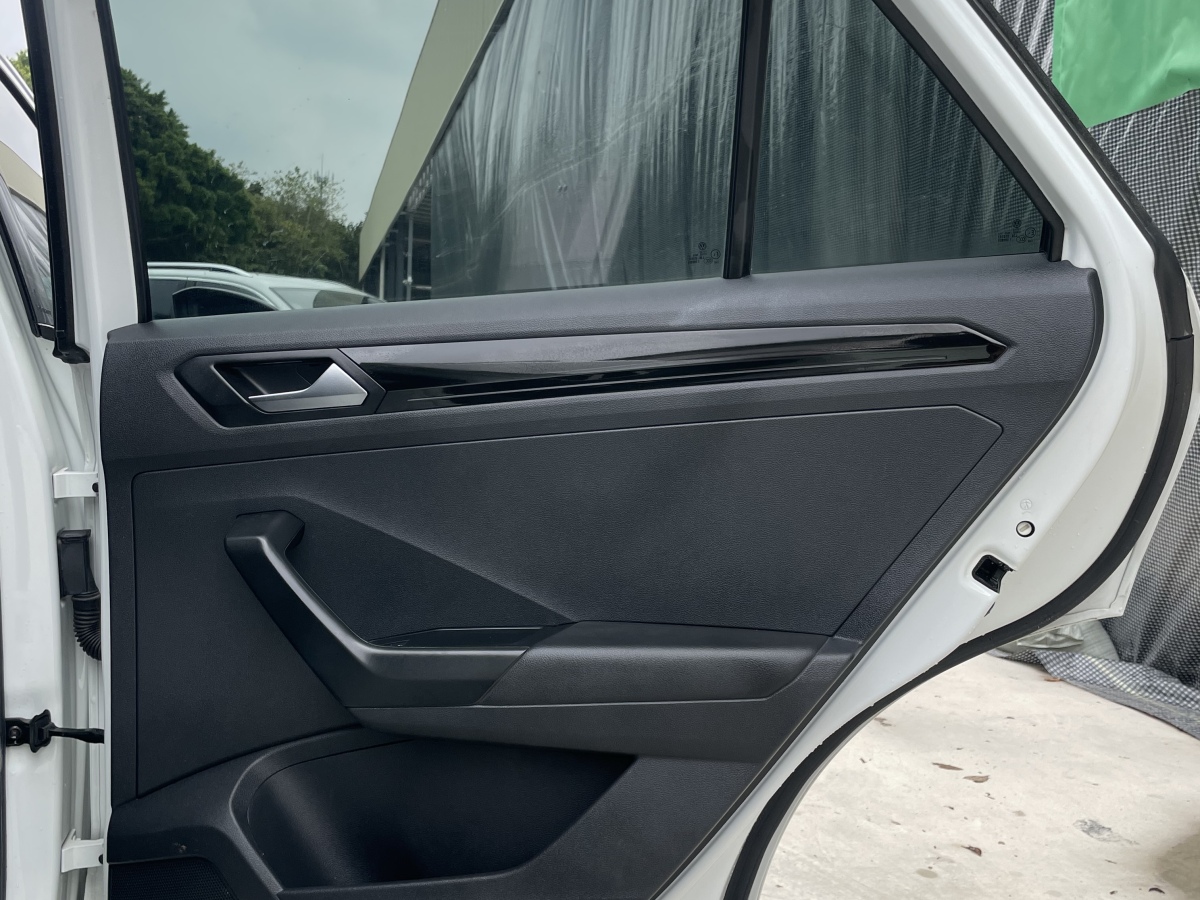
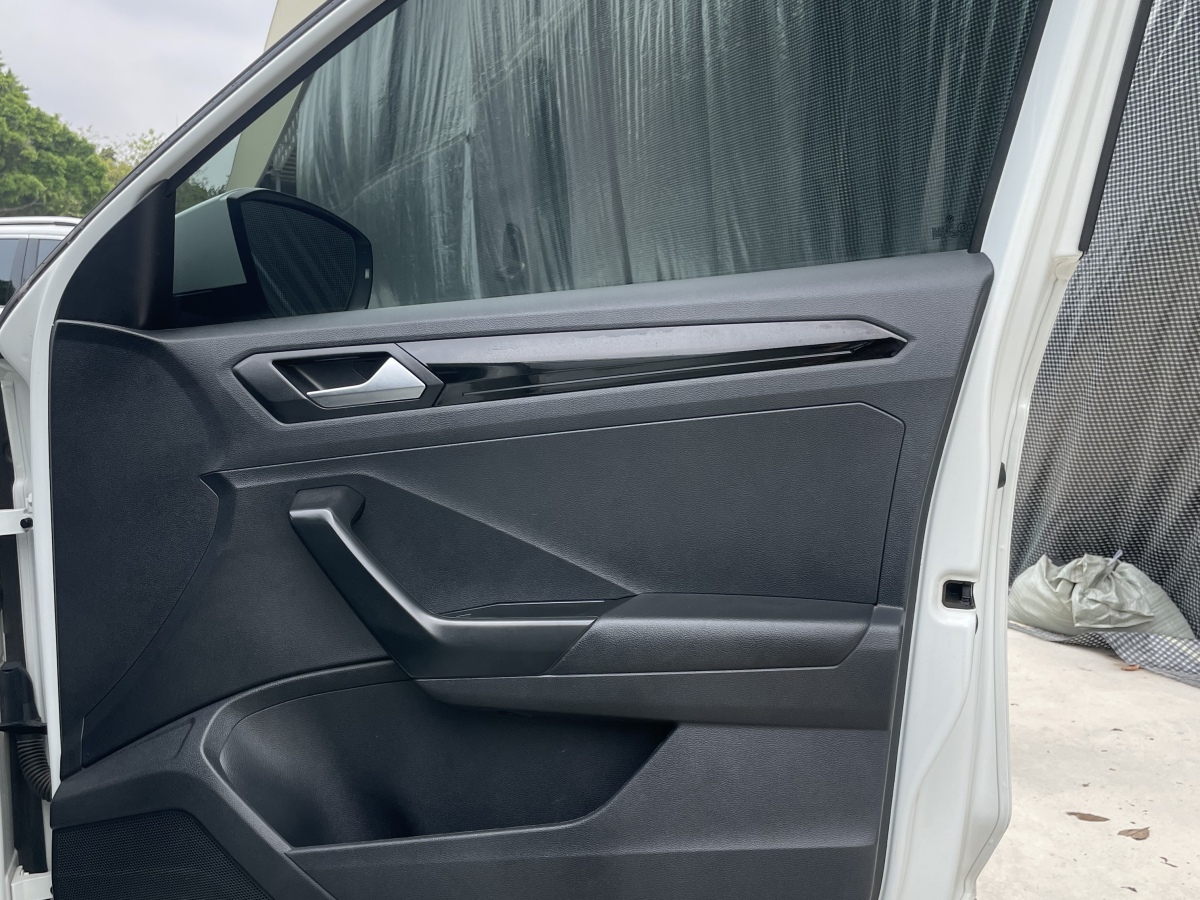
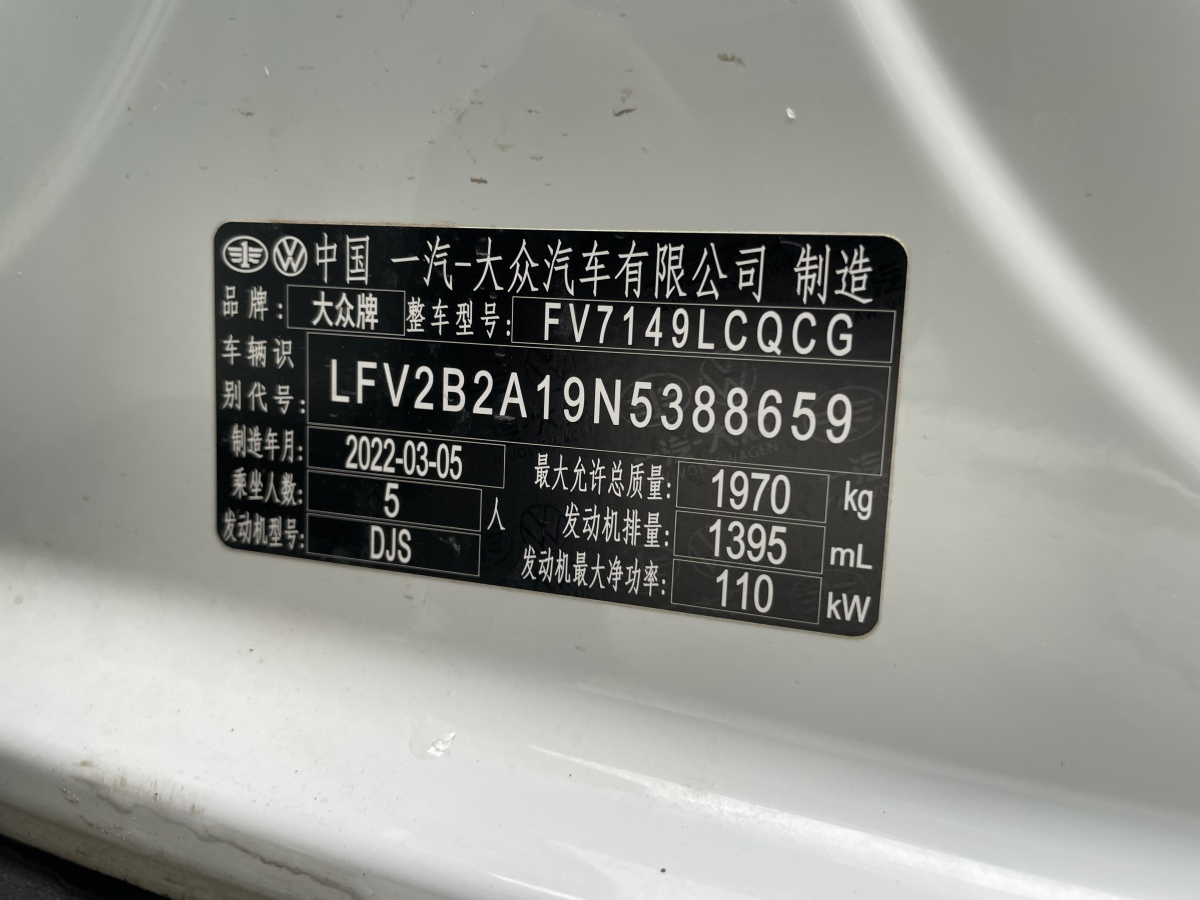
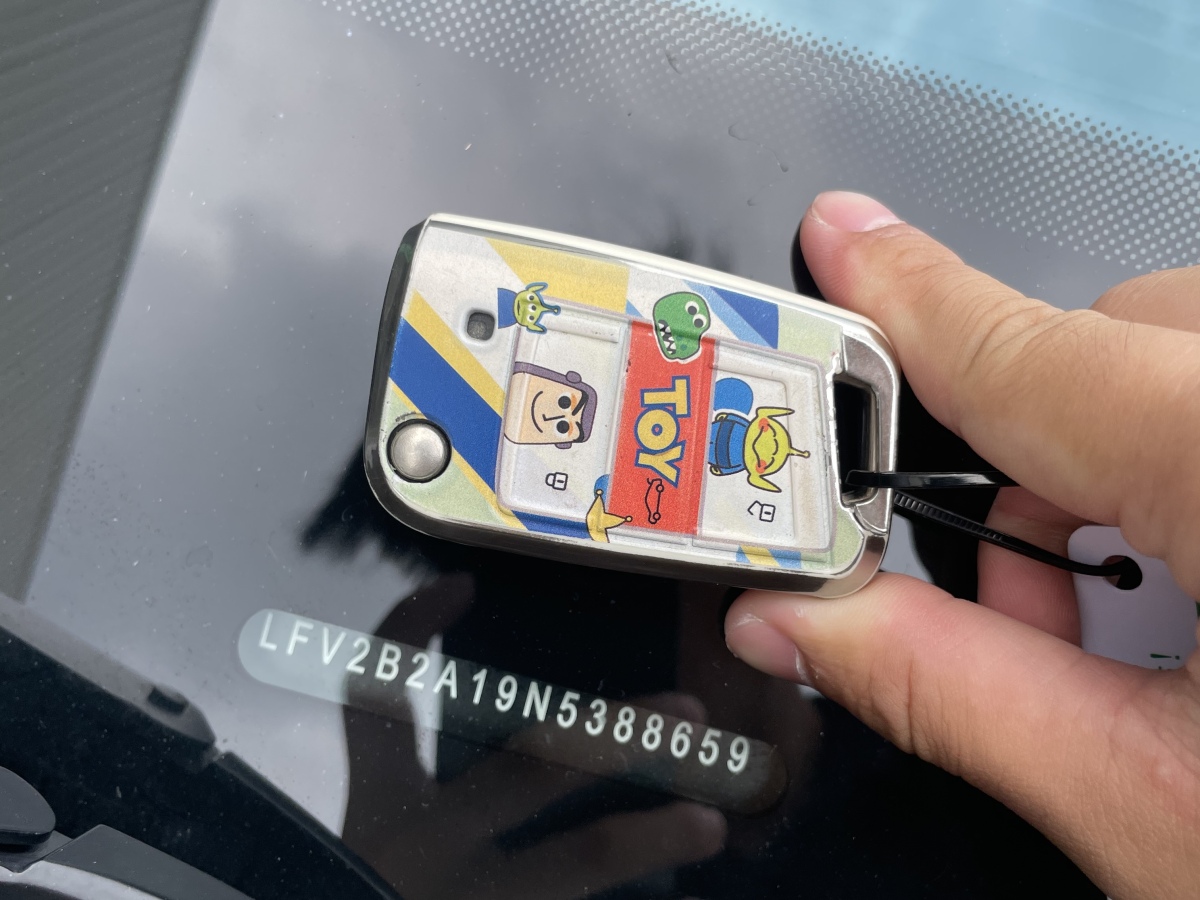
【Vehicle Identification Number】388659 【Vehicle Name】Volkswagen TROC 2021 280TSI DSG 4WD Luxury Intelligent Edition 【Drive Type】4WD 【Color】White 【Manufacture Date】22.3 【Mileage】23,000 km 【Engine Displacement】1.4T 【Condition】Original Paint 【Keys】2 【Insurance】26.6 【Origin】Guangzhou 【Additional Features】Heated Seats 【Vehicle Configuration】Four Driving Modes, Auto Hold, Front and Rear Parking Sensors, Reversing Camera, Cruise Control, Power Lift, Roof Rack, Keyless Entry, Keyless Start, LED Headlights, Panoramic Sunroof, LCD Instrument Cluster, Wireless Charging, Dual Power Seats, Heated Seats, Automatic Climate Control

Newly launched

Q&A

More

What should I do if the destination country requires a certificate of origin?

Apply for a certificate of origin from the local customs or trade promotion agency, proving that the country of manufacture is China. This is a necessary document for customs clearance in regions like the Middle East and Southeast Asia.

If a car frequently transfers between extremely cold areas (like Northeast China) and extremely hot areas (like Hainan), would you provide special risk warnings?

Absolutely. The extreme temperature fluctuations will significantly accelerate the aging of chassis rubber parts, oil seals, and interior plastics. For vehicles frequently dispatched across such latitudes, we will conduct fatigue resistance checks on chassis rubber parts that are twice as stringent as those for vehicles in temperate regions.

Will there be a thorough inspection of the aging and damaged wiring harness of older vehicles to prevent spontaneous combustion?

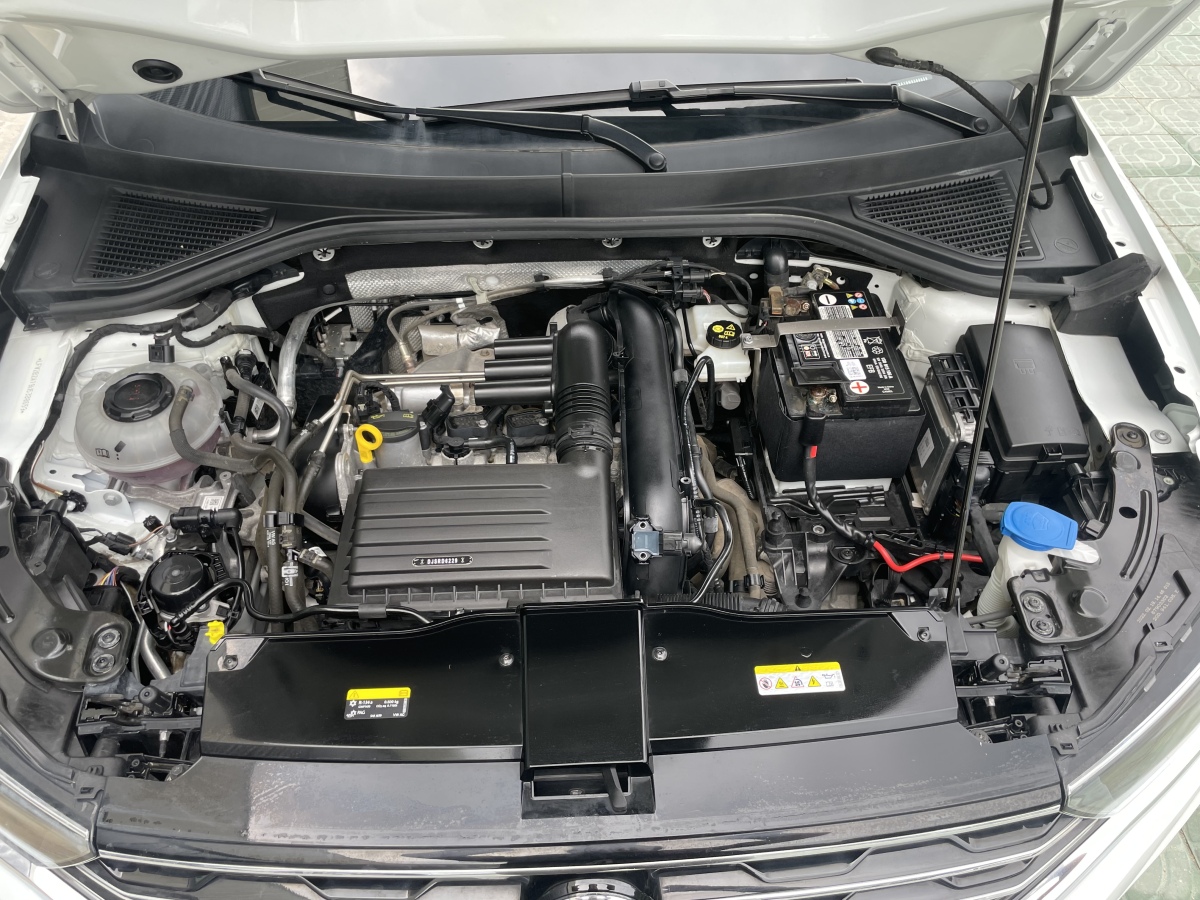
For older vehicles or those used in high temperature and humidity areas, we will focus on opening the hood to check if the insulation of the wiring harness in the high-temperature area of the engine compartment is cracked or brittle, to identify potential short circuit risks that could lead to spontaneous combustion.