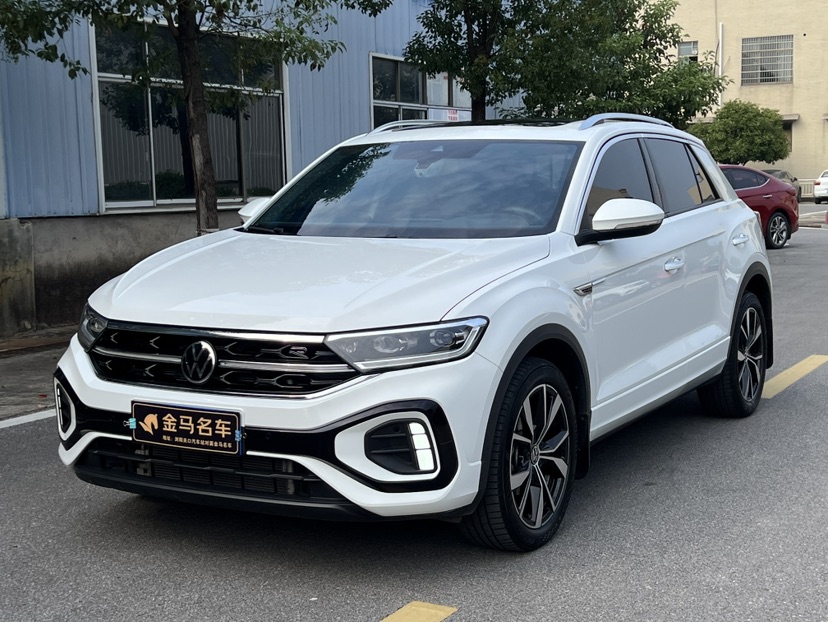
Stock

Basic Information

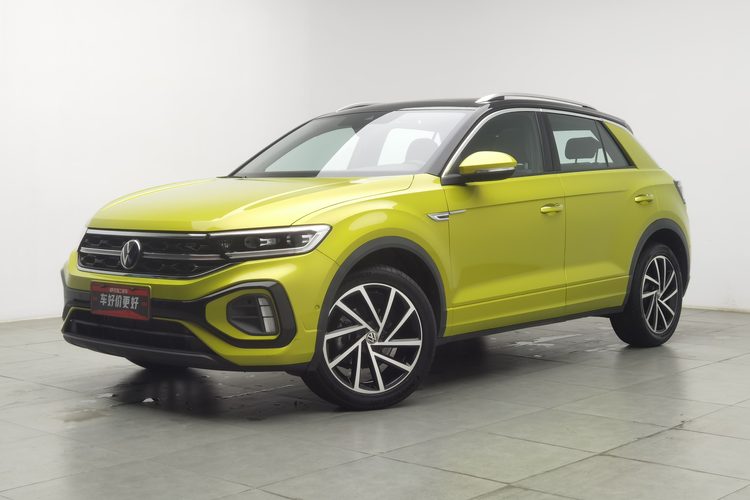
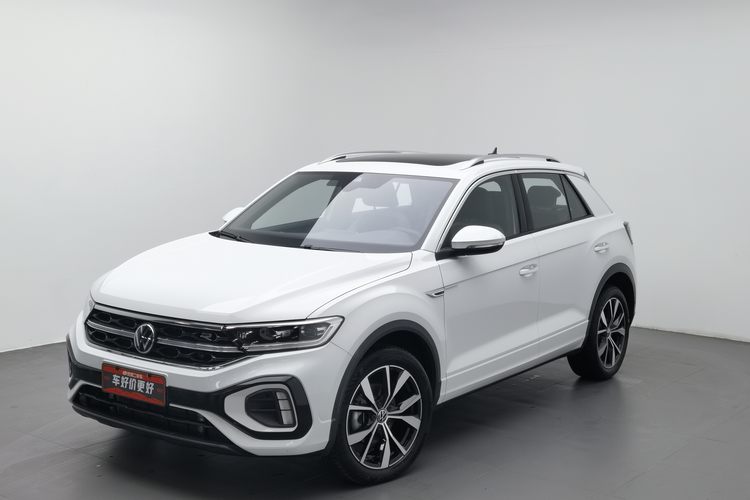
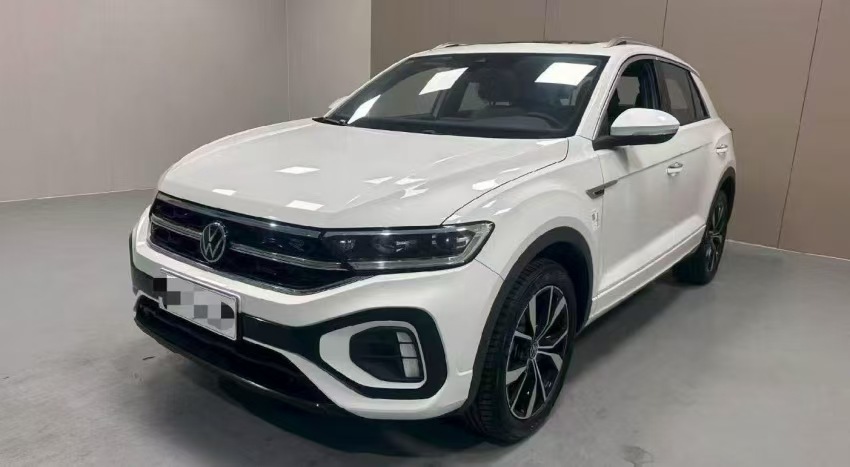
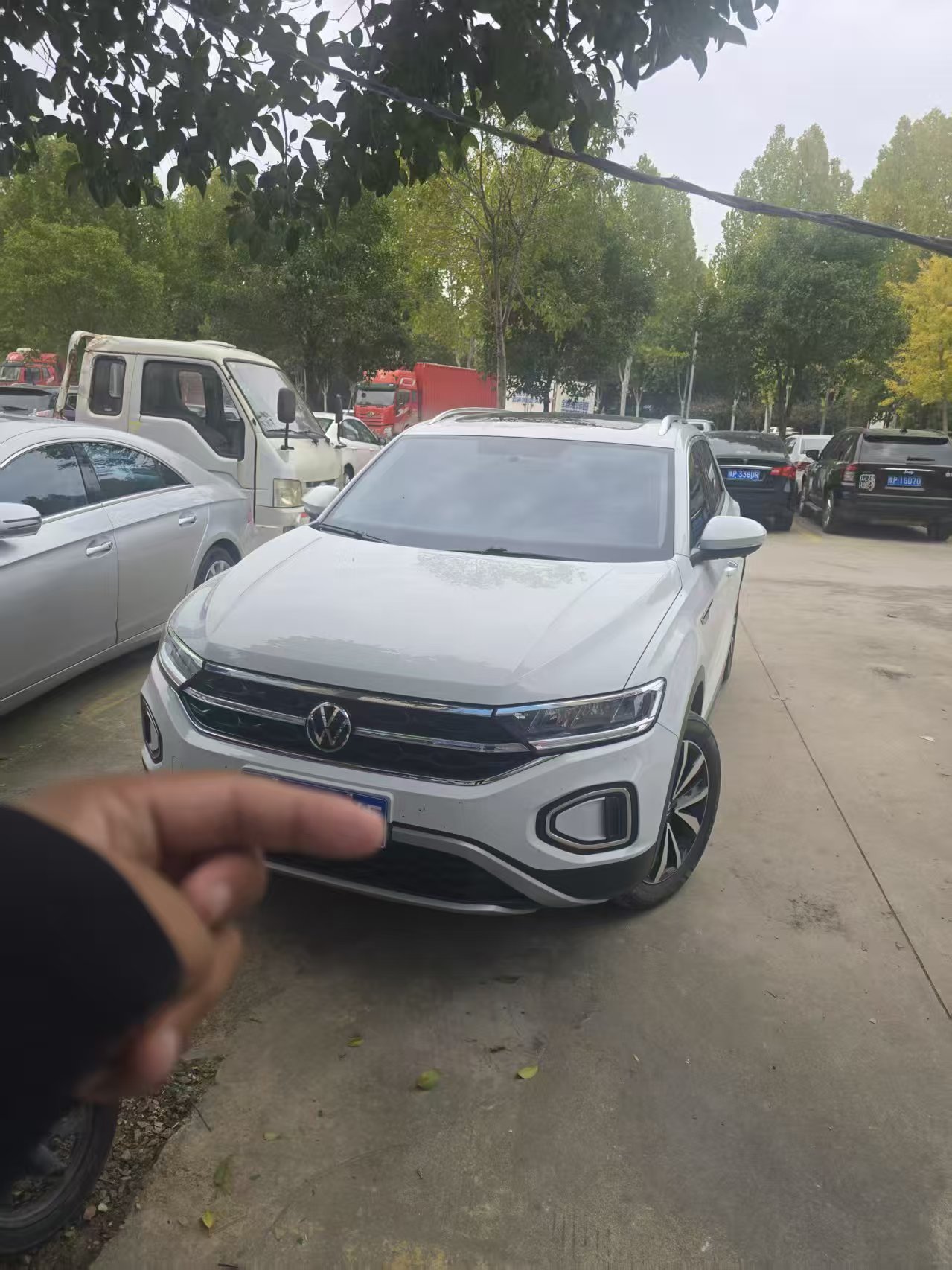
BrandVolkswagen
SeriesT-Roc
Year2024
First Registration2024/01
Mileage67,000km
Transfer Count0times
FuelGasoline
TransmissionDCT
Engine1.5T 160 L4
ColorWhite
Seats-

Condition Description

官方质检 · 60天全车质保· 7天无理由有偿退车

Configuration Highlights

✓上牌时间: 2024-01
✓表显里程: 6.7万公里
✓车源地: 徐州
✓排放标准: 国六
✓百公里加速: 9.4s
✓发动机: 1.5T
✓轴距: 2680mm
✓变速箱: 自动
✓功能配置: 23项
✓安全配置: 6项
✓动力类型: 前驱
✓空间舒适性: 不错

Q&A

More

Which documents does my customs broker need to clear a used car imported from China, and what should I request from the exporter?

At minimum, customs will ask for: the commercial invoice showing the actual transaction value, the bill of lading, a packing list, and the vehicle's title or registration document proving ownership and legal export. Depending on your country you may also need a certificate of origin, an export or deregistration certificate from China, and an inspection certificate. Ask the exporter for clear scans of all documents before the vessel departs — correcting errors after arrival costs time and money. Check that the VIN, engine number, weight and value match exactly across invoice, BL and title; mismatches are a common reason for customs holds. Keep both originals and certified copies, and confirm your broker's document list in writing so nothing is missing when the car lands.


What kind of after-sales support can I expect if a problem appears after the car arrives?

Cross-border after-sales support mainly comes from three channels: 1. Contract terms: Reputable exporters commit in the sales contract to engine and gearbox coverage for 30 days after pickup, excluding wear-and-tear items. Get this in writing before paying. 2. Inspection report: The pre-shipment inspection report is your baseline. If the car arrives with problems that contradict the report (e.g., hidden accident damage not disclosed), you can file a claim against it. 3. Parts supply: For mainstream Chinese brands, spare parts channels exist in Russia, Central Asia, the Gulf, and Africa. Many exporters will help you source and ship parts after delivery. Practical tips: inspect the car on arrival and photograph everything; report any issue in writing within 48 hours; keep all shipping documents. Claims filed weeks later are hard to prove.

How do I evaluate rust and corrosion on a used car from China, especially for coastal cities or snowy regions?

Rust is a deal-breaker that photos can hide, so be systematic. High-risk areas to check: 1. Underbody and frame rails—surface rust is normal, but flaking or bubbling paint means advanced corrosion 2. Wheel arches and rocker panels—these trap mud and salt 3. Door bottoms and the trunk floor—water collects here; lift the trunk mat and look for dampness or repair welds 4. Around the windshield and sunroof drains—leaks cause hidden rust in the A-pillars Ask the inspector to do a magnet test: filler-repaired areas won't hold a magnet, indicating past accident repairs. A paint thickness gauge reveals resprayed sections—uniform readings around 80-150 microns are normal; spikes over 300 suggest bodywork. Cars from northern China (salted roads in winter) or coastal cities need extra scrutiny on the underbody. If structural members show corrosion, walk away—repairs rarely restore original strength.