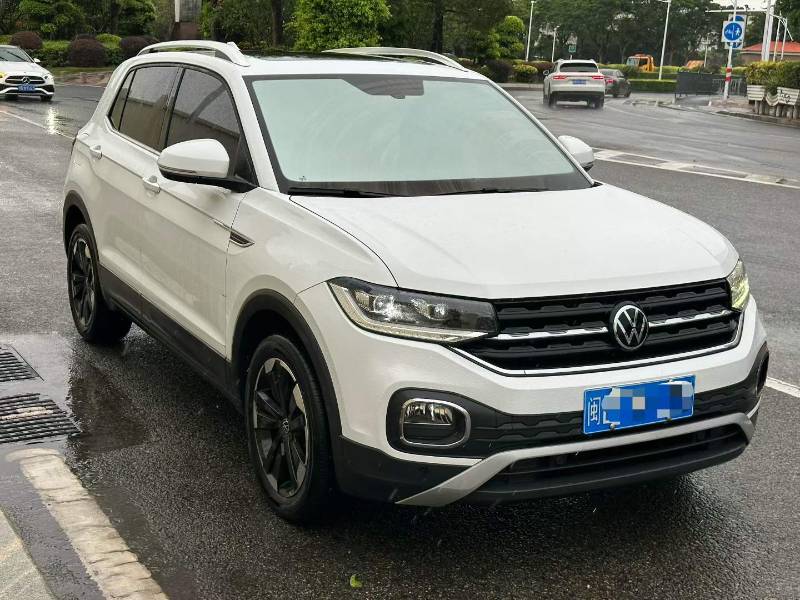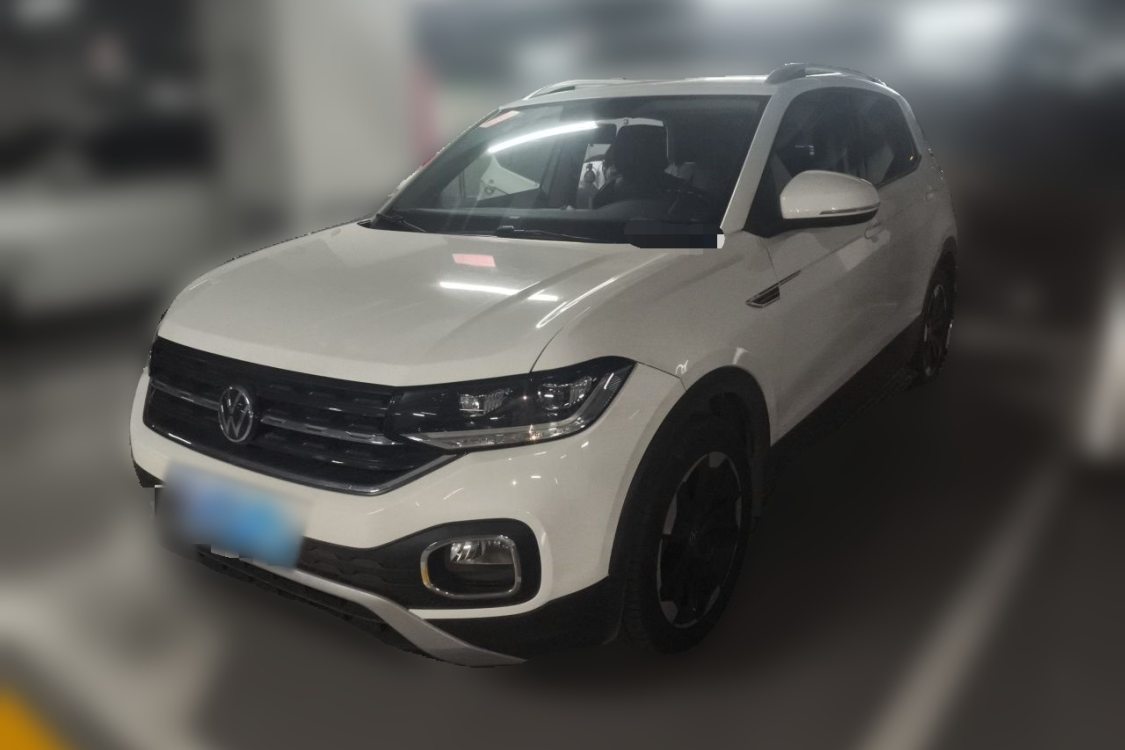
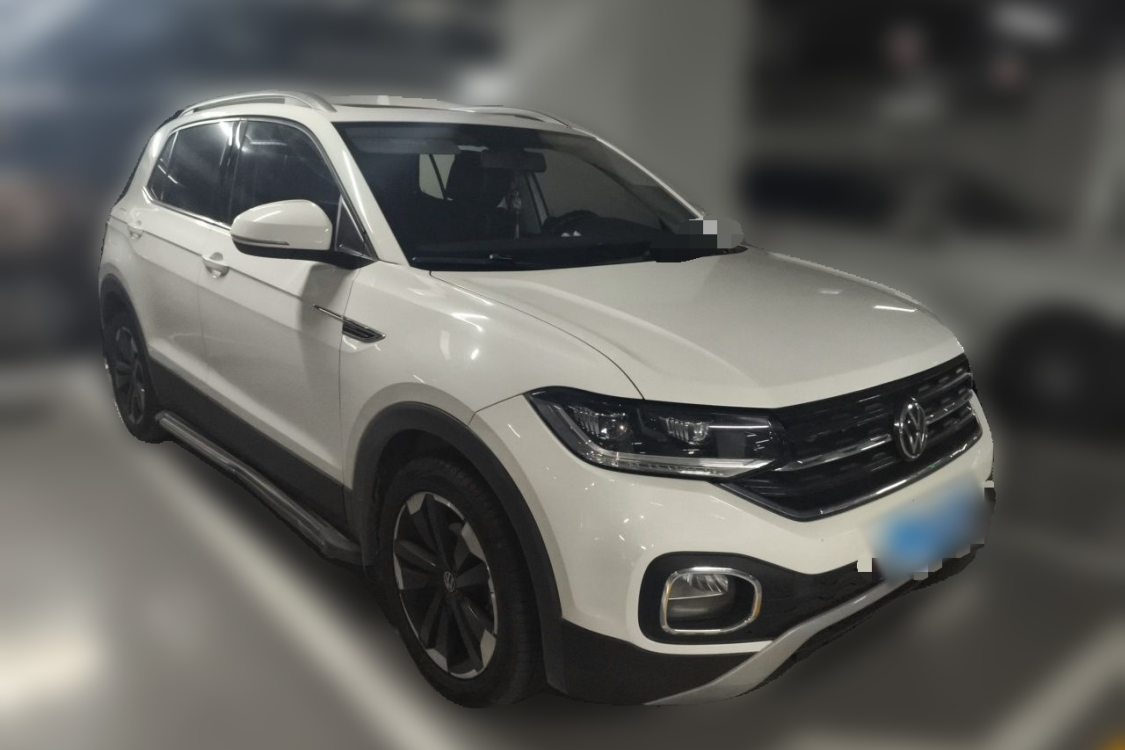
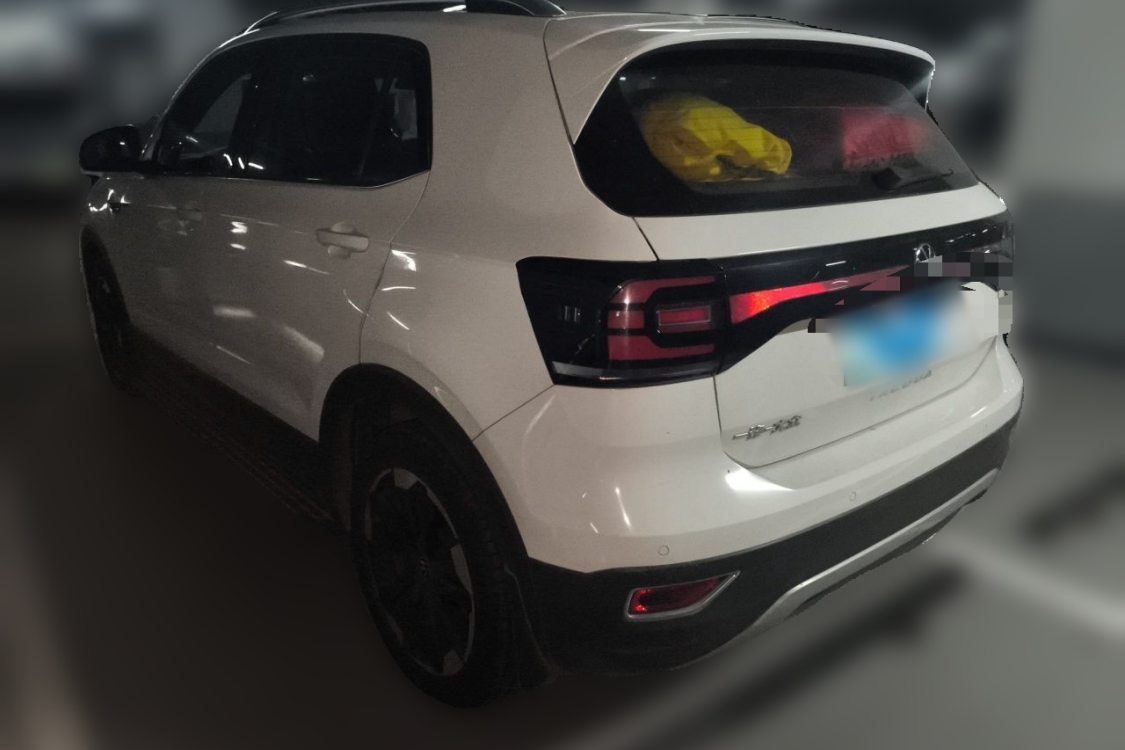
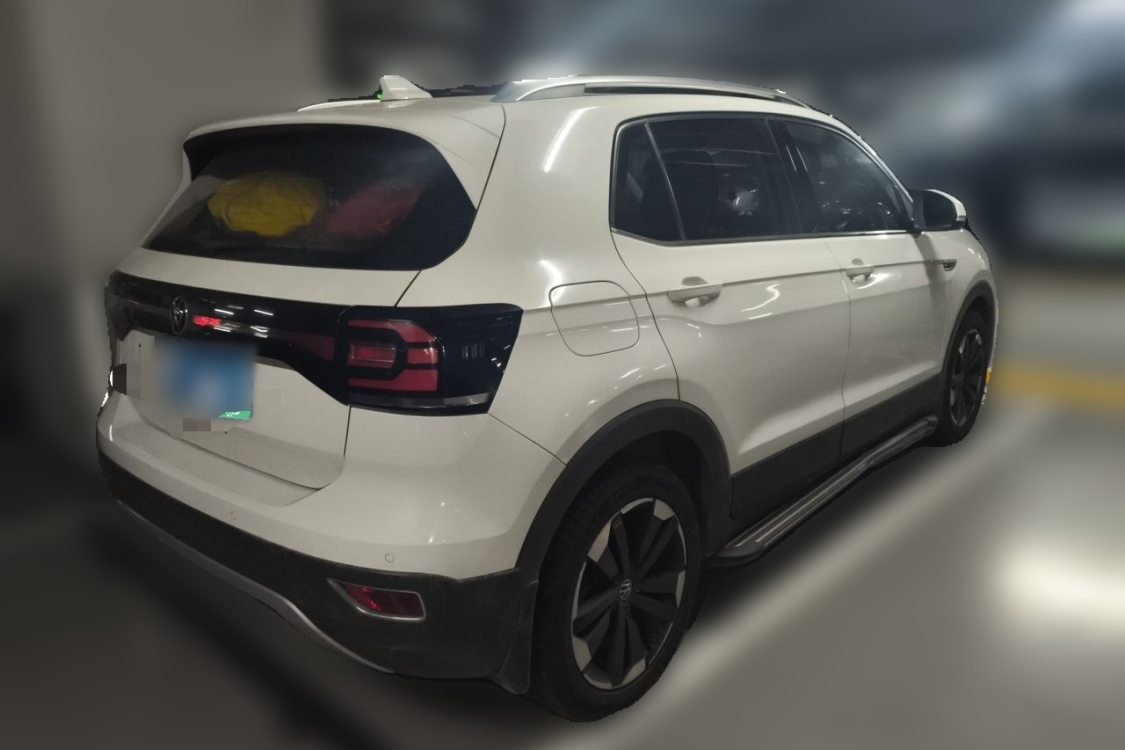
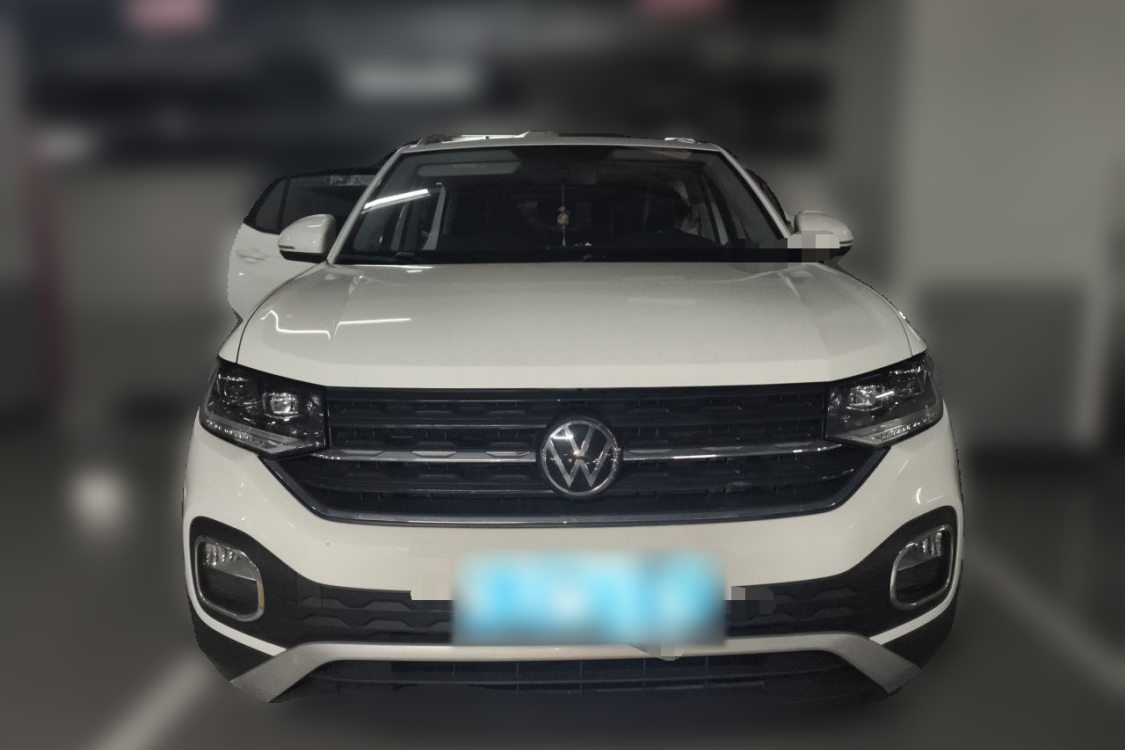
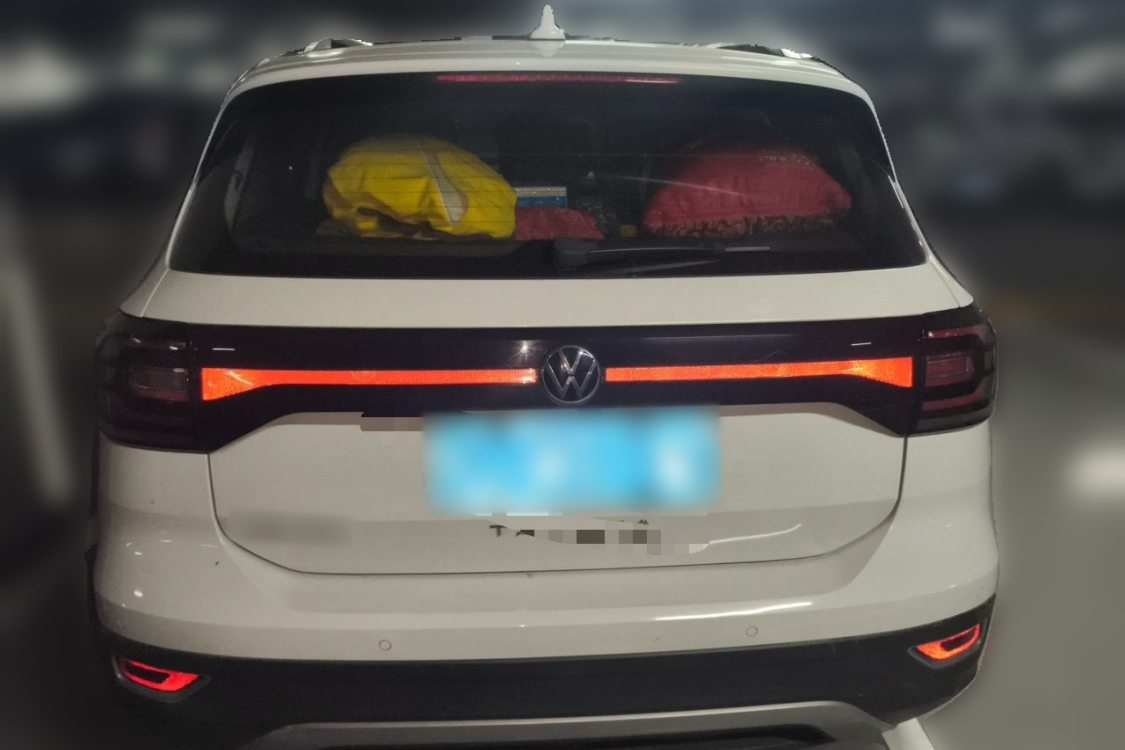
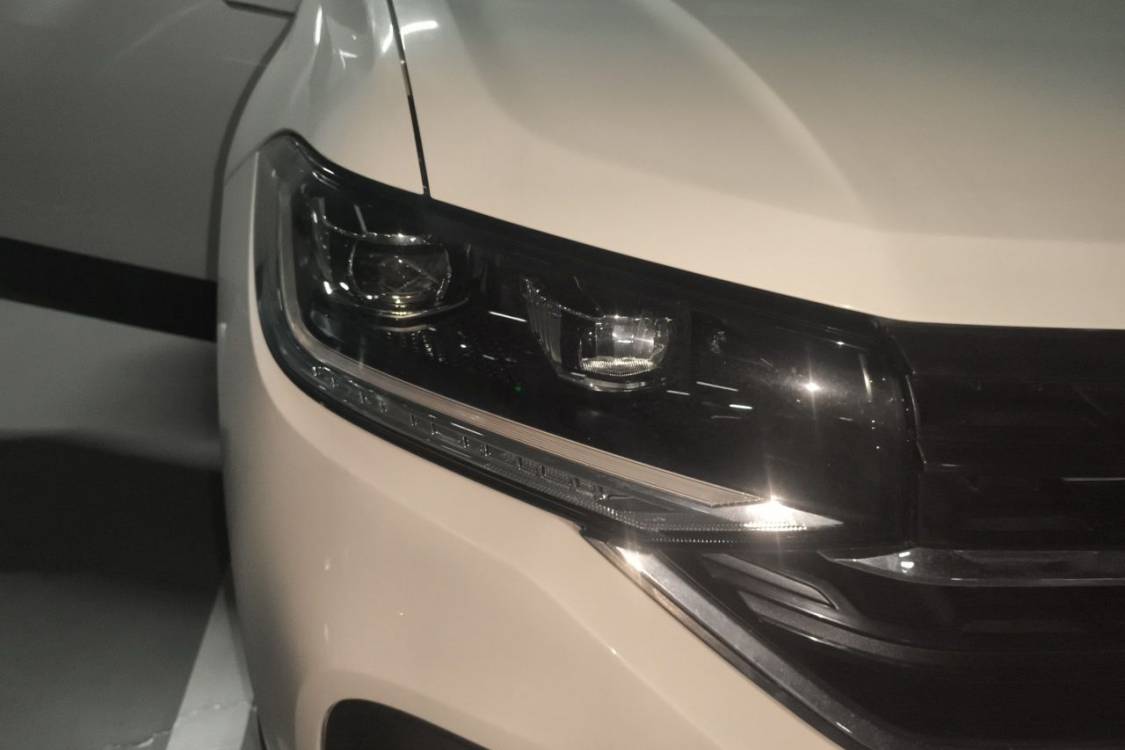
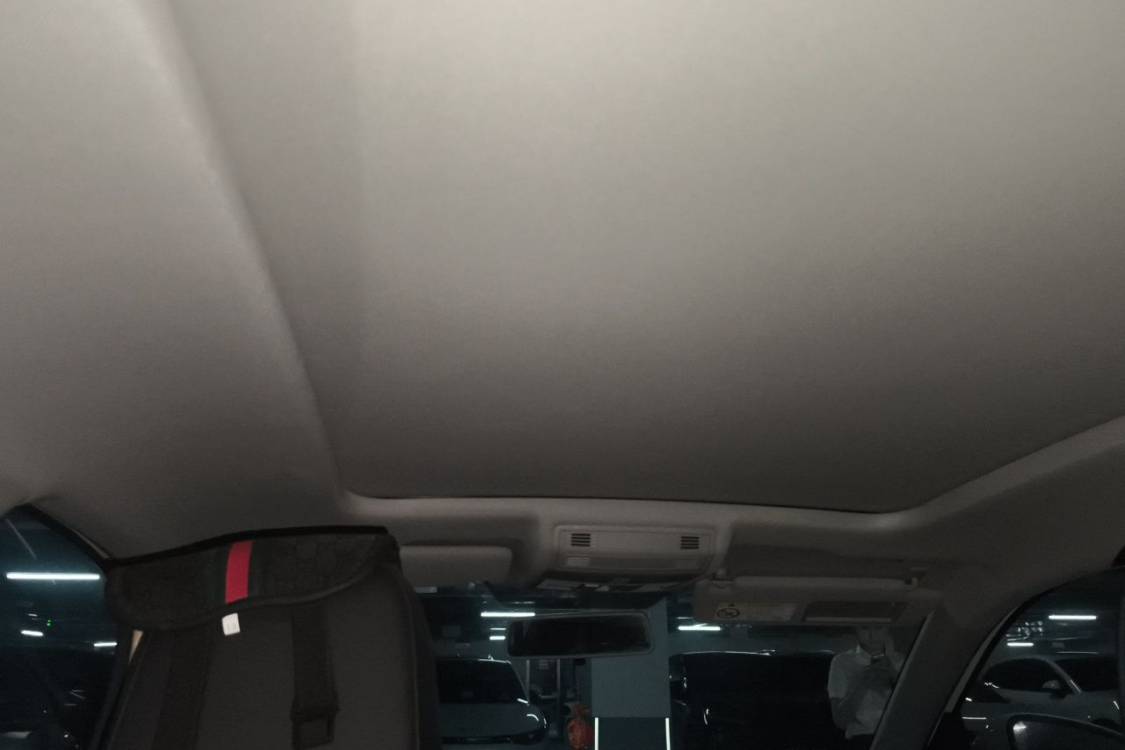
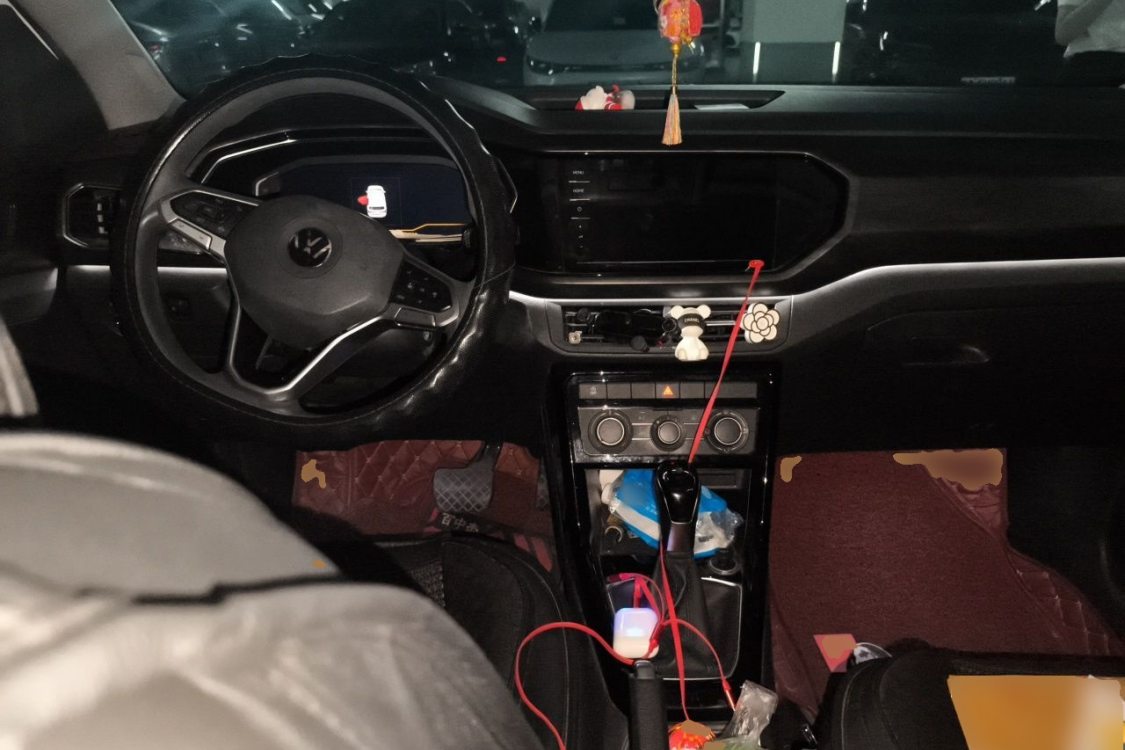
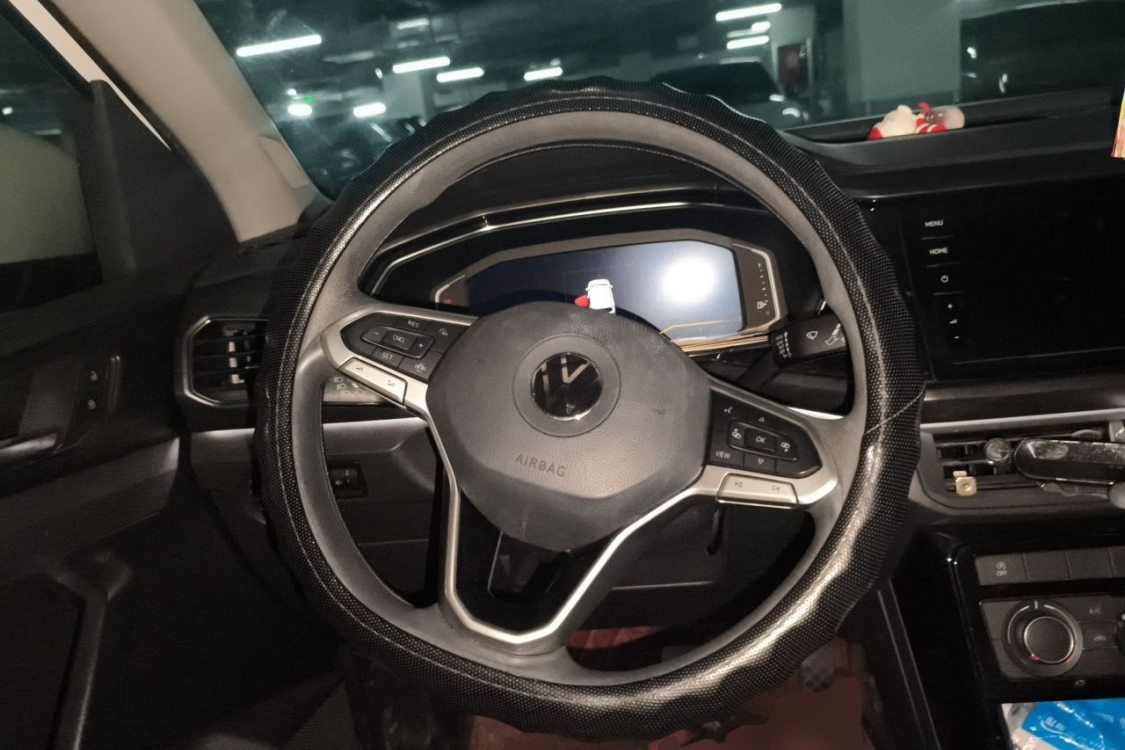
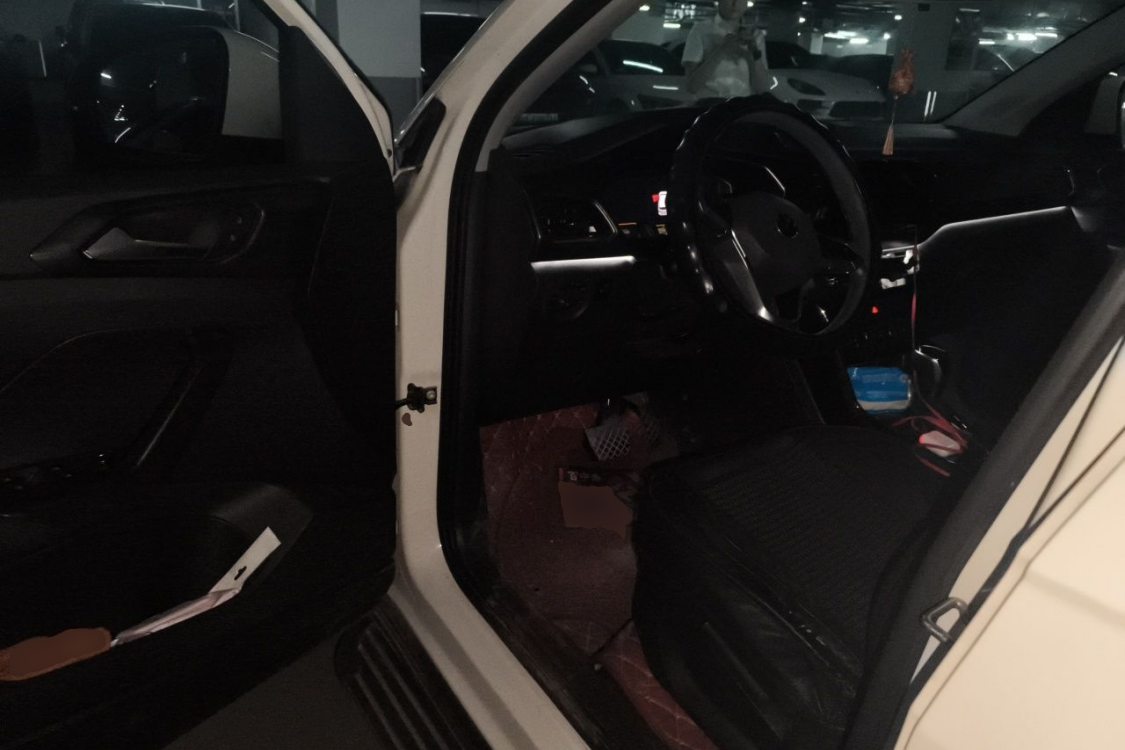
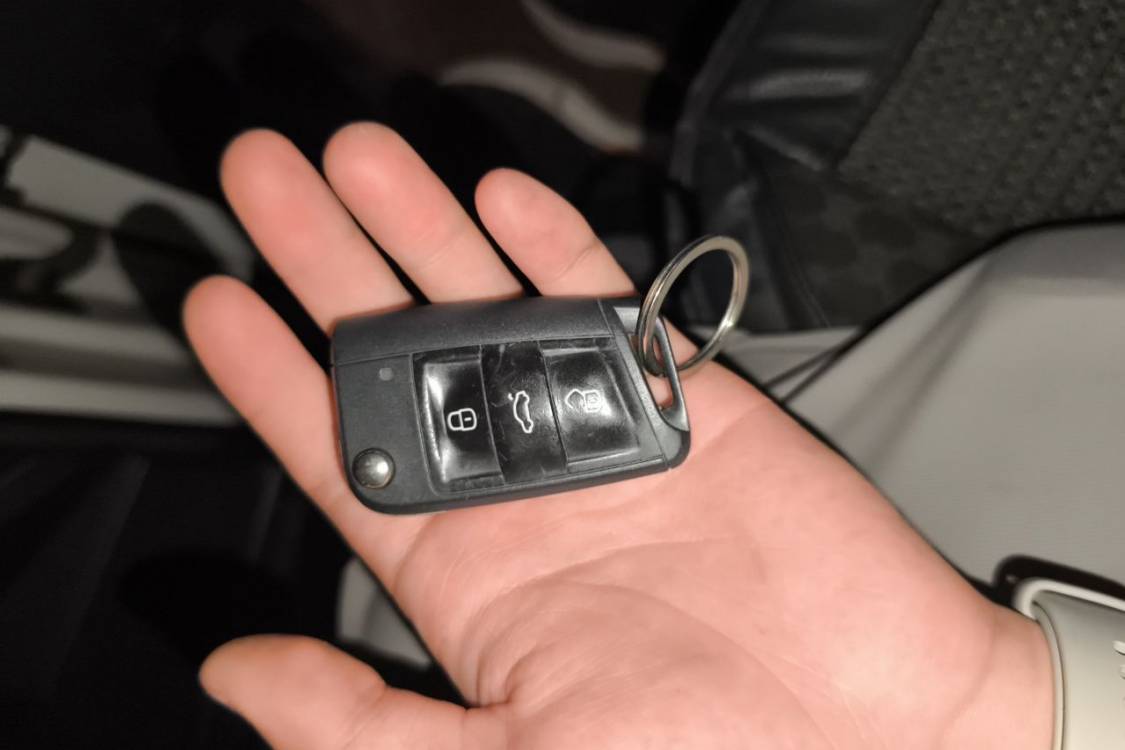





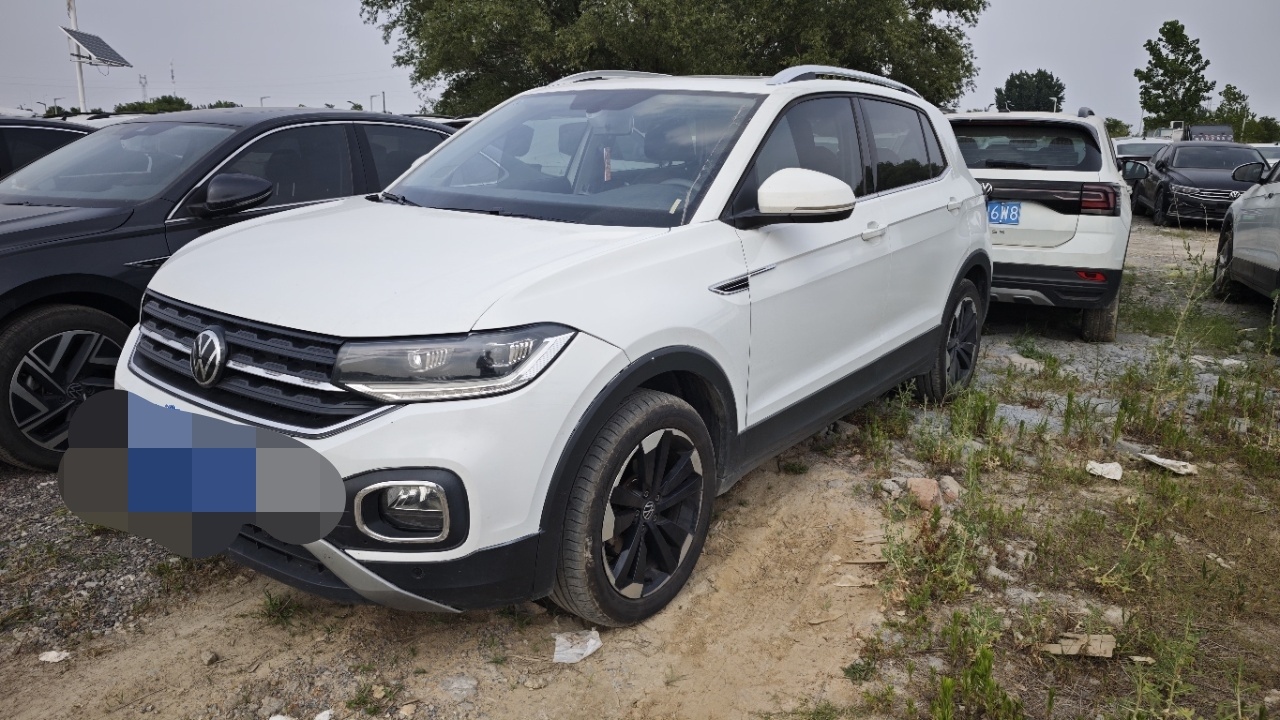
Basic Information

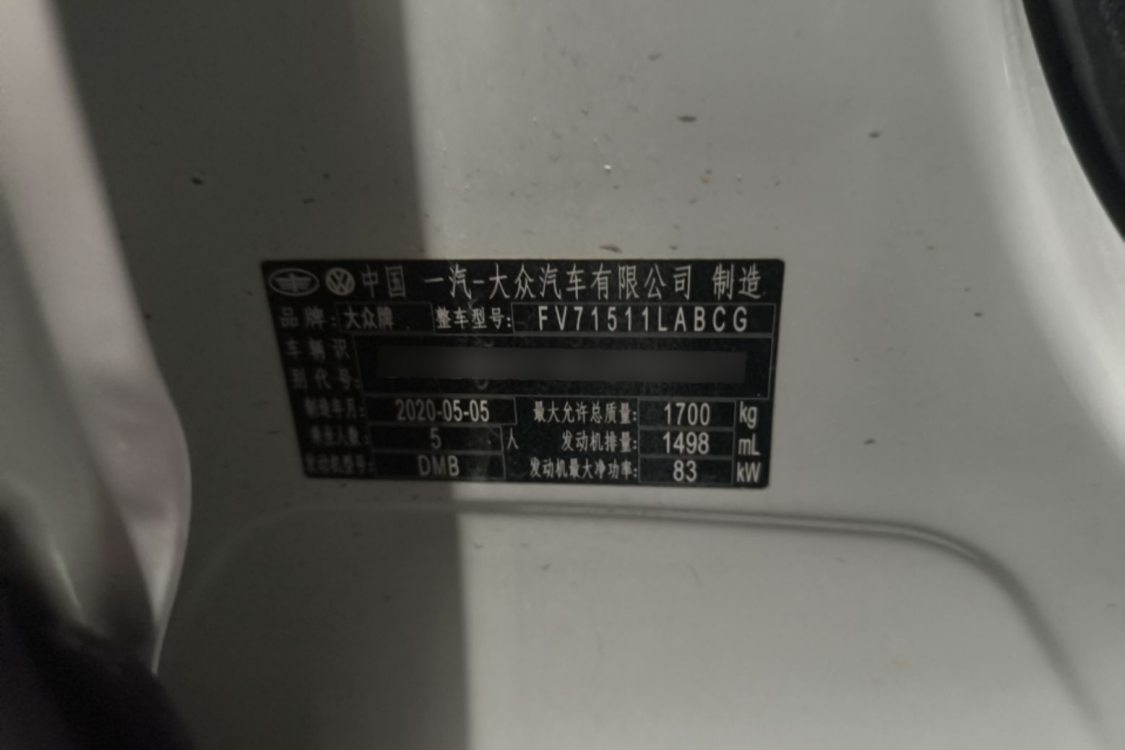
BrandVolkswagen
SeriesTacqua
Year2020
First Registration2020/08
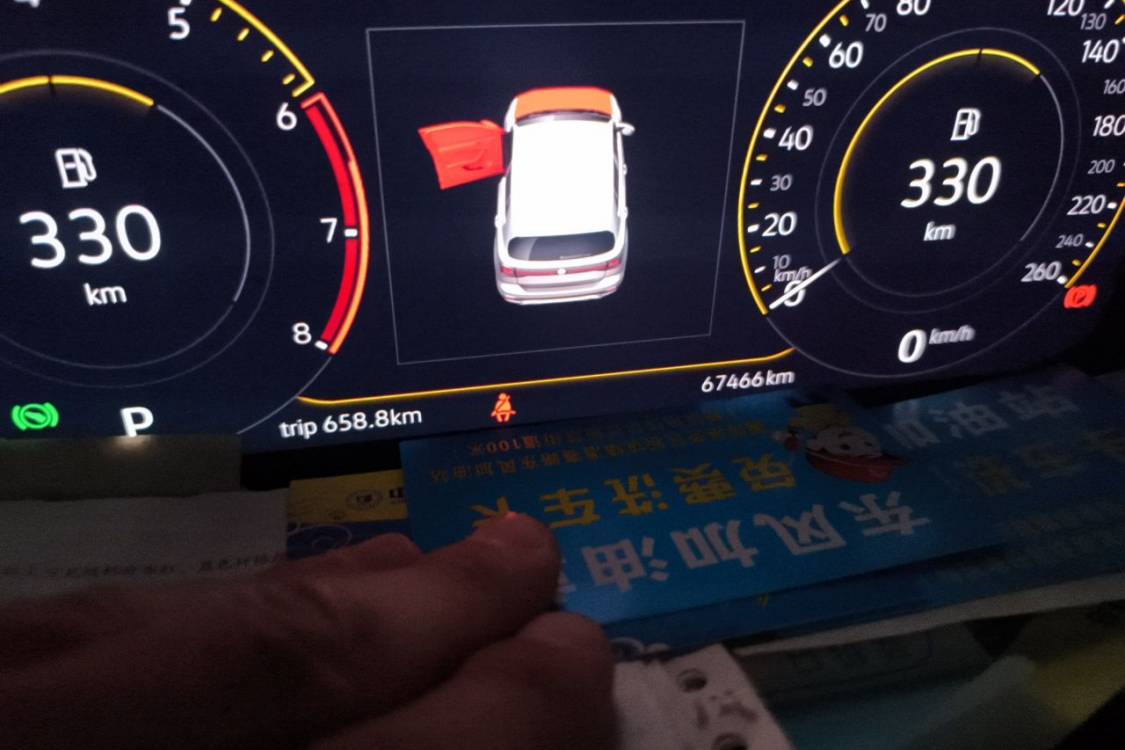
Mileage67,400km
Transfer Count-
FuelGasoline
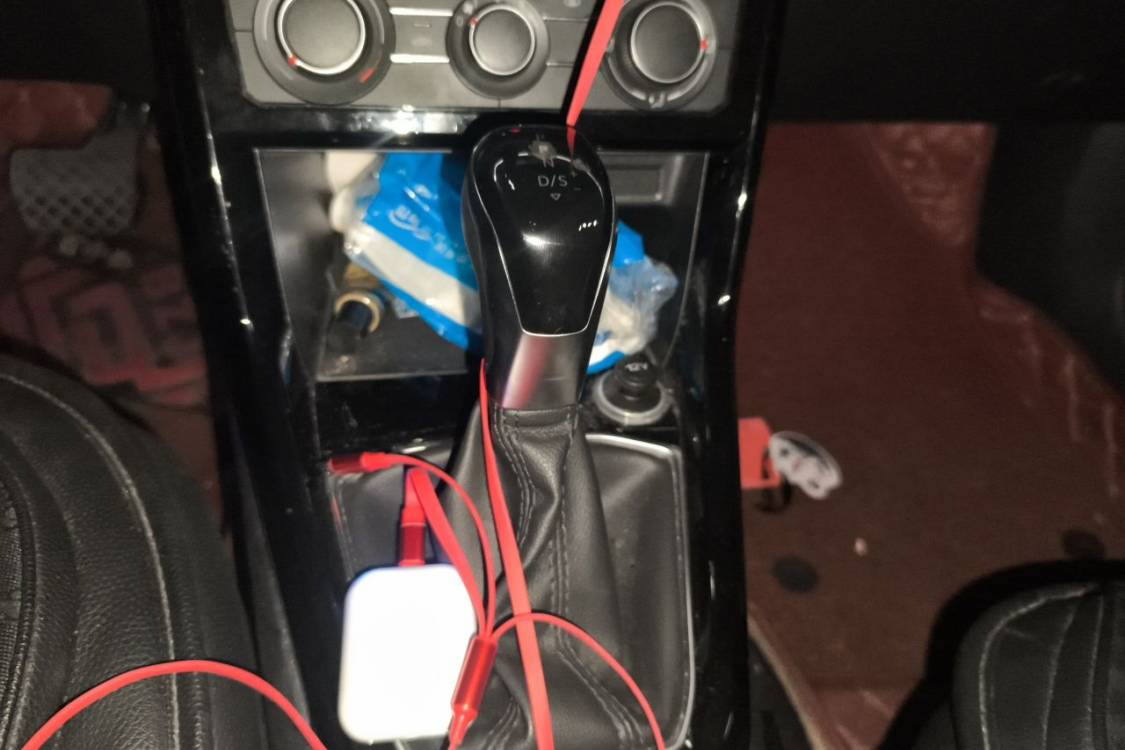
TransmissionManumatic
Engine1.5L 113 L4
ColorWhite
Seats-

Condition Description

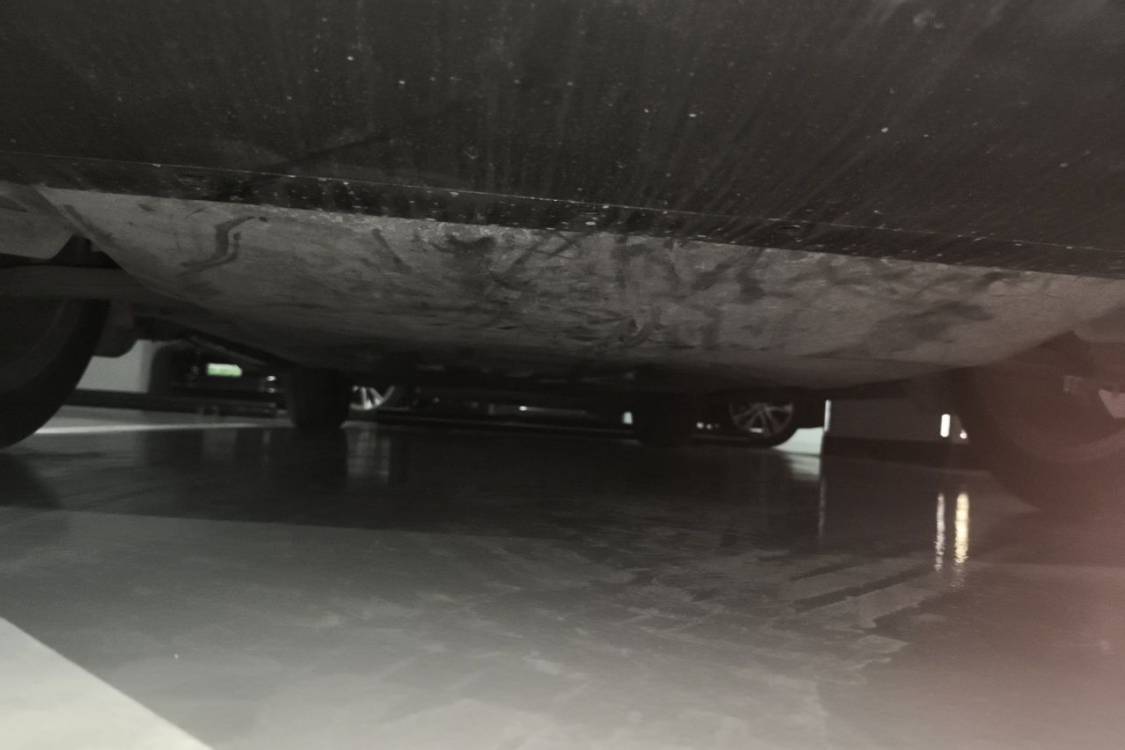
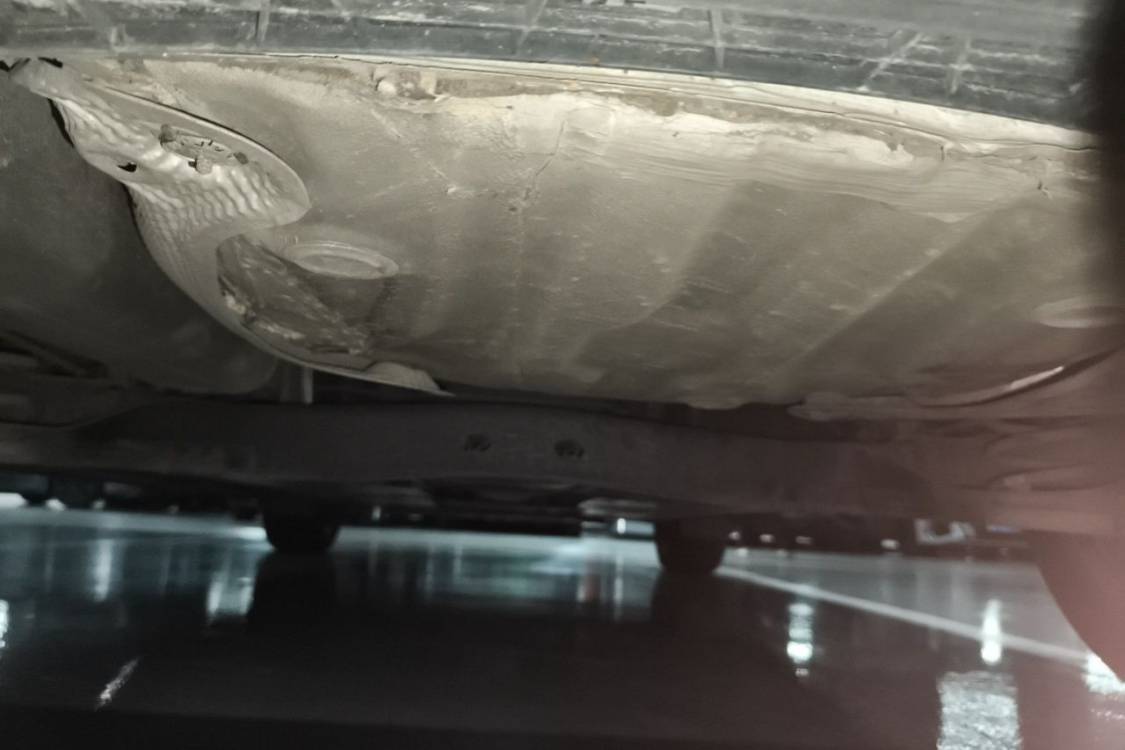
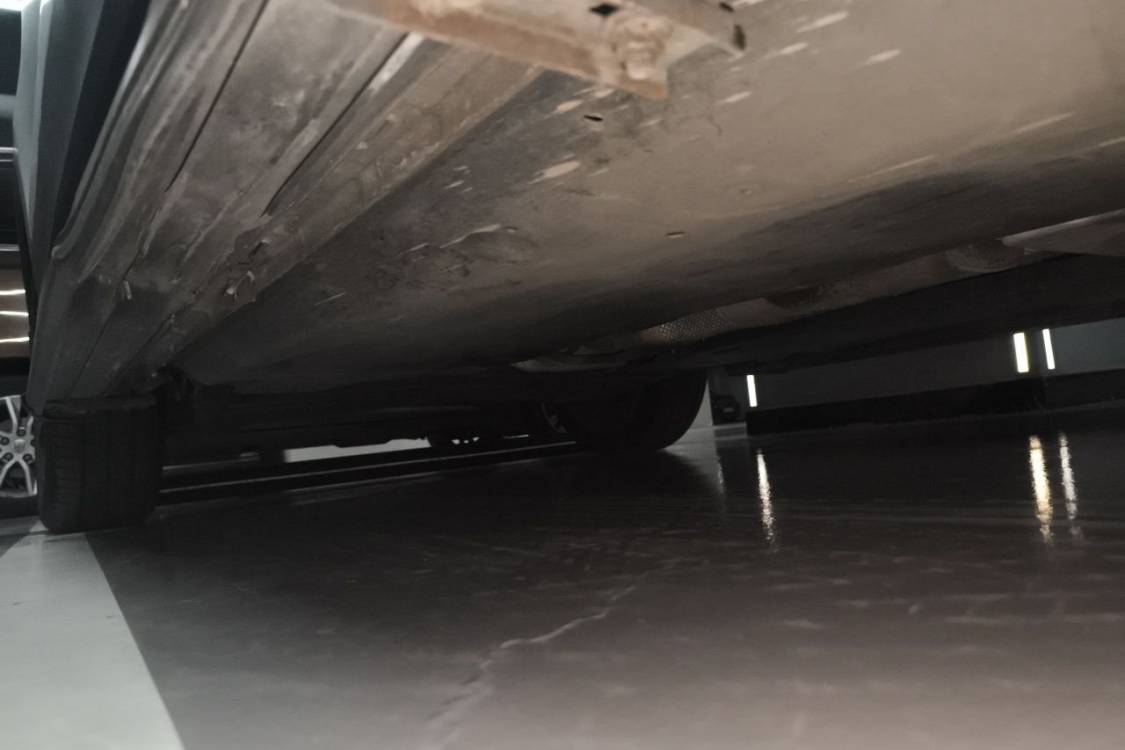
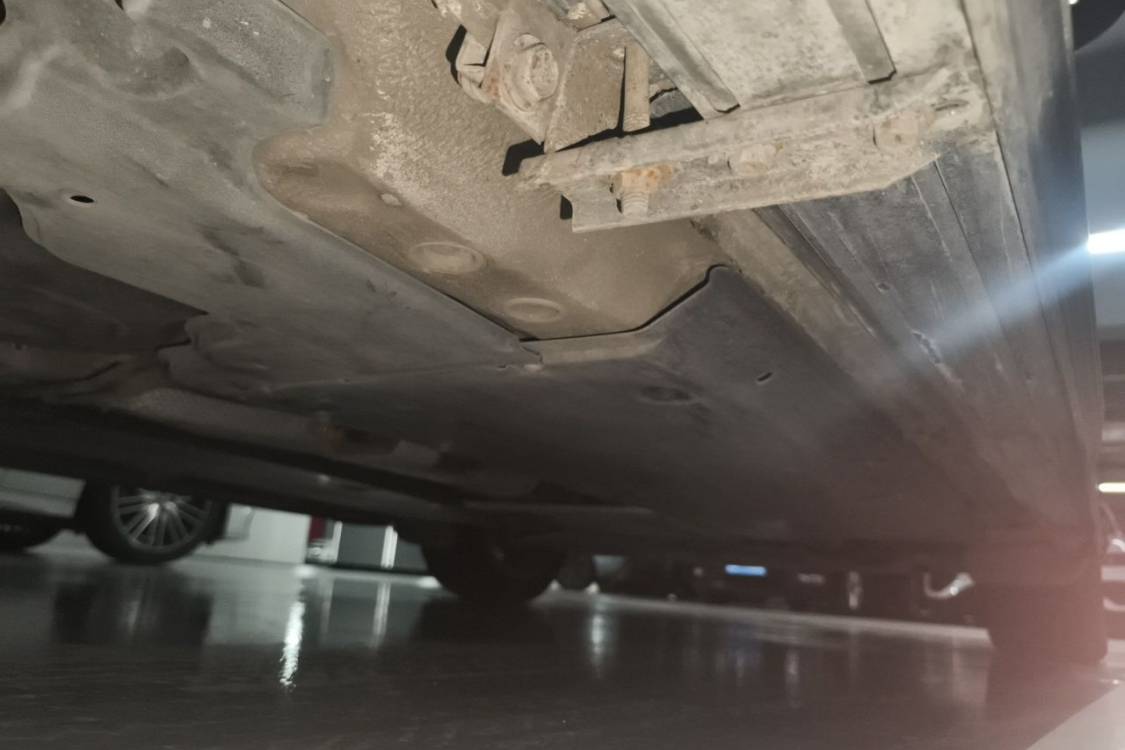
Accident-related damage to body components (structural/reinforcing/panels); passive safety devices defective; vehicle performance (including three-electric system) degraded or performance-limited even after repair.

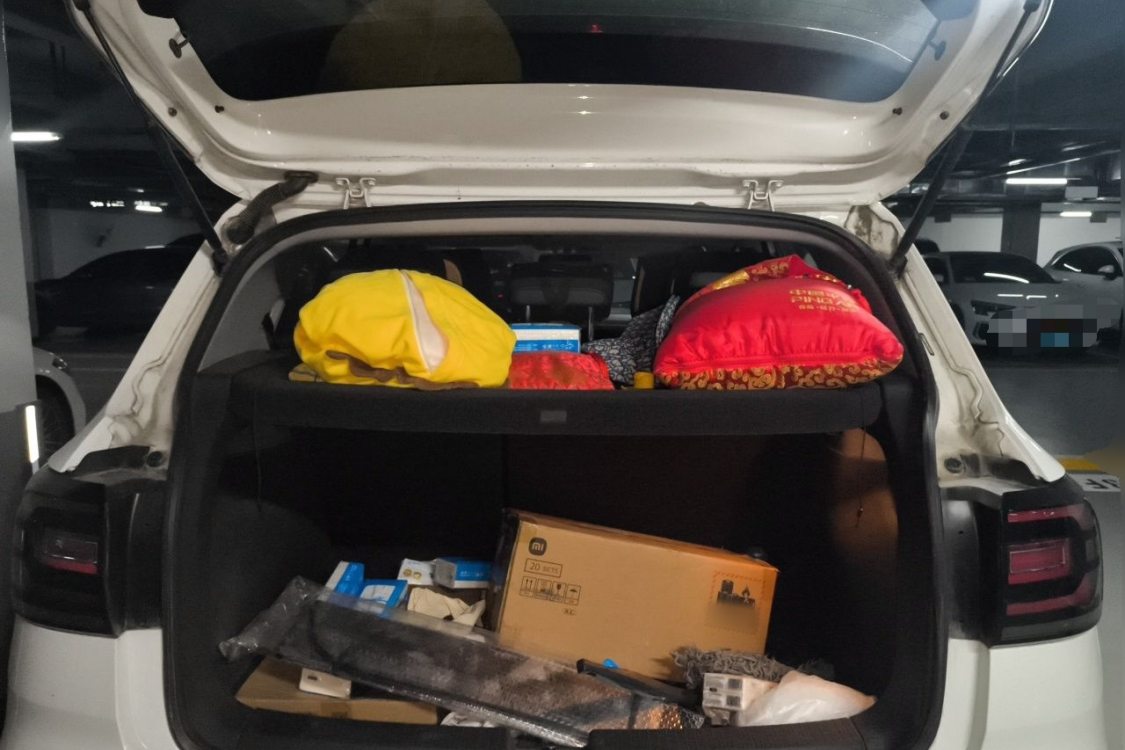
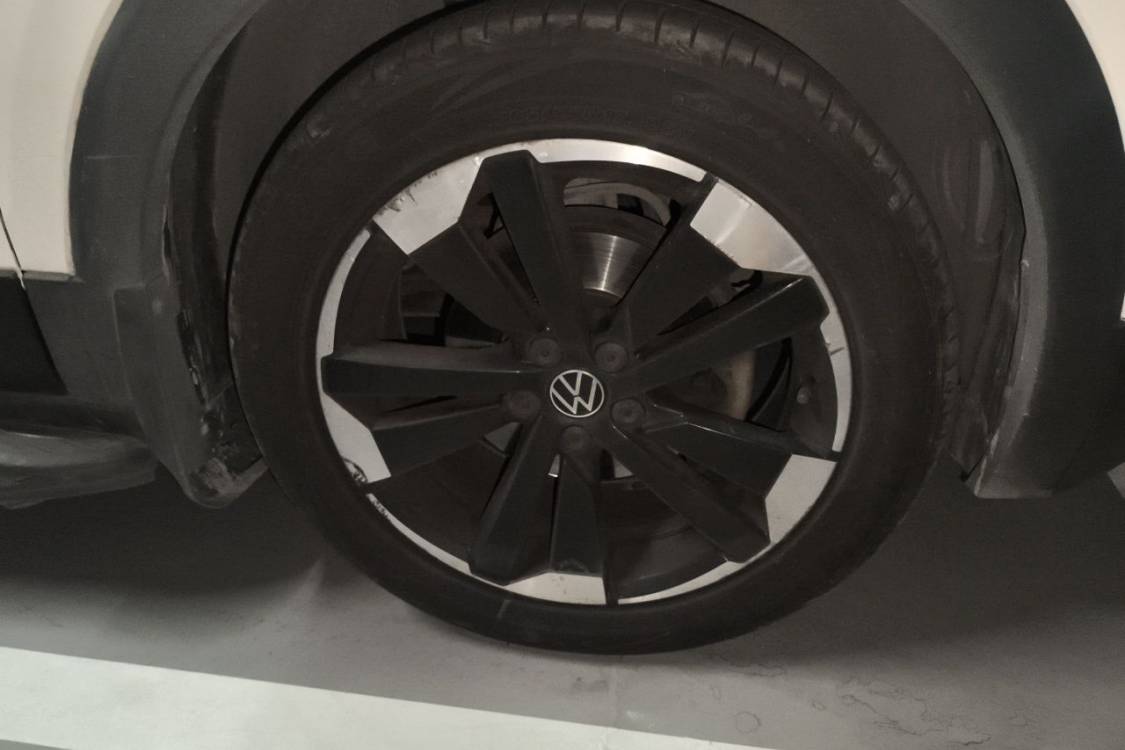
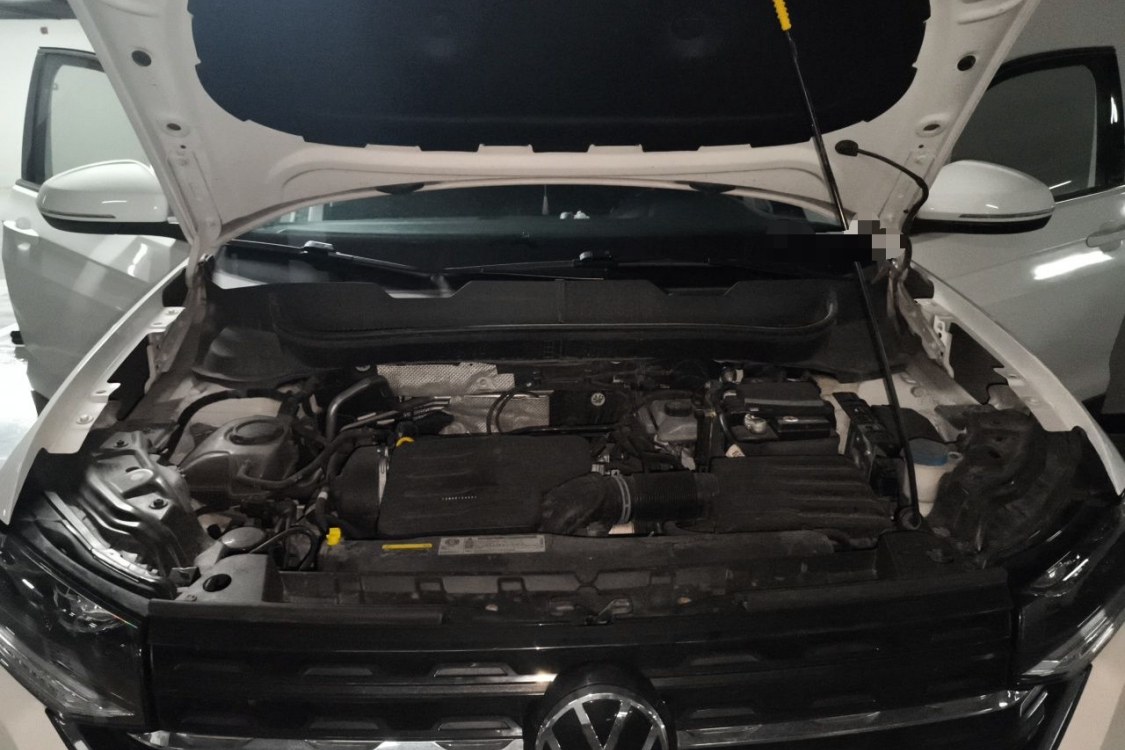
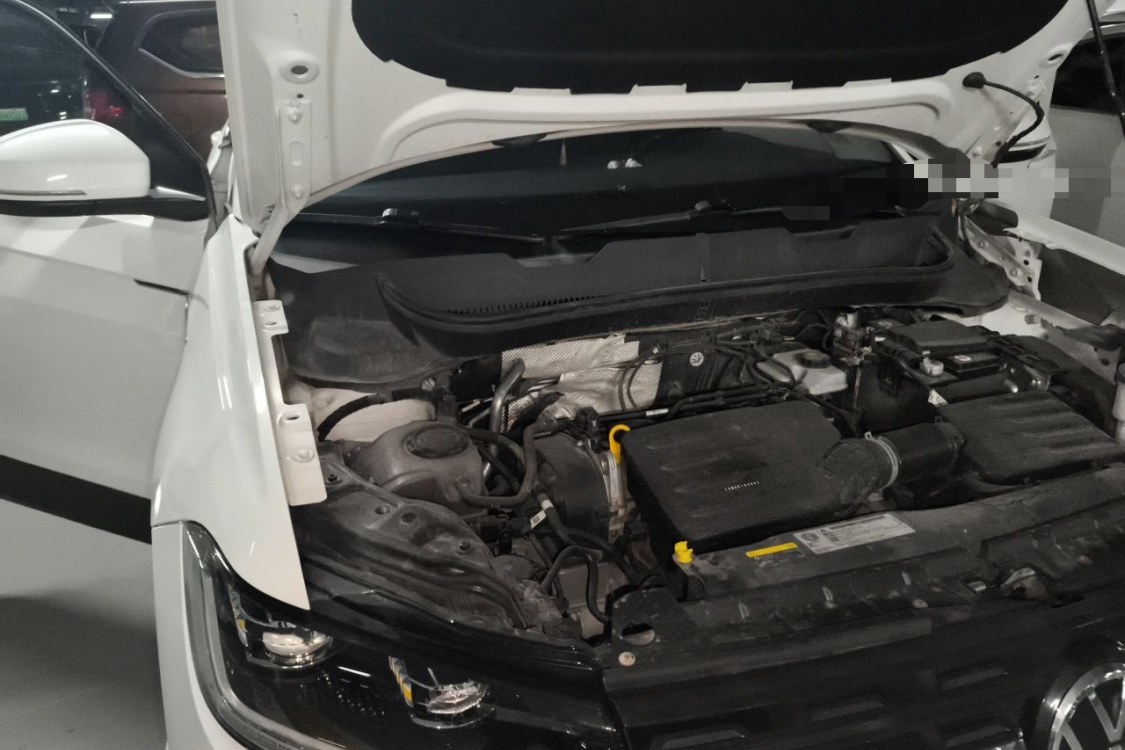
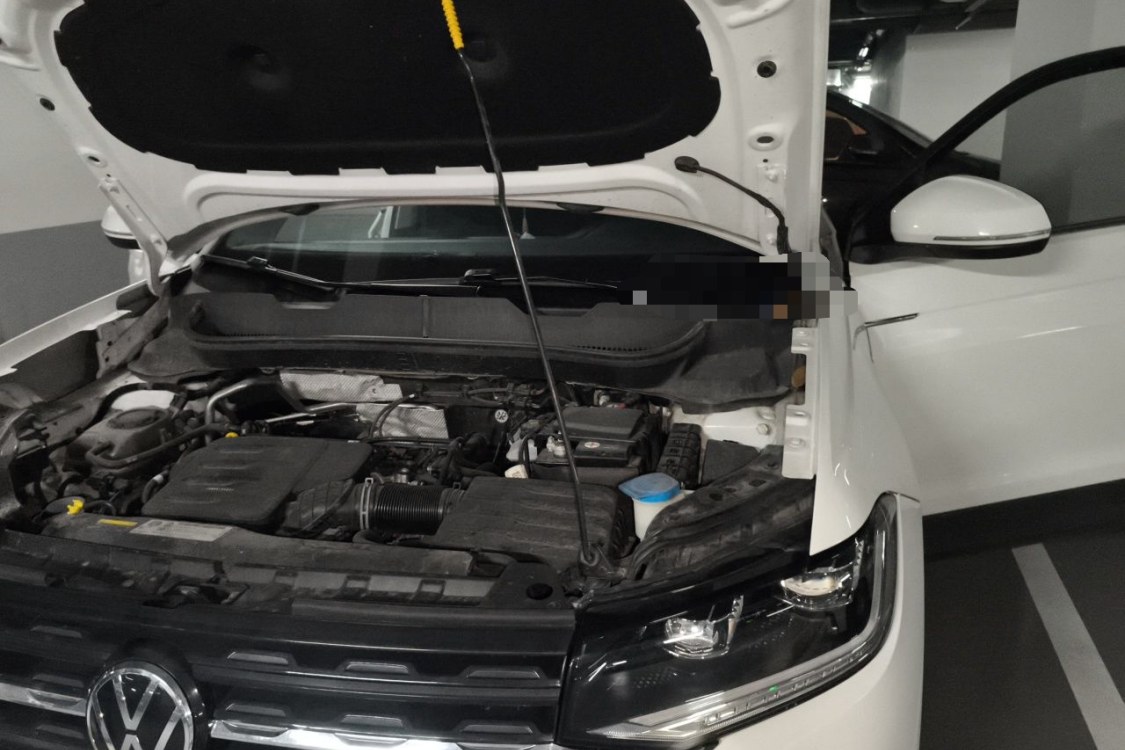
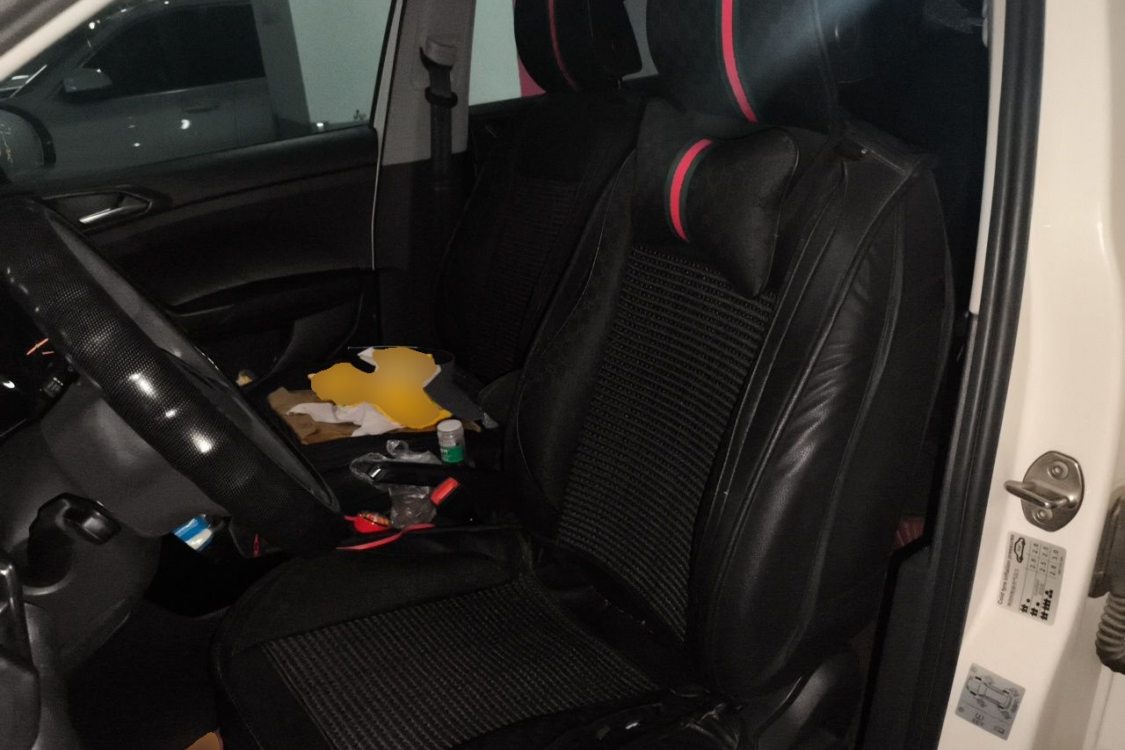
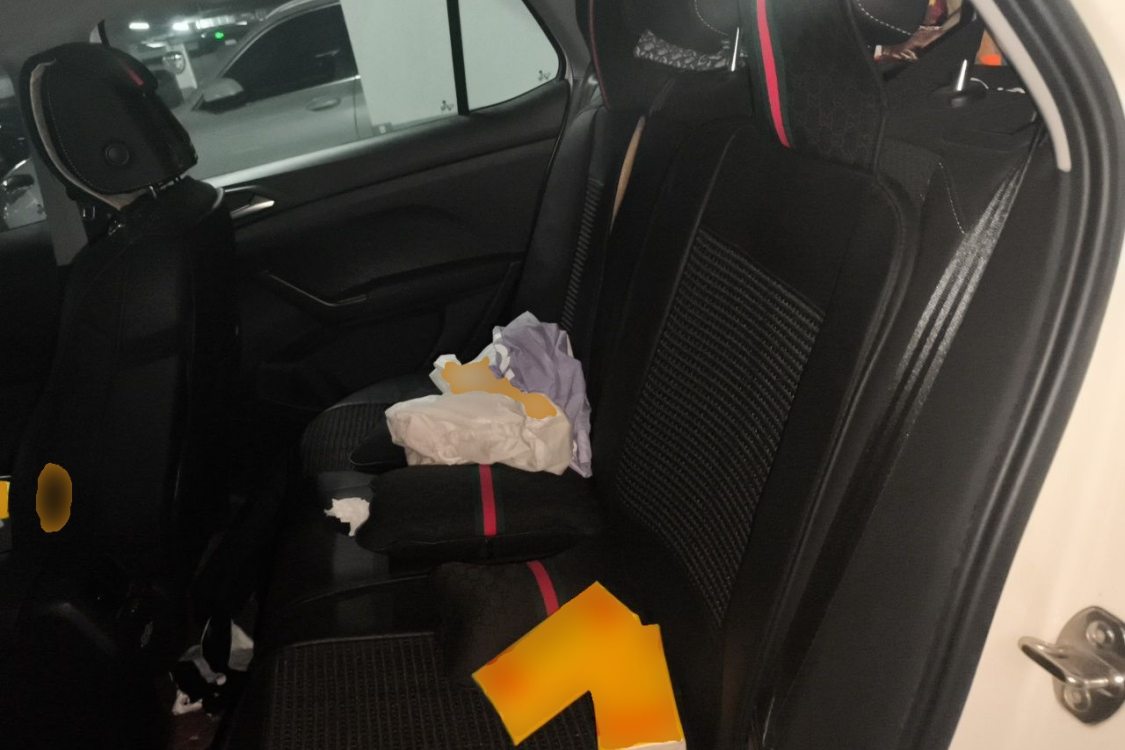
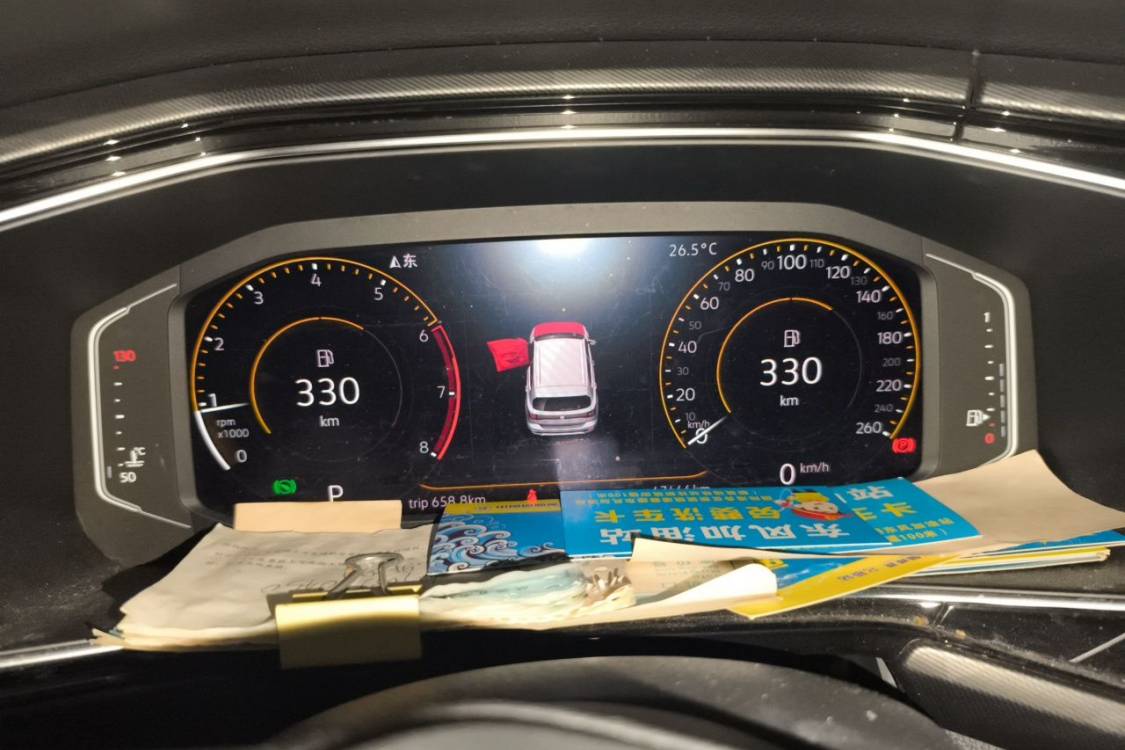
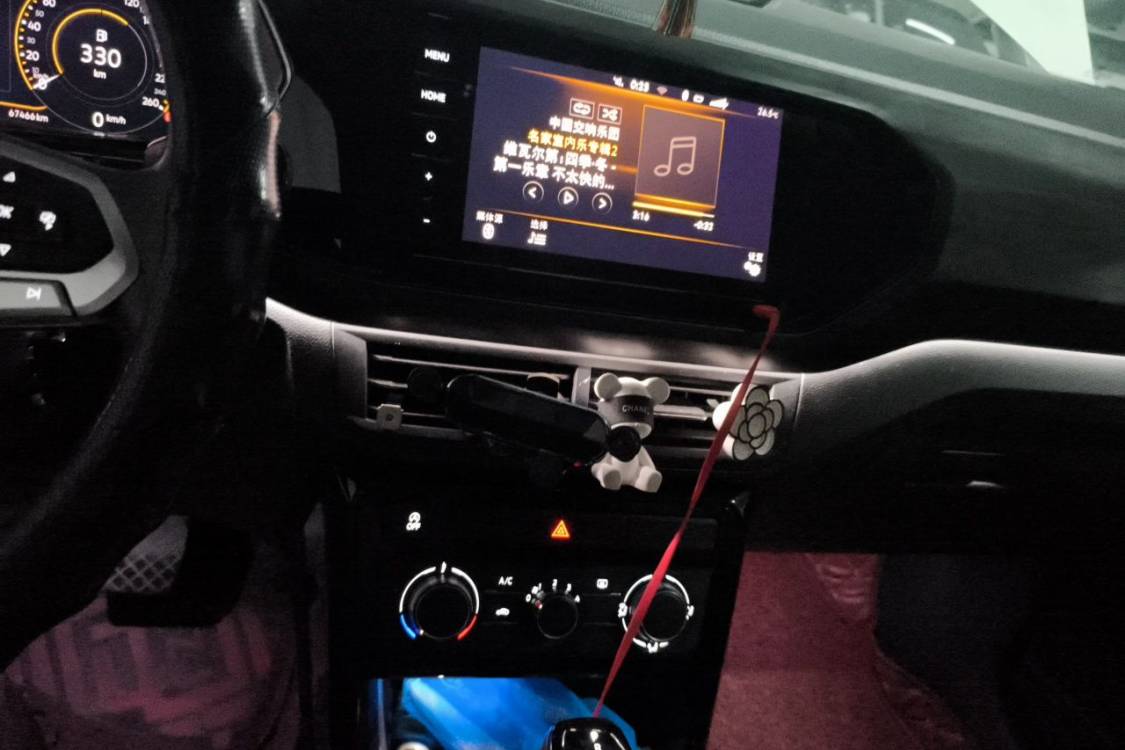
Accident inspection: main structure damaged, reinforcing components damaged, panels damaged, hinges abnormal. Engine bay: key mechanical components normal. Exterior: 7 areas of sheet metal repair, 2 areas repainted. Interior: most features normal, airbags normal, seatbelts normal, dashboard normal, instrument readings normal, lighting system normal. Startup check: major components normal. Tool kit: absent.

独家上新
电话直连
可讲价
平台物流
可转售
零过户
新检测标准升级>
非泡水

Document Information

Inspection Expiry Date2028/08
Warranty Expiry Date-
Insurance Expiry Date2027/07

Q&A

More

Will there be a thorough inspection of the aging and damaged wiring harness of older vehicles to prevent spontaneous combustion?

For older vehicles or those used in high temperature and humidity areas, we will focus on opening the hood to check if the insulation of the wiring harness in the high-temperature area of the engine compartment is cracked or brittle, to identify potential short circuit risks that could lead to spontaneous combustion.

After picking up the car, I found the tire pressure warning (TPMS). How can I reset the tire pressure sensor myself?

Temperature differences during sea transport can easily trigger the tire pressure warning. After inflating the tires to the standard pressure (usually 2.5 Bar), most vehicles will automatically clear the warning after driving a few kilometers; some models require manually clicking "Tire Pressure Reset" in the "Vehicle Settings" on the central screen.

How is liability defined if the battery pack is damaged during long-distance sea transport due to extreme temperatures?

This is considered a force majeure risk. We will require the vehicle's state of charge (SOC) to be maintained in a safe dormant range of 30%-50% before loading, and we will insure you for all marine risks under CIF terms. If the battery suffers thermal runaway total loss due to abnormal cargo hold temperatures, the insurance company will compensate.