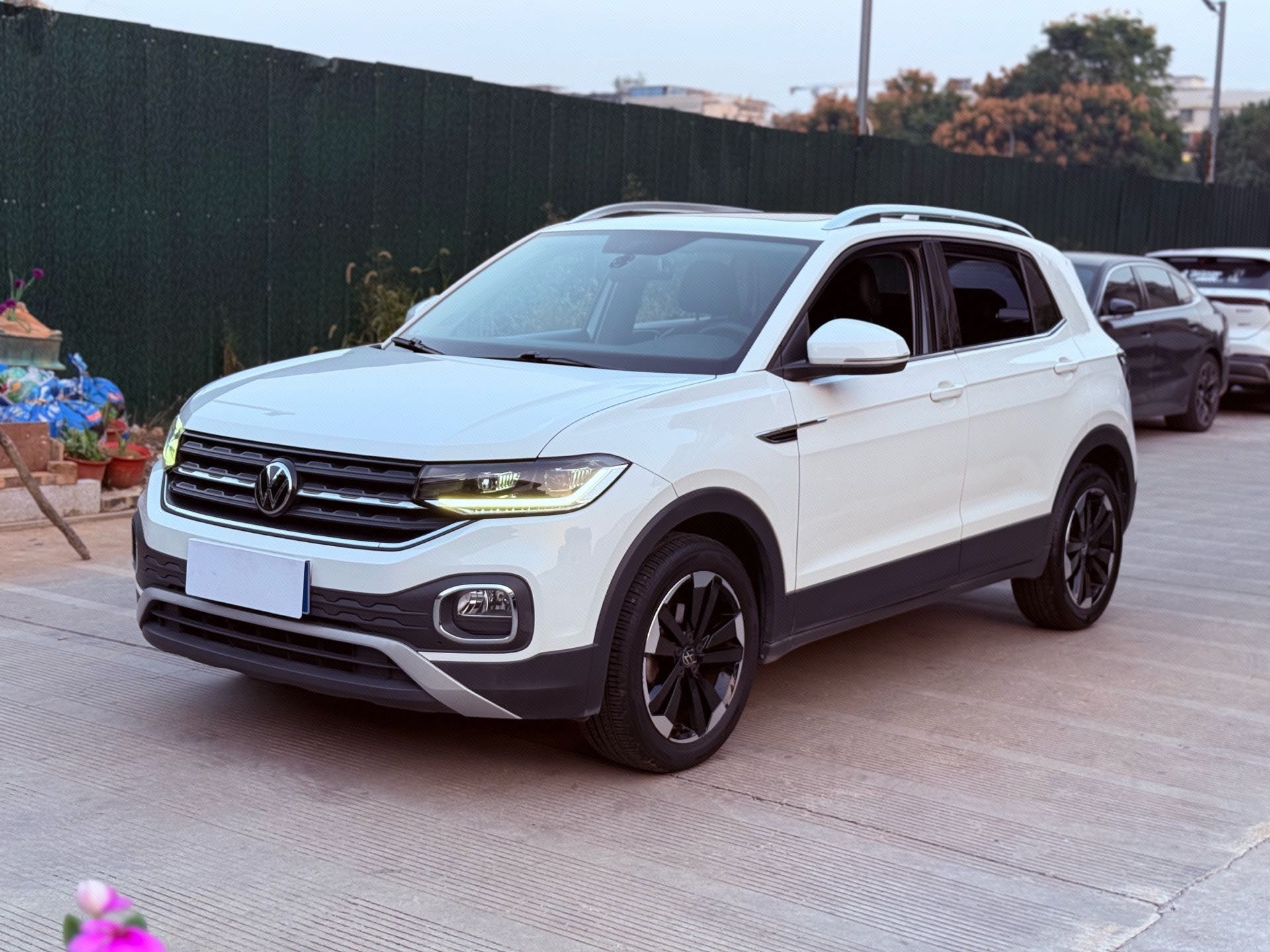
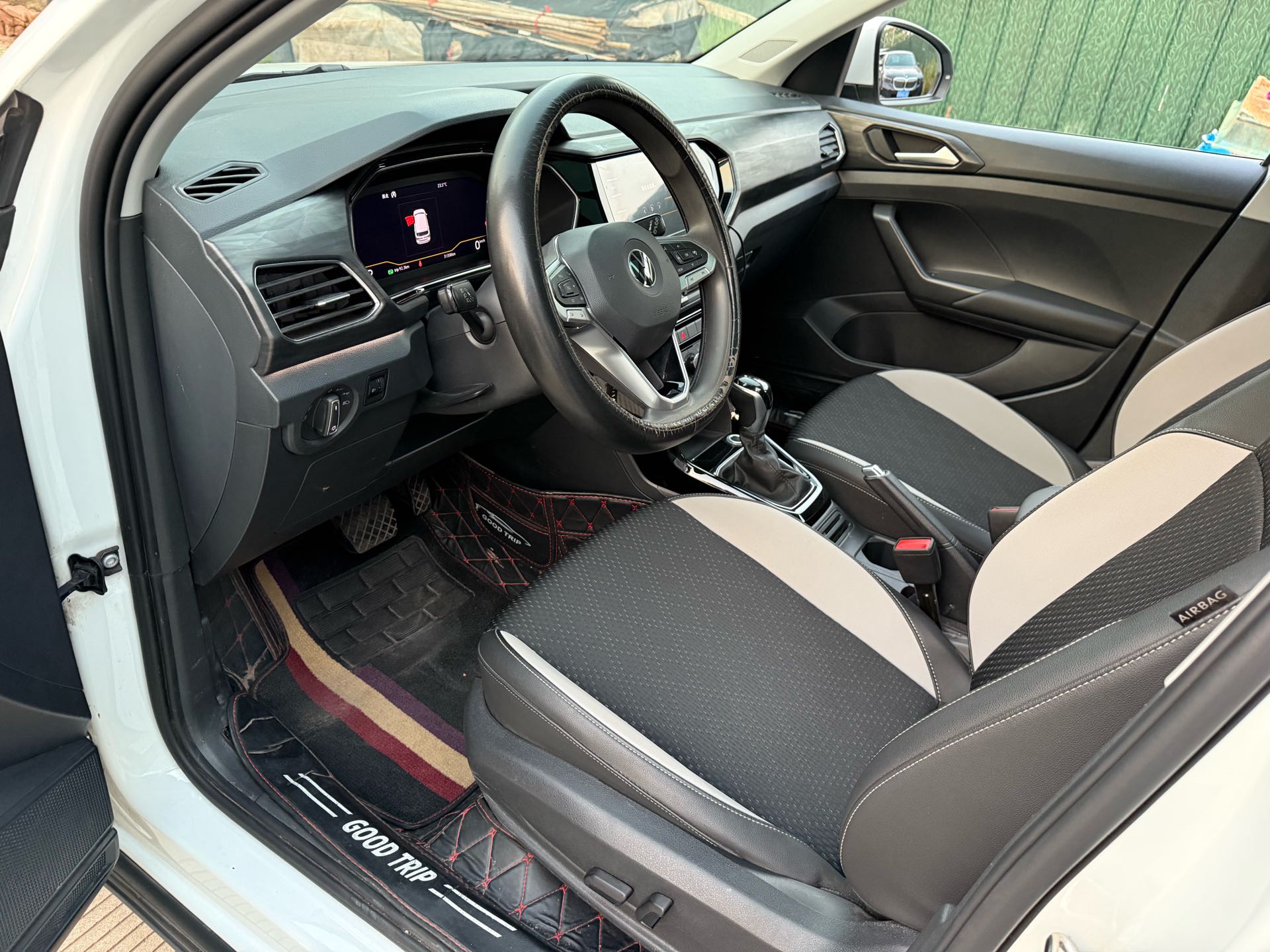
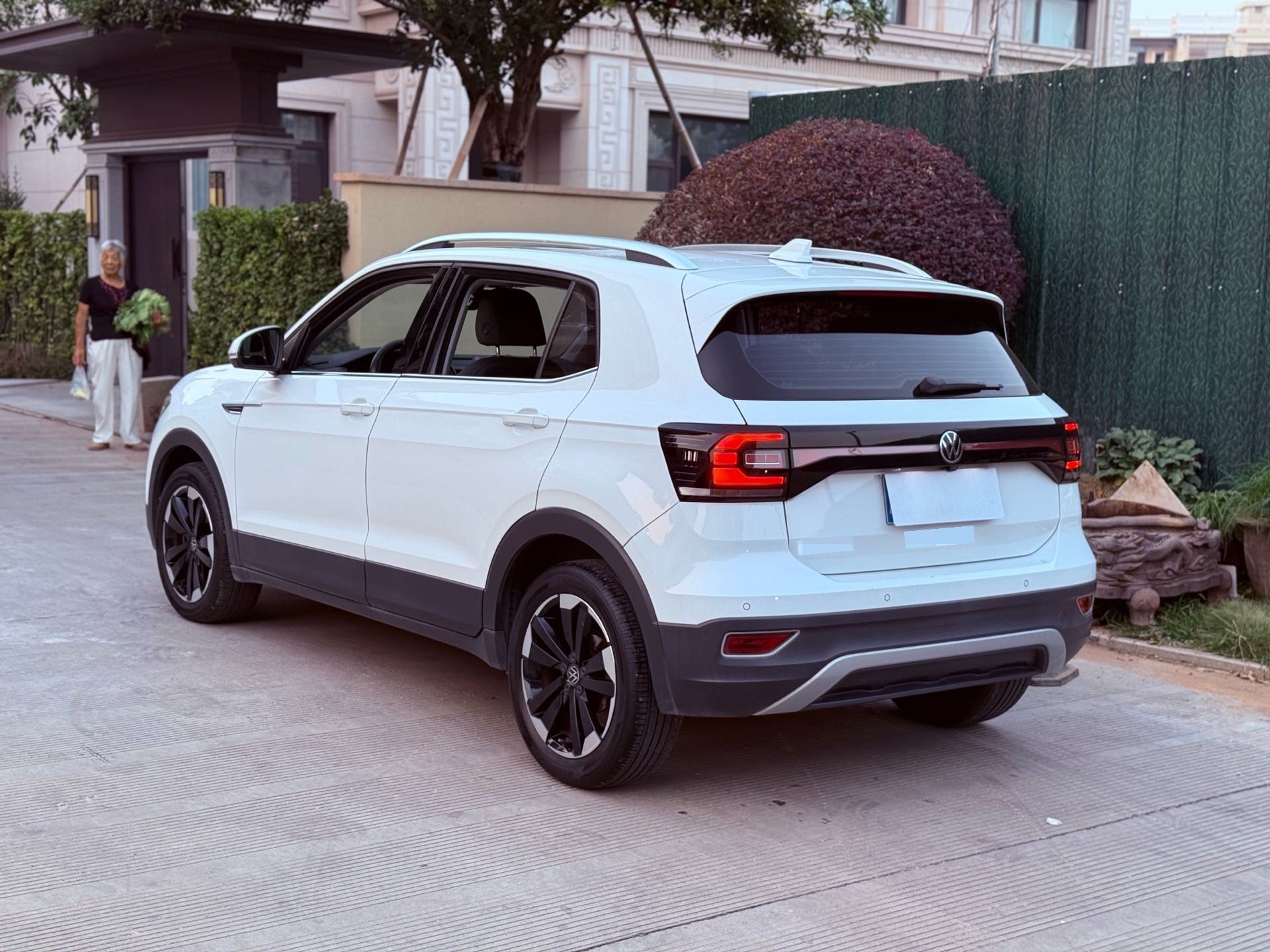
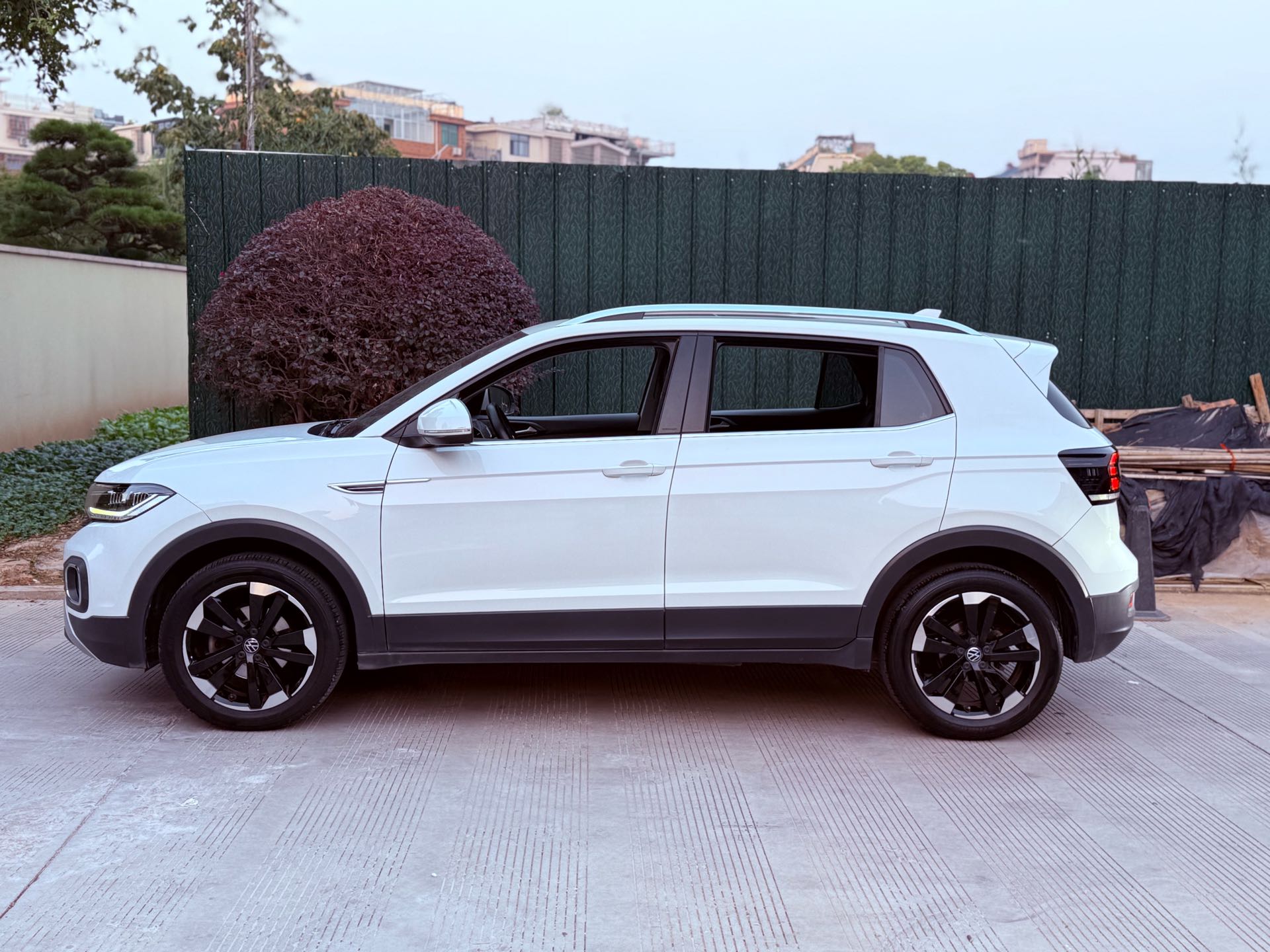
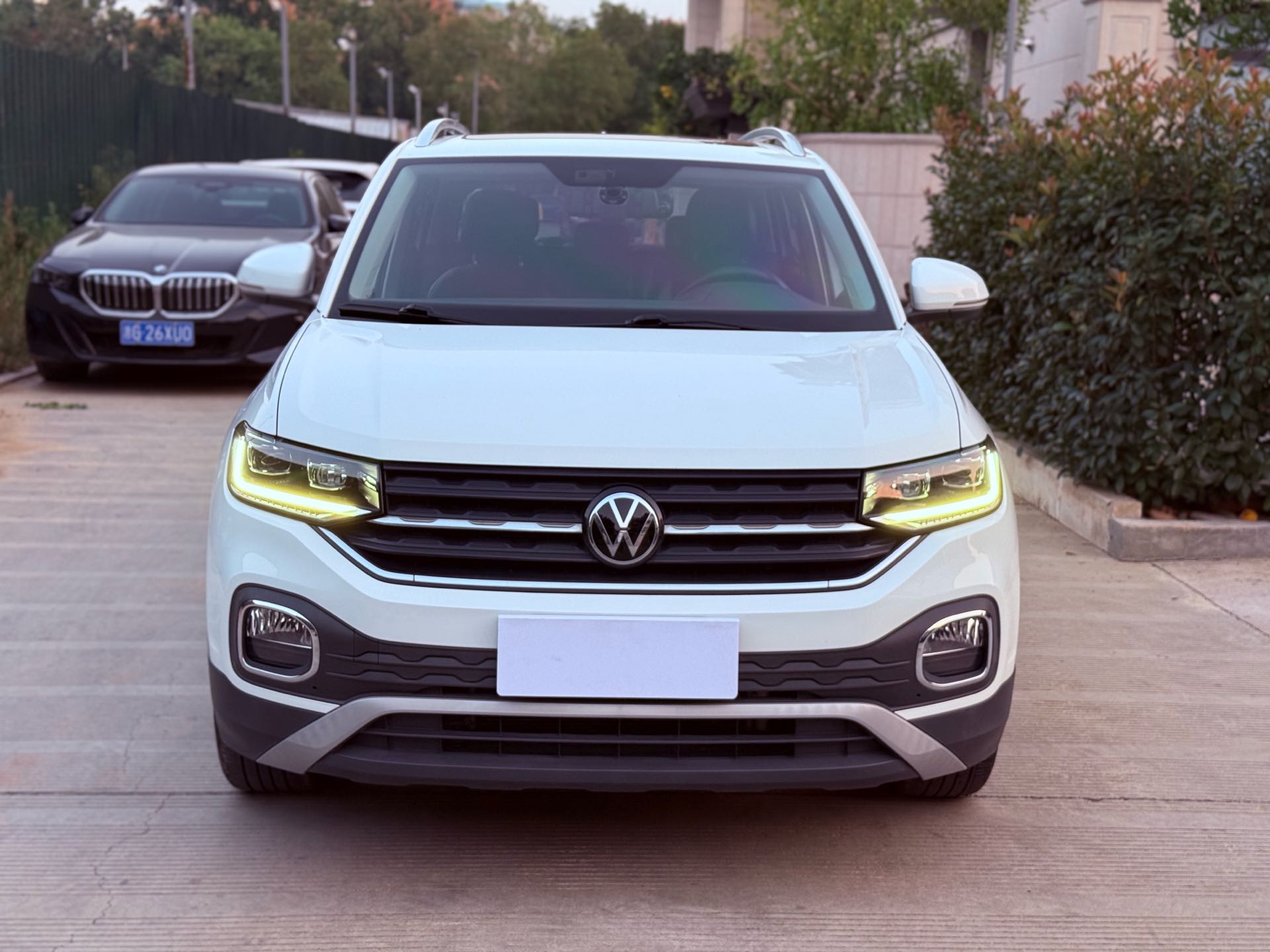
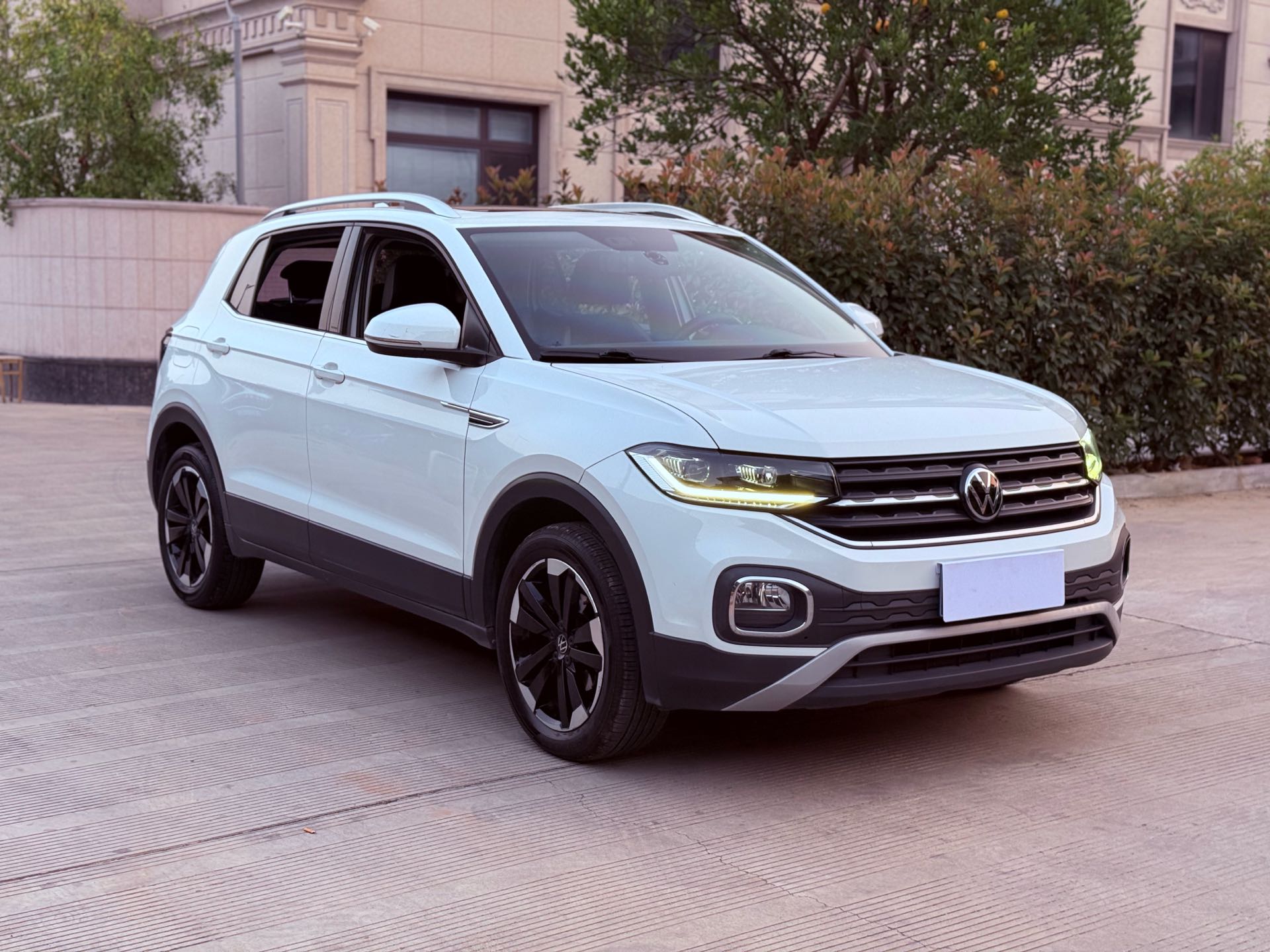
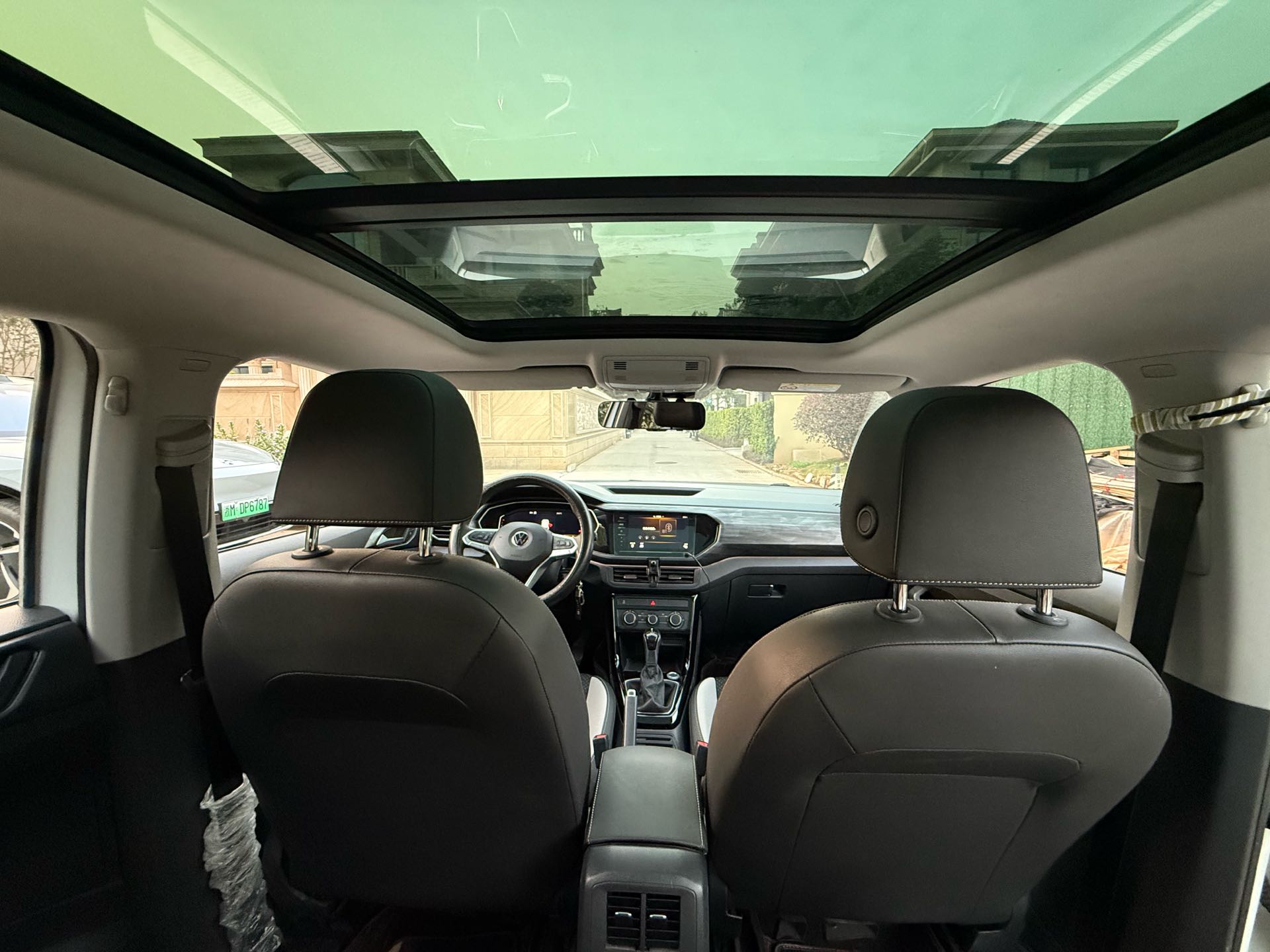
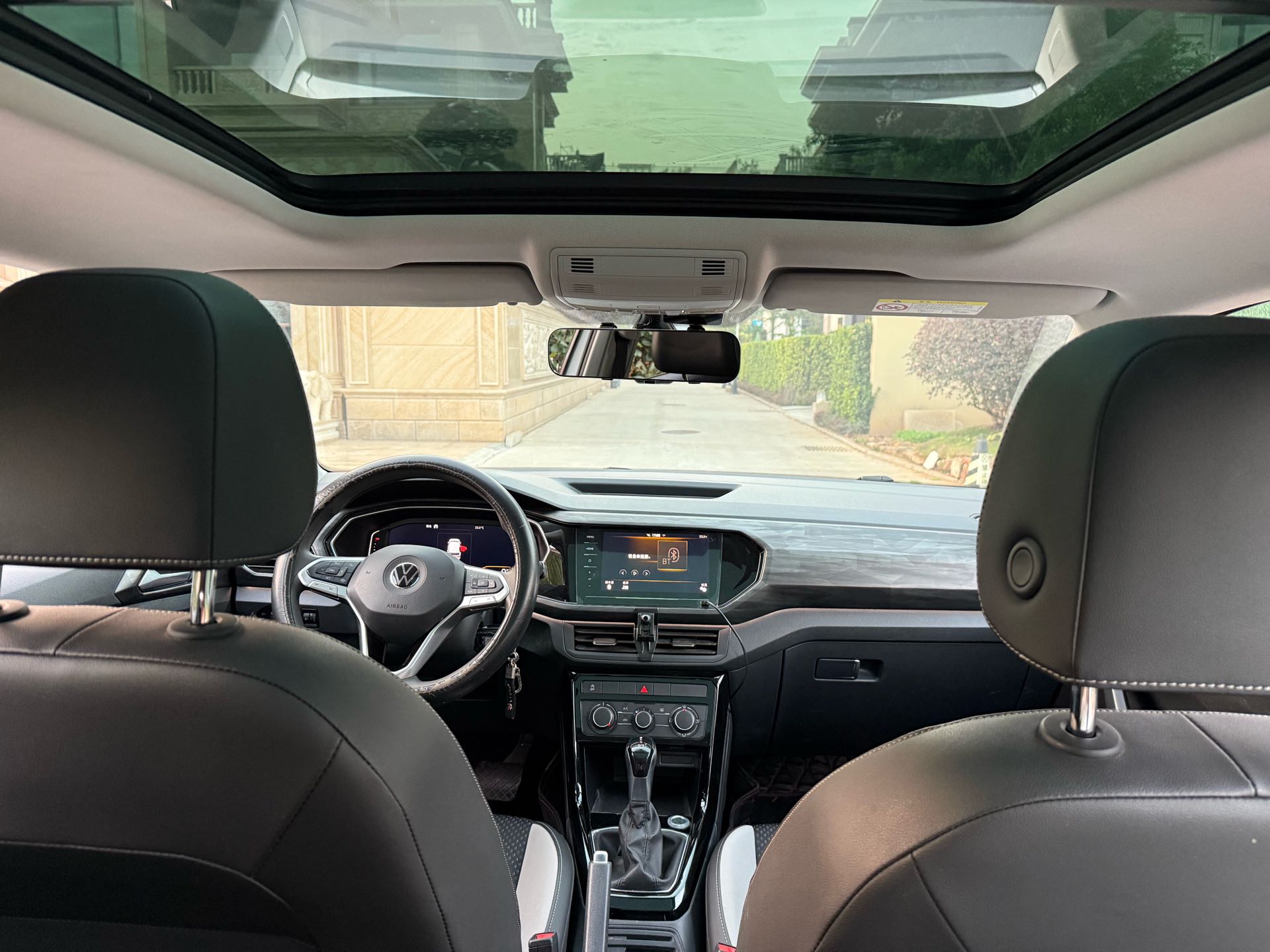
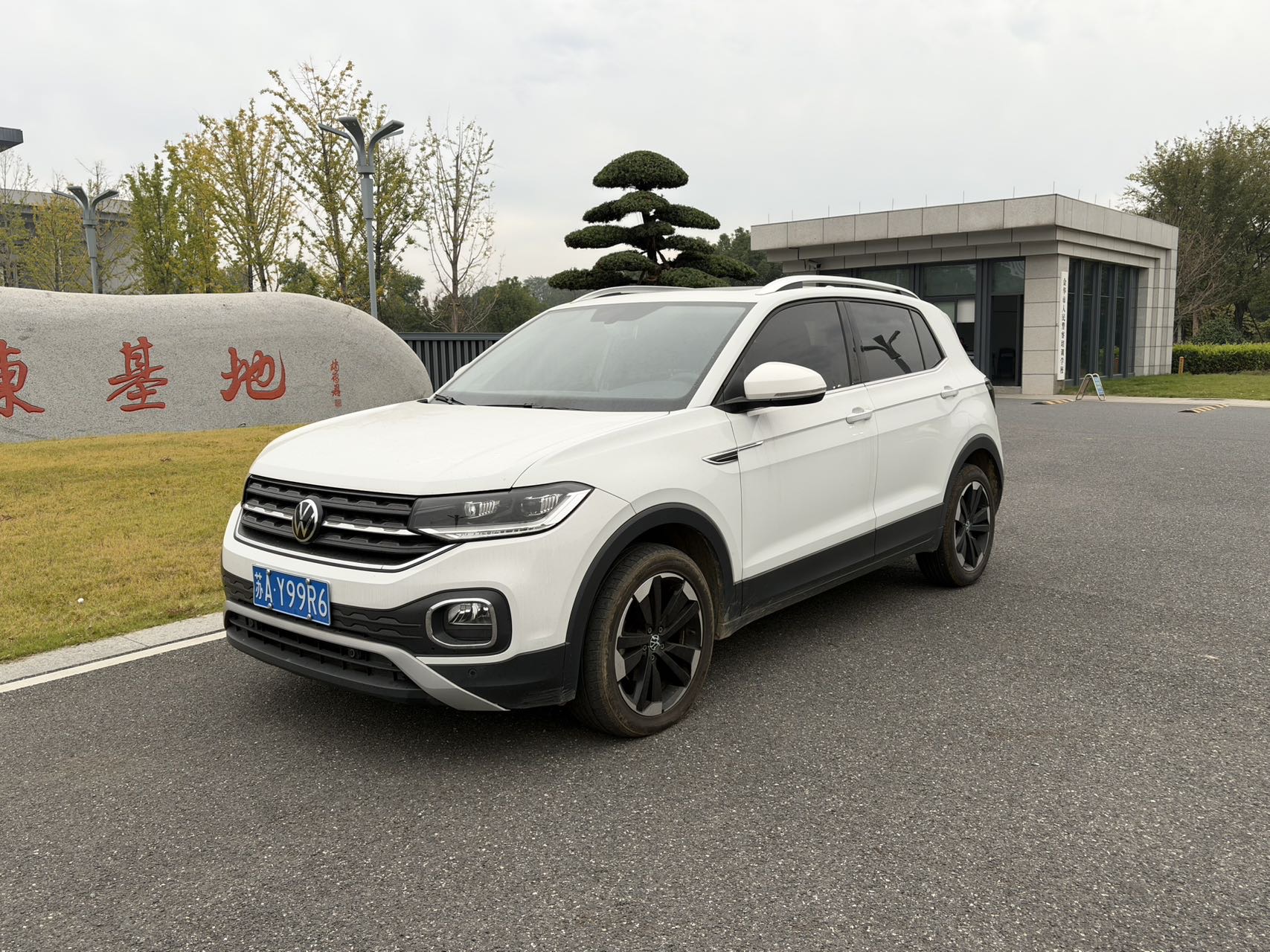
Basic Information

BrandVolkswagen
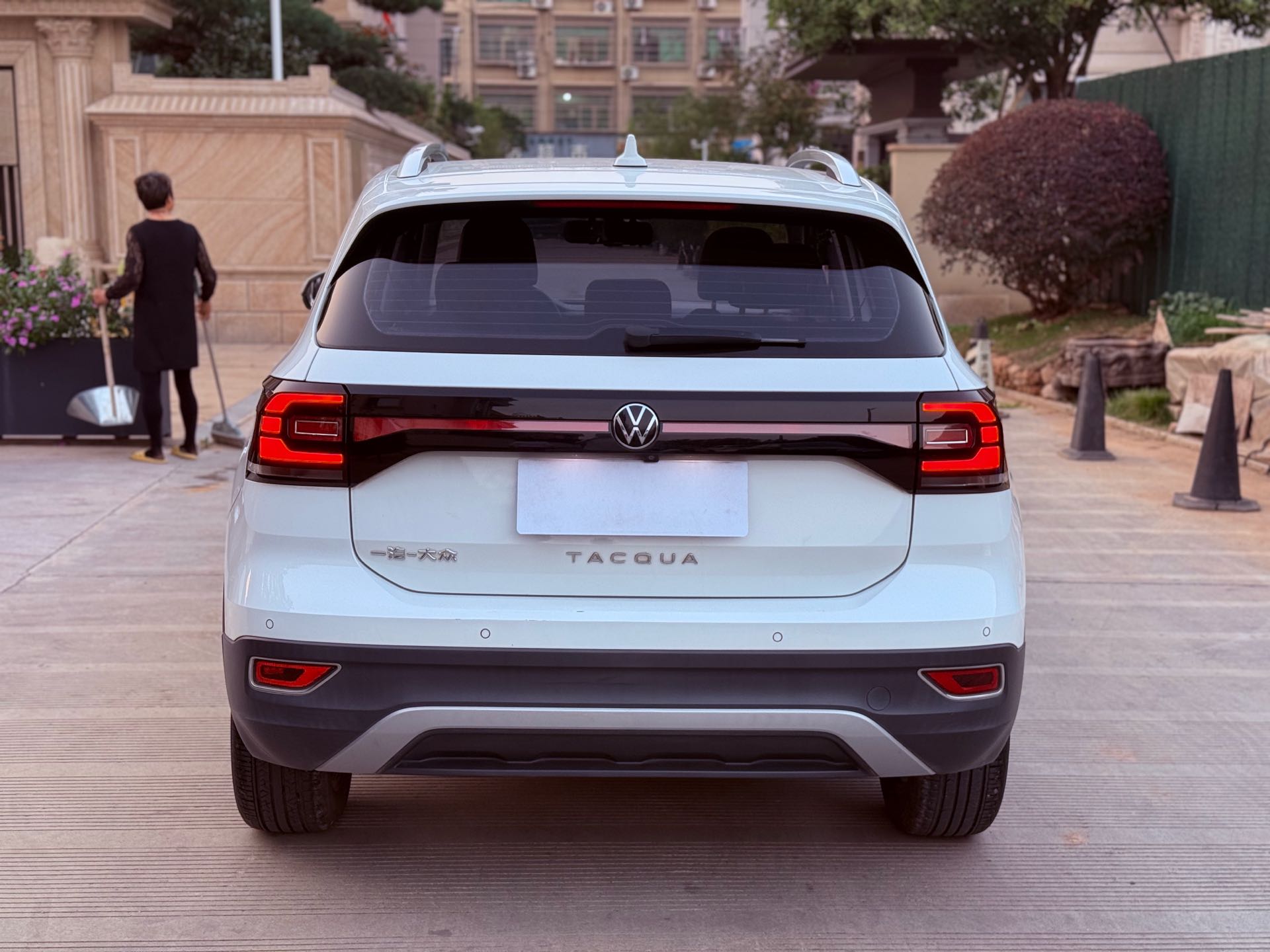
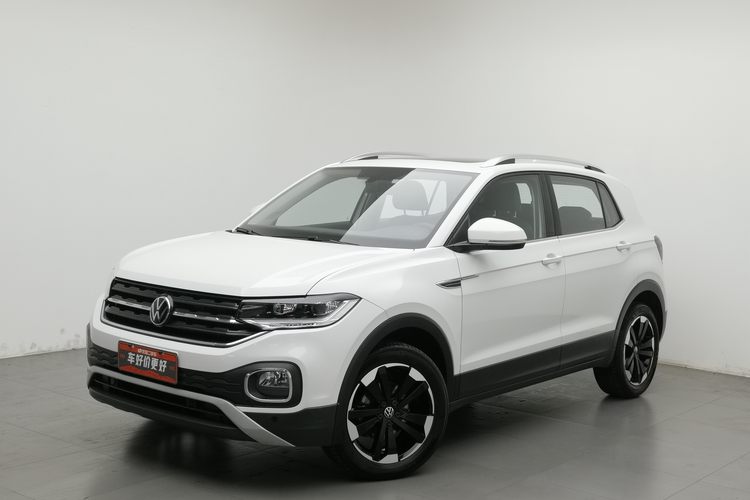
SeriesTacqua
Year2020
First Registration2020/12
Mileage30,000km
Transfer Count0times
FuelGasoline
TransmissionManumatic
Engine1.5L 113 L4
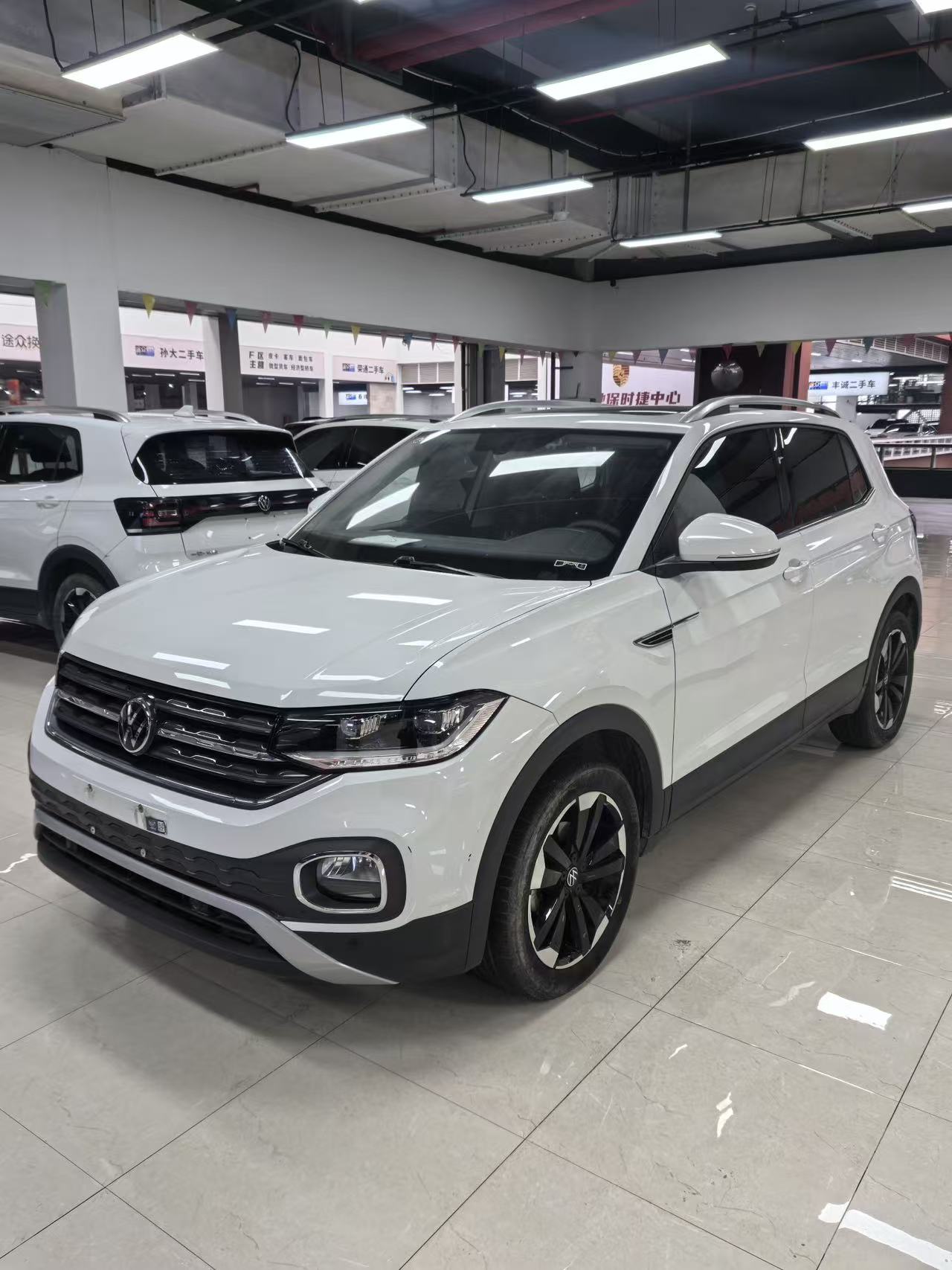
ColorWhite
Seats-

Condition Description

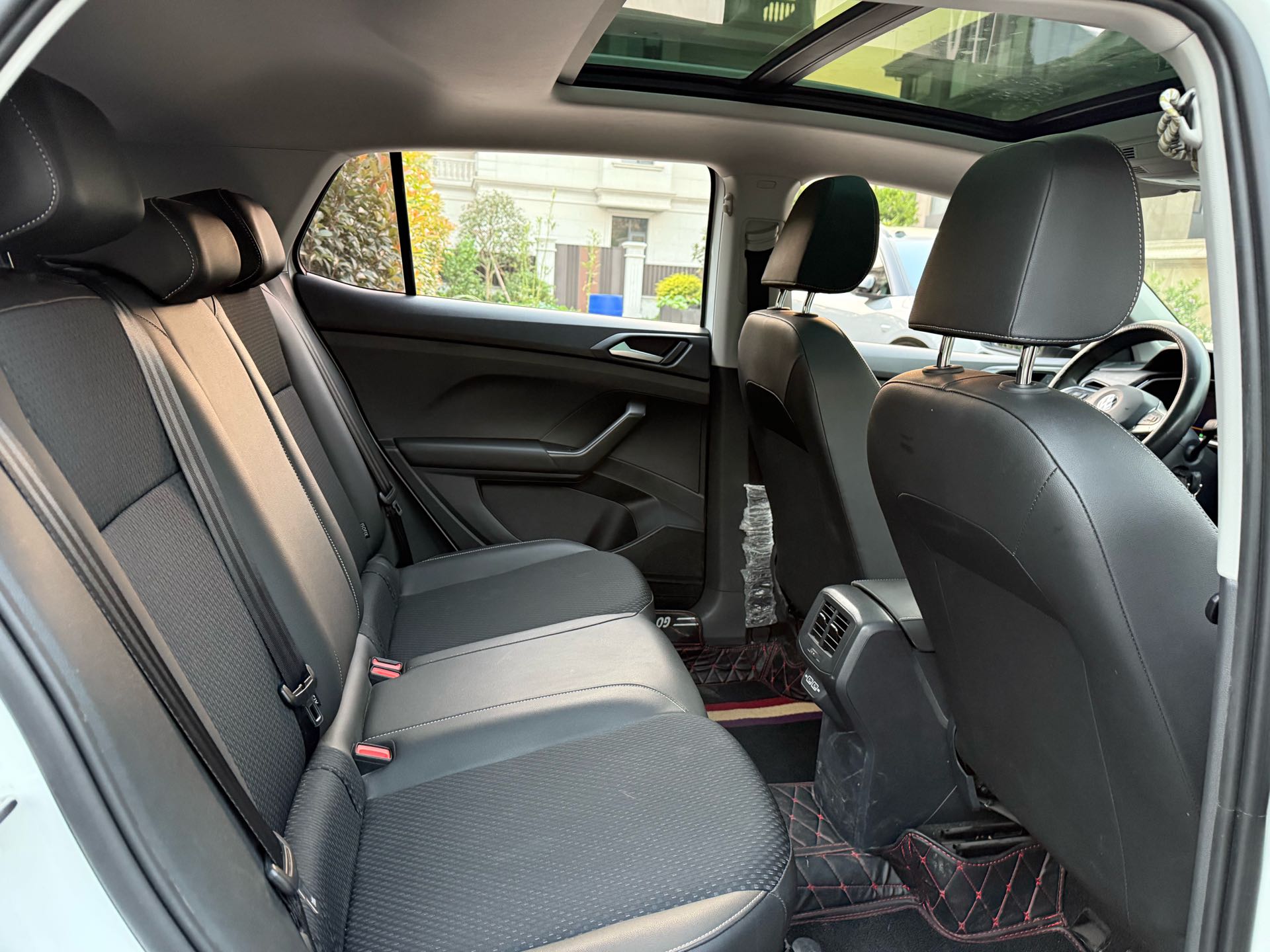
Original condition, all original paint, single owner, inspected by Cha博士 (Dr. Cha) with grade S.

Document Information

Inspection Expiry Date-
Warranty Expiry Date-
Insurance Expiry Date2026/12

Q&A

More

The bank returned my car payment due to compliance issues. Who bears the exchange rate loss and fees?

If the buyer's country is under international sanctions, or if the buyer fails to provide a legitimate source of funds leading to the bank returning the payment, all transfer fees and exchange rate losses incurred during this period are to be borne entirely by the buyer.

Which import documents do I need for a used car from China, and who issues each one?

The standard set is: 1. Commercial invoice and sales contract - issued by the exporter; the basis for customs valuation. 2. Packing list - exporter; details the vehicle and any spare parts shipped with it. 3. Bill of lading - issued by the shipping line; your proof of ownership of the cargo. Never pay the full balance before receiving at least a copy of it. 4. Certificate of origin - issued by the China Council for the Promotion of International Trade (CCPIT); some countries require it for preferential duty rates. 5. Export customs declaration - Chinese customs; confirms the car was legally exported. 6. Pre-shipment inspection report - issued by companies like Intertek, SGS or the EAA scheme, if your country mandates it. Ask the exporter for scanned copies of all documents before shipping so you or your broker can verify completeness.

How can I find out if a used Chinese car has flood or water damage history?

Flood cars are common after heavy rain seasons, and the damage often shows up months later in the wiring and electronics. Here is how to check before you buy. First, ask for the insurance claim history using the VIN. Flood claims are usually recorded, and any mention of water damage, interior drying, or electrical repair should stop the deal. Second, inspect the interior yourself or via video call. Pull up the carpet edges and look for mud residue, water marks, or rust on seat rails and seatbelt buckles. Seatbelts that retract slowly or have a musty smell were often submerged. Third, check hidden cavities: the spare tire well, glove box, and under the trunk lining. Silt or a tide line there is a strong flood indicator. Fourth, look for condensation behind the instrument cluster and inside the headlights. Persistent fog in the lamps is a classic sign of water immersion. Finally, an OBD scan can help: flood cars often store scattered error codes across unrelated modules (airbag, ABS, body control) because corroded connectors corrupt the network. If several of these signs appear together, walk away. Flood damage is almost never worth repairing, and it will haunt the car's electronics for its whole life.