


Basic Information

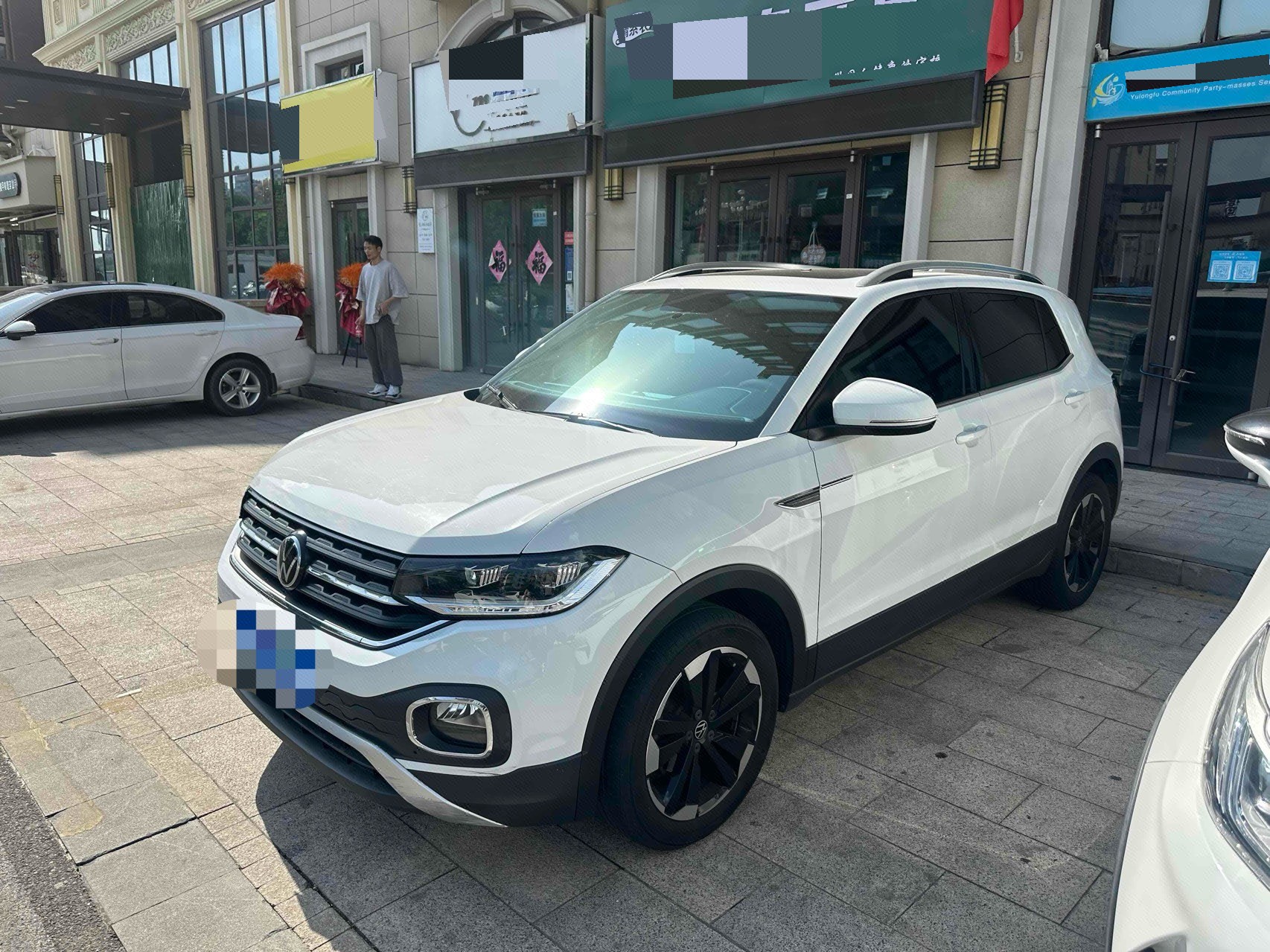
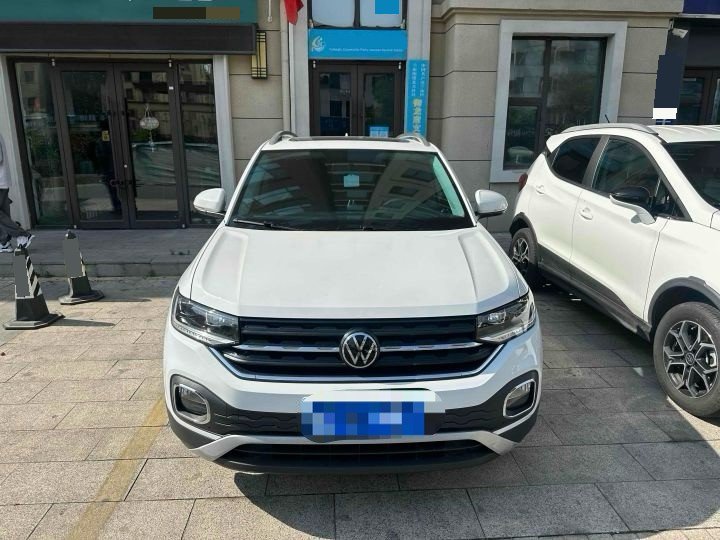
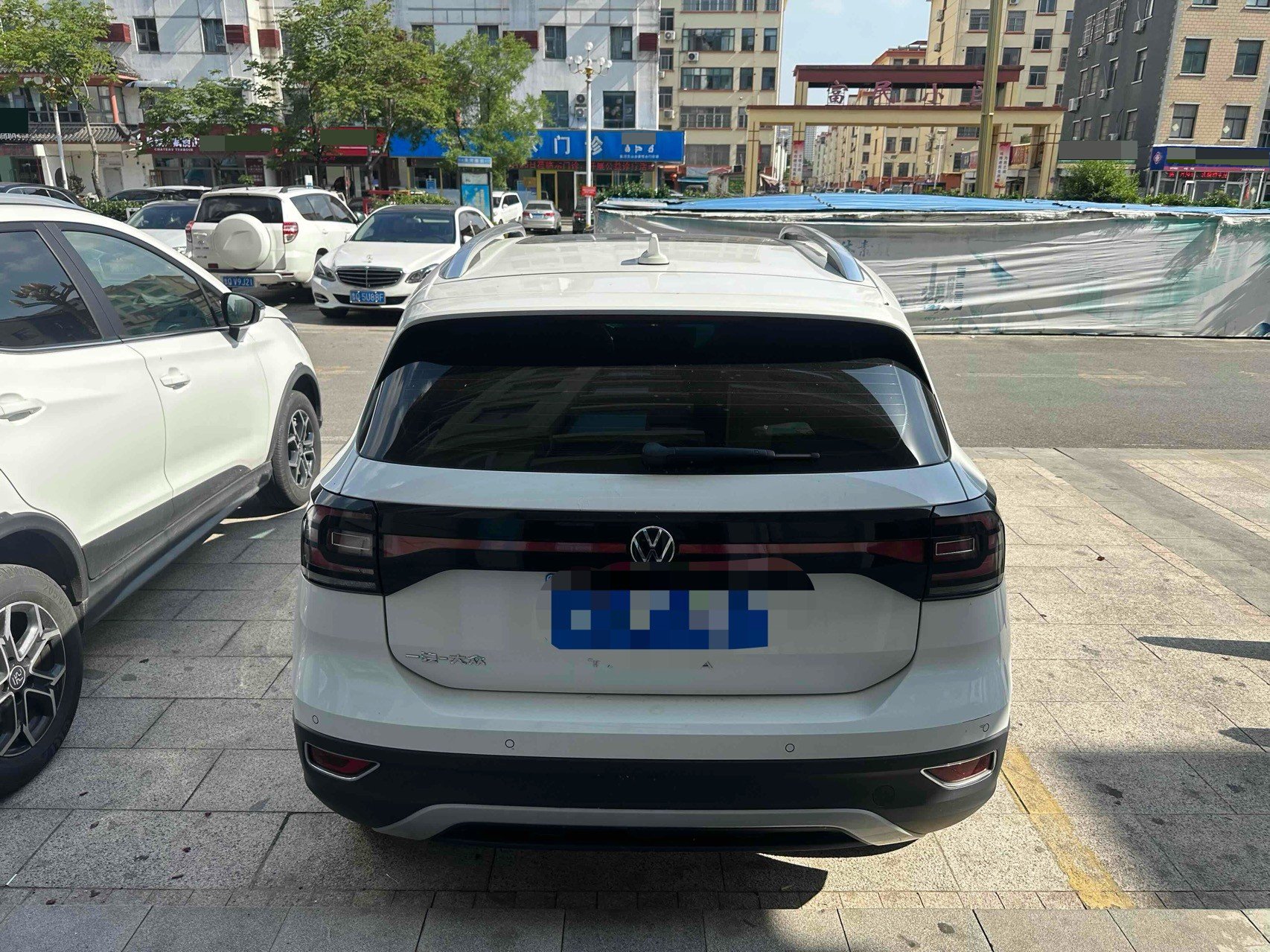
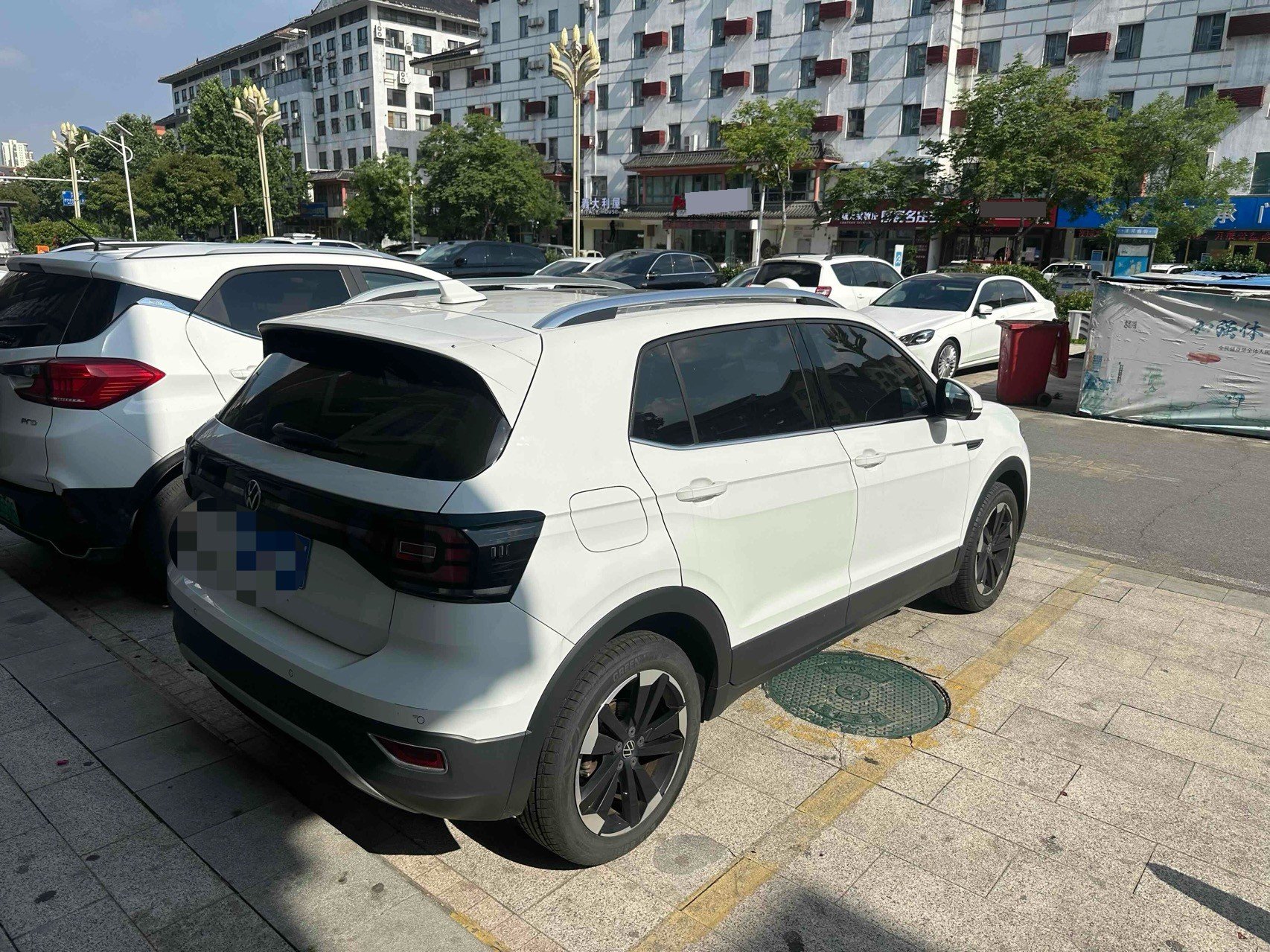
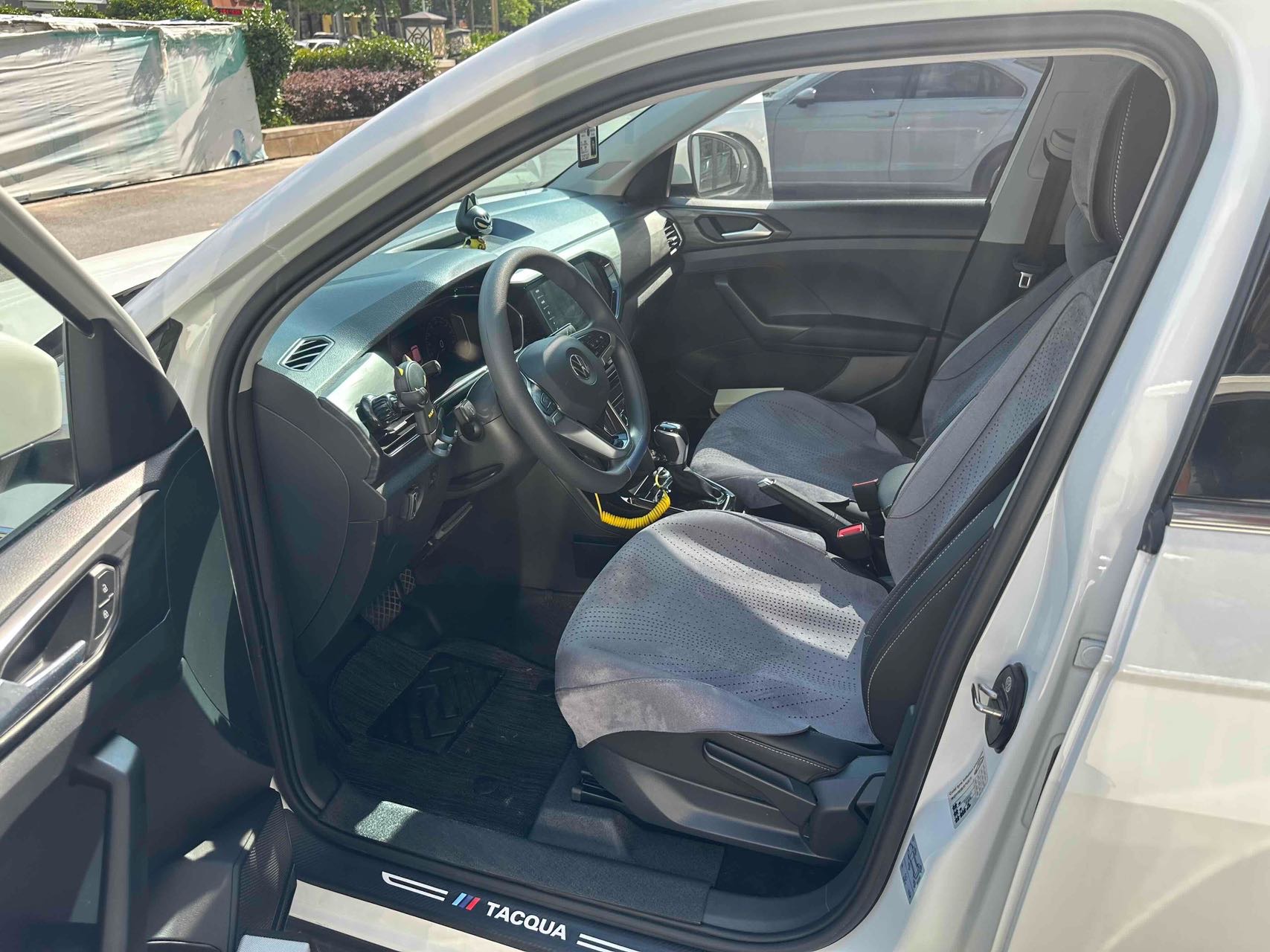
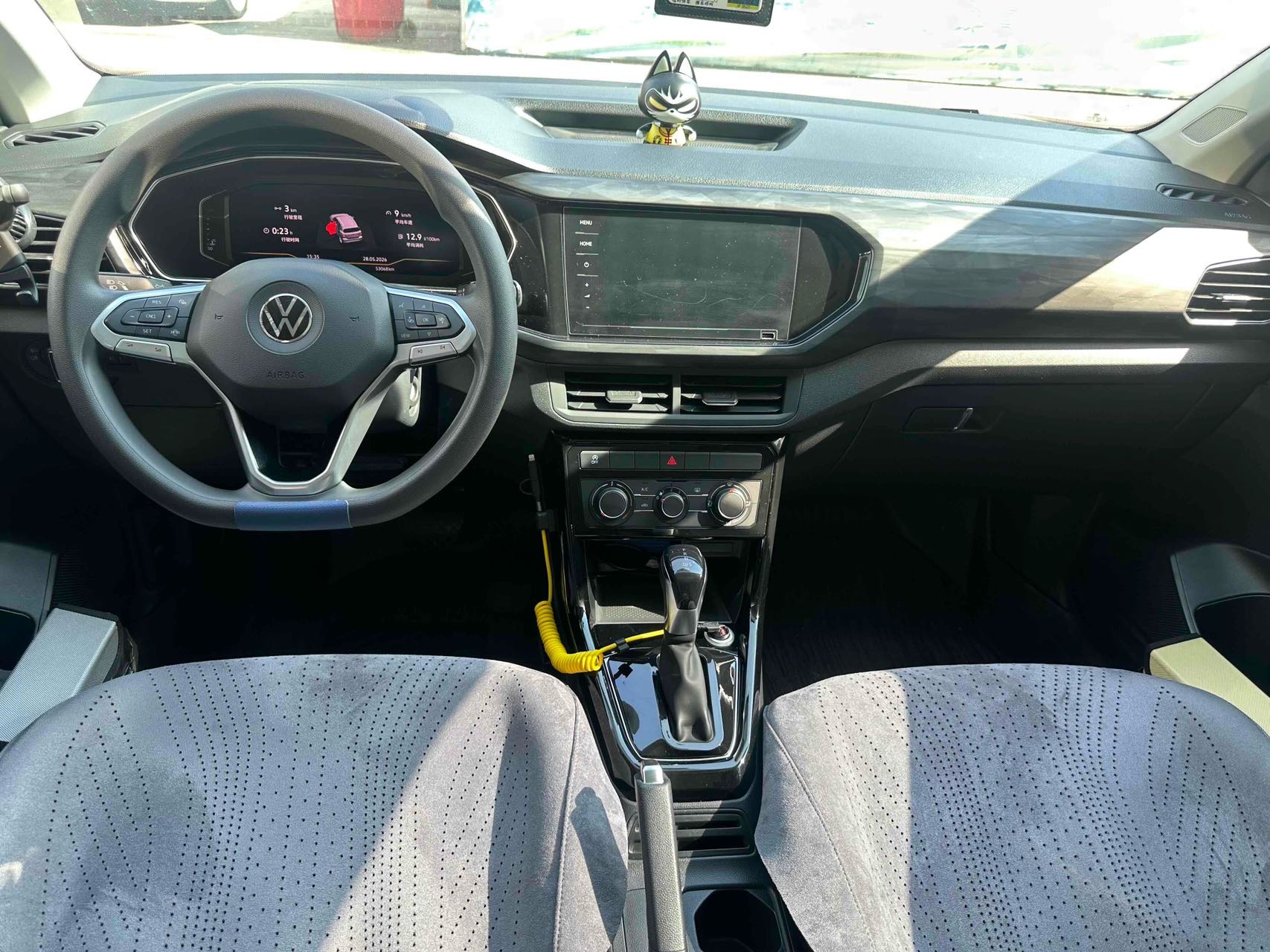
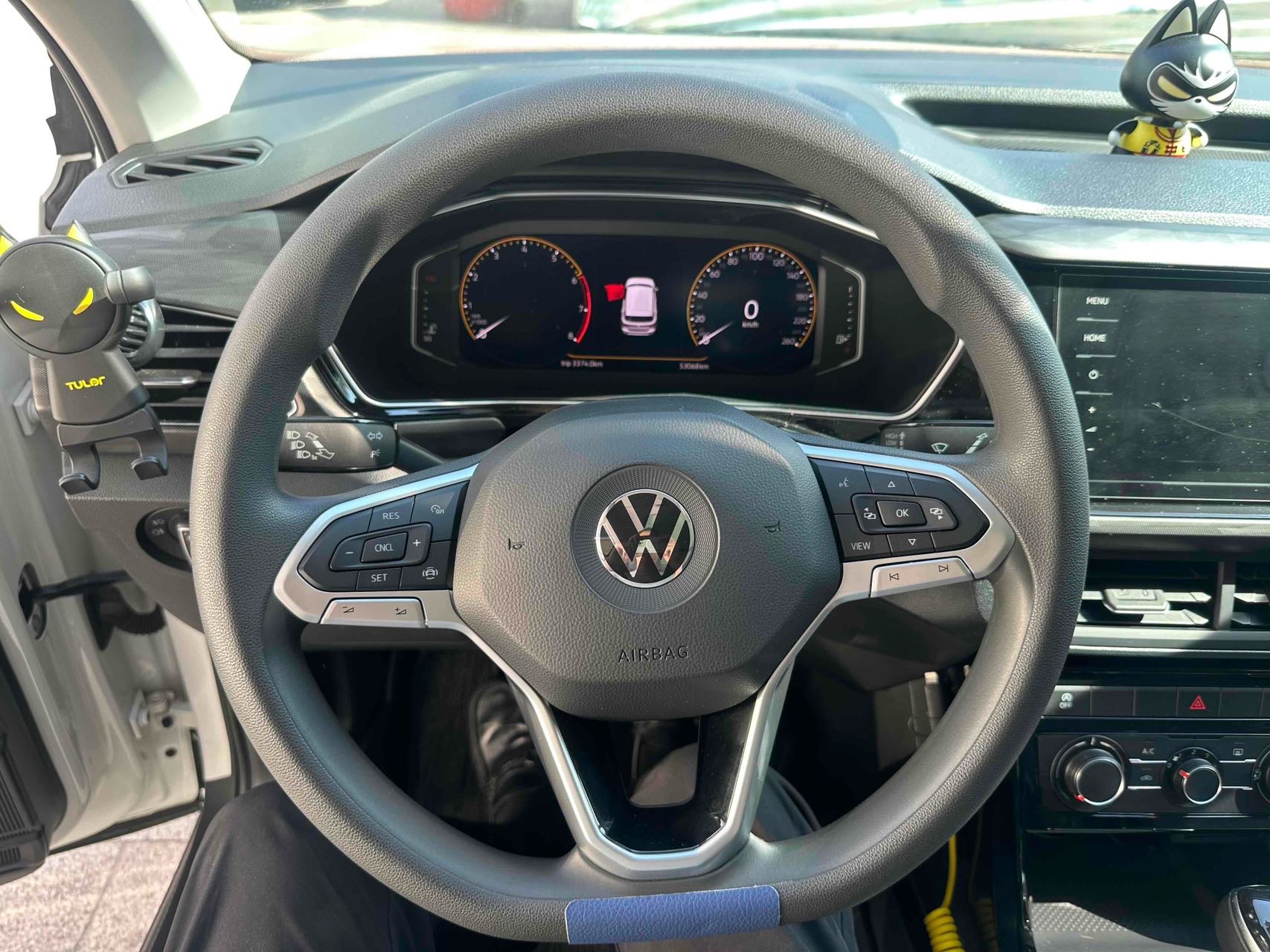
BrandVolkswagen
SeriesTacqua
Year2021
First Registration2021/01
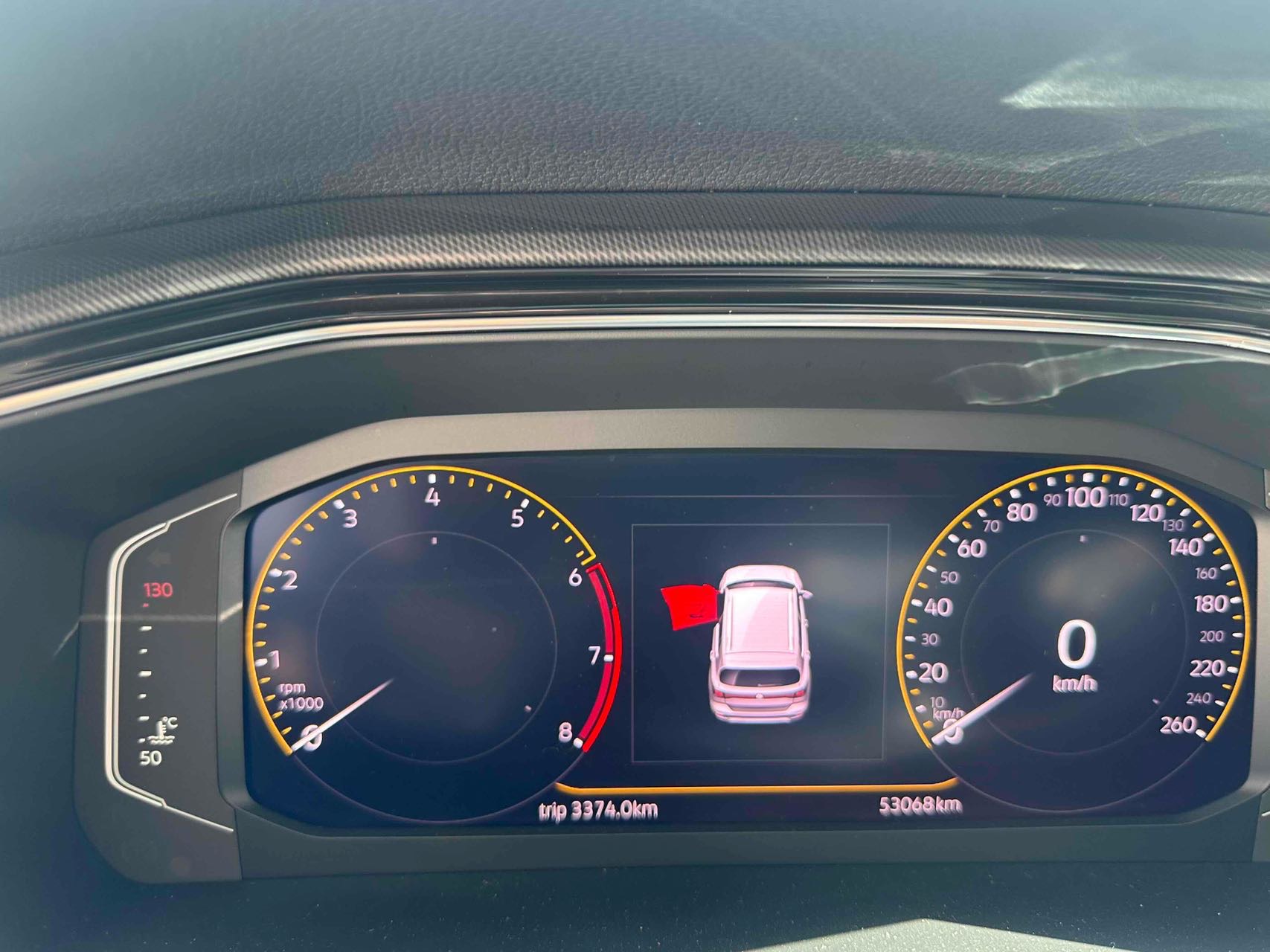
Mileage54,000km
Transfer Count0times
FuelGasoline
TransmissionManumatic
Engine1.5L 113 L4
ColorWhite
Seats-

Condition Description

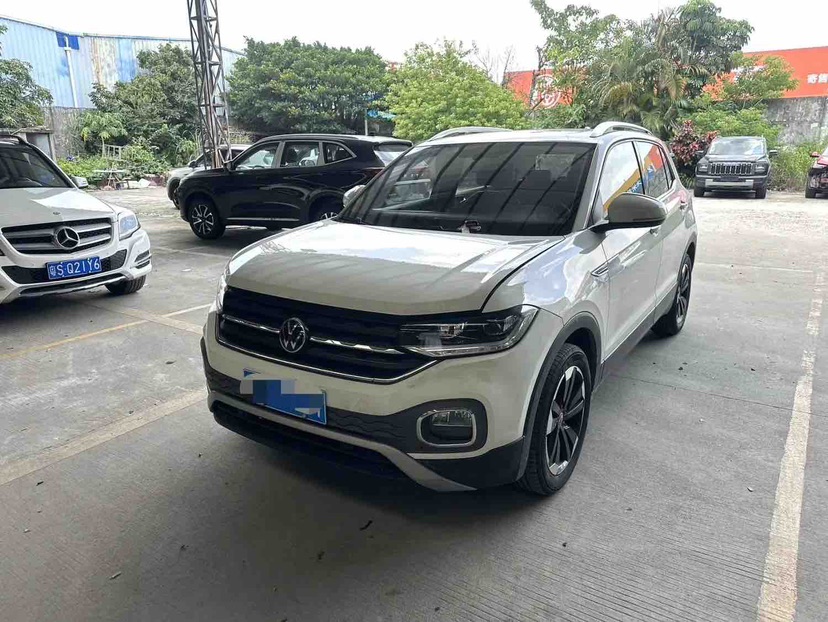
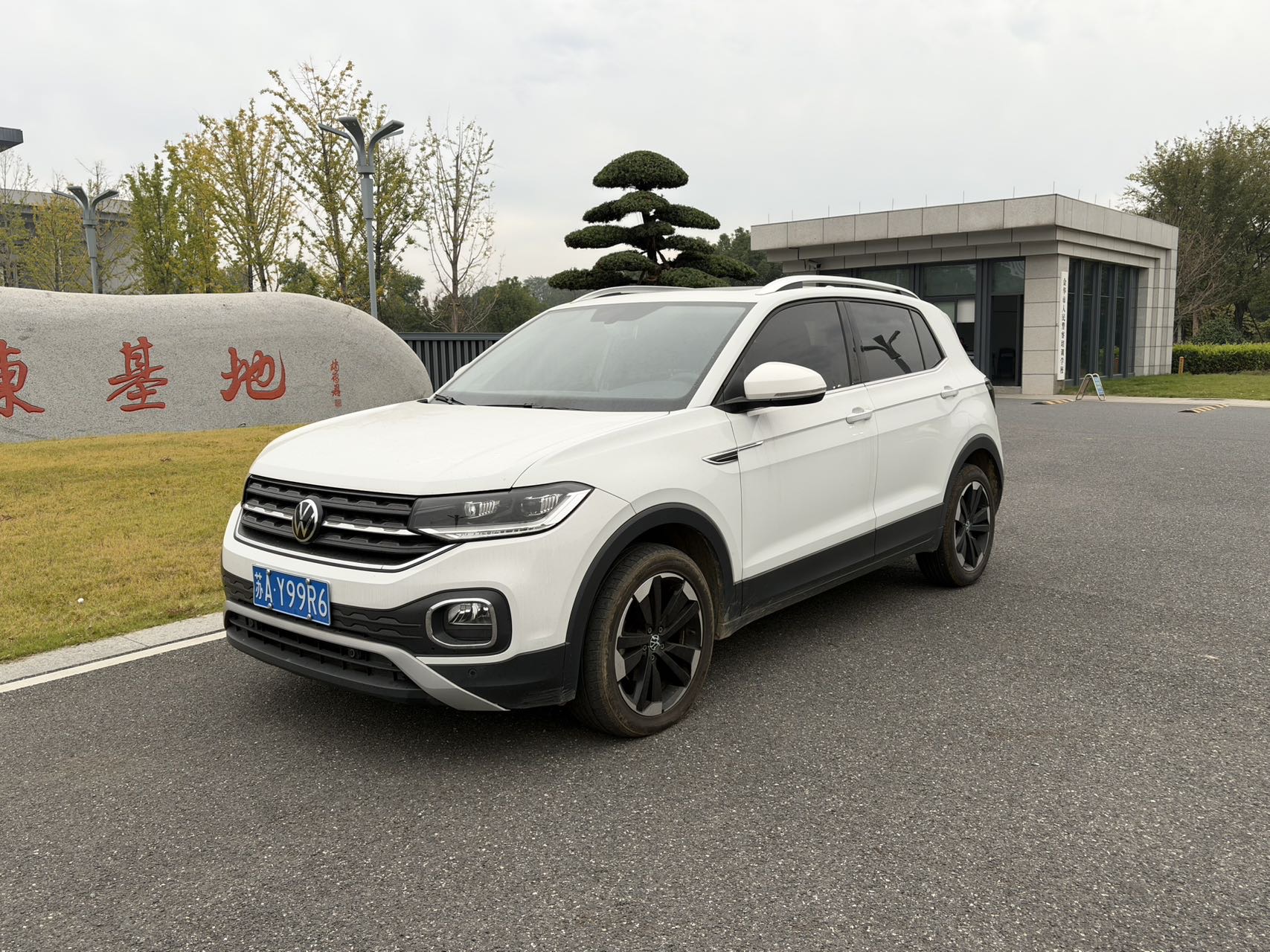
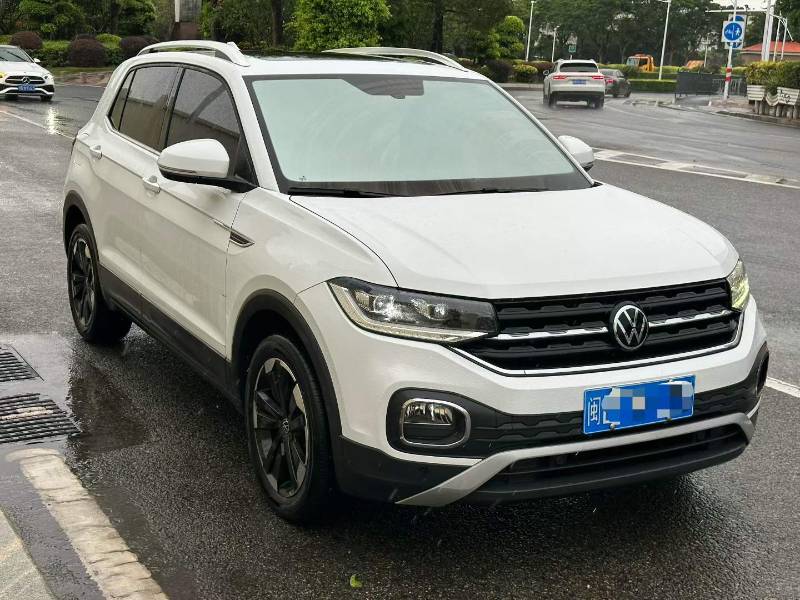
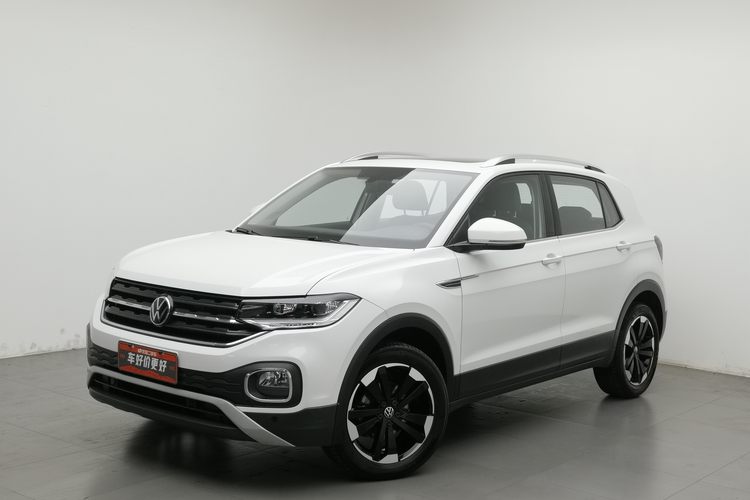
Right front fender scratched and repainted; right rear door partially repaired with sheet metal work and repainted. Single-owner vehicle.

Document Information

Inspection Expiry Date-
Warranty Expiry Date-
Insurance Expiry Date2027/01

Q&A

More

How do I verify the maintenance and service history of a used car in China before buying it?

A complete service history tells you more about a car than its mileage. In China, most maintenance is done at authorized (4S) dealers, and each visit is recorded in the brand's national database. First, ask the seller for the service booklet and maintenance invoices, then have your inspection agent call the brand's 4S network with the VIN to pull the full service record. This shows oil changes, major repairs, recall work and accident-related repairs. Second, check that the mileage recorded at each service visit increases logically. A gap between the database mileage and the dashboard reading is a red flag. Third, ask for the annual inspection (nianjian) records, which are mandatory in China and show whether the car passed emissions and safety checks on time. If the seller claims a full service history but the database shows no records, assume the car was maintained at small independent shops or neglected. Adjust your offer accordingly — plenty of used cars in China have documented histories.


How do I check the battery health (SOH) of a used Chinese EV before buying?

Battery condition is the single biggest value factor in a used EV, and it can be measured — do not accept a verbal "battery is fine" without data. First, ask for a battery health certificate: brands like BYD, NIO, XPeng and Li Auto can generate an official state-of-health report from the VIN, usually within minutes at a dealer or via the brand's app. Look for SOH above 85% for a car under five years old. Second, request a charge-and-discharge test during inspection: the displayed range at 100% charge compared with the original rated range gives a practical health estimate. Third, check battery warranty status. Most Chinese brands offer 8 years or 150,000–200,000 km on the battery pack, and the remaining warranty usually transfers with the car — get this in writing. Fourth, for cars heading to hot climates, confirm the battery cooling system works; overheating is a common killer of battery life. Add a minimum SOH guarantee to your purchase contract so you have recourse if the battery underperforms.

How can I judge the real condition of the tires and suspension of a used Chinese car from photos and video?

Photos and video can reveal a lot if you know what to ask for. Tires: ask for close-ups of all four tire sidewalls showing the DOT date code—the last four digits are the week and year of manufacture. Tires older than 5-6 years should be replaced or discounted, even with good tread. Uneven wear (more worn on one edge or one side) suggests alignment or suspension problems. Suspension: ask the seller to shoot a short video while slowly driving over a speed bump or rough pavement, and listen for clunks and rattles. During the walkaround, look at the ride height: if one corner sits lower, a shock absorber may be worn. Also check for fresh underbody paint or brand-new shocks on an otherwise original car—this can hide accident damage. For anything uncertain, a paid pre-purchase inspection at a local shop is worth the cost.