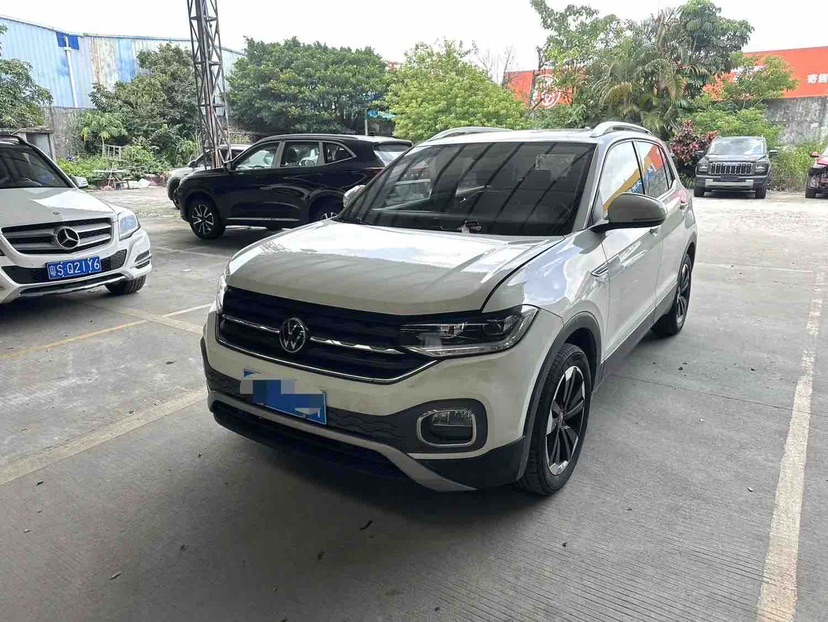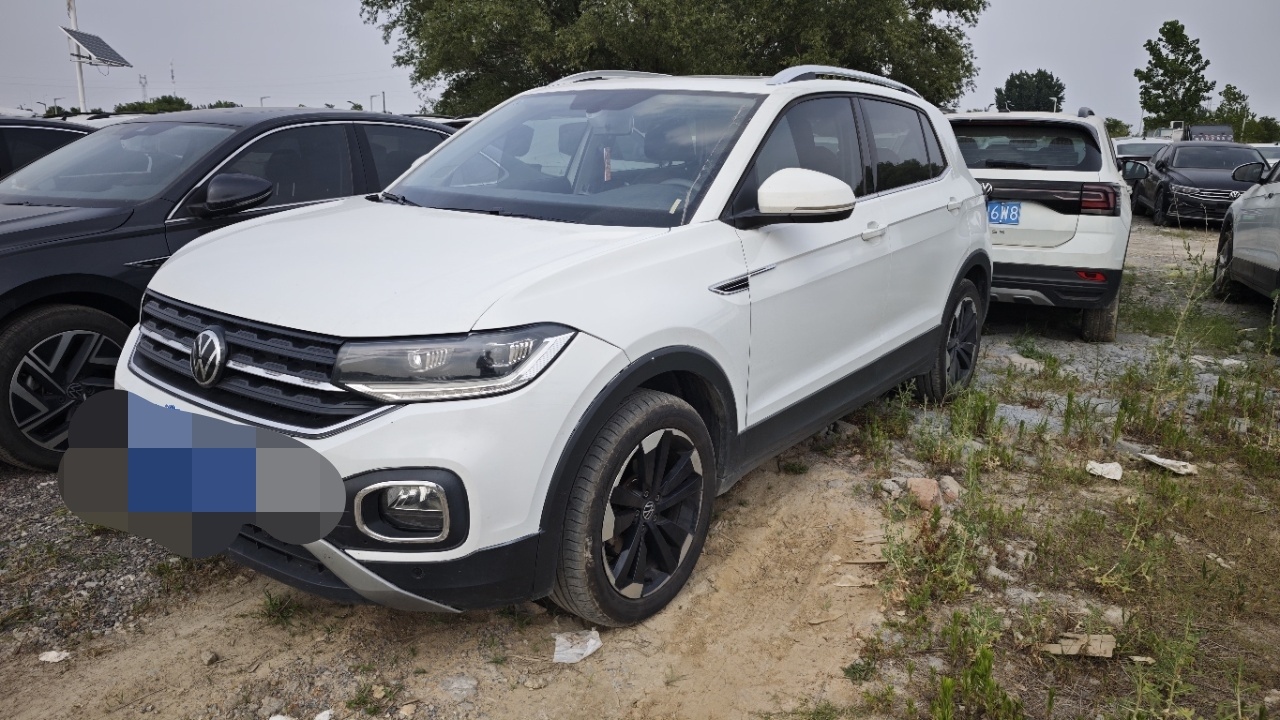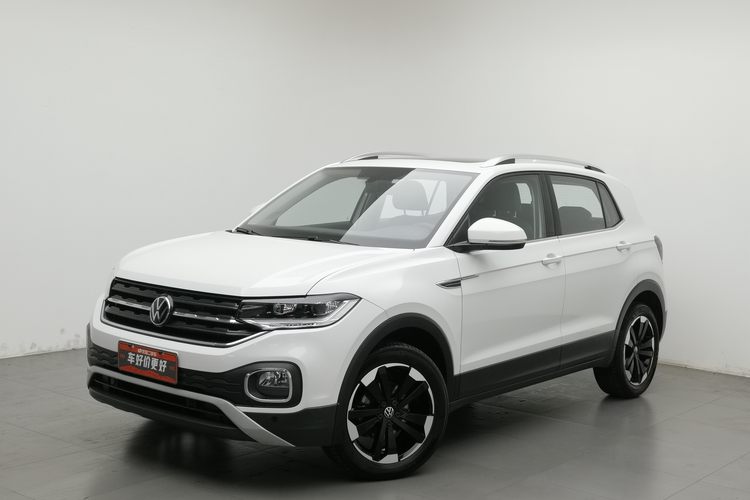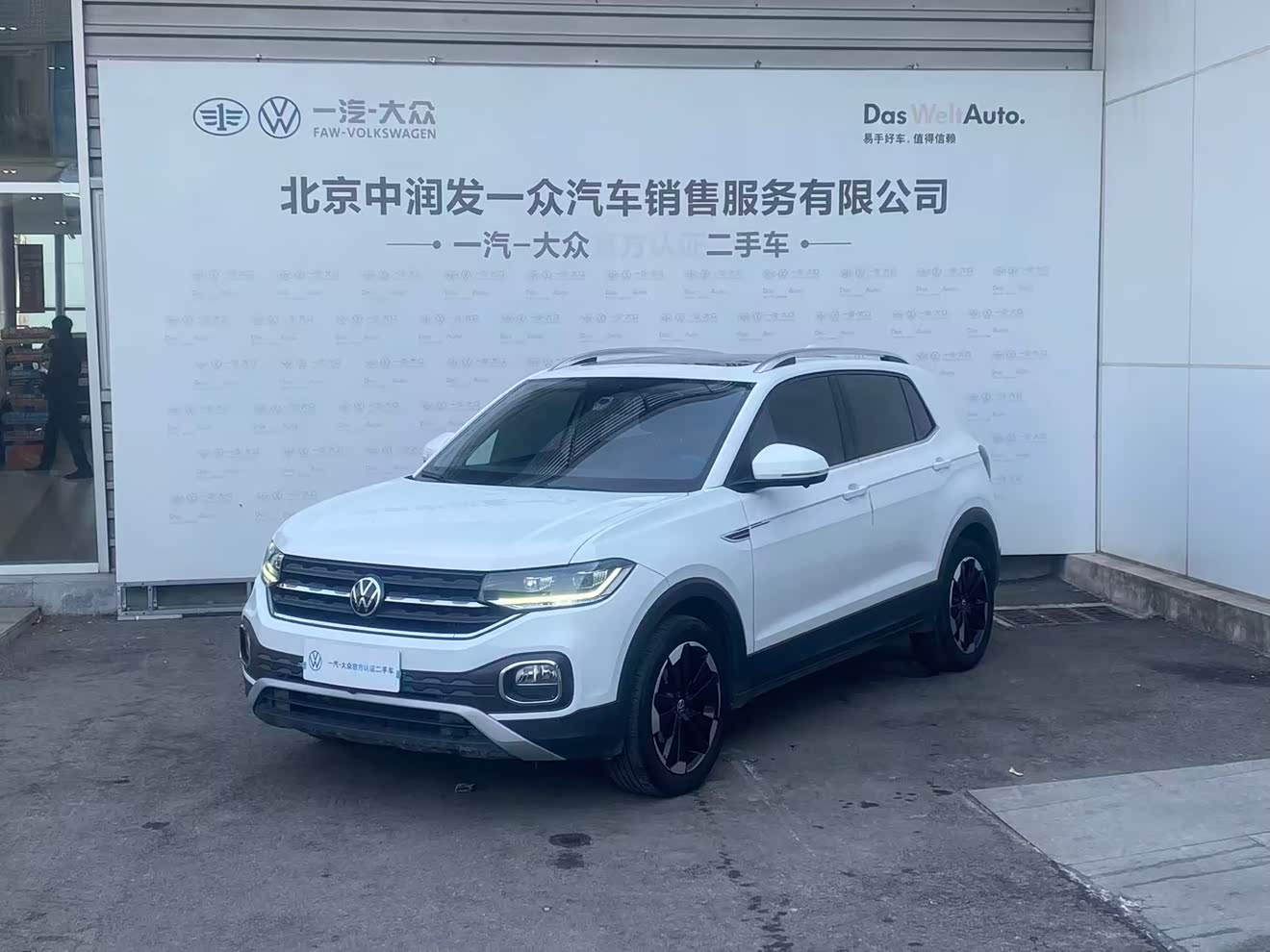
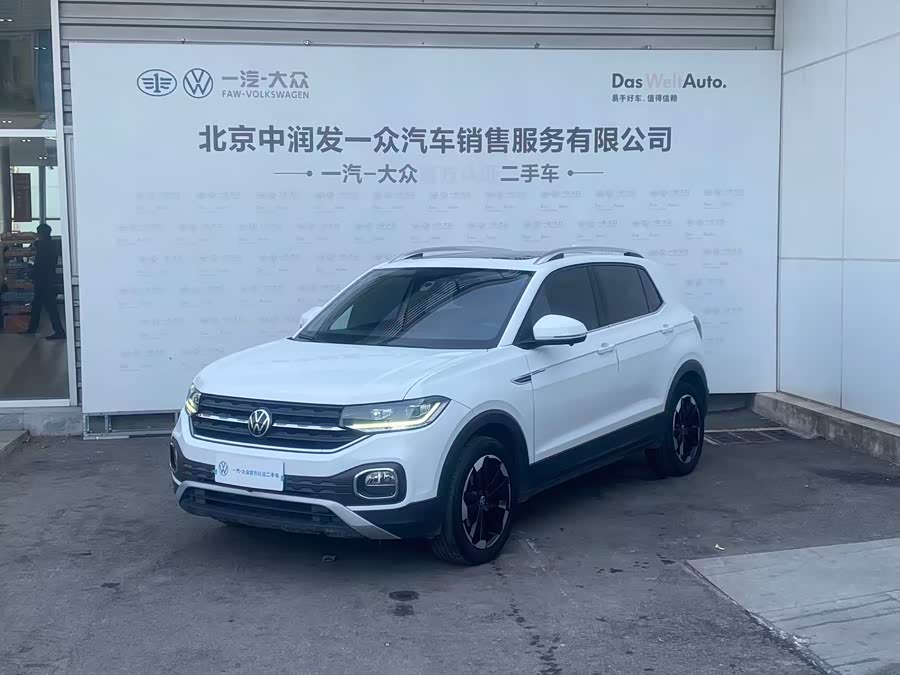
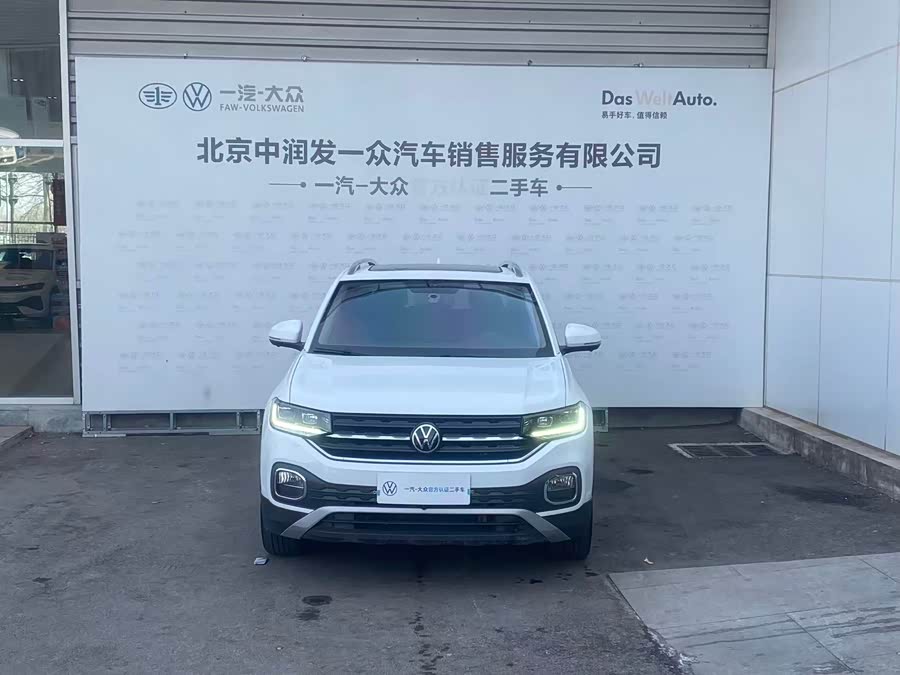
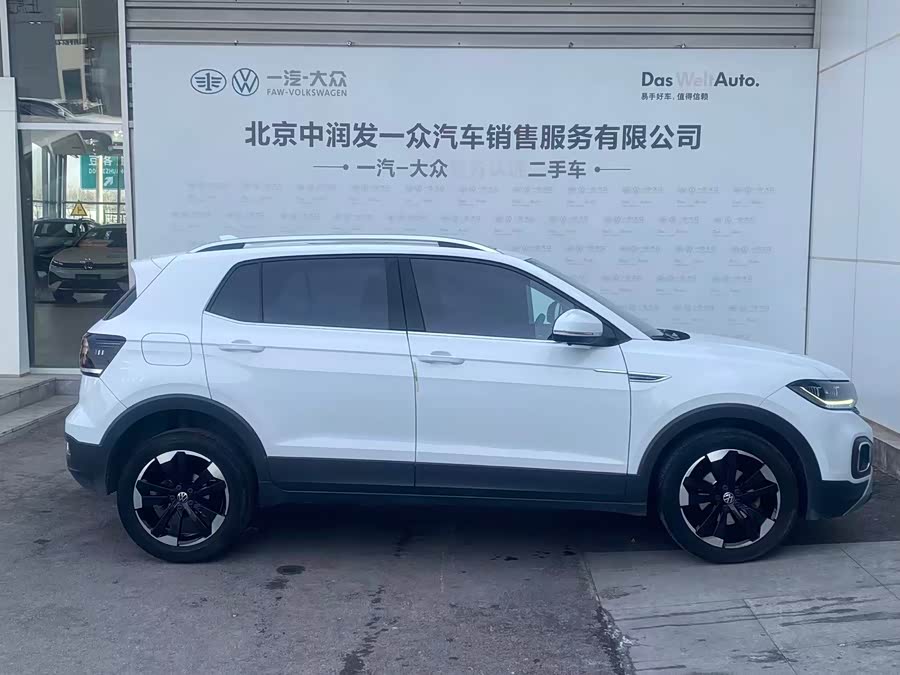
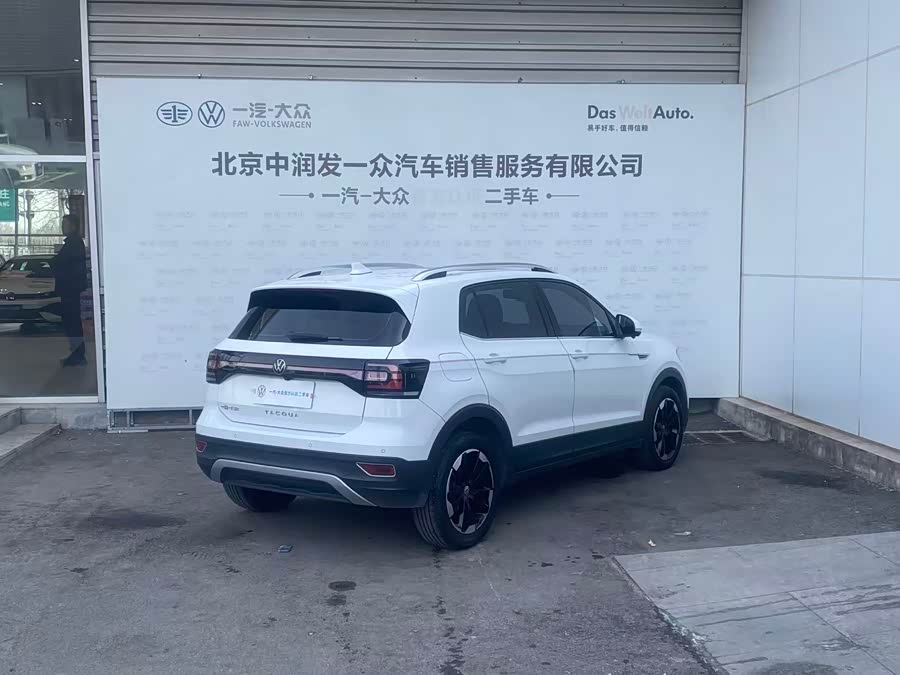
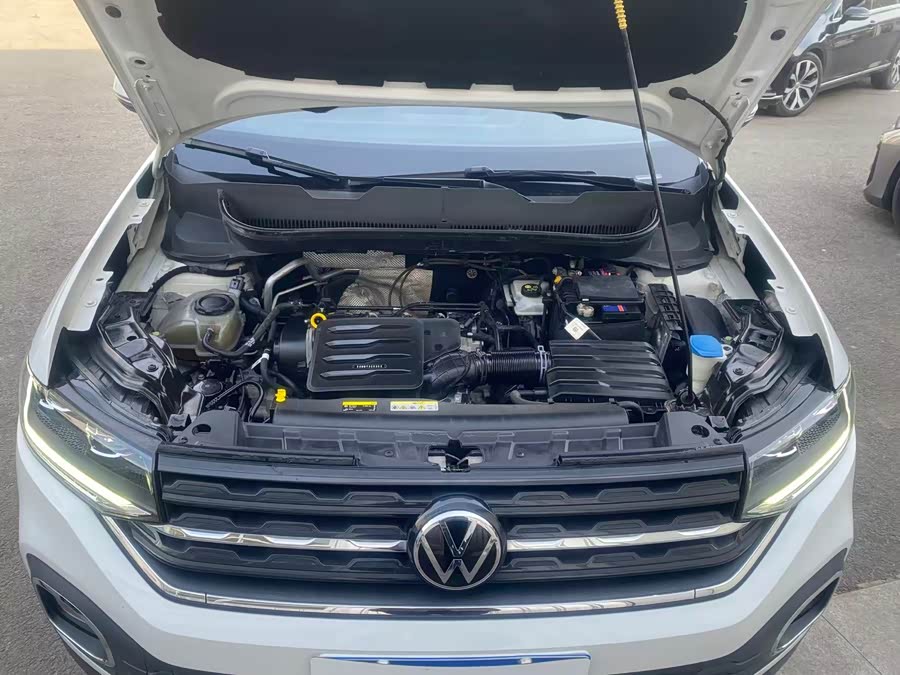
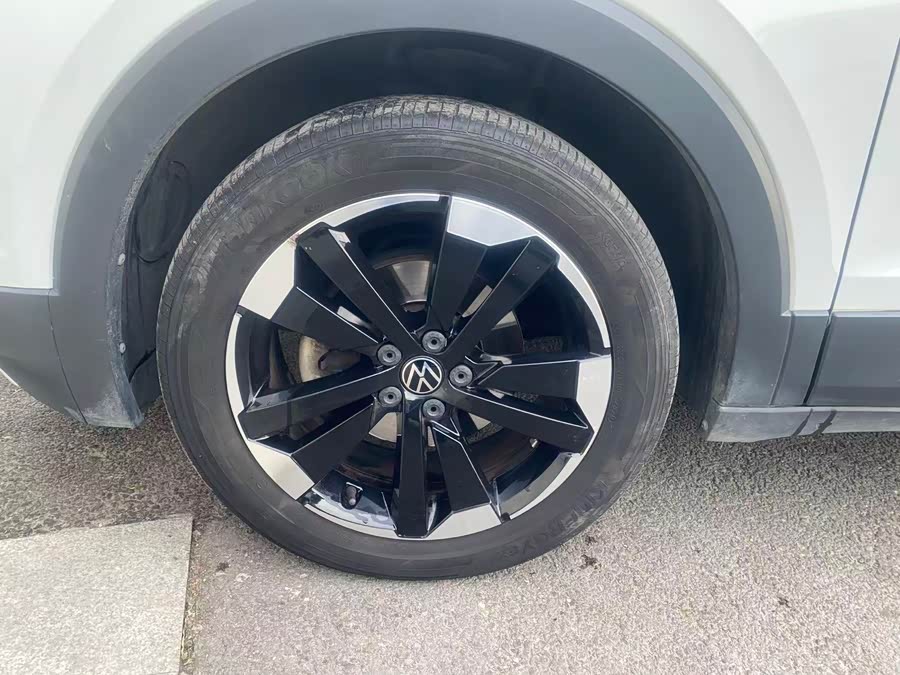



Basic Information

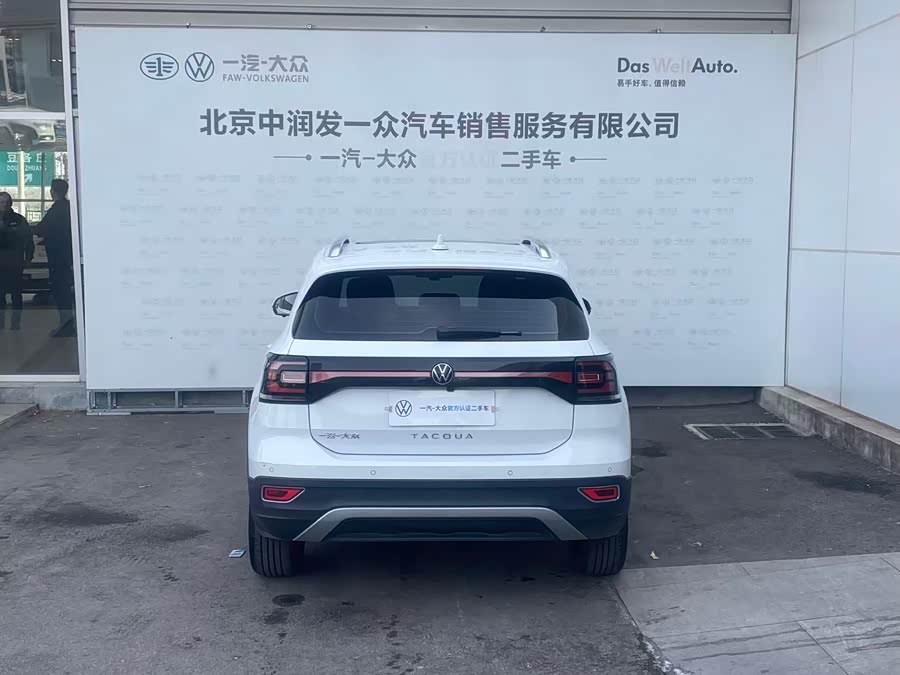
BrandVolkswagen
SeriesTacqua
Year2021
First Registration2021/02
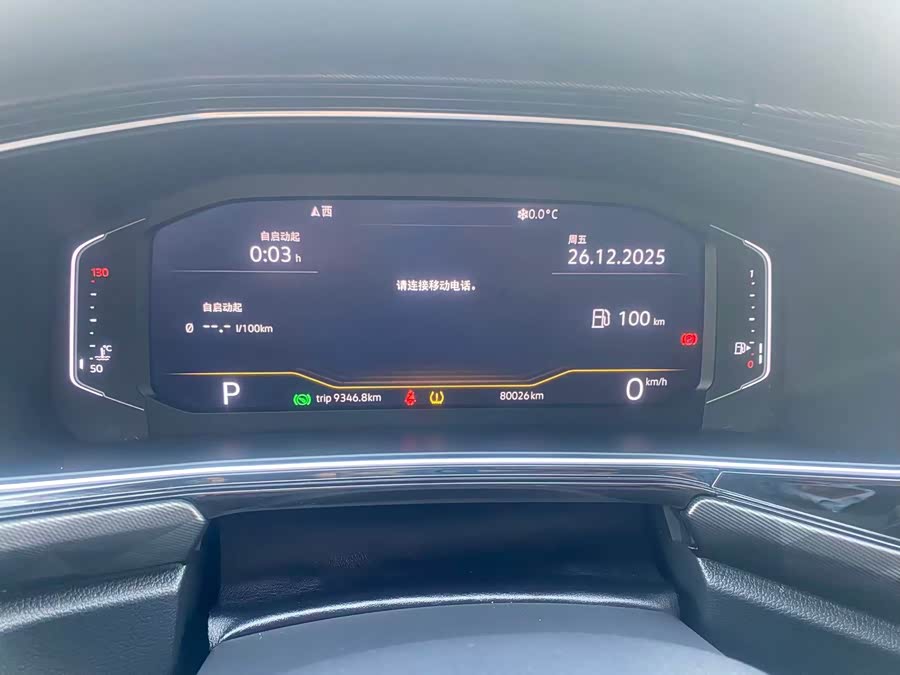
Mileage80,000km
Transfer Count1times
FuelGasoline
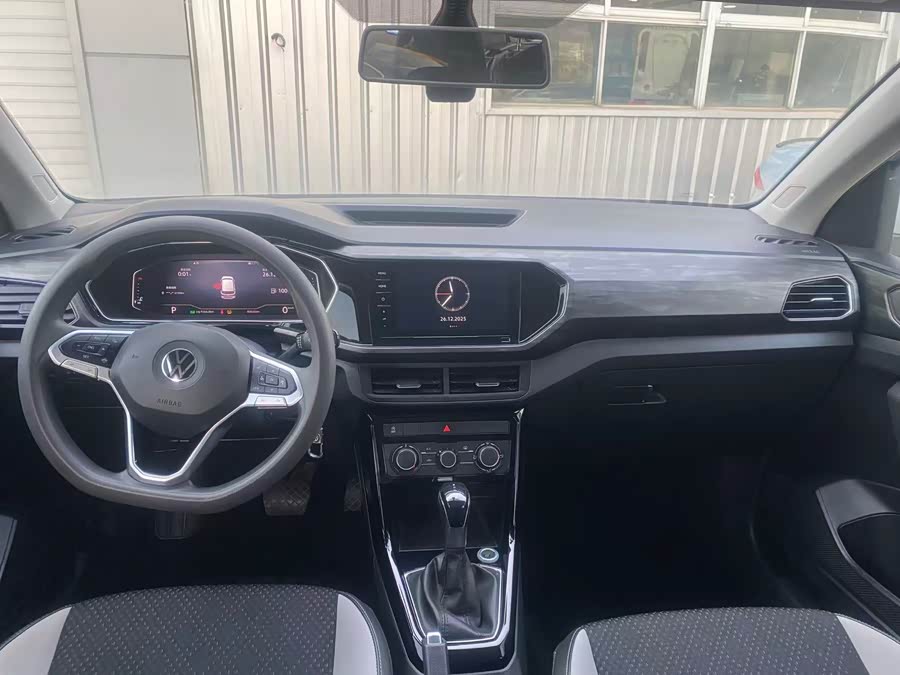
TransmissionManumatic
Engine1.5L 113 L4
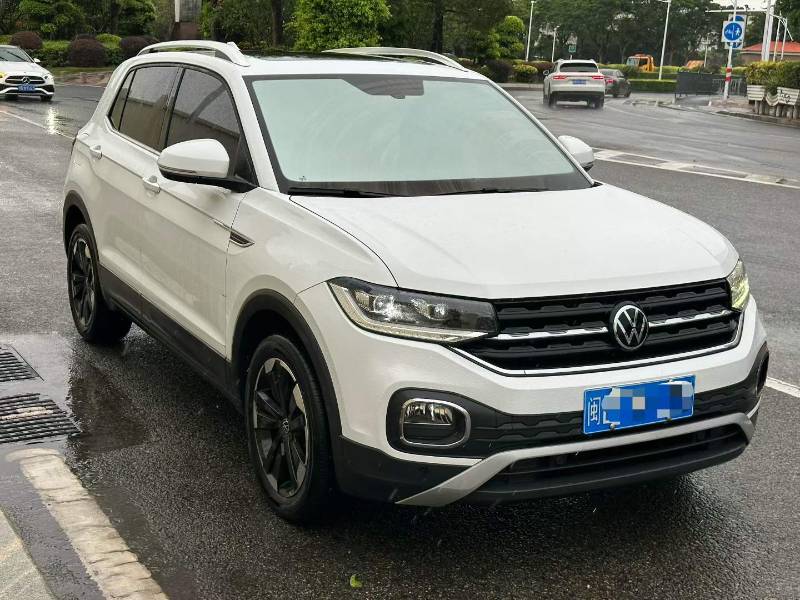
ColorWhite
Seats-

Condition Description

very good

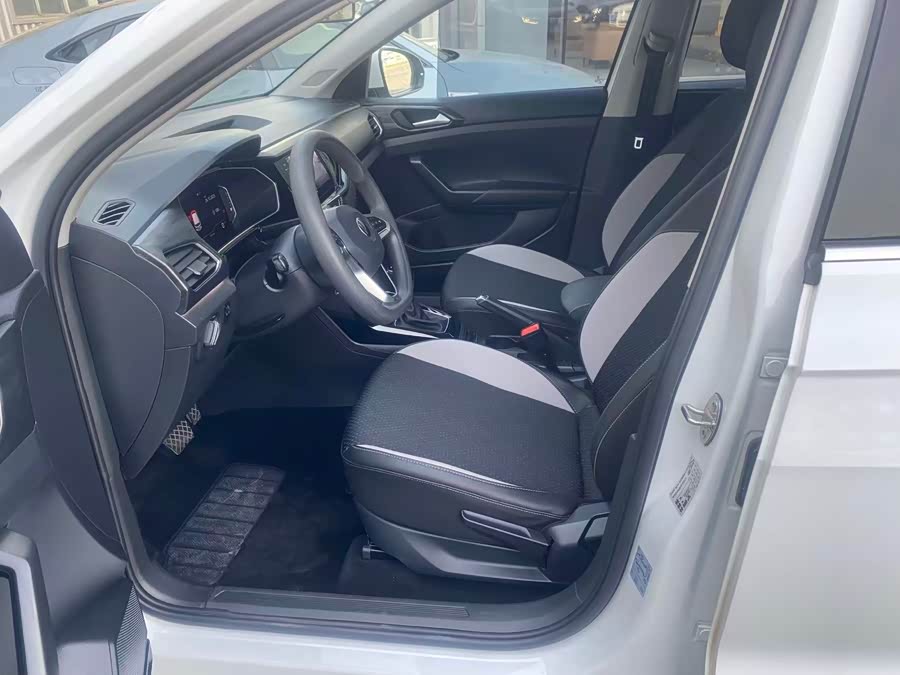
This 2020 Volkswagen T-Cross 1.5L Automatic Comfort model has 80,000 kilometers on the odometer and boasts a rich array of features, including ISOFIX child seat anchors, a fully digital instrument cluster, Bluetooth/hands-free calling, cornering lights, an in-cabin PM2.5 filter, and rear air vents. The exterior has minor scratches and some repainting. For more details, please visit our dealership!

90-day repurchase guarantee

Configuration Highlights

✓ISOFIX Child Seat Anchors
✓Digital Instrument Cluster
✓Bluetooth/Hands-free
✓Cornering Lights
✓PM2.5 Air Filter
✓Rear Air Vents

Accident & Maintenance Records

Accident Record

🔗 Open Link

Maintenance Record

🔗 Open Link

Document Information

Inspection Expiry Date2027/02
Warranty Expiry Date-
Insurance Expiry Date2026/02

Q&A

More

Is the freight from port to port calculated per vehicle or by volume (CBM)?

RoRo ships usually charge based on the vehicle's volume (length x width x height, calculated in CBM) in tiers; container shipping has a fixed compartment price. We will calculate which method is the most economical for the current sailing.
Do you support using cryptocurrencies like USDT for cross-border vehicle procurement settlements?

Absolutely not. Exporting used cars requires clear proof of foreign currency receipts in USD/EUR (water bill) to be provided to the Chinese foreign exchange administration, customs, and tax authorities for document verification. Cryptocurrencies are considered illegal settlement channels.

Why are the shipping costs for used electric vehicles (EVs) usually higher than for internal combustion engine vehicles (ICEs)?

Pure electric vehicles are classified as Class 9 Dangerous Goods due to their large lithium batteries, leading to strict shipping regulations. Shipping companies have high requirements for the loading position and fire isolation measures for dangerous goods, and some roll-on/roll-off ships refuse to accept used EVs. As a result, EVs often require more expensive special container shipping and incur additional handling fees for hazardous materials.