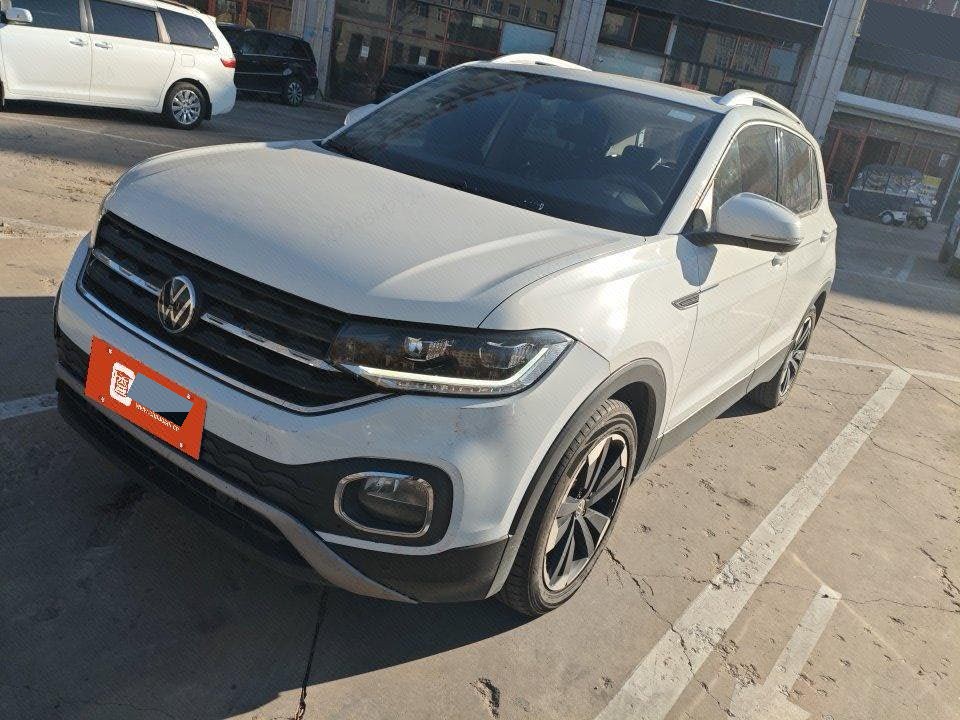
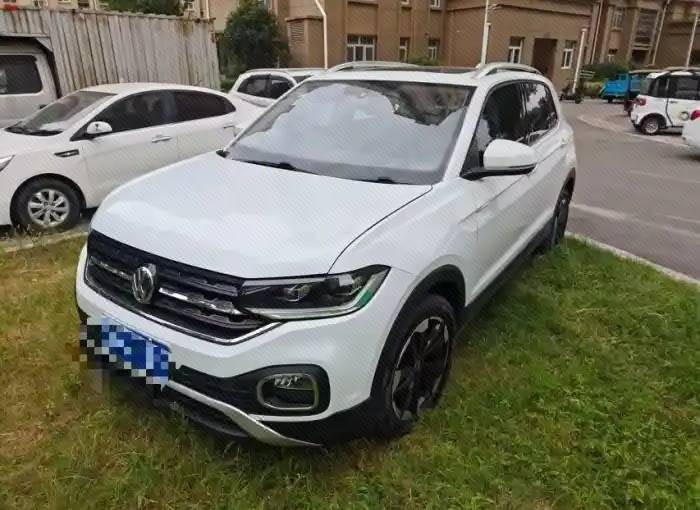
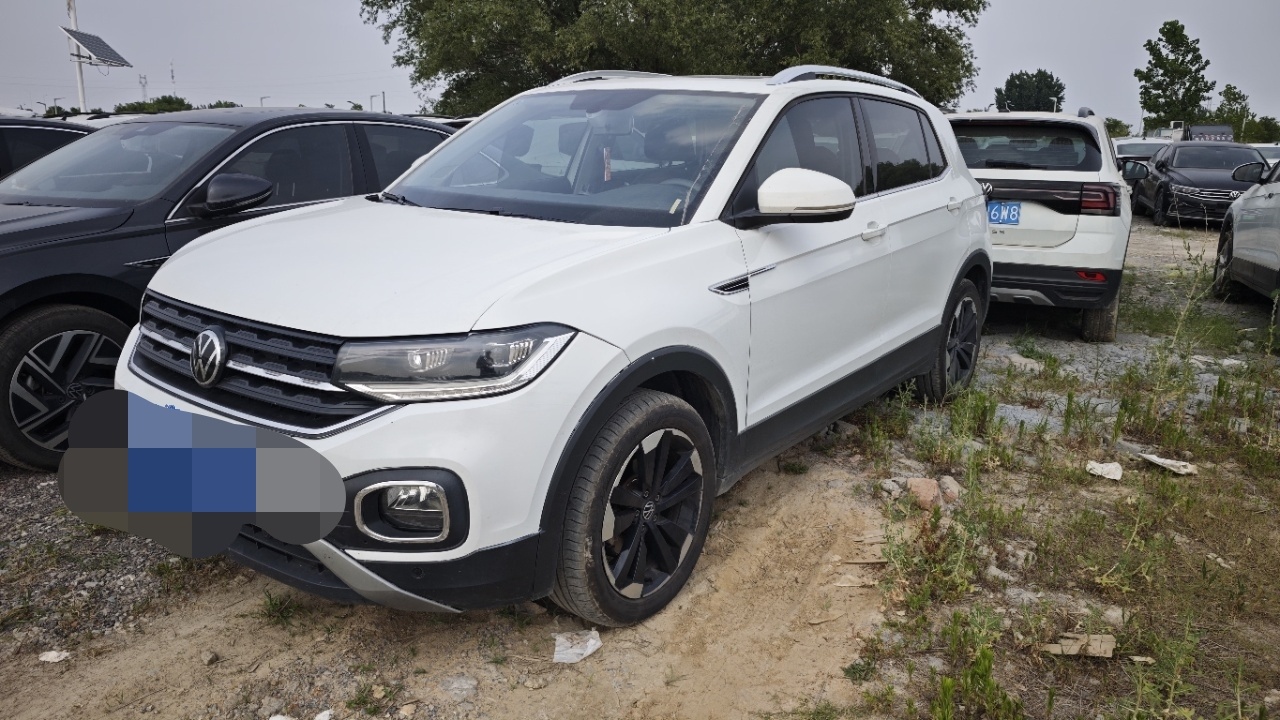
Basic Information

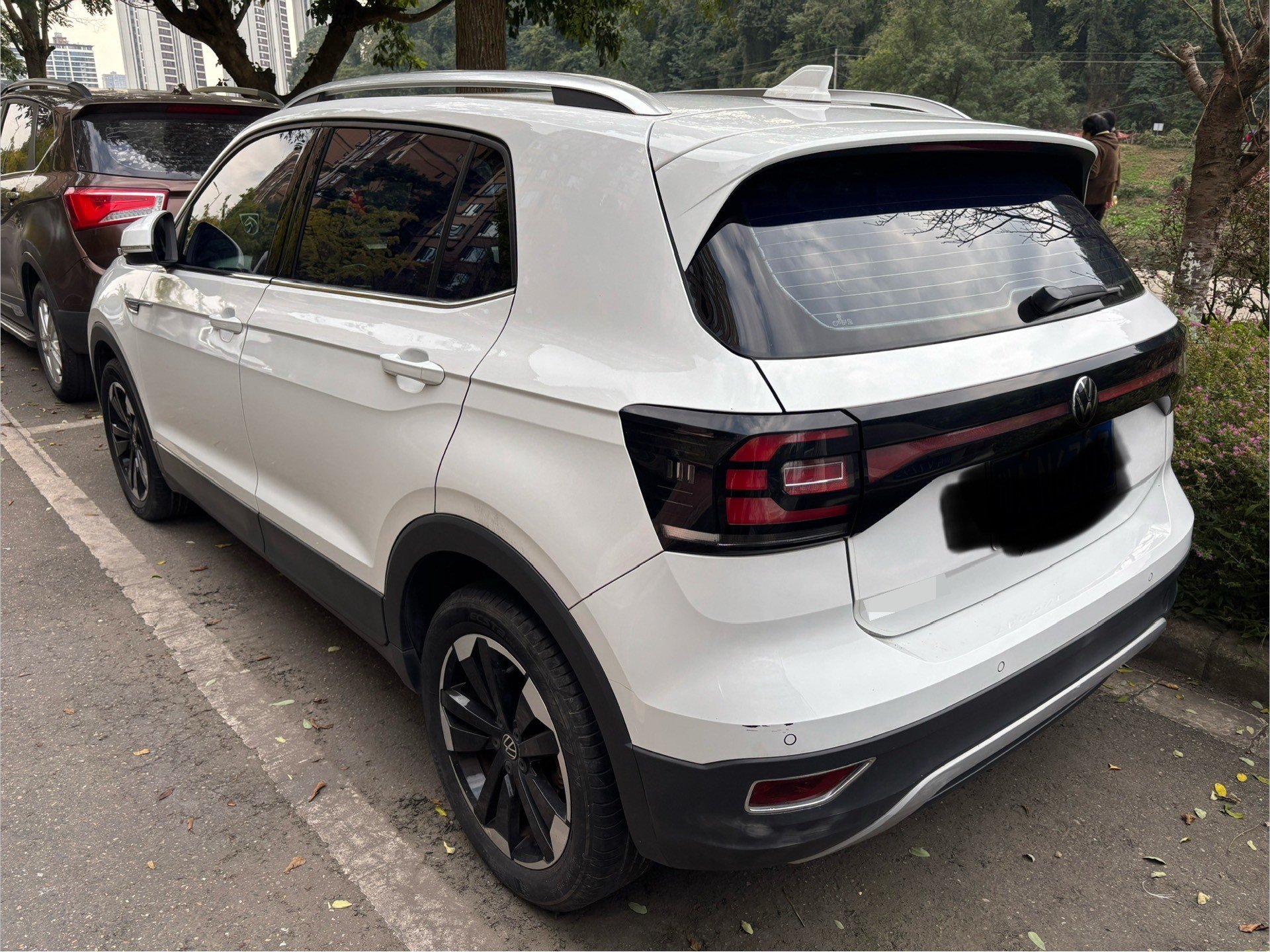
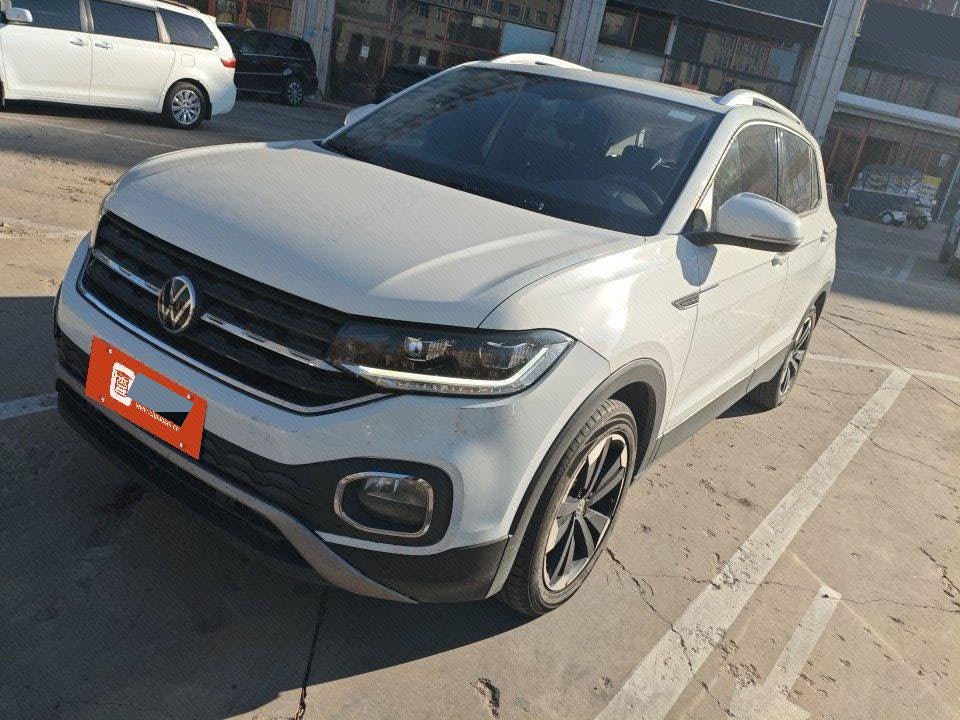
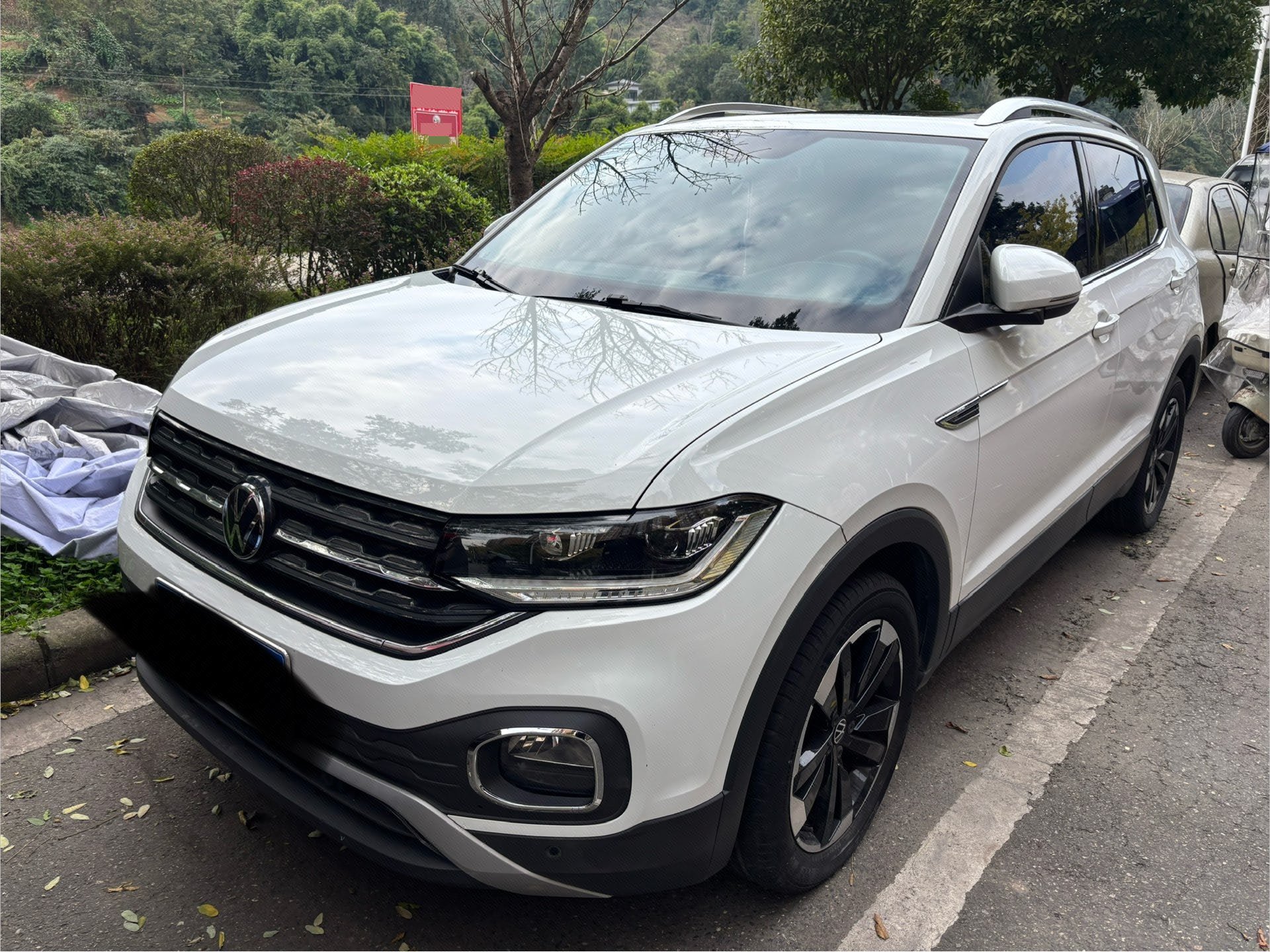
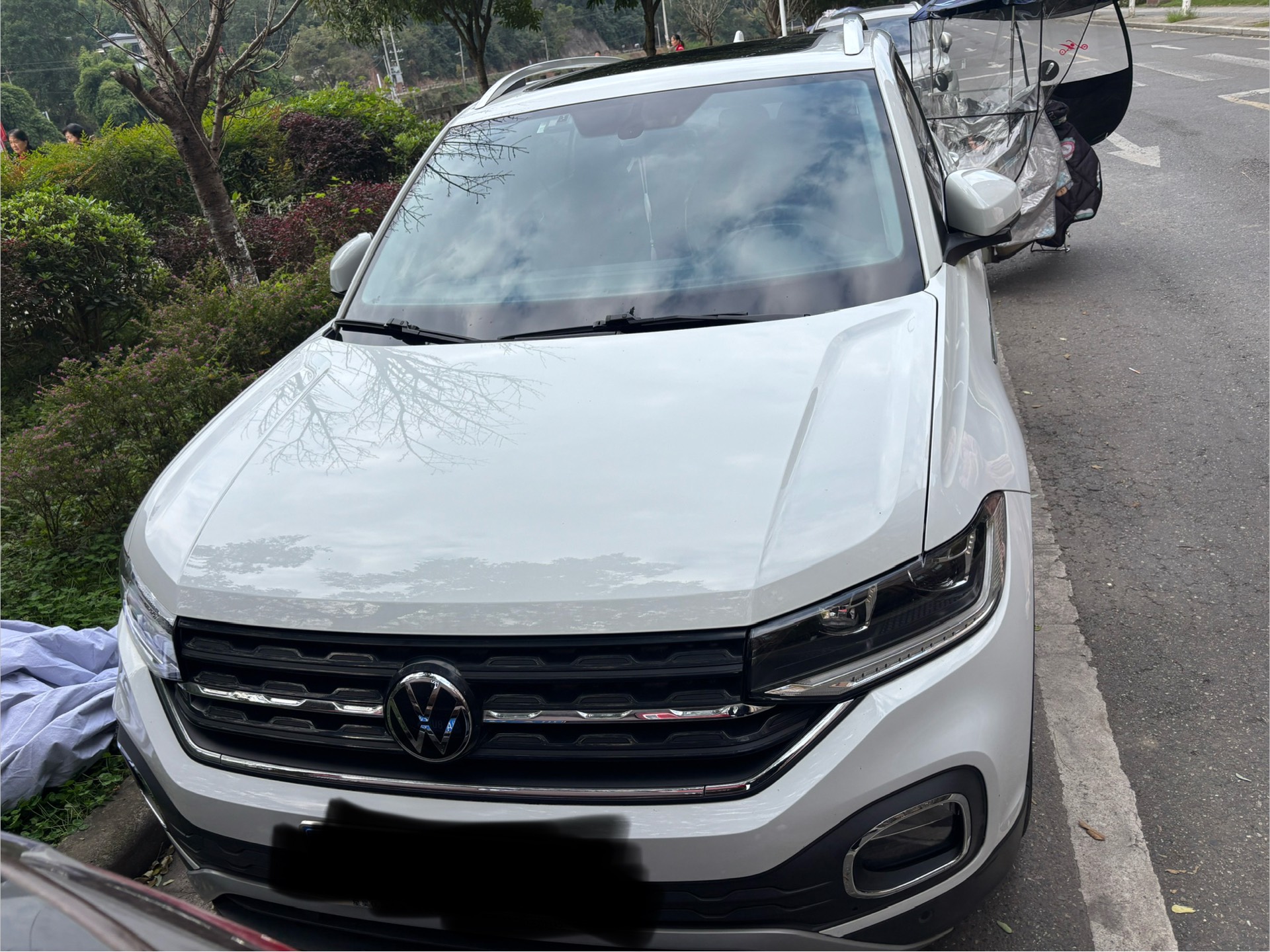
BrandVolkswagen
SeriesTacqua
Year2022
First Registration2022/01
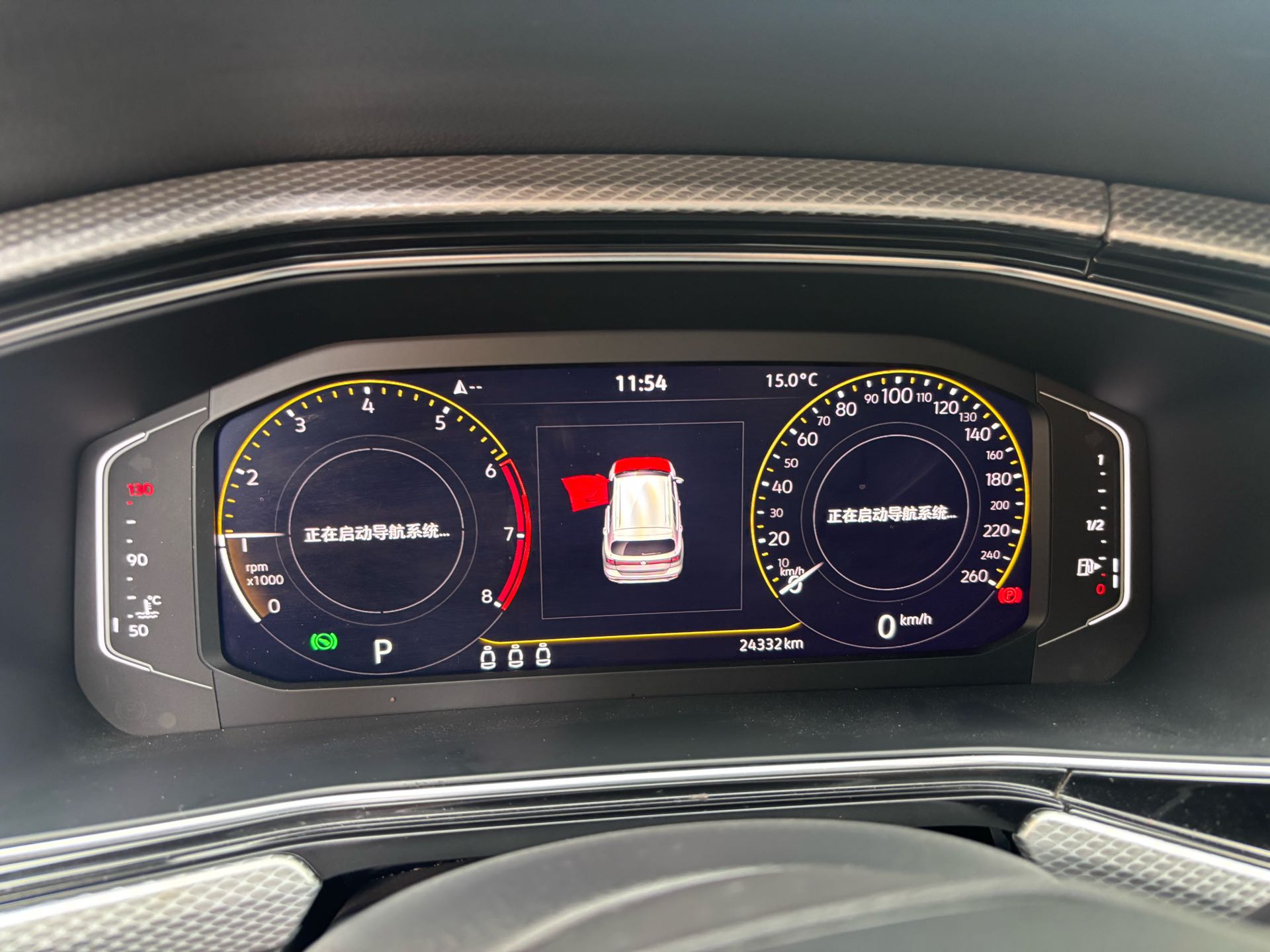
Mileage23,000km
Transfer Count0times
FuelGasoline
TransmissionManumatic
Engine1.5L 113 L4
ColorWhite
Seats-

Condition Description

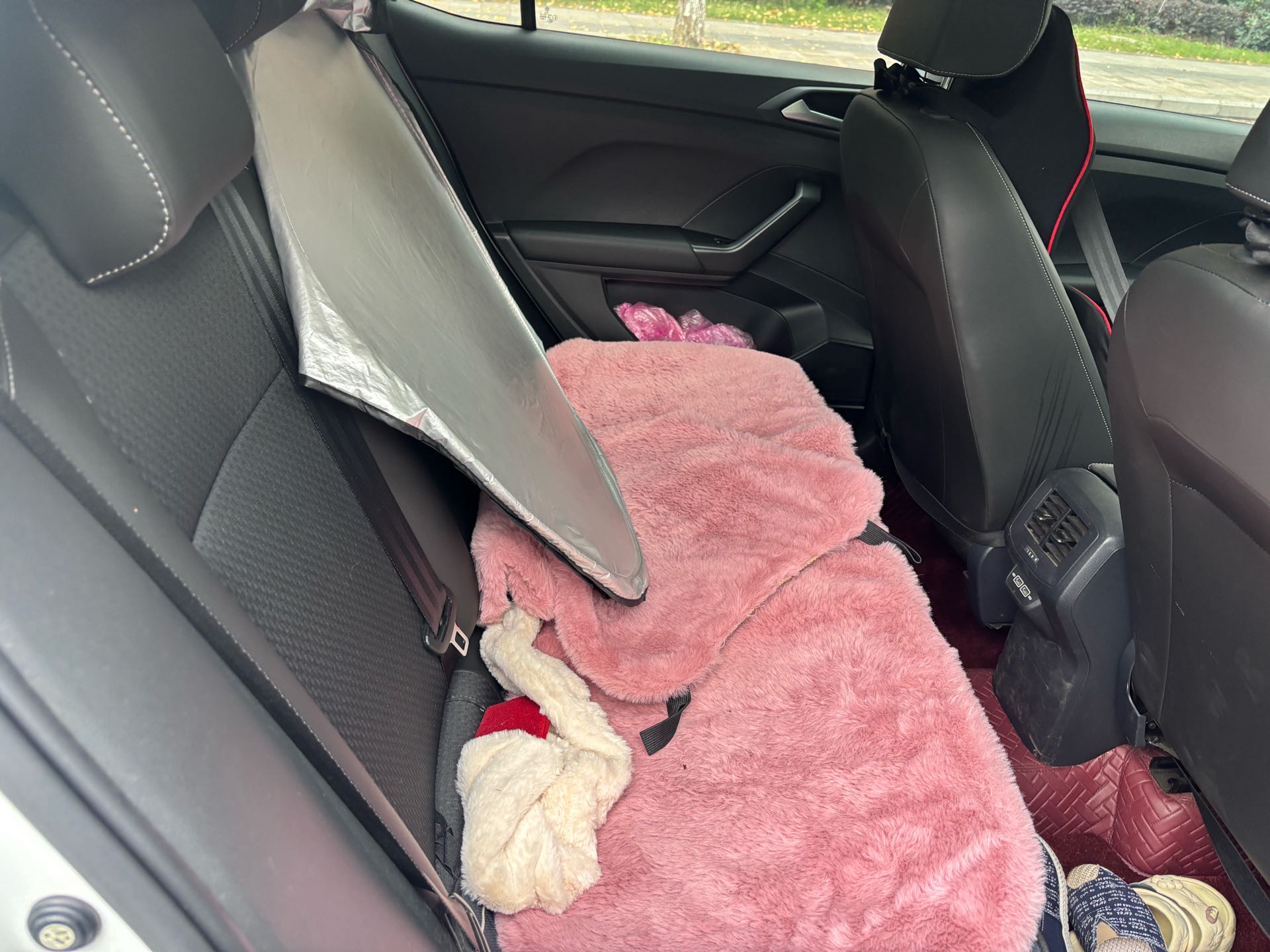
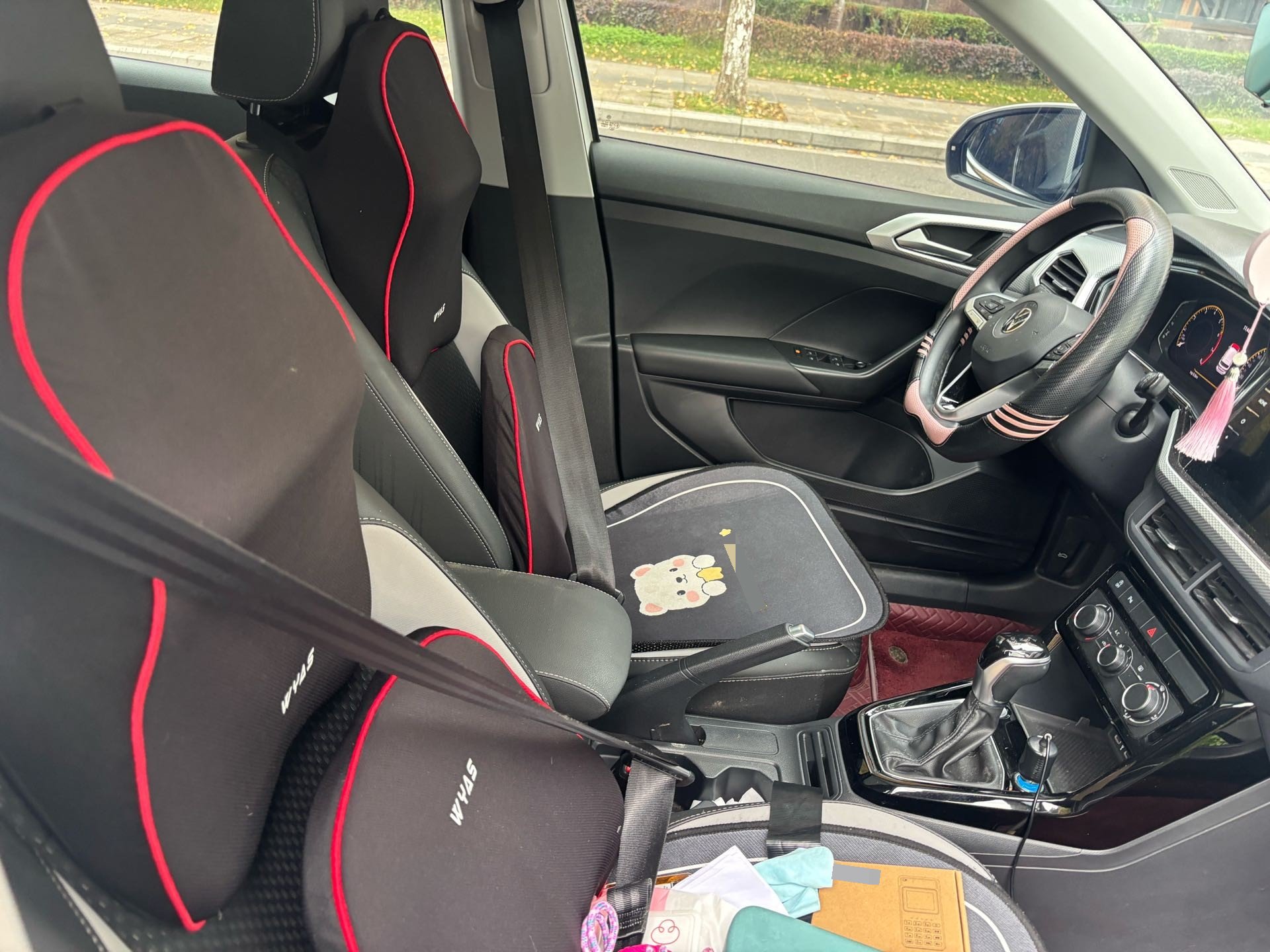
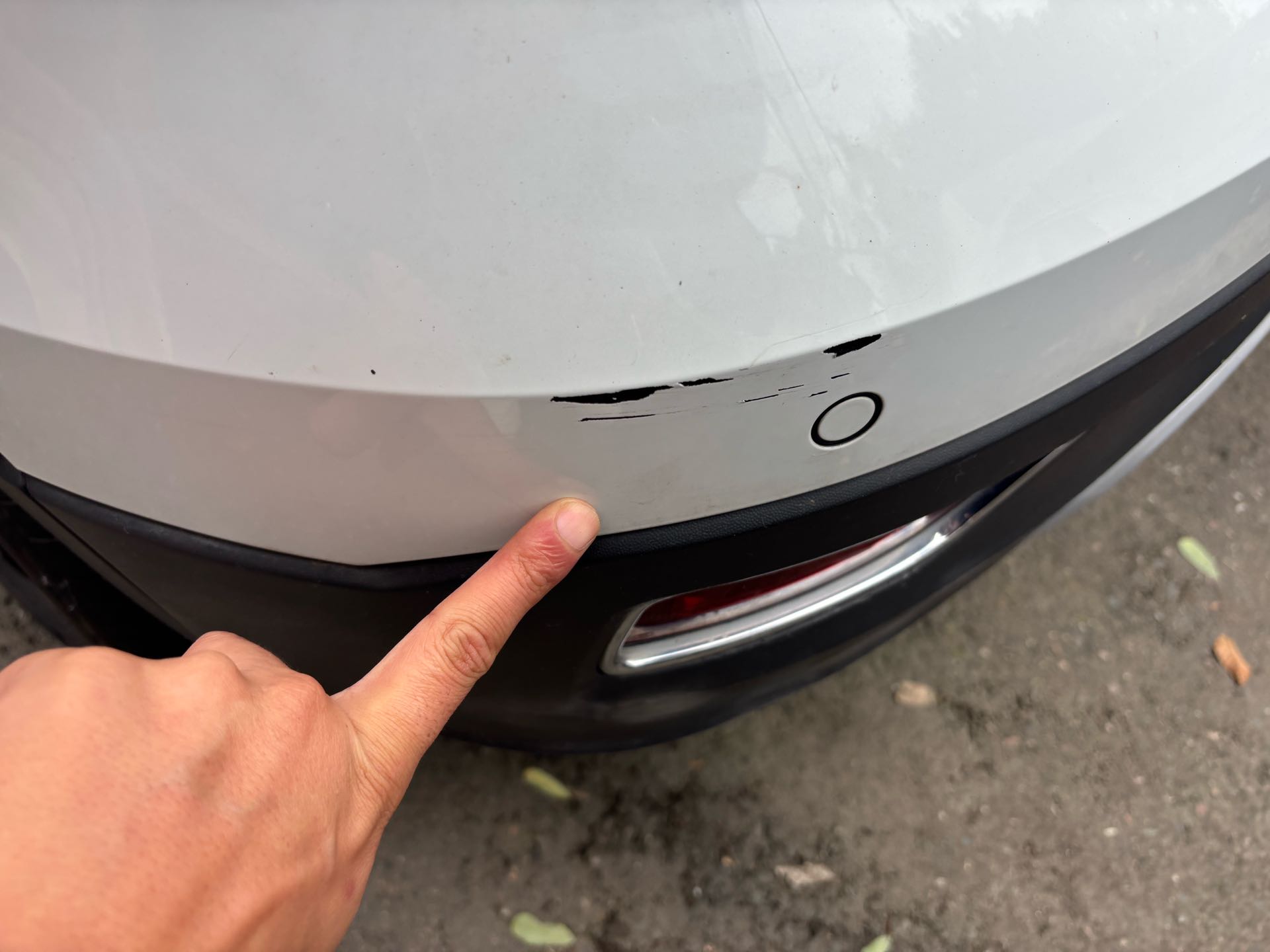
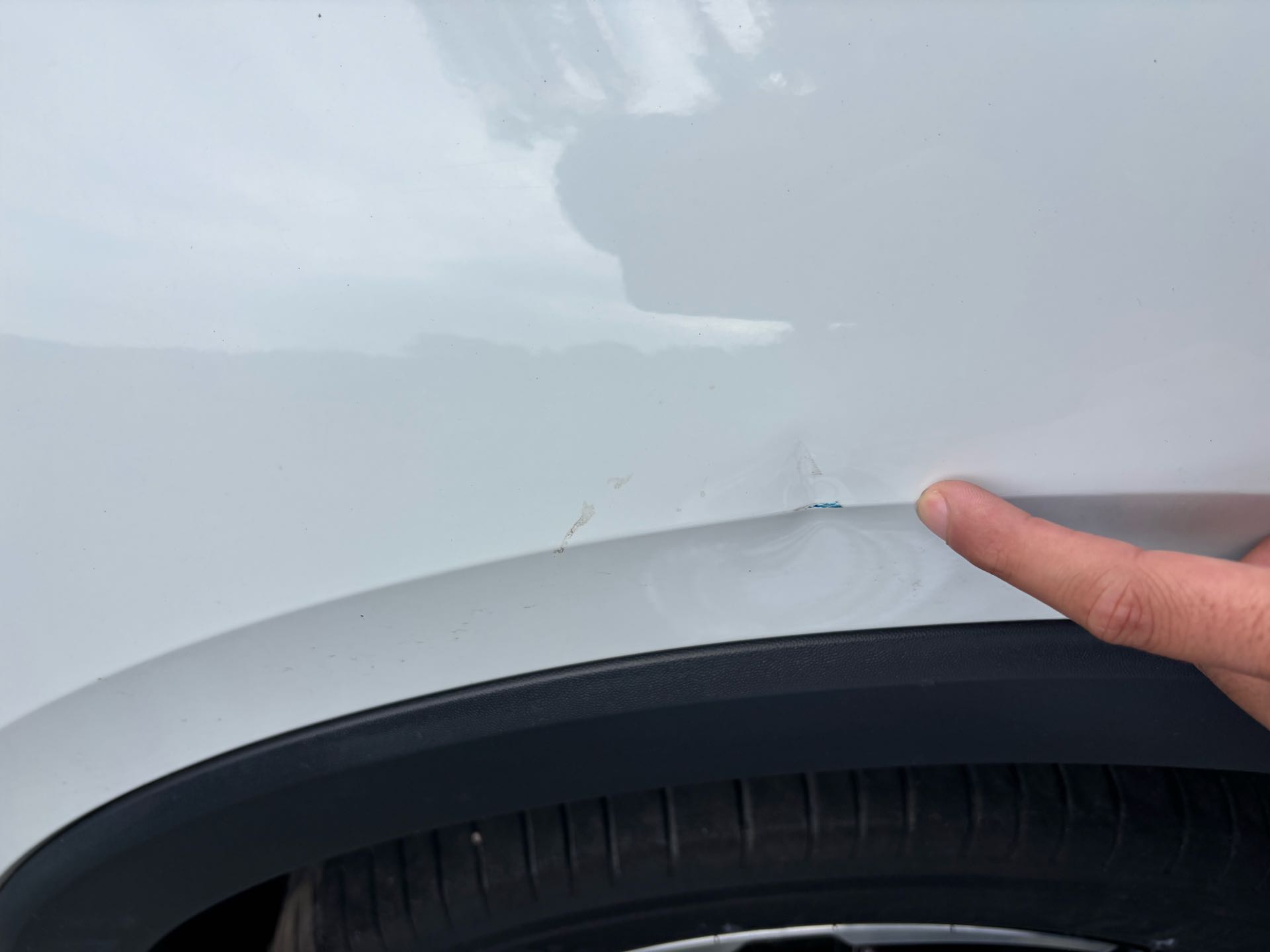
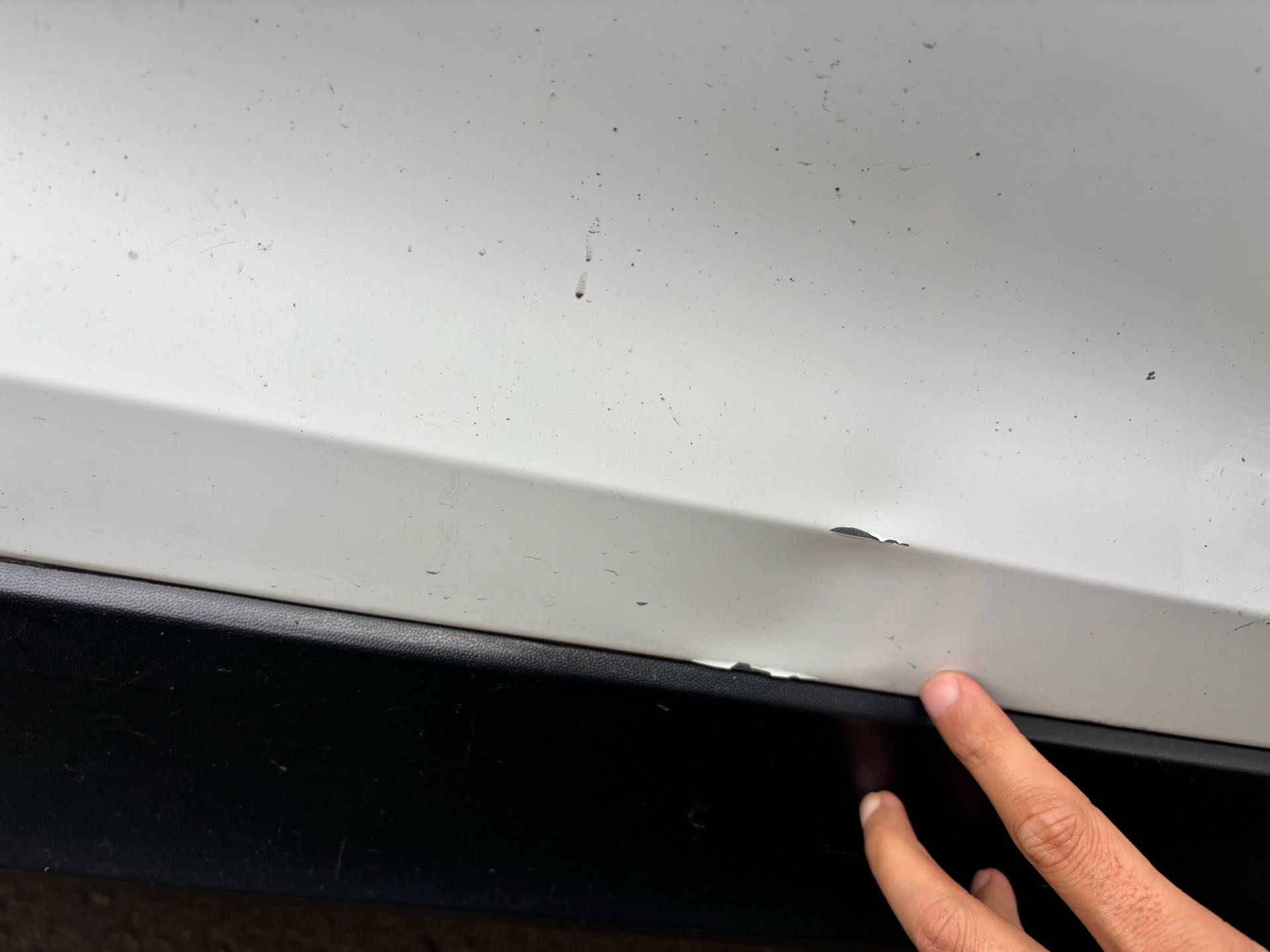
Original paint throughout, single owner, can pass third-party inspection, rear bumper replaced, manufactured December 2021.

Document Information

Inspection Expiry Date-
Warranty Expiry Date-
Insurance Expiry Date2027/01

Q&A

More

After long-distance sea transport, does the vehicle's air conditioning refrigerant (Freon) need to be vacuumed and recharged?

If there is a minor leak in the lines due to bumps, it is possible that the cooling may not work upon arrival. This is a normal physical loss. The cost of vacuuming, pressure testing, and recharging refrigerant at a local auto repair shop is low and is the buyer's responsibility.

Will a used Chinese EV's apps, OTA updates and connected services work in my country?

It depends on the brand and model, so verify before you buy. Three things to check. First, connectivity: many Chinese EVs use embedded SIMs tied to Chinese carriers. Abroad, remote app control, live navigation and some cloud services may stop working unless the car can switch to a local SIM or the brand operates servers in your region. Second, language and navigation: ask the exporter to show the system menu in English or your language, and confirm the maps can be switched to your region — some head units carry China-only map data. Third, charging: verify the charge port standard (GB/T, CCS or Type 2) and whether the onboard AC charger accepts your local grid voltage and frequency. Also ask about OTA updates: official overseas models usually receive them; grey-import cars often do not. Get these answers in writing from the seller, and test the connected features over a video call before shipping.
What is a Certificate of Origin and why do I need one when importing a car from China?

A Certificate of Origin (C/O) is an official document stating where the vehicle was manufactured. Customs authorities use it to decide which tariff rates and trade agreements apply to your import. Why it matters: many countries offer preferential tariffs for certain origins. With a valid C/O, such as the ASEAN-China Form E or a GSP Form A, you may pay reduced or zero duty. Without it, you typically pay the standard, higher rate. The certificate must match the vehicle exactly: VIN, make, model and invoice details. It is usually issued by the China Council for the Promotion of International Trade (CCPIT) or customs authorities. Practical tips: request the C/O before shipment, because adding it later is slow; check that your country's customs accepts the specific C/O format; and confirm with your broker whether your vehicle category qualifies for preferential rates. This single document can save you thousands in duty.