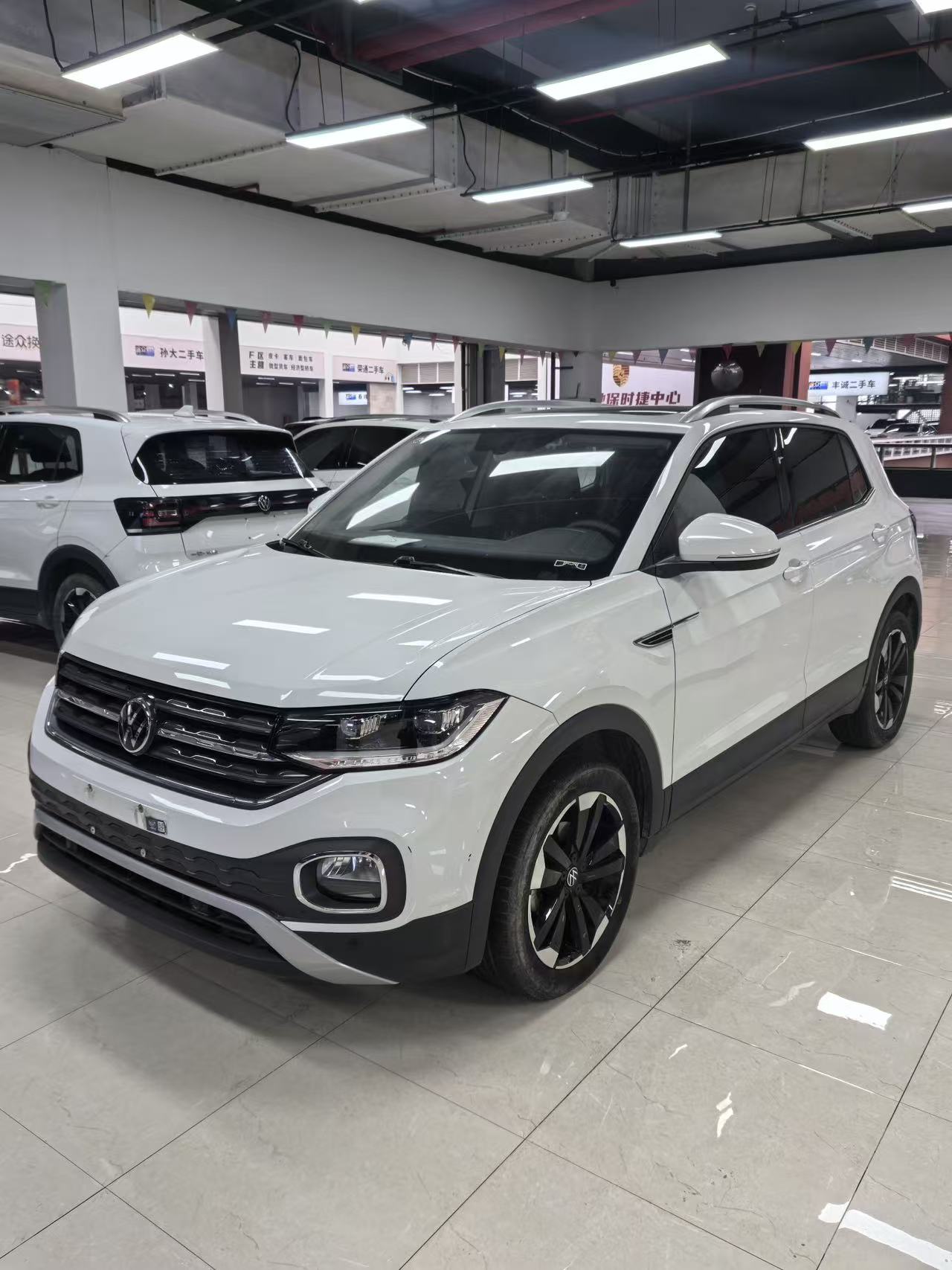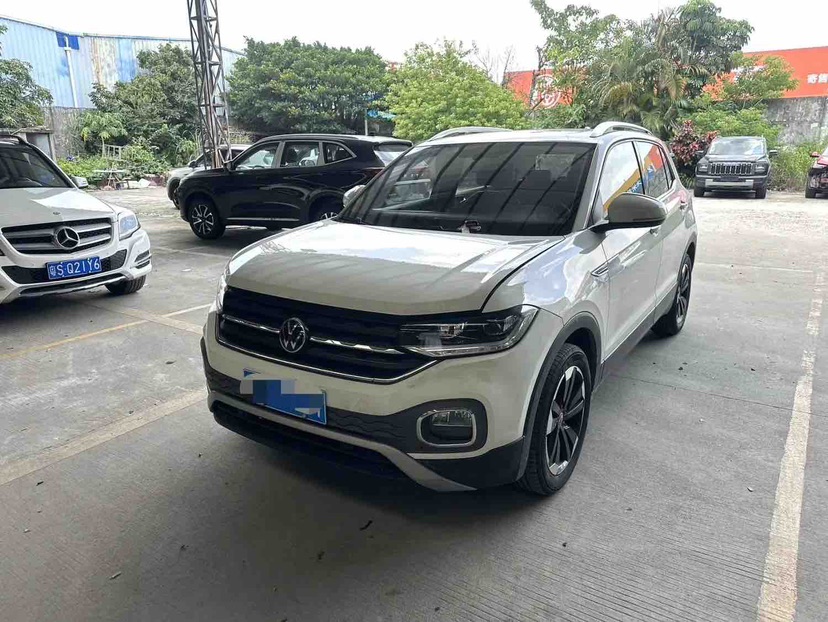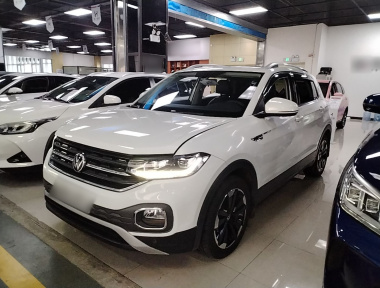

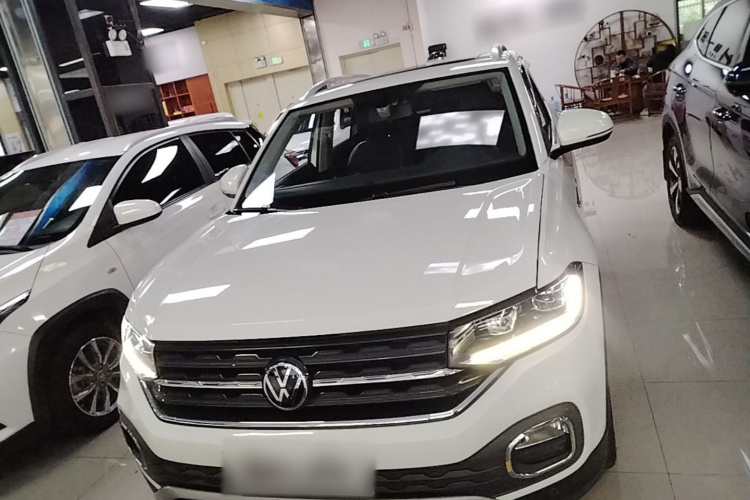

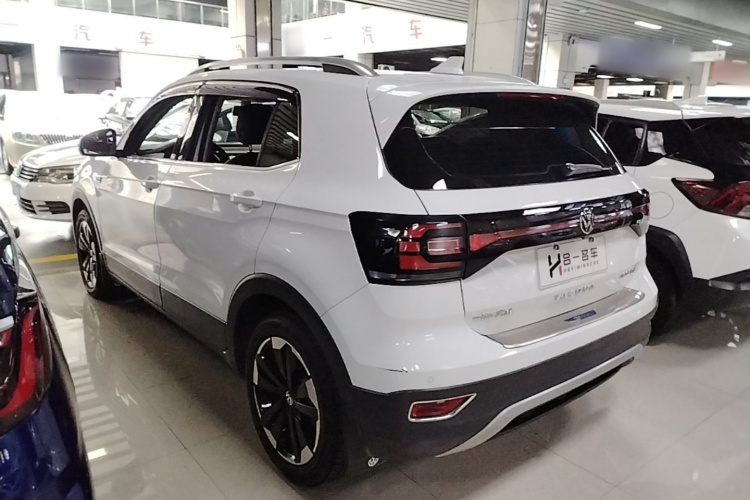
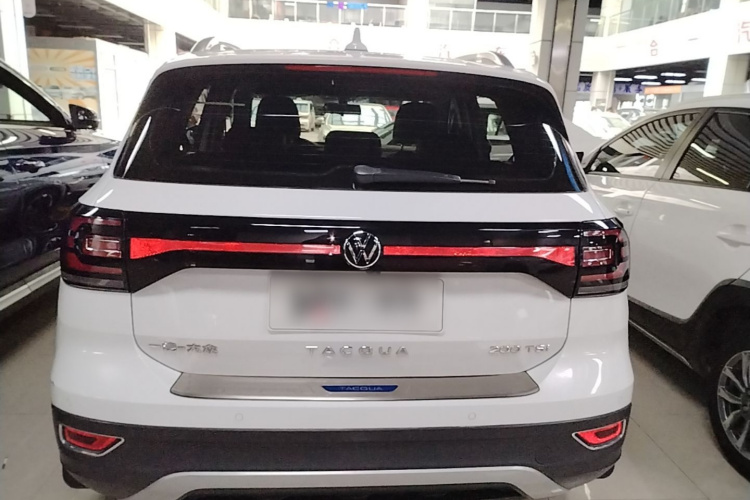
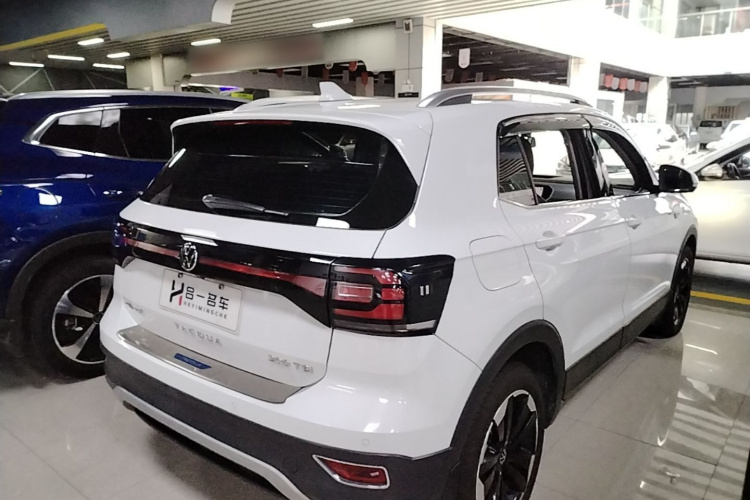
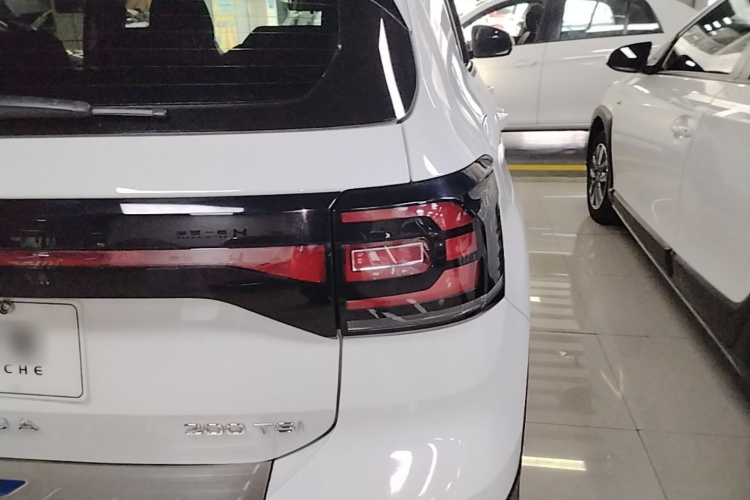
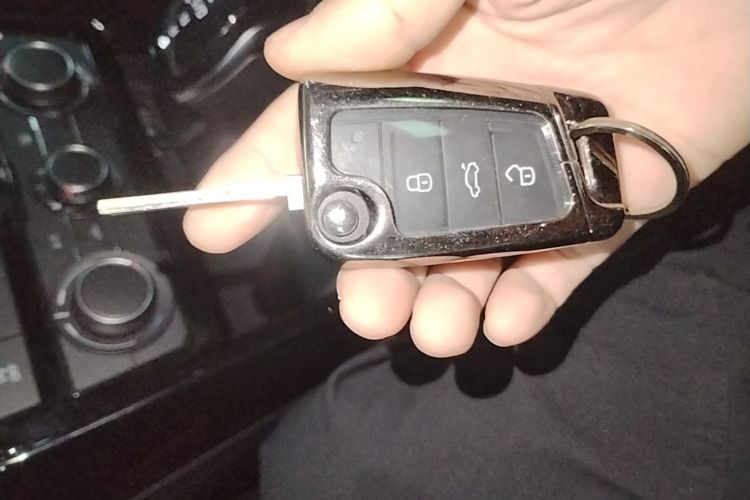
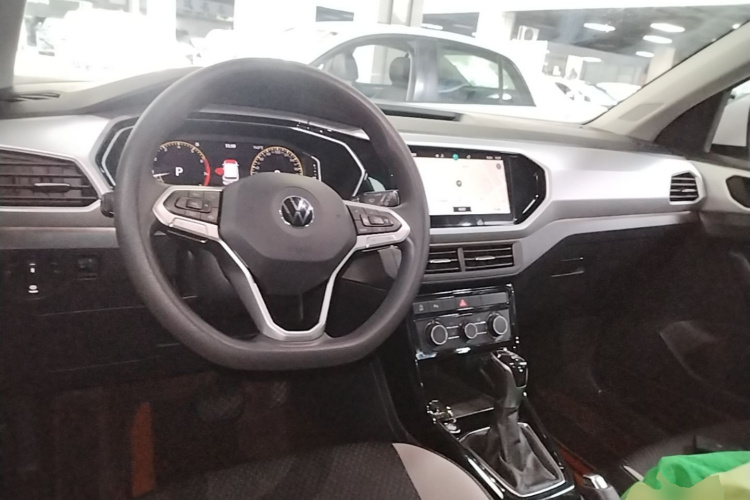
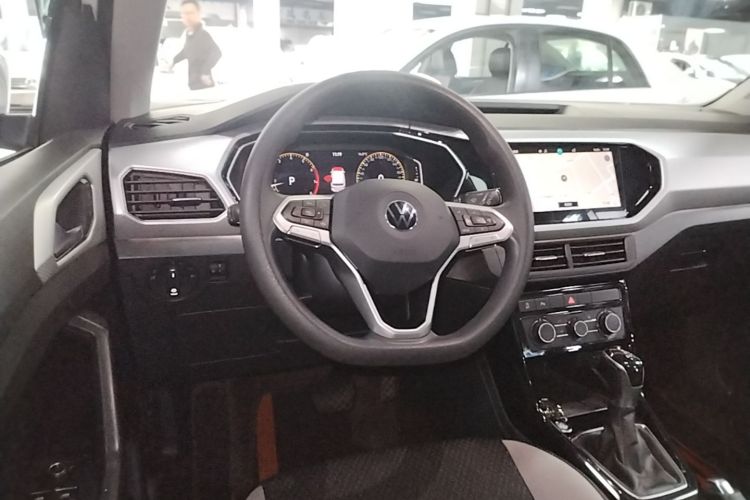
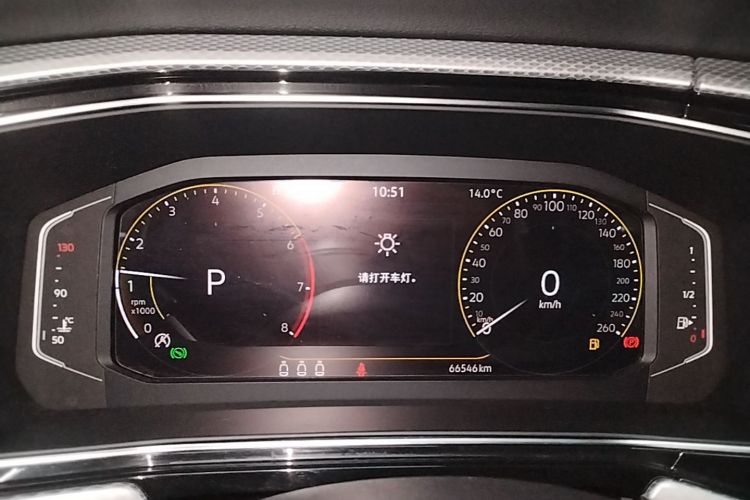



Basic Information

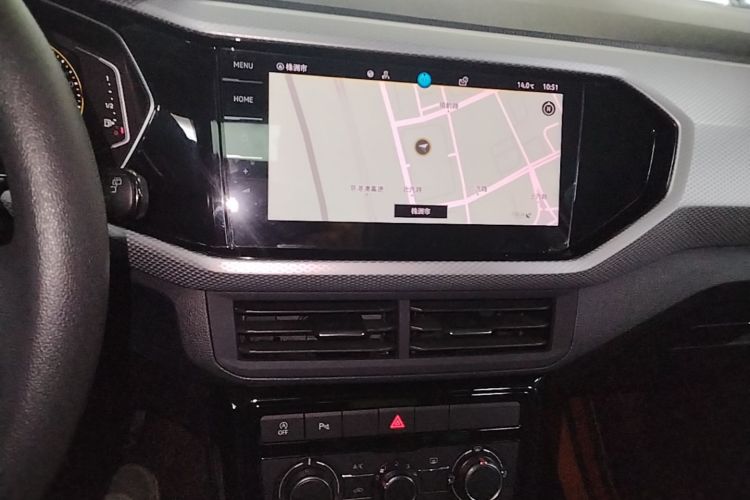
BrandVolkswagen
SeriesTacqua
Year2023
First Registration2023/07
Mileage66,500km
Transfer Count2times
FuelGasoline
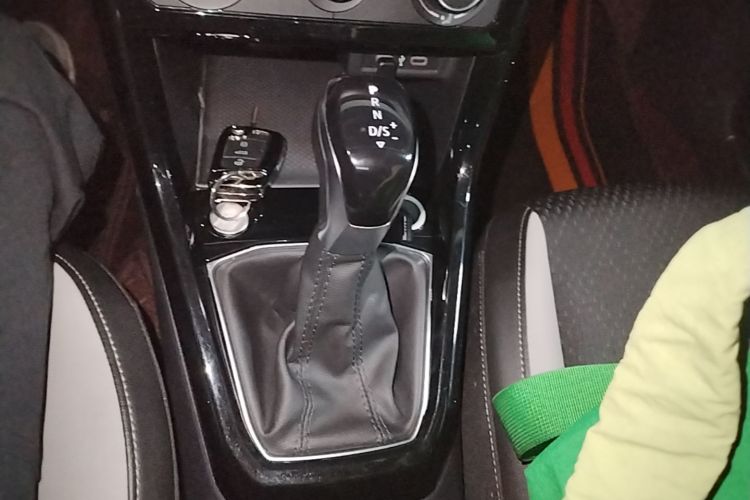
TransmissionDCT
Engine1.2T 116 L4
Color
Seats-

Condition Description

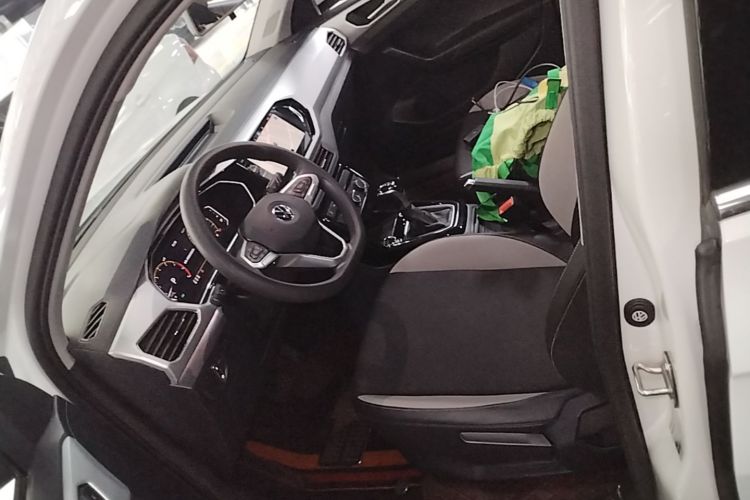
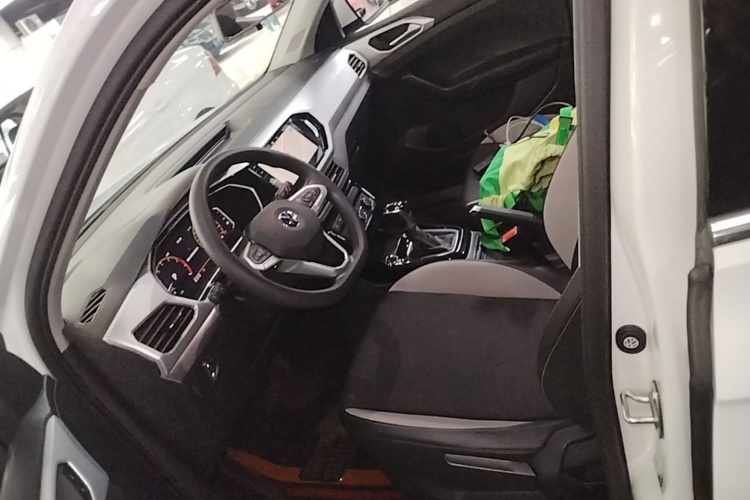
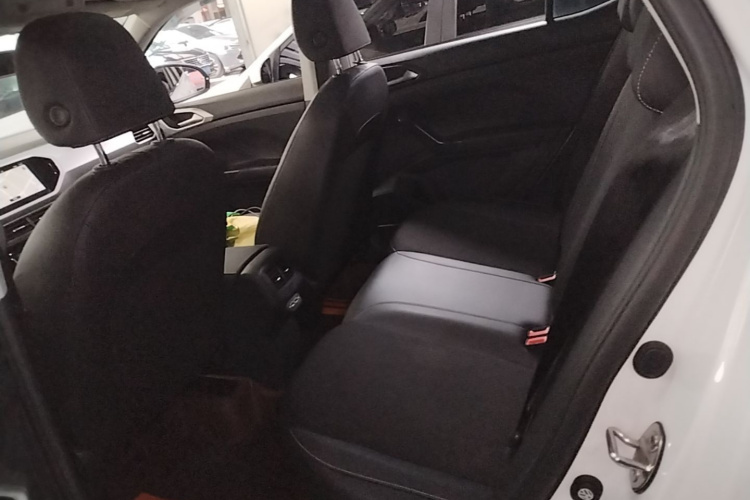
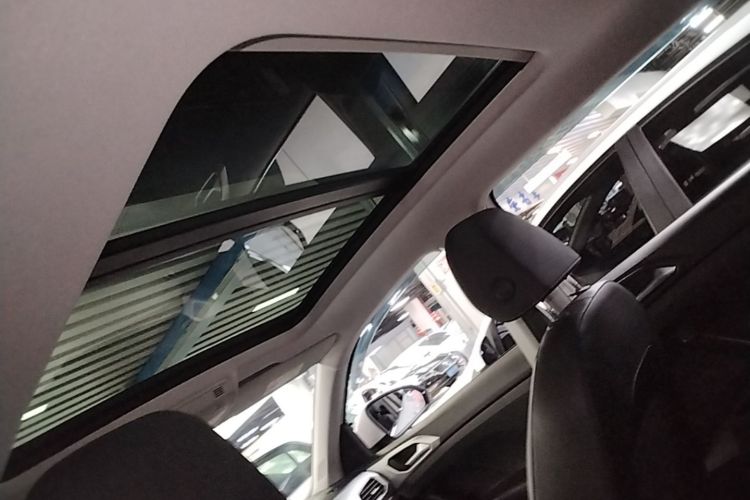
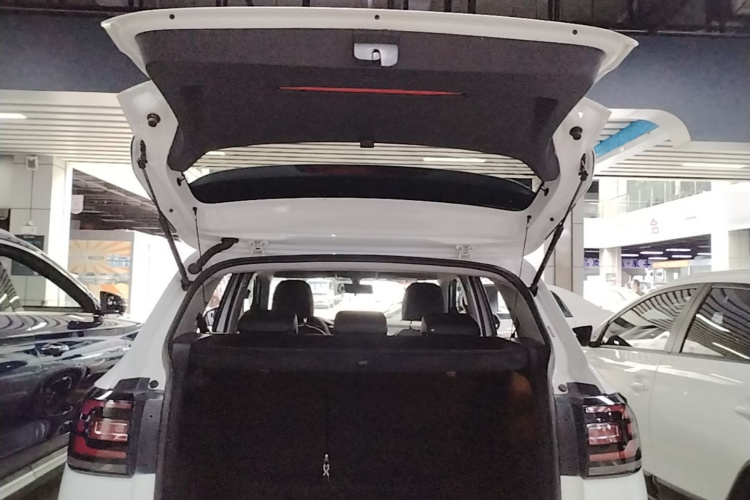
Basic condition: excellent | 0 insurance claims | 2 ownership transfers

Q&A

More

How to ensure that the declared value on the export license matches the commercial invoice exactly to avoid allegations of underreporting for tax evasion?

Our legal red line is that the amounts on the China Customs declaration, export license, commercial invoice, and bank receipt must be consistent across all four documents. We firmly refuse to engage in the illegal act of issuing "false low-value invoices" to assist buyers in evading customs duties in the destination country.


How do I read and interpret a Chinese vehicle history report—what do the records and codes mean, and which findings should stop the deal?

A Chinese history report (查博士, 精真估, or 4S-shop records) usually contains several sections. Here's how to read them. Accident records: entries tagged 重大事故 (major accident) or listings at an insurance payout above 30% of the car's value are serious red flags. Airbag deployment is a deal-breaker for most buyers. Mileage timeline: check that mileage increases logically between service visits. A sudden drop between two dates means odometer tampering—walk away. Ownership count: more than 3 owners in 5 years suggests a problem car. Also check the 使用性质 field: a car registered as 营运 (commercial/taxi use) has a much shorter legal lifespan. Maintenance entries: consistent 4S dealership records are a good sign; long gaps aren't necessarily fatal if the owner used independent shops, but ask for receipts. Cross-check the report against the VIN plate, registration certificate, and physical inspection. If the report shows no accidents but paint thickness readings say otherwise, trust the metal, not the paper.

Will there be a thorough inspection of the aging and damaged wiring harness of older vehicles to prevent spontaneous combustion?

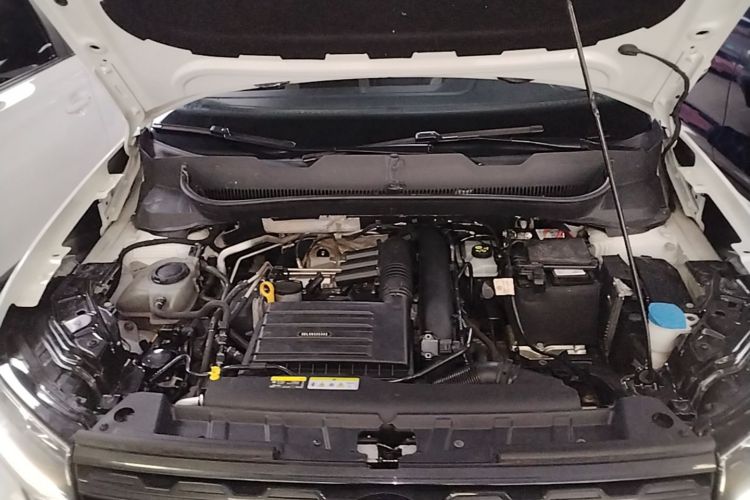
For older vehicles or those used in high temperature and humidity areas, we will focus on opening the hood to check if the insulation of the wiring harness in the high-temperature area of the engine compartment is cracked or brittle, to identify potential short circuit risks that could lead to spontaneous combustion.