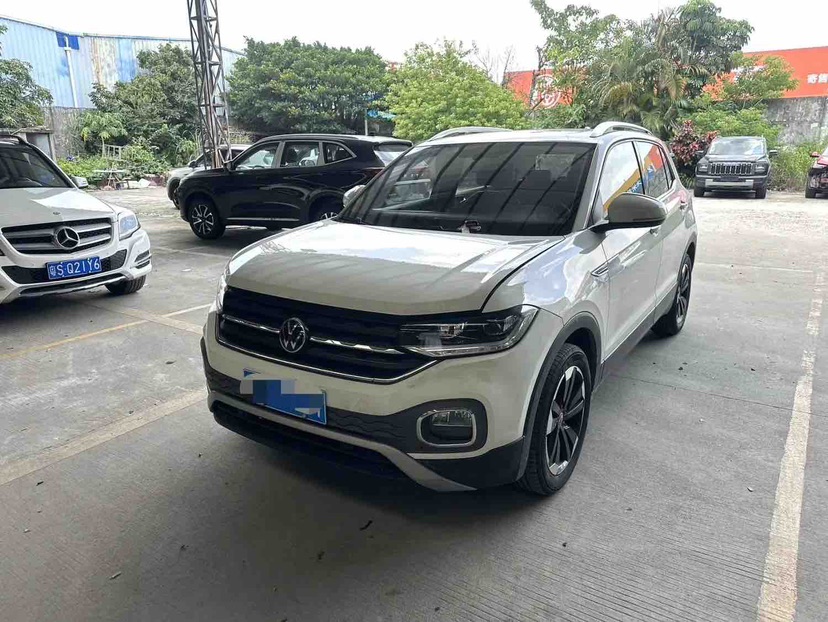
Basic Information

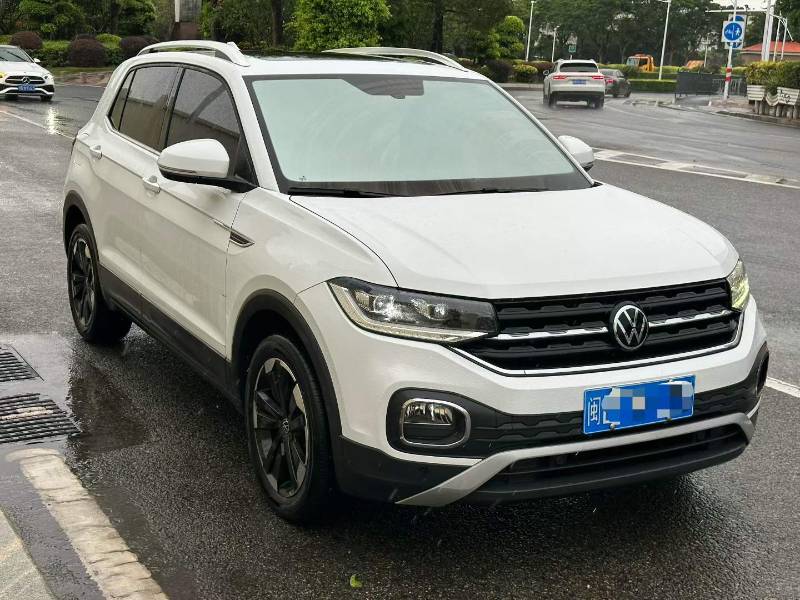
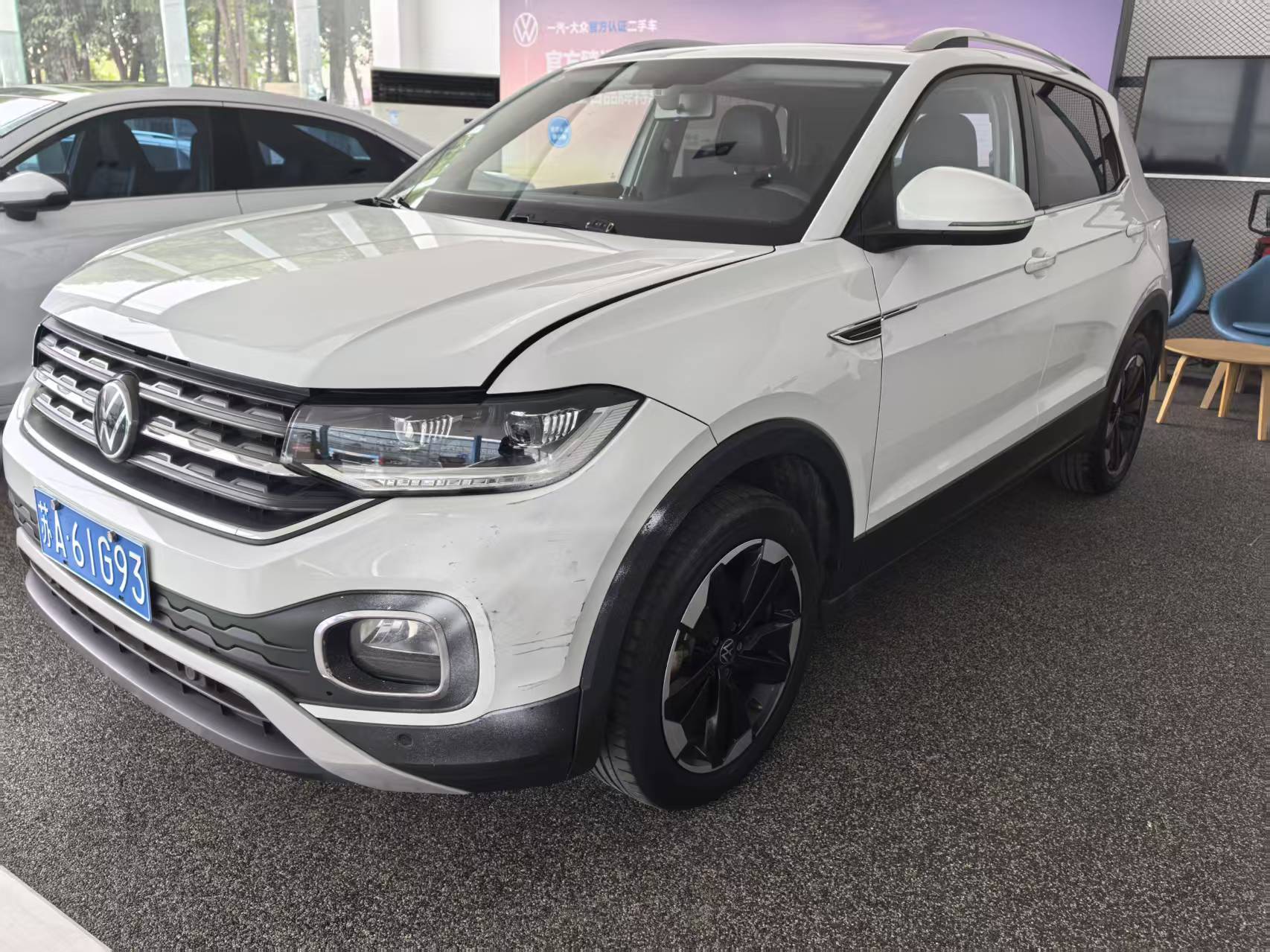
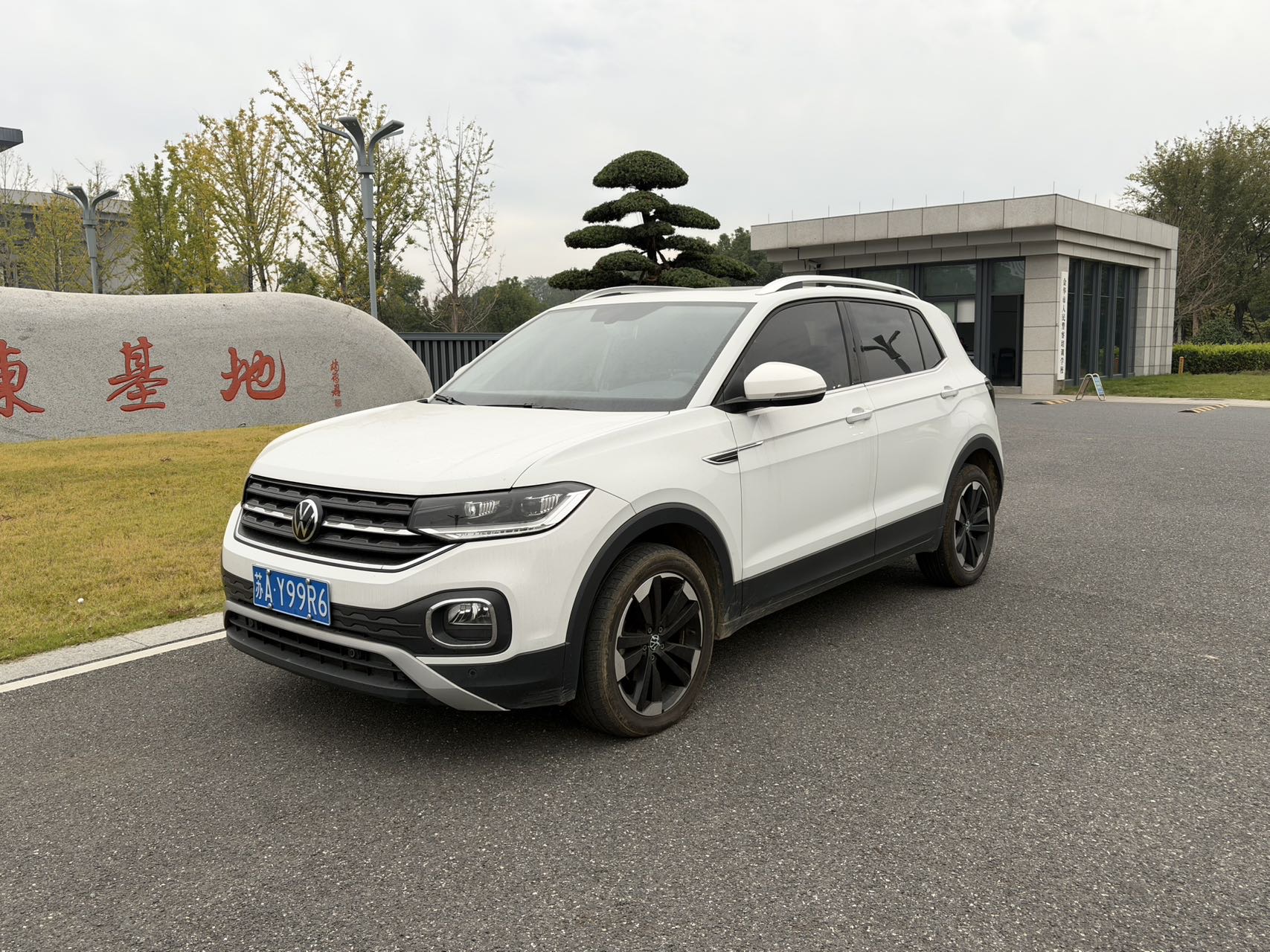
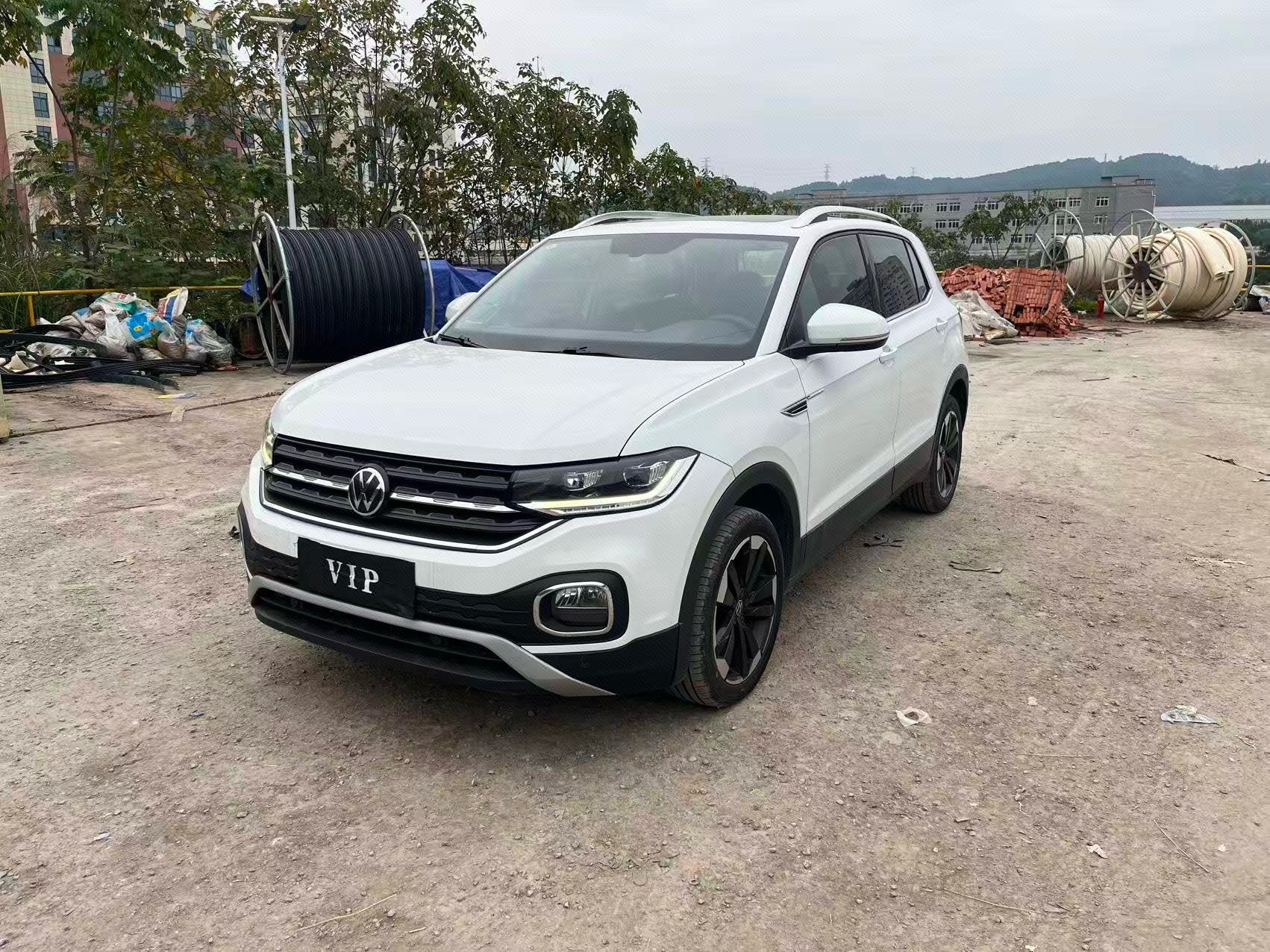
BrandVolkswagen
SeriesTacqua
Year2024
First Registration2024/01
Mileage69,700km
Transfer Count-
FuelGasoline
TransmissionDCT
Engine1.2T 116 L4
ColorWhite
Seats5seats

Condition Description

Vehicle performance is good. Structural, reinforcement, and covering panels have no accident-related damage or repairs. The three-electric system (battery, motor, electronic control) has no damage.

Accident inspection: main structure undamaged, reinforcement parts undamaged, covering panels undamaged, hinges normal. Engine bay inspection: key mechanical components normal. Exterior: none. Interior: most features normal, airbag inspection normal, seatbelts normal, dashboard normal, instrument cluster normal, lighting system normal. Startup inspection: OBD shows other fault codes, OBD shows engine fault codes. Onboard tools: none.

电话直连
可讲价
平台物流
公户车
零过户
新检测标准升级>
非泡水

Document Information

Inspection Expiry Date2028/01
Warranty Expiry Date-
Insurance Expiry Date-

Q&A

More

What should I do if the destination country requires a certificate of origin?

Apply for a certificate of origin from the local customs or trade promotion agency, proving that the country of manufacture is China. This is a necessary document for customs clearance in regions like the Middle East and Southeast Asia.

Beyond the car price, what costs should I budget when importing a used car from China?

A realistic budget has several layers beyond the vehicle price. First, inland logistics in China: moving the car to the export port typically costs $300-$800. Second, export handling: inspection, customs declaration and paperwork usually add $500-$1,000. Third, ocean freight. A 20ft container to most destinations runs $1,200-$3,000 depending on route; RoRo shipping can be cheaper for driveable cars. Add marine insurance, usually 0.3%-0.5% of the car value. Fourth, destination charges: port handling, customs duties, VAT/GST and local registration fees. These vary widely; some countries charge duties of 20%-80% of the vehicle value plus an excise based on engine capacity. Finally, any compliance work: inspection certificates, modifications to meet local standards, or homologation. Ask your exporter for a full CIF quote and have a local customs broker confirm destination taxes before you commit.

When checking the history records, can you distinguish whether the vehicle was involved in a "single-vehicle accident (like hitting a wall)" or a "multi-vehicle rear-end collision"?

If insurance claims records are accessed, there will usually be notes like "the insured vehicle is fully responsible for hitting a fixed object" or "third-party liability insurance payment." We can roughly reconstruct the accident scene based on this and cross-verify the stress points on the vehicle's frame with paint thickness gauge data.