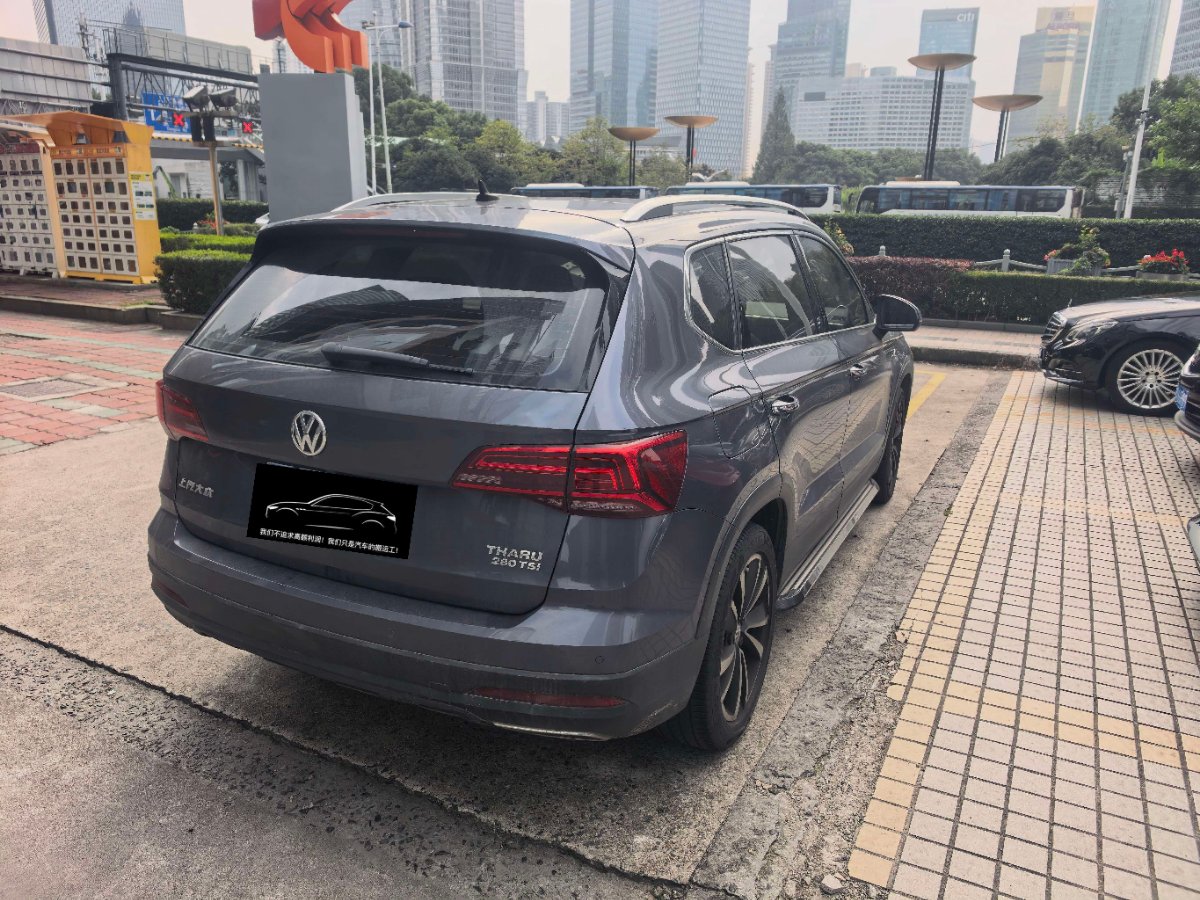
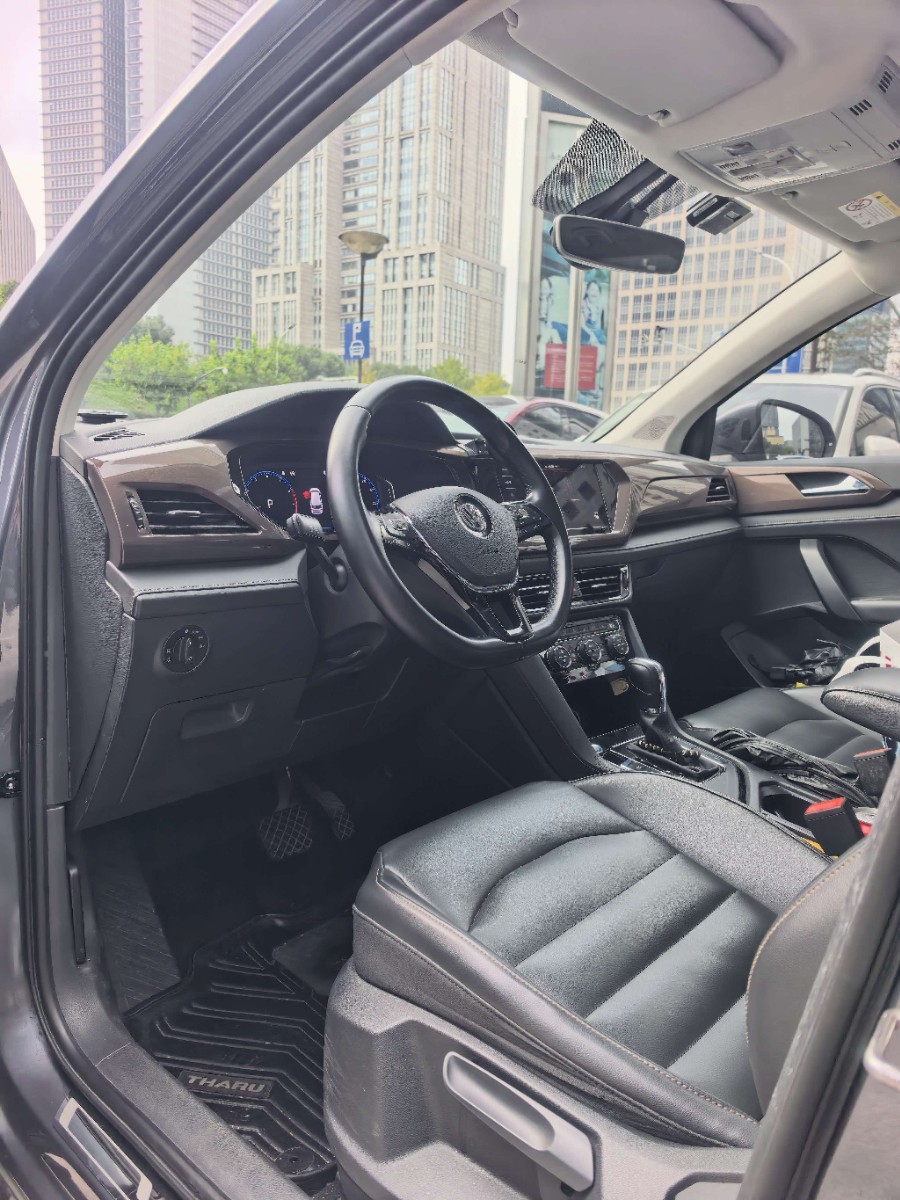
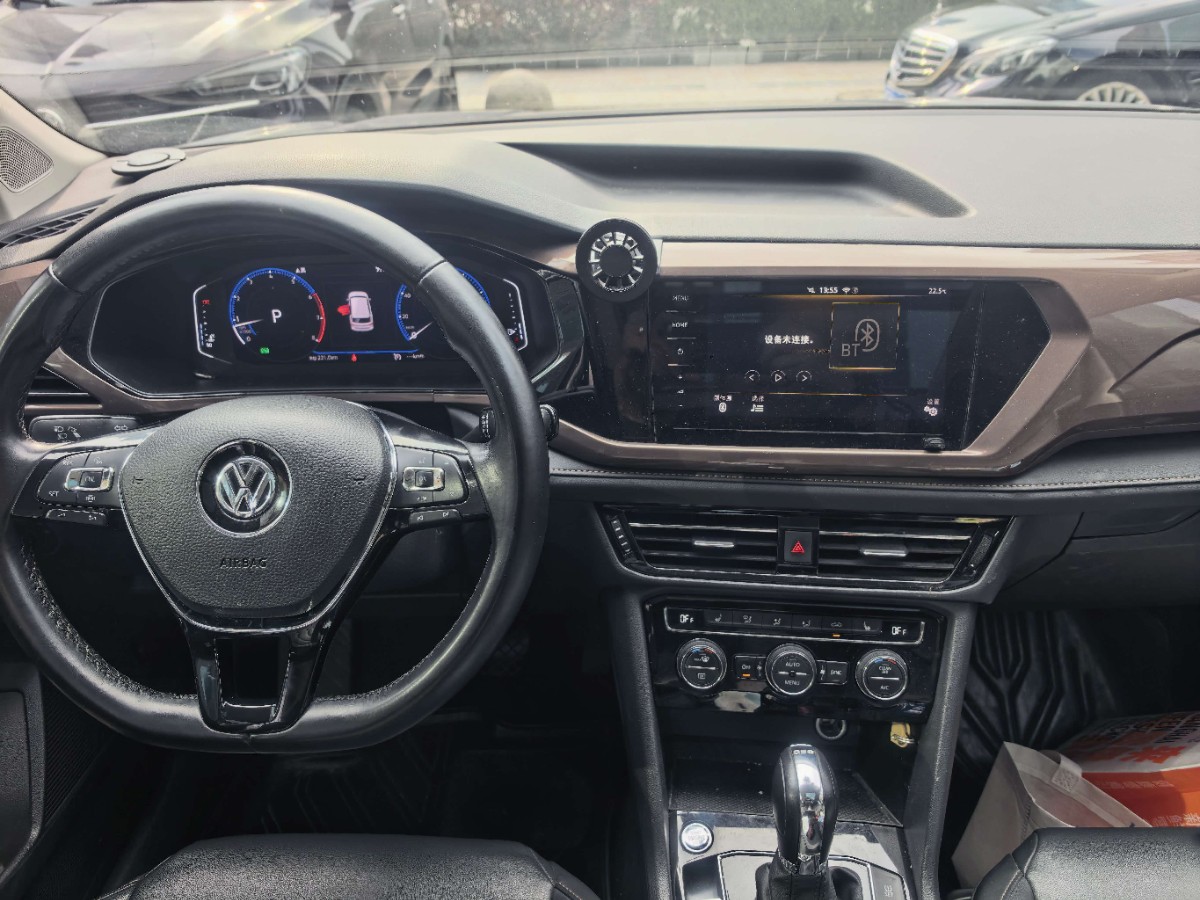
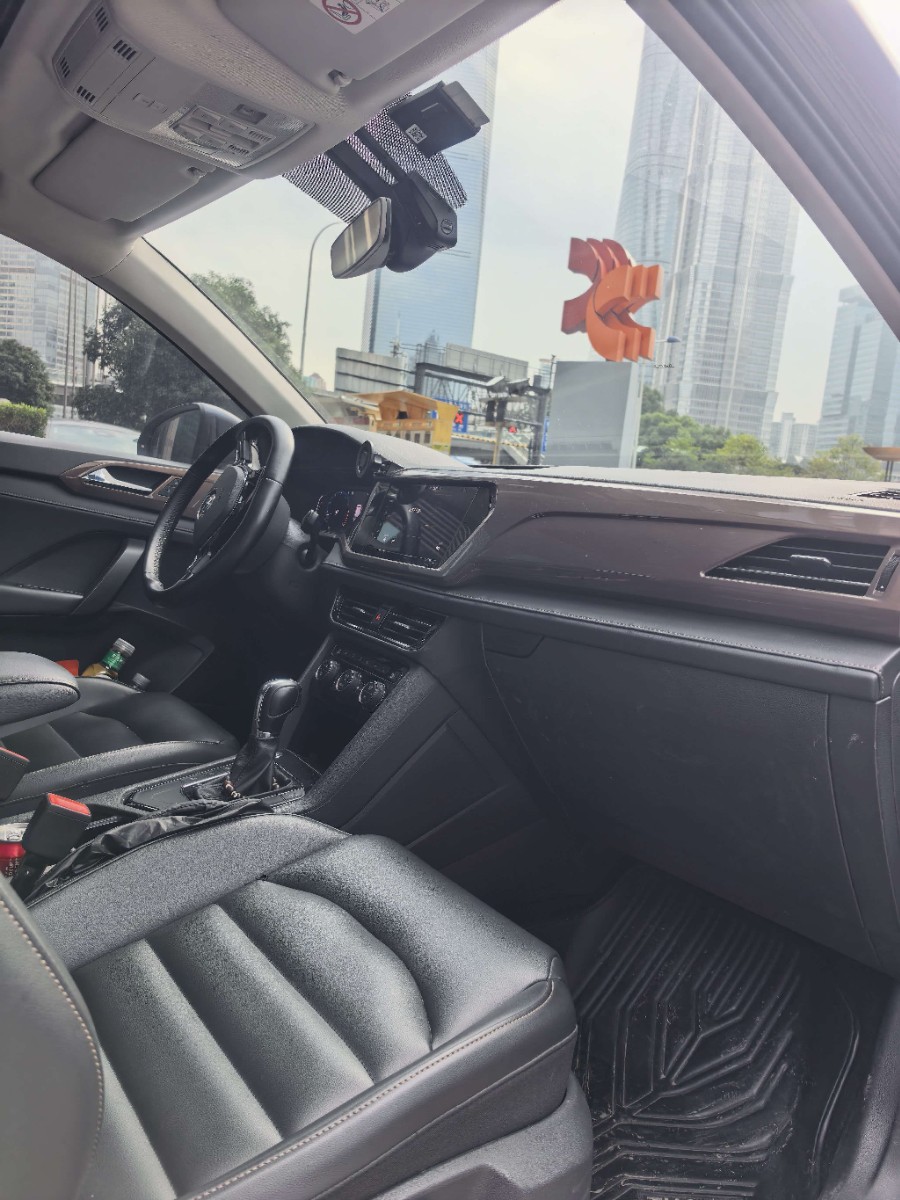
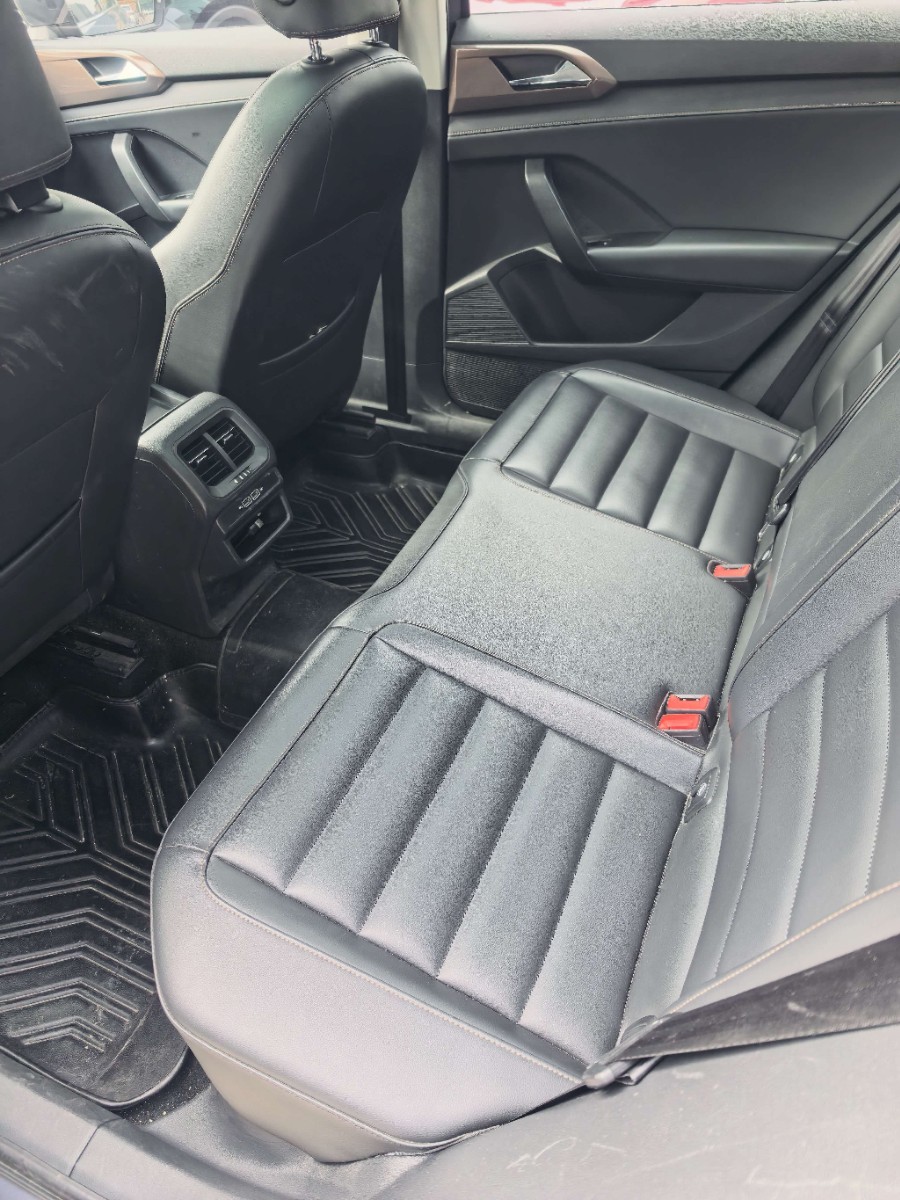
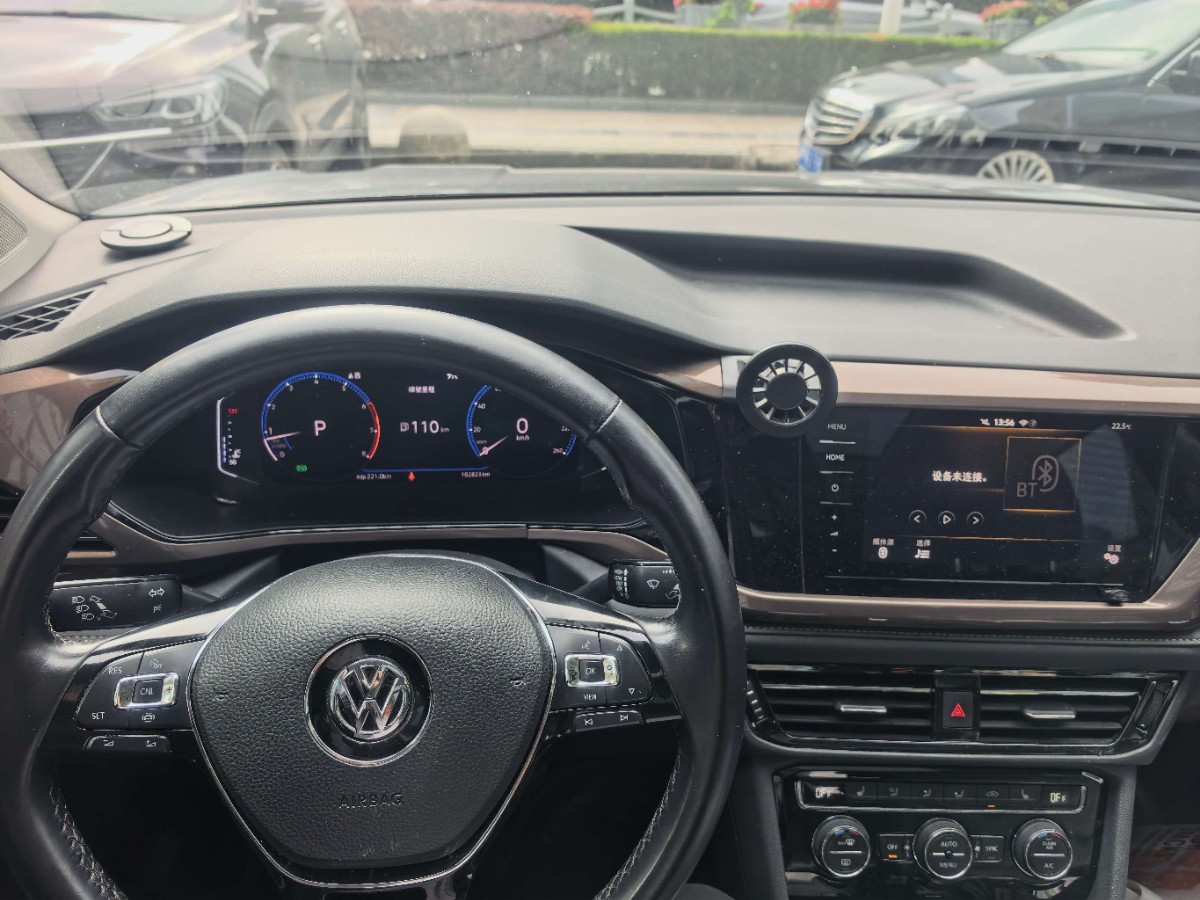
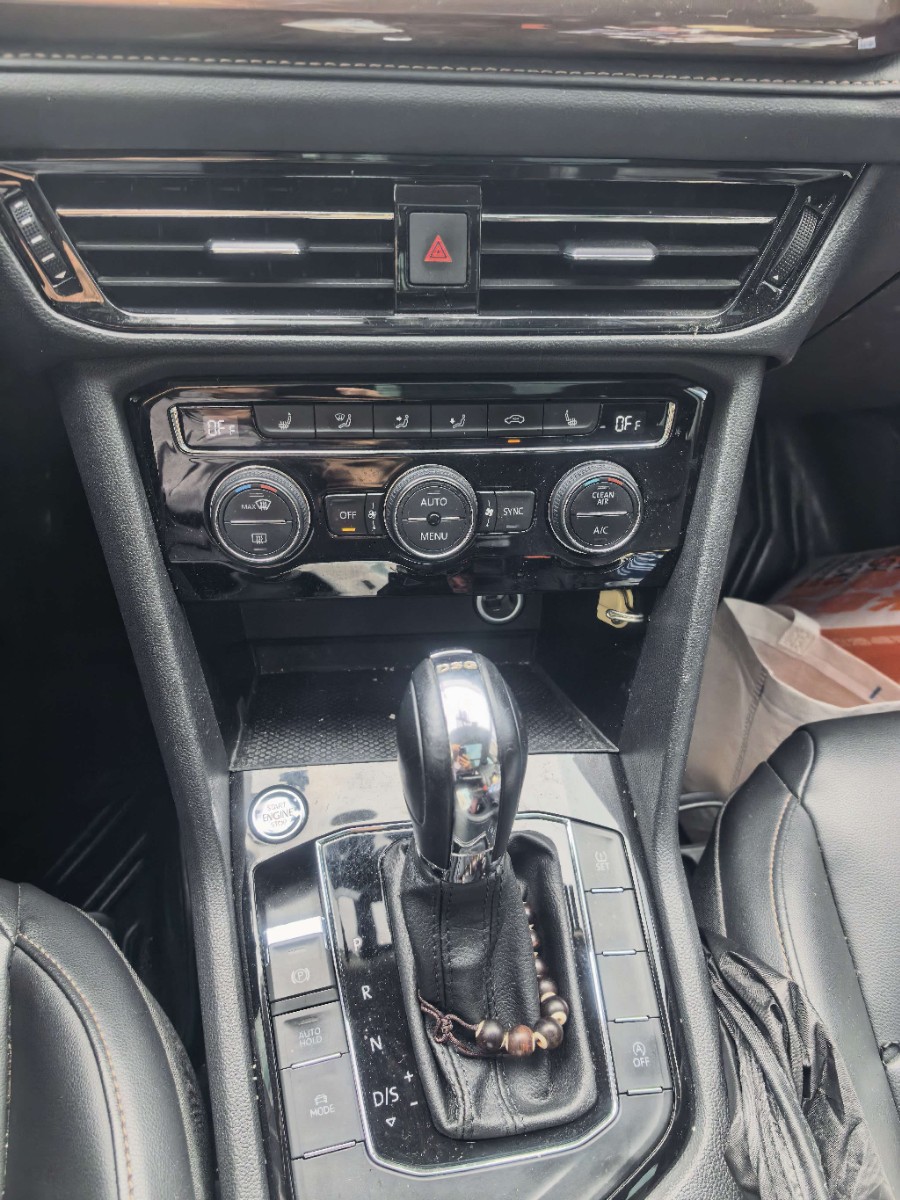
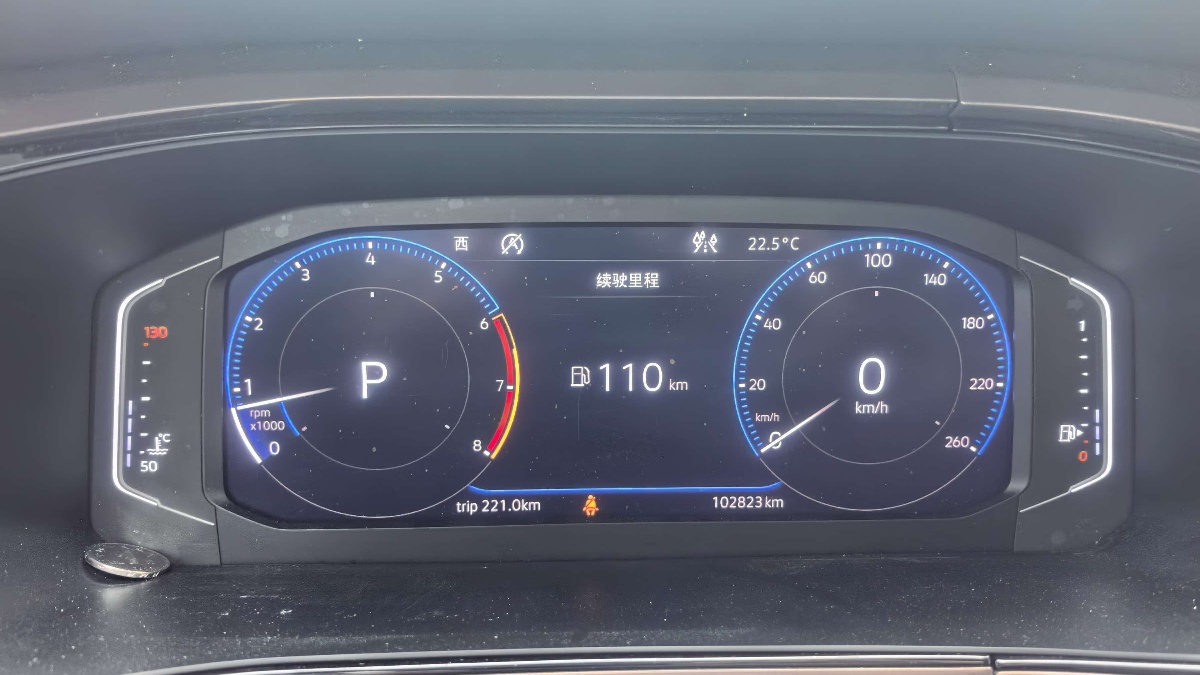



Basic Information

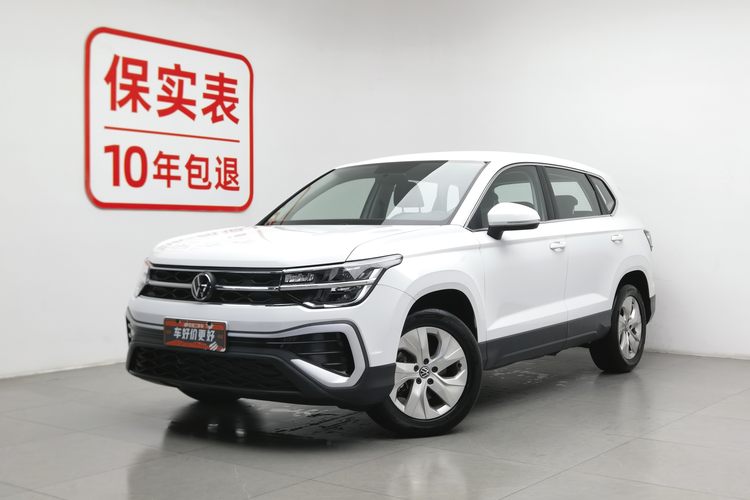
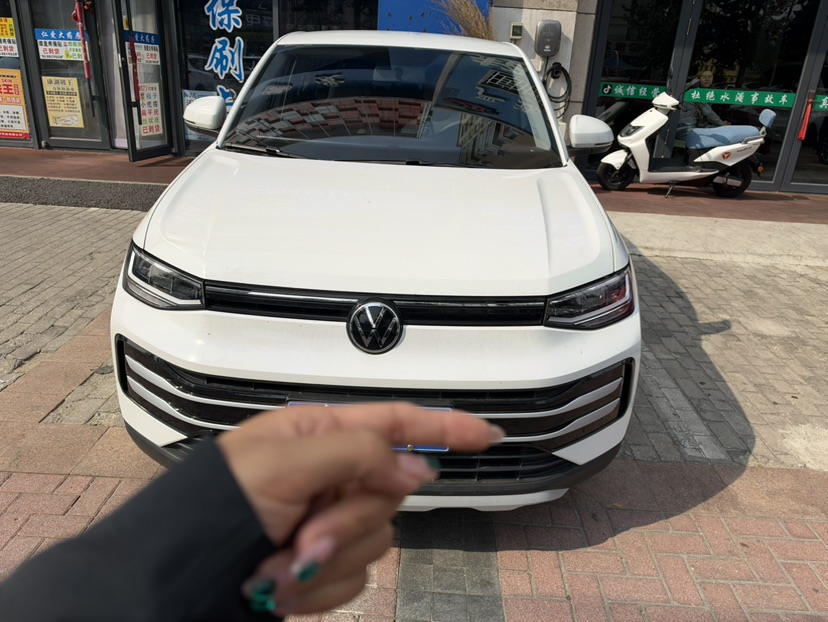
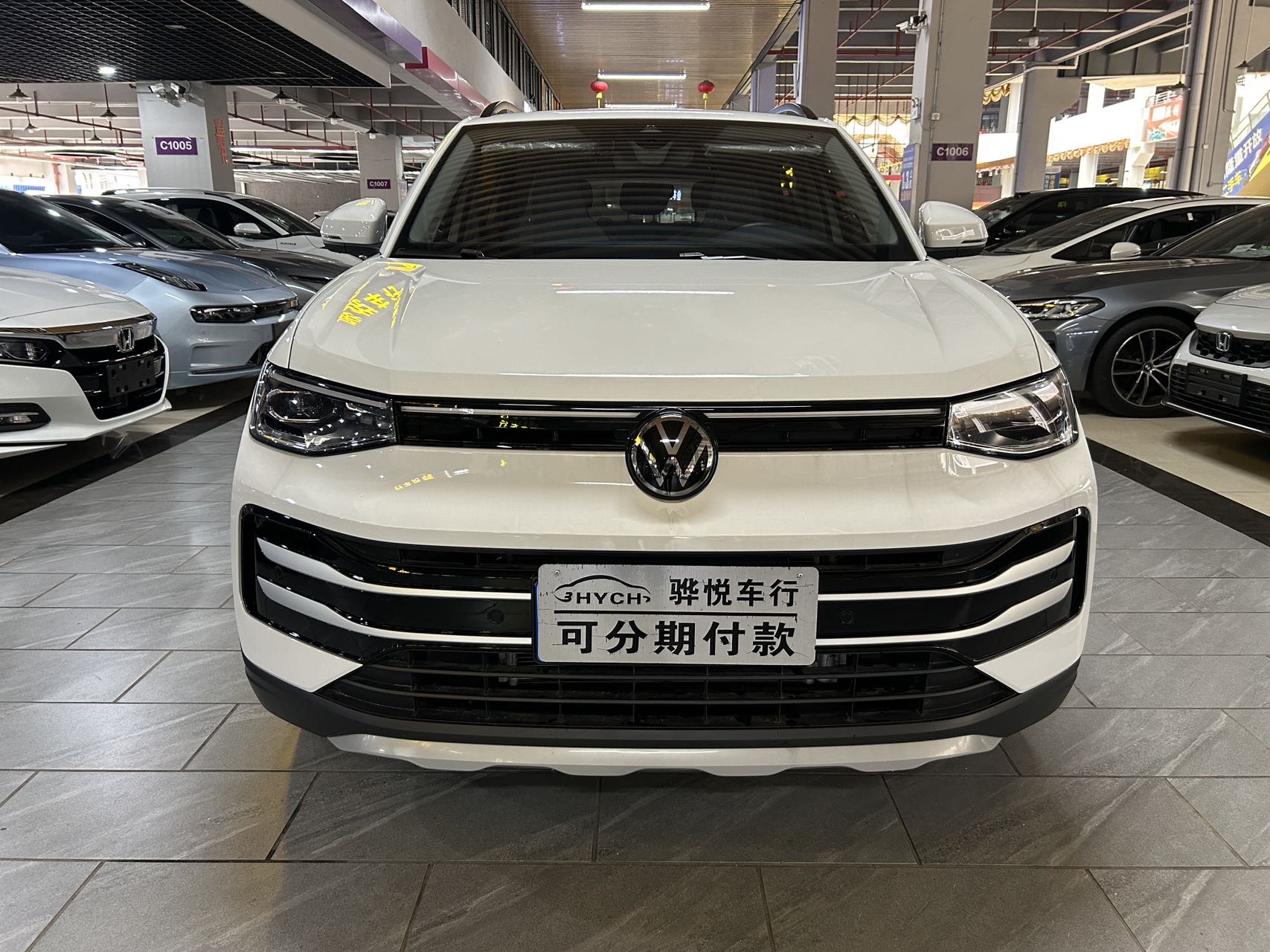
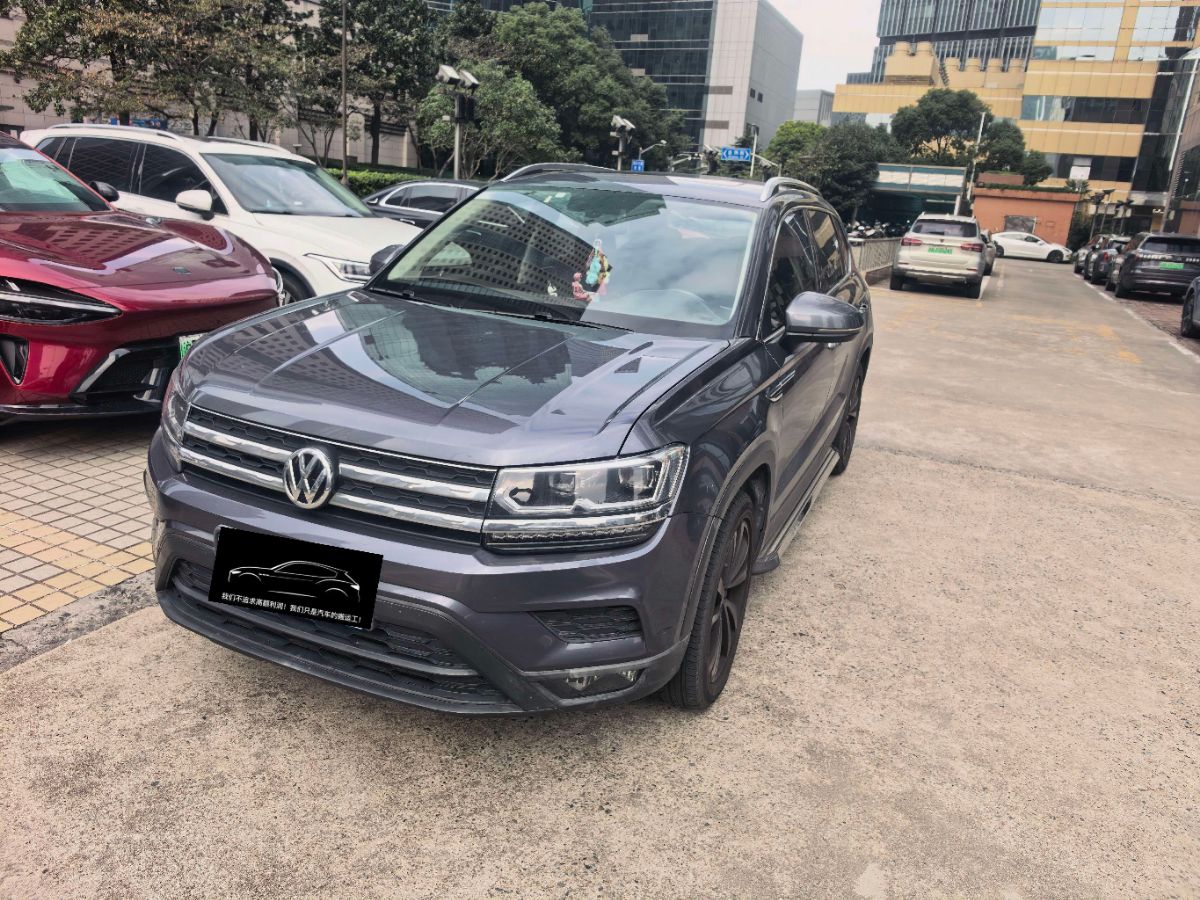
BrandVolkswagen
SeriesTharu
Year2019
First Registration2019/01
Mileage100,000km
Transfer Count1times
FuelGasoline
TransmissionDCT
Engine1.4T 150 L4
ColorGrey
Seats-

Condition Description

Original paint

燃油车
SUV
自动
维保开放
事故开放
查验开放

Configuration Highlights

✓品牌: 大众
✓车系: 途岳
✓车型: 2019款 280TSI 两驱豪华版 国V
✓车身类型: SUV
✓座位数: 5
✓排量: 1.4T
✓变速箱: 自动
✓能源类型: 燃油车
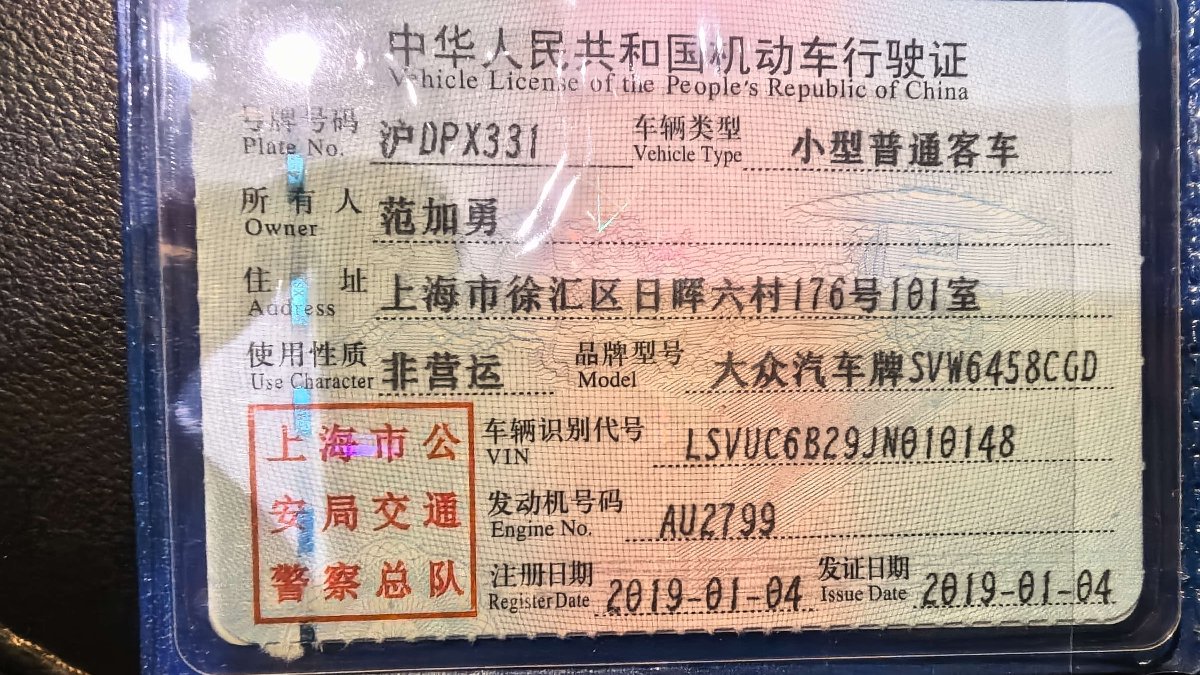
✓VIN: LSVUC6B29JN010148
✓搜索关键词: 大众途岳 2019款途岳280TSI两驱豪华版国V

Document Information

Inspection Expiry Date2027/01
Warranty Expiry Date-
Insurance Expiry Date2027/01

Q&A

More

What is a Certificate of Origin and why do I need one when importing a car from China?

A Certificate of Origin (C/O) is an official document stating where the vehicle was manufactured. Customs authorities use it to decide which tariff rates and trade agreements apply to your import. Why it matters: many countries offer preferential tariffs for certain origins. With a valid C/O, such as the ASEAN-China Form E or a GSP Form A, you may pay reduced or zero duty. Without it, you typically pay the standard, higher rate. The certificate must match the vehicle exactly: VIN, make, model and invoice details. It is usually issued by the China Council for the Promotion of International Trade (CCPIT) or customs authorities. Practical tips: request the C/O before shipment, because adding it later is slow; check that your country's customs accepts the specific C/O format; and confirm with your broker whether your vehicle category qualifies for preferential rates. This single document can save you thousands in duty.


How should I compare quotes from multiple Chinese exporters to find the real best price?

Comparing headline prices alone will mislead you—quotes often bundle or exclude different items. Build a like-for-like comparison before deciding. Request every exporter to break their quote into: vehicle price, domestic transport in China, export handling and documentation fees, inspection fee, ocean freight to your port, and insurance. Then add what they exclude: your country's customs duty, VAT/GST, port charges, and local delivery. Watch for common padding: "service fees" of 3-8% that appear only in the final invoice, inflated inland transport (a truck from Guangzhou to a port should rarely exceed a few hundred dollars), and freight quotes that assume a shared container while charging you for a full one. Ask each exporter to state validity (7-14 days is normal) and whether the price is FOB or CIF. Once normalized, the cheapest quote usually isn't the lowest number—it's the one with the shortest list of exclusions and the clearest terms.

Is there a specific testing process for the smooth transition between the engine and motor in hybrid (HEV/PHEV) vehicles?

Yes. For hybrid vehicles, technicians will conduct forced switching tests between EV (electric) and HEV (hybrid) modes, focusing on the sensation of clutch engagement and reading the hybrid system's specific fault codes to ensure the complex dual power system operates correctly.