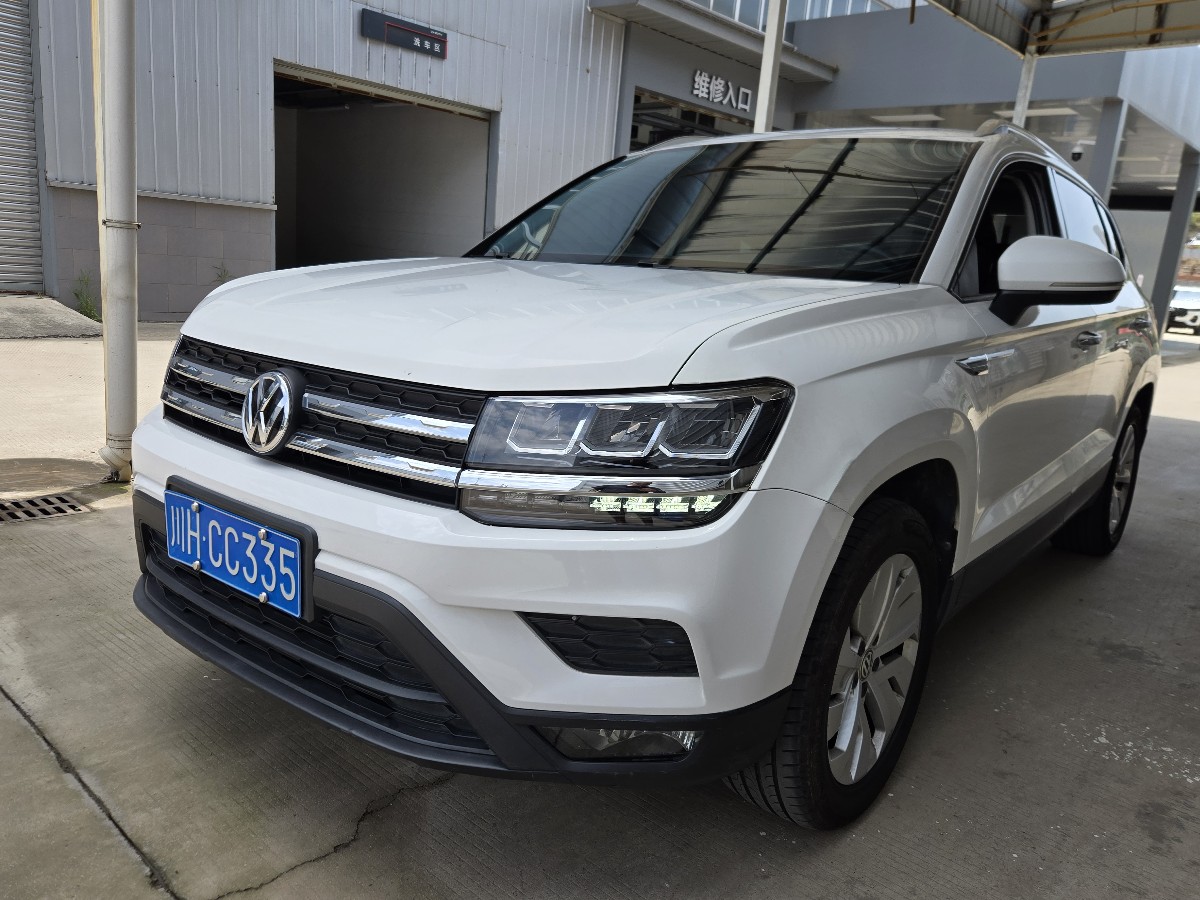
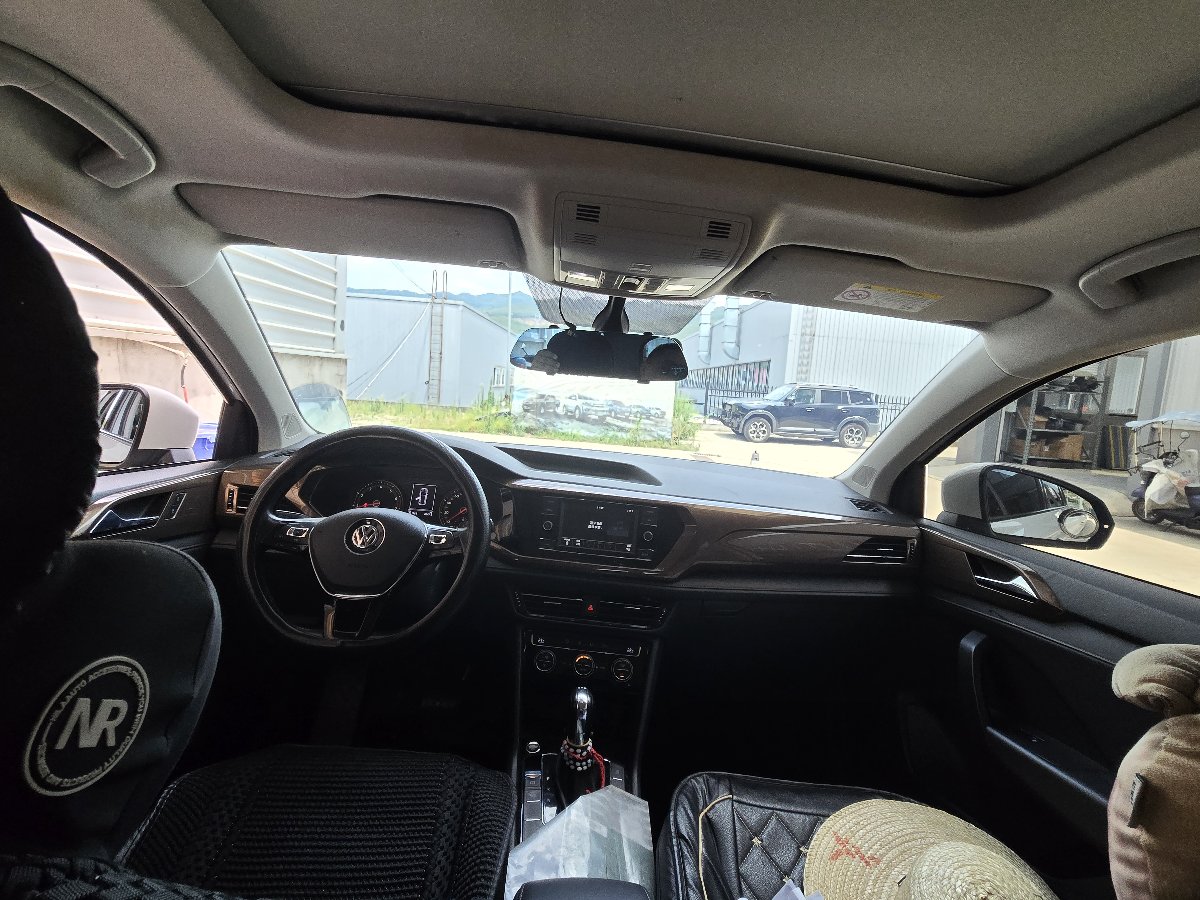
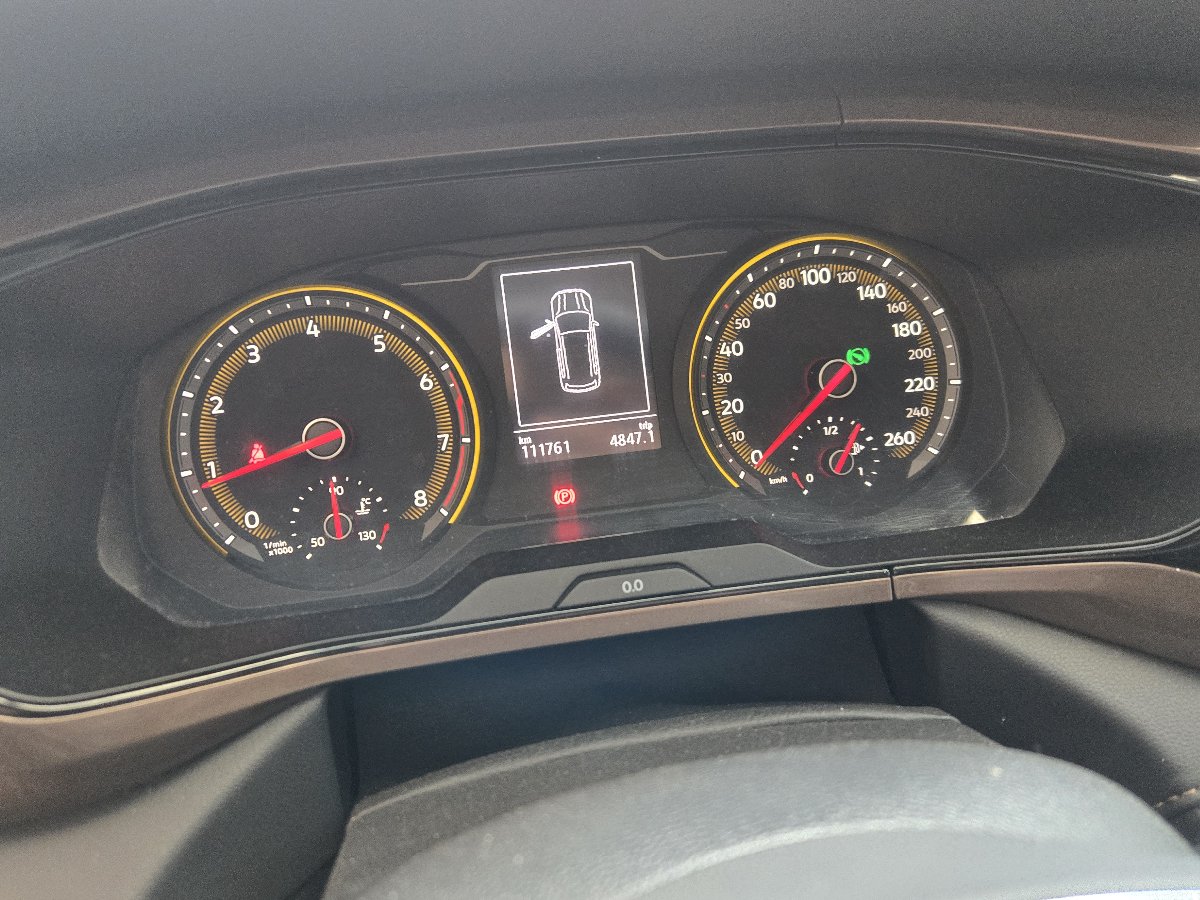
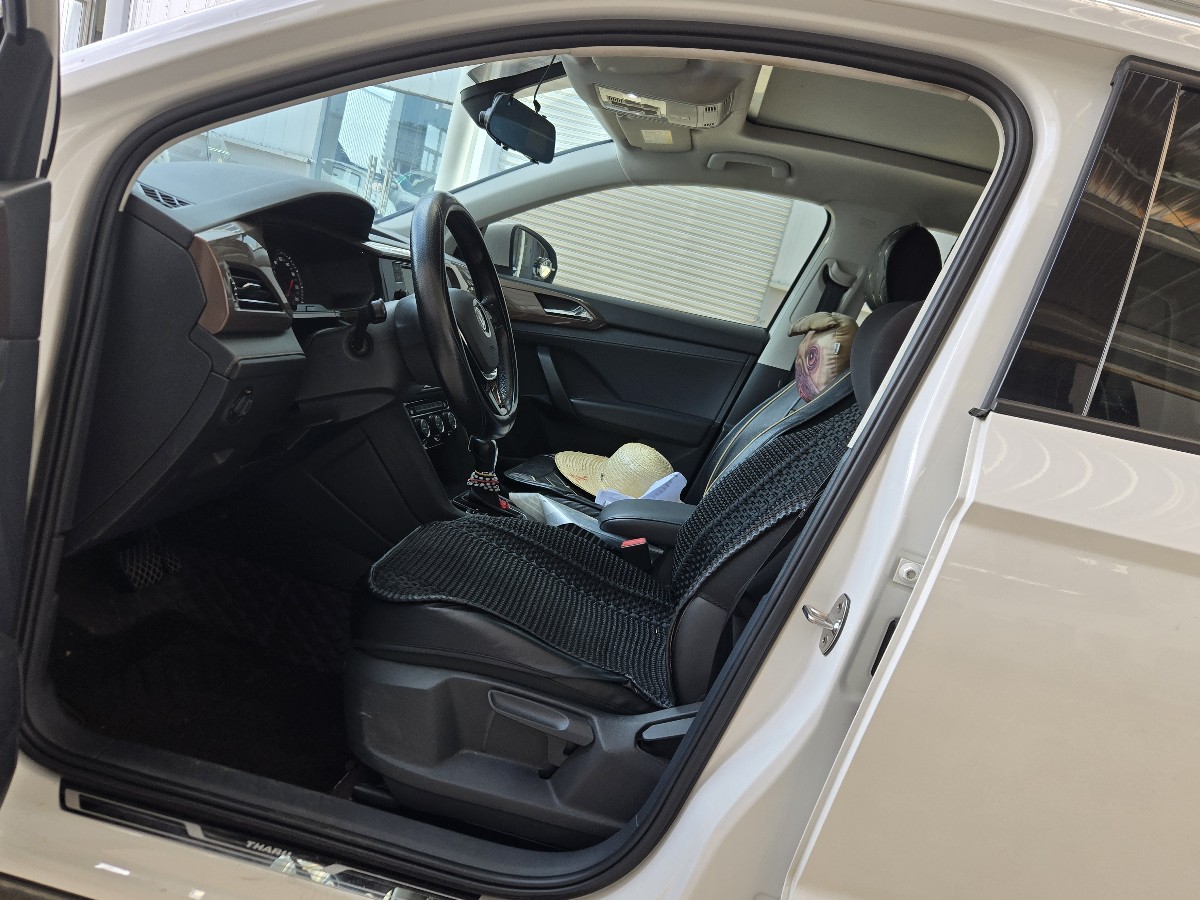
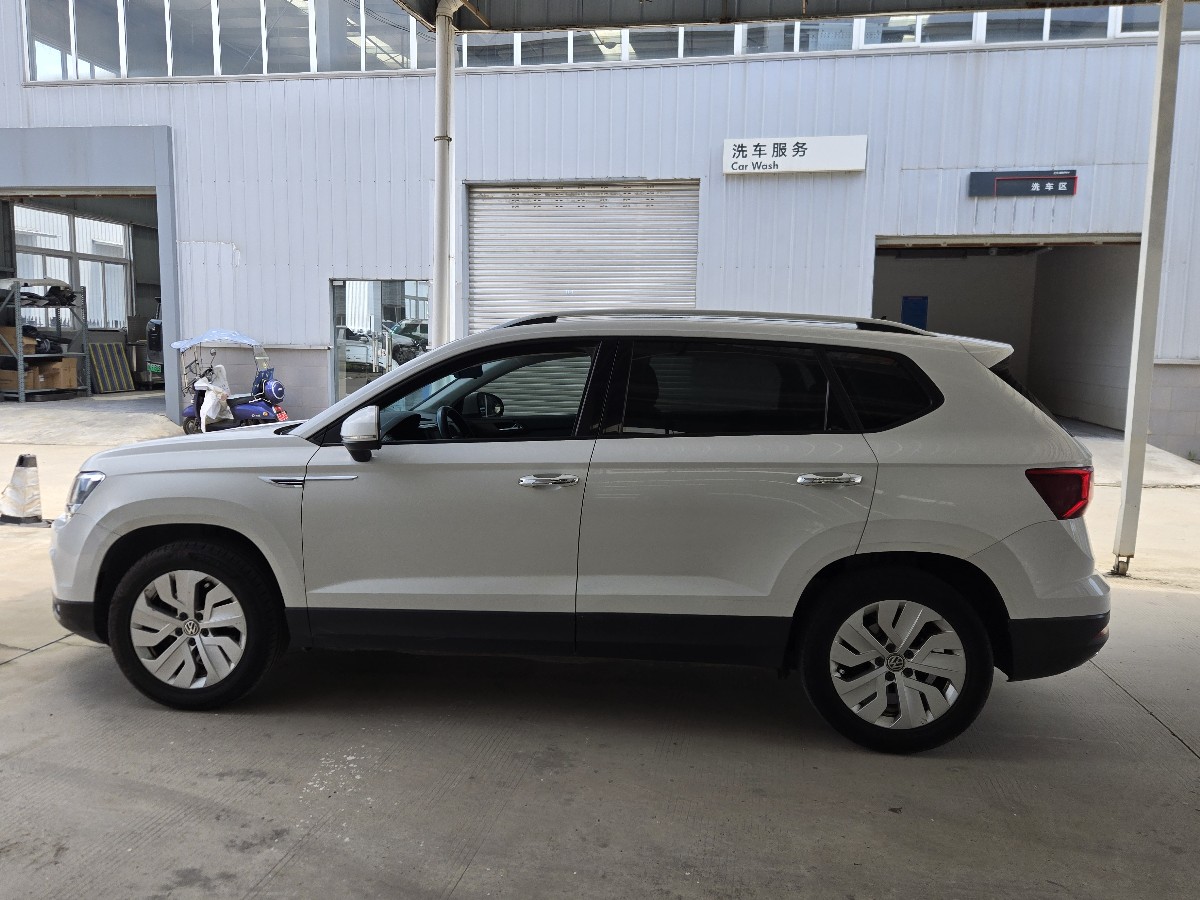
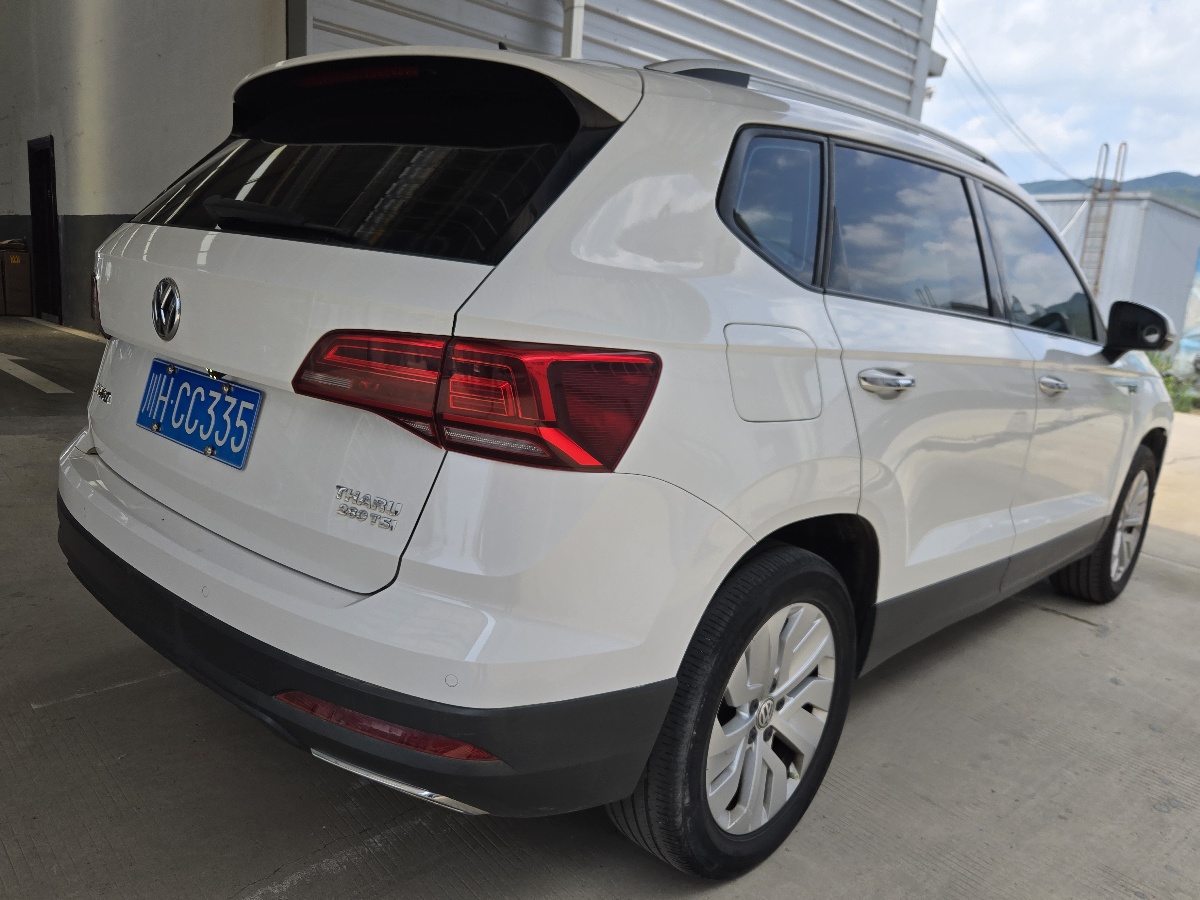
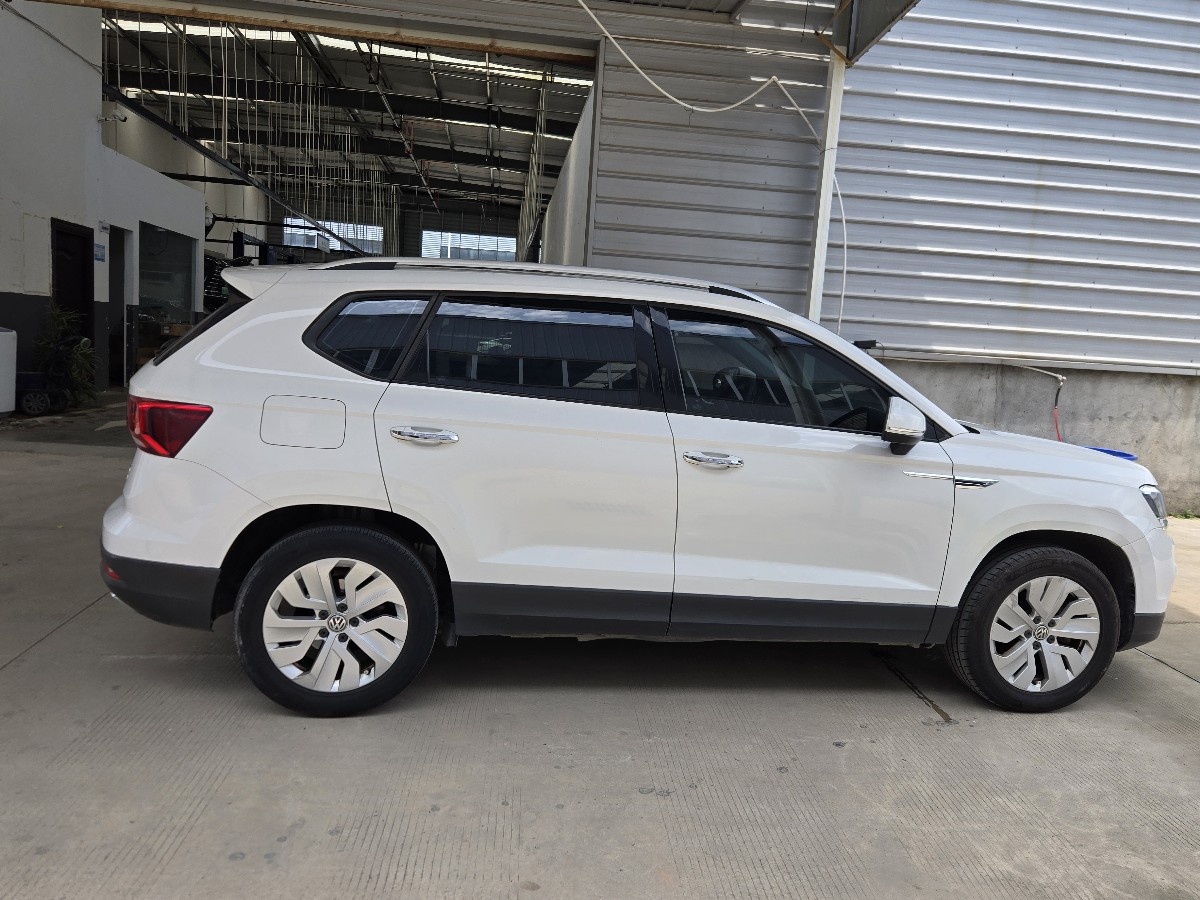
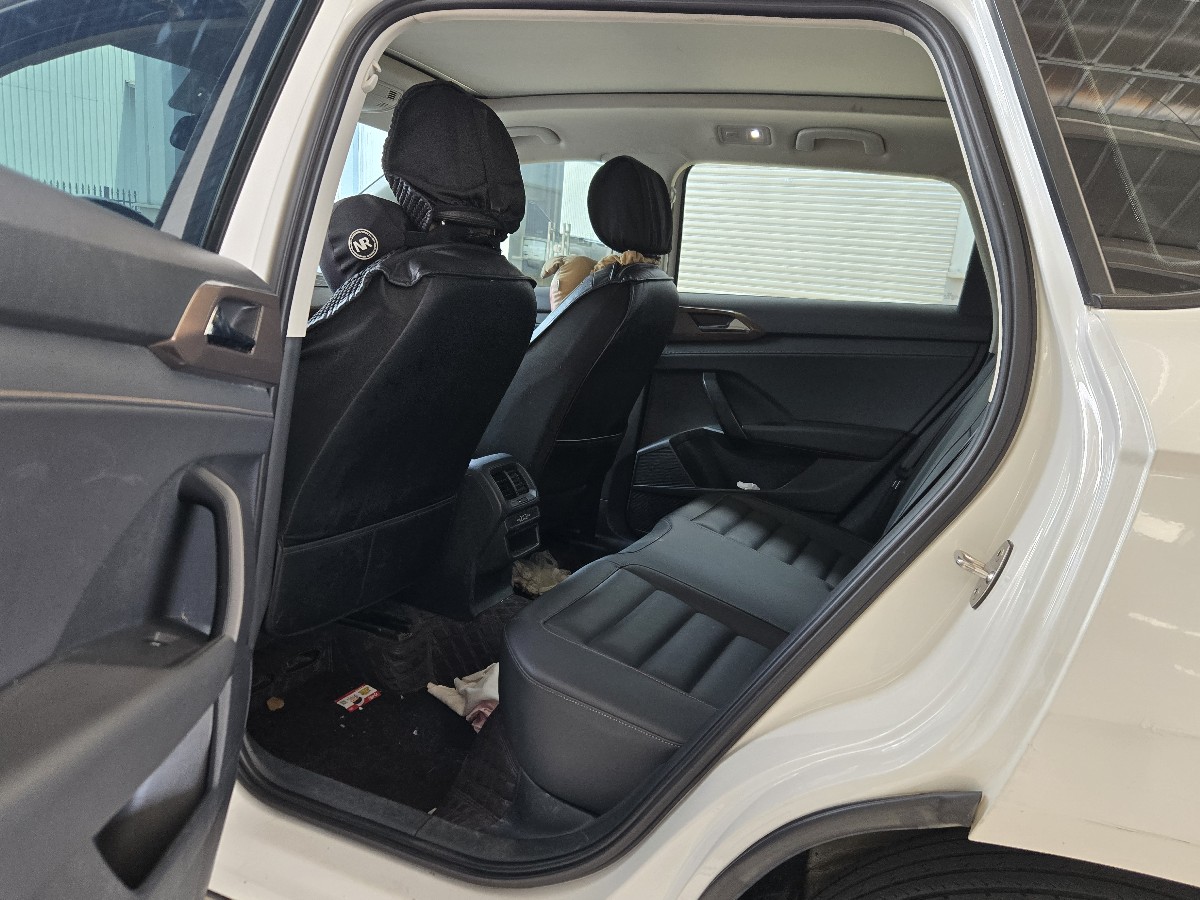

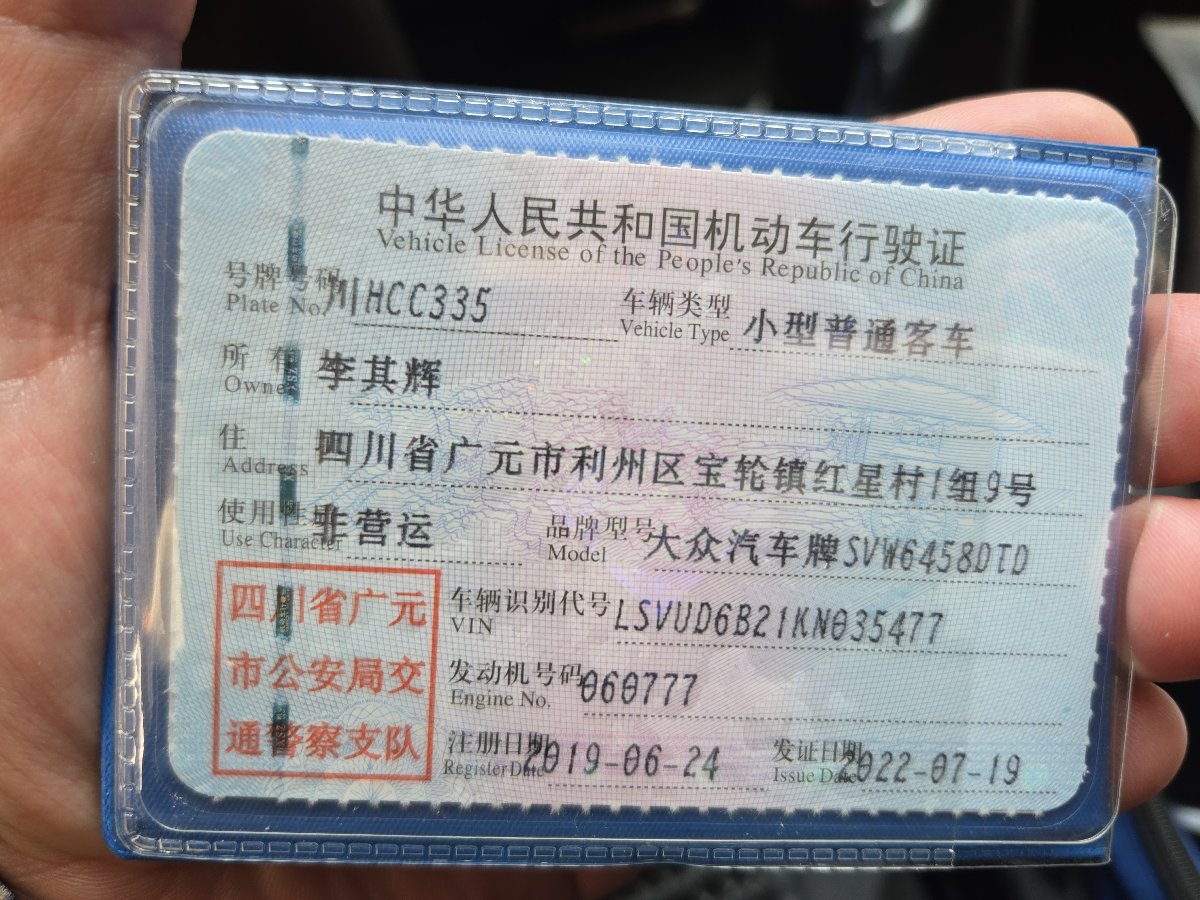



Basic Information

BrandVolkswagen
SeriesTharu
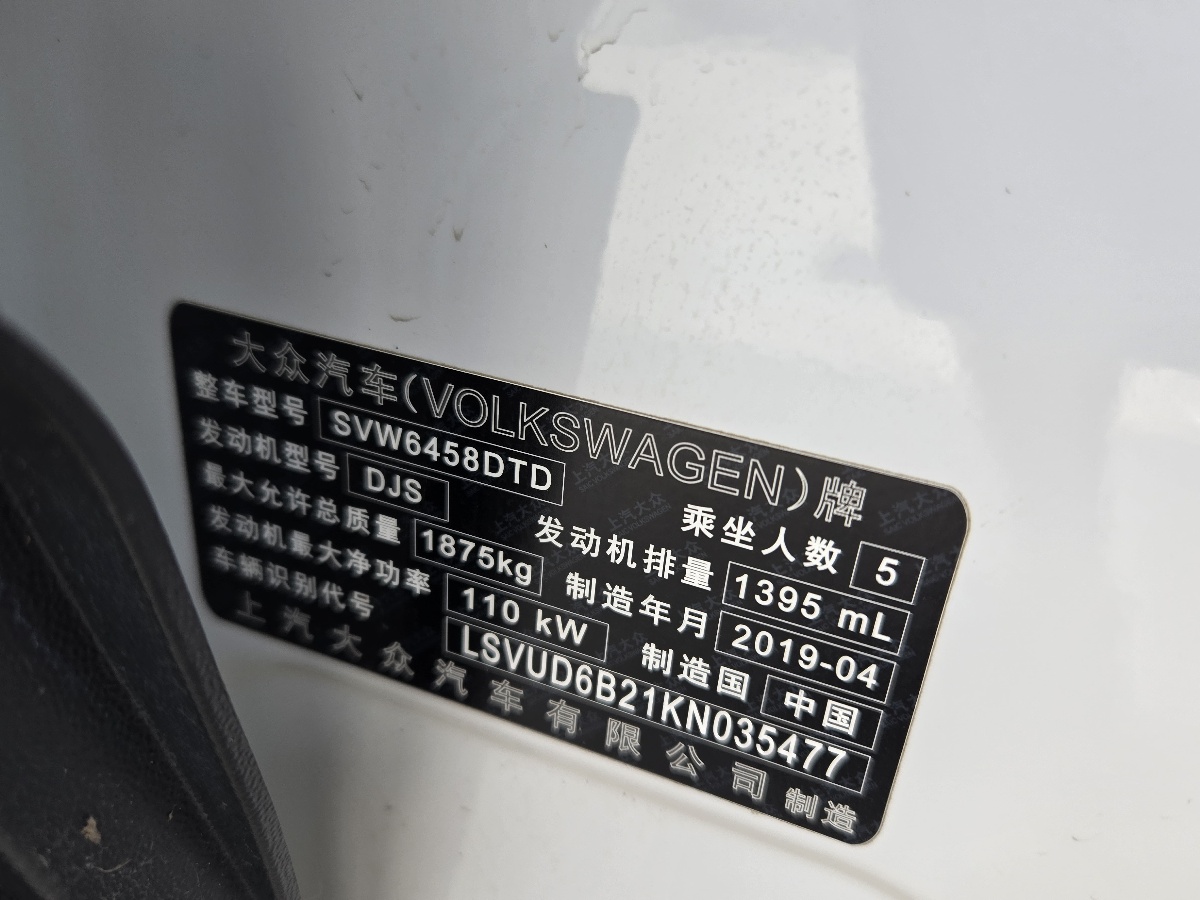
Year2019
First Registration2019/06
Mileage110,000km
Transfer Count1times
FuelGasoline
TransmissionDCT
Engine1.4T 150 L4
ColorWhite
Seats-

Condition Description

Left front headlight and fender replaced. Specific condition details refer to uploaded records.

燃油车
SUV
自动
维保开放
事故开放
查验开放

Configuration Highlights

✓品牌: 大众
✓车系: 途岳
✓车型: 2019款 280TSI 两驱舒适版 国VI
✓车身类型: SUV
✓座位数: 5
✓排量: 1.4T
✓变速箱: 自动
✓能源类型: 燃油车
✓VIN: LSVUD6B21KN035477
✓搜索关键词: 大众途岳 2019款途岳280TSI两驱舒适版国VI

Document Information

Inspection Expiry Date2027/06
Warranty Expiry Date-
Insurance Expiry Date2027/06

Q&A

More

If a third-party inspection report misses significant technical defects and they are discovered upon arrival at the destination port, how is liability determined?

This is a key legal issue. If the inspection is conducted by a third party appointed by us, we will be the primary responsible party and provide limited compensation to you, after which we will seek reimbursement from the inspection agency; if the inspection agency is designated by you personally (such as SGS), you will need to file a claim directly with that agency according to its service terms.


If a car's history record is missing and cannot be found, will sellwellauto still allow it to be listed for sale?

Yes, but it will be downgraded. For vehicles that are out of warranty and have no claims records, we will require a more in-depth physical inspection and clearly label the details page as "Data Unavailable" to ensure transparency about the risks. These vehicles typically have a higher price discount.

How are the refrigerant pressure, compressor operation, and heating effect of the air conditioning system deeply tested?

The technician will start the vehicle and turn on the air conditioning system, measuring the actual temperature at the vents at the lowest and highest settings with a thermometer; at the same time, they will connect a manifold pressure gauge to check if the refrigerant pressure in the high and low pressure lines is within the normal range, determining if there is a chronic refrigerant leak.