48H

Basic Information

BrandVolkswagen
SeriesTharu
Year2020
First Registration2020/01
Mileage56,100km
Transfer Count-
FuelGasoline
TransmissionDCT
Engine1.4T 150 L4
ColorWhite
Seats-

Condition Description

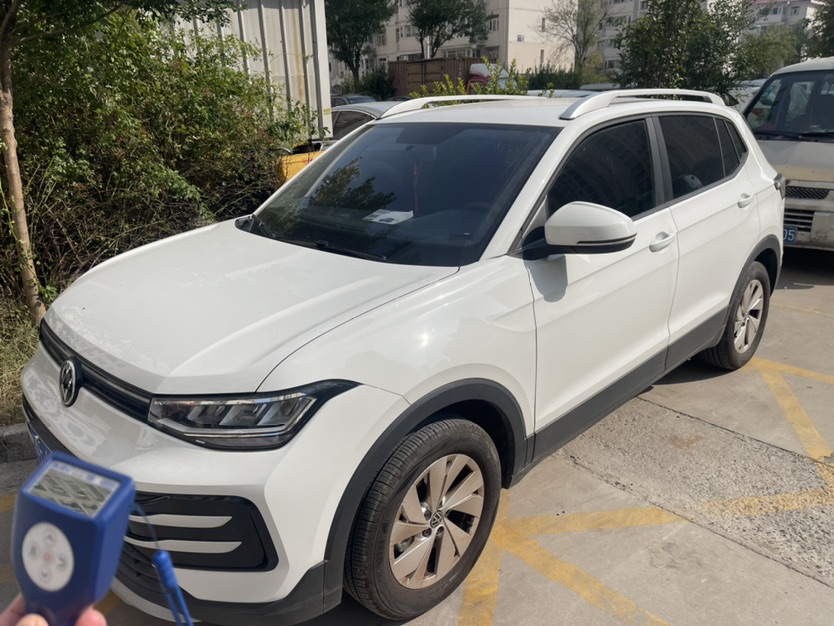
Localized body damage or repair marks present; structural and reinforcement components have no accident-related damage or repairs. Vehicle performance (including three-electric system) has degraded or is limited.

Accident inspection: main structure undamaged, reinforcement components undamaged, panels undamaged, hinges normal. Engine bay inspection: key mechanical components normal. Exterior: 2 areas of sheet metal repair. Interior: most features normal, airbags normal, seatbelts normal, dashboard normal, instrument readings normal, lighting system normal. Startup inspection: main components normal. Onboard tools: none.

电话直连
可讲价

Document Information

Inspection Expiry Date2028/01
Warranty Expiry Date-
Insurance Expiry Date2027/01

Q&A

More

What are the differences in power loss performance of used lithium iron phosphate (LFP) and ternary lithium (NMC) batteries in cold countries?

If your market is in extremely cold regions (like Russia or Northern Europe), we strongly recommend purchasing ternary lithium (NMC) models equipped with heat pump air conditioning. The range achievement rate of used LFP batteries typically plummets at minus 15 degrees, and we will alert you accordingly.

If a car frequently transfers between extremely cold areas (like Northeast China) and extremely hot areas (like Hainan), would you provide special risk warnings?

Absolutely. The extreme temperature fluctuations will significantly accelerate the aging of chassis rubber parts, oil seals, and interior plastics. For vehicles frequently dispatched across such latitudes, we will conduct fatigue resistance checks on chassis rubber parts that are twice as stringent as those for vehicles in temperate regions.

How can I verify the odometer reading is genuine on a Chinese used car from abroad?

Odometer fraud exists everywhere, but cross-checking several data points makes it hard to fake: 1) Maintenance records: ask for service history with mileage entries. Gaps or resets are red flags. 2) Tire wear: a car showing 30,000 km should not have nearly bald tires. Compare tread depth against the claimed mileage. 3) Pedals, steering wheel, and seat bolsters: heavy wear on these with low odometer readings is a classic mismatch. 4) Diagnostic scan: request an OBD readout. Many control modules store mileage data internally — if the ECU shows 120,000 km while the dash shows 40,000, you have your answer. 5) Vehicle history report: in China, apps and platforms can pull insurance claim records and registration history, which often reveal the true mileage trail. Always request a live video showing the odometer with the engine running, and have the number written into your contract.