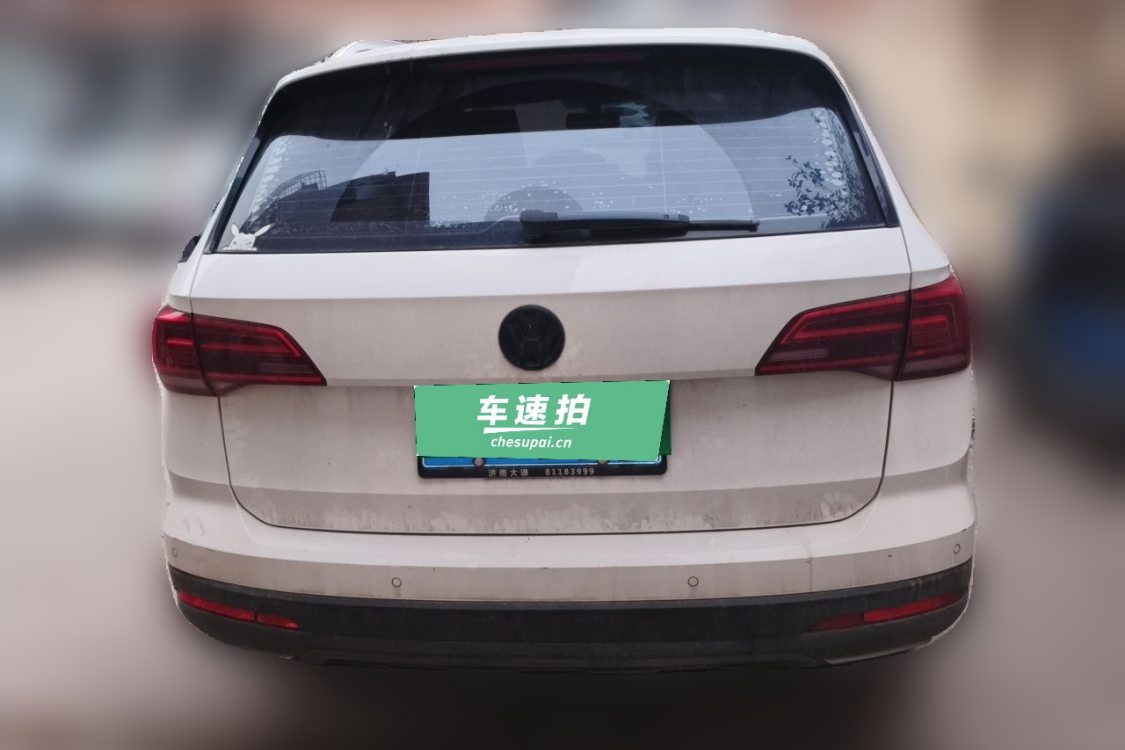
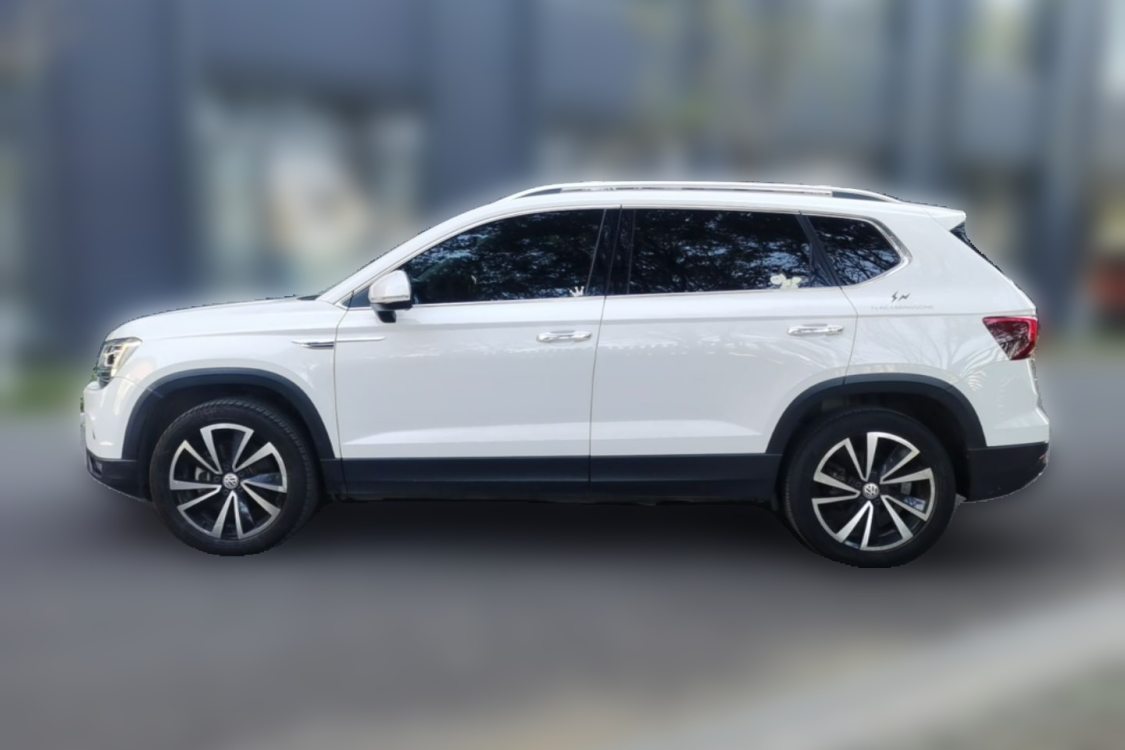
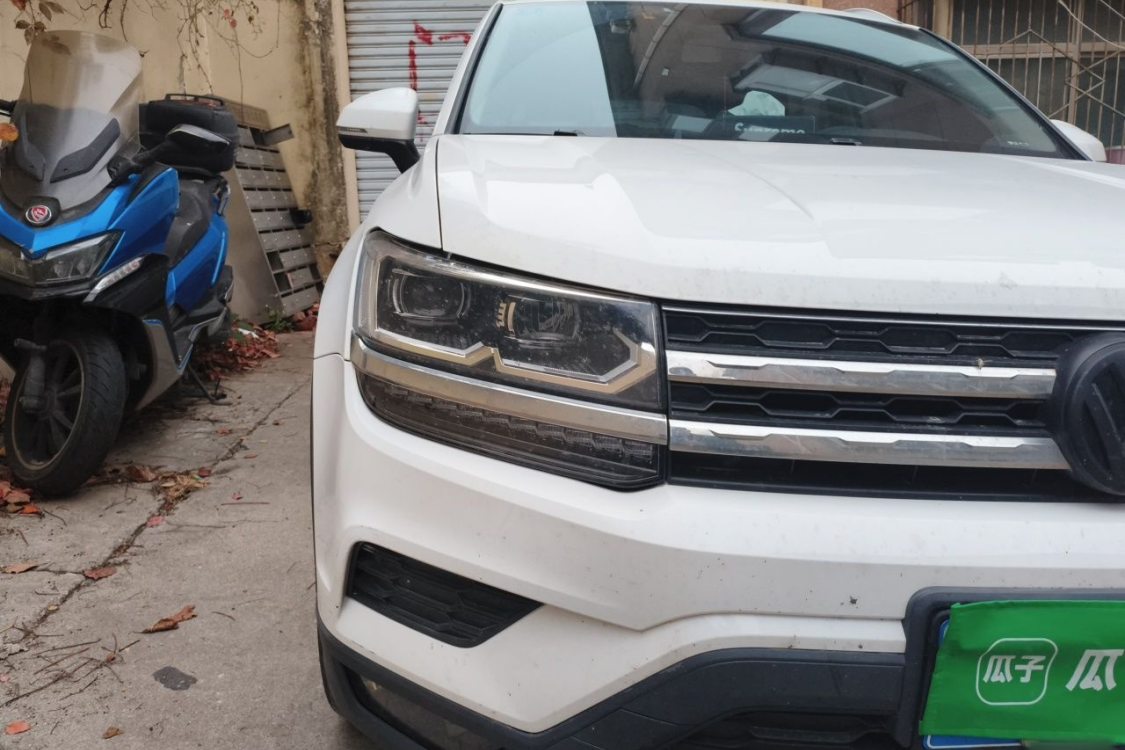
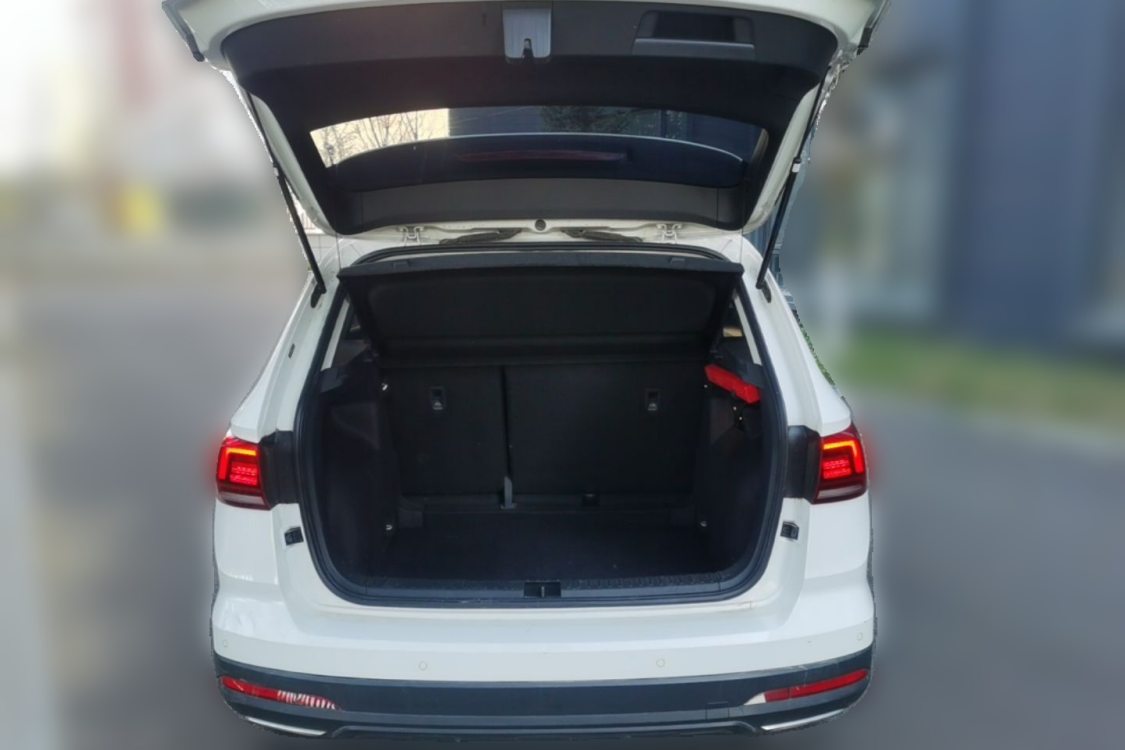



24H

Basic Information

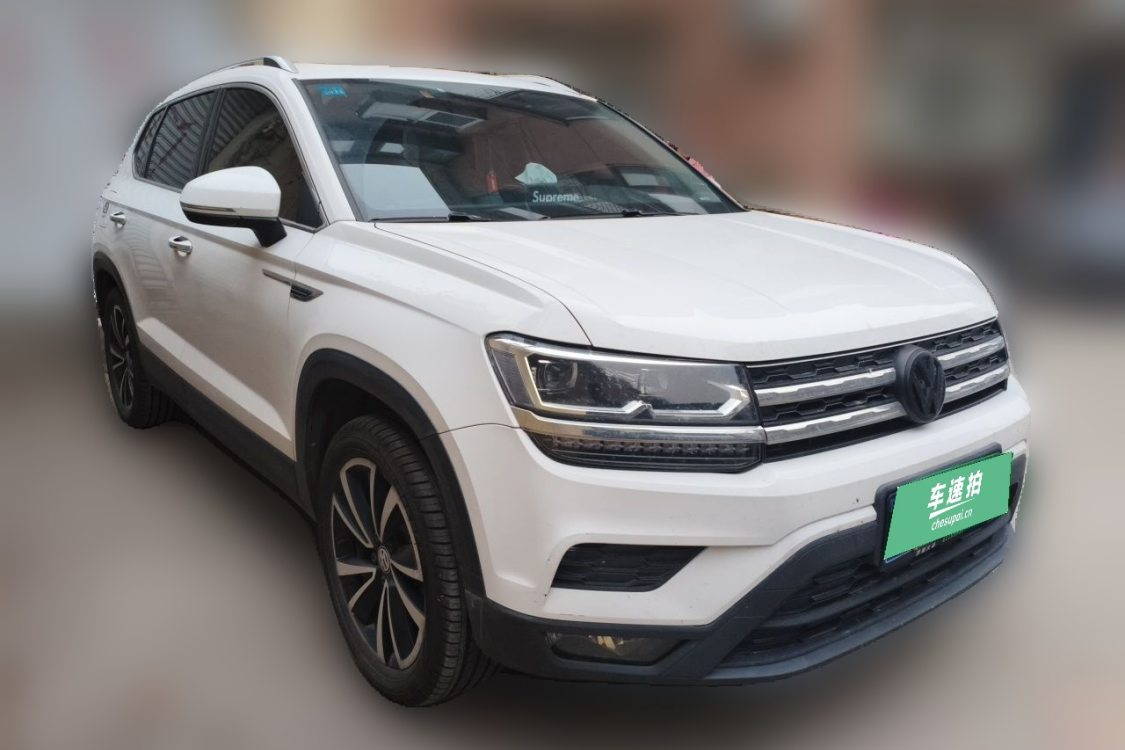
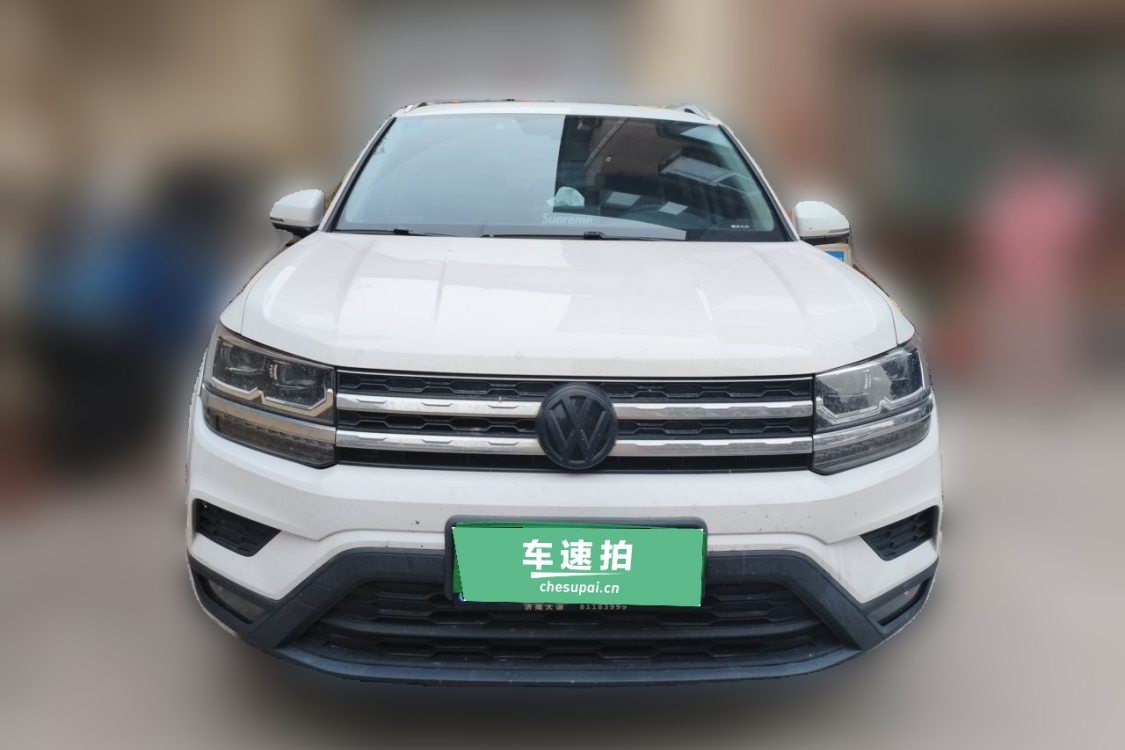
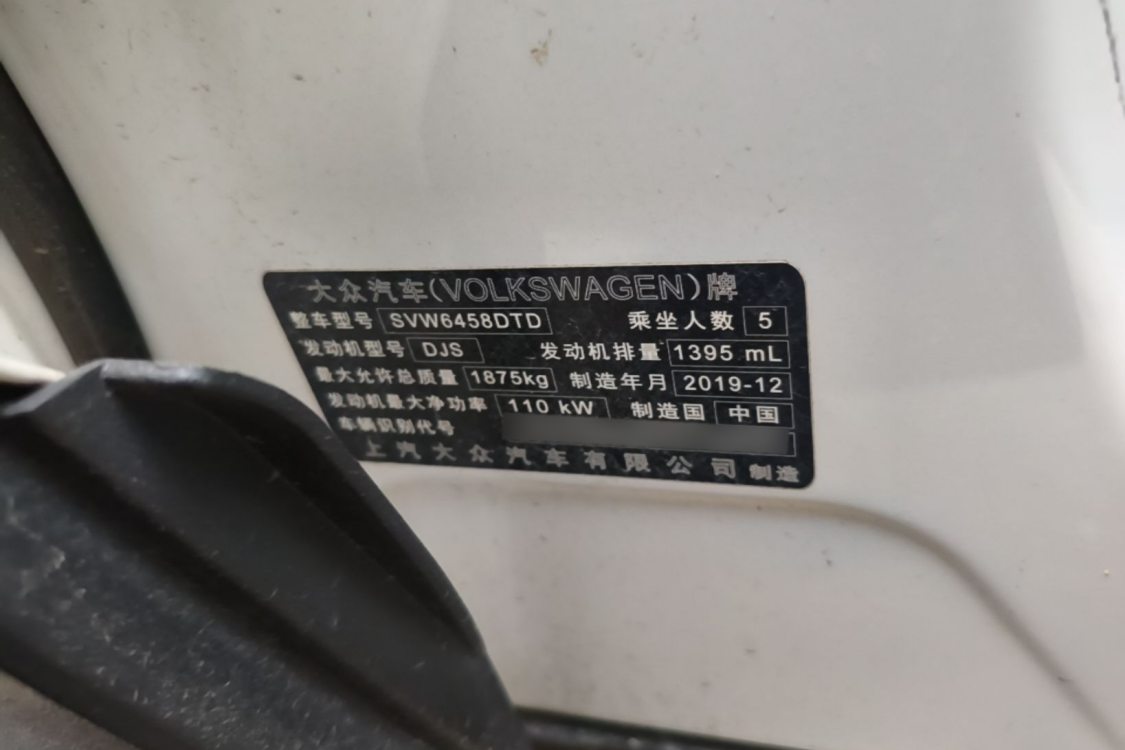
BrandVolkswagen
SeriesTharu
Year2020
First Registration2020/01
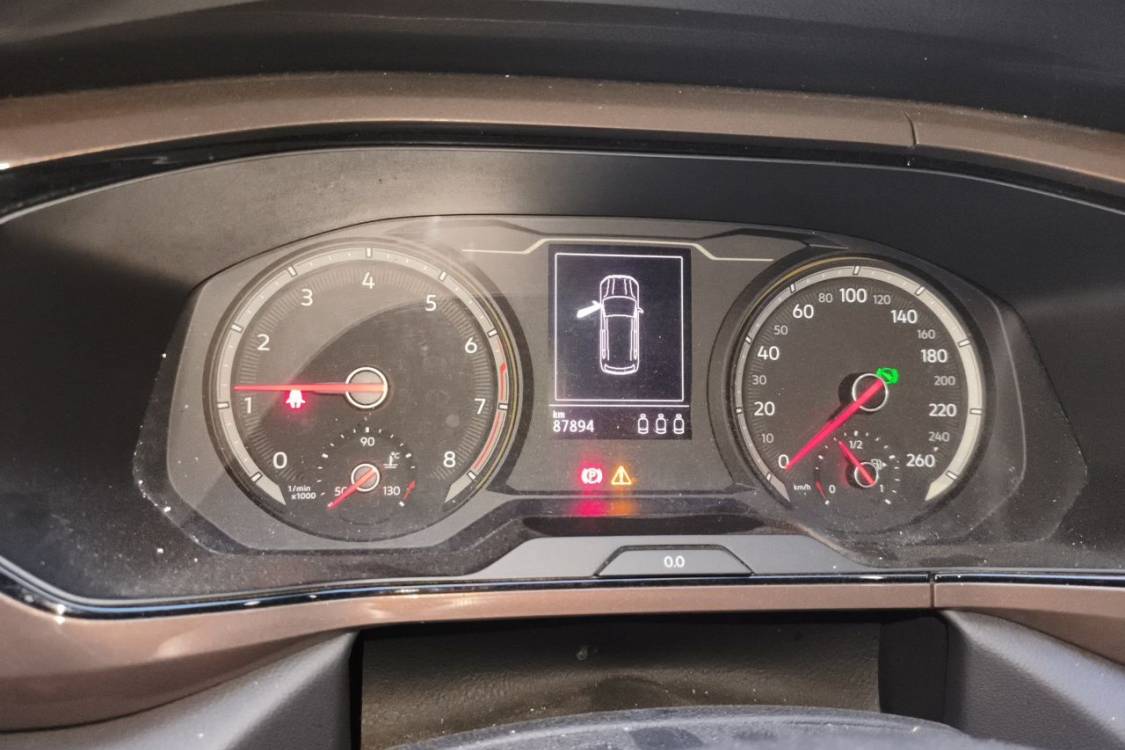
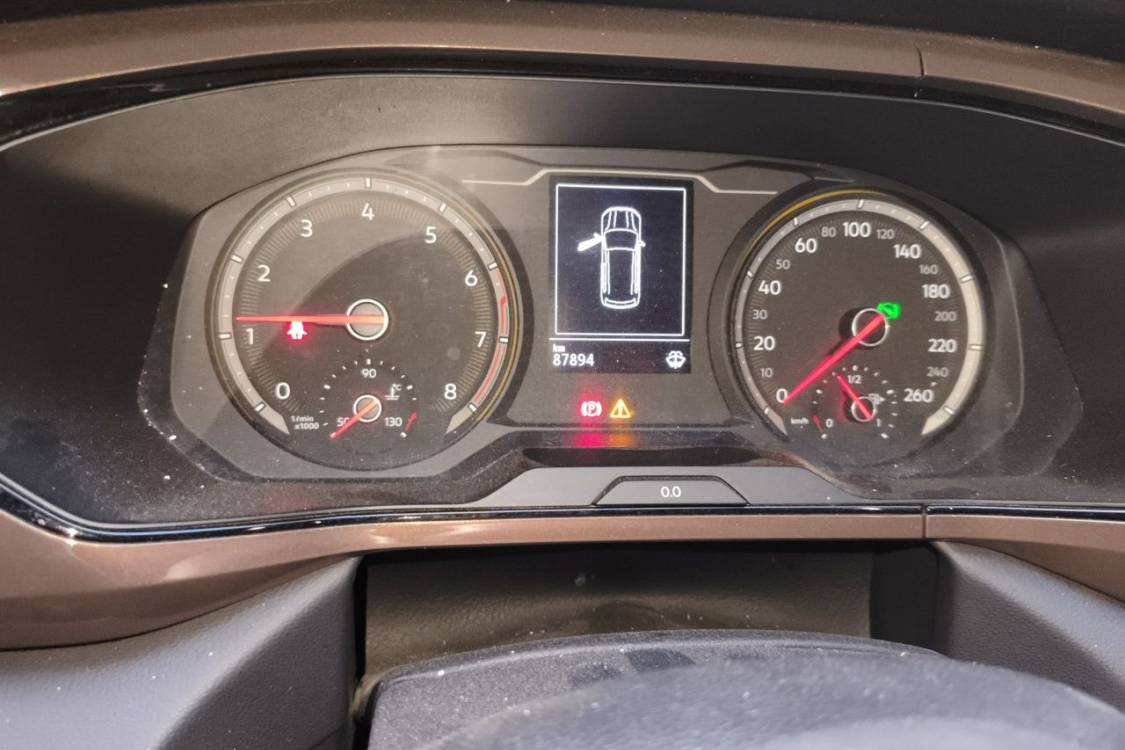
Mileage87,800km
Transfer Count-
FuelGasoline
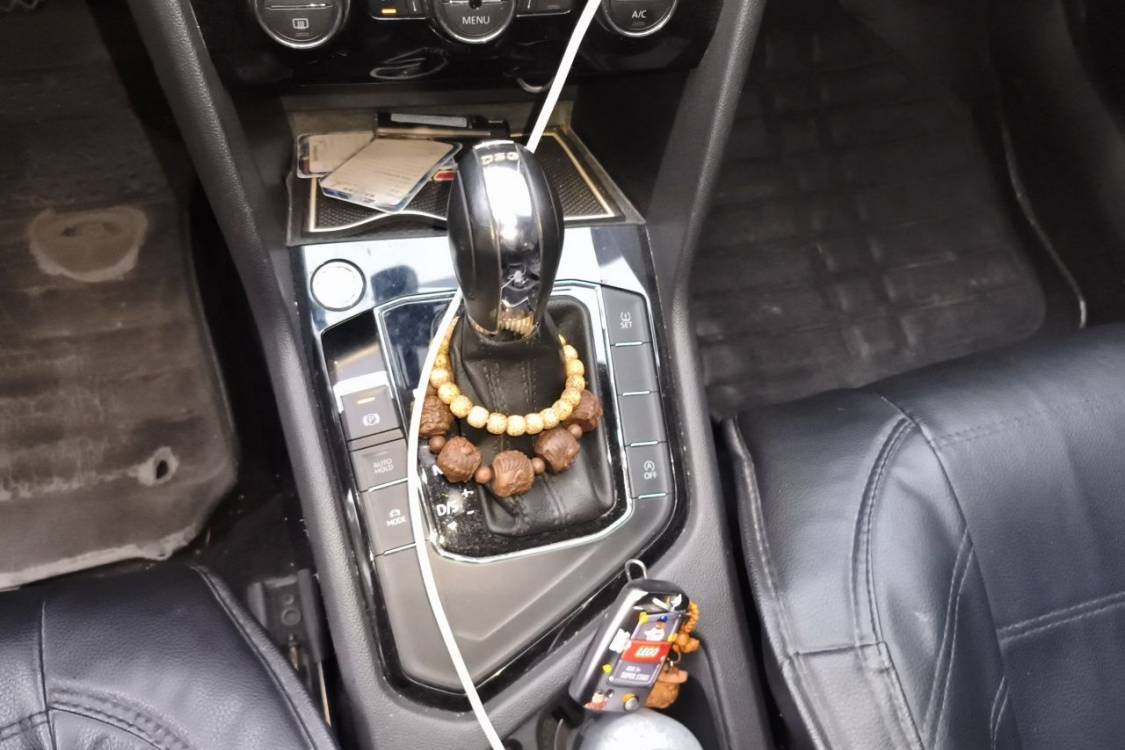
TransmissionDCT
Engine1.4T 150 L4
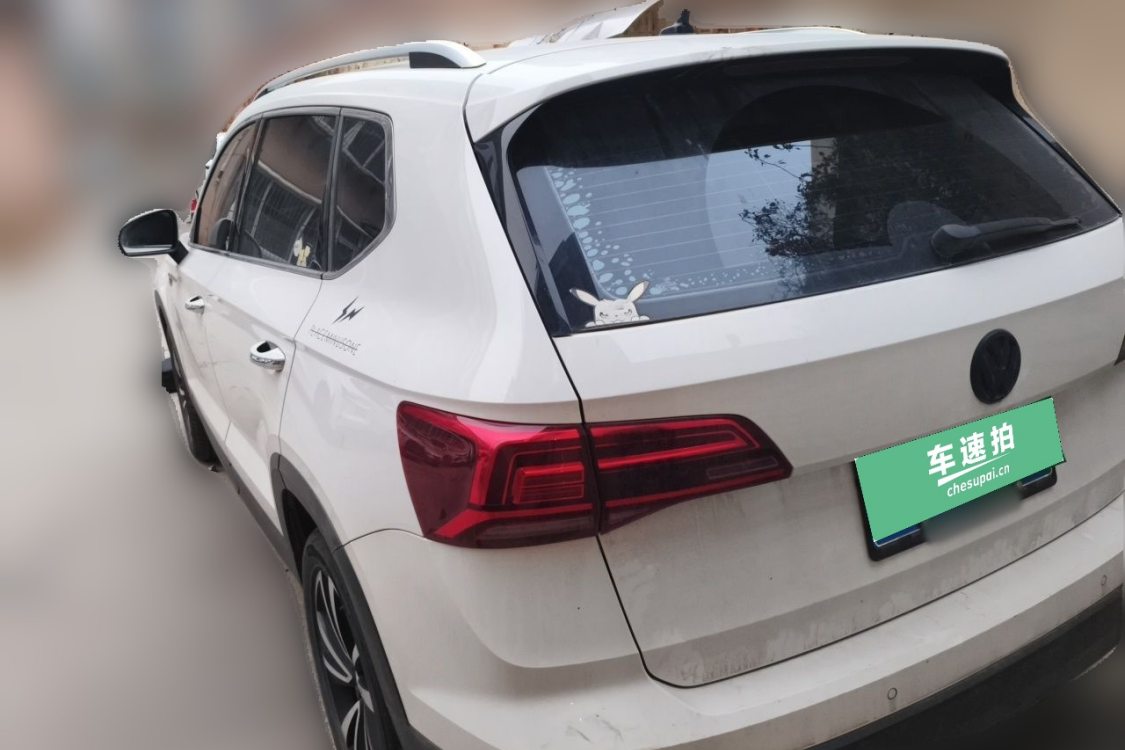
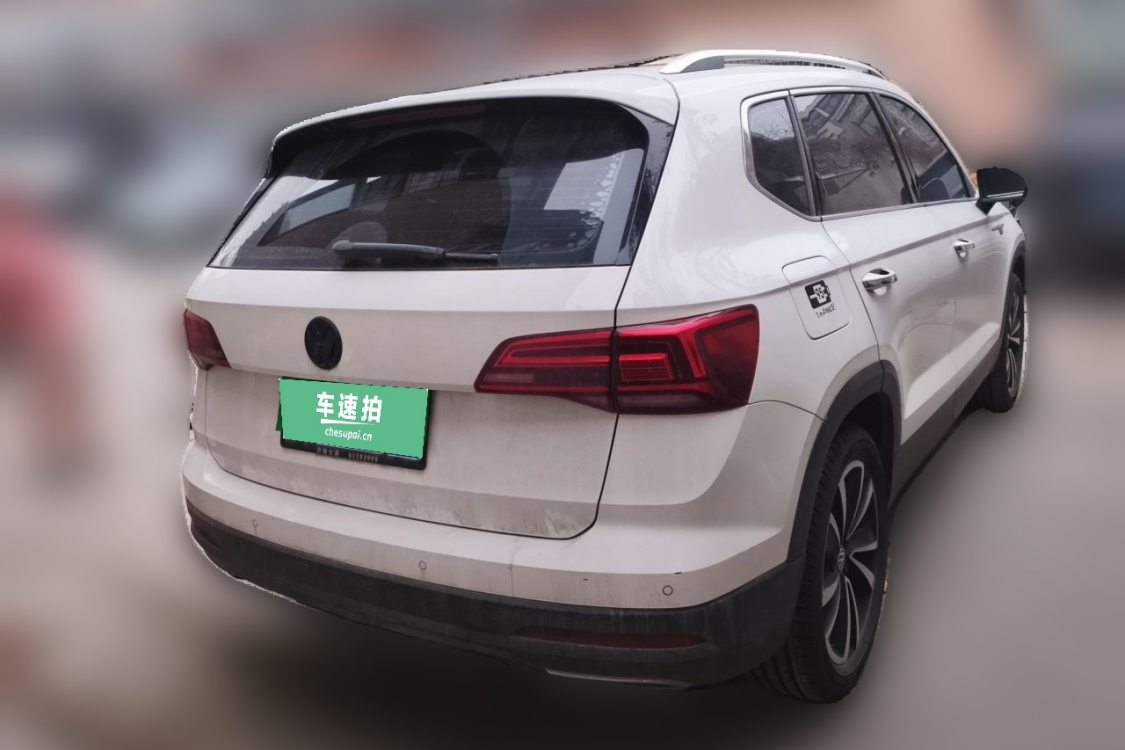
ColorWhite
Seats-

Condition Description

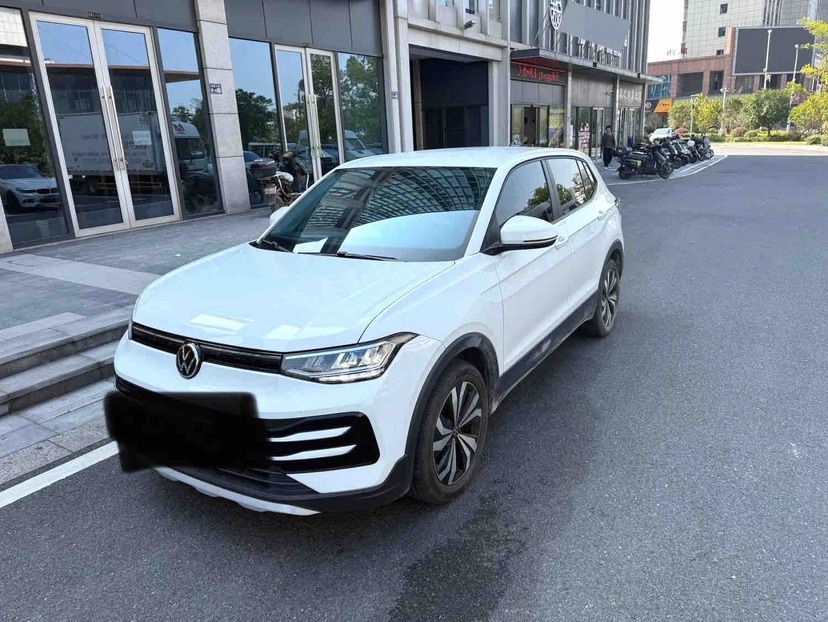
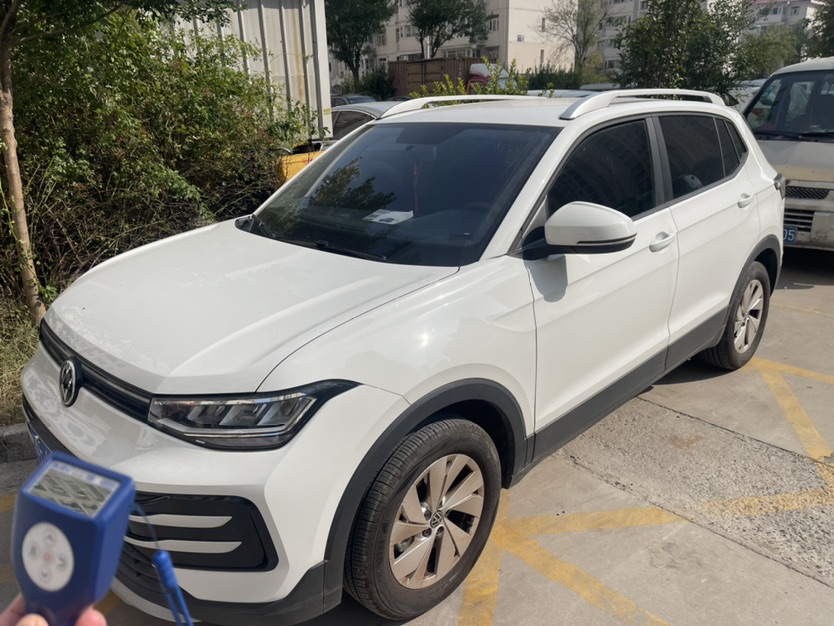
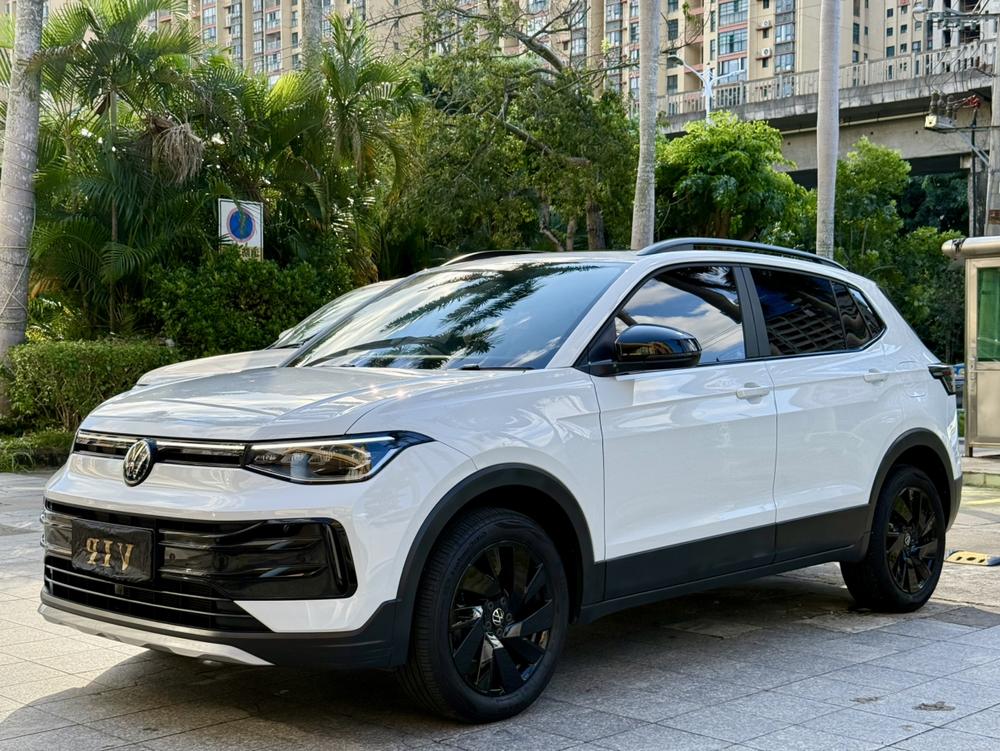
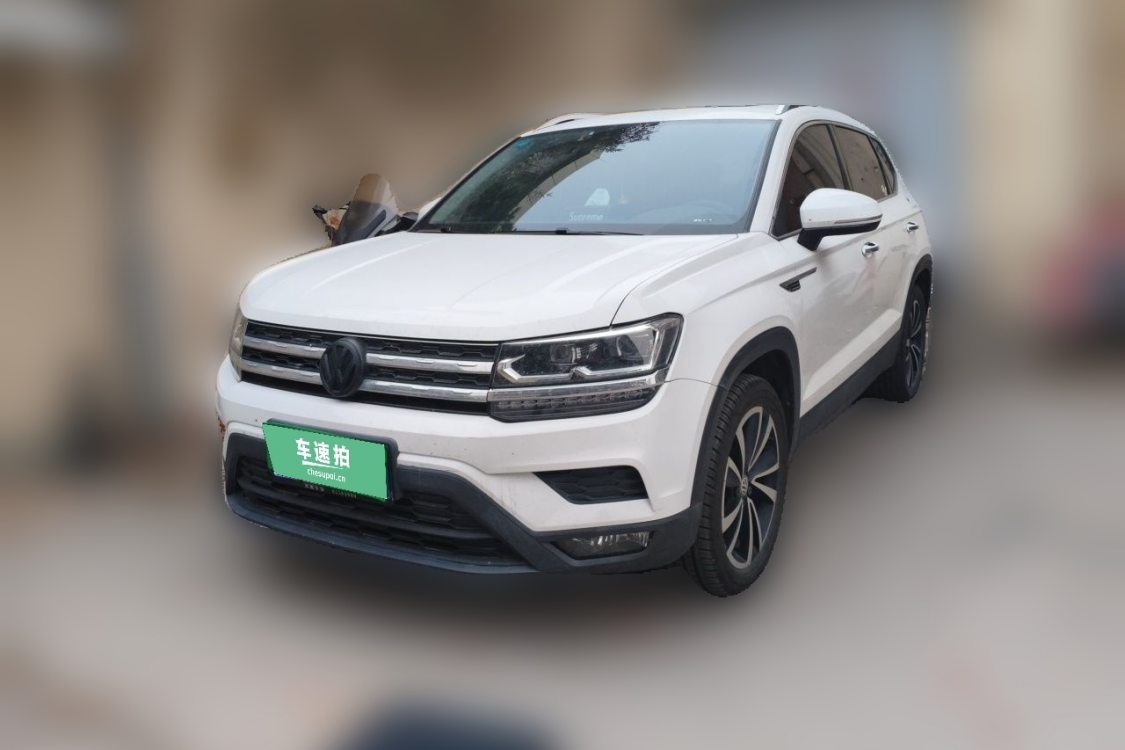
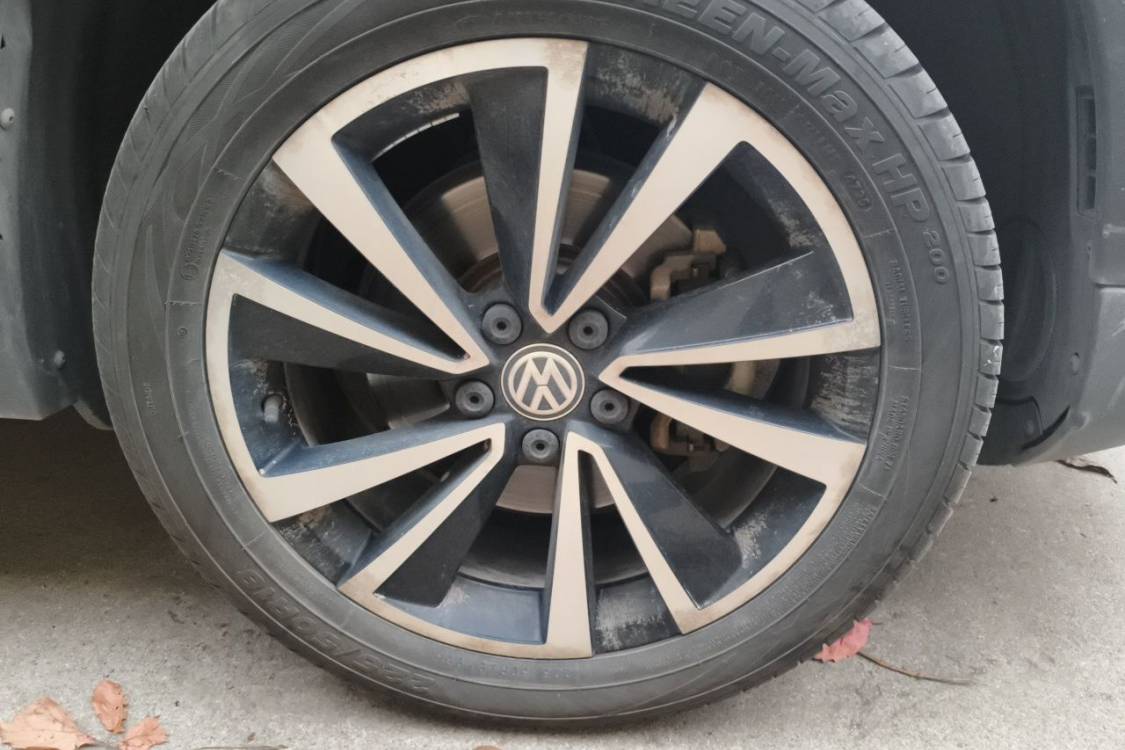
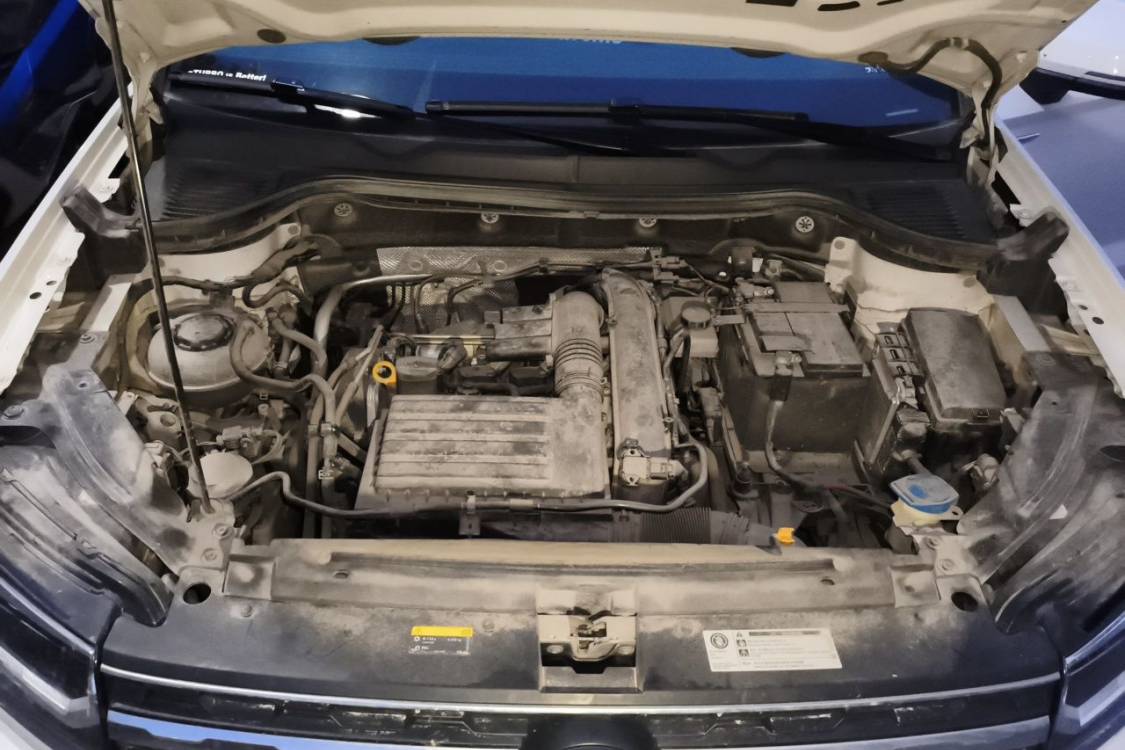
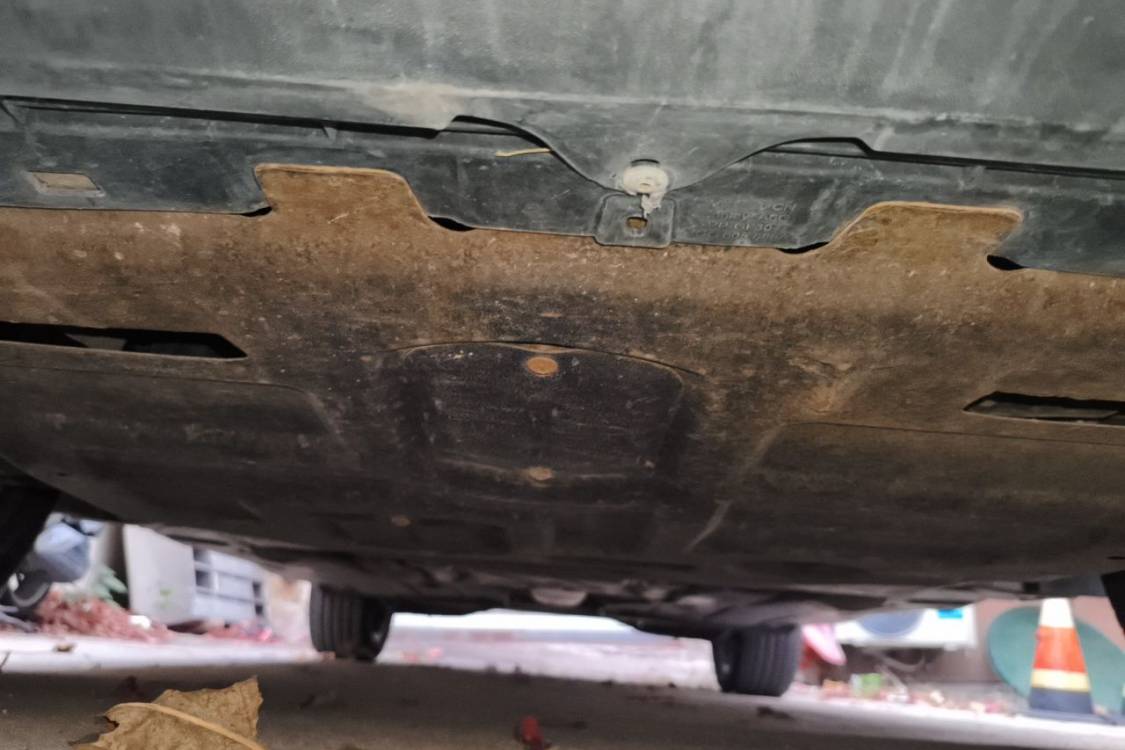
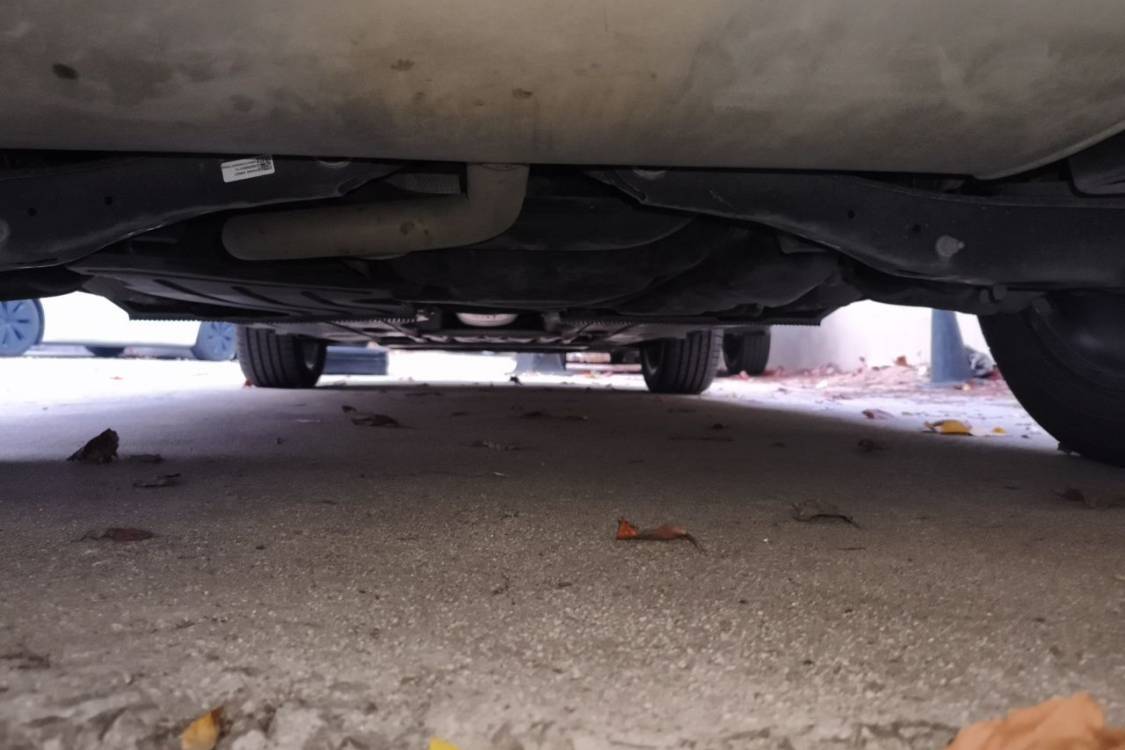
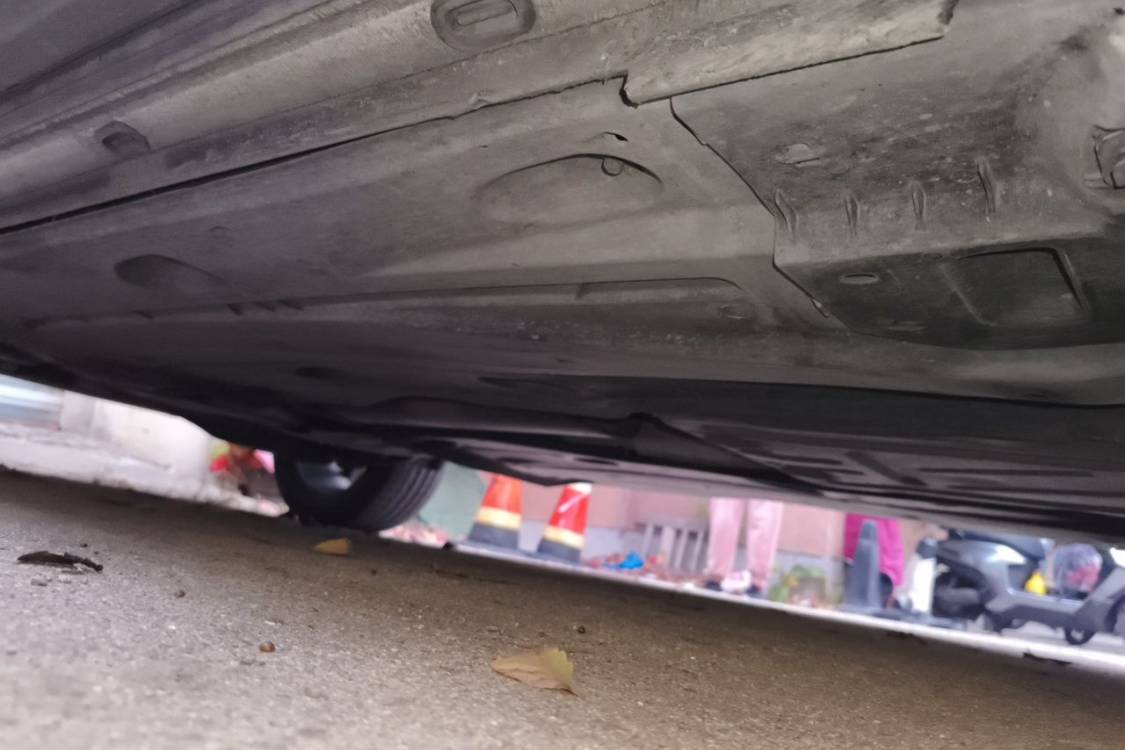
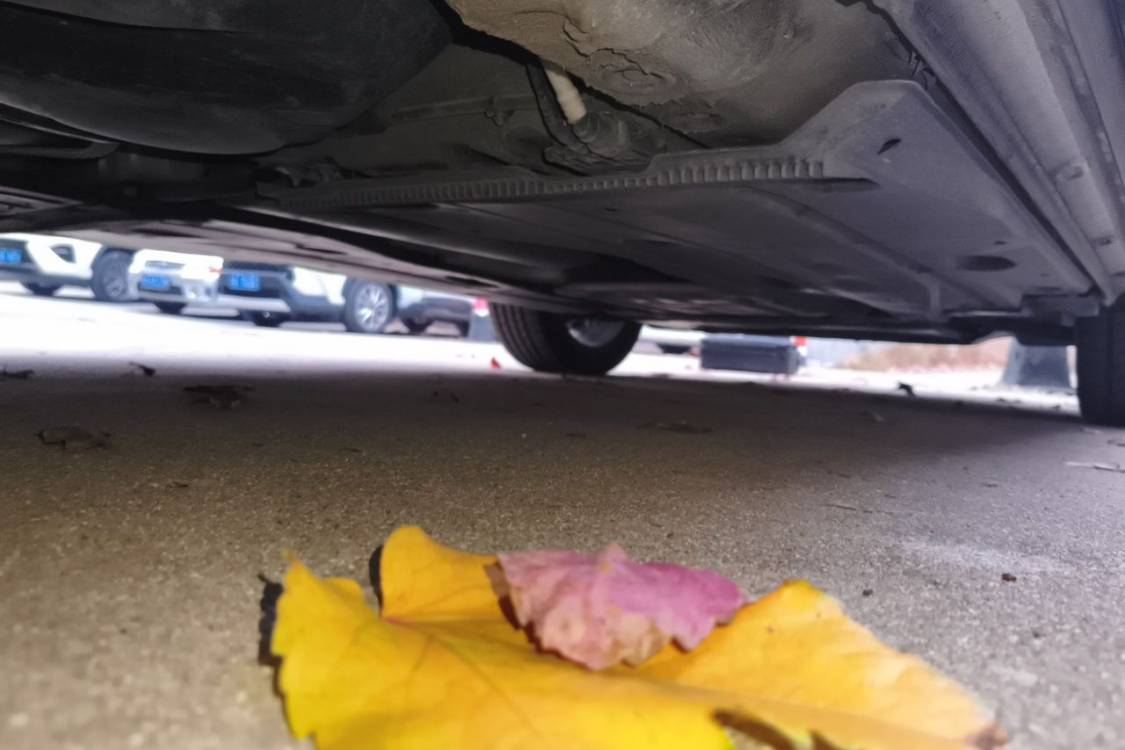
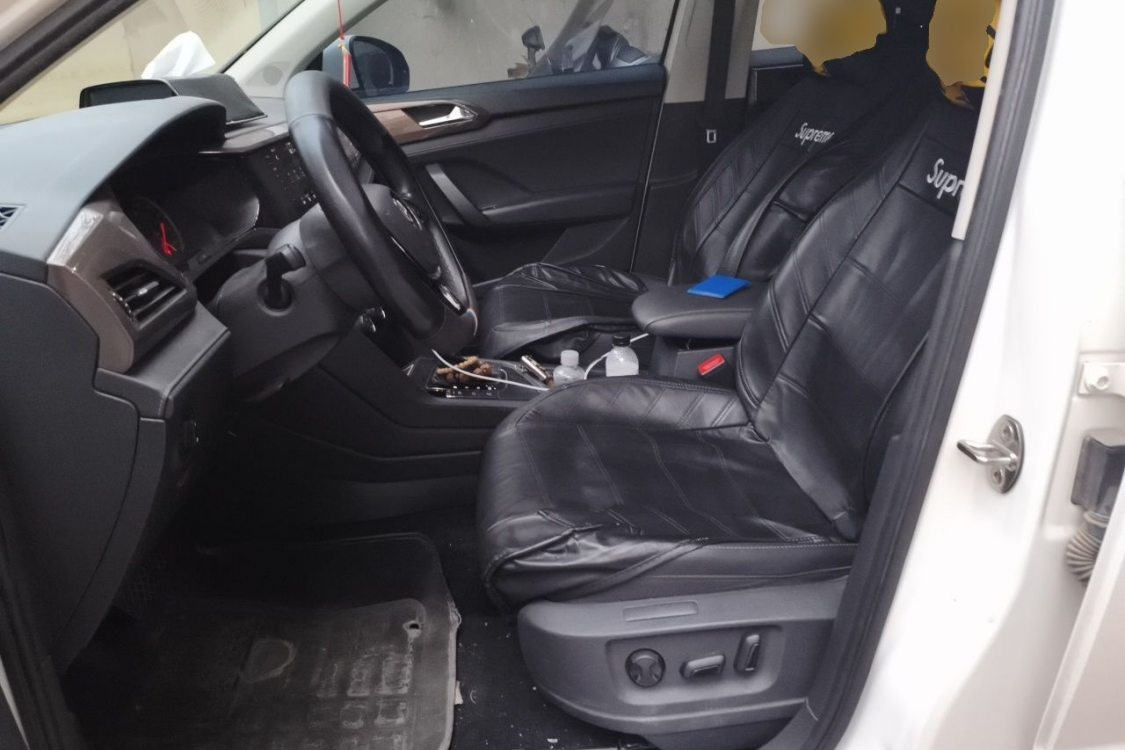
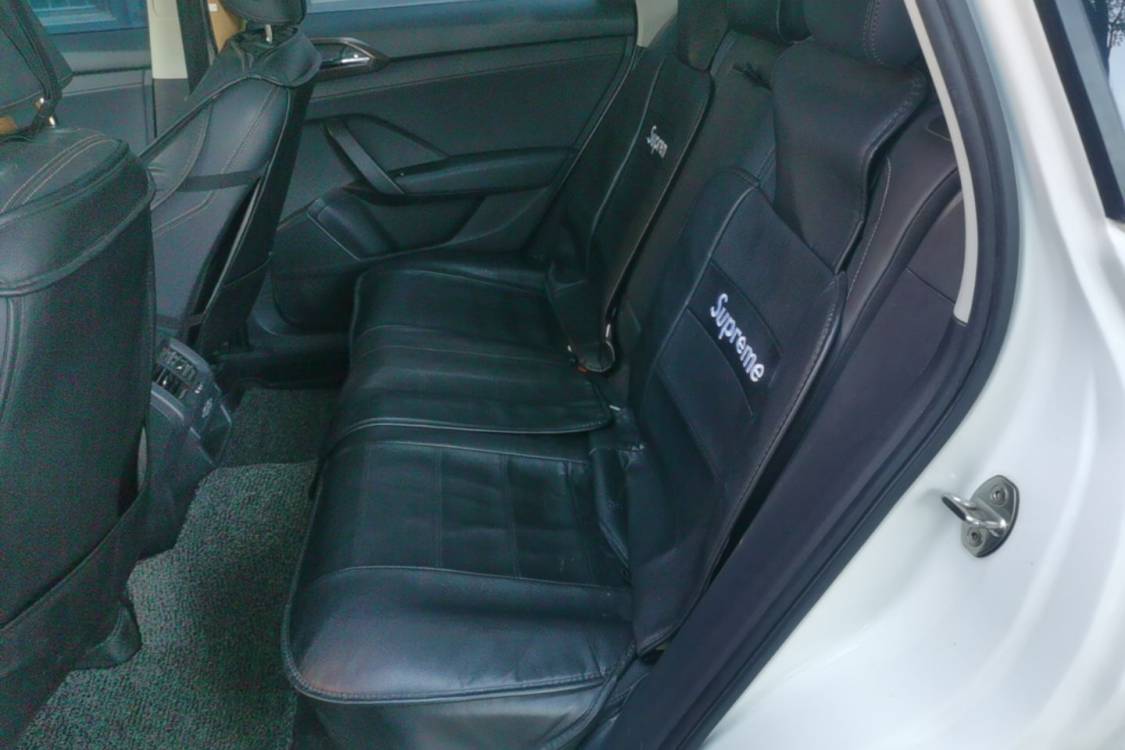
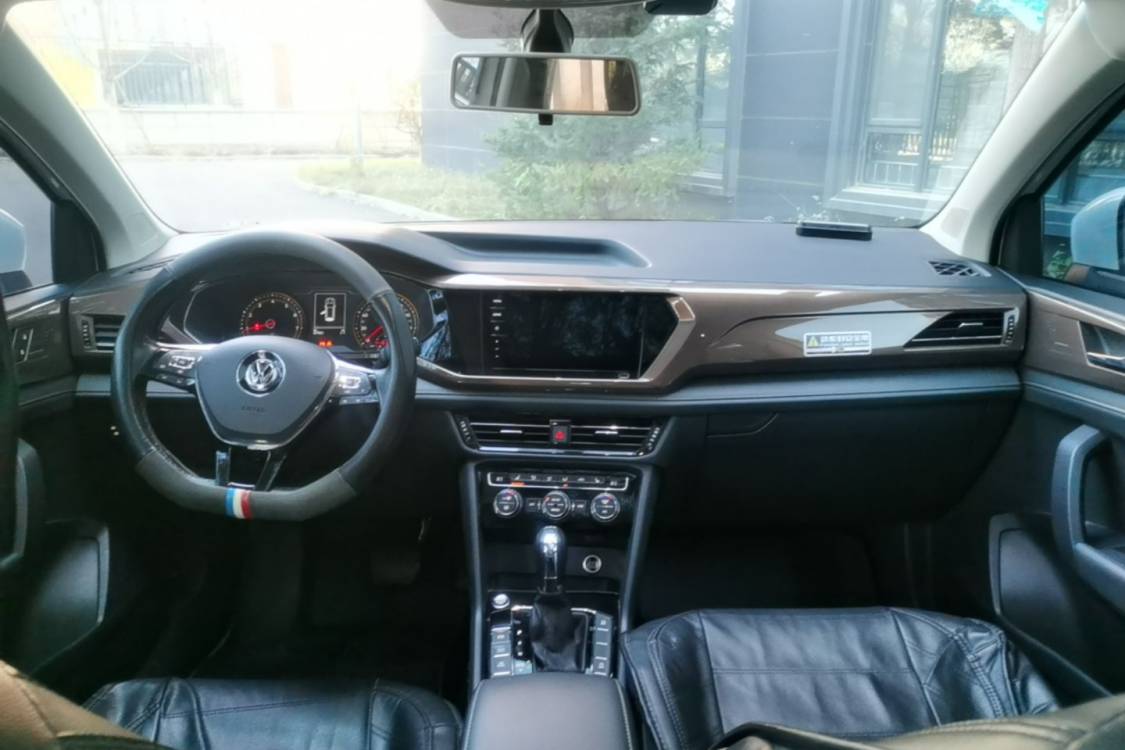
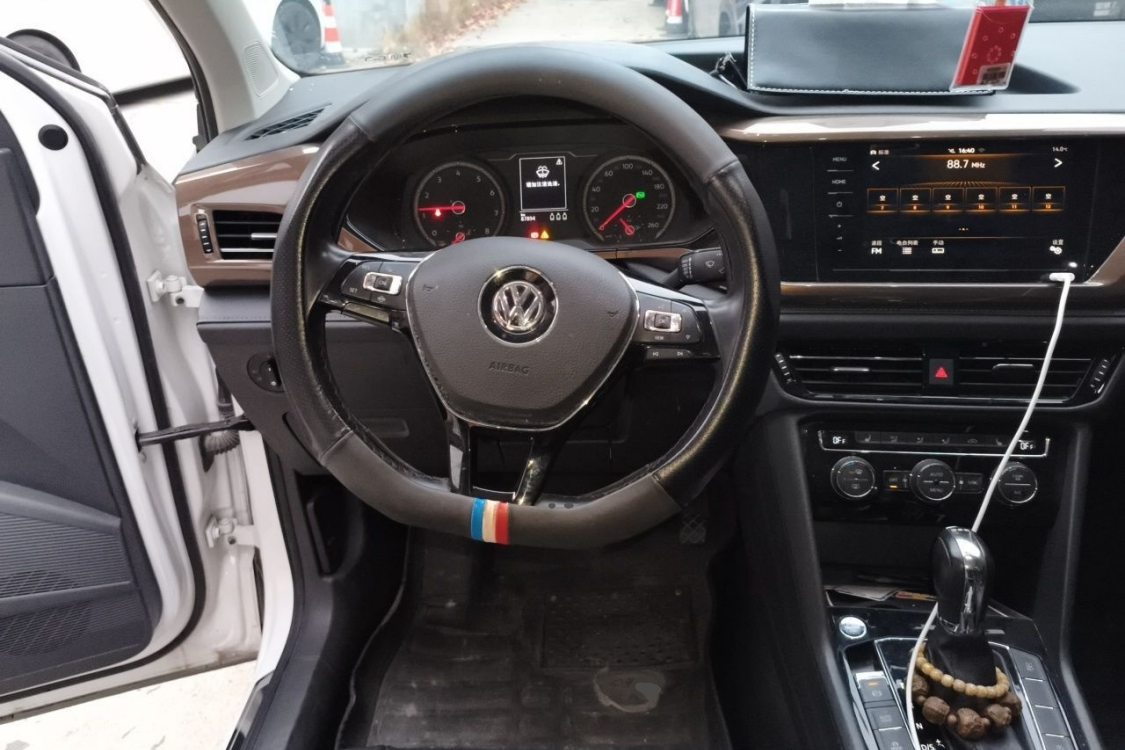
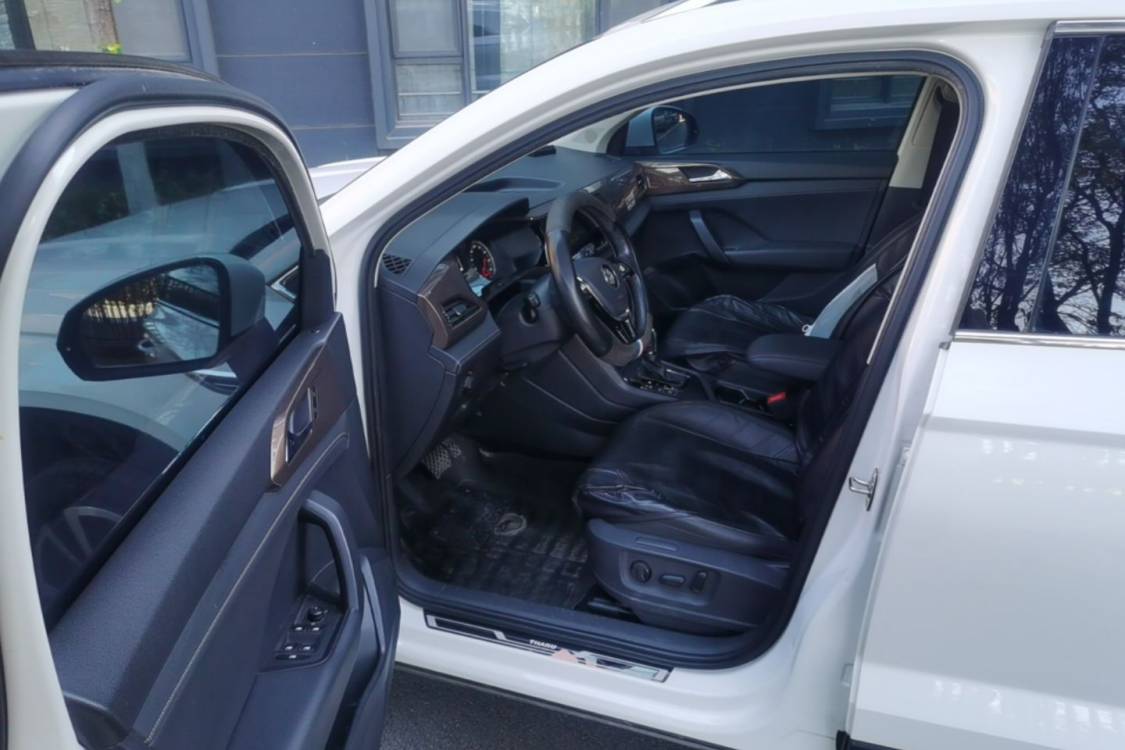
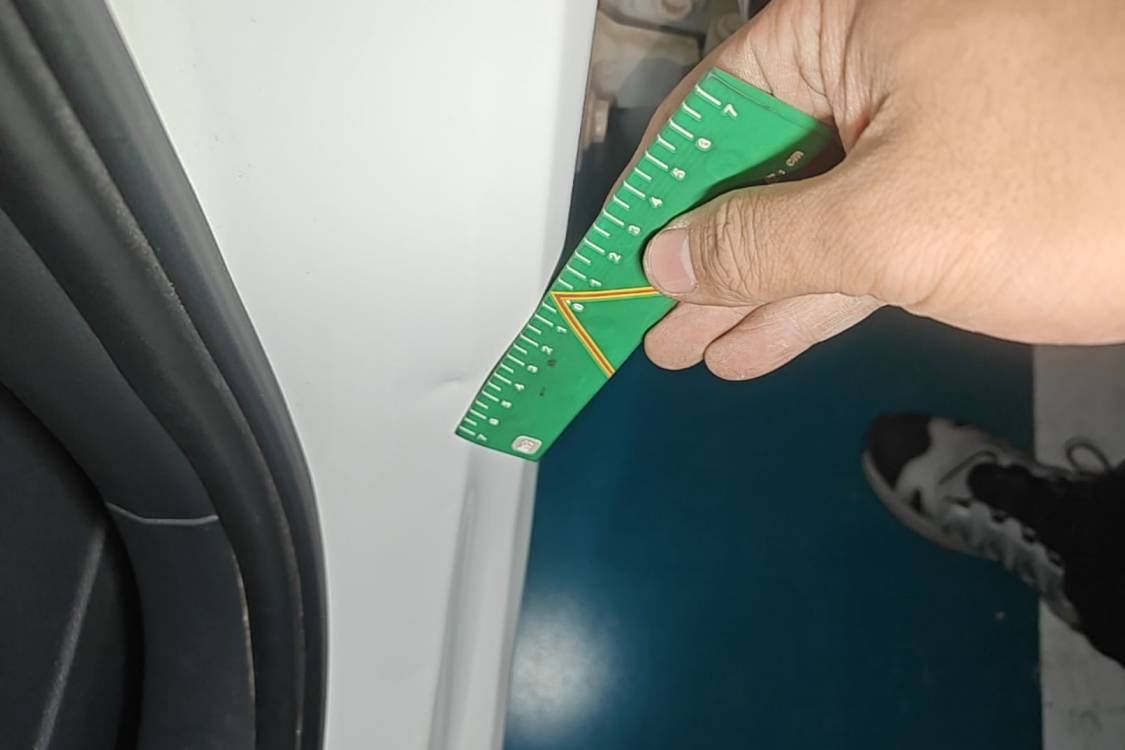
Localized body damage or repair marks present. No accident damage or repair to structural or reinforcement components. Vehicle performance (including three-electric system) has degraded or is limited.

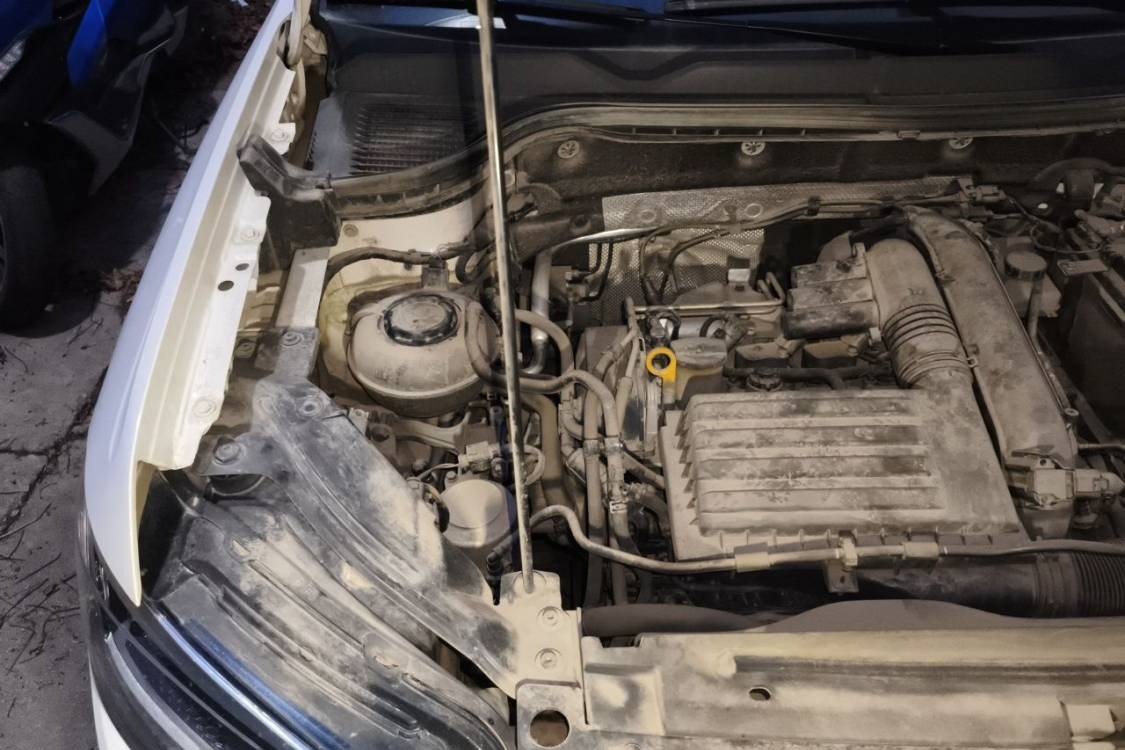
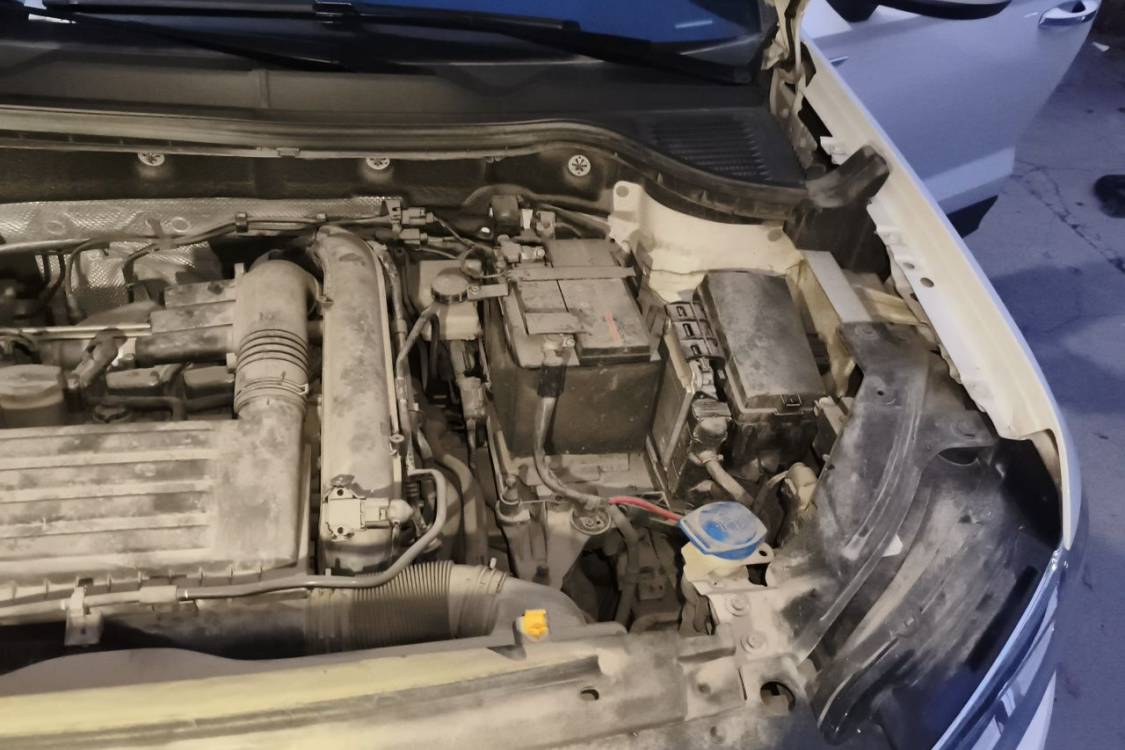
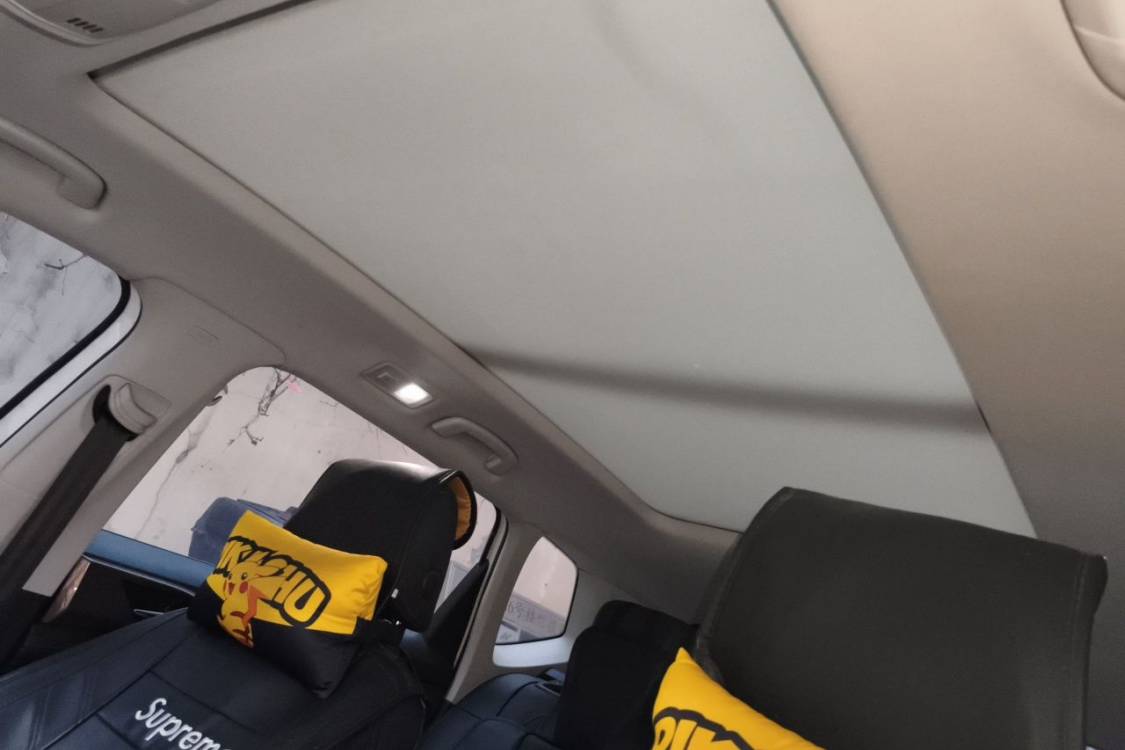
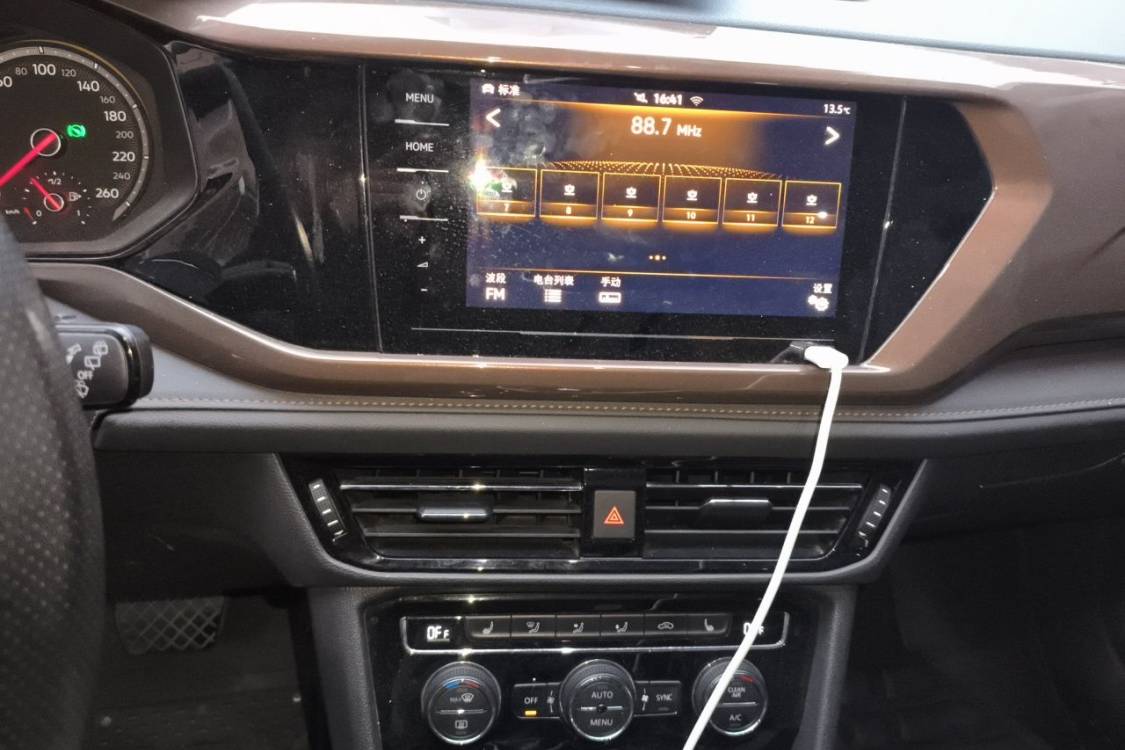
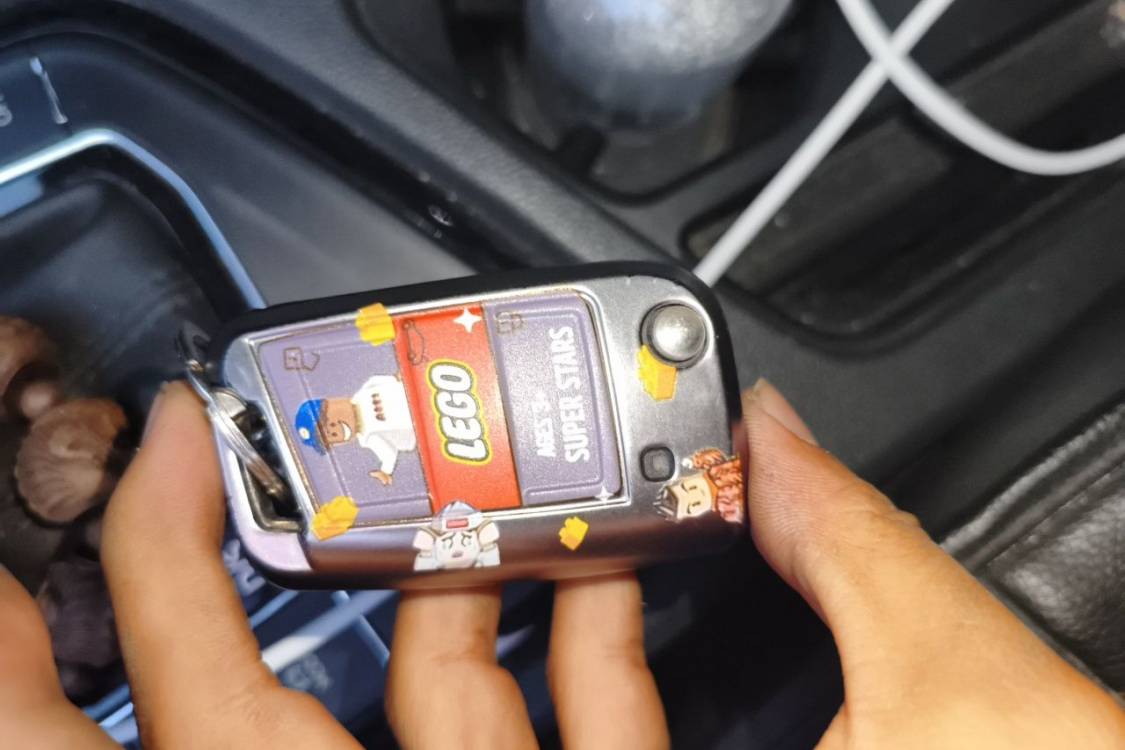
Accident inspection: main structure damaged, reinforcement parts undamaged, panels undamaged, hinges normal. Engine bay: key mechanical components normal. Exterior: 1 area of sheet metal repair. Interior: headliner damaged, most features normal, airbag system normal, lighting system normal. Startup inspection: major components normal. Tool kit: absent.

独家上新
可讲价

Document Information

Inspection Expiry Date2027/01
Warranty Expiry Date-
Insurance Expiry Date2026/12

Q&A

More

What should I do if my car arrives damaged after shipping from China?

Act immediately at the port: 1) Inspect the car before signing anything. Note every scratch, dent, or missing item on the delivery receipt — add remarks like "container seal intact, right door dented" before you sign. 2) Take dated photos and video of the damage from multiple angles, including the container exterior and seal number. 3) Report to the shipping line or agent in writing within 3 days, and notify the insurance company if you bought cargo insurance — most policies require notice within 7 days of delivery. 4) Get a written repair estimate from a local body shop. Claims succeed or fail on documentation: the signed delivery receipt with remarks, photos, and the bill of lading are your evidence. Without remarks on the delivery receipt, the carrier will argue the damage happened after discharge.


If there is a conflict between the historical report from Dr. Cha or Dongche Di and the backend data from the 4S store, which one do you rely on?

Always rely on the original factory network data from the 4S store. Third-party platforms may have delays or errors when capturing data (such as incorrect VIN entry). In case of a conflict, we rely on physical verification of the actual vehicle to resolve the data discrepancies.

How do I vet a Chinese used-car exporter before sending any money?

Vetting takes a day and can save you thousands. Work through this checklist. Verify the business: ask for the company registration number and check it on China's National Enterprise Credit Information system or a commercial registry tool. Confirm the registered address matches where they claim to operate, and that their business scope includes vehicle export. Check export credentials: they must hold a used-vehicle export license issued by Chinese commerce authorities. Ask for the license and a recent export declaration showing they actually ship cars. Test their knowledge: a real exporter answers detailed questions about your destination country's import rules (age limits, left/right-hand drive, emission standards) without hesitation. Vague answers about your own country's requirements are a red flag. Structure payments safely: small deposit (10-20%), balance only against inspection reports and shipping documents, ideally through a payment method with recourse. Refuse full prepayment by irreversible transfer—no legitimate exporter requires it.