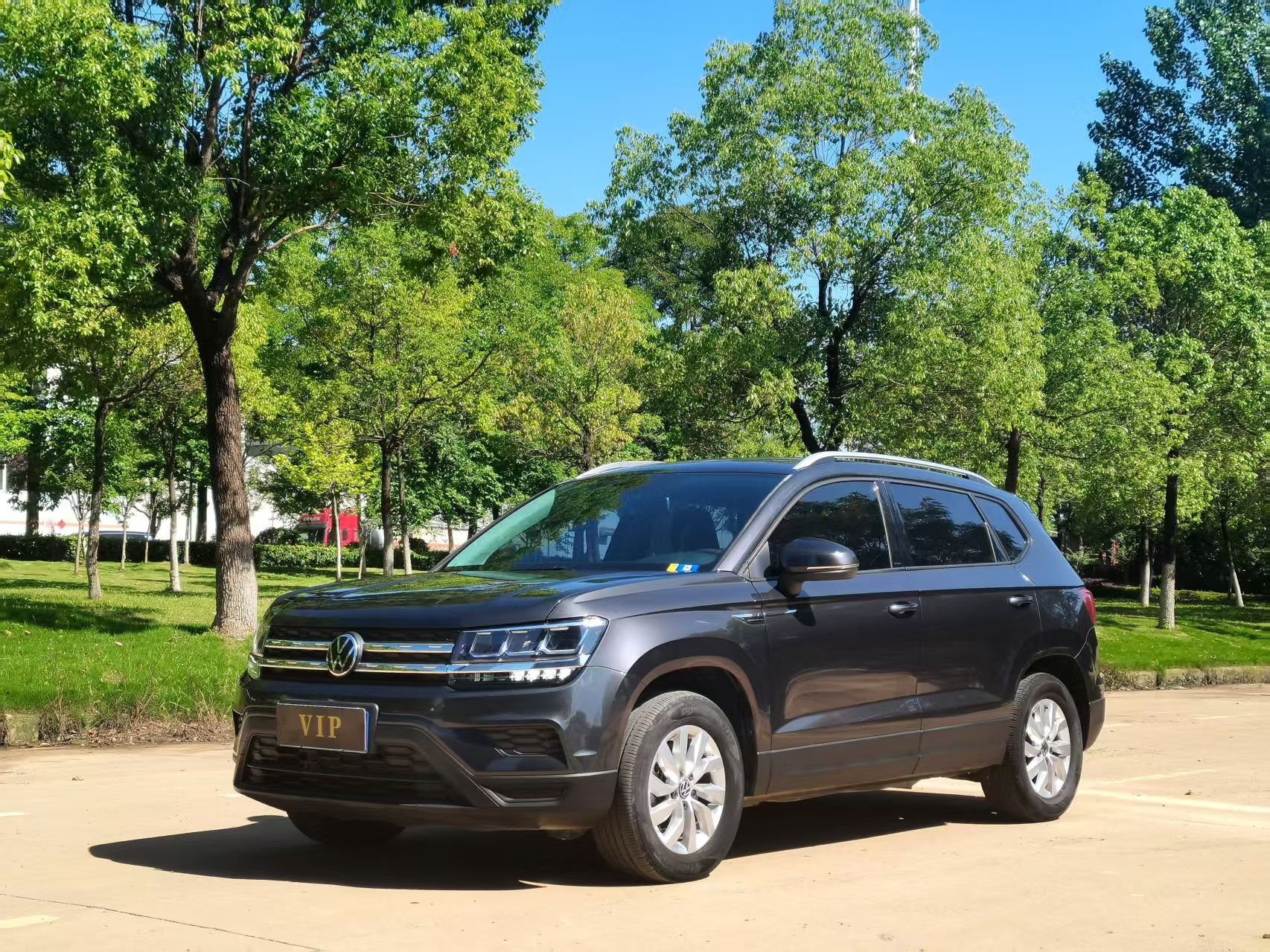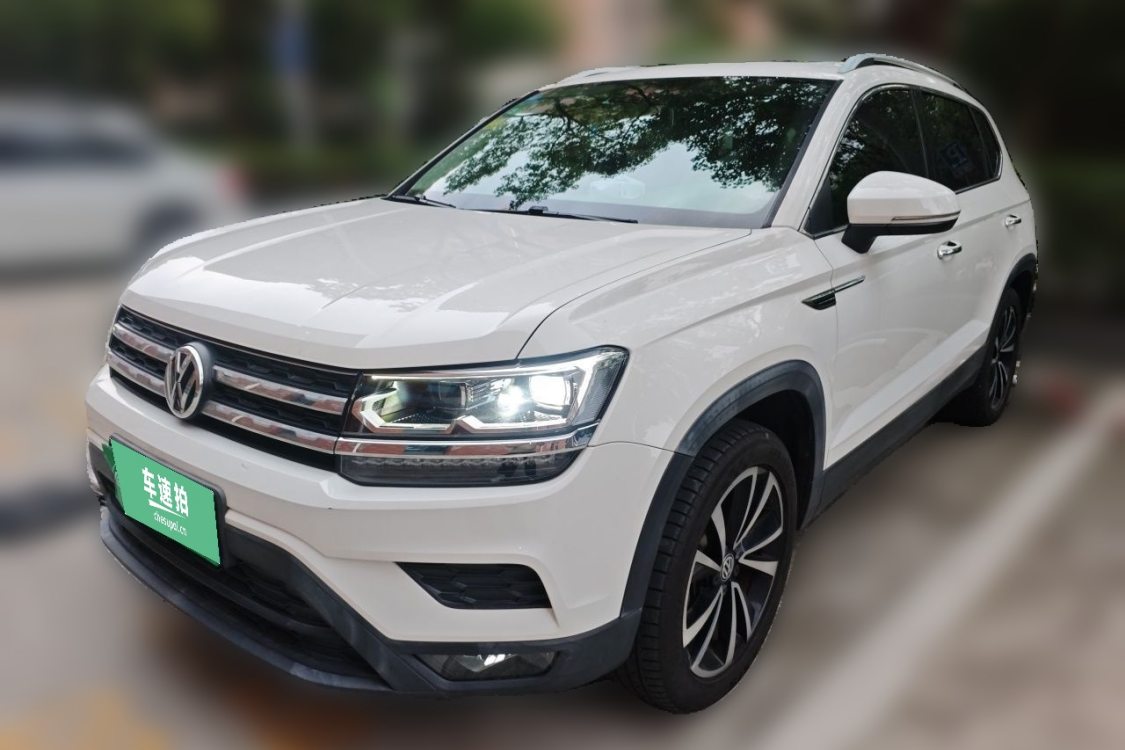
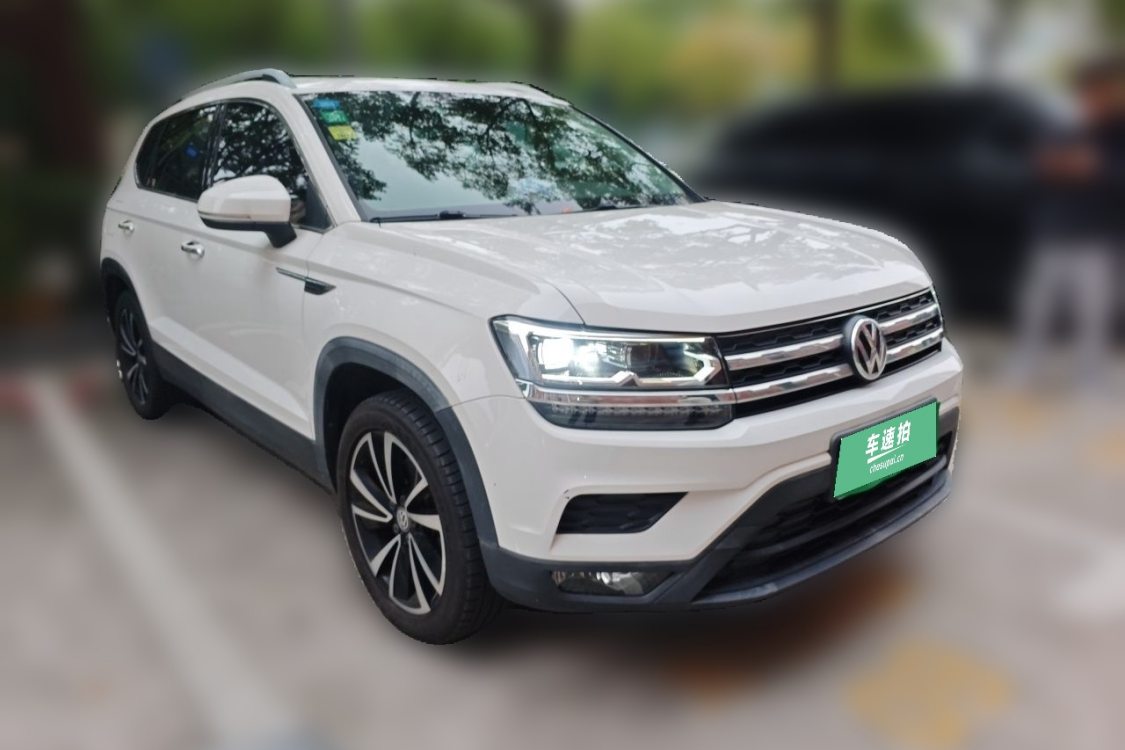
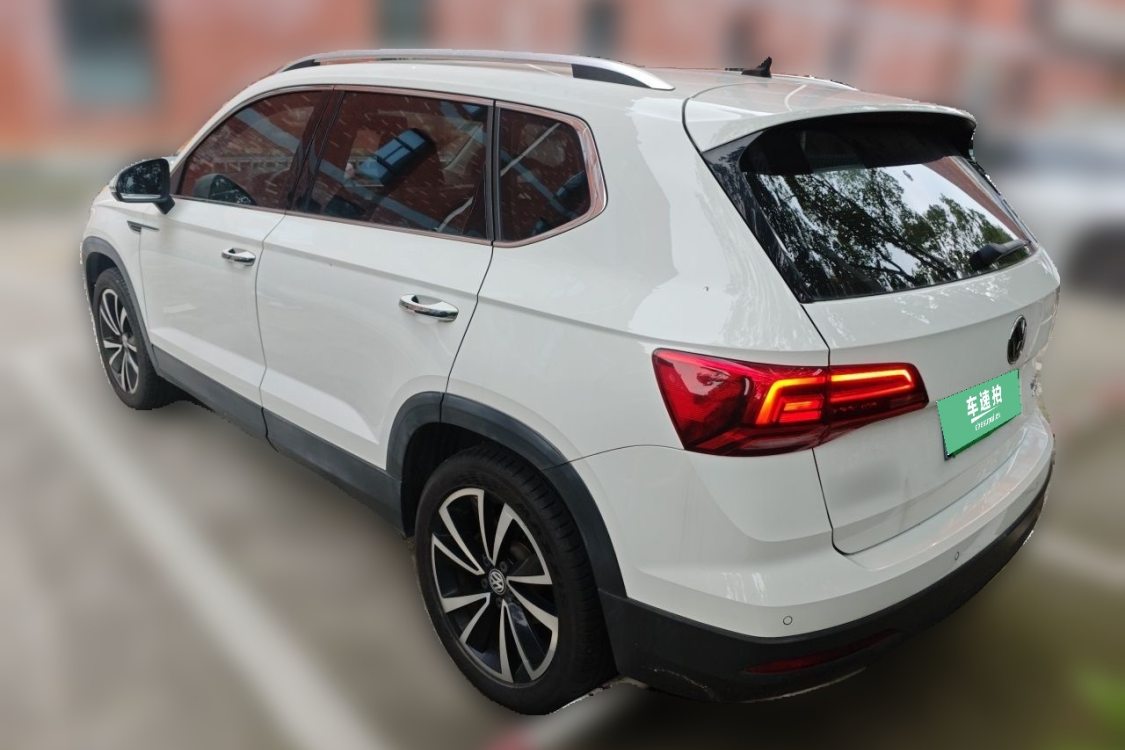



24H

Basic Information

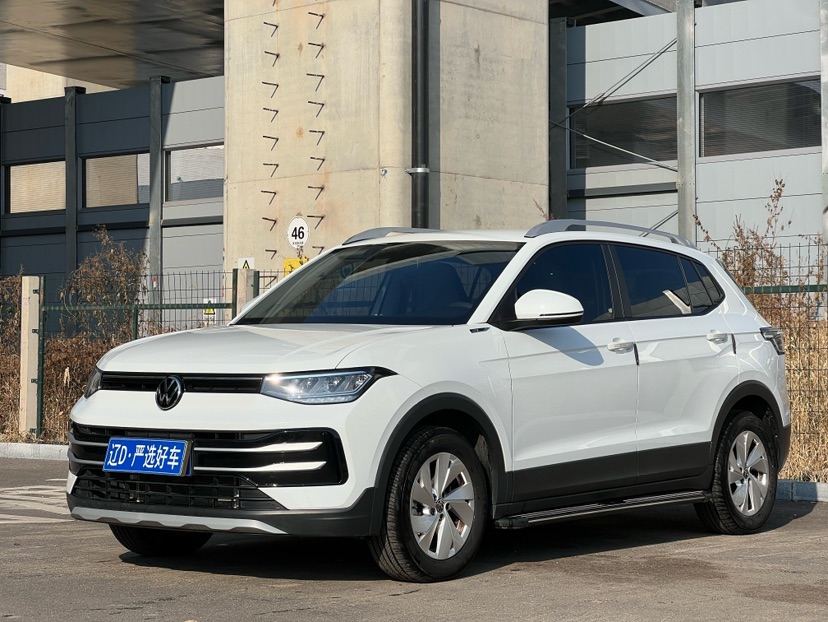
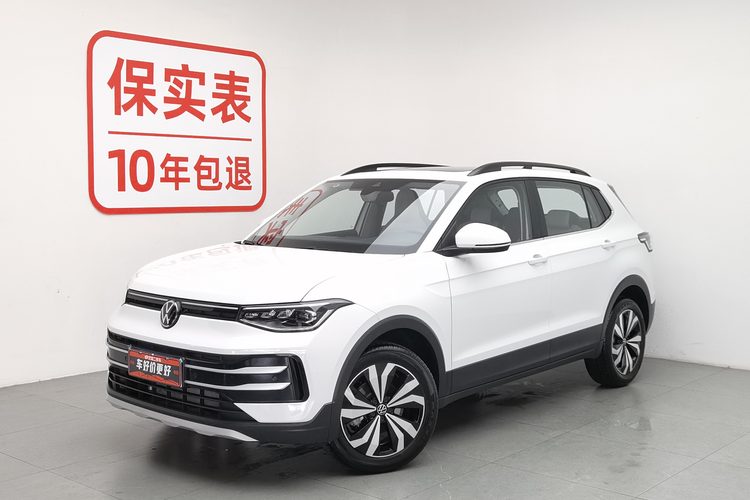
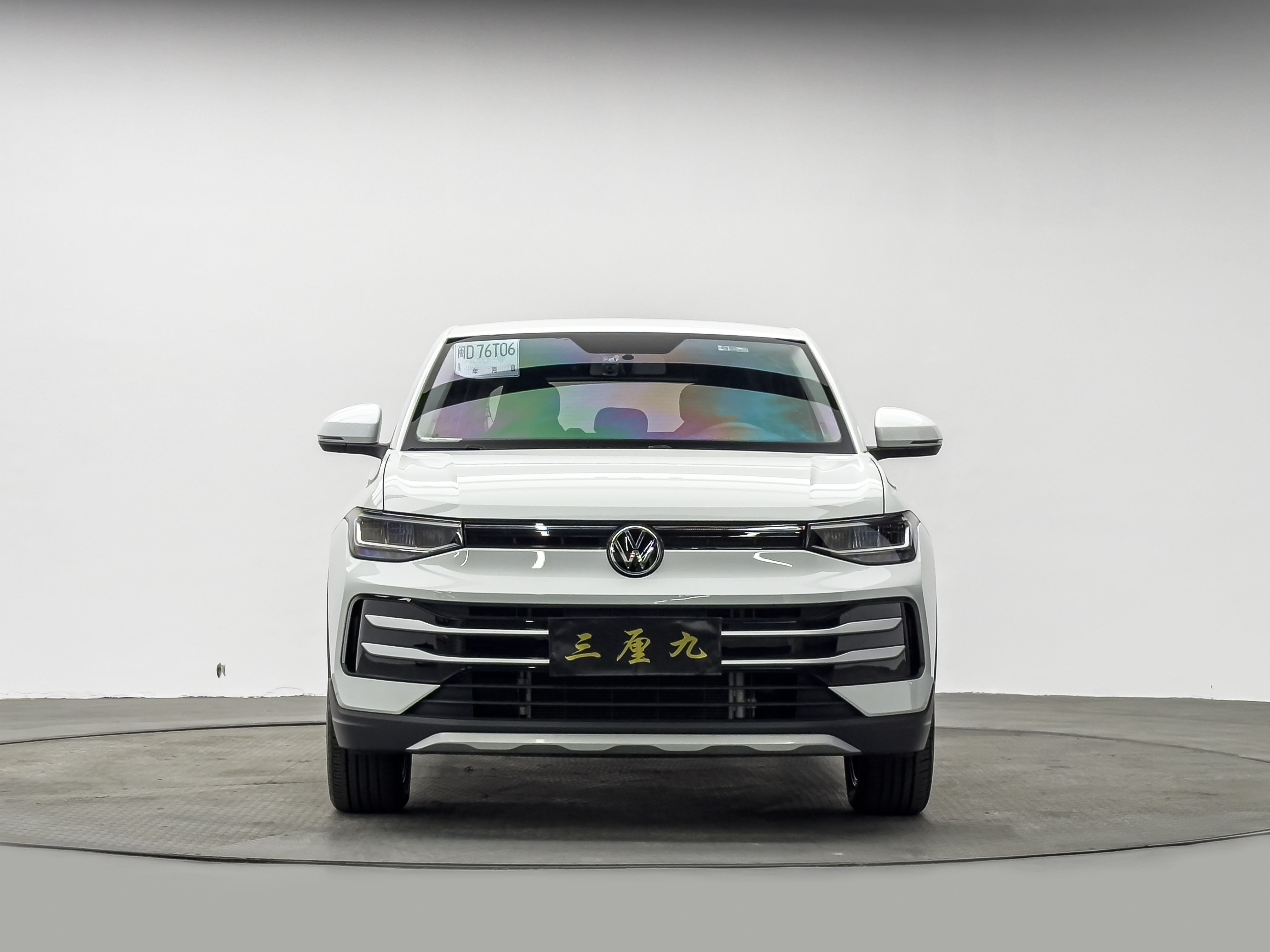
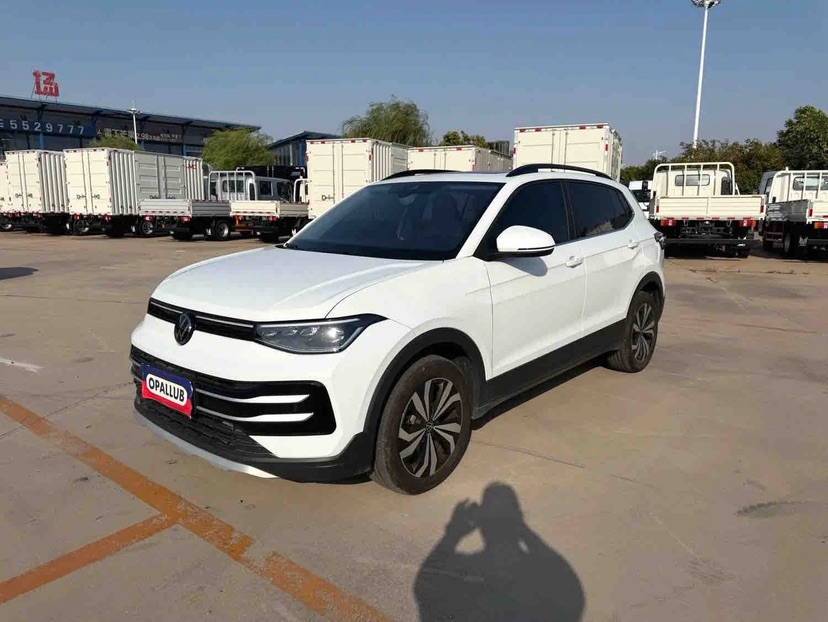
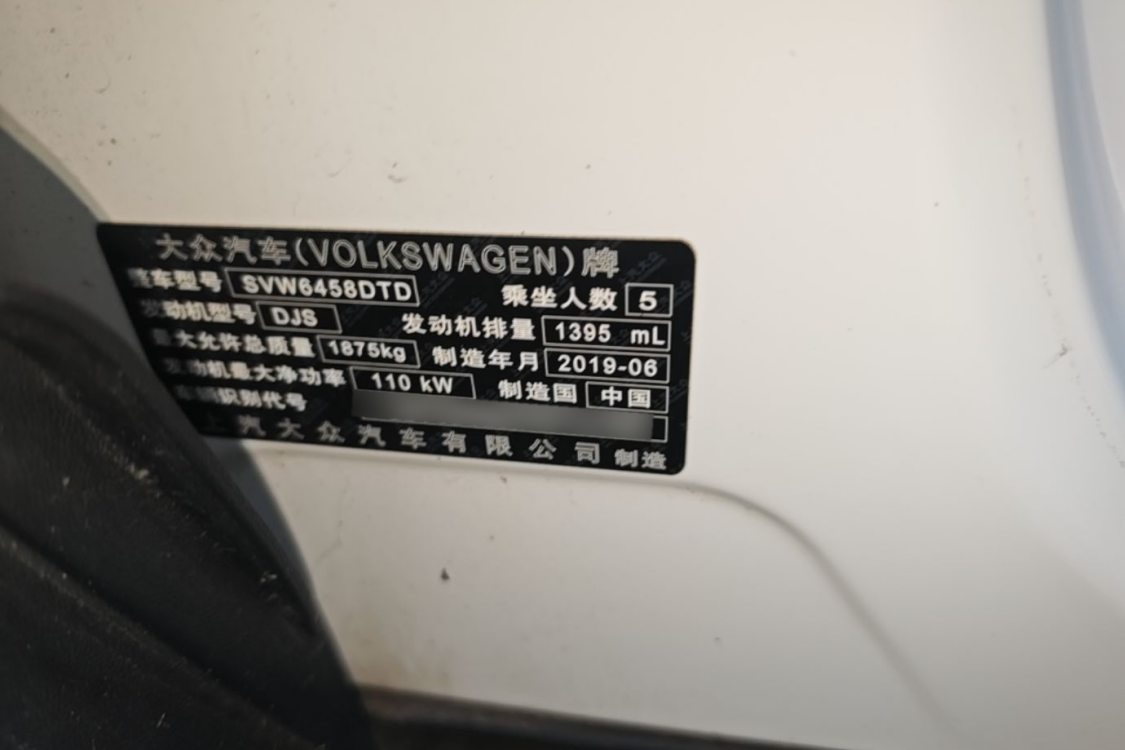
BrandVolkswagen
SeriesTharu
Year2019
First Registration2019/07
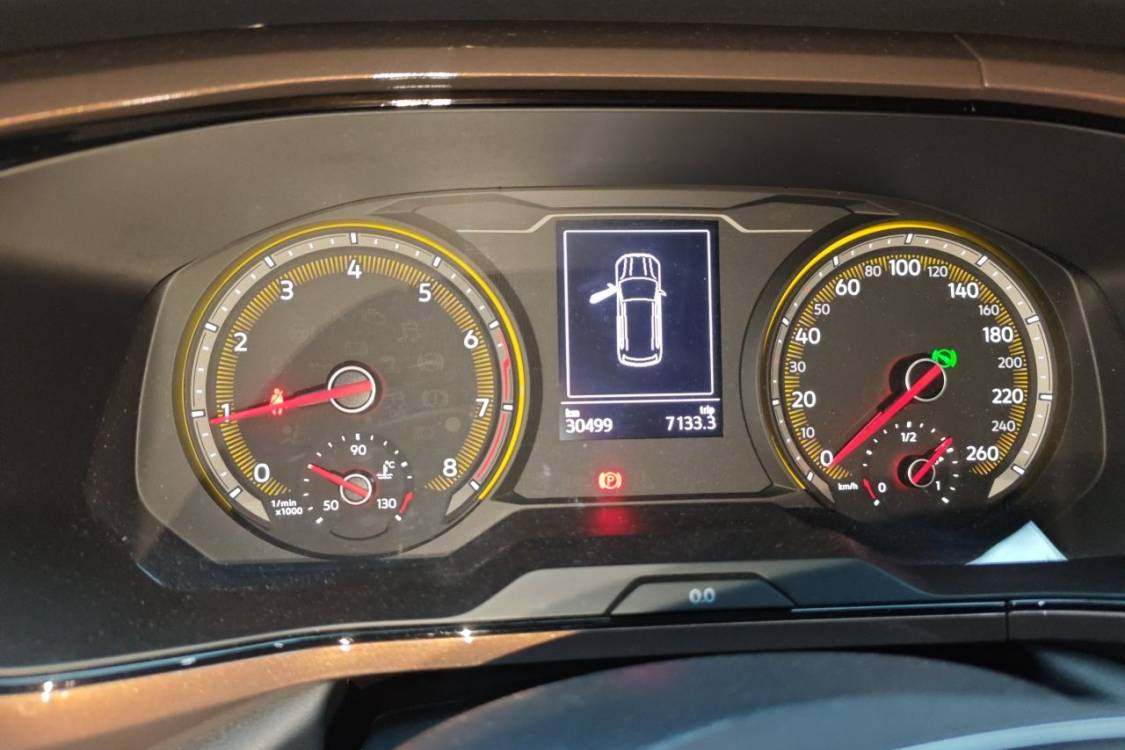
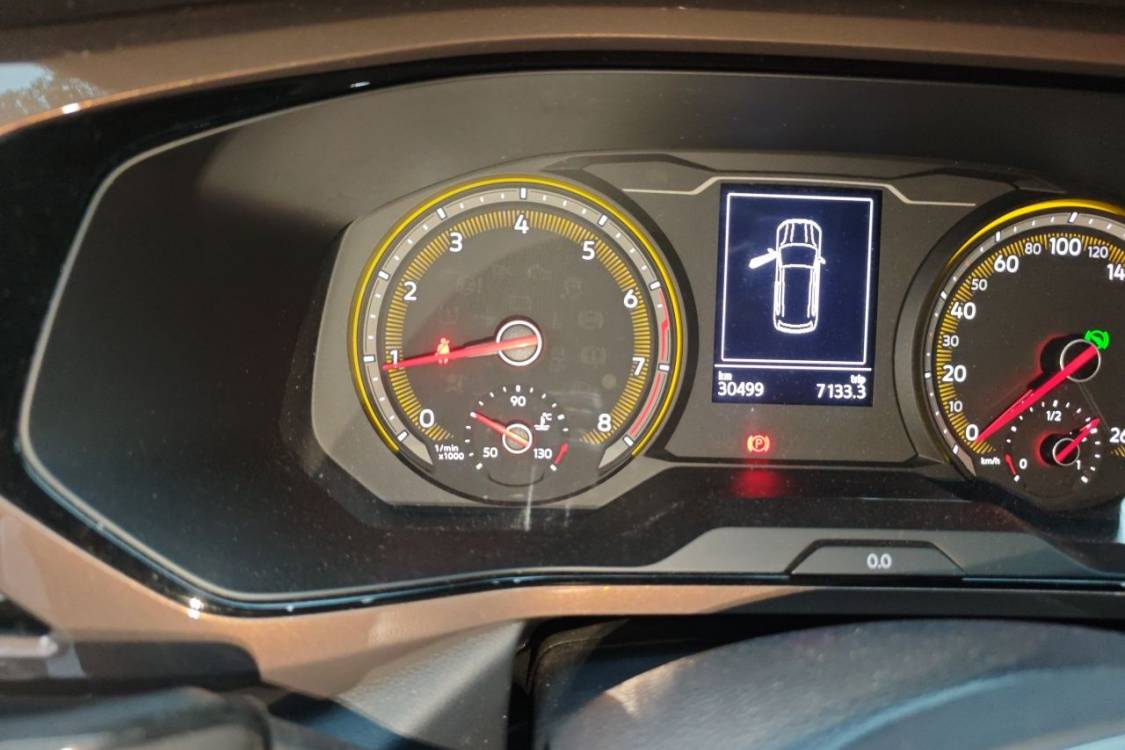
Mileage30,400km
Transfer Count-
FuelGasoline
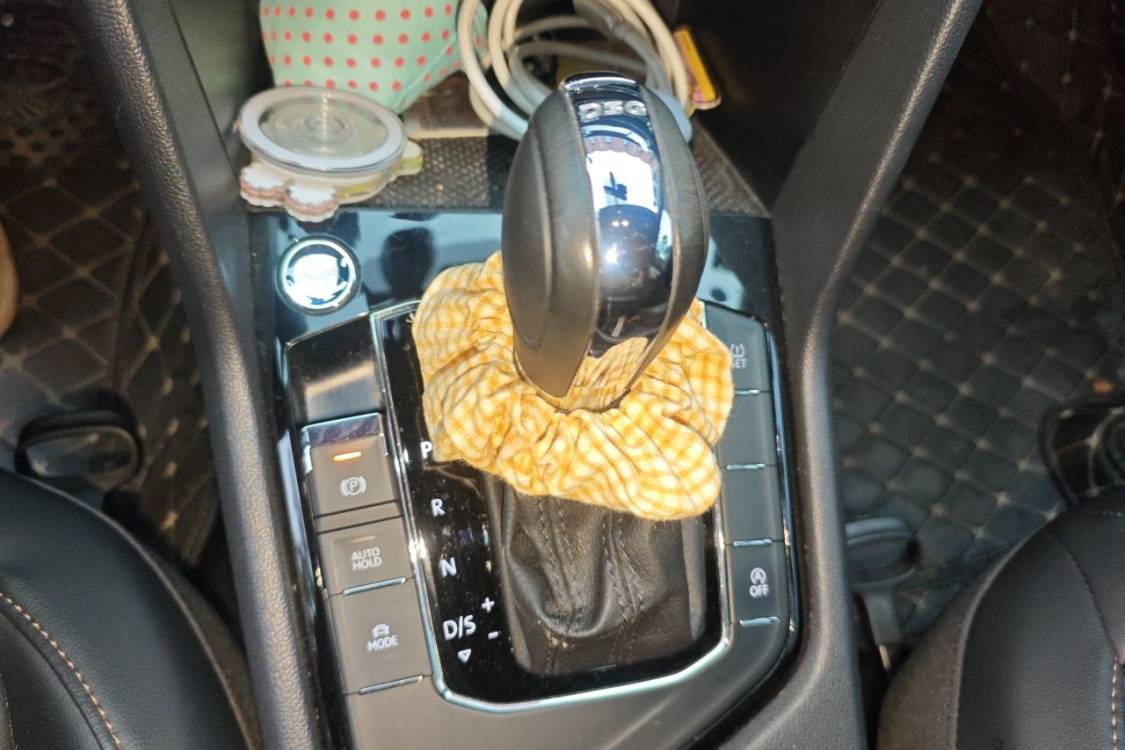
TransmissionDCT
Engine1.4T 150 L4
ColorWhite
Seats-

Condition Description

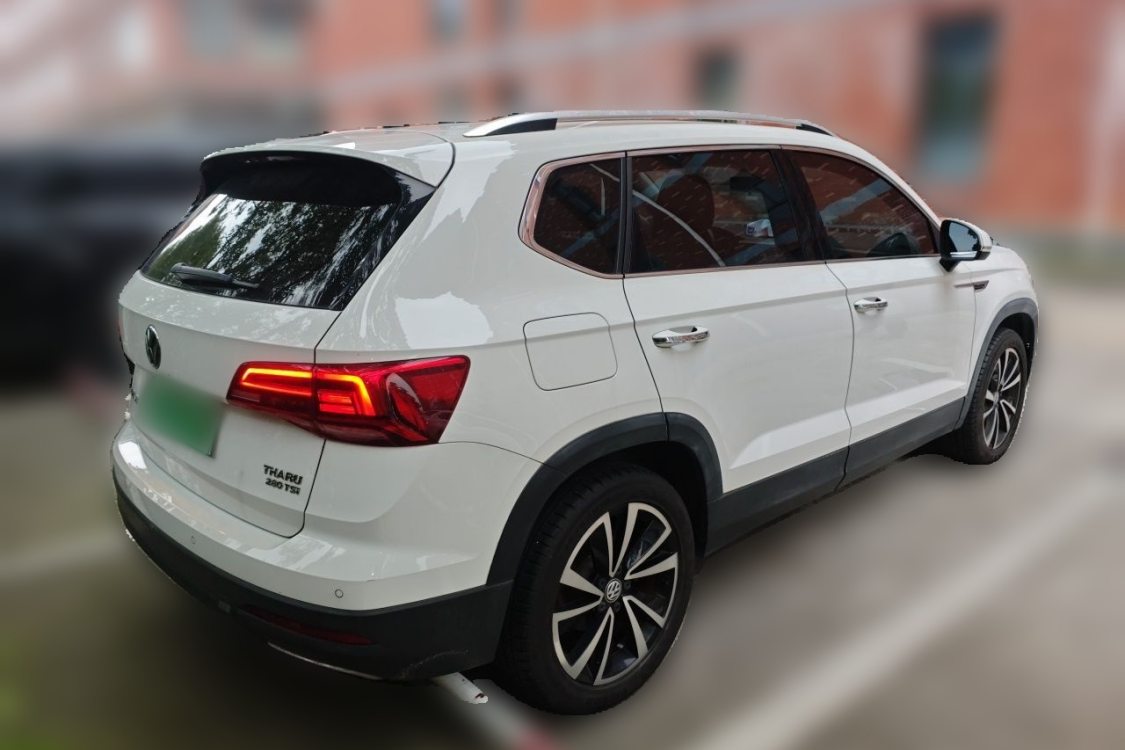
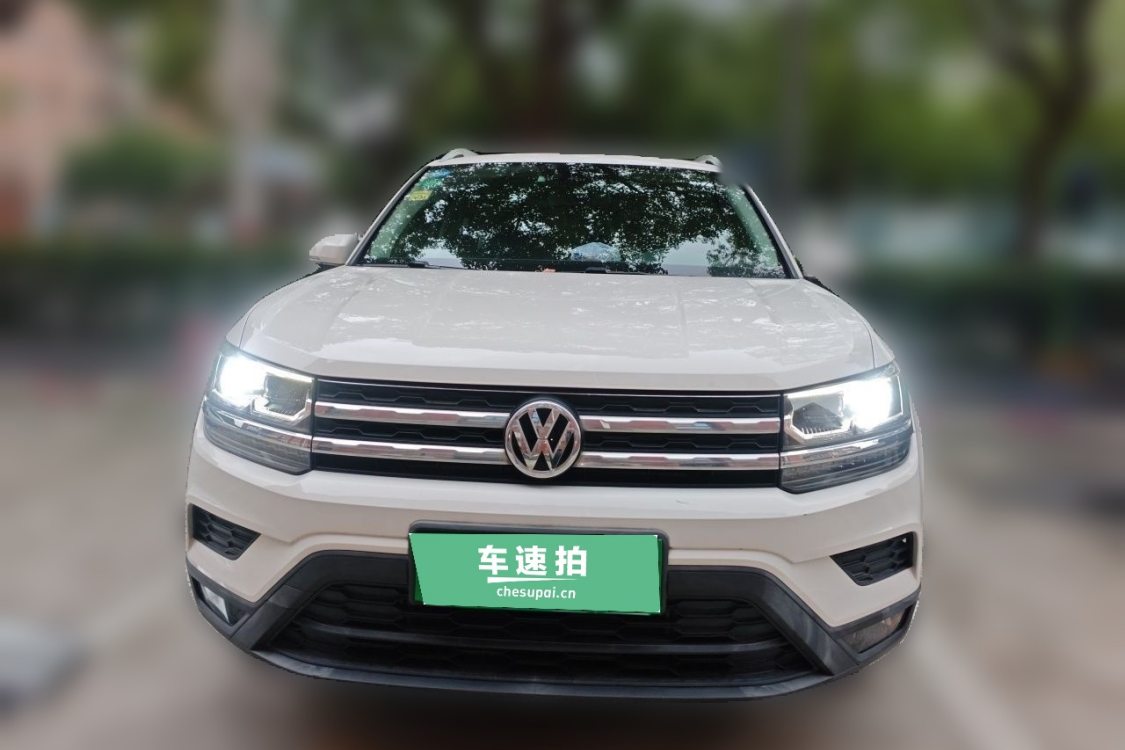
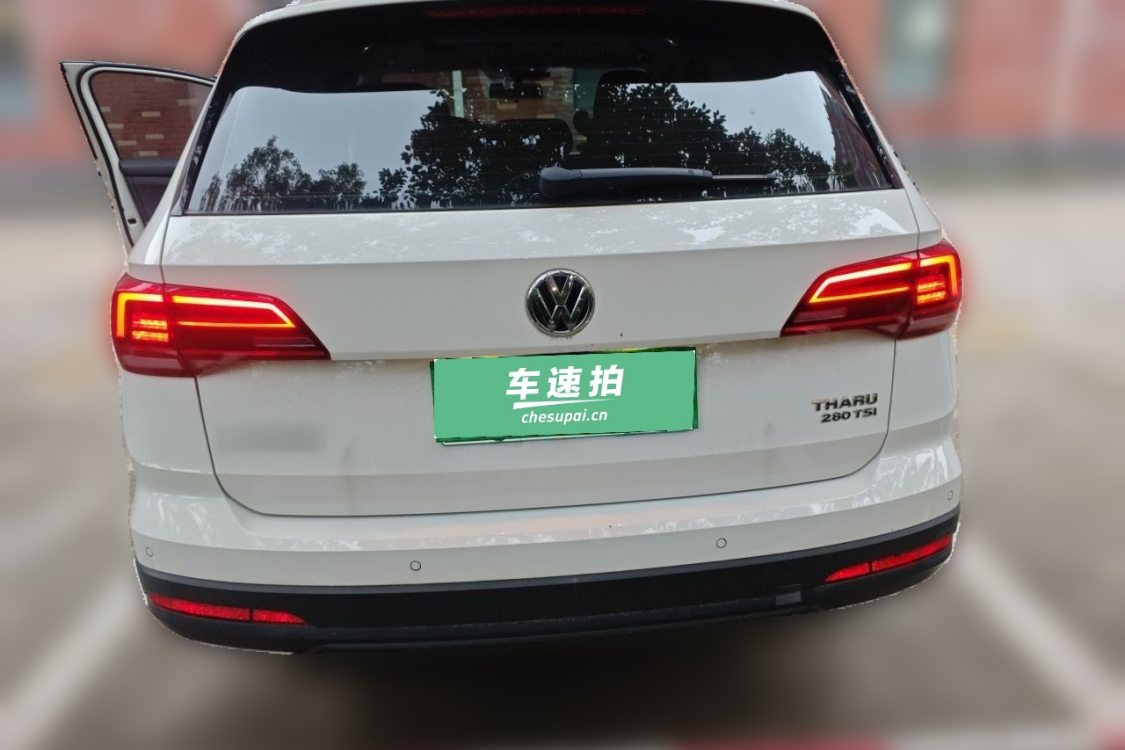
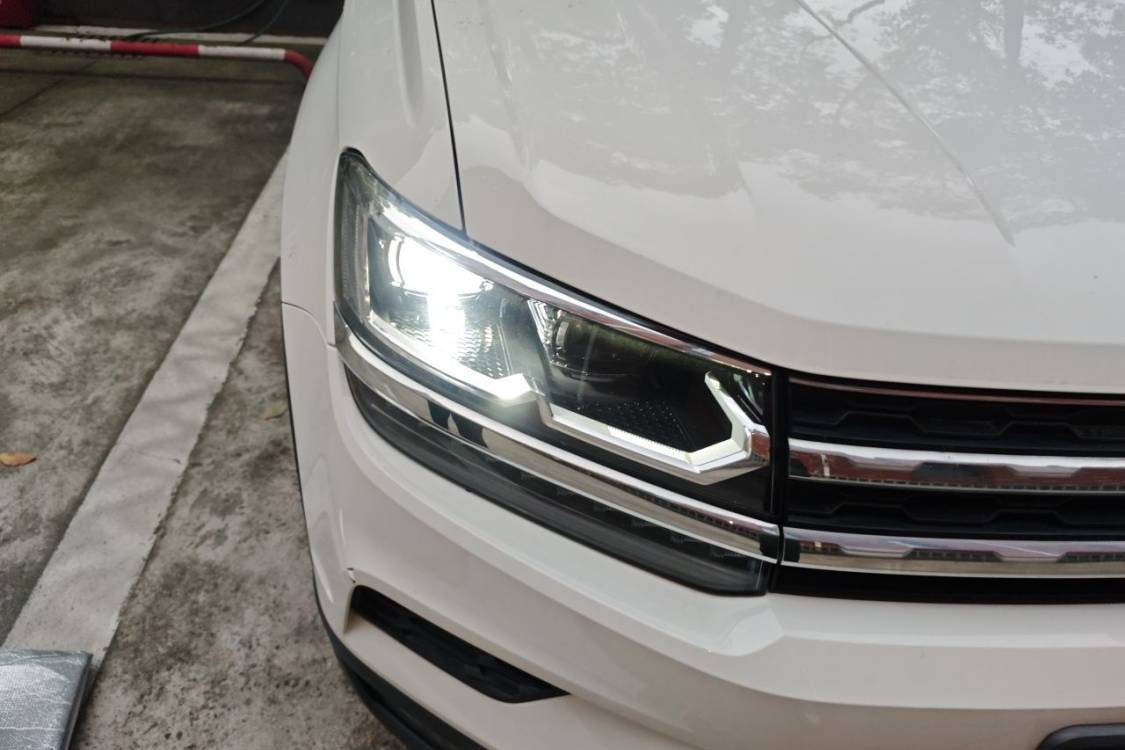
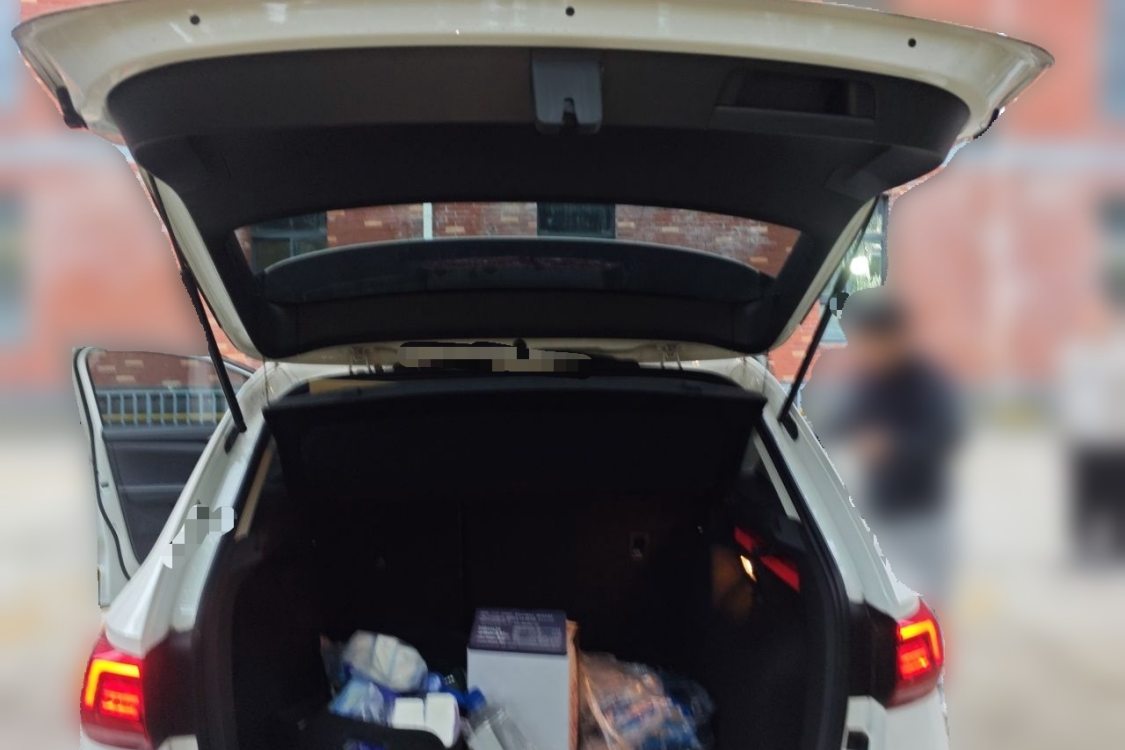
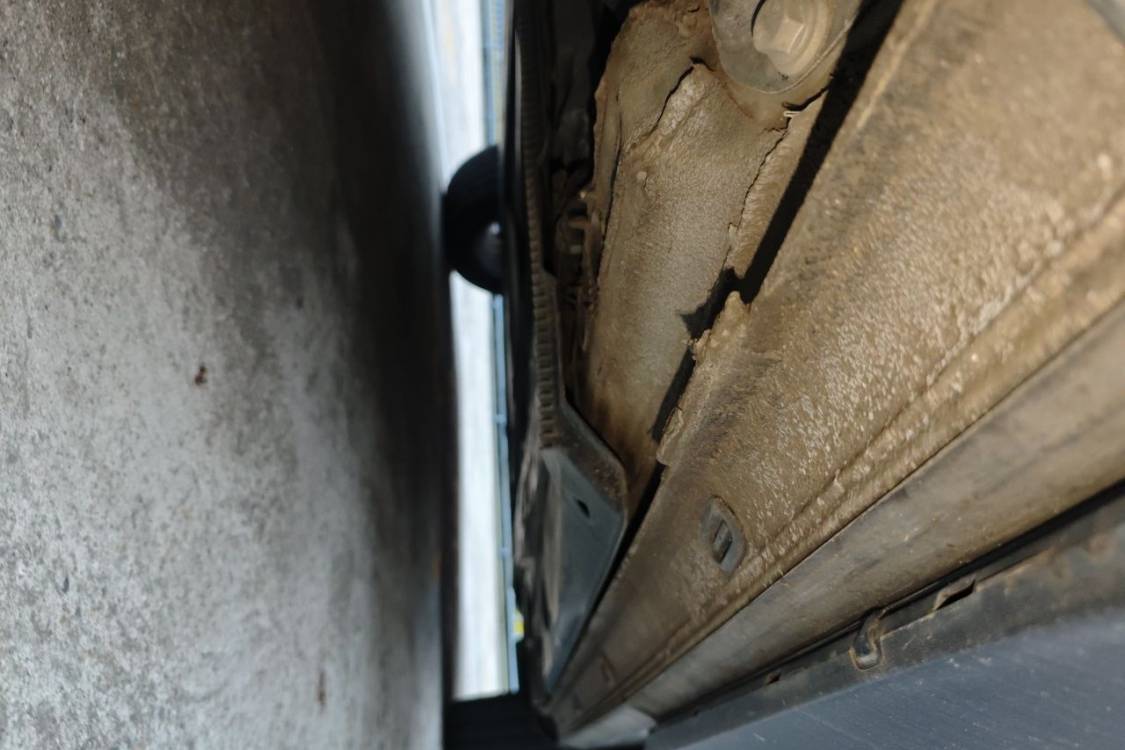
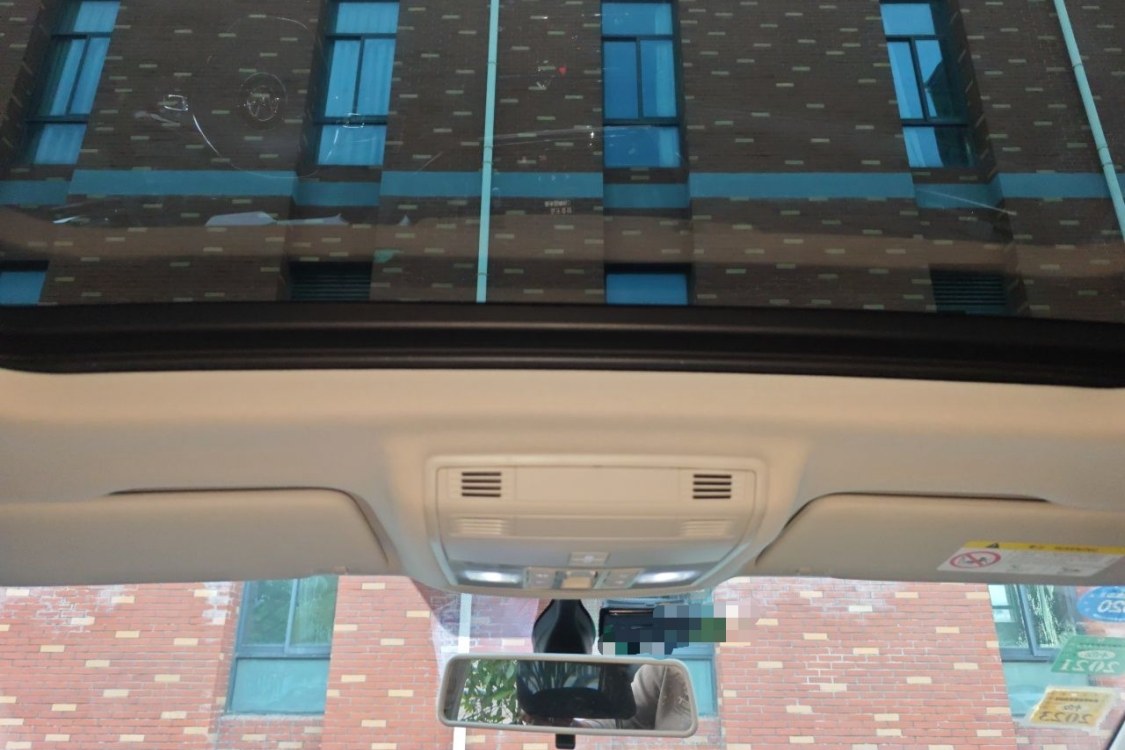
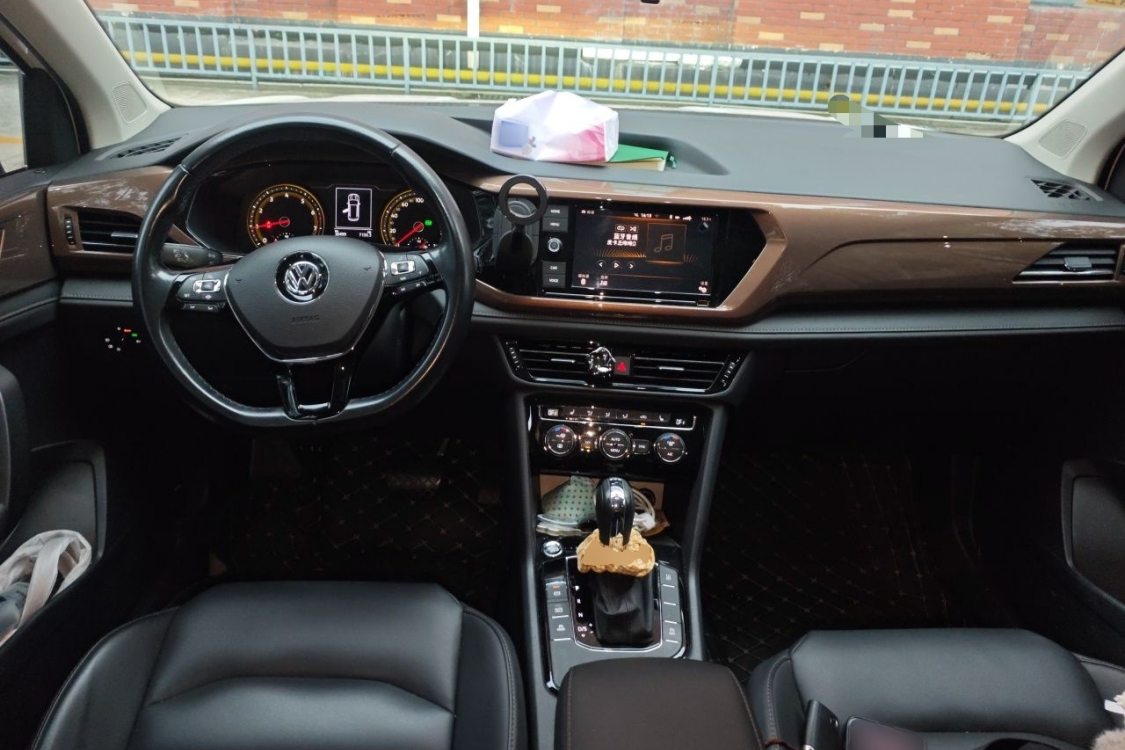
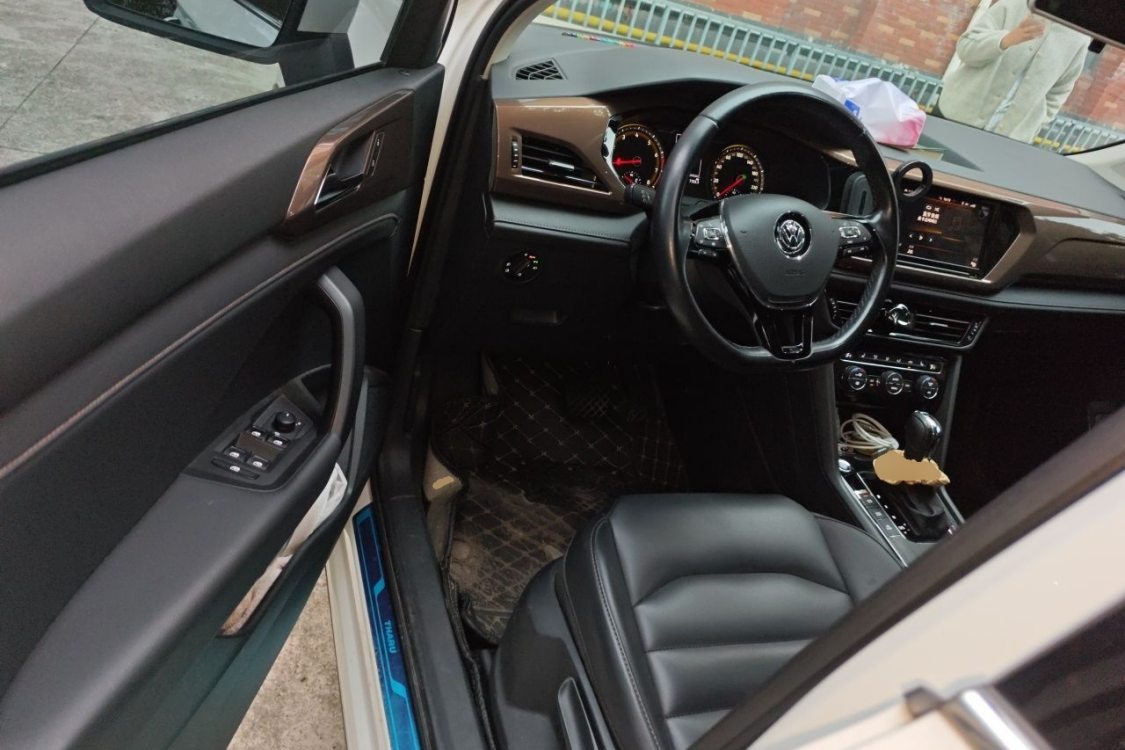
Localized body damage or repair marks present. No accident damage or repairs to structural or reinforcing components. Vehicle performance (including three-electric system) has degraded or is limited.

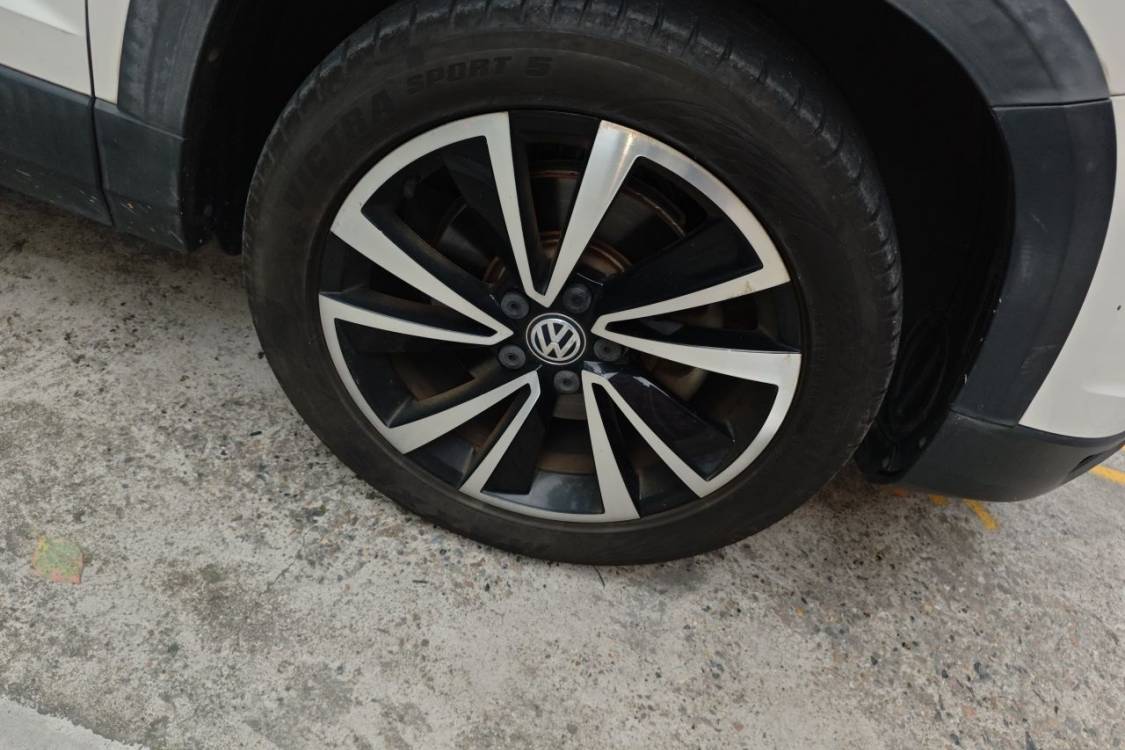
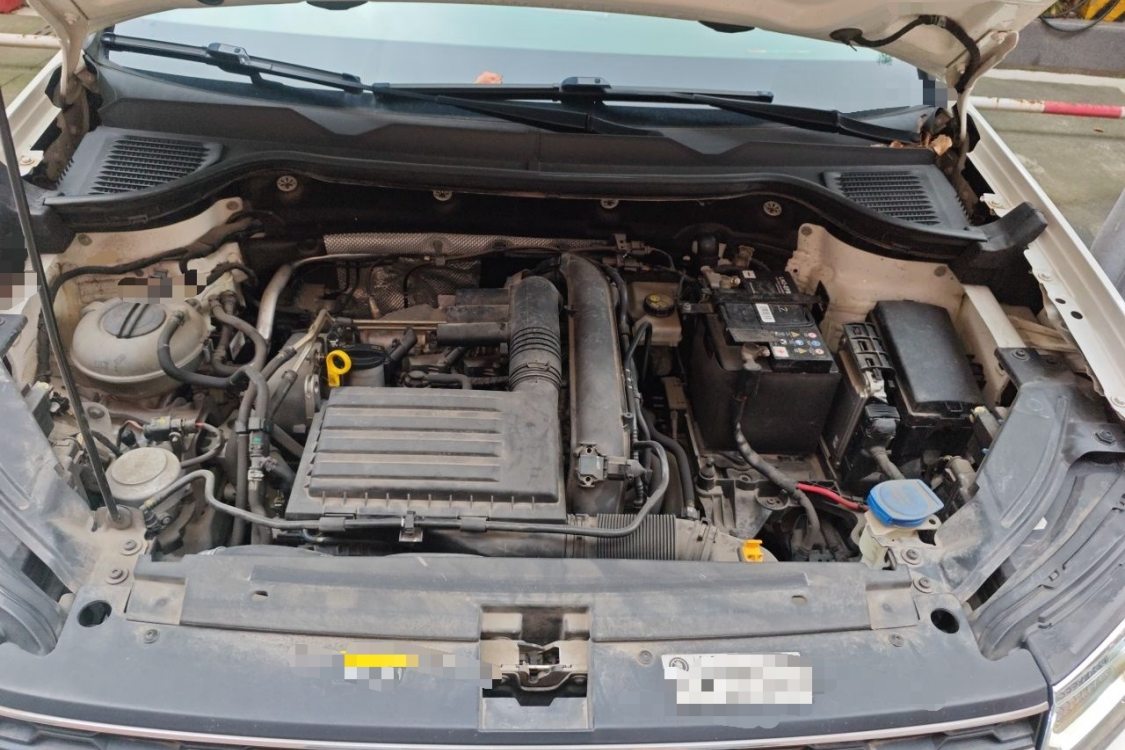
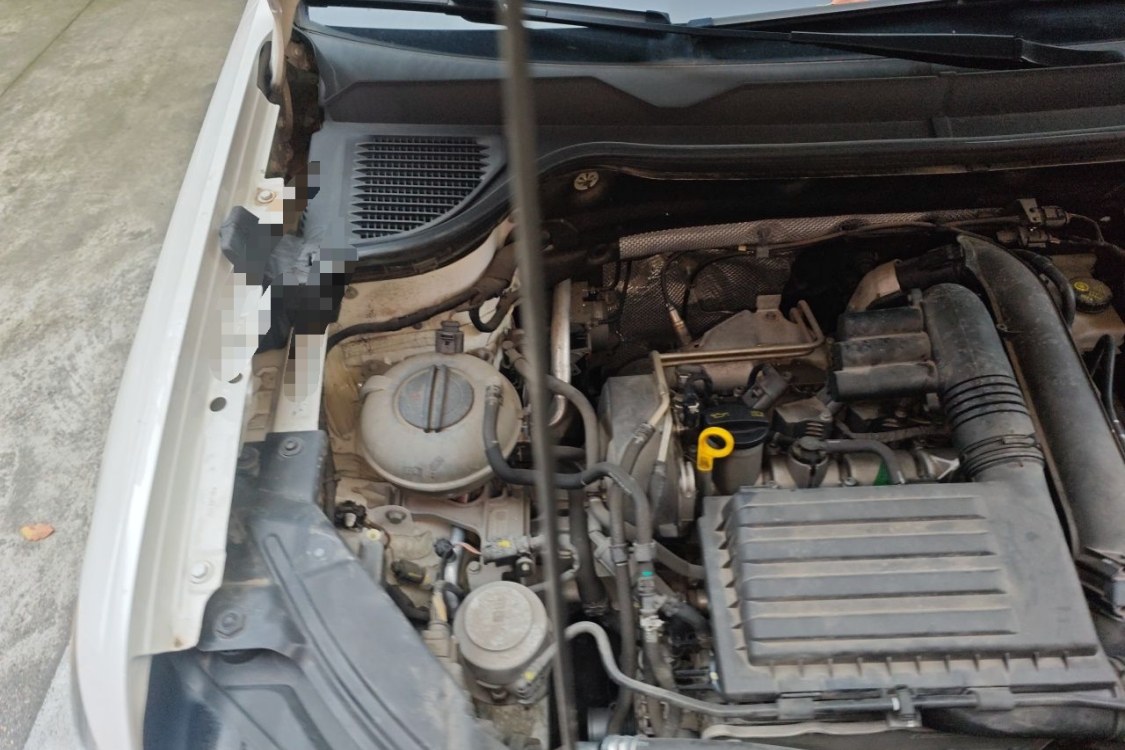
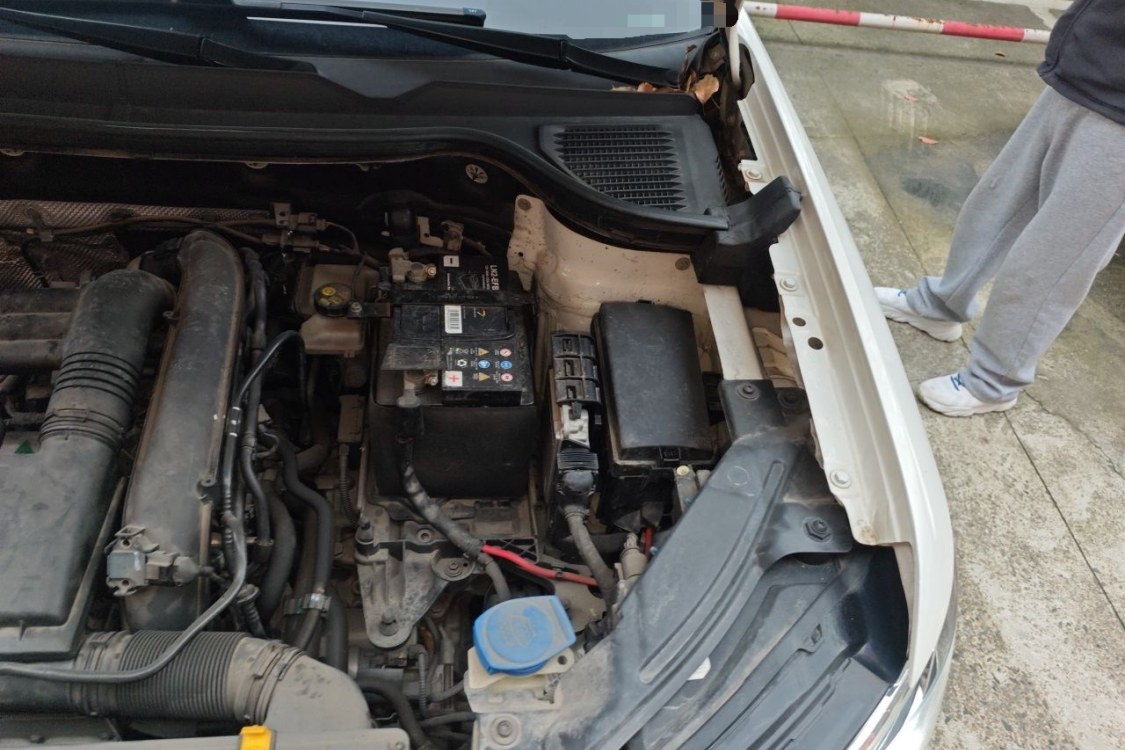
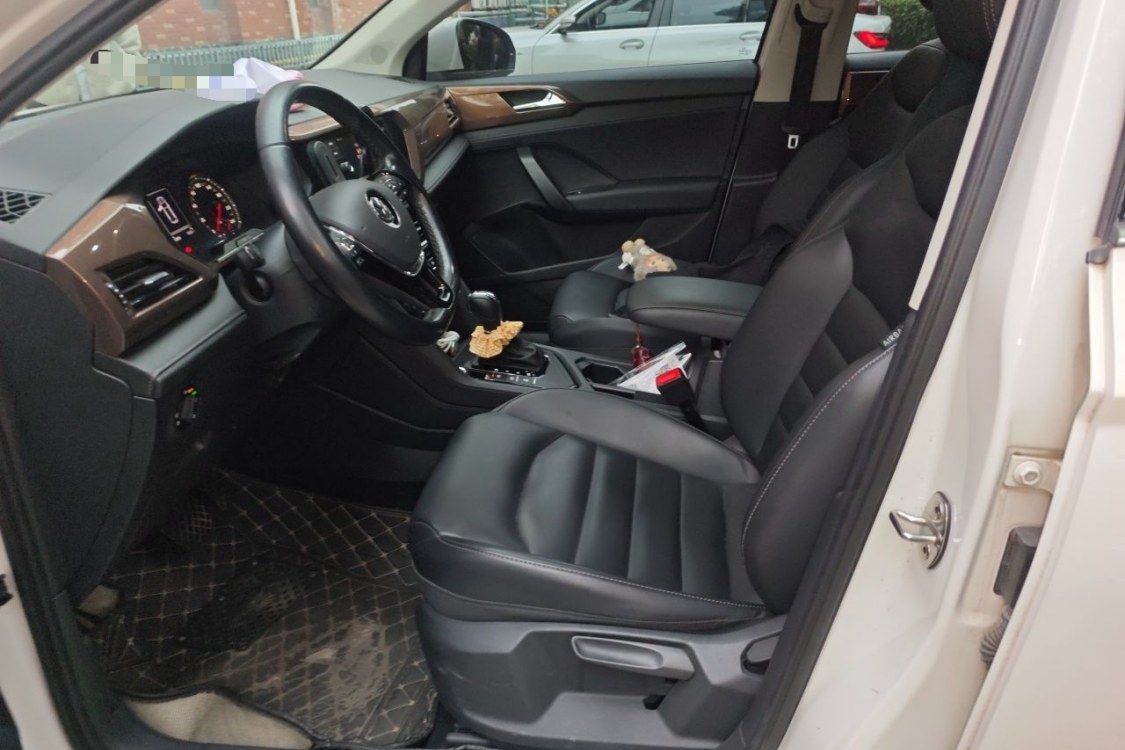
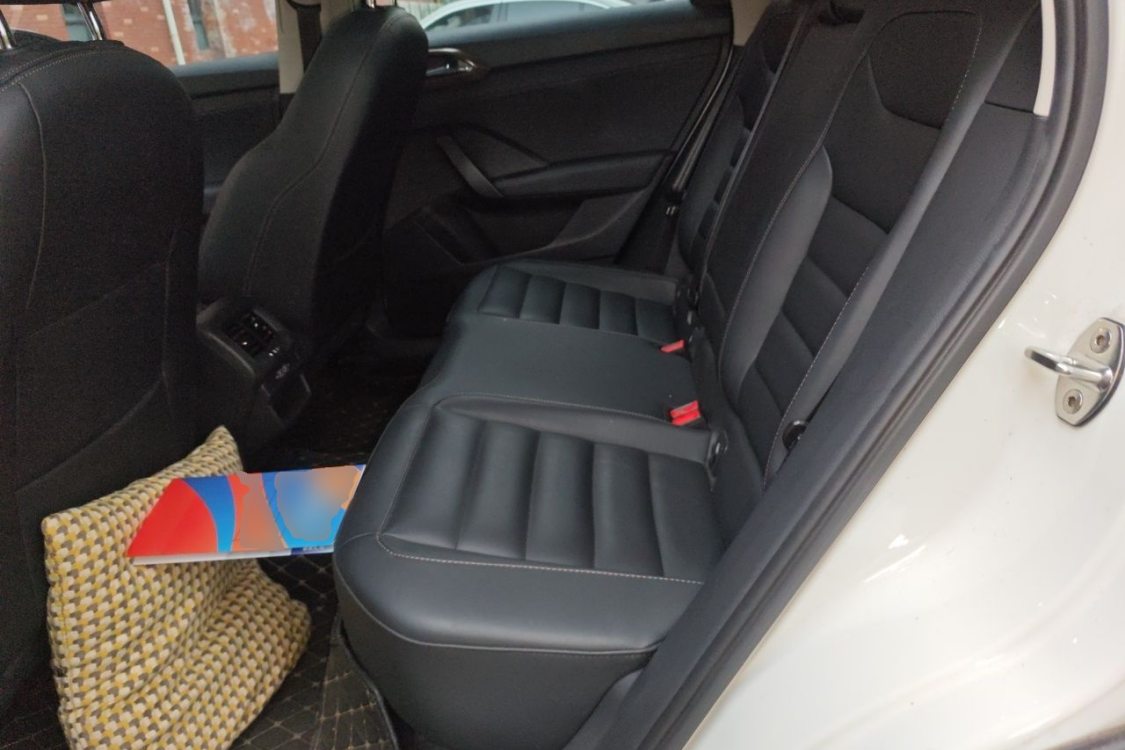
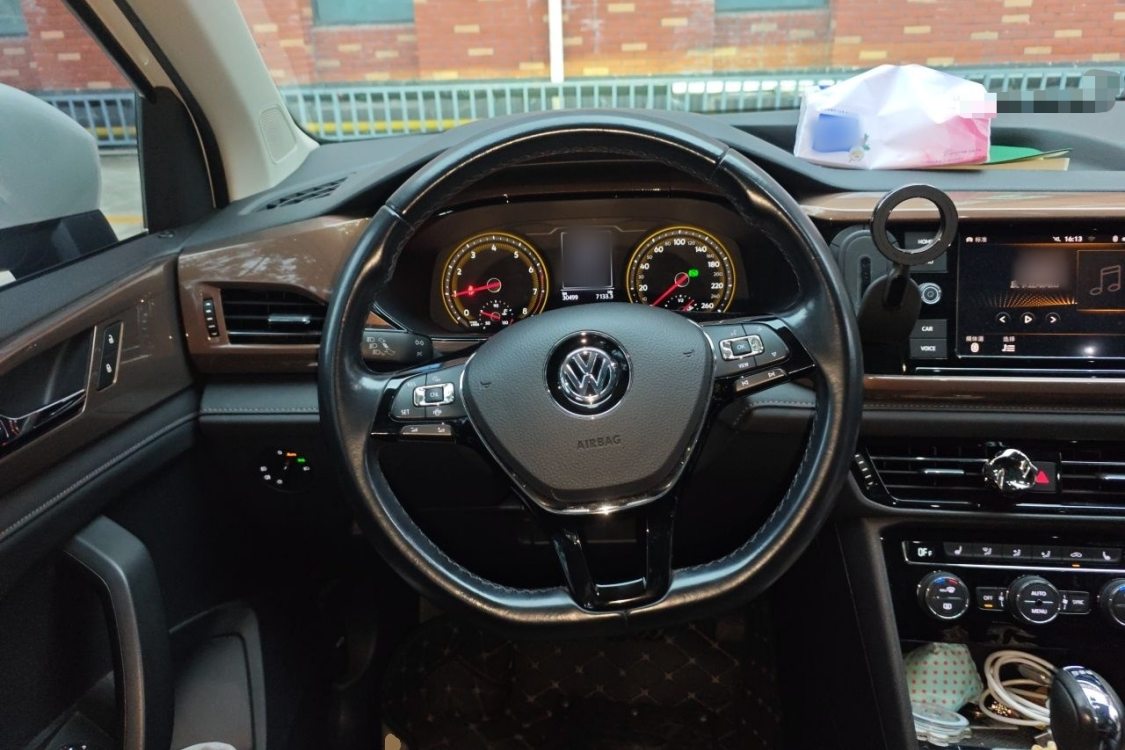
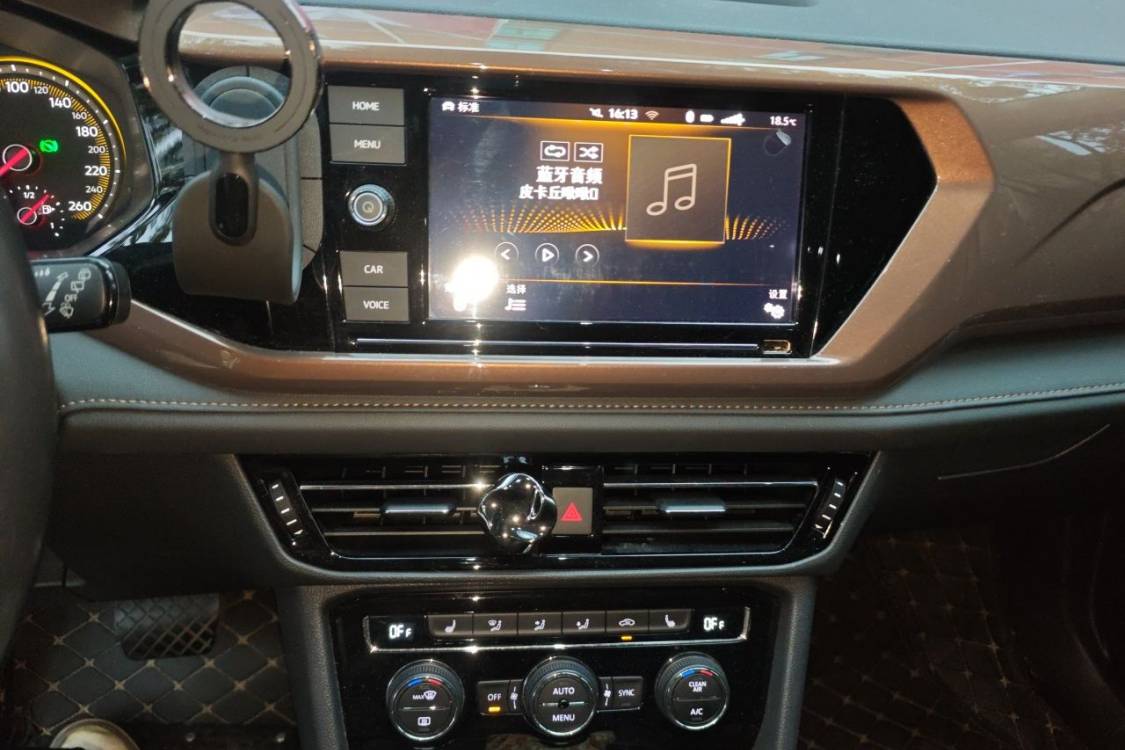
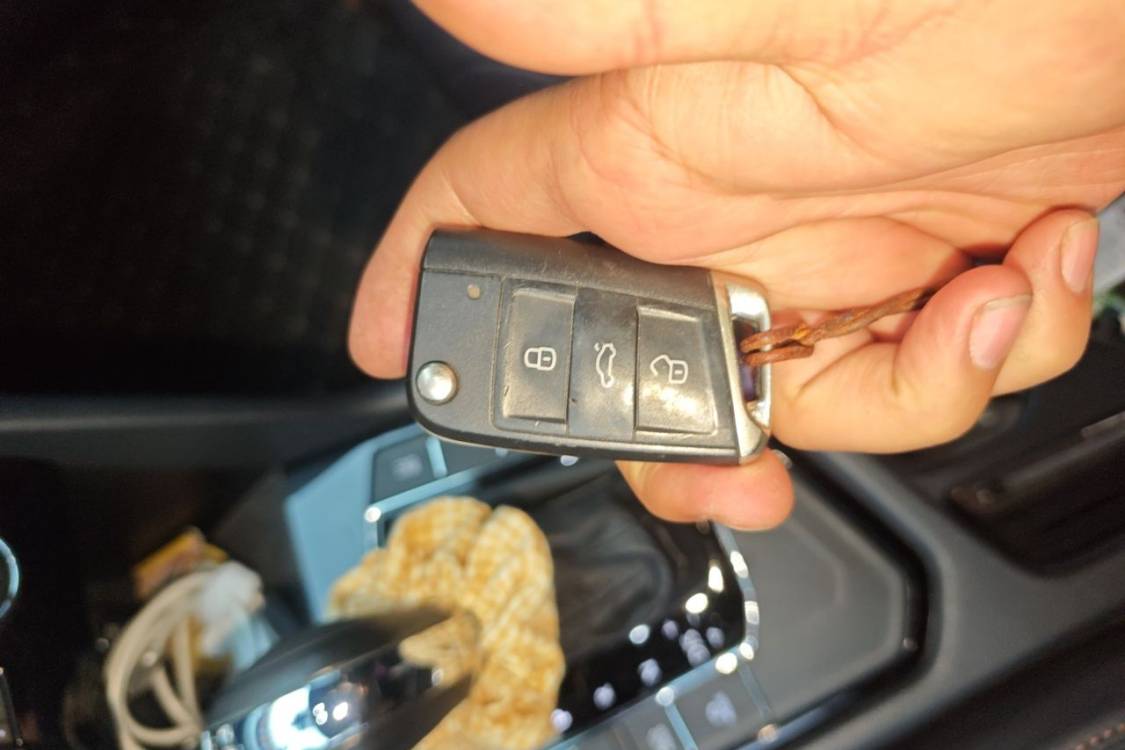
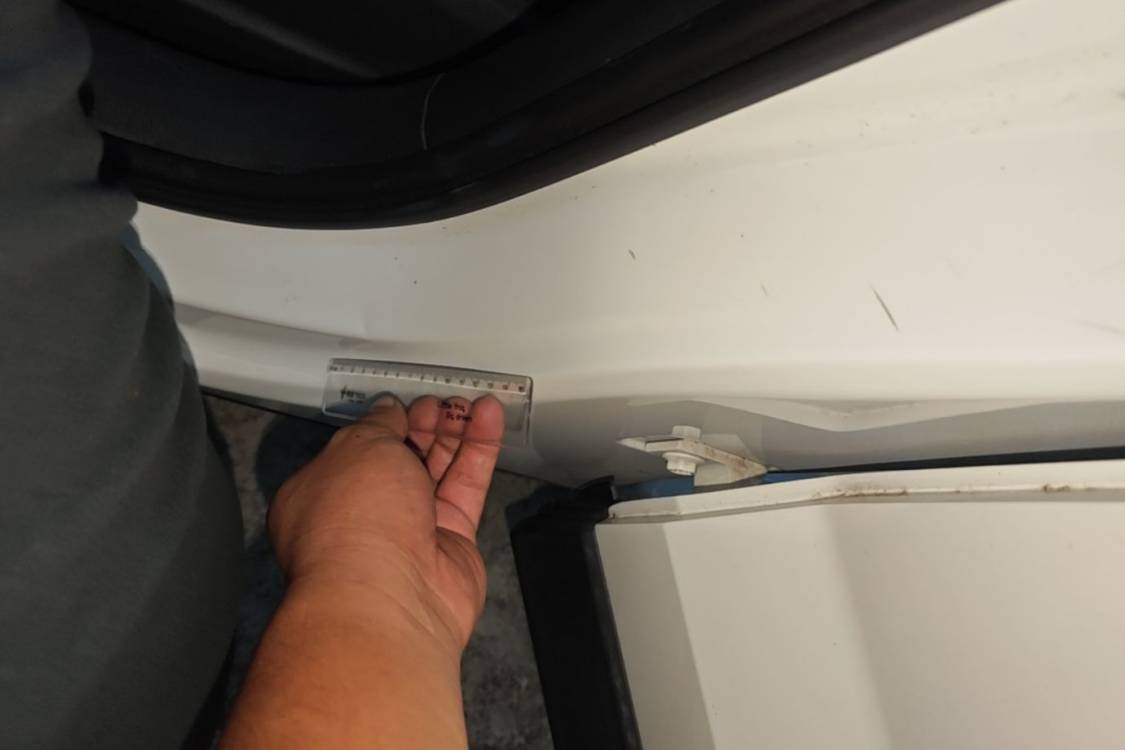
Accident inspection: main structure damaged, reinforcing parts undamaged, cover panels undamaged, hinges normal. Engine bay inspection: key mechanical components normal. Exterior: 1 repainted area. Interior: most features normal, airbag system normal, seatbelts normal, dashboard normal, instrument readings normal, lighting system normal. Startup inspection: main components normal. Tool kit: missing.

电话直连
可讲价
平台物流
可转售
零过户
新检测标准升级>
非泡水

Document Information

Inspection Expiry Date2027/07
Warranty Expiry Date-
Insurance Expiry Date2027/07

Q&A

More

How do I assess rust and underbody condition in a used car from China when buying remotely?

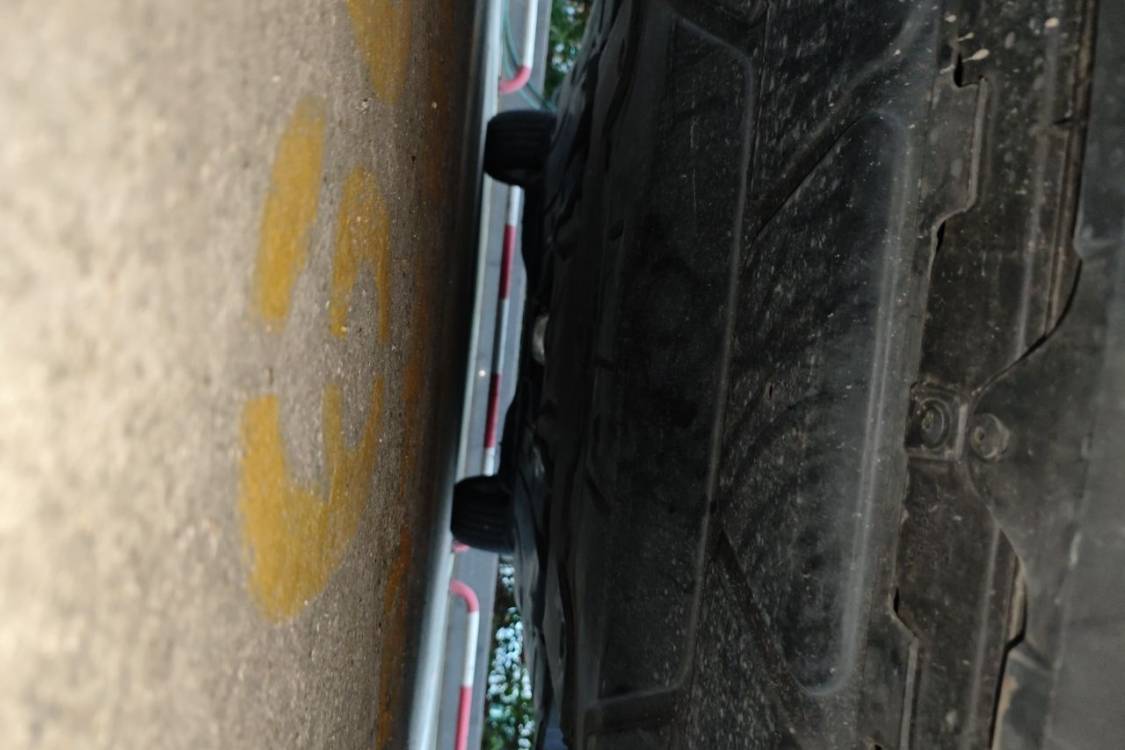
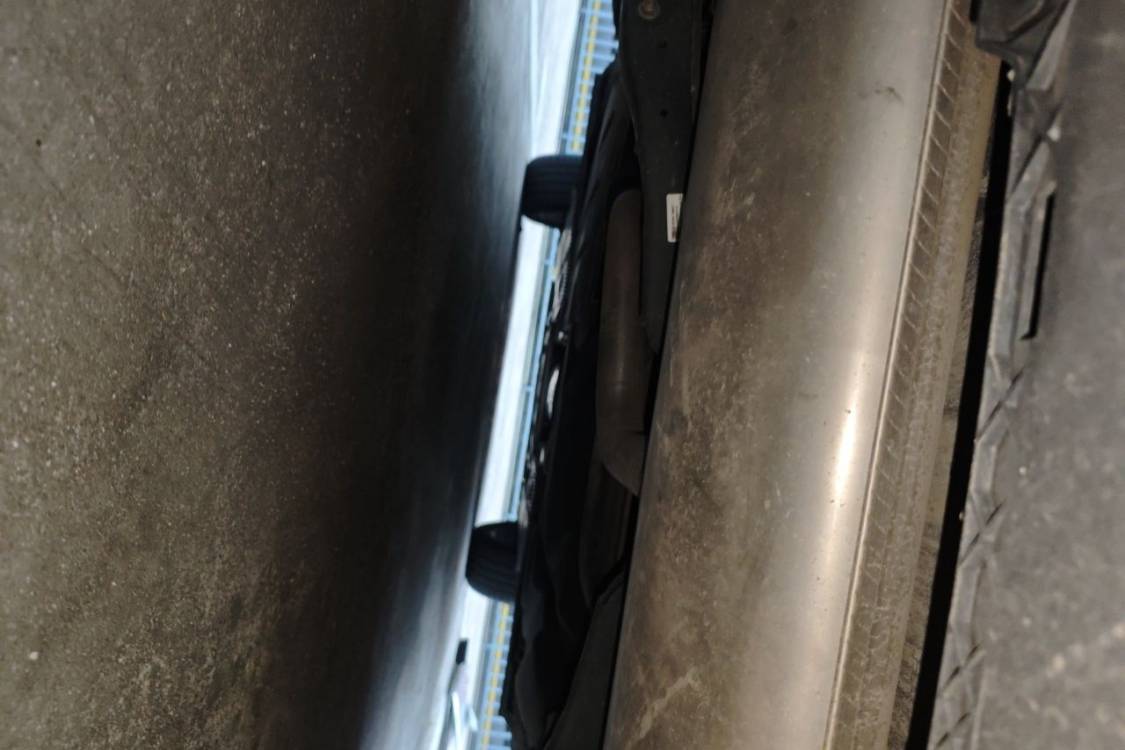
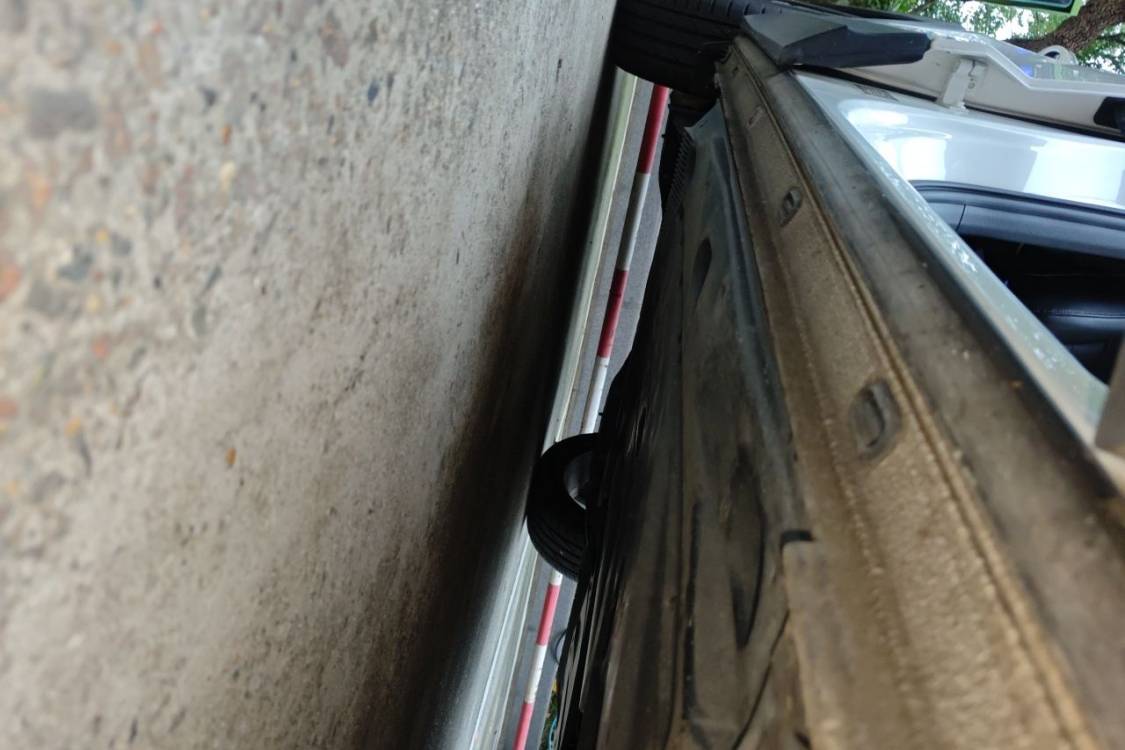
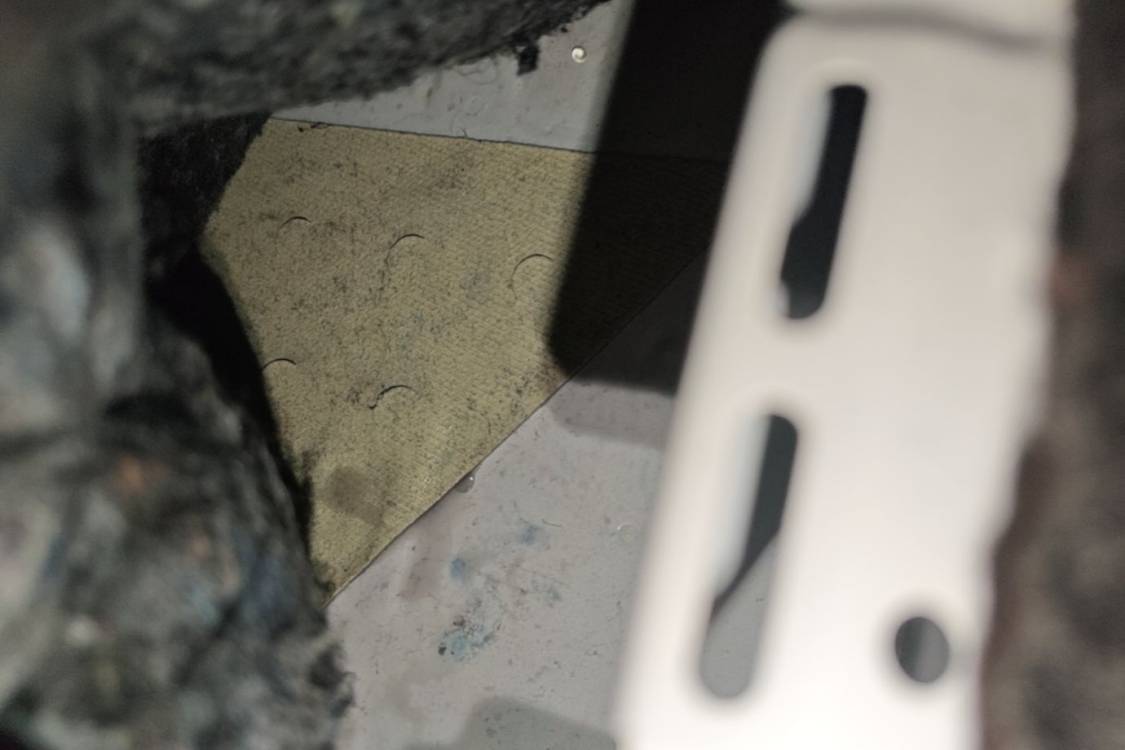
Rust is one of the most underestimated problems in remote buying. Request specific evidence: photos of the underbody, wheel arches, door sills, and around the windshield seal; close-ups of suspension mounting points; and ideally paint thickness readings across panels (factory paint is typically 80-120μm; heavy patches suggest bodywork). Northern Chinese cars may have winter road-salt corrosion; coastal cars can show surface rust on exposed metal. Surface rust on exhaust and bolts is normal—structural rust on frame rails, subframes, or brake lines is a deal-breaker, especially if the car is headed to a humid or coastal market. Have the inspector tap suspicious areas during the video call: flaky or bubbling metal sounds hollow. Walk away if the seller refuses underbody photos.


How can I check if a used car from China has been in a major accident, and what records actually exist?

China does not have a single public accident database like CARFAX, but you can still verify history from several sources. First, ask the exporter for the insurance claim records (出险记录). Major repairs go through insurance, and the claim history shows the date, amount, and damaged parts. A car with large claim amounts (over half its value) is effectively a total loss rebuild. Second, check the vehicle's registration certificate (机动车登记证书) for transfer history — multiple transfers in a short period often follow an accident. Third, run a VIN check through commercial platforms (paid, around 20-50 RMB) which aggregate insurance, maintenance, and auction data. Cross-check everything against a physical inspection: paint thickness readings on structural points, weld quality under the seals, and underbody photos. If the records and the physical condition do not match, walk away or demand a large discount.

Will all electronic buttons in the car (windows, air conditioning, seat adjustments) undergo electrical testing?

Testing is mandatory. Troubleshooting electrical devices in the car is part of the standard procedure. We will test the window lift motors, mirror folding, air conditioning compressor and fan, electric seat tracks, etc. Any stuttering or failure of electronic components will be recorded.