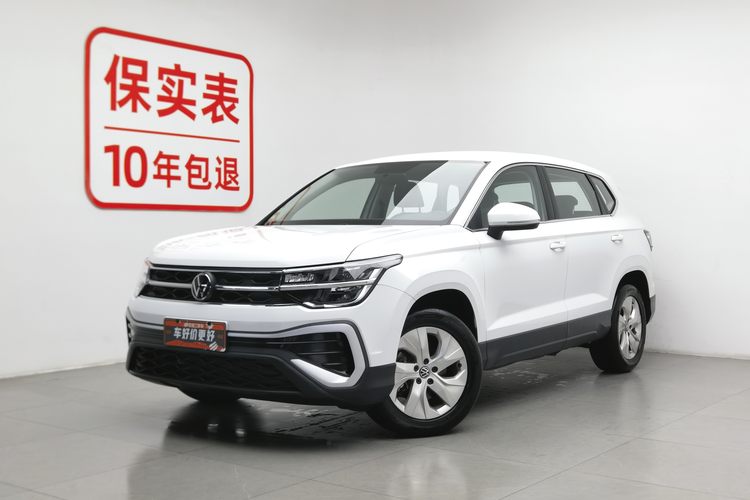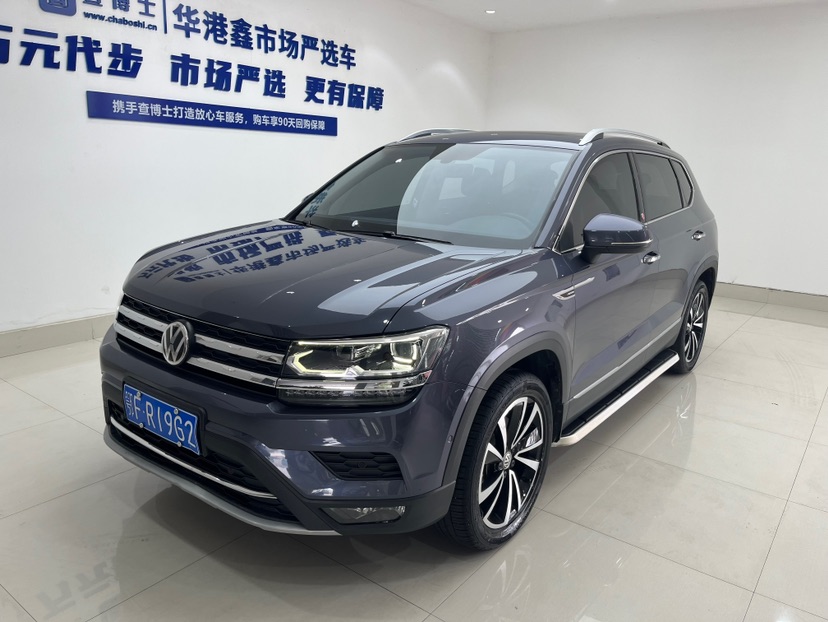
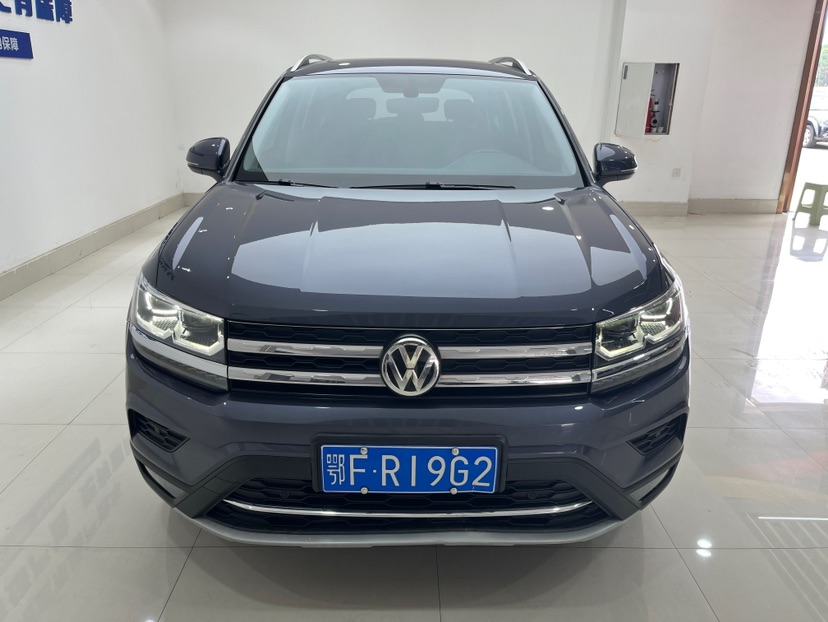
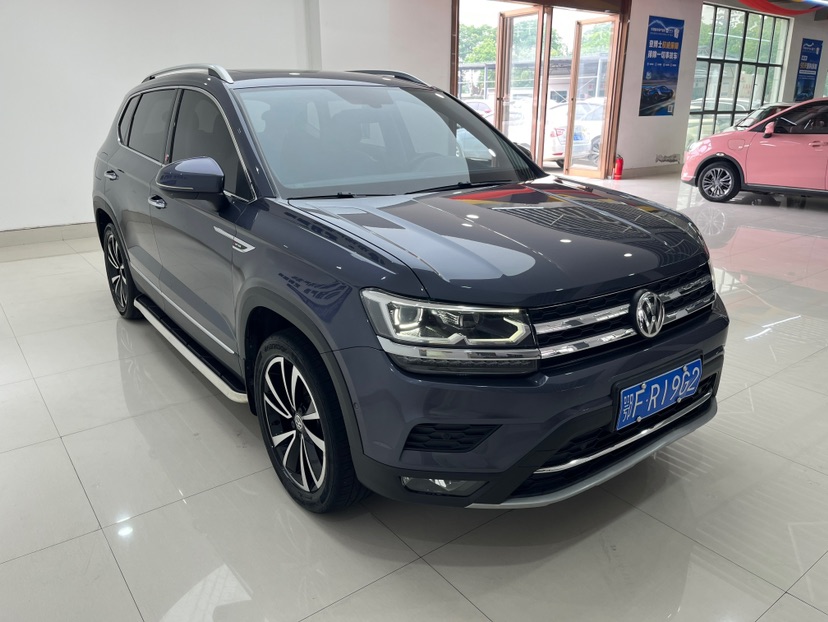
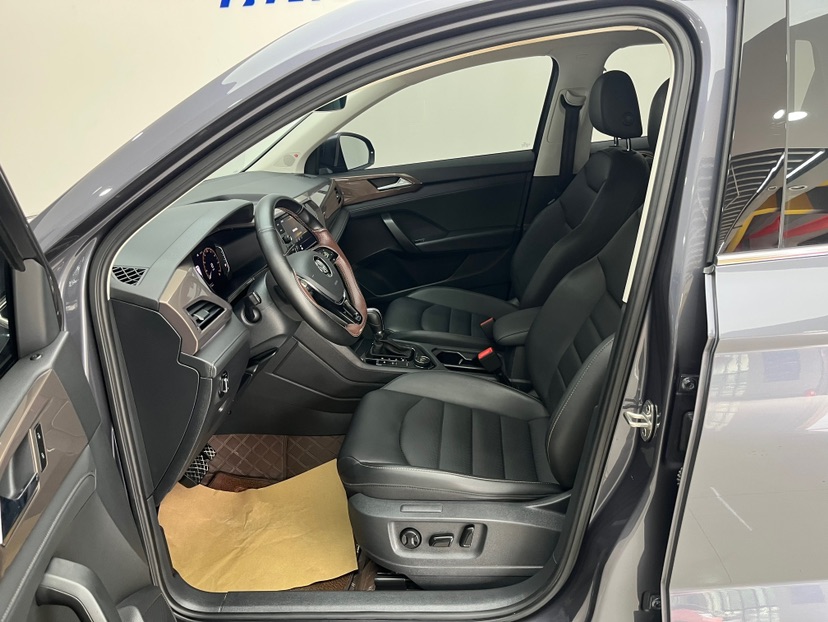
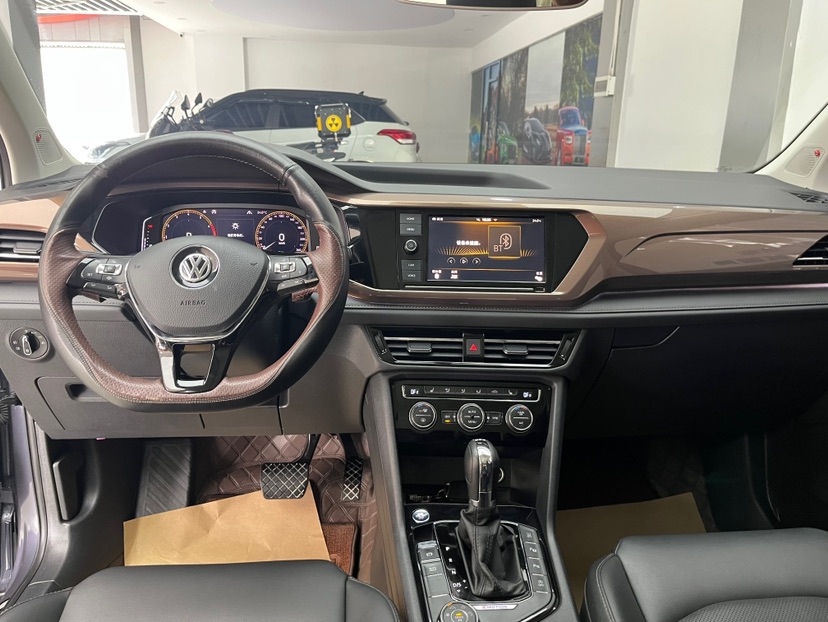
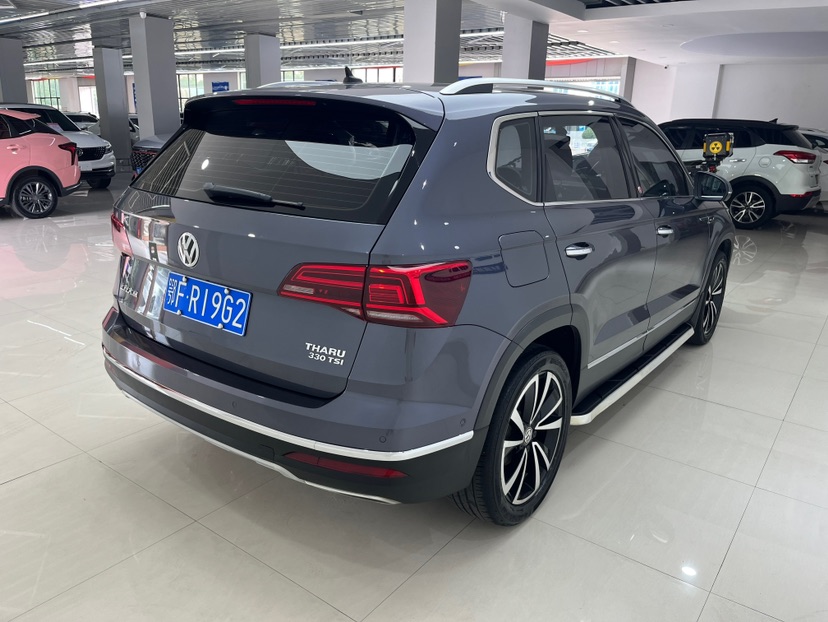
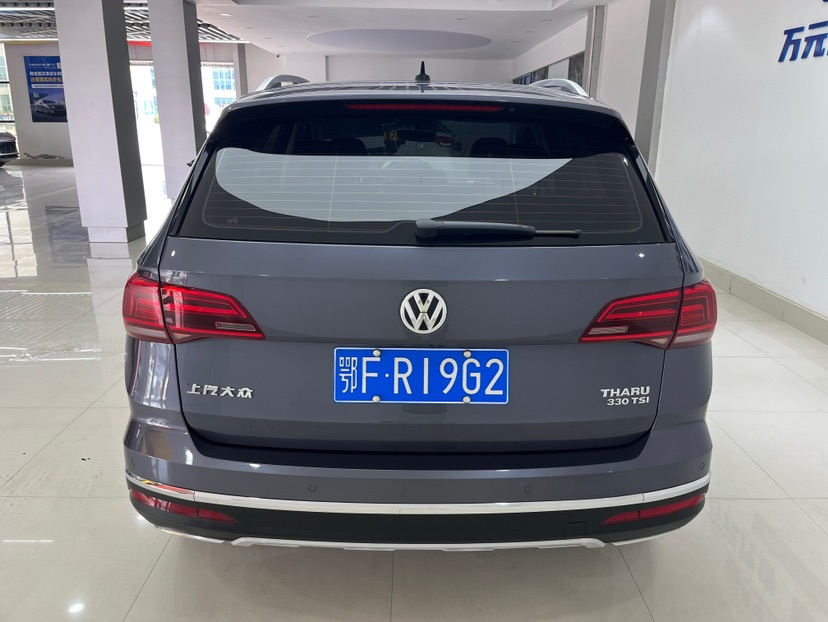
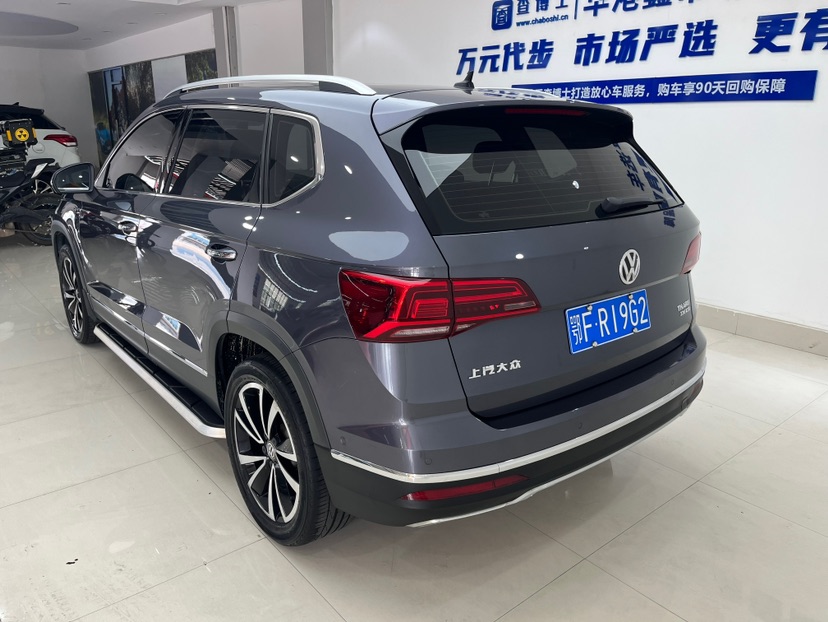
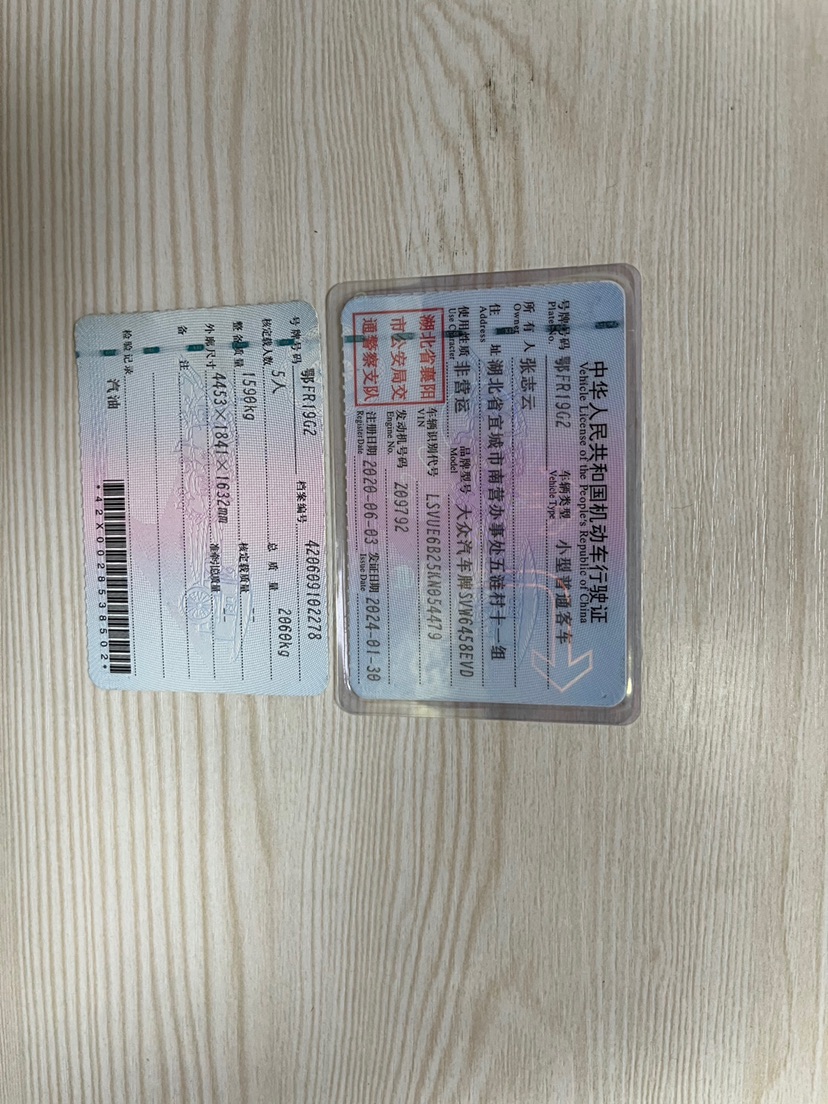



Basic Information

BrandVolkswagen
SeriesTharu
Year2020
First Registration2020/06
Mileage77,000km
Transfer Count1times
FuelGasoline
TransmissionDCT
Engine2.0T 186 L4
ColorOther
Seats-

Condition Description

Bodywork repairs and repainting on the left front fender, left rear door, left rear fender, right rear door, and right front fender. Odometer reading is accurate, and the vehicle has passed re-inspection, suitable for third-party verification.

燃油车
SUV
自动
维保开放
事故开放
查验开放

Configuration Highlights

✓品牌: 大众
✓车系: 途岳
✓车型: 2019款 330TSI 四驱旗舰版 国VI
✓车身类型: SUV
✓座位数: 5
✓排量: 2.0T
✓变速箱: 自动
✓能源类型: 燃油车
✓VIN: LSVUE6B25KN054479
✓搜索关键词: 大众途岳 2019款途岳330TSI四驱旗舰版国VI

Document Information

Inspection Expiry Date2026/06
Warranty Expiry Date-
Insurance Expiry Date2026/06

Q&A

More

If the customs of the destination country values the vehicle higher than your commercial invoice amount, leading to a surge in duties, who is responsible?

The customs of the destination country has the right to disregard the commercial invoice and reassess the value based on its internal database (such as the customs valuation red book). Any additional duties incurred are a result of the importing country's policy and are fully borne by the buyer (importer).

How are the refrigerant pressure, compressor operation, and heating effect of the air conditioning system deeply tested?

The technician will start the vehicle and turn on the air conditioning system, measuring the actual temperature at the vents at the lowest and highest settings with a thermometer; at the same time, they will connect a manifold pressure gauge to check if the refrigerant pressure in the high and low pressure lines is within the normal range, determining if there is a chronic refrigerant leak.

When shipping by RoRo vessel, is the "Terminal Handling Charge (THC)" at the destination port prepaid by your freight forwarder or paid by the buyer upon arrival?

Under international practices and our standard CIF/FOB terms, the THC at the port of origin (China) is borne by the seller; all THC and port miscellaneous charges incurred at the destination port during unloading are to be paid by the buyer (consignee) upon local customs clearance and pickup.