
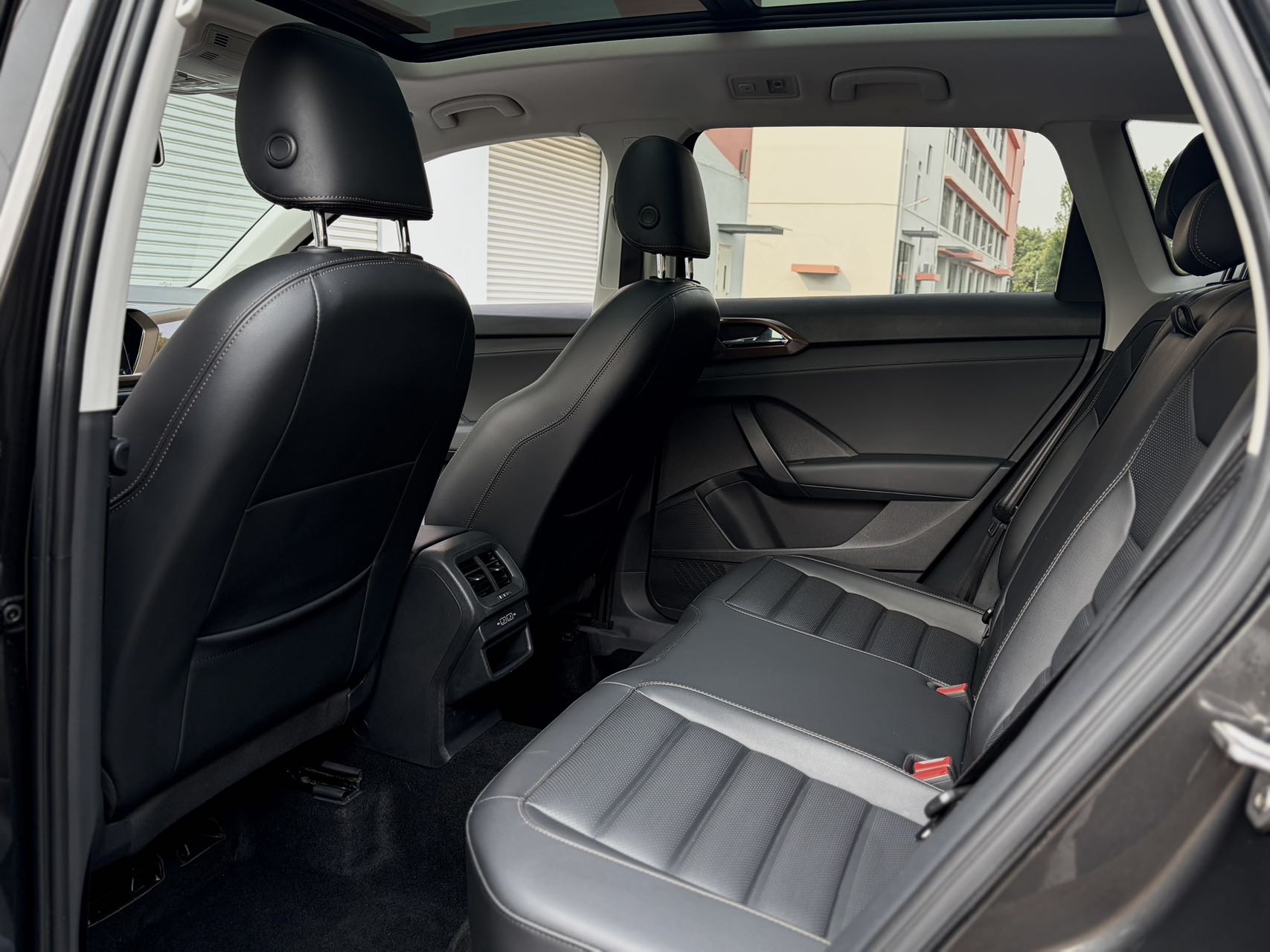
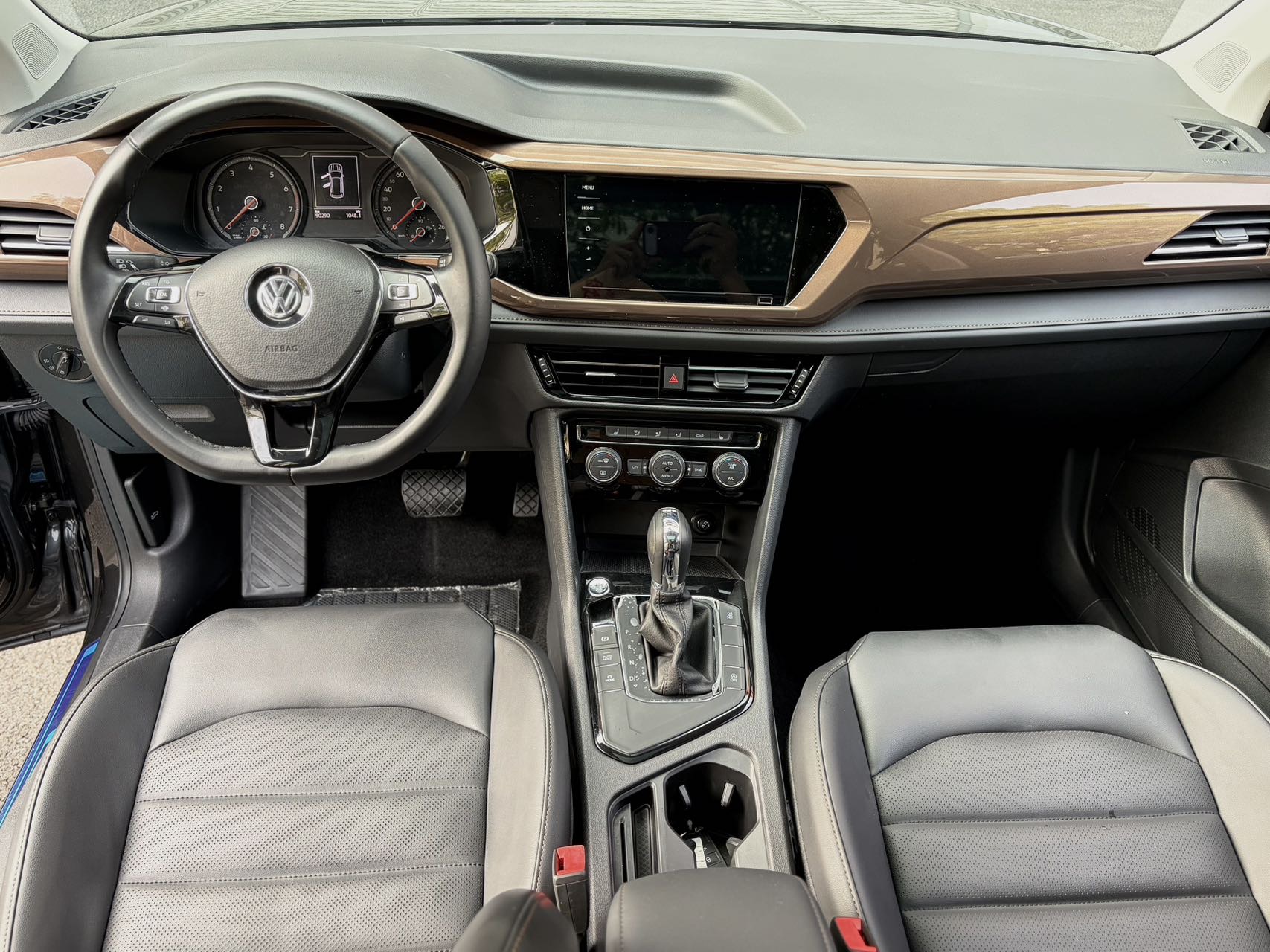

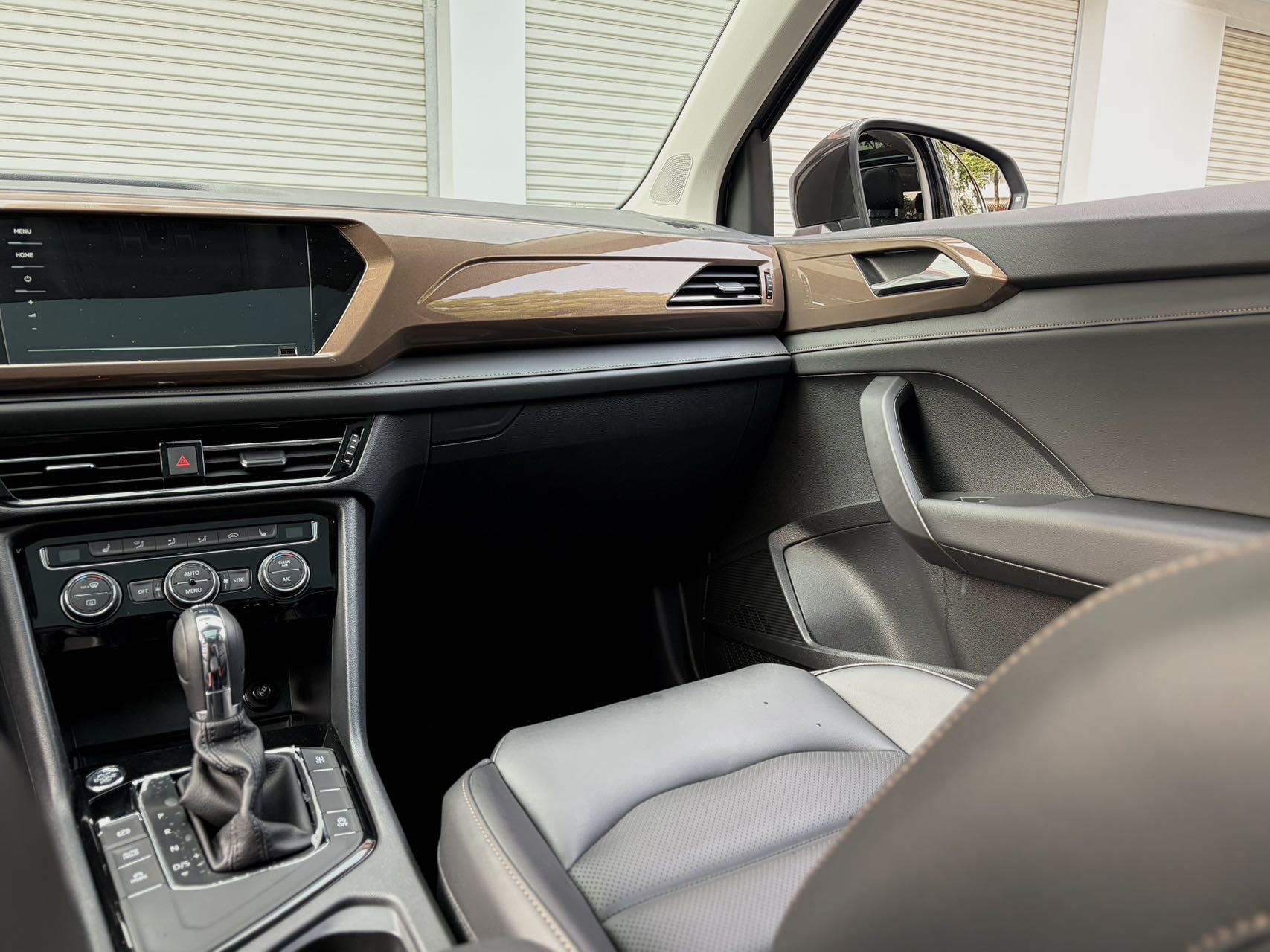
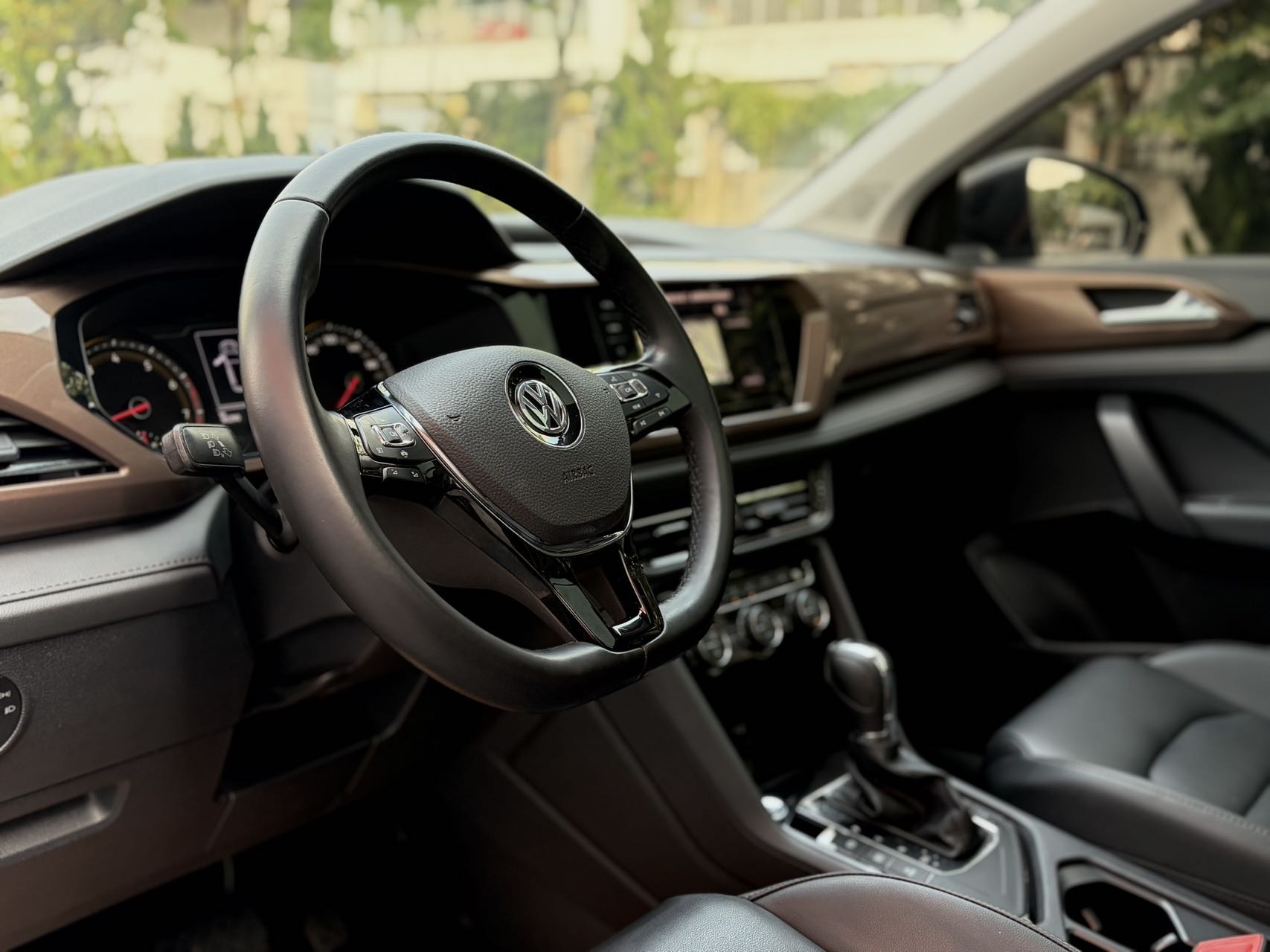


Basic Information

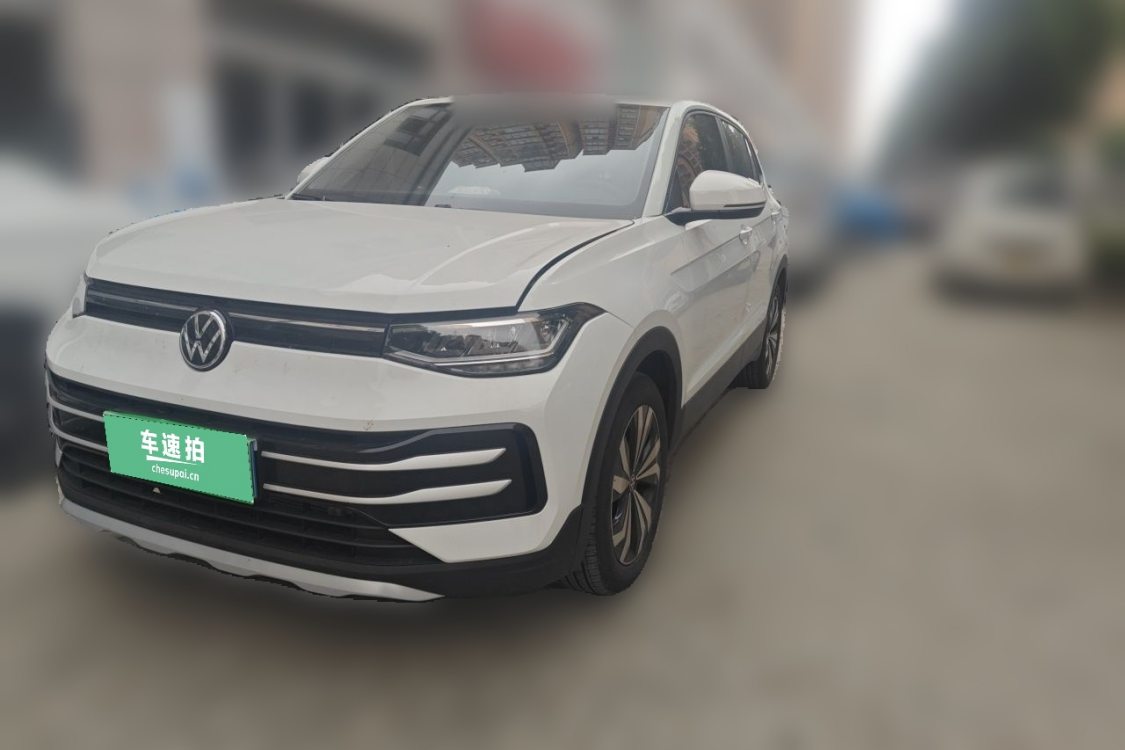
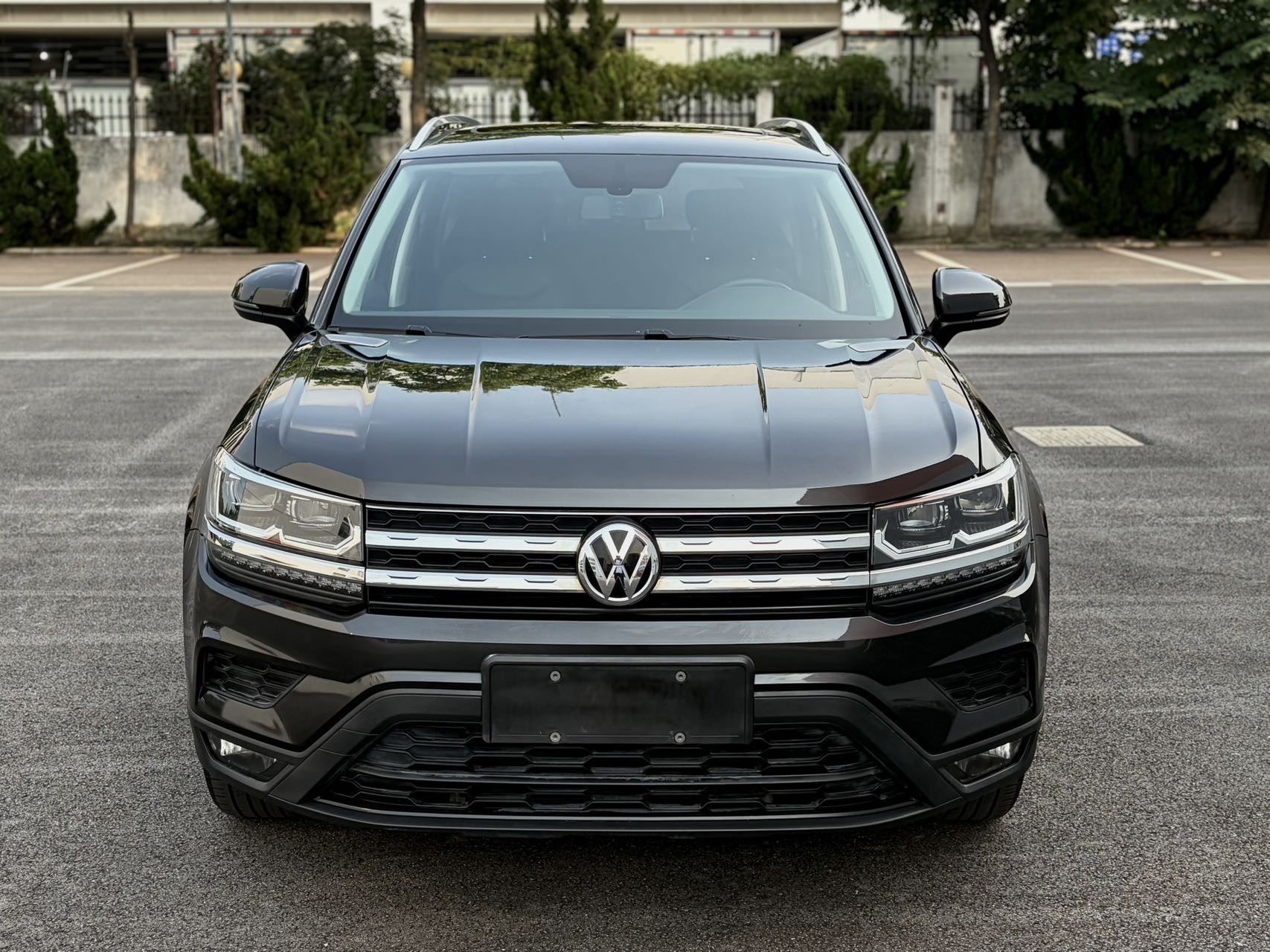
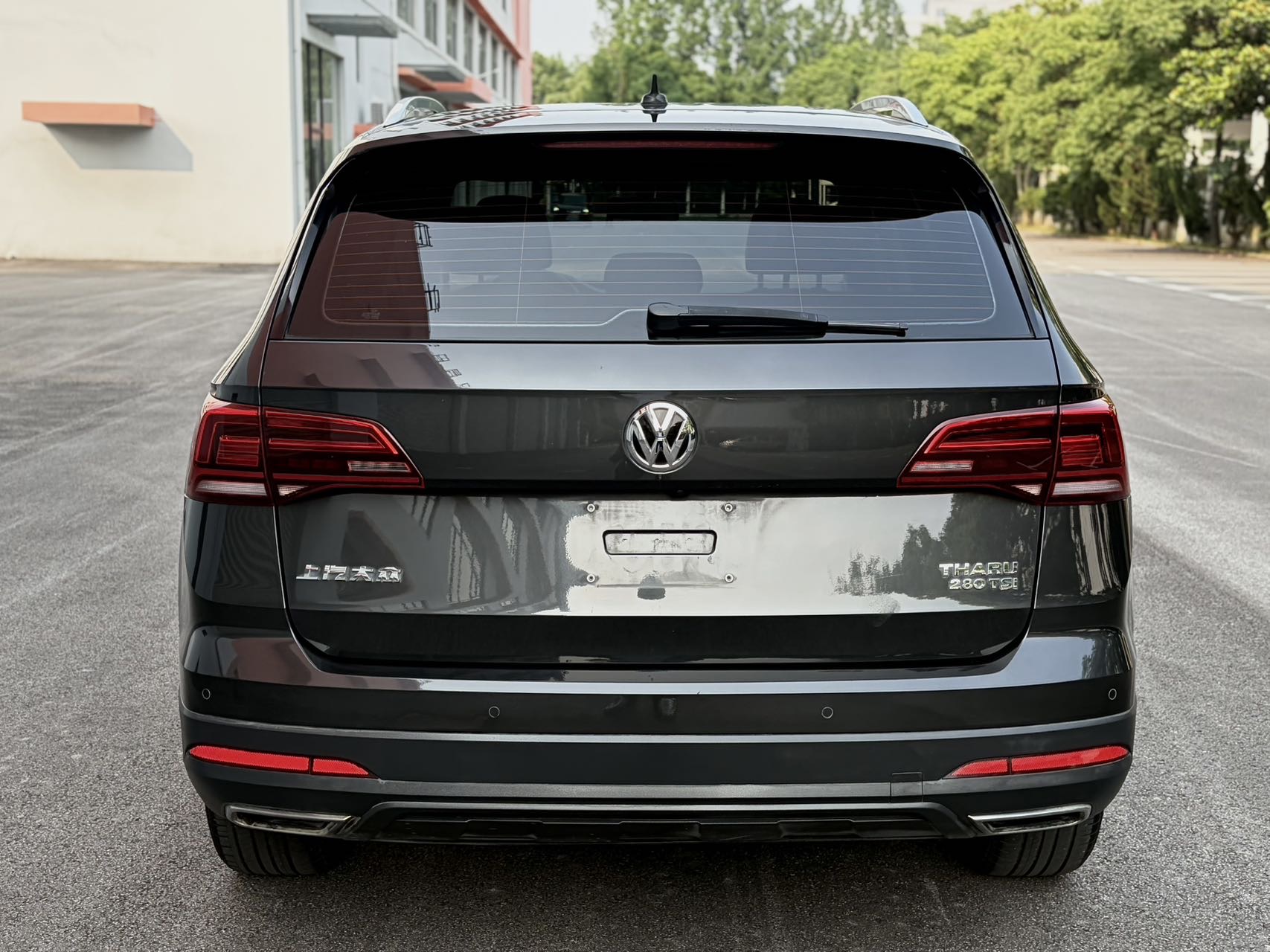
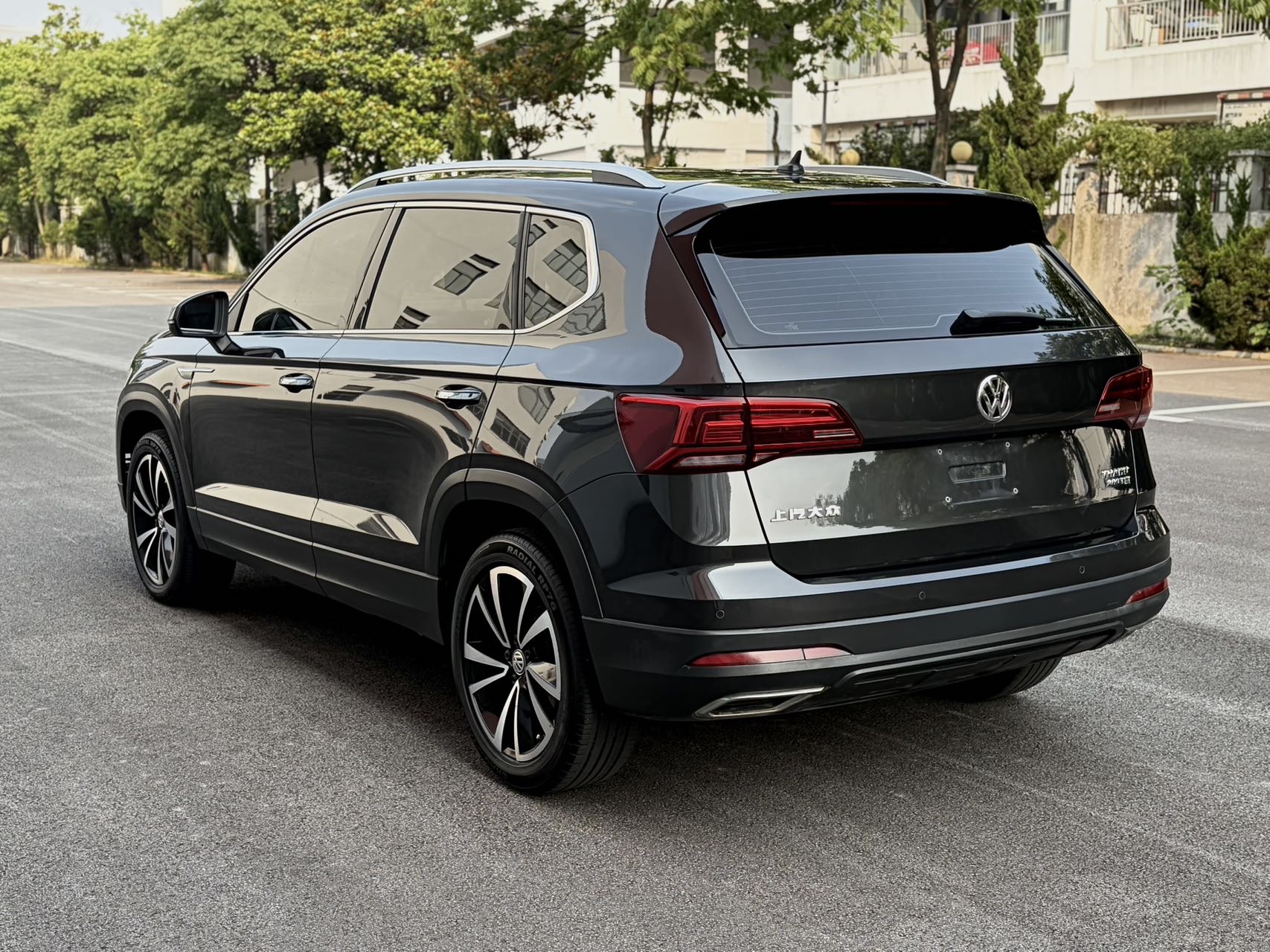
BrandVolkswagen
SeriesTharu
Year2020
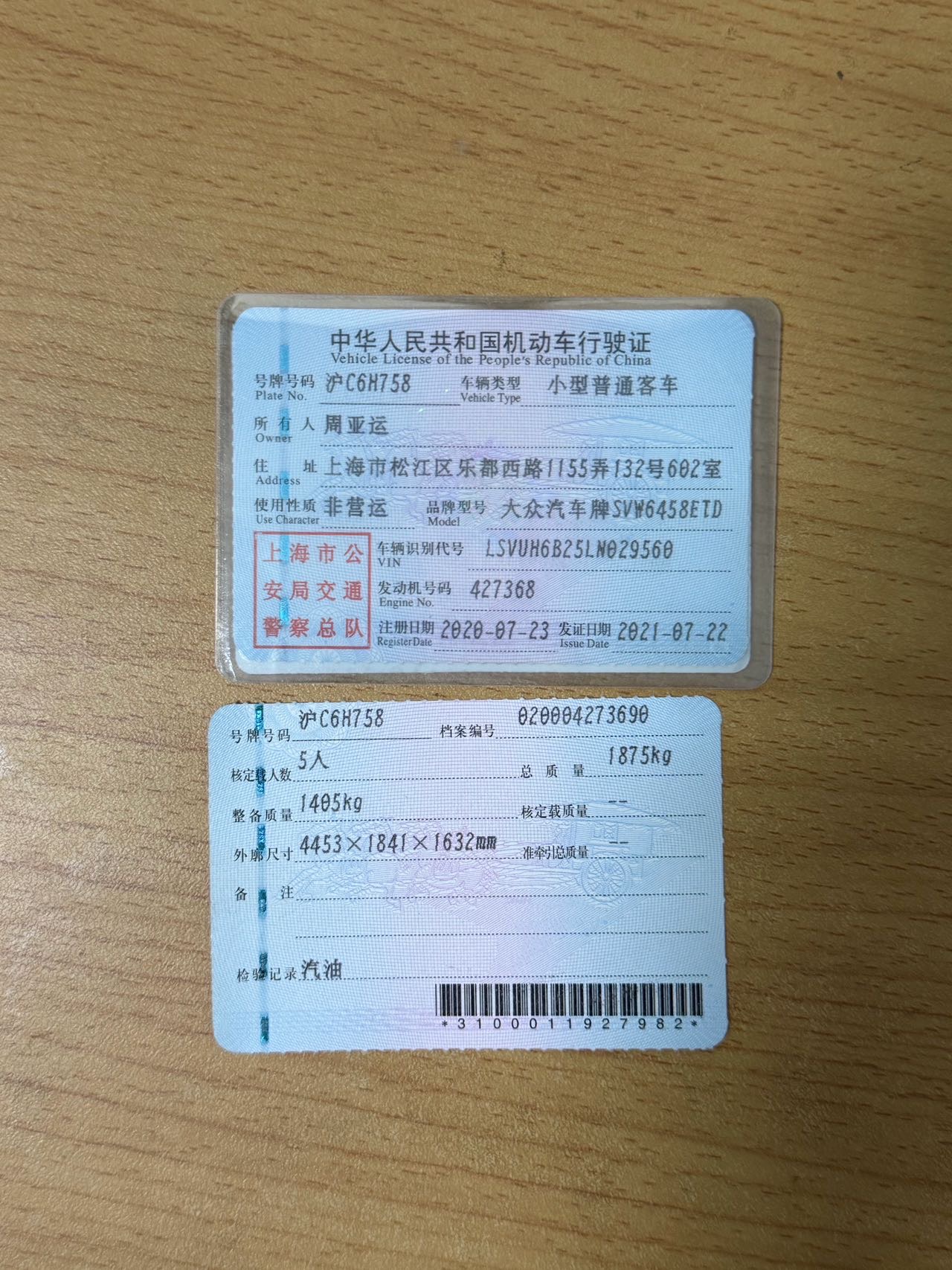
First Registration2020/07
Mileage90,000km
Transfer Count0times
FuelGasoline
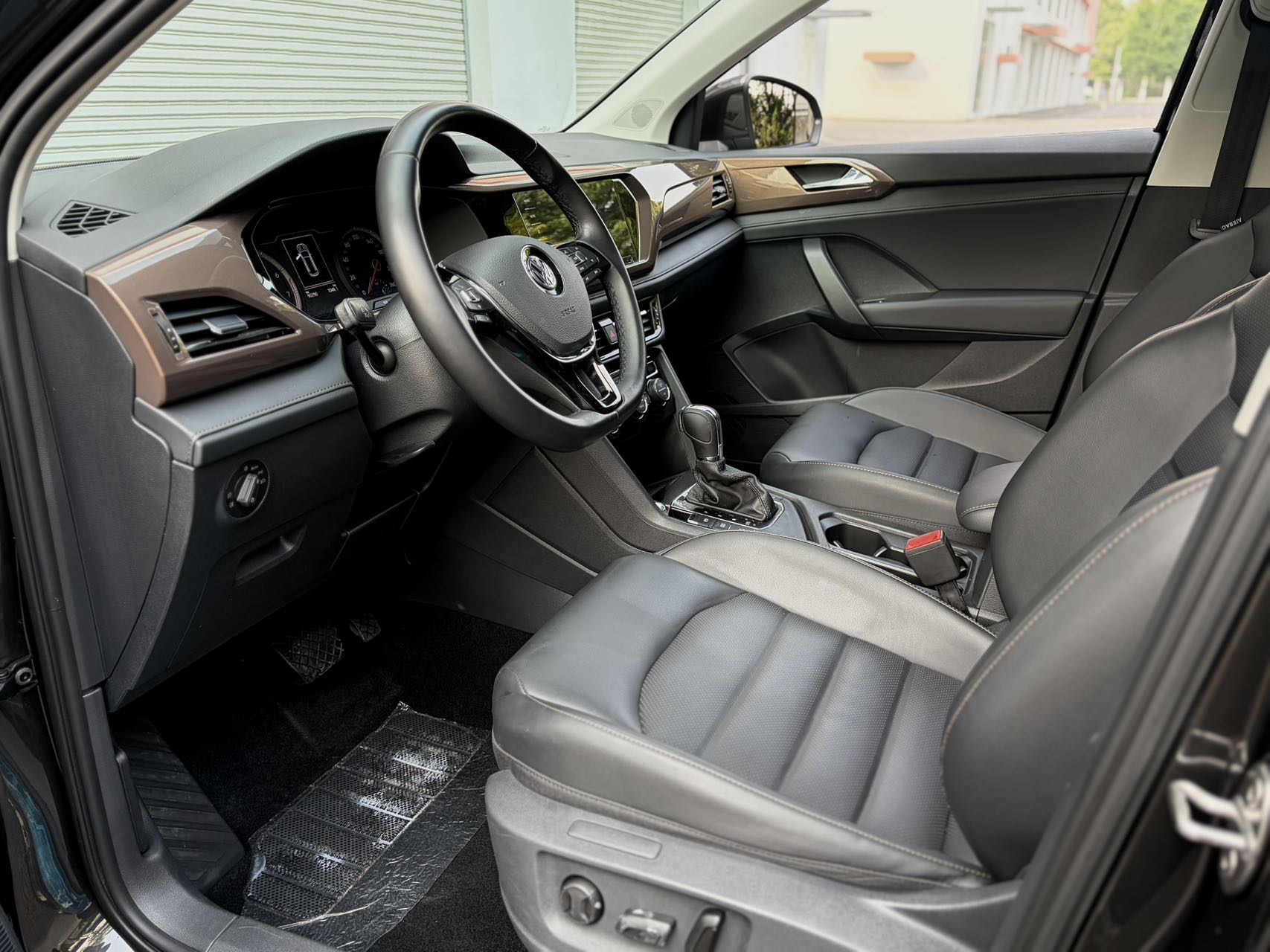
TransmissionDCT
Engine1.4T 150 L4
Color
Seats-

Condition Description

Average condition.

Left front fender has one repainted panel; other panels retain original paint. Inspection by Chaboshi S.

可议价
已上架
Wholesale

Configuration Highlights

✓品牌: 大众
✓车系: 途岳
✓车型: 大众 途岳 2020款 1.4T 双离合 280TSI 两驱 豪华版Plus 国VI
✓能源类型: 燃油车
✓发动机: 1.4T
✓变速箱: 双离合
✓驱动方式: 前轮驱动
✓排放标准: 国VI
✓指导价: 18.98万
✓车源编号: 12799052
✓VIN: LSVU*******029560

Document Information

Inspection Expiry Date2027/10
Warranty Expiry Date-
Insurance Expiry Date2027/10

Q&A

More

If the record of a vehicle's first maintenance is missing from the system, how do you determine its early wear condition?

Many car owners do not have their first maintenance done at authorized dealerships, leading to gaps in early data. In such cases, we do not blindly trust the odometer; instead, we analyze the tire production dates and wear levels, as well as the depth of grooves on the brake disc edges, using the "gold standard" of physical wear to infer the intensity of early use.


Is the source of the historical data you verify authoritative (e.g., traffic management departments, insurance company systems)?

Extremely authoritative. The third-party data service providers we connect to legally access the Chinese Public Security Traffic Management Platform, the insurance claims network directly under the China Banking and Insurance Regulatory Commission, and the after-sales databases of major automotive manufacturers. We perform secondary logical verification based on this underlying data.

How to ensure that the declared value on the export license matches the commercial invoice exactly to avoid allegations of underreporting for tax evasion?

Our legal red line is that the amounts on the China Customs declaration, export license, commercial invoice, and bank receipt must be consistent across all four documents. We firmly refuse to engage in the illegal act of issuing "false low-value invoices" to assist buyers in evading customs duties in the destination country.