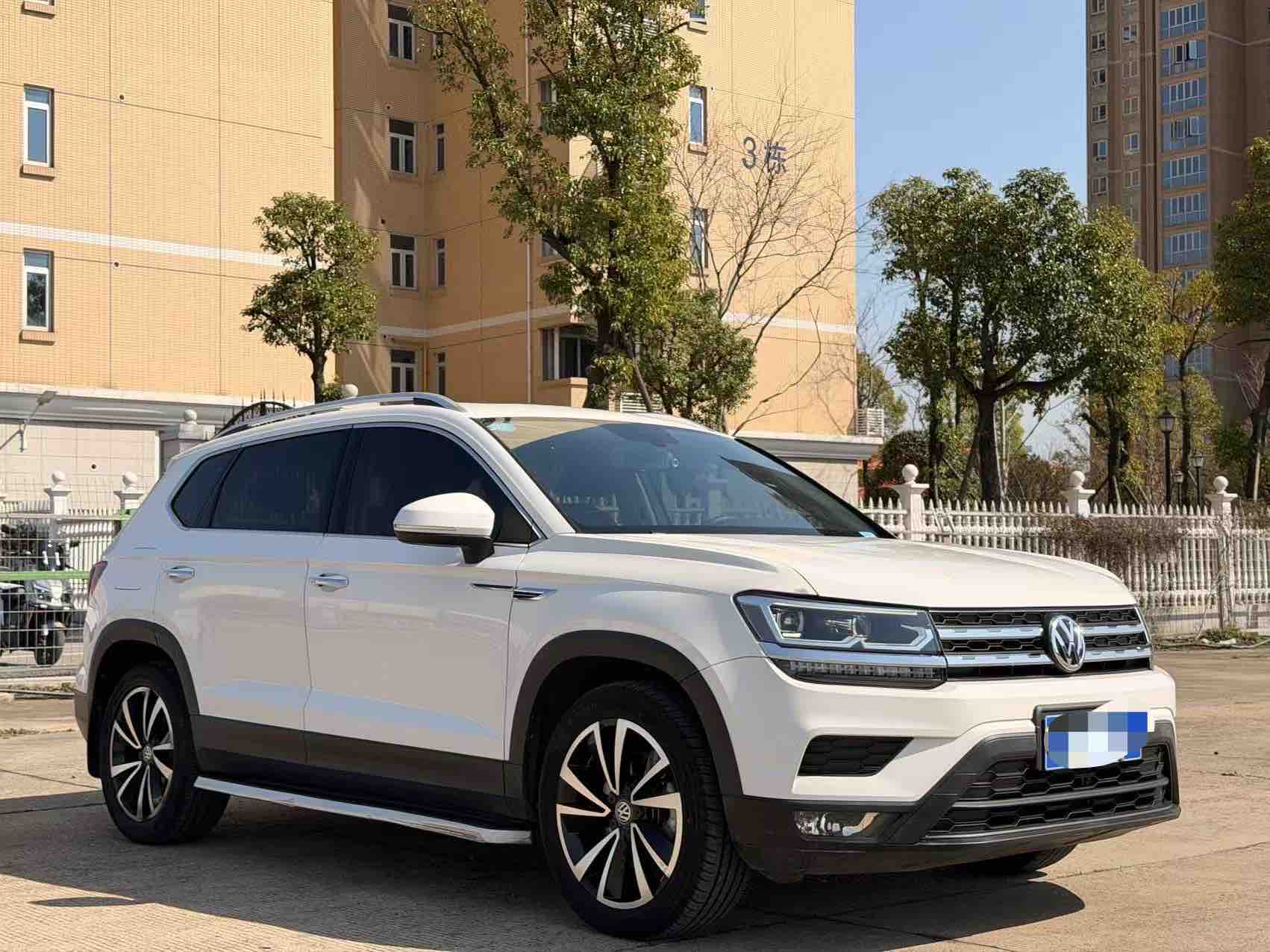
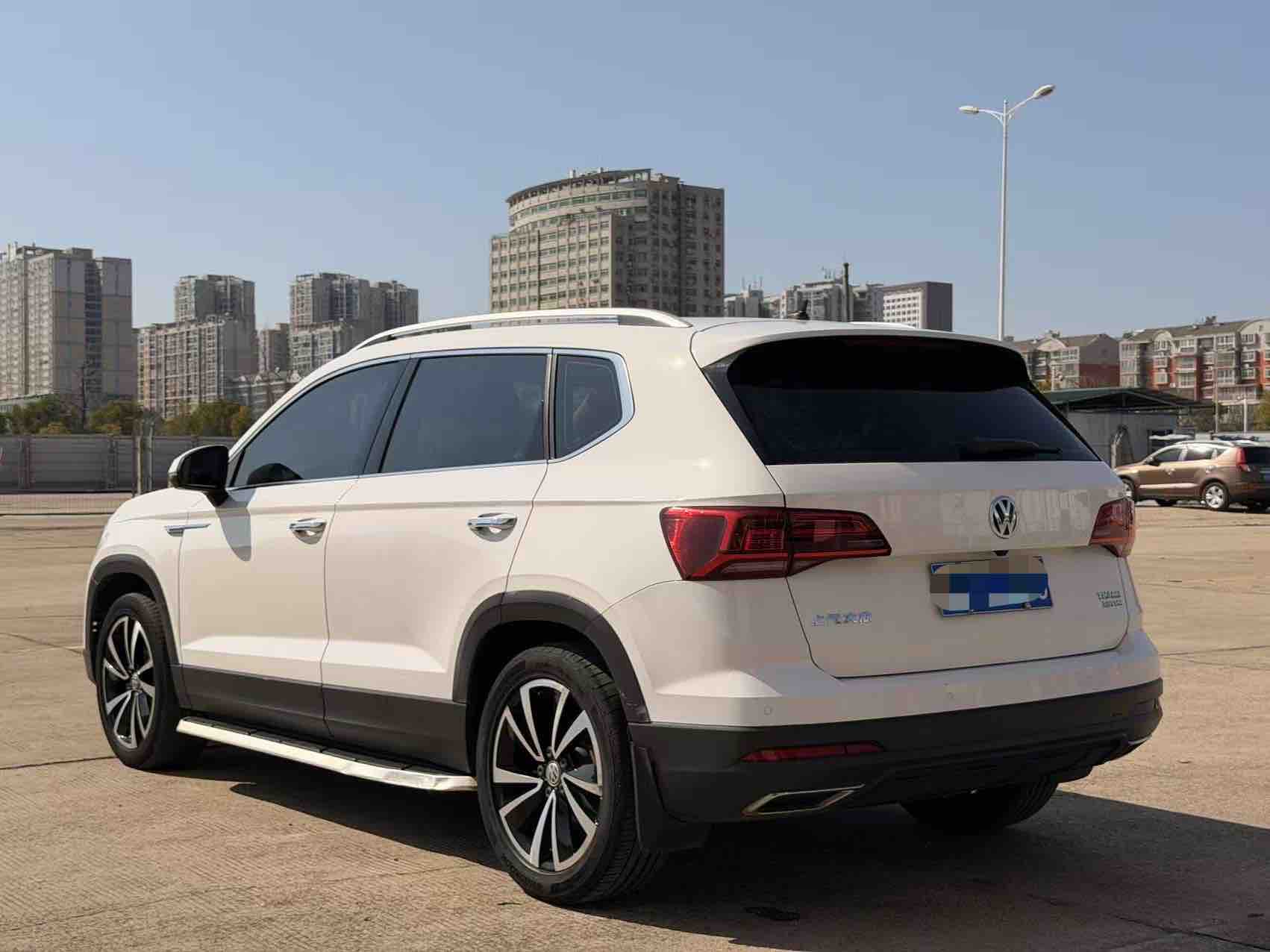
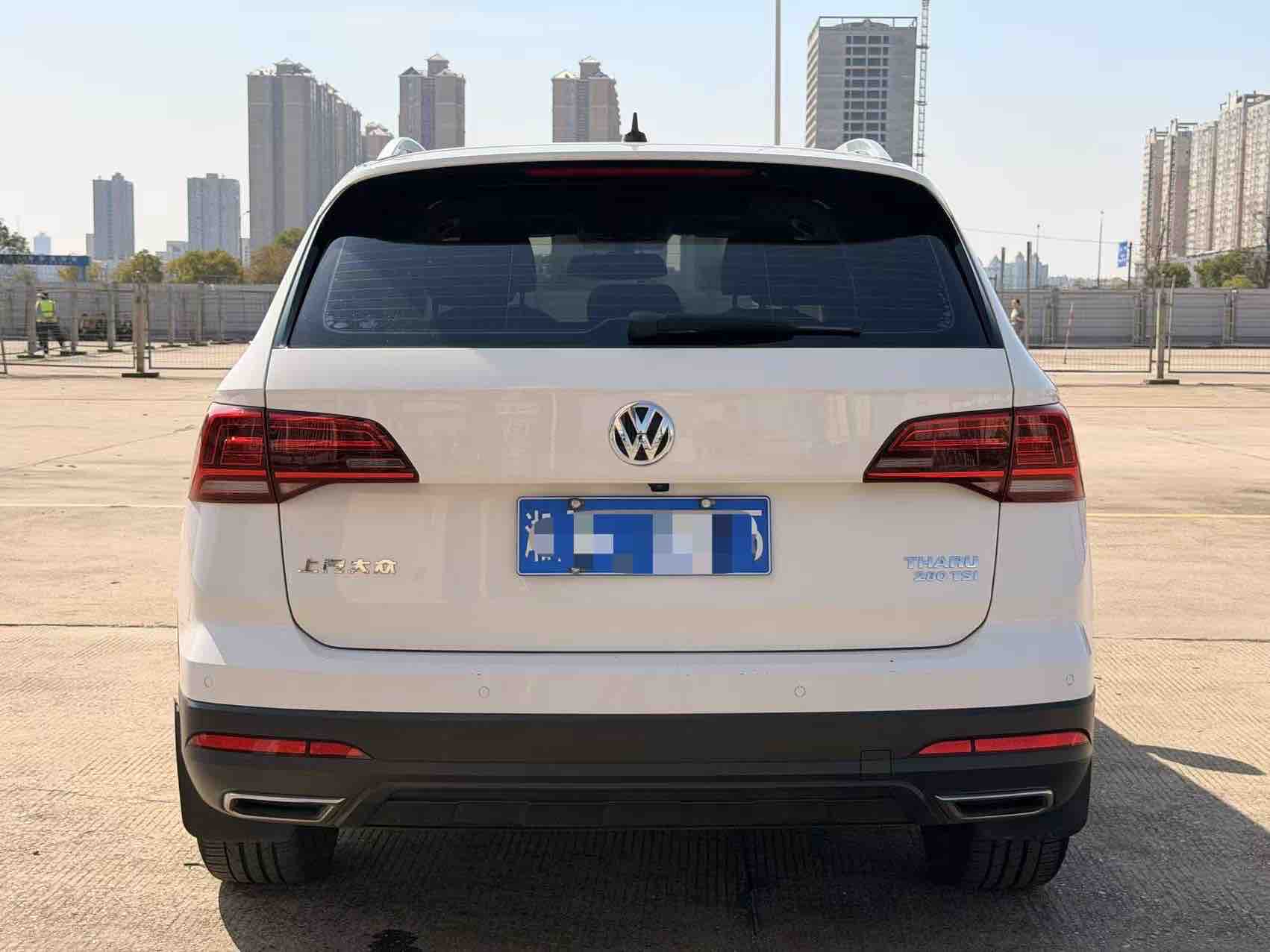
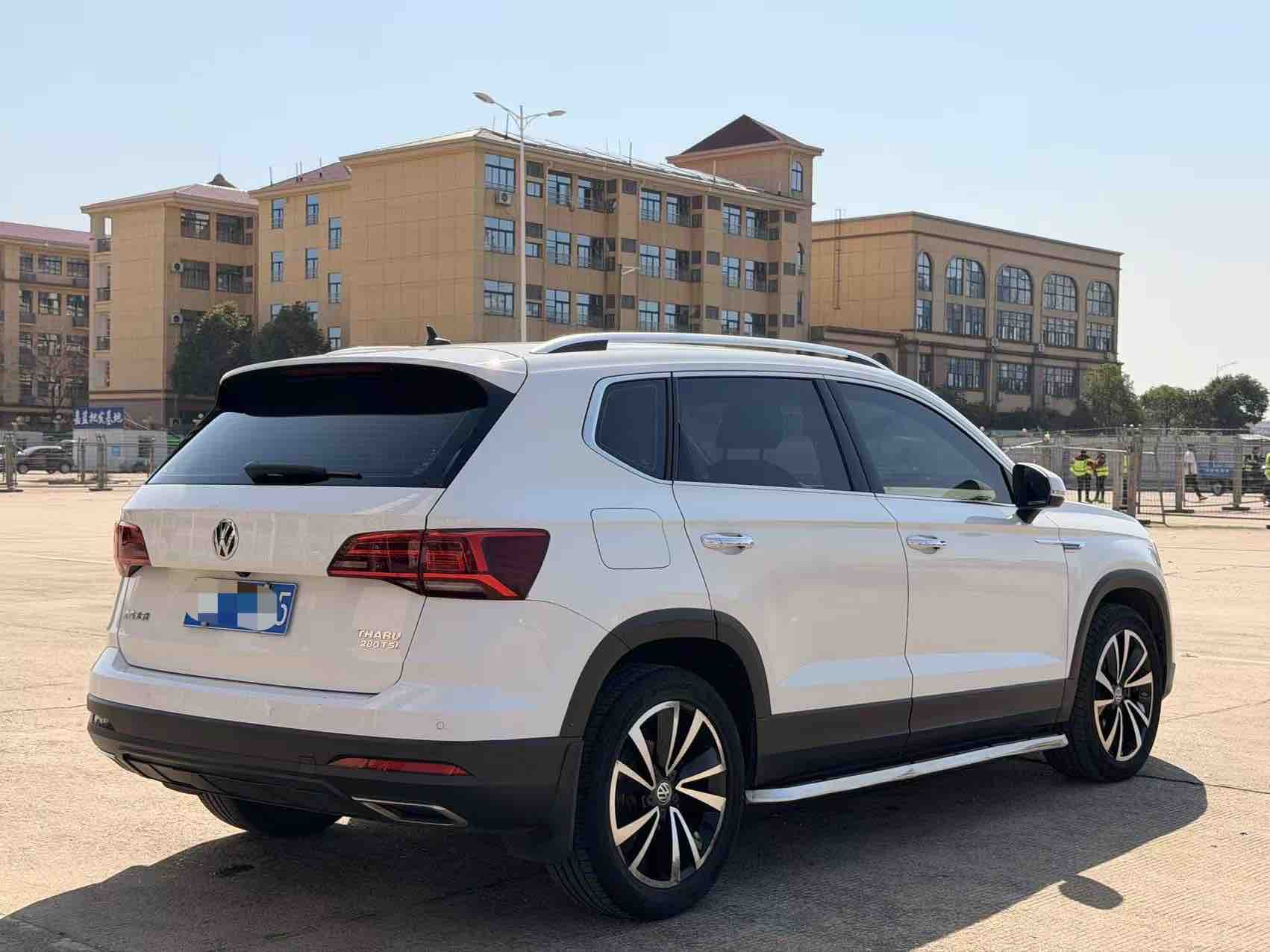



Basic Information

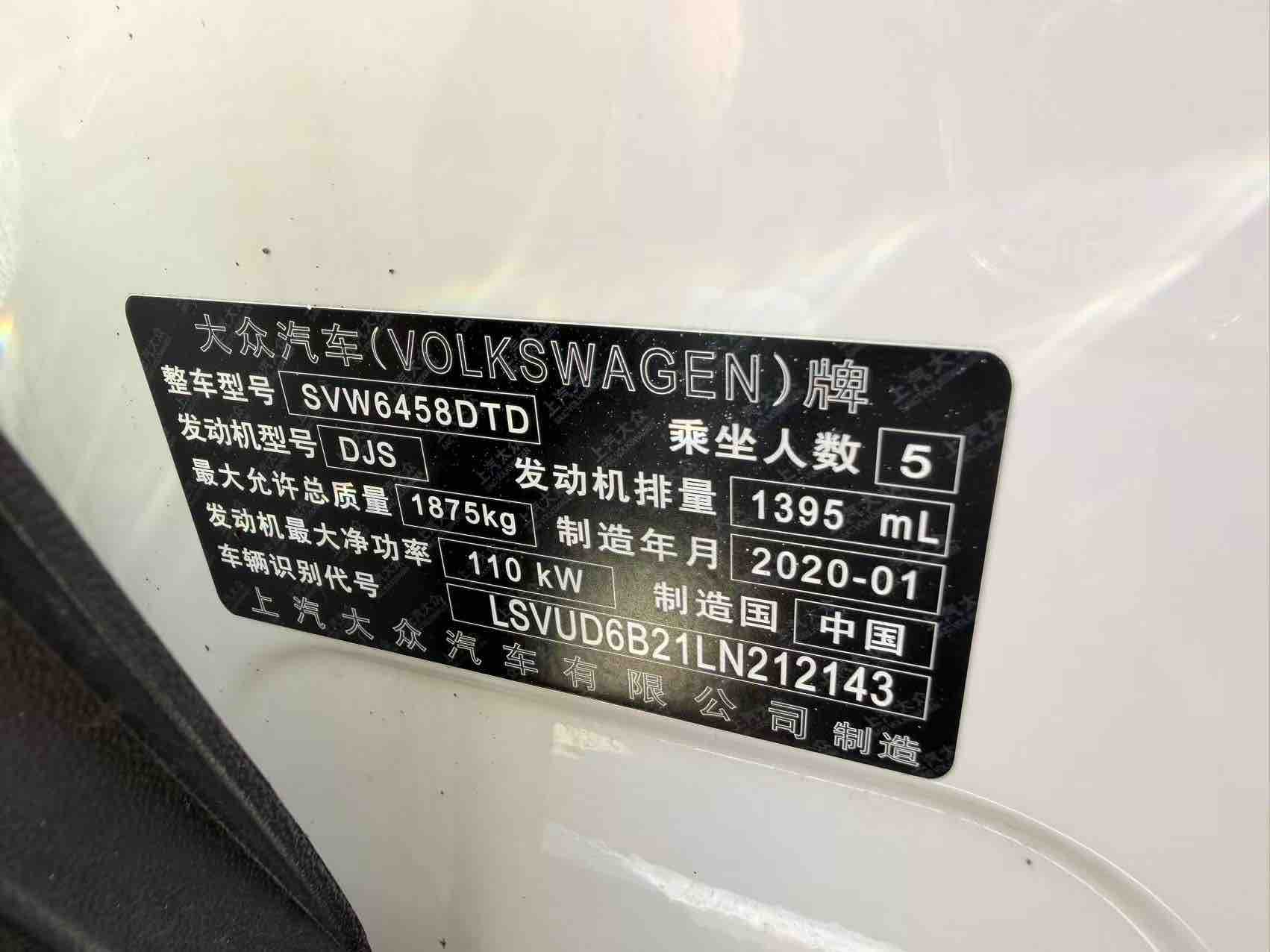
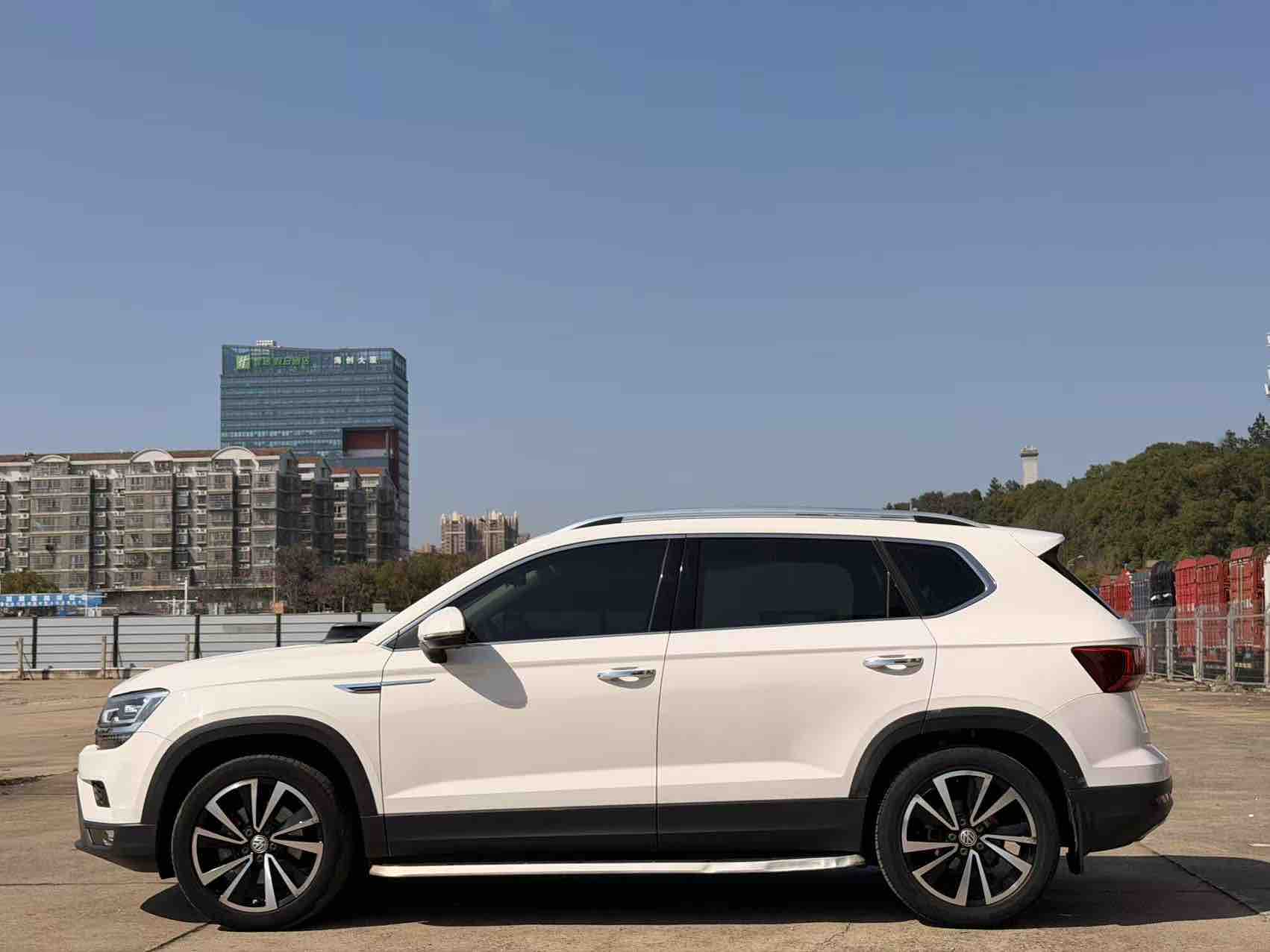
BrandVolkswagen
SeriesTharu
Year2020
First Registration2020/05
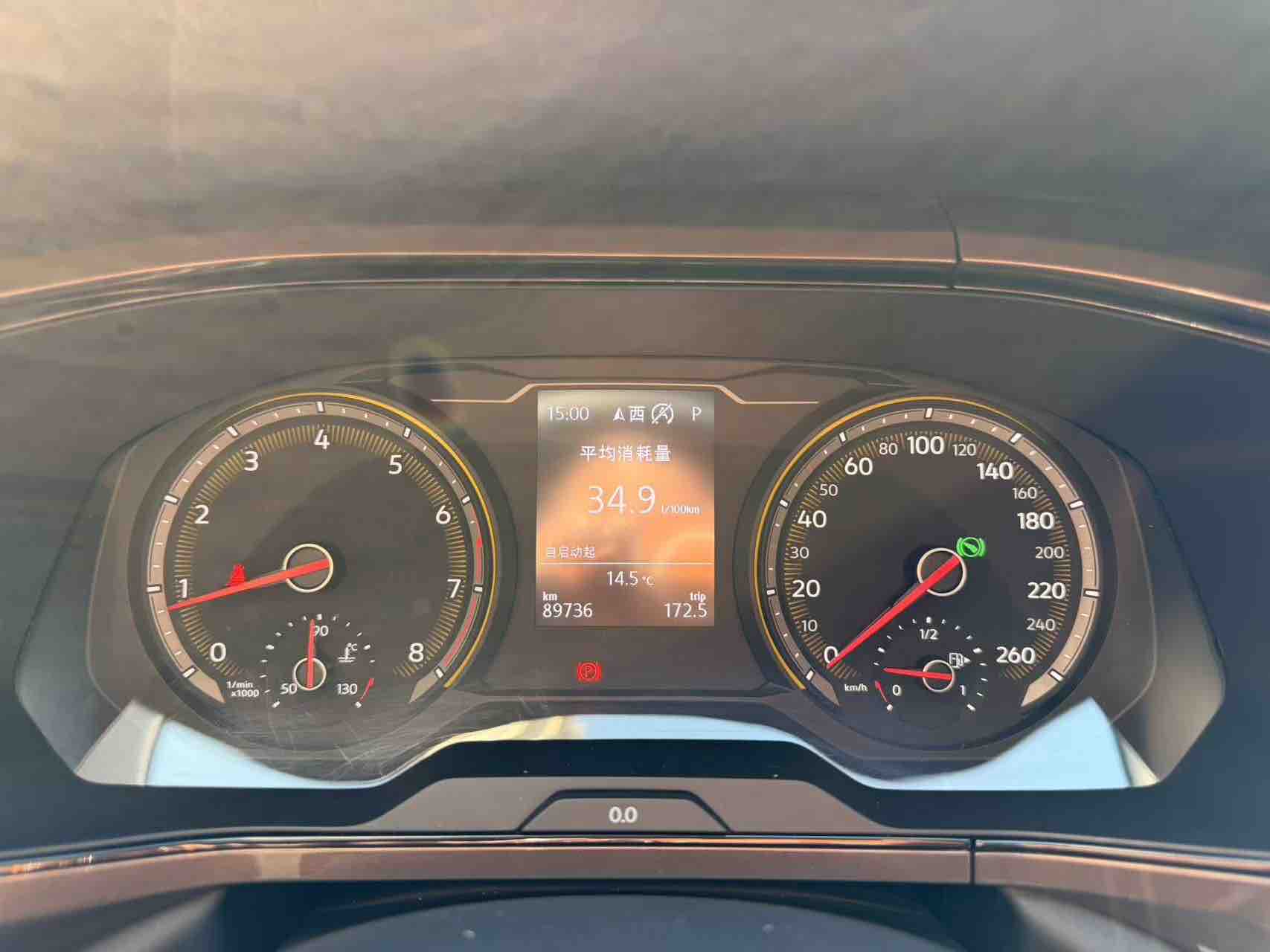
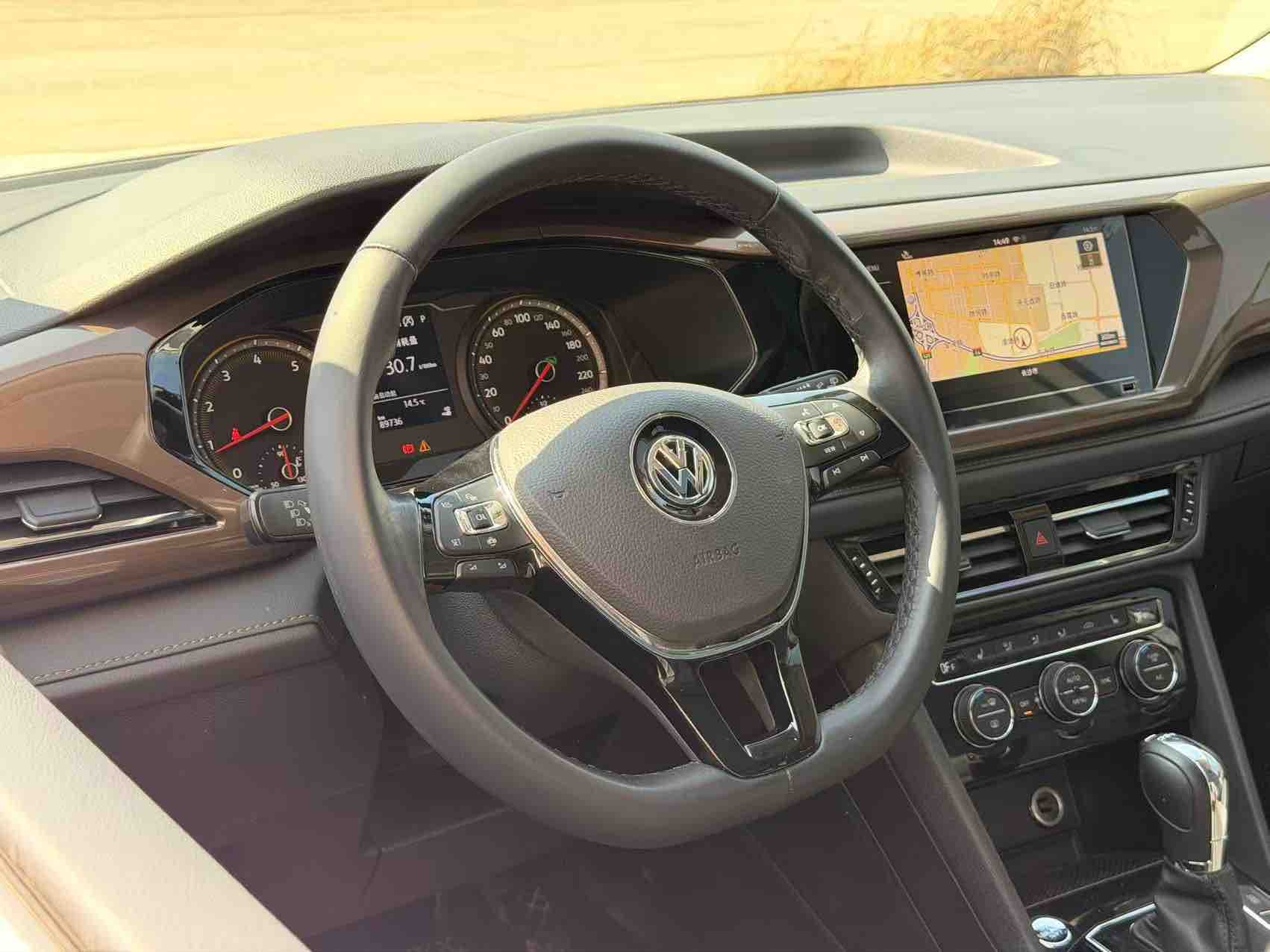
Mileage8.9km
Transfer Count-
FuelGasoline
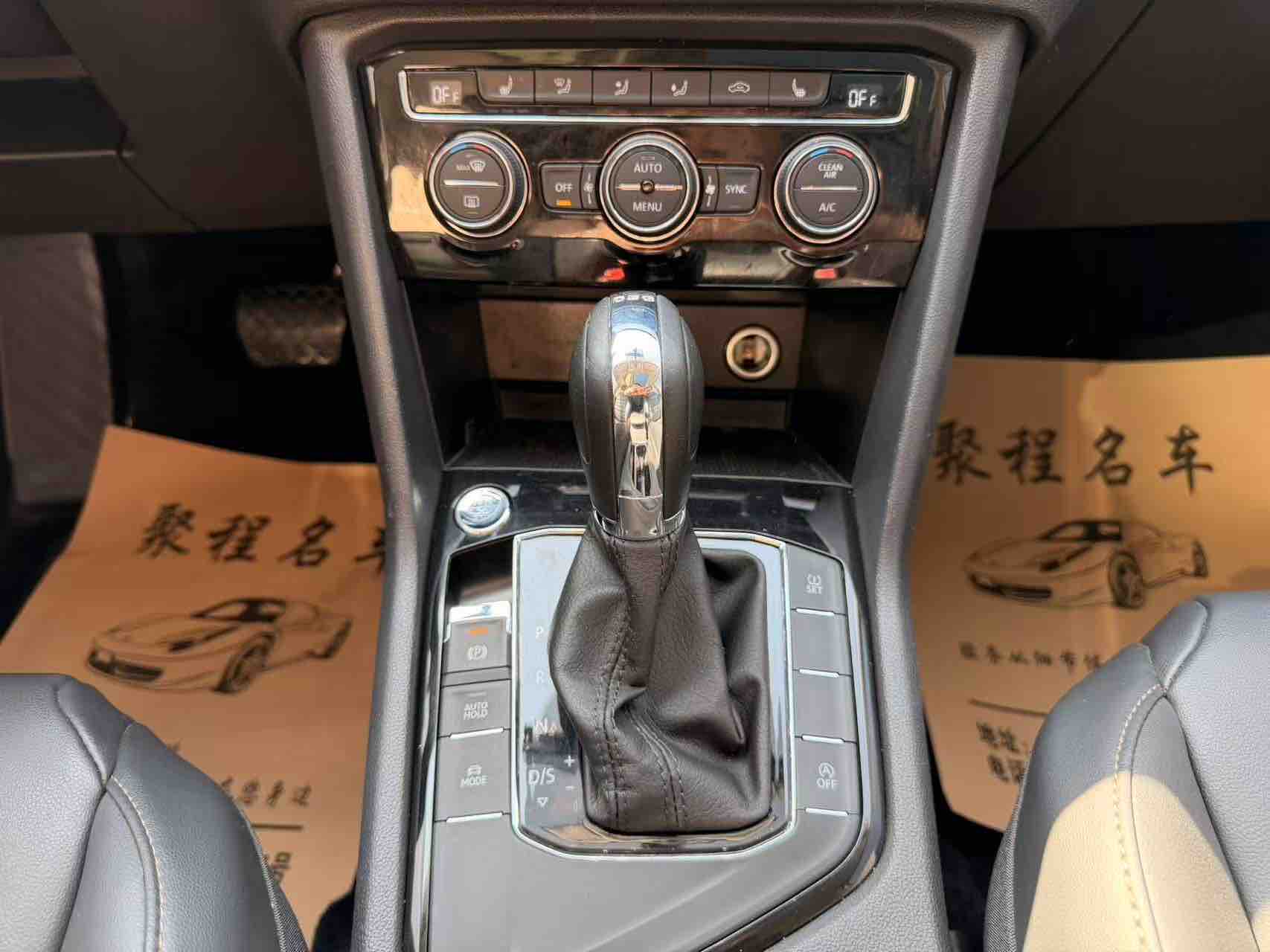
TransmissionDCT
Engine1.4T 150 L4
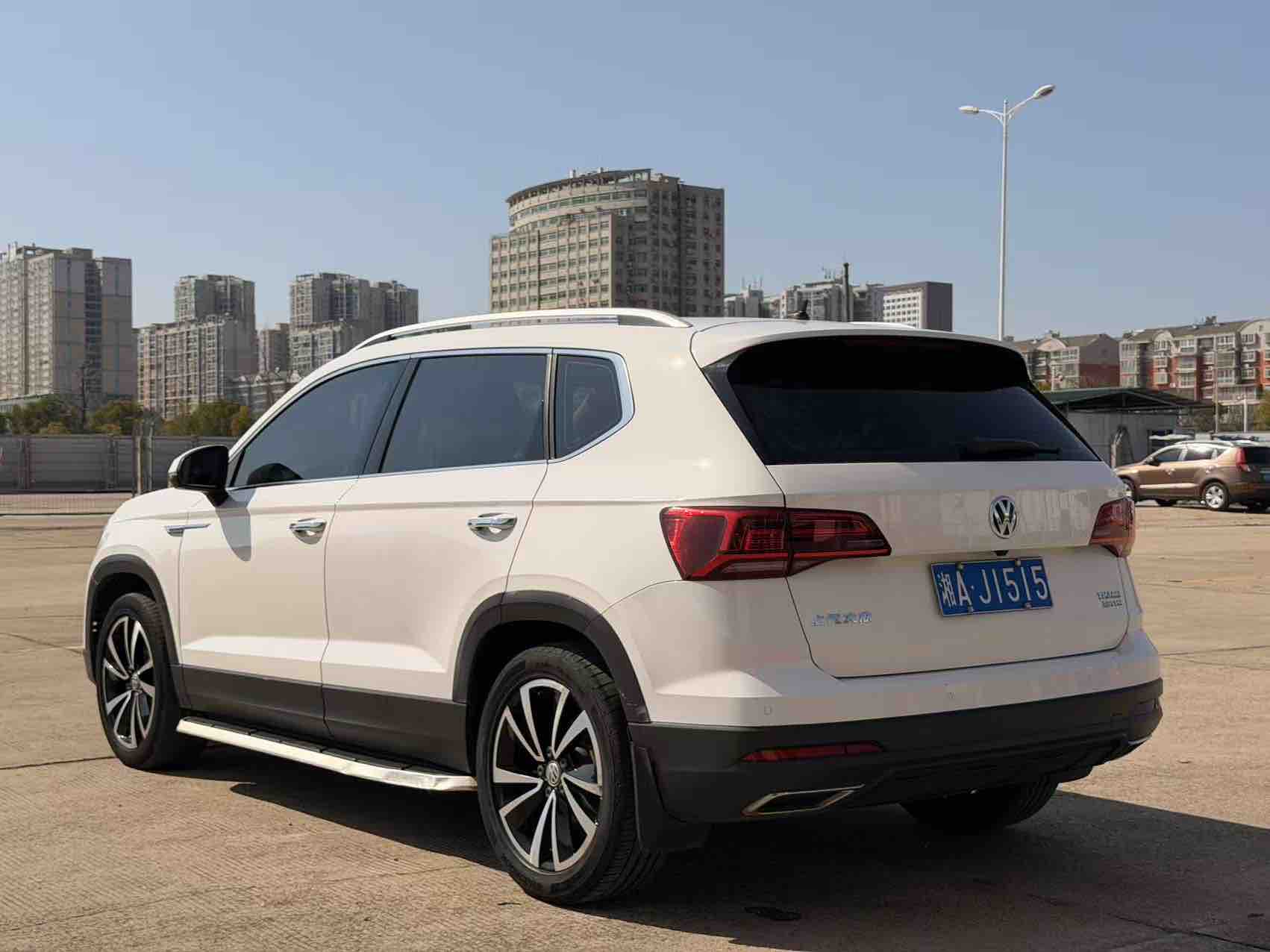
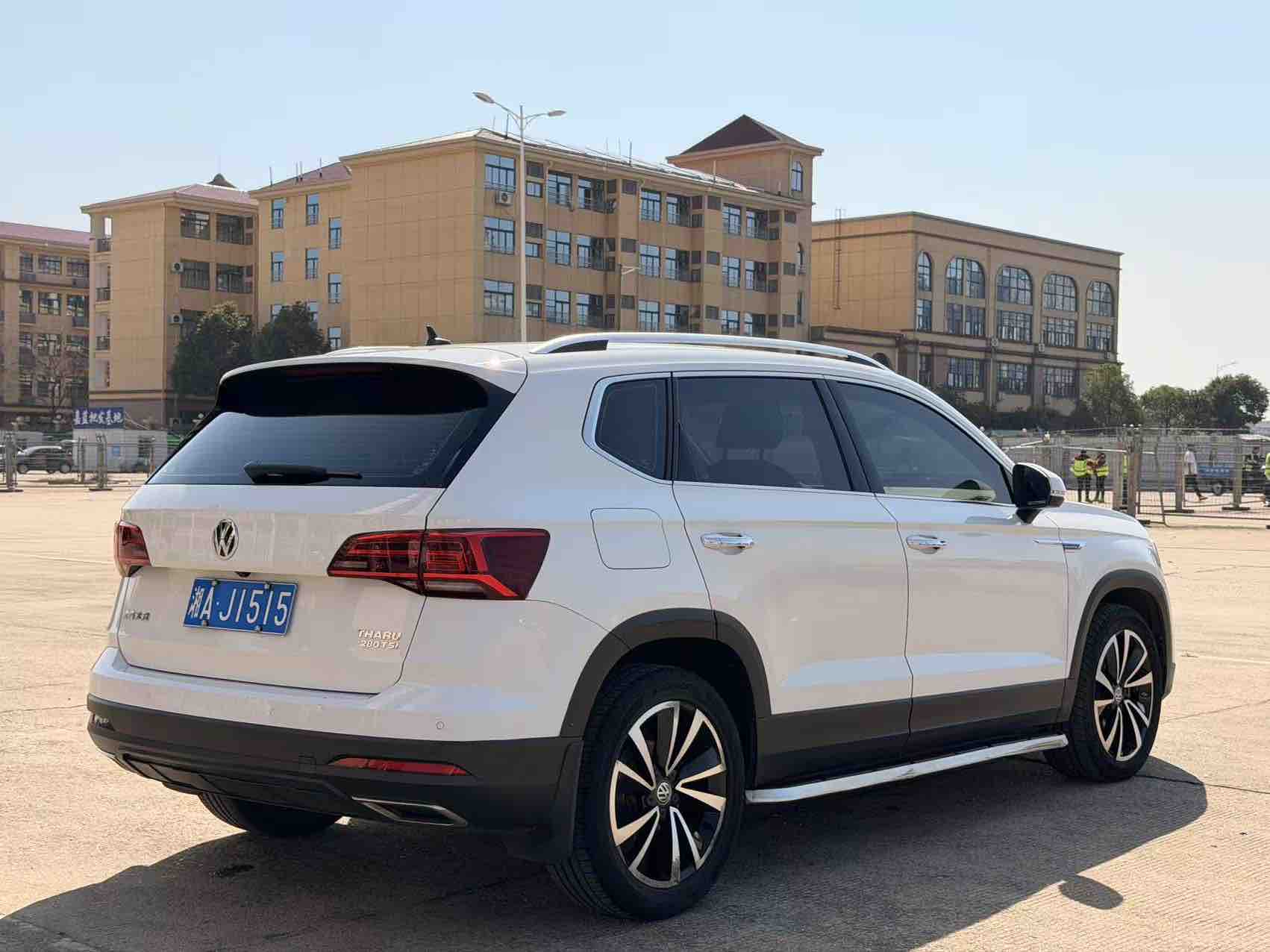
ColorWhite
Seats-

Condition Description

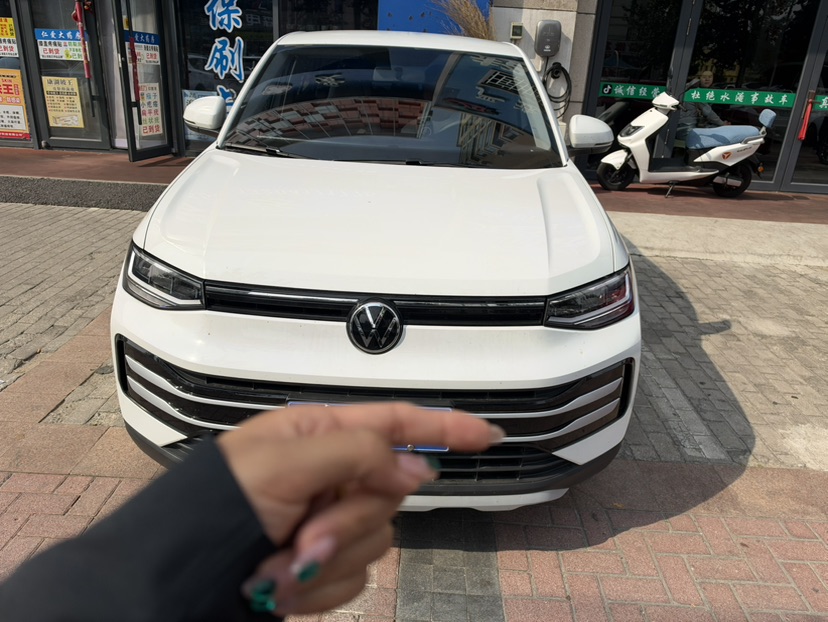
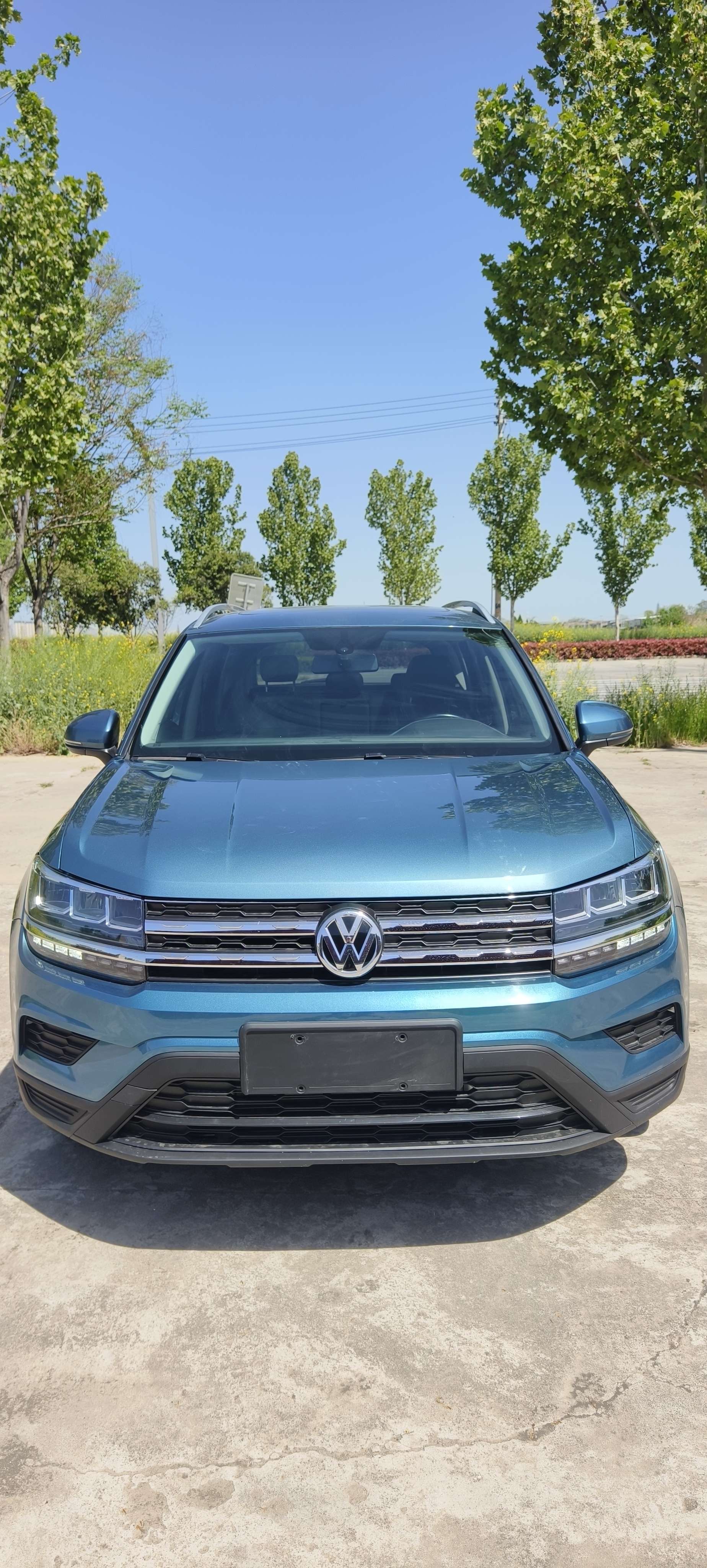
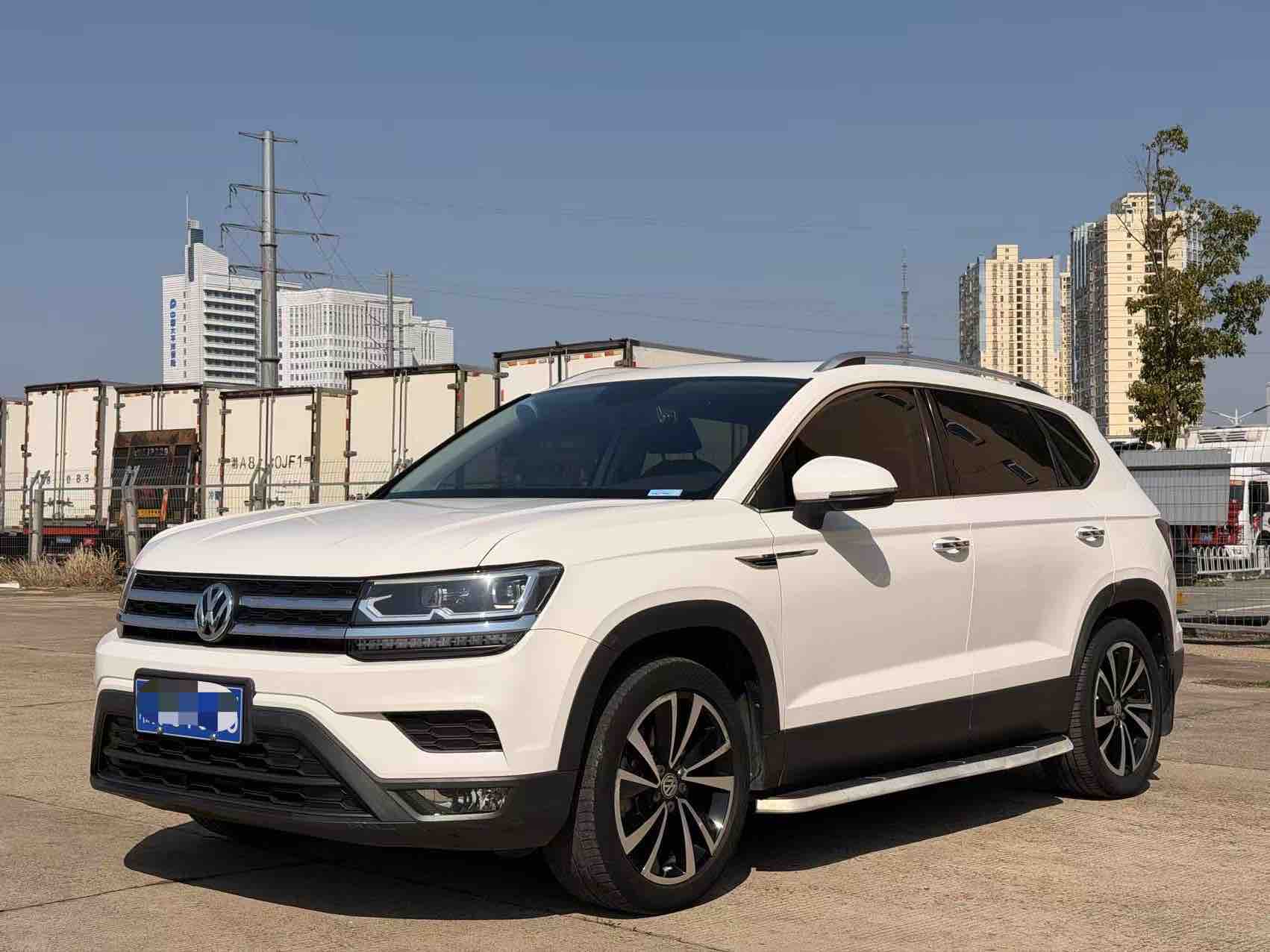
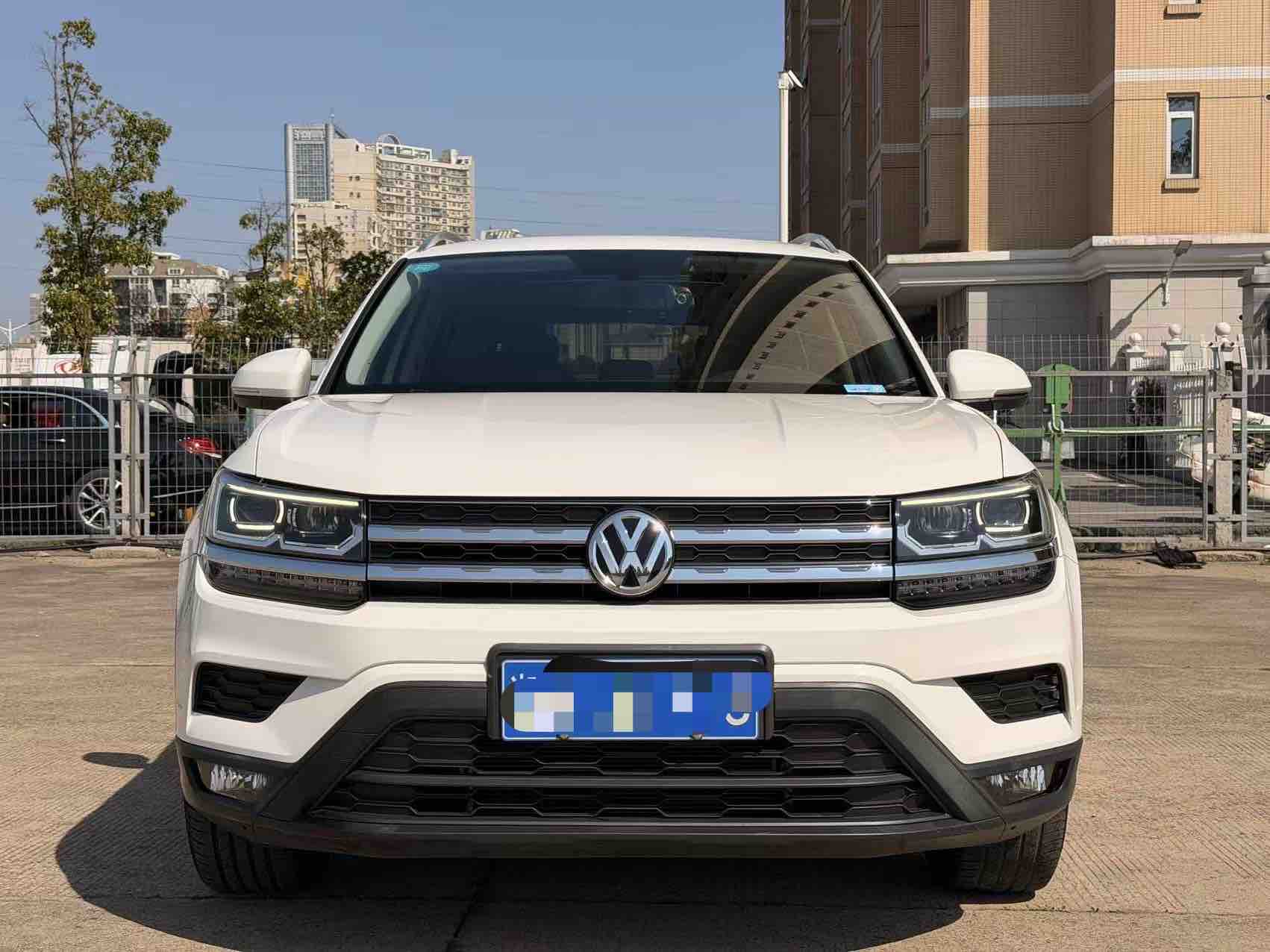
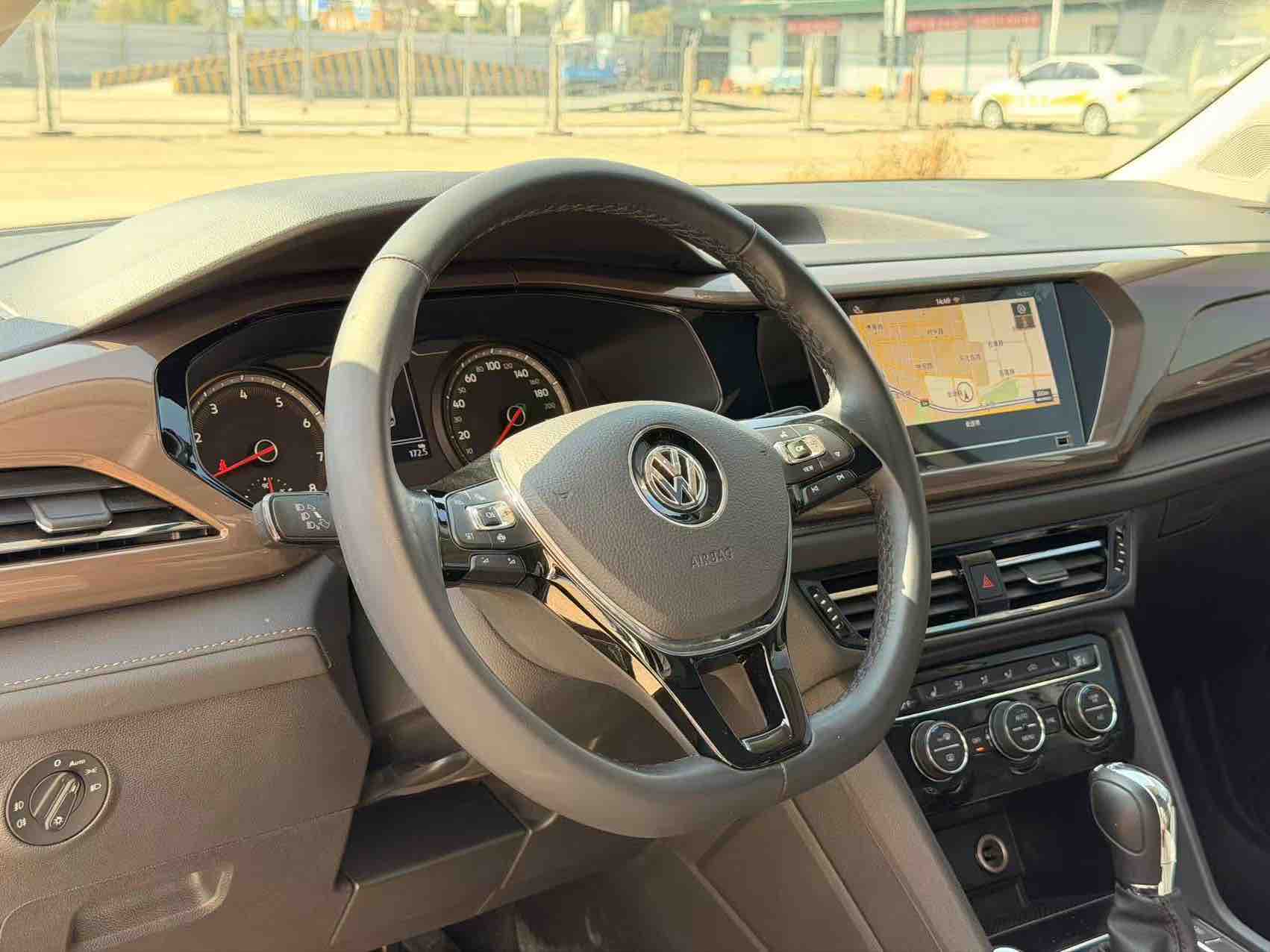
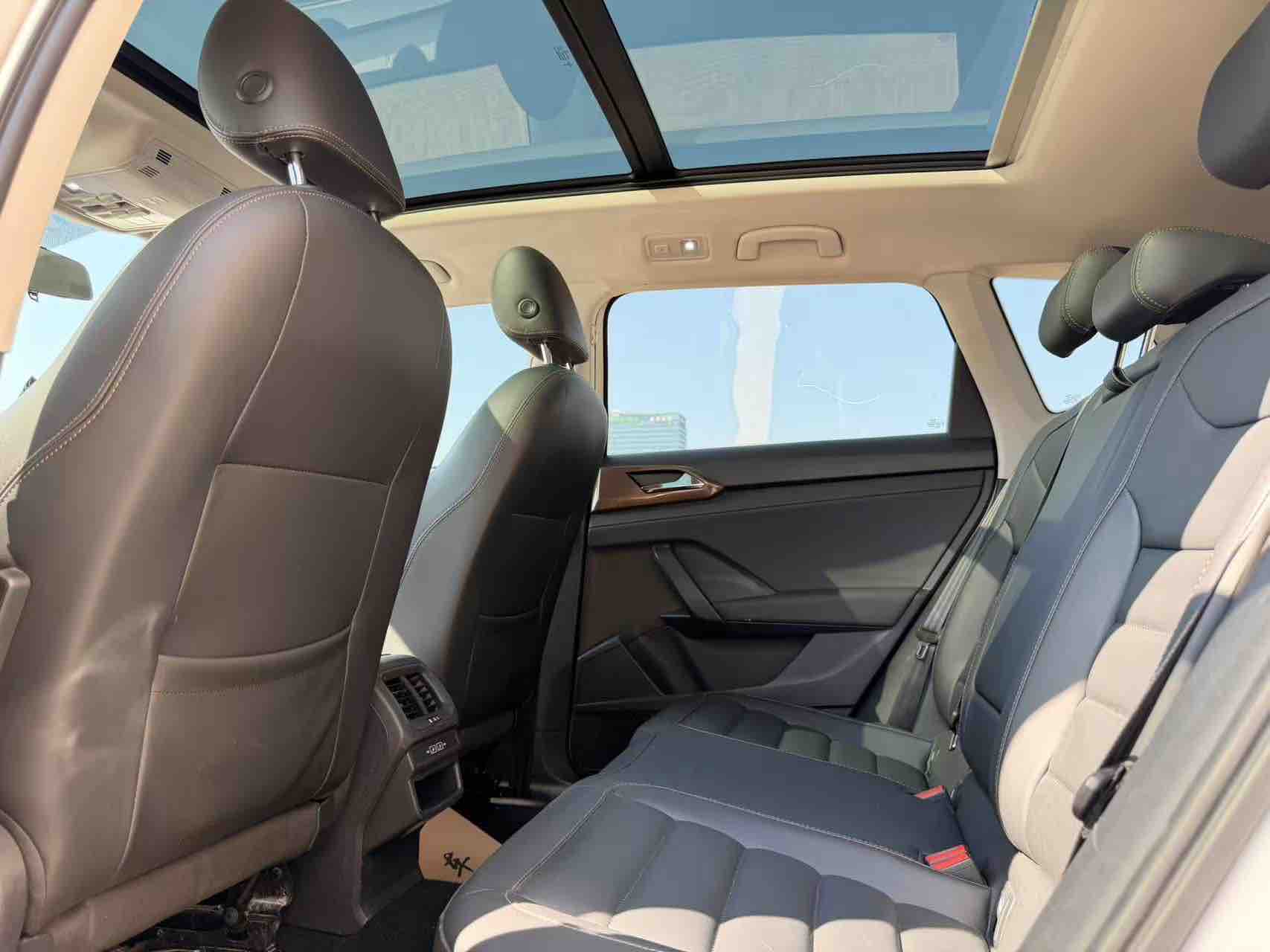
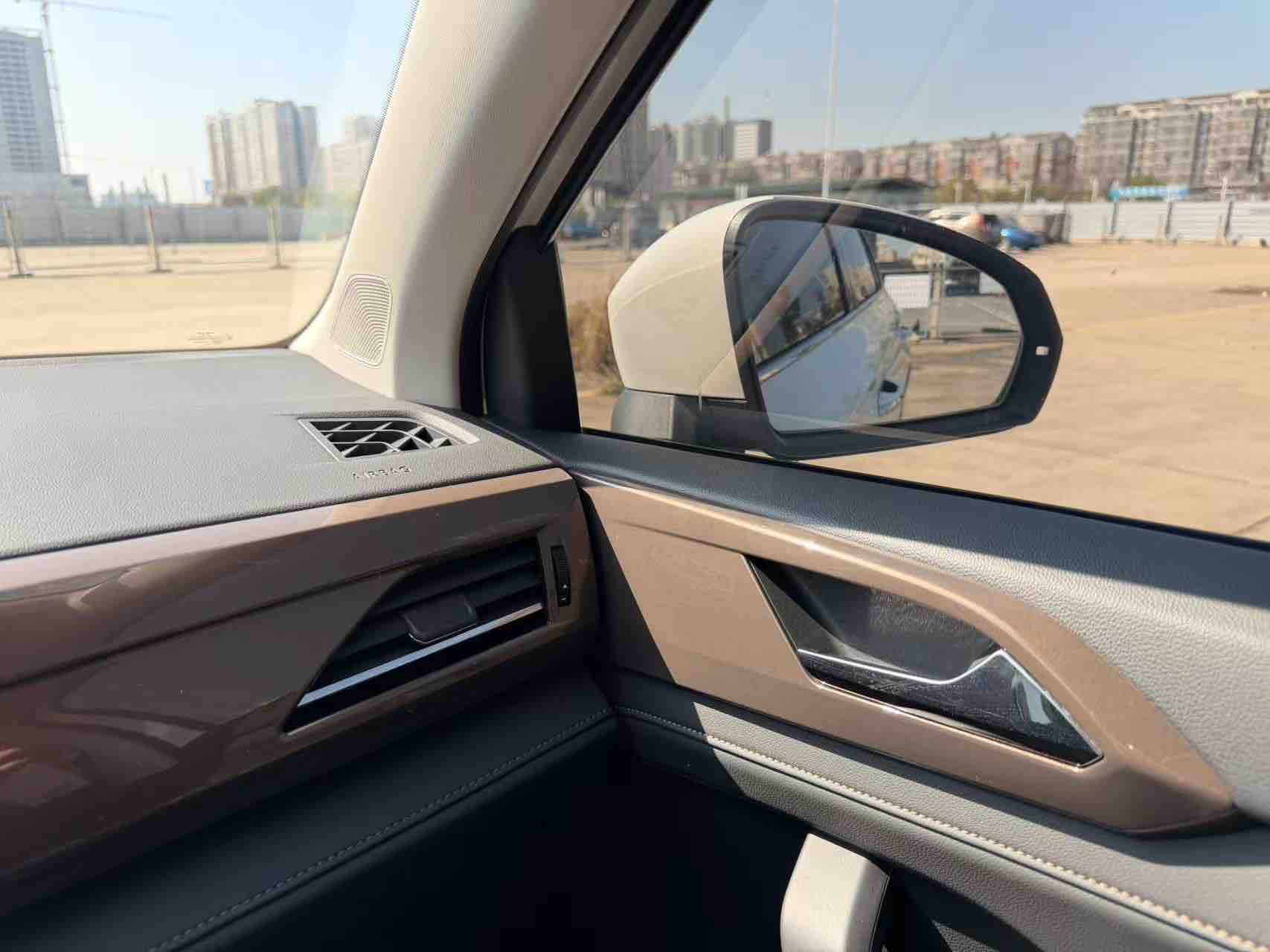
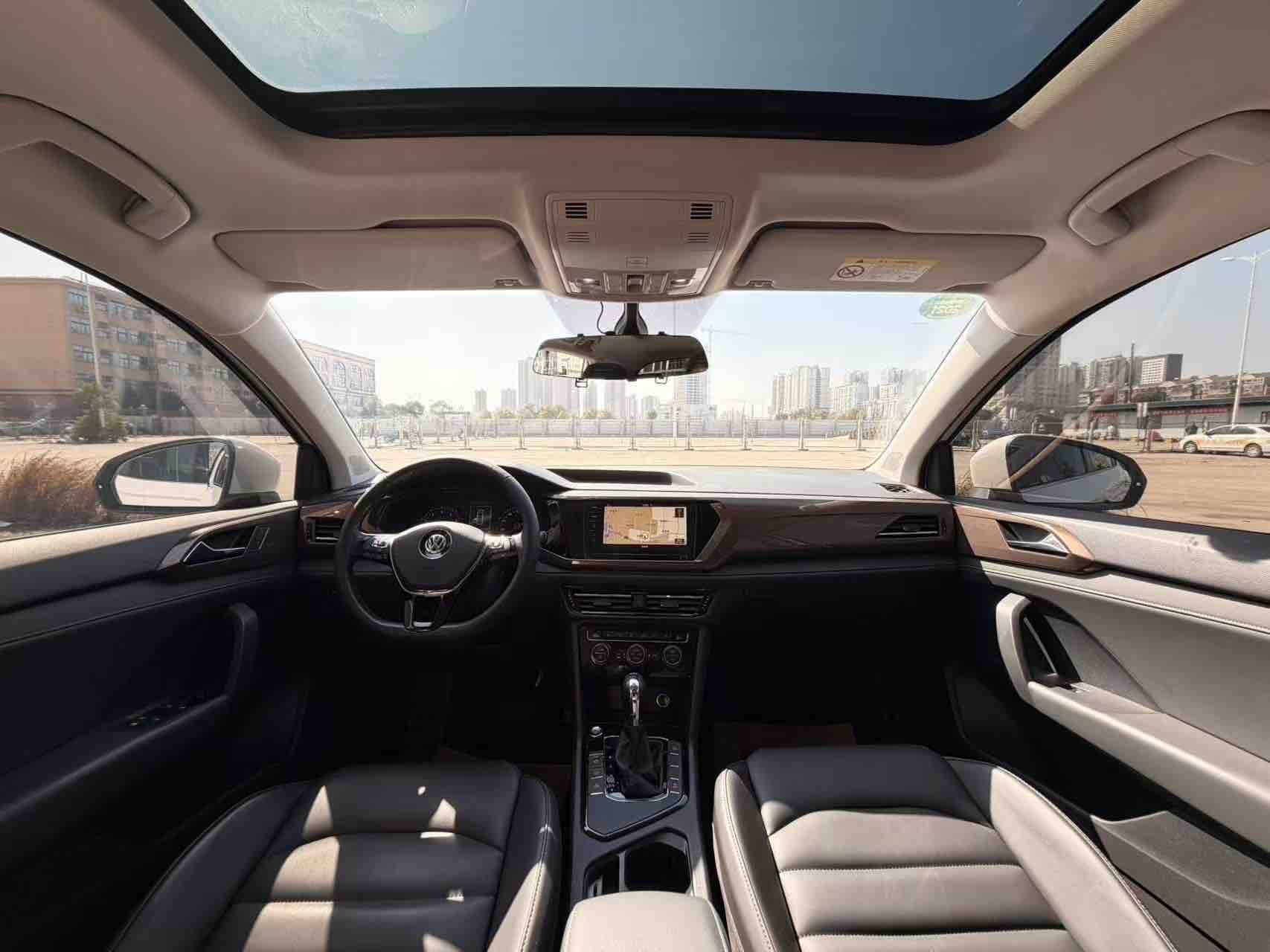
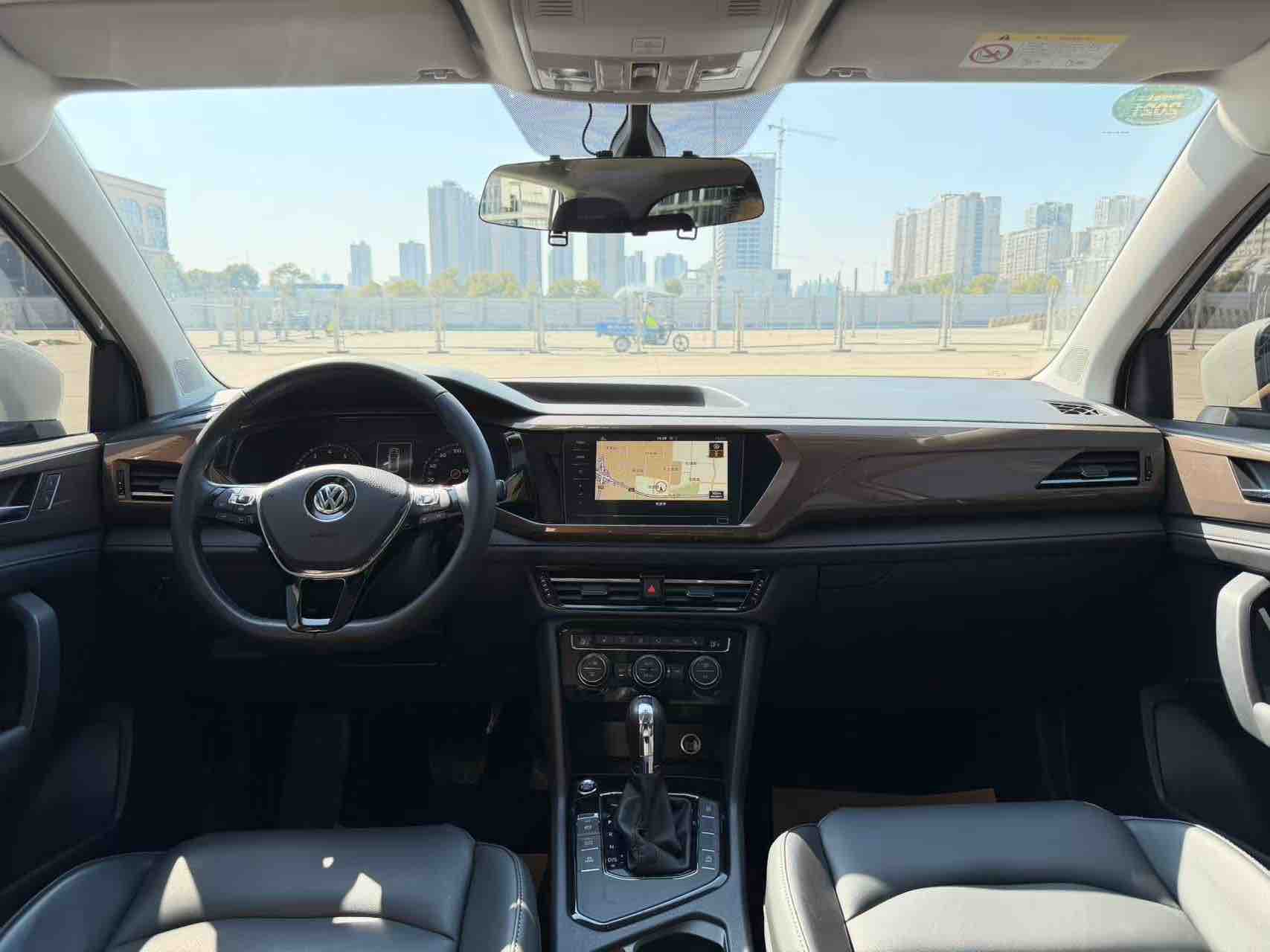
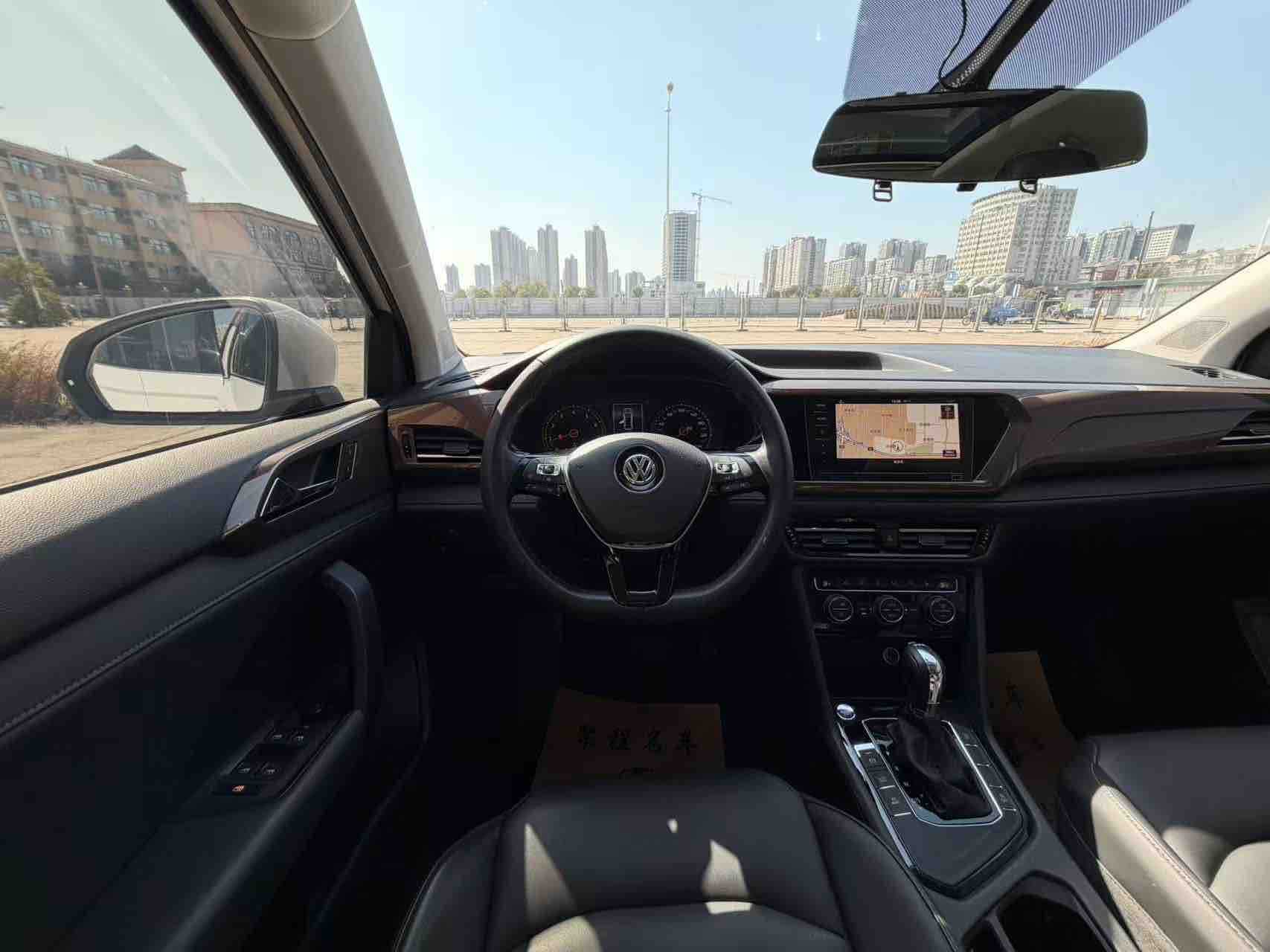
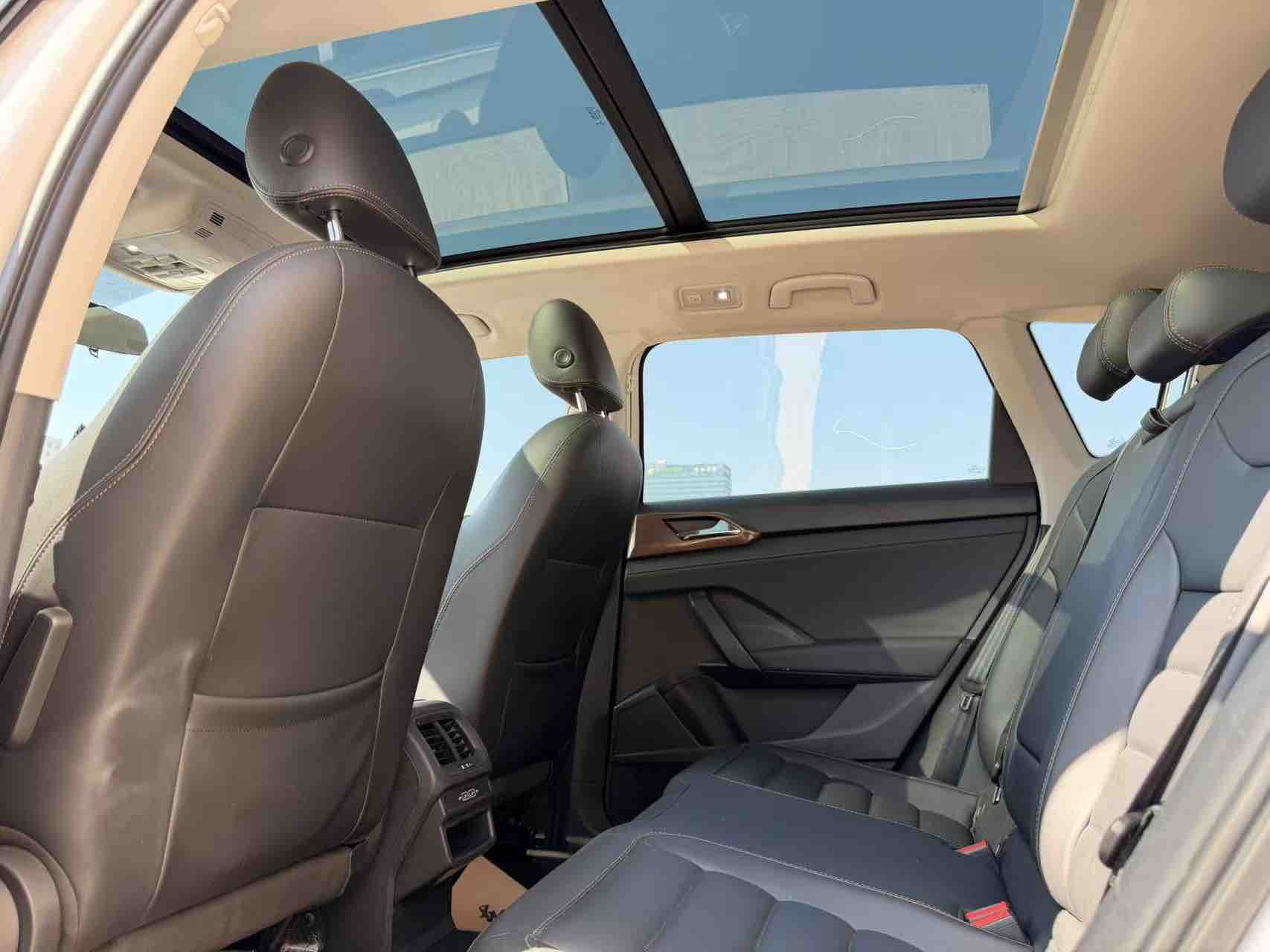
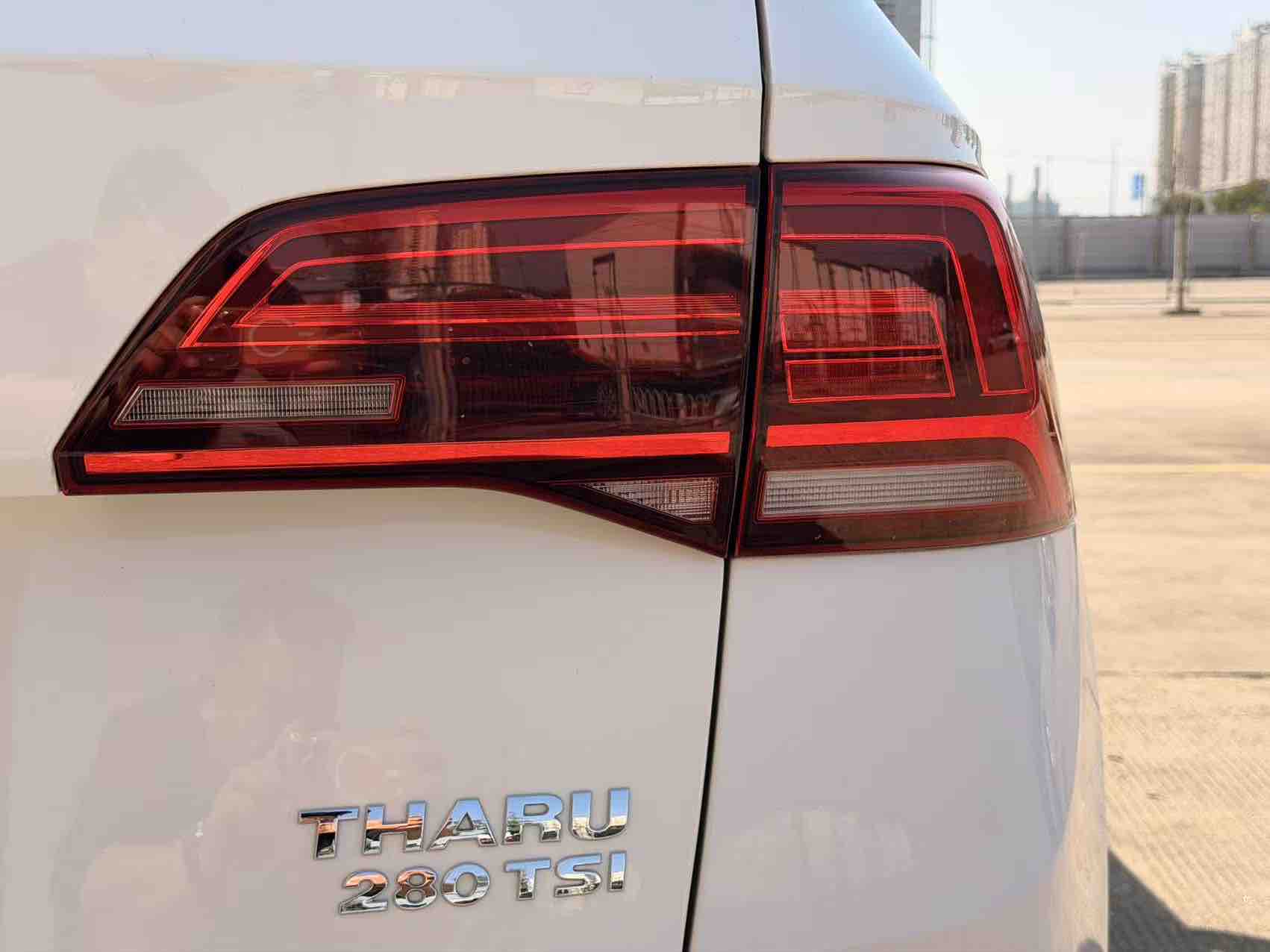
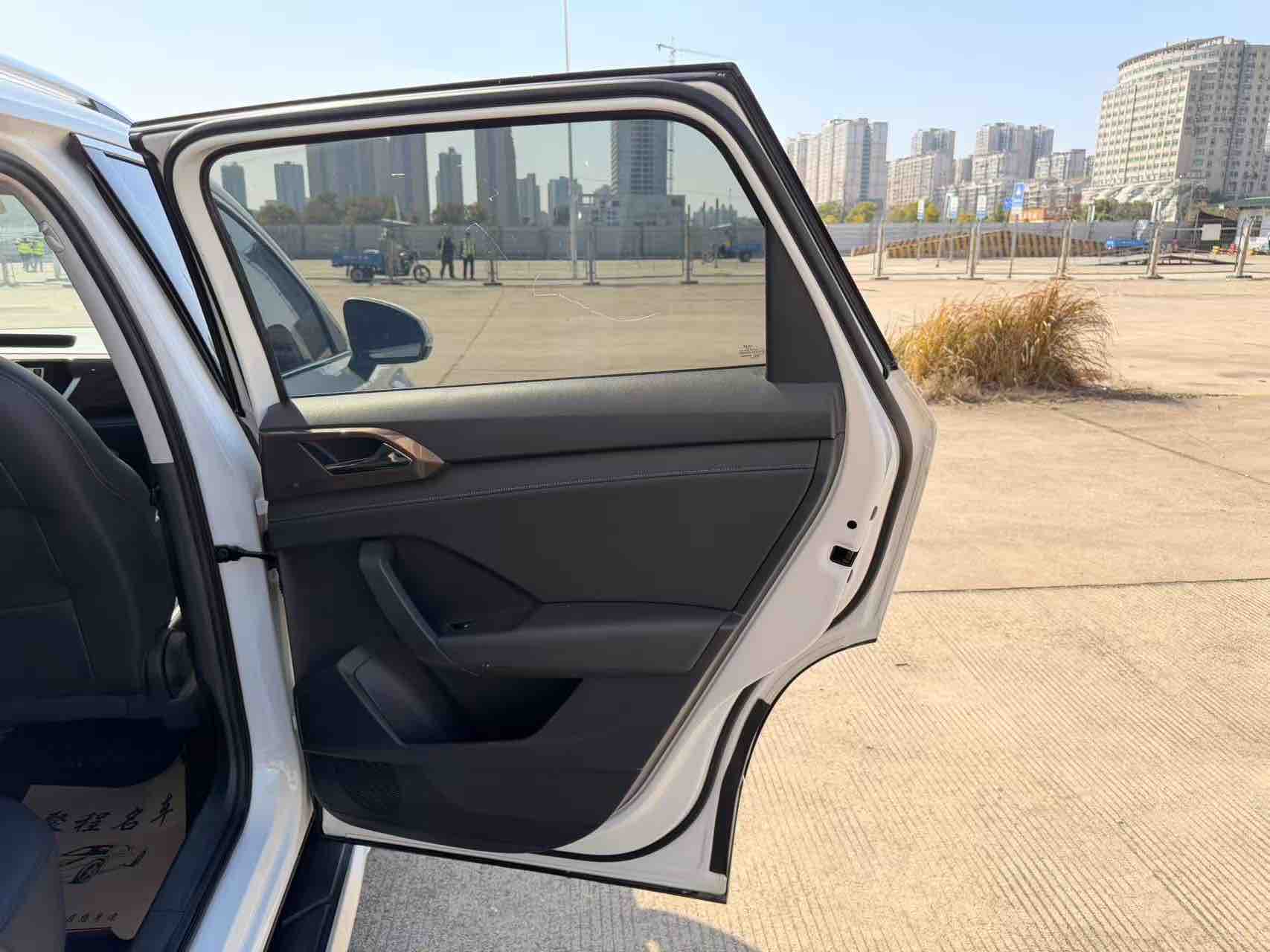
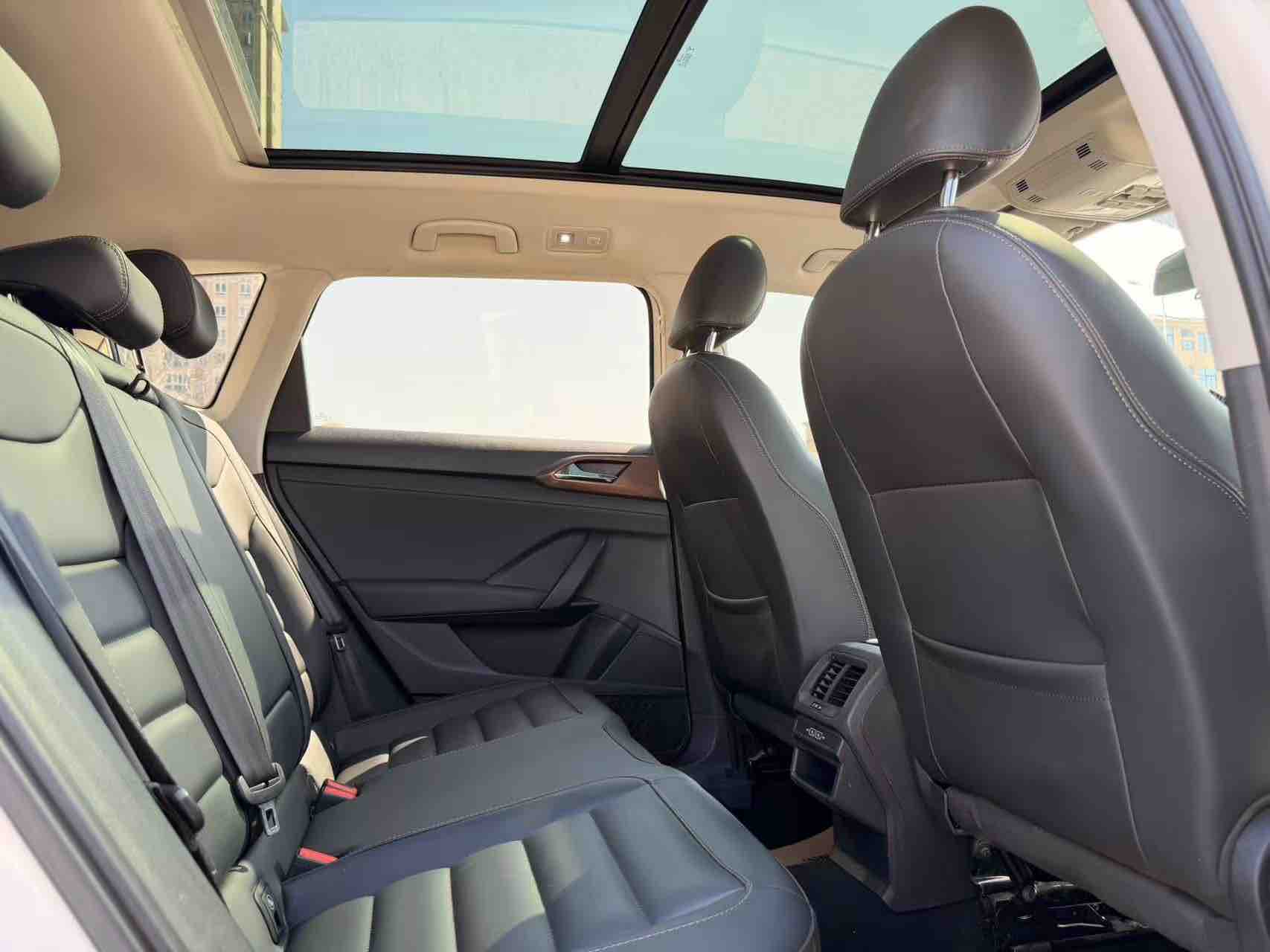
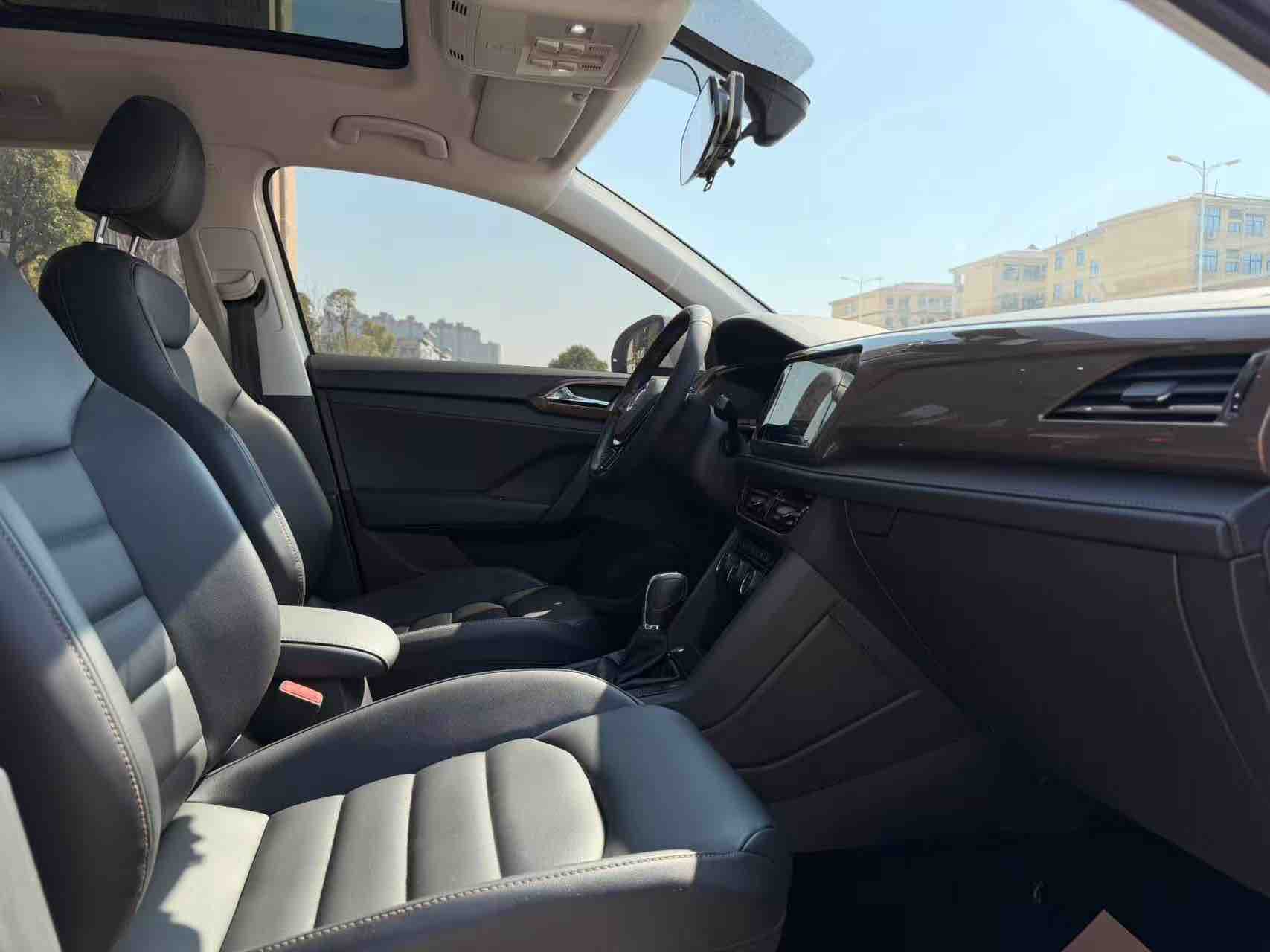
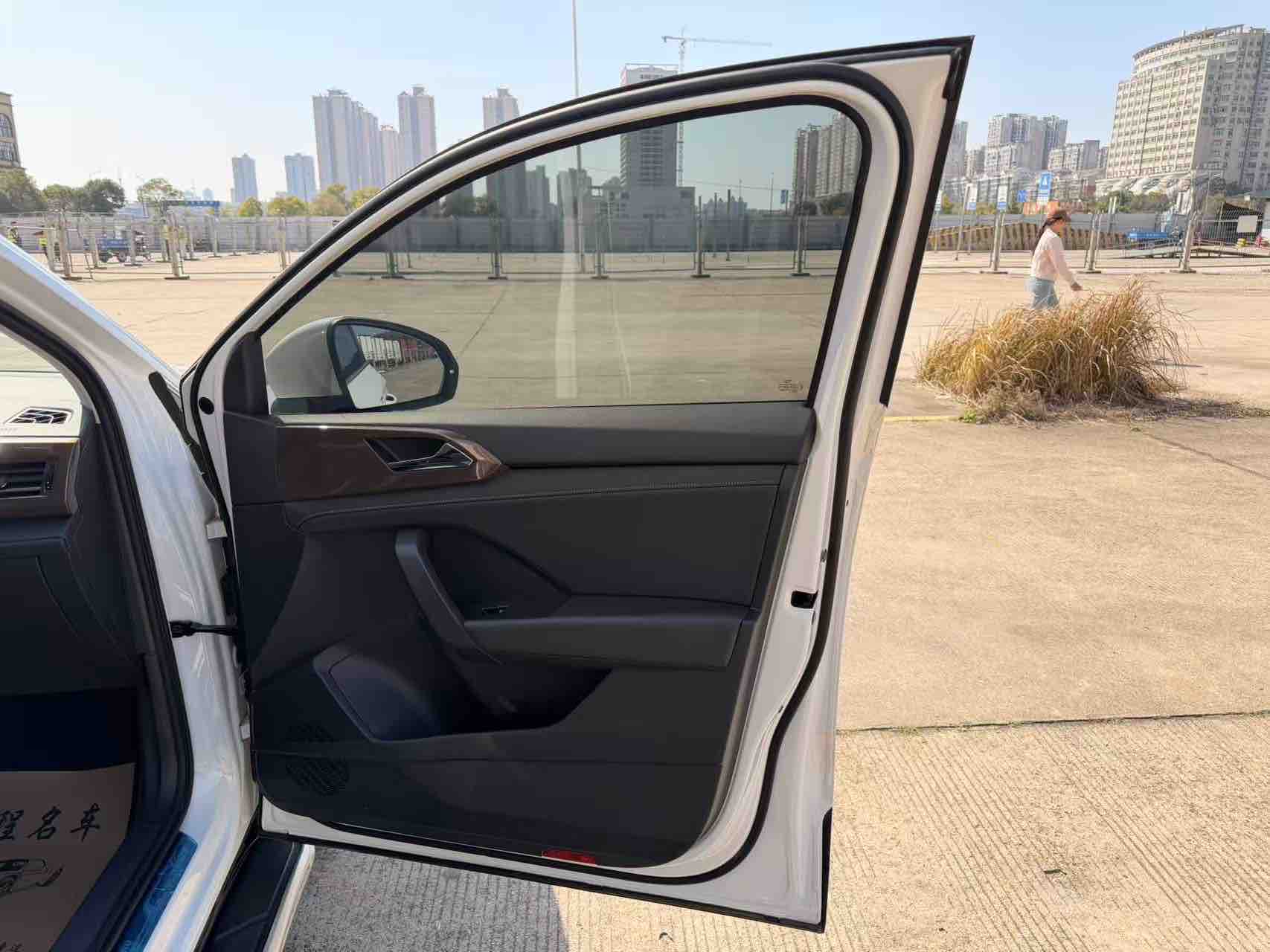
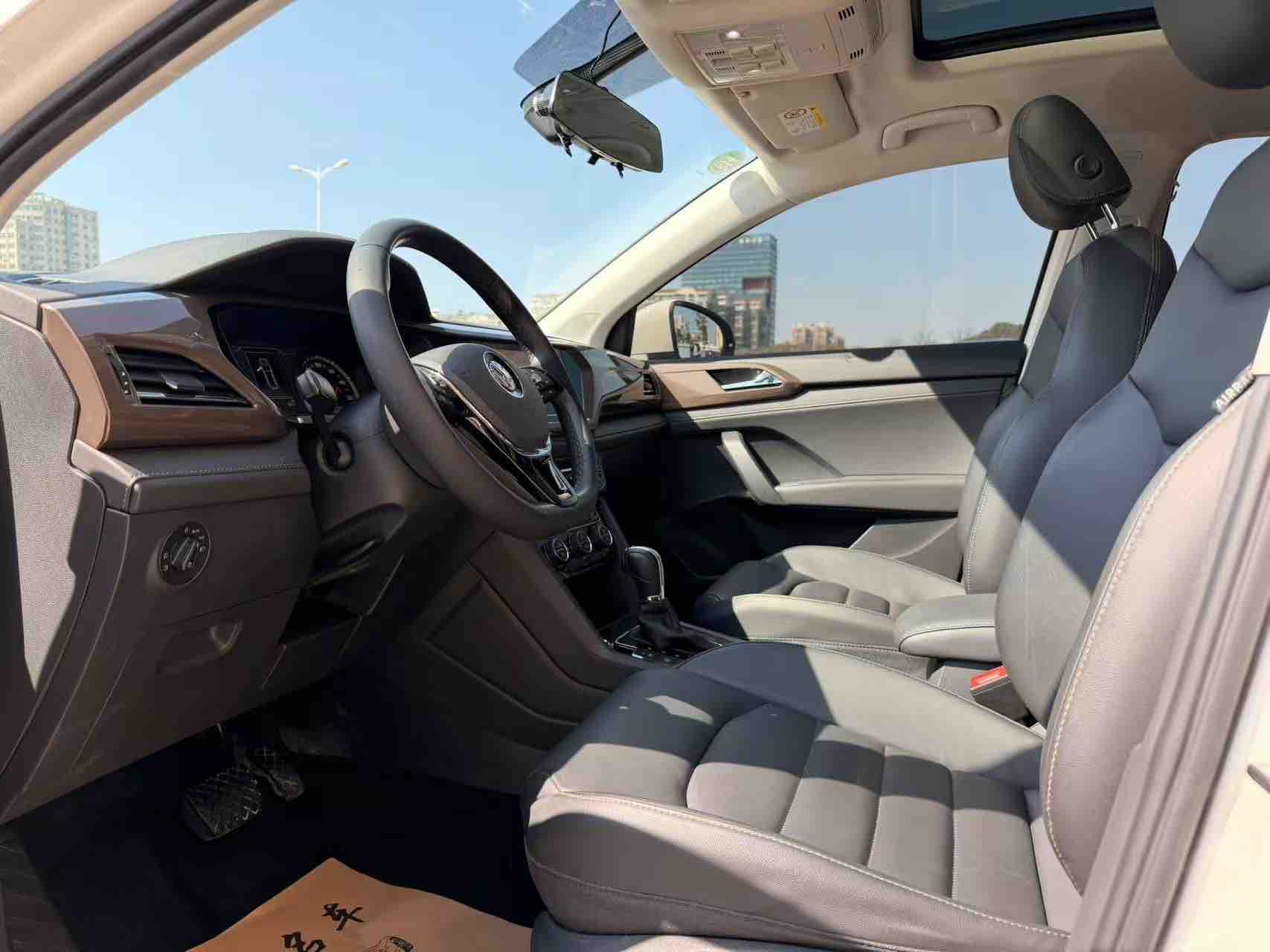
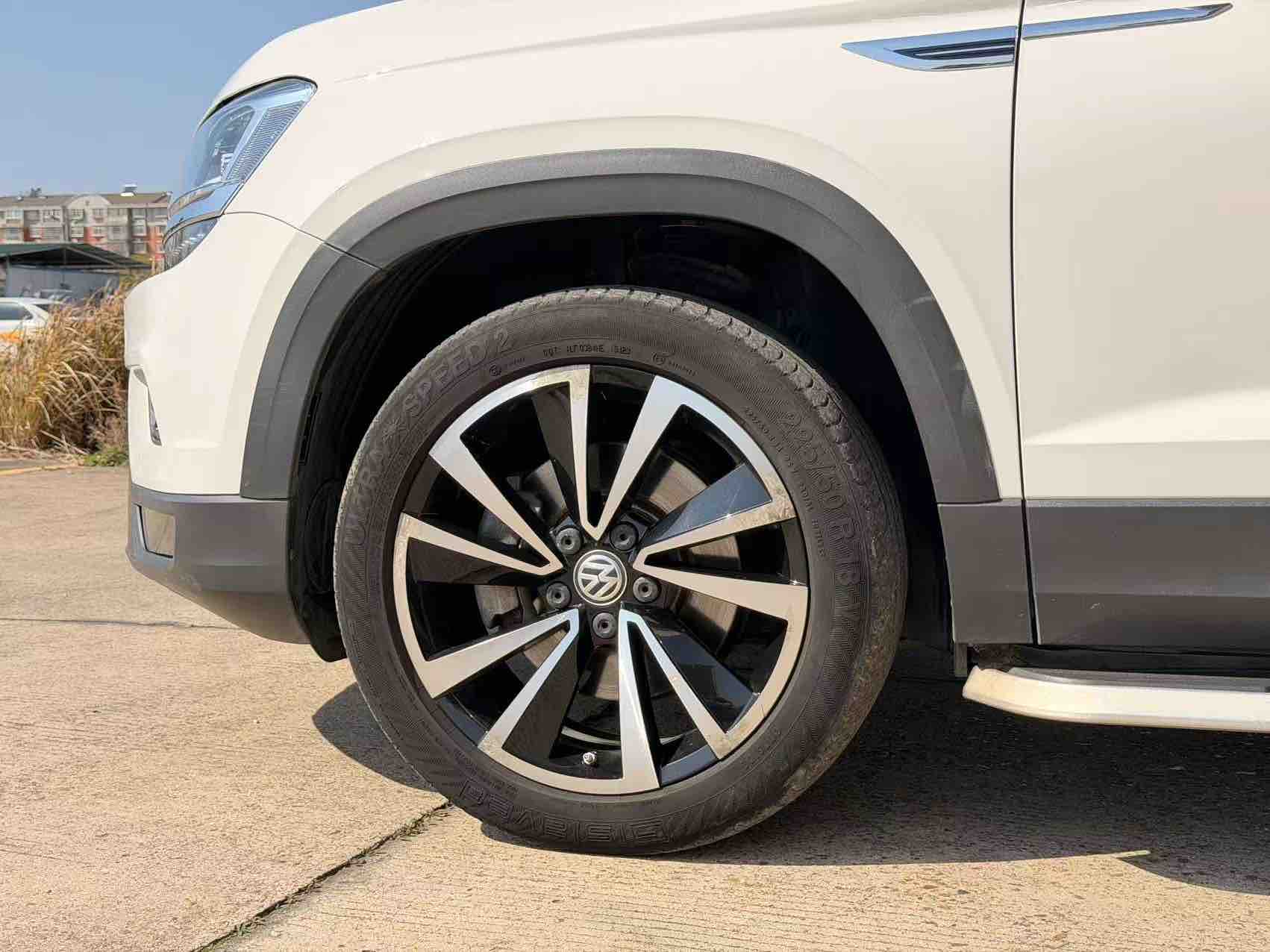
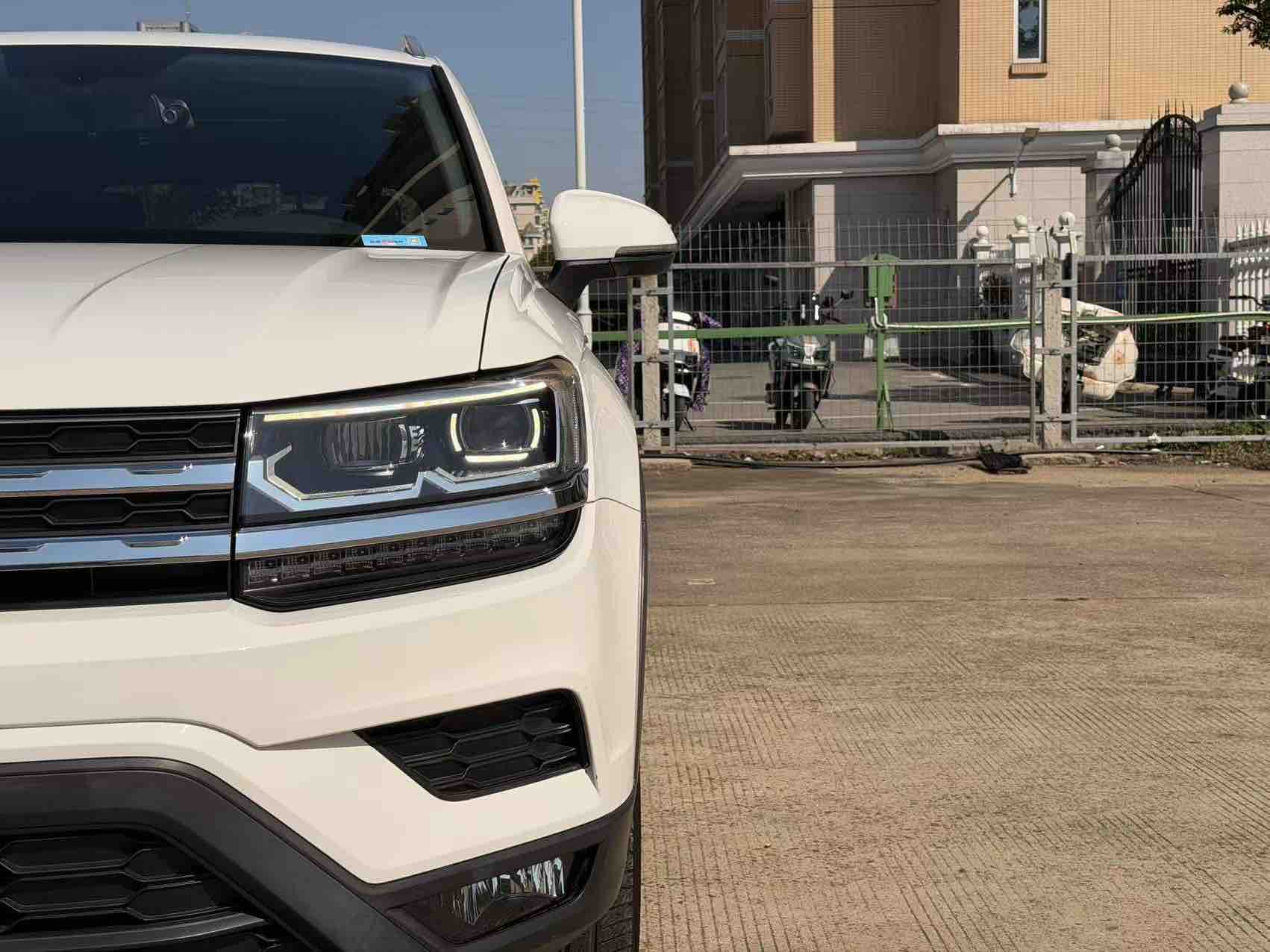
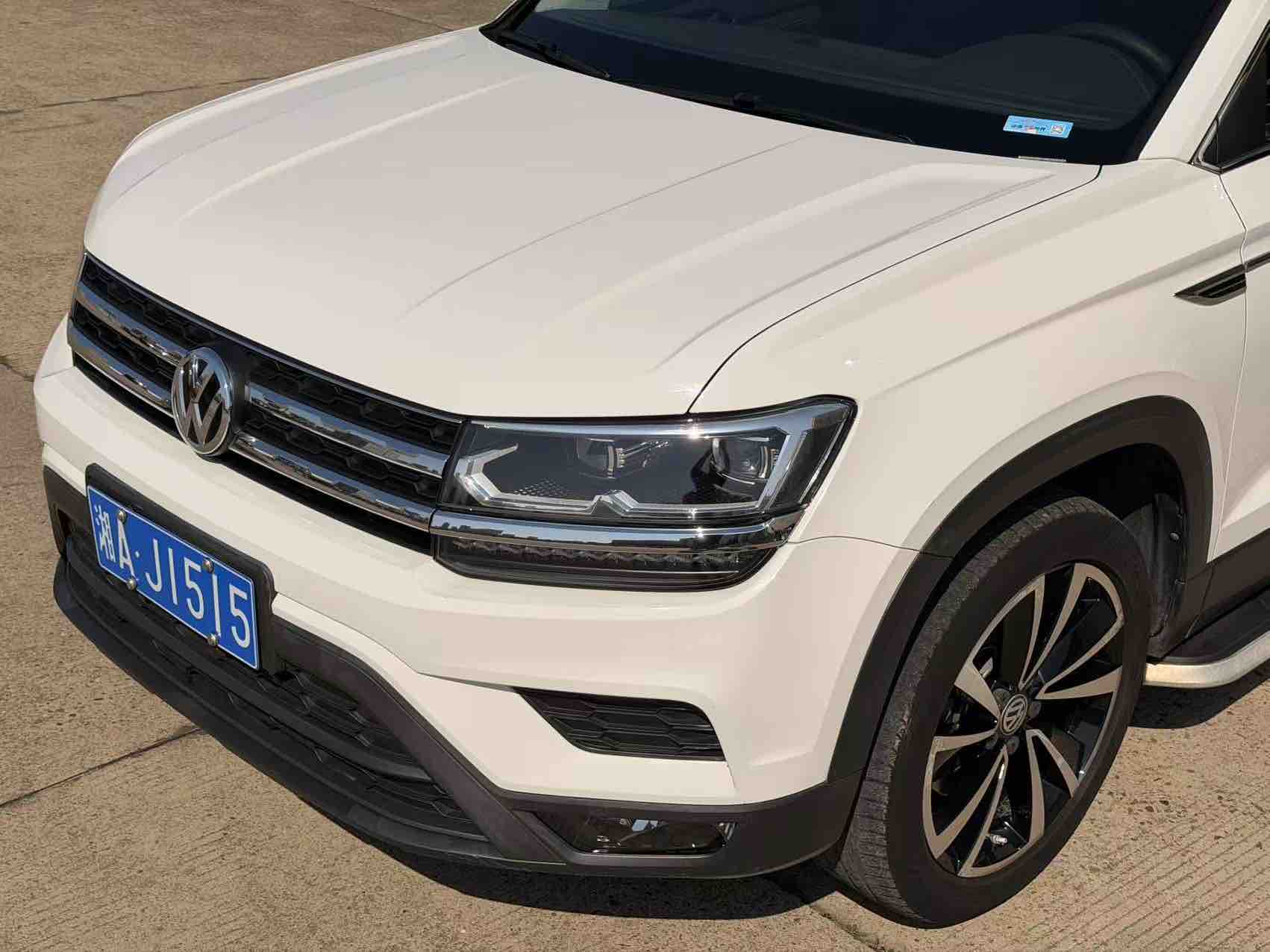
Brand: Volkswagen Tharu Configuration Version: 2020 1.4T Luxury Registration Year: May 2020 Mileage: 89,000 km Insurance Expiration: May 2026 Number of Ownership Transfers: 0 Keys: 2 Remarks: Excellent condition, original metal parts, new interior and exterior condition (by Cha Doctor S). Price: 72,800 Final Price: 69,000

Configuration Highlights

✓Driver/Passenger Airbags
✓Front/Rear Side Airbags
✓Front/Rear Curtain Airbags
✓Tire Pressure Monitoring
✓ISOFIX Child Seat Anchors
✓Keyless Start System
✓Keyless Entry System
✓ABS Anti-lock Braking
✓Electronic Brake Distribution
✓Electronic Stability Control
✓Hill Start Assist
✓Auto Hold
✓Panoramic Sunroof
✓Roof Rack
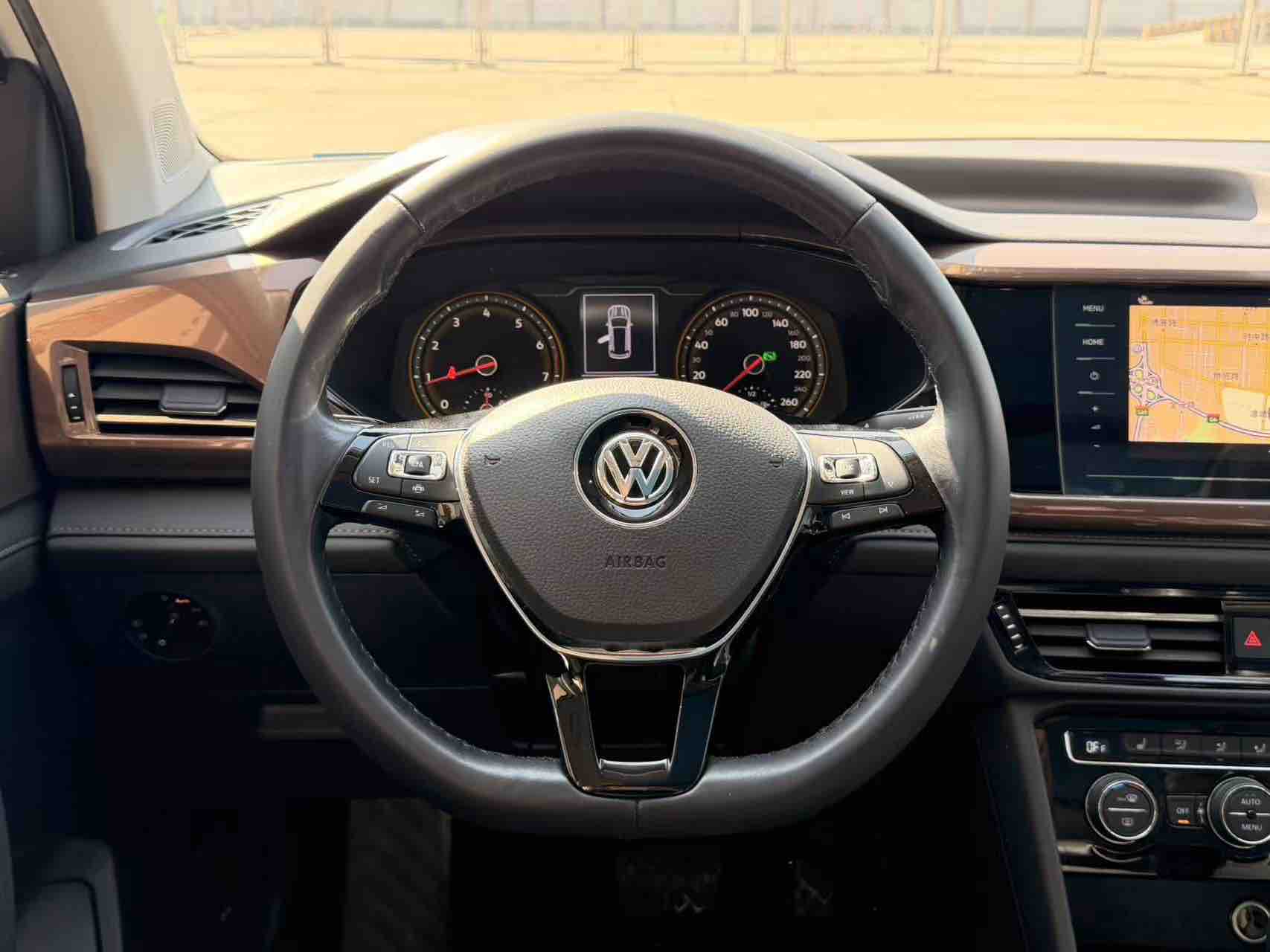
✓Multifunction Steering Wheel
✓Seat Material
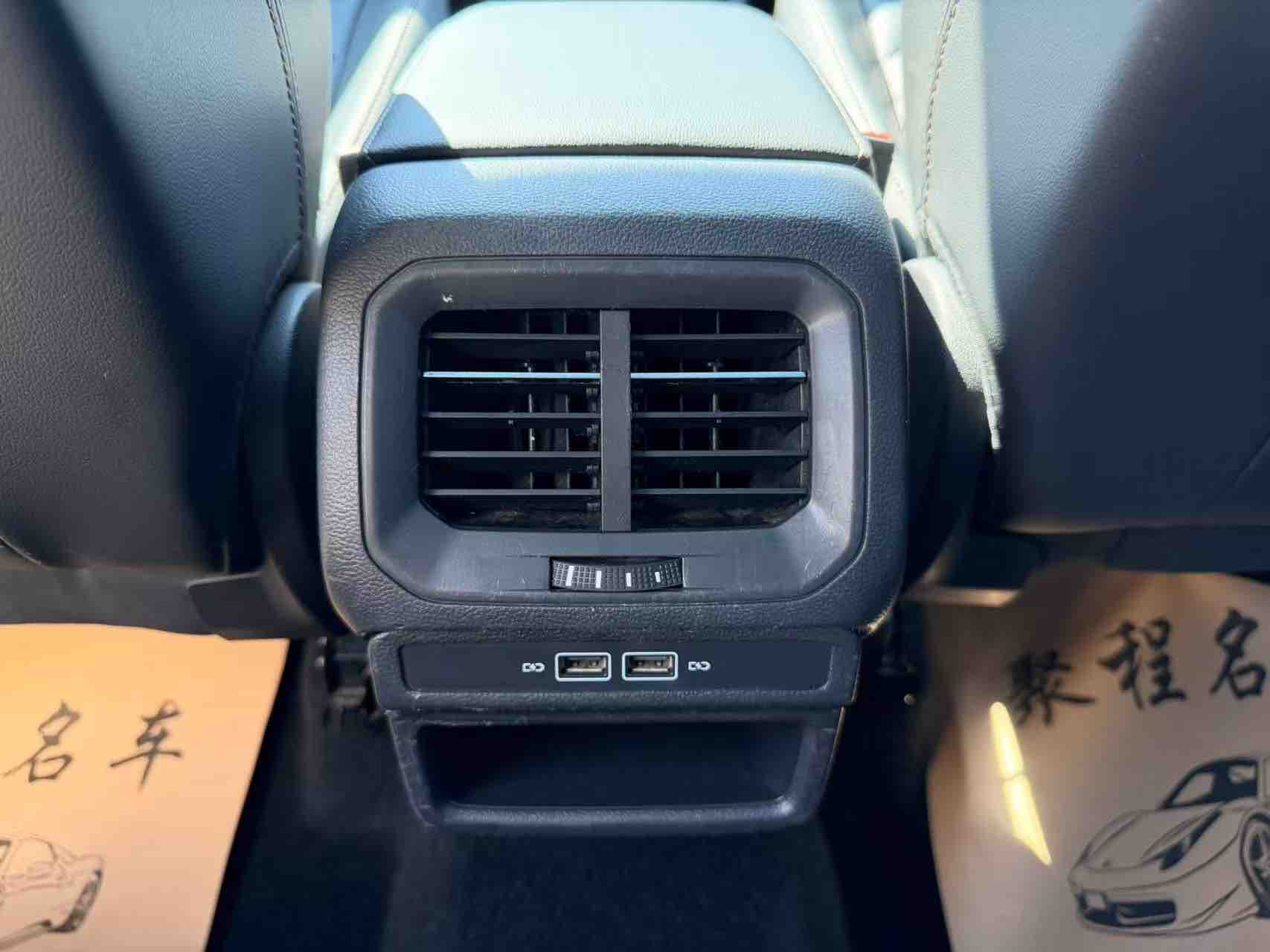
✓Rear Cupholders
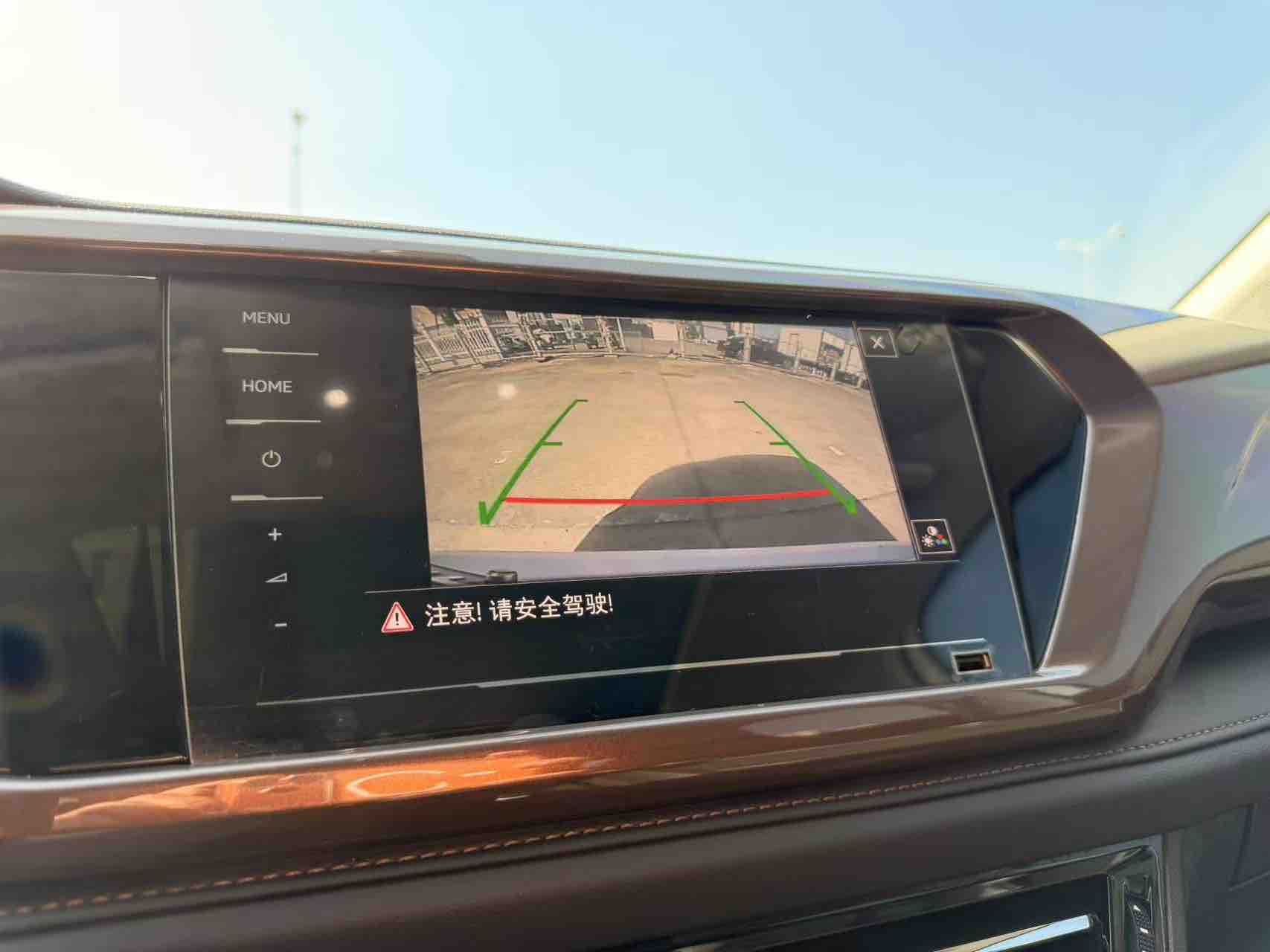
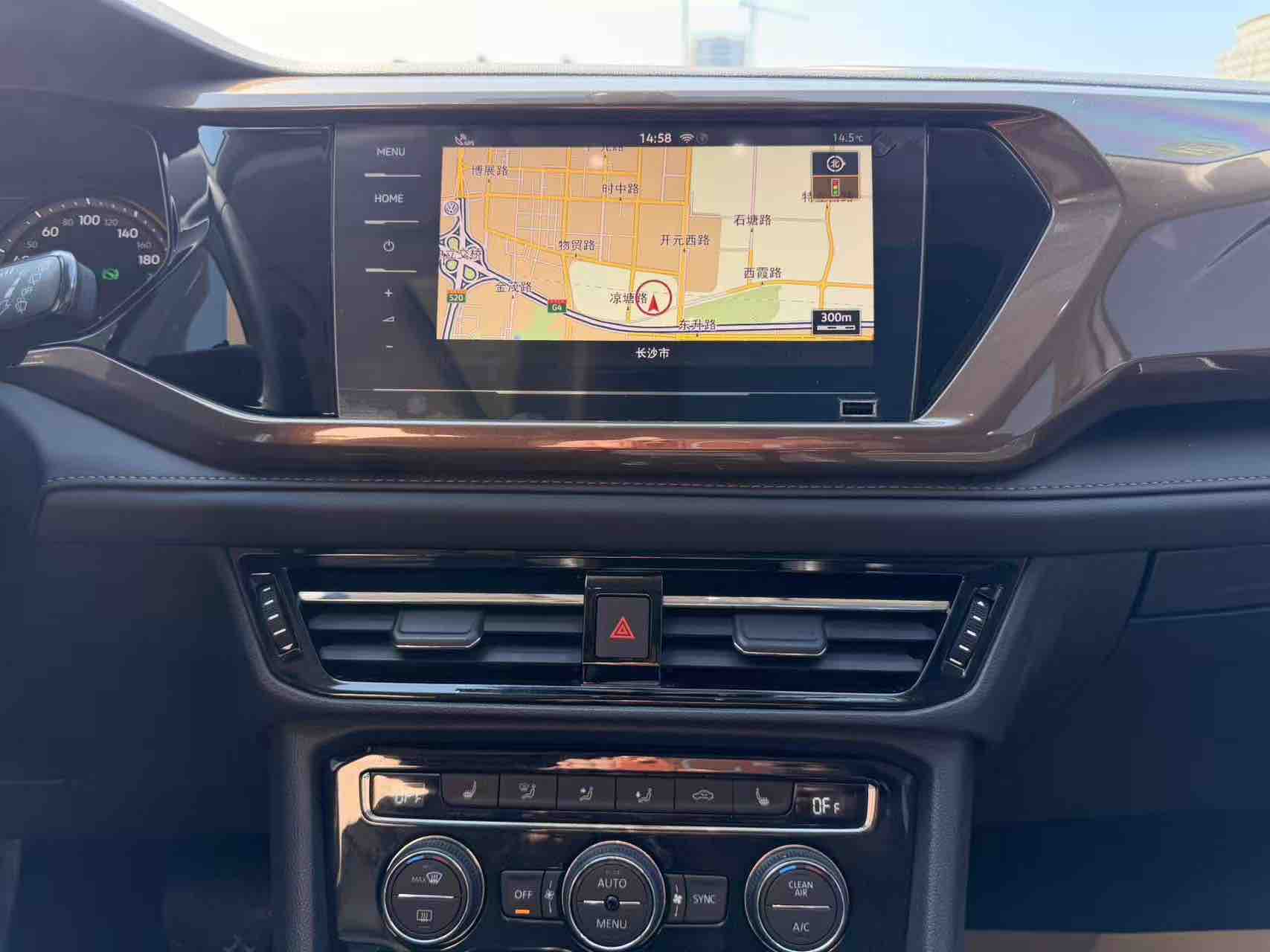
✓GPS Navigation
✓Low Beam Headlights
✓Daytime Running Lights
✓Auto Headlights
✓Adjustable Headlight Height
✓Power Windows
✓Anti-pinch Windows
✓Climate Control Type
✓Rear Air Vents
✓Start-Stop System

Q&A

More

Are all external lighting systems of the vehicle (headlights, taillights, turn signals) confirmed to be functioning properly before leaving the factory?

Yes, all external lighting sources, including low beams, high beams, fog lights, daytime running lights, reverse lights, and brake lights, are included in the mandatory power-on testing.

How are the refrigerant pressure, compressor operation, and heating effect of the air conditioning system deeply tested?

The technician will start the vehicle and turn on the air conditioning system, measuring the actual temperature at the vents at the lowest and highest settings with a thermometer; at the same time, they will connect a manifold pressure gauge to check if the refrigerant pressure in the high and low pressure lines is within the normal range, determining if there is a chronic refrigerant leak.

How do you assess the appearance condition of a vehicle? What specific standards are there for scratches and dents?

We use quantitative standards. Minor scratches less than 3 cm that do not reach the base coat (which can be polished) are considered normal wear; scratches over 3 cm deep to the base coat or dents larger than 2 cm in diameter will be highlighted in the inspection report's "Appearance Defect Distribution Map" with close-up photos.