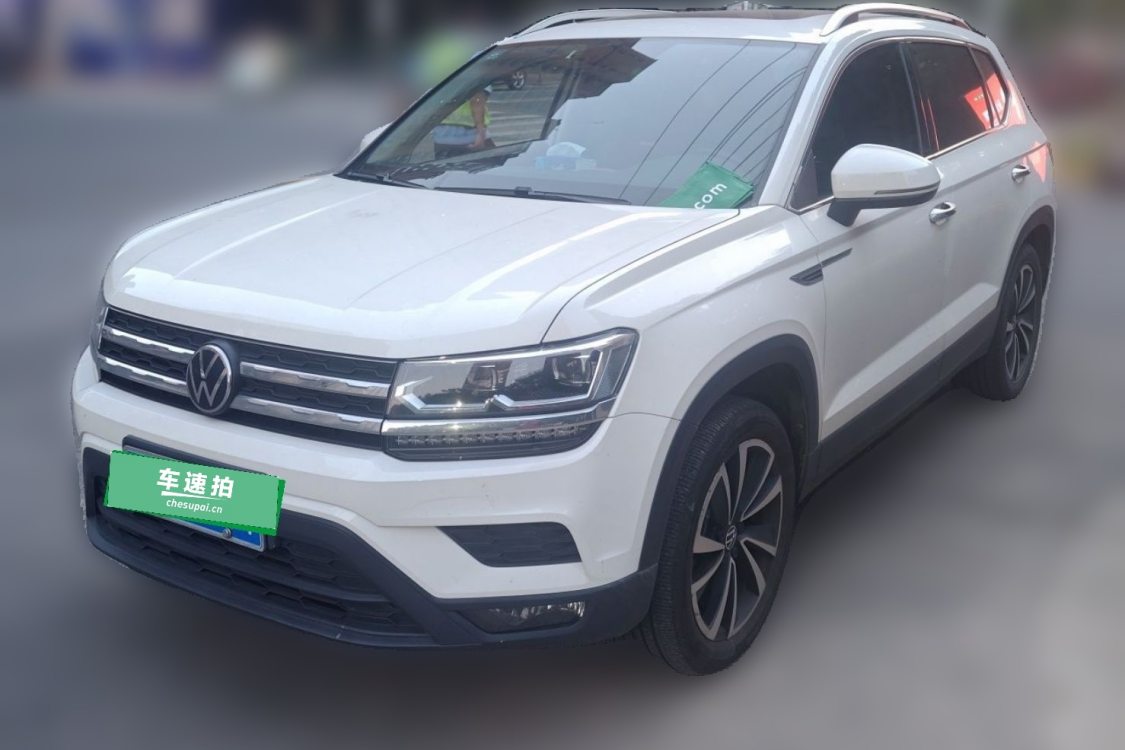
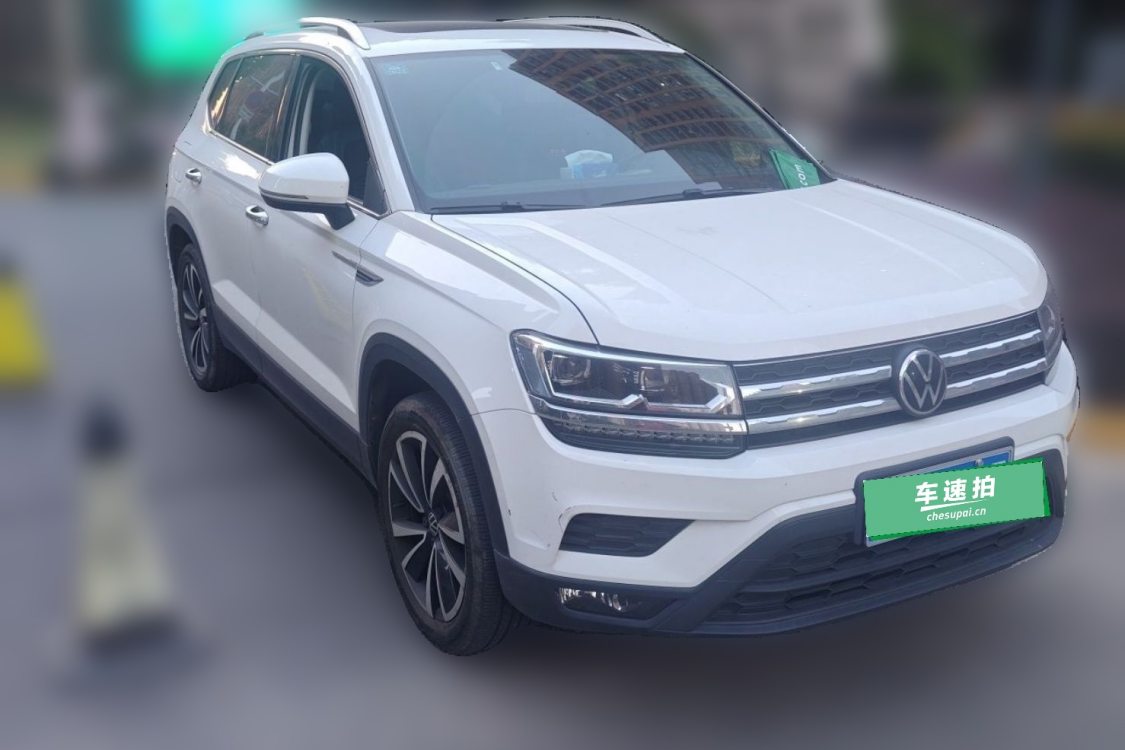
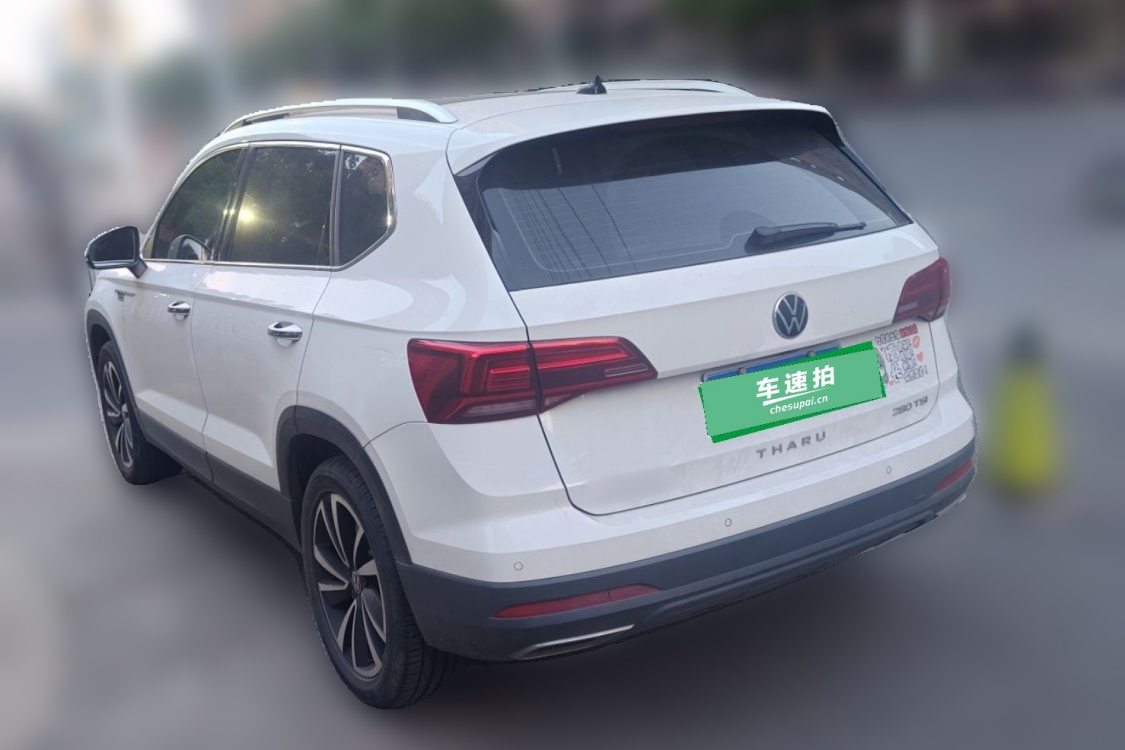
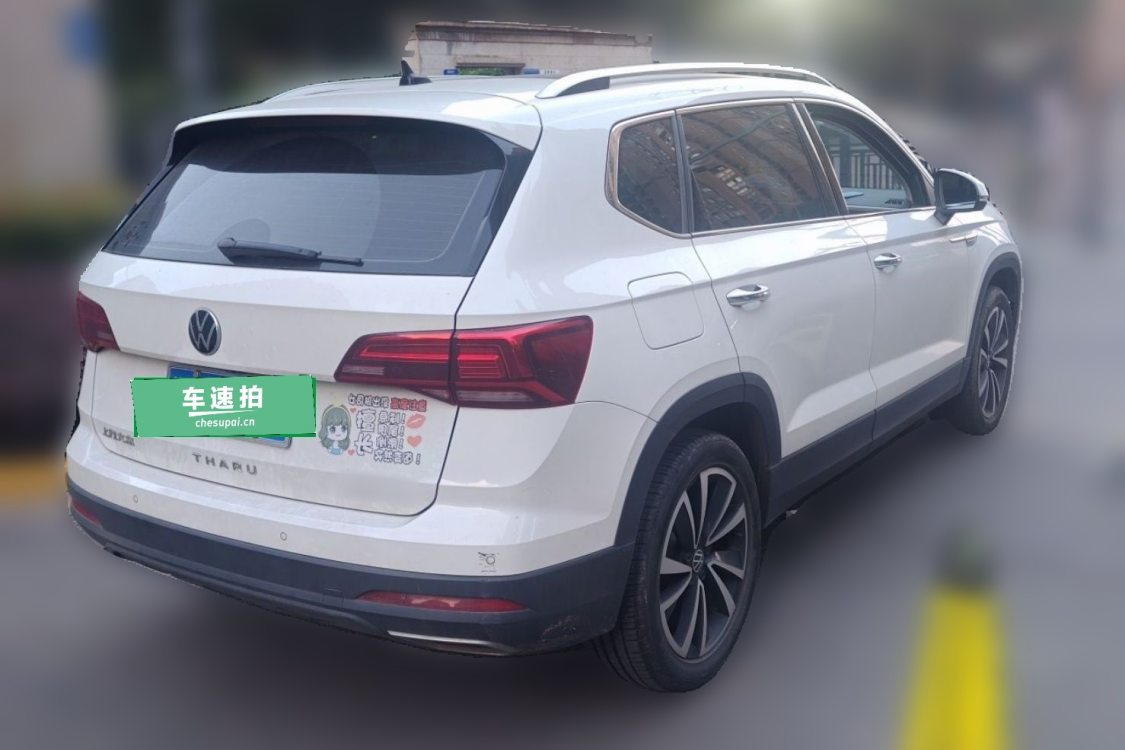
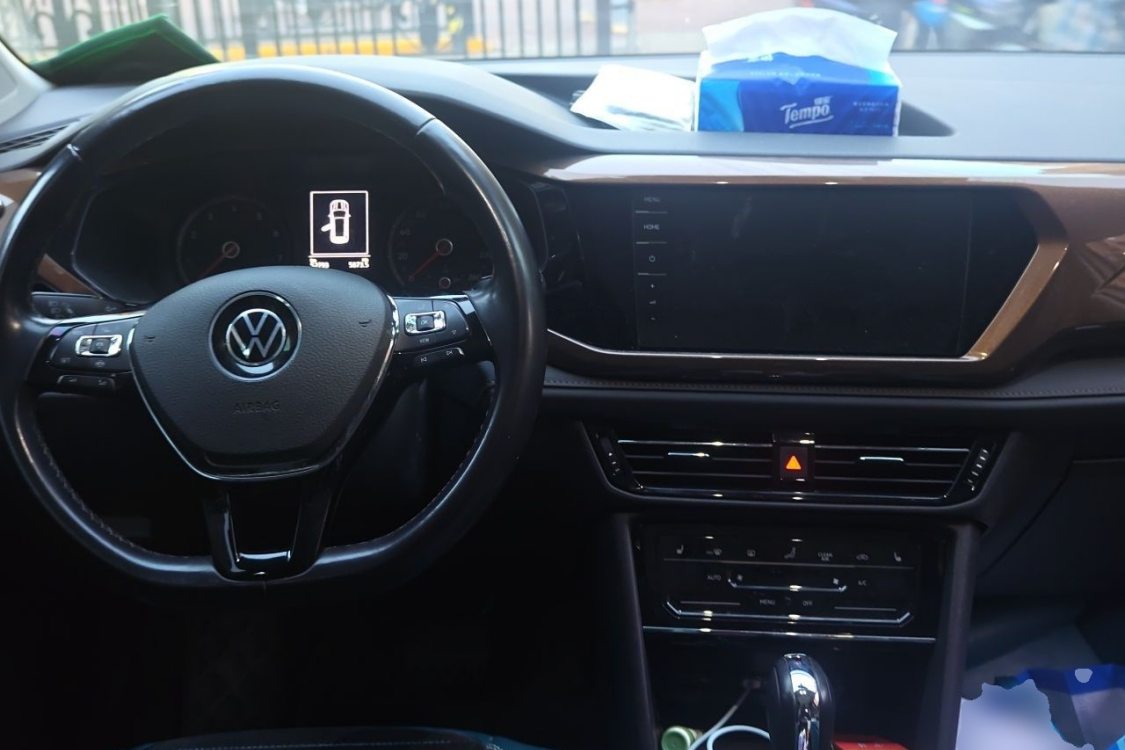
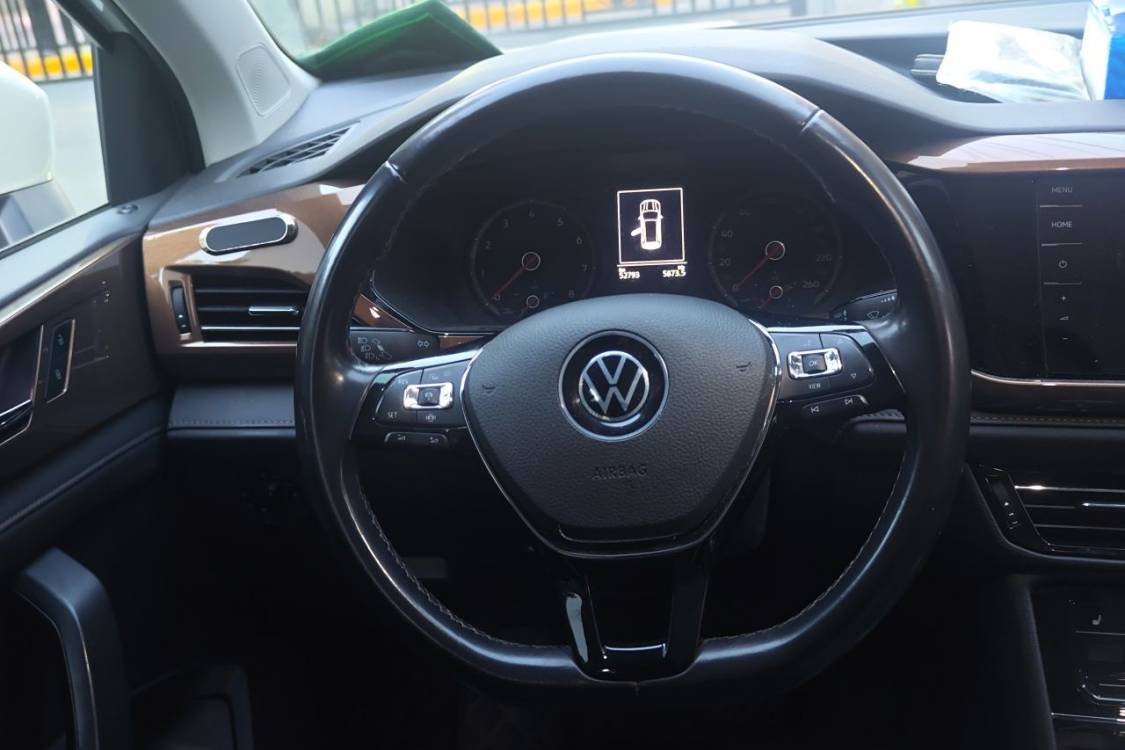
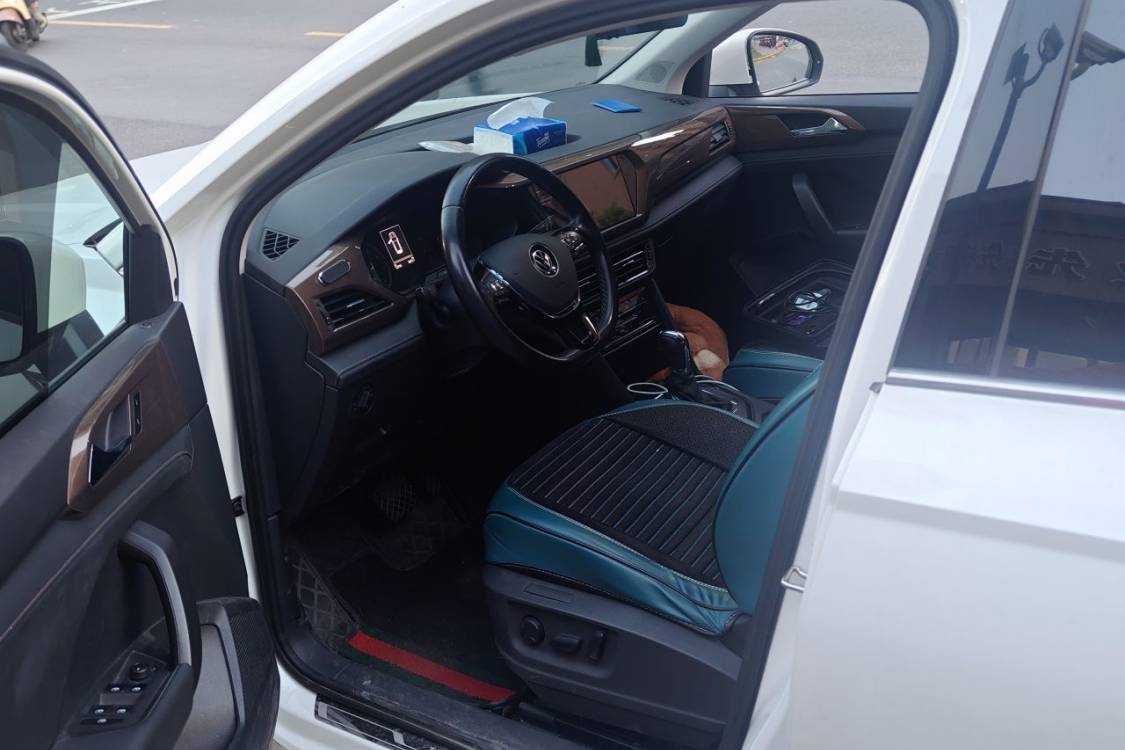
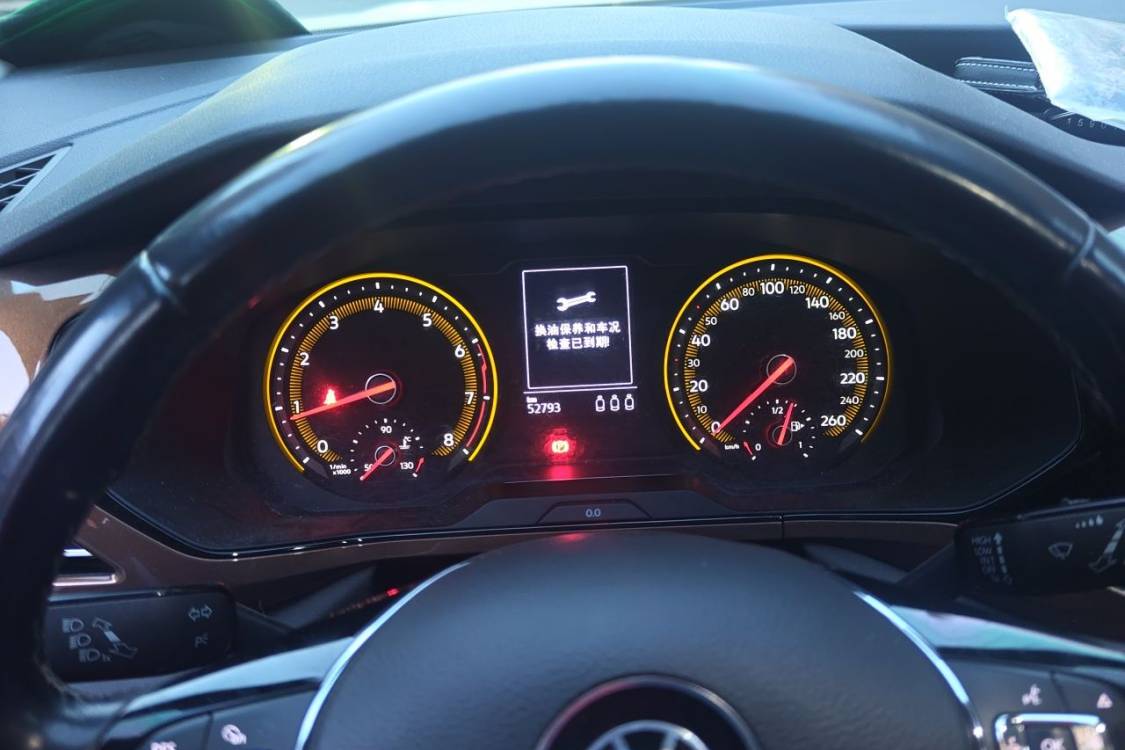



Basic Information

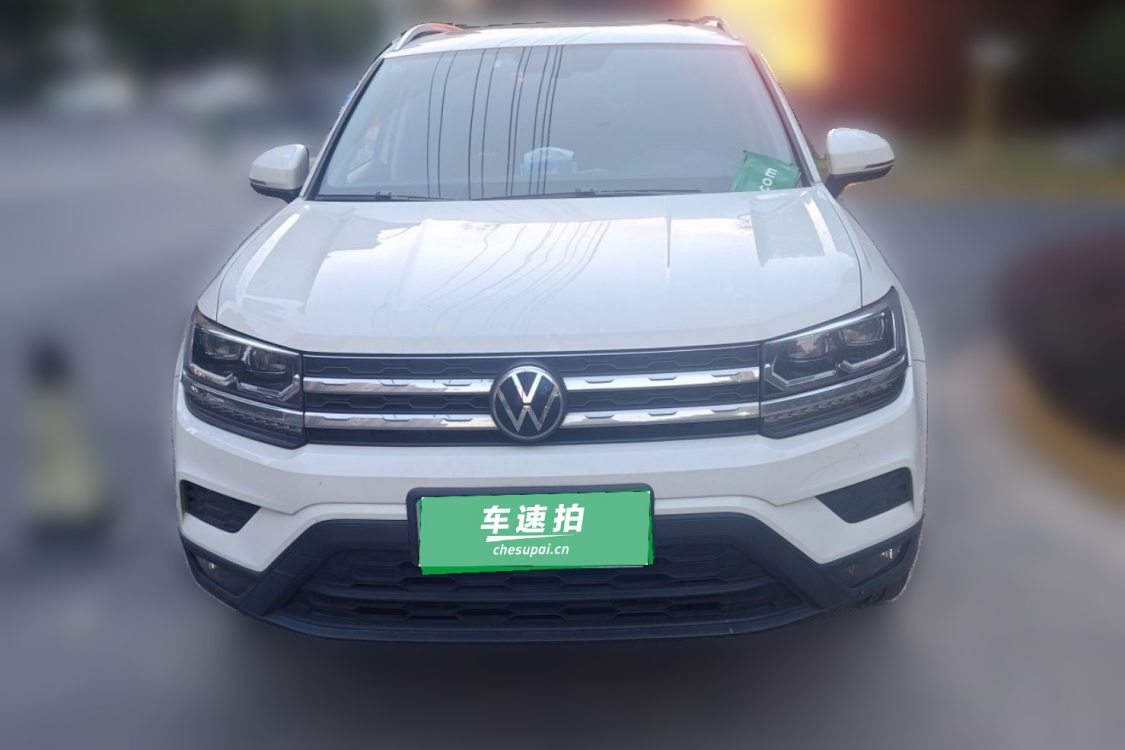
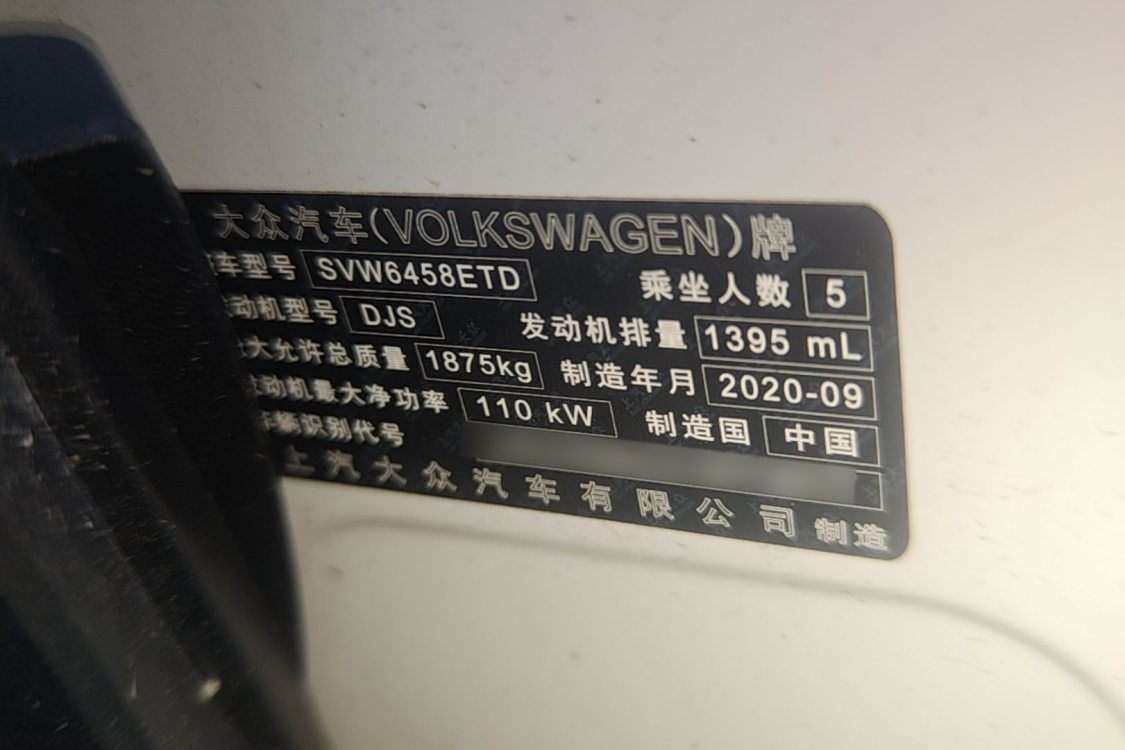
BrandVolkswagen
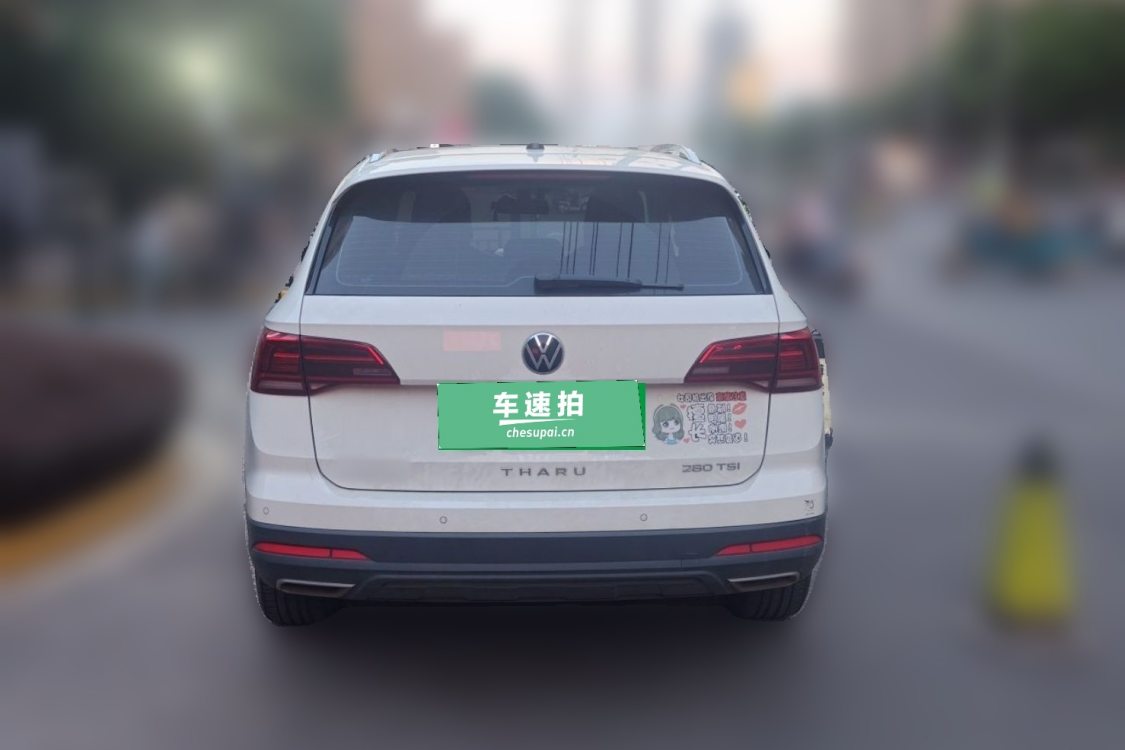
SeriesTharu
Year2020
First Registration2020/10
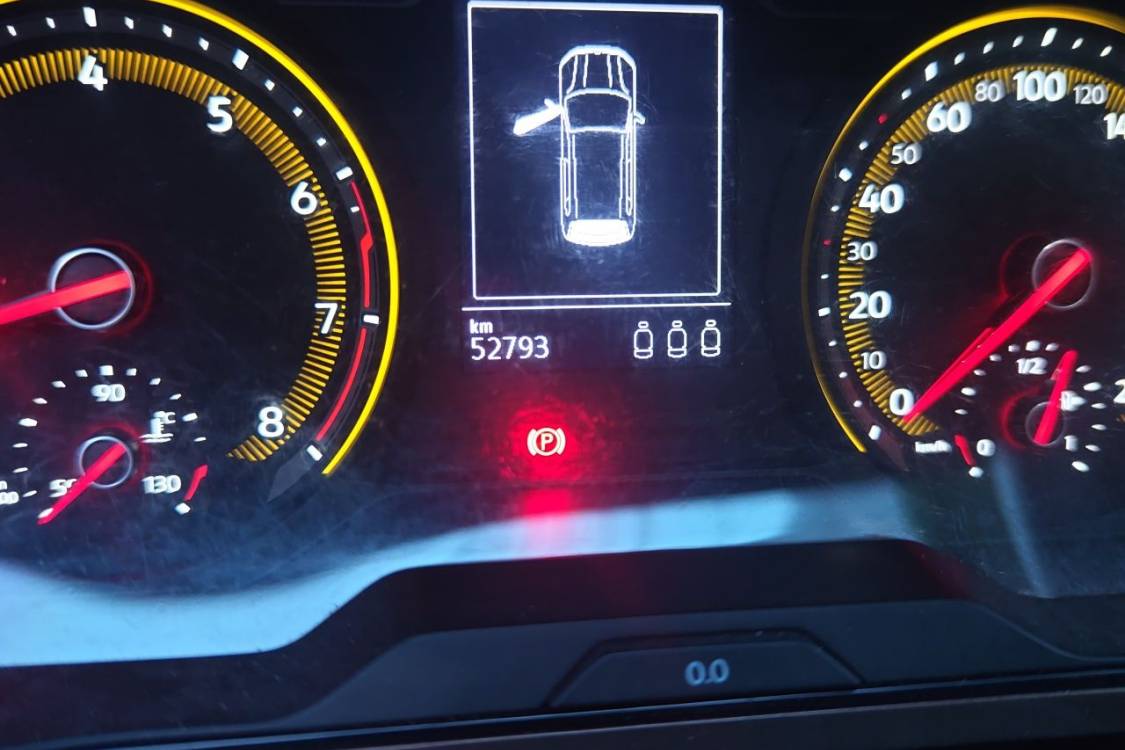
Mileage52,700km
Transfer Count-
FuelGasoline
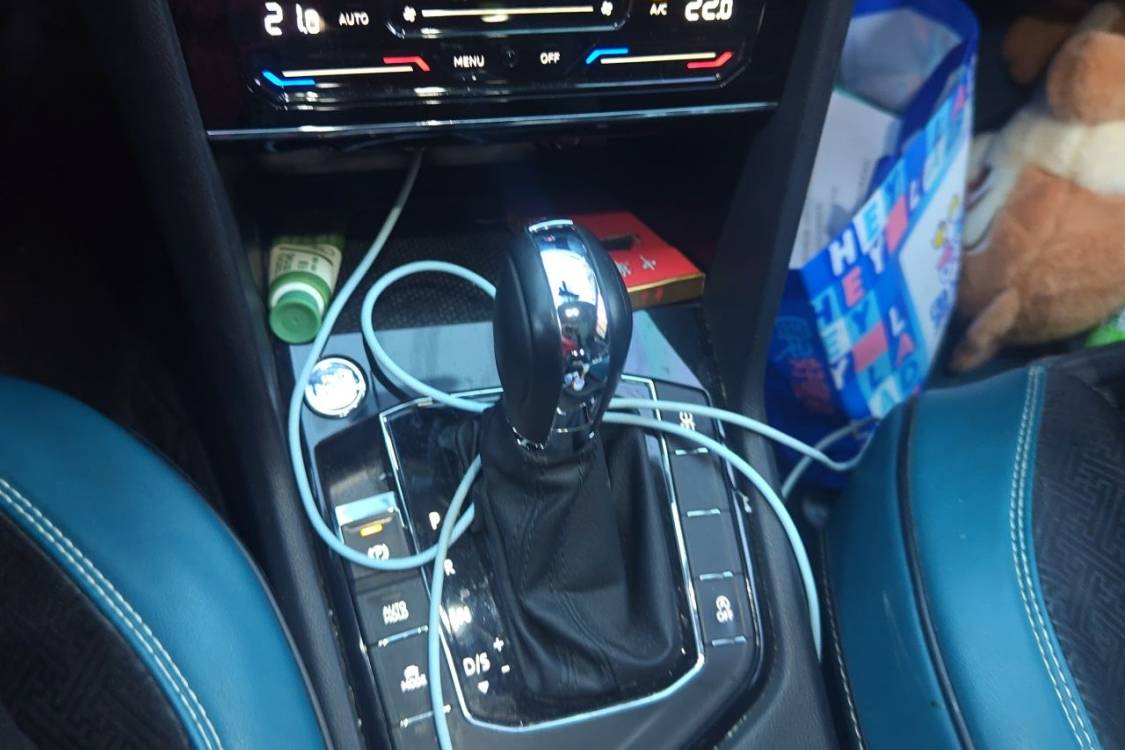
TransmissionDCT
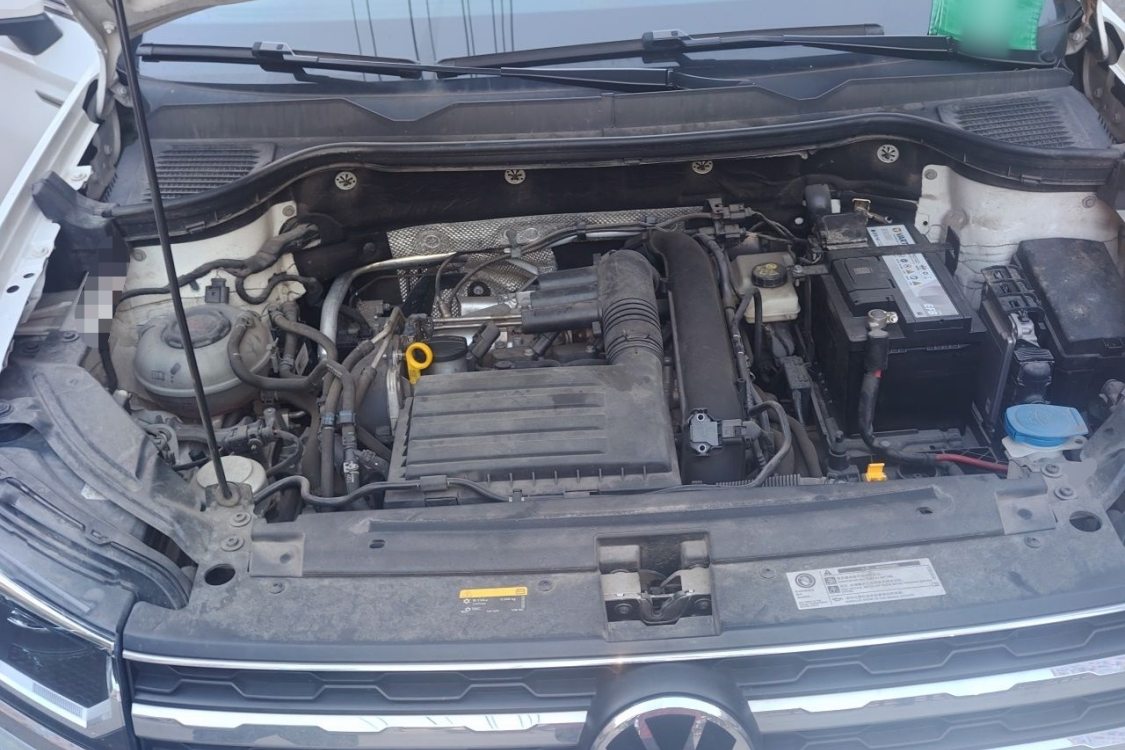
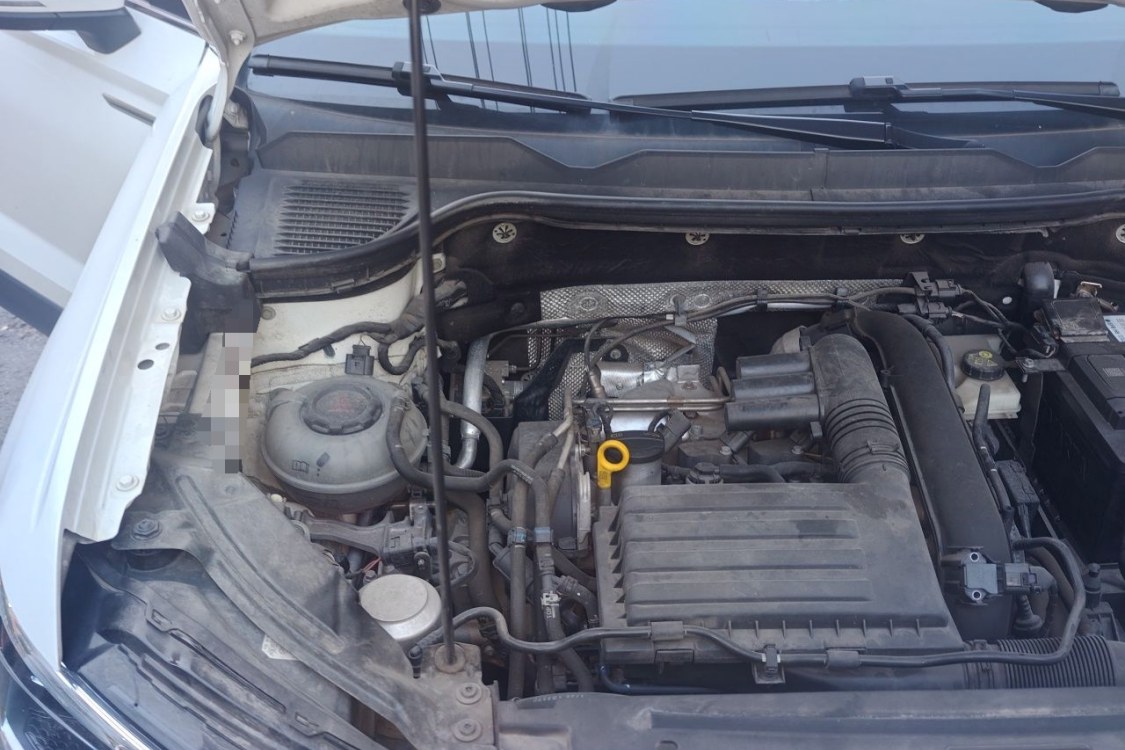
Engine1.4T 150 L4
ColorWhite
Seats-

Condition Description

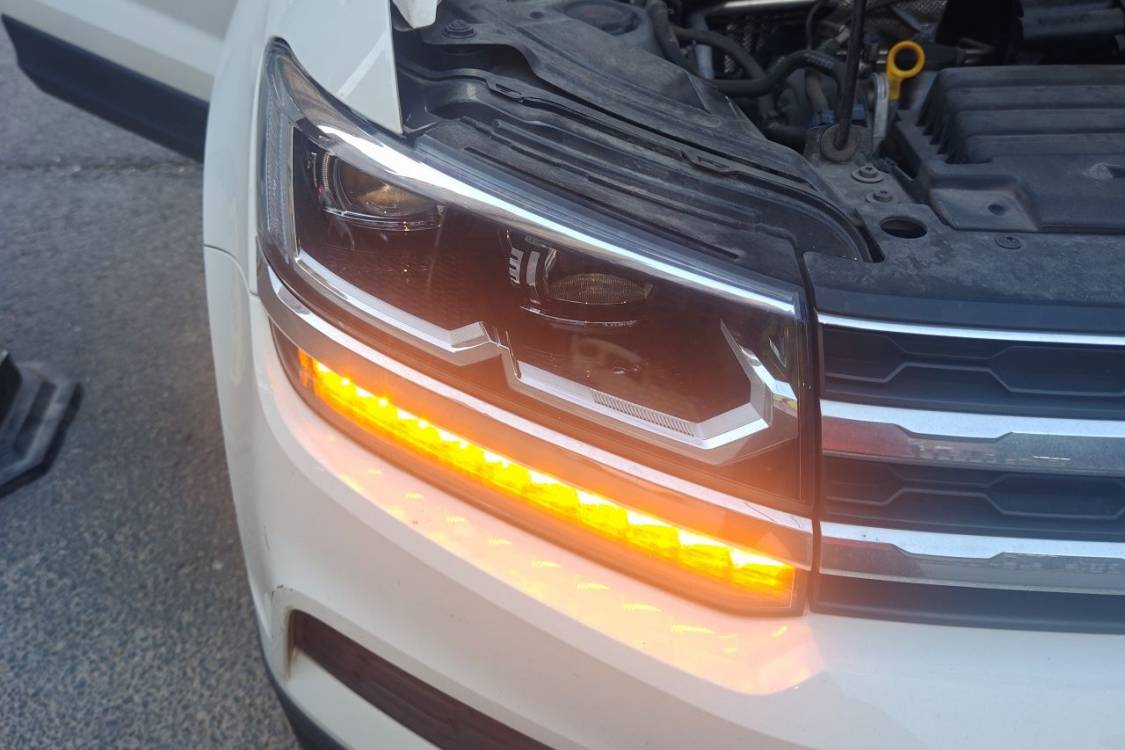
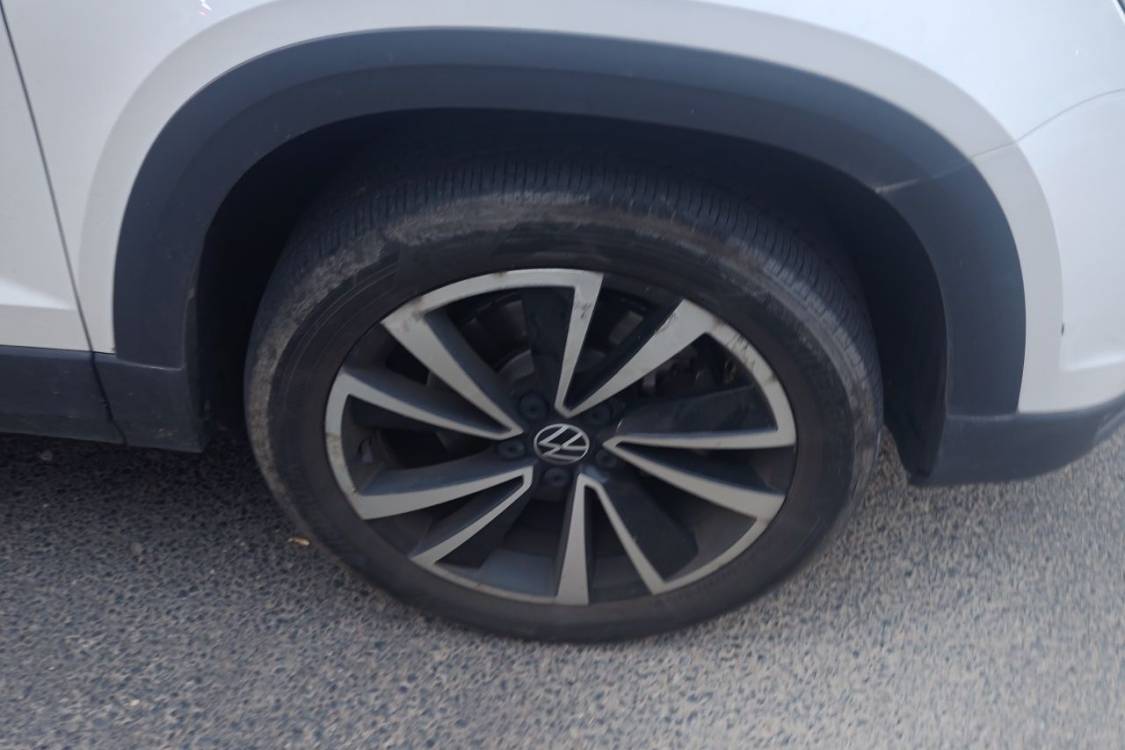
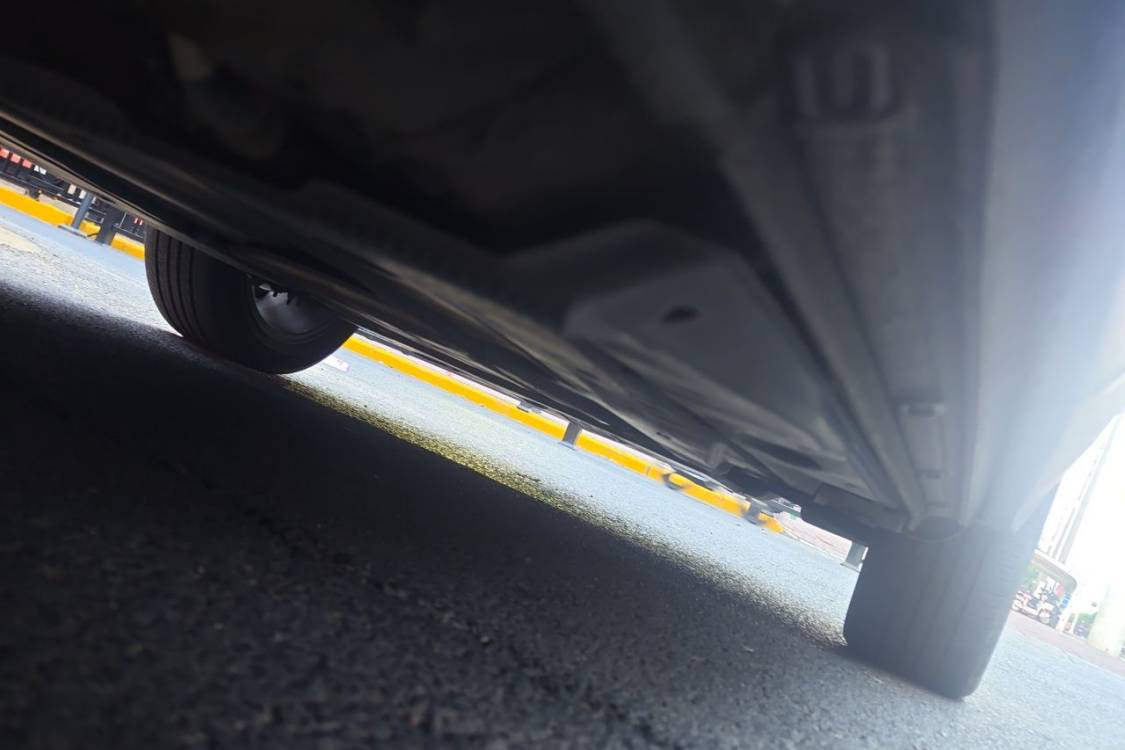
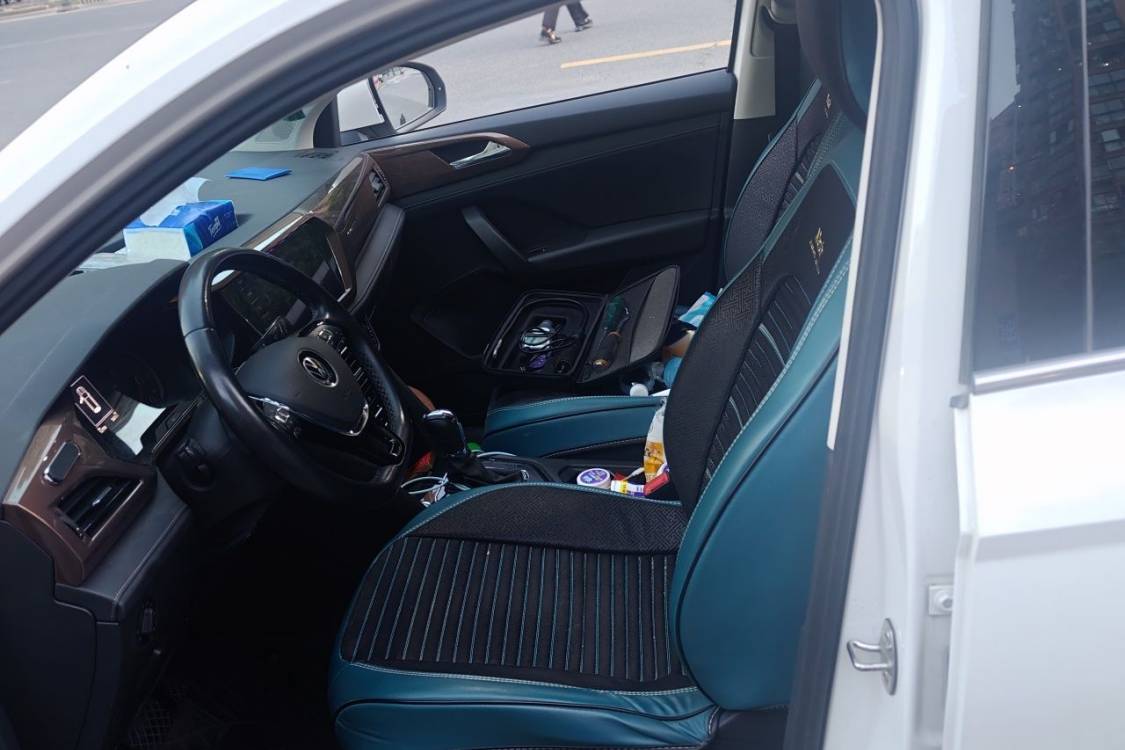
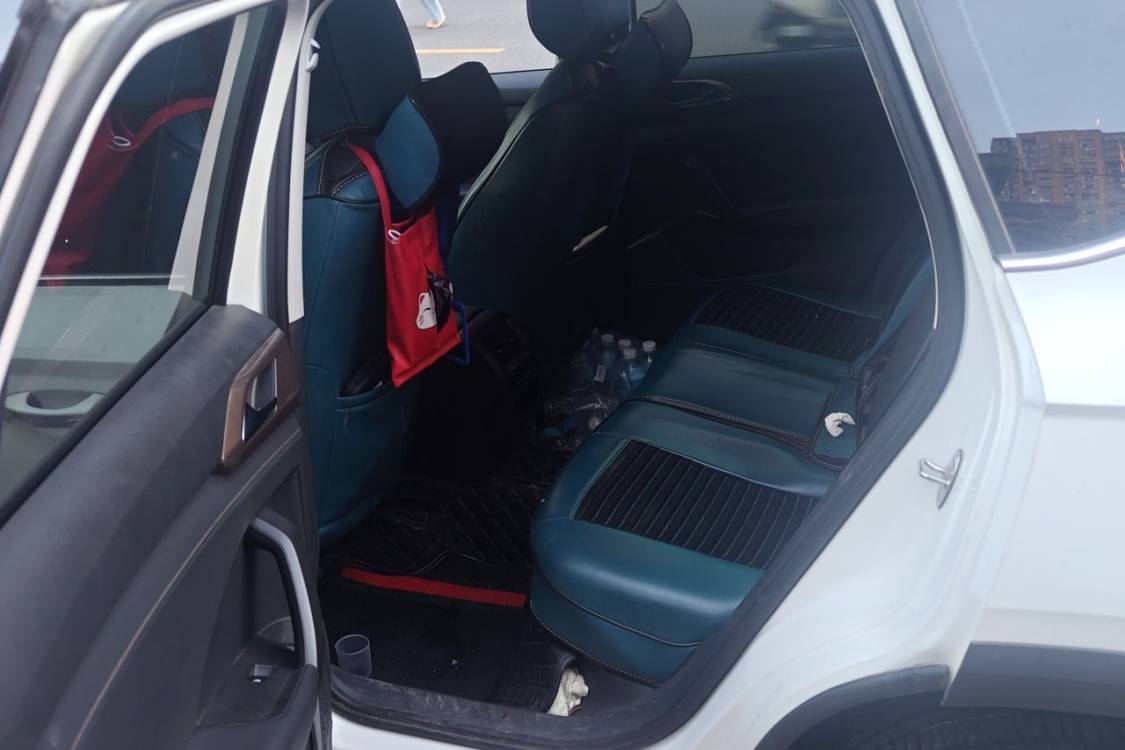
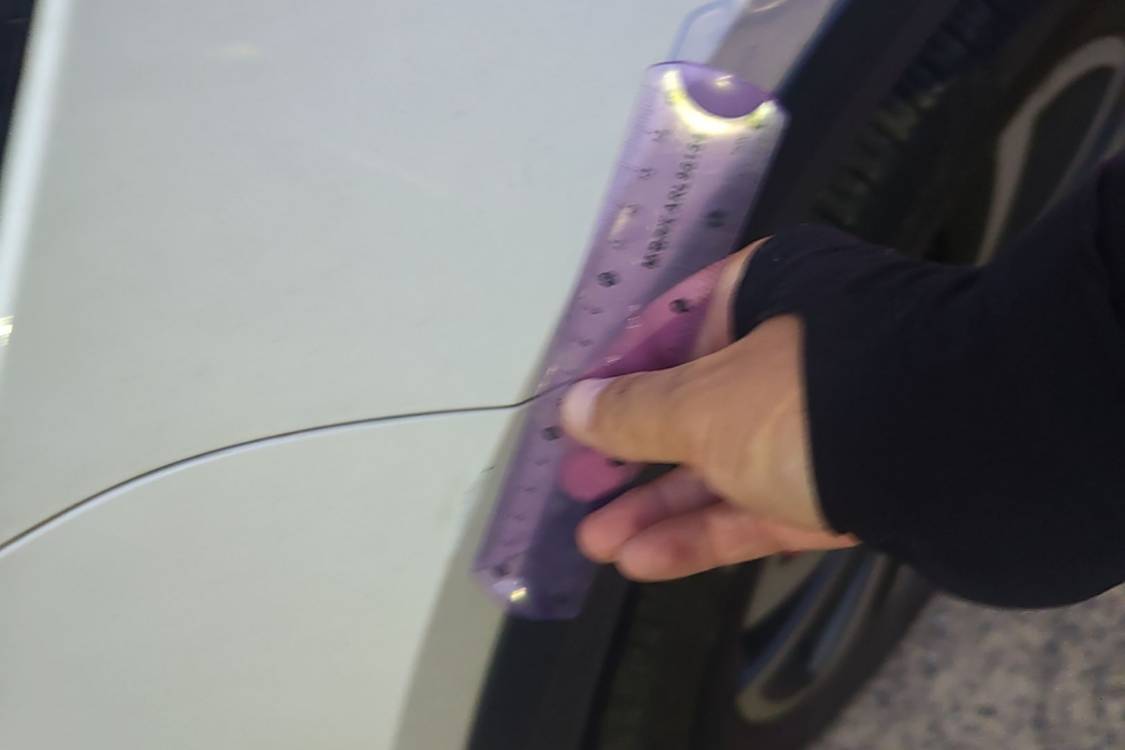
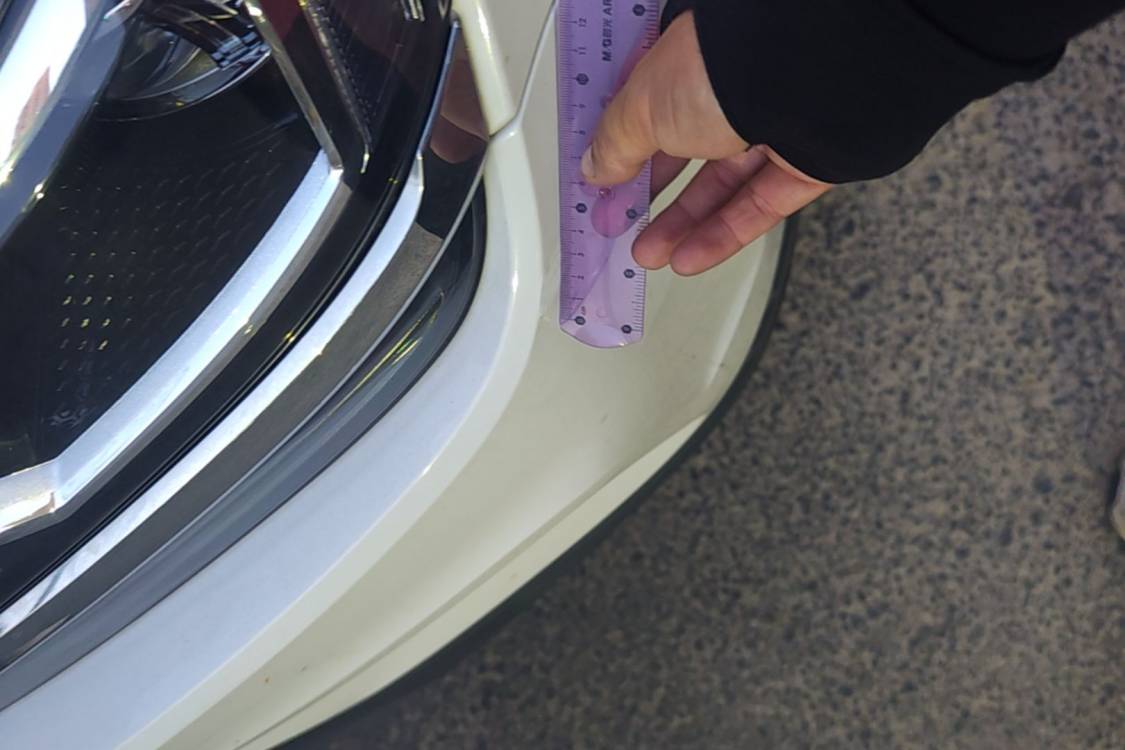
Localized body damage or repair marks present. No accident-related damage or repairs to structural or reinforcement components. Vehicle performance (including three-electric system) has degraded or is limited.

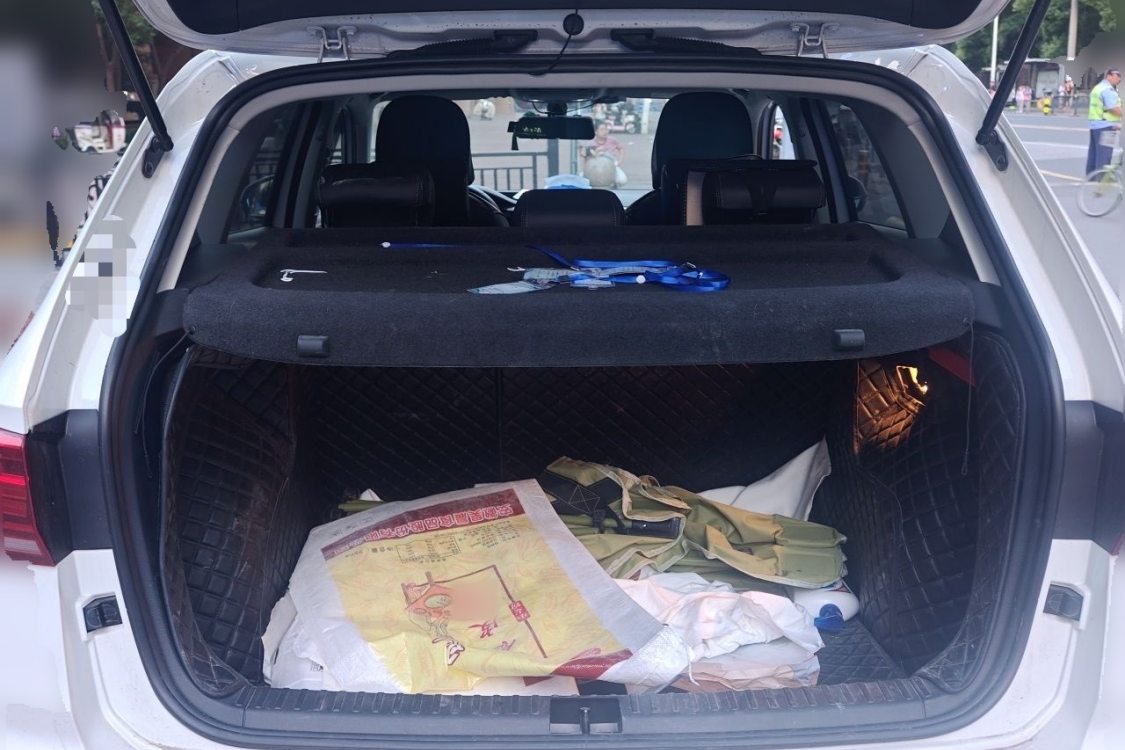
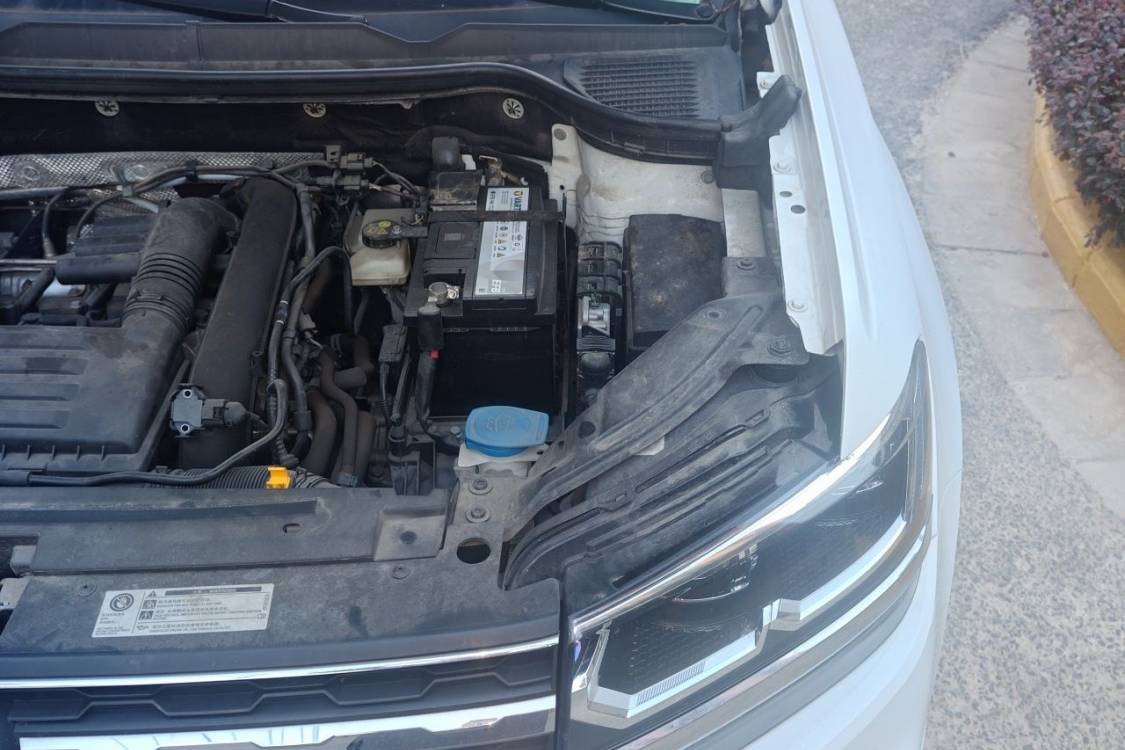
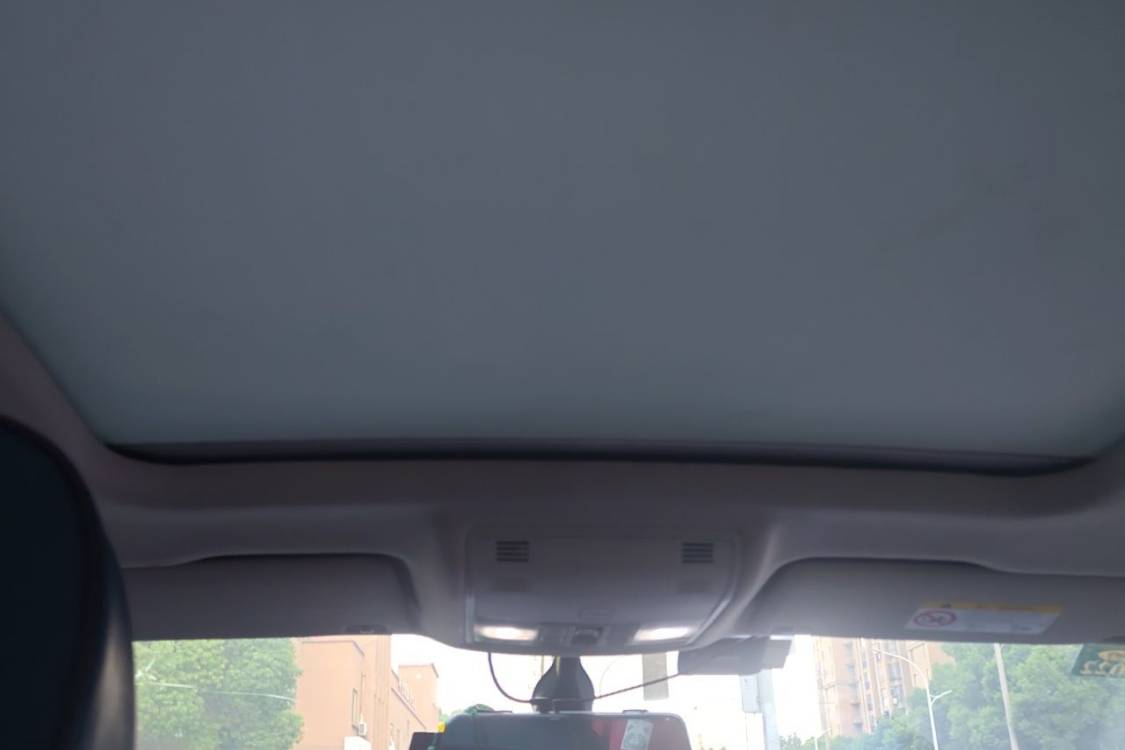
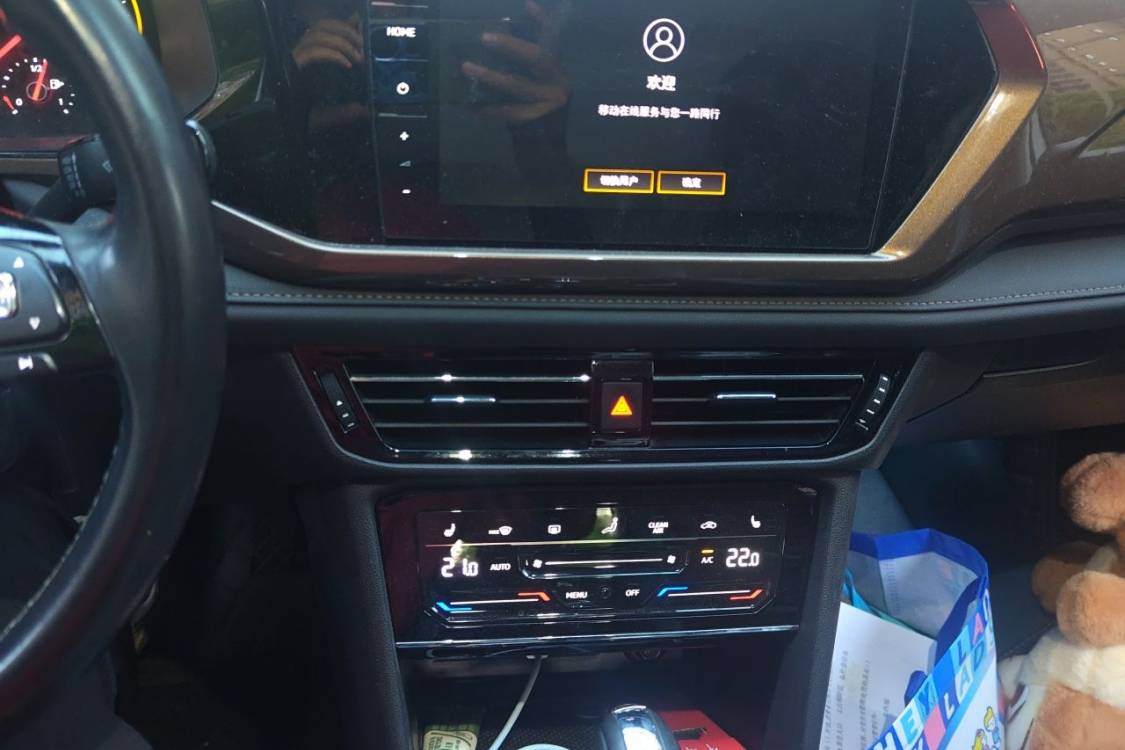
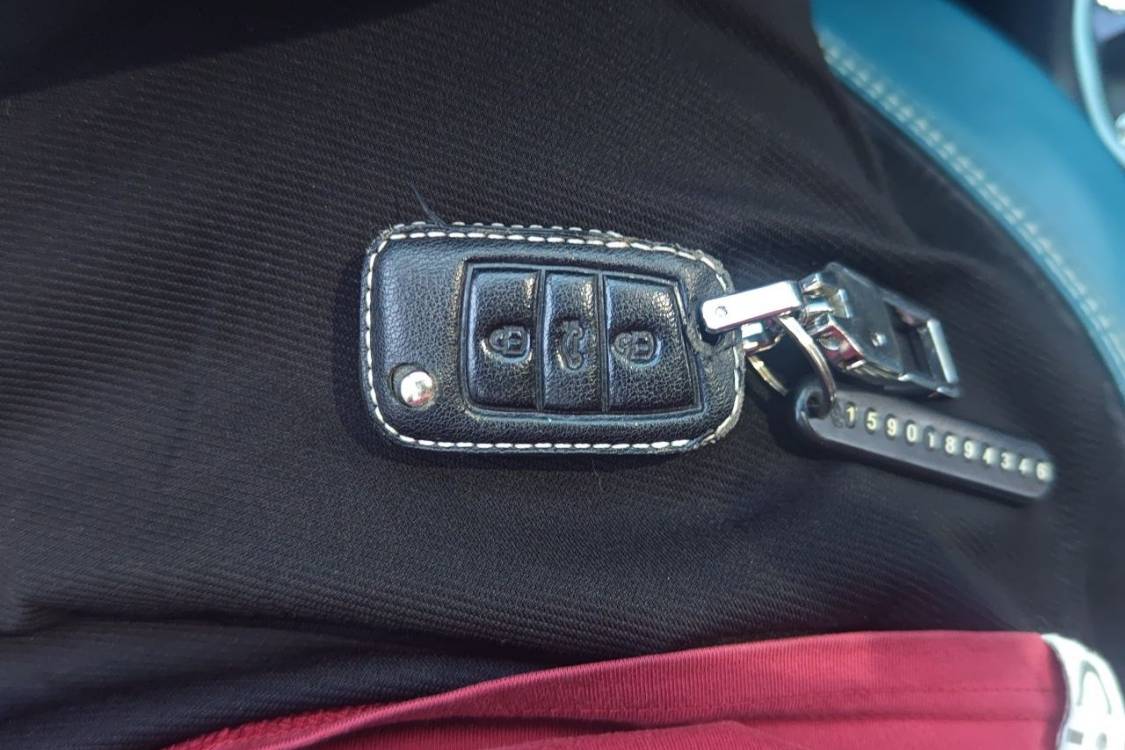
Accident inspection: no damage to main structure, reinforcement parts, or panels; hinges normal. Engine bay: key mechanical components normal. Exterior: 1 area of sheet metal repair, 2 areas of repaint. Interior: most features normal; airbags, seatbelts, dashboard, instruments, and lights normal. Startup check: major components normal. Tool kit: absent.

独家上新
电话直连
可讲价
平台物流
可转售
零过户
新检测标准升级>
非泡水

Document Information

Inspection Expiry Date2026/10
Warranty Expiry Date-
Insurance Expiry Date2027/10

Q&A

More

Are the quality assessment standards for used commercial vehicles (pickups, light vans) the same as for passenger cars?

Completely different. The assessment of commercial vehicles focuses on: the extent of wear/deformation in the cargo area, whether the frame has been twisted due to overload, the fatigue of the leaf springs, and the emissions of the diesel engine. Minor exterior scratches carry very little weight in the assessment of commercial vehicles.


Will the FOB or CIF prices we have signed change due to sudden surges in international shipping costs caused by geopolitical issues or emergencies (like the Red Sea crisis)?

Our shipping quotes are typically valid for only 7 to 14 days. If a CIF contract is signed and there are significant fluctuations in shipping costs due to war surcharges or route changes imposed by the shipping company before the vehicle is actually loaded, we will transparently provide you with the official price increase notice from the shipping company. At that point, we reserve the right to renegotiate the freight difference or allow you to change the trade terms to FOB, letting you designate your own freight forwarder for booking.

When calculating the total cost of a used car, what percentage of the car price do you recommend setting aside for "unforeseen local preparation costs"?

Based on practical risk assessment, we strongly recommend setting aside 3% to 5% of the car price as a buffer fund for even the highest-rated used cars, to cover oil changes, new tires, minor shipping scratches, and local inspection labor costs.